These 7 Plants Are Great Alternatives To Boxwood In Florida Right Now
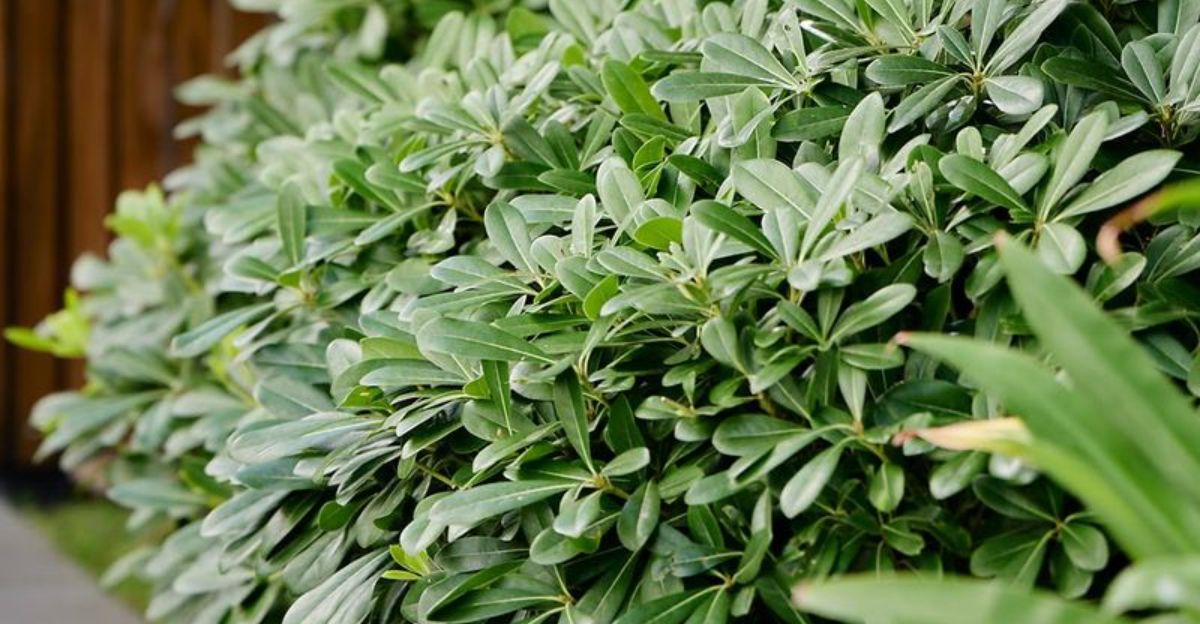
Florida gardens have a personality all their own, and traditional boxwood doesn’t always play nicely with our heat, humidity, and occasional droughts. If you’ve planted boxwood only to watch it struggle, look pale, or demand more care than you signed up for, you’re not alone.
The good news is there are plenty of attractive, tough, and low-maintenance plants that give you that same structured look without the headache. These alternatives handle Florida’s climate better and still give your landscape that polished, classic feel.
What comes next are seven standout choices worth swapping in now, so you get beauty and resilience in your yard.
1. Yaupon Holly Creates A Clean And Classic Hedge
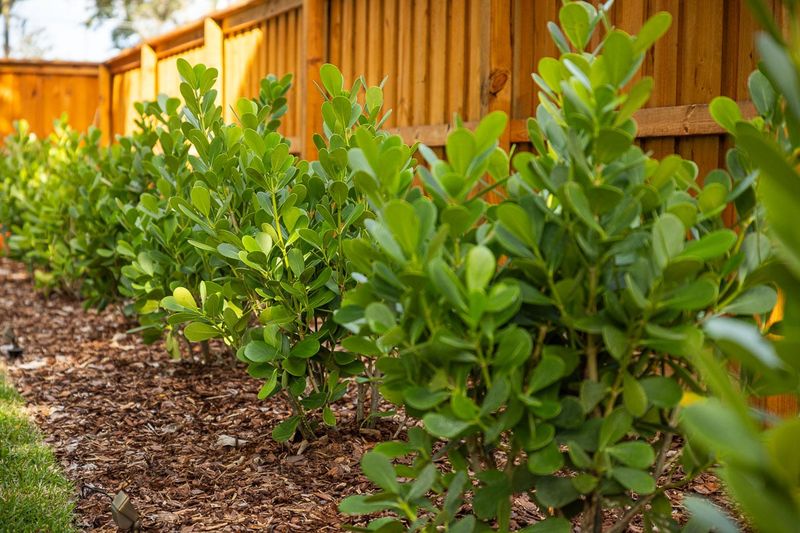
You walk past a neighbor’s yard and notice their hedge looks crisp and healthy without any brown patches or thinning spots. That’s probably yaupon holly doing exactly what it was meant to do in Florida landscapes.
This native shrub handles our climate better than boxwood ever could because it evolved right here in the Southeast.
Yaupon holly grows naturally from Virginia down through Florida, which means it already knows how to handle our summer storms and occasional dry spells. Your hedge will reach about four to six feet tall if you let it grow naturally, but most homeowners keep it trimmed to three feet for a neat border.
The small leaves create a fine texture that looks formal without feeling stuffy.
This plant thrives in full sun or partial shade, and it tolerates both sandy and clay soils throughout Central and North Florida. You won’t spend every weekend pruning because yaupon grows at a moderate pace.
Two or three trims per year usually keep it looking sharp.
After planting, you’ll notice the glossy green leaves stay attractive year round, and tiny red berries appear on female plants during winter. Important note: Only female yaupon hollies produce berries, and a male plant must be nearby for pollination or berries will not form.
Space plants about three feet apart for a solid hedge that fills in within two growing seasons. Mulch around the base and water regularly during the first year, then this hedge practically takes care of itself while giving your yard that polished appearance you wanted from boxwood.
2. Simpson’s Stopper Adds Glossy Evergreen Style
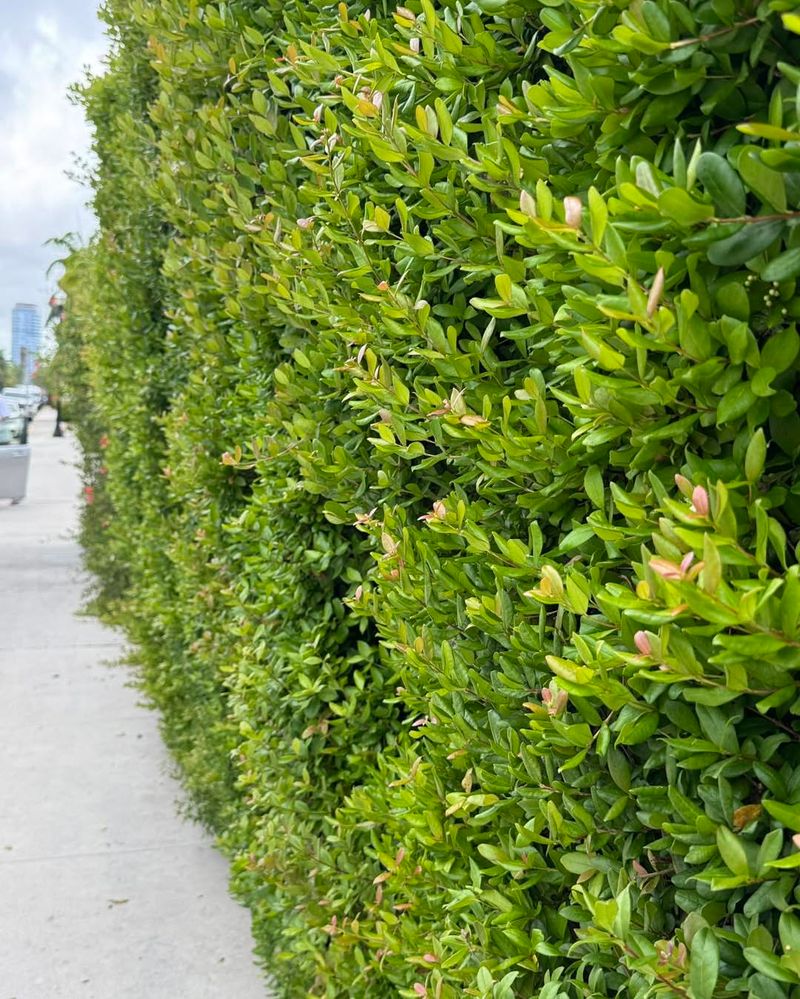
Imagine a hedge that looks like someone polished every single leaf before you walked outside. Simpson’s stopper brings that glossy, deep green appearance to South Florida yards without demanding the constant care that boxwood needs.
Native to coastal hammocks and pinelands, this shrub already understands how to survive in our sandy soils and salty air.
The leaves catch sunlight in a way that makes your property line look intentional and well maintained. Simpson’s stopper naturally grows six to eight feet tall, but regular pruning keeps it at whatever height works for your landscape design.
Most homeowners trim it to four feet for a waist-high border that defines spaces without blocking views.
Your Florida Garden Changes Every Week. Your Plan Should Too.
Gardening in Florida changes quickly throughout the season. Every Friday you’ll receive a simple weekly plan showing exactly what to plant, prune, fertilize, harvest, and protect so you never miss the right timing.
This plant performs best in South Florida’s heat and humidity. In Central Florida, it should only be planted in protected locations because it is sensitive to frost and prolonged cold.
It prefers full sun but tolerates some afternoon shade, especially during our brutal summer months. The roots adapt to different soil types as long as drainage stays decent.
You’ll appreciate how this hedge responds to pruning by growing denser rather than scraggly. Trim it three times yearly during the growing season to maintain shape.
Small white flowers appear in spring and attract butterflies, followed by dark berries that birds enjoy. Space plants two to three feet apart for a thick screen.
Water regularly until established, then reduce frequency as the roots settle in and your hedge develops that signature shine that makes neighbors ask what you planted.
3. Walter’s Viburnum Forms A Thick Privacy Screen
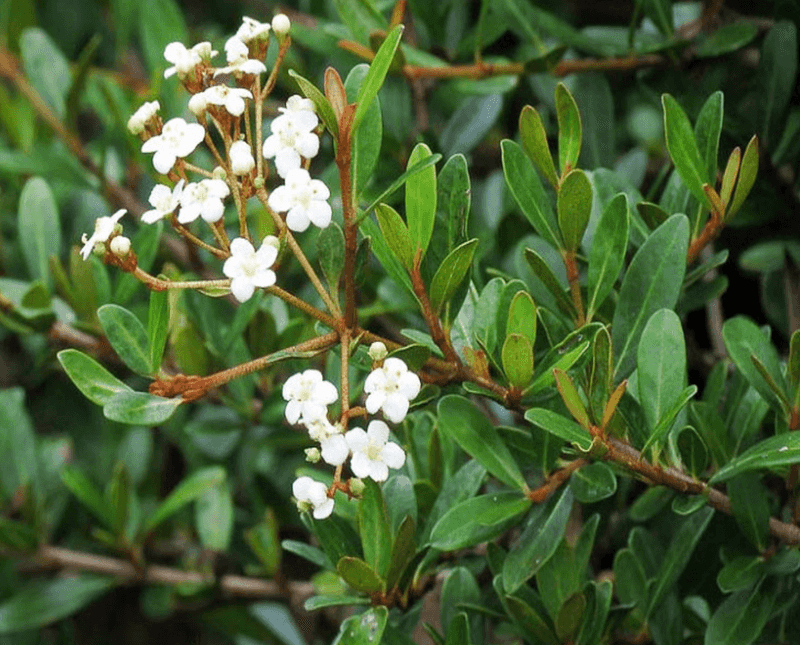
Privacy matters when you’re relaxing on your patio, and some hedges just don’t deliver the coverage you need. Walter’s viburnum grows fast and fills in thick, creating a natural wall that actually blocks views instead of just suggesting a boundary.
This Florida native adapts to conditions from the Panhandle down through Central Florida, handling our variable weather better than boxwood ever manages.
The large leaves create a coarser texture than traditional boxwood, but that’s exactly why this plant provides better screening. Your hedge can reach ten to twelve feet tall if you want a tall privacy barrier, or you can maintain it at six feet for a more moderate division.
The growth rate means you won’t wait years to achieve the coverage you’re after.
Walter’s viburnum tolerates full sun to partial shade and adapts to wet or dry conditions once established. Clay soil doesn’t bother it, and it tolerates brief periods of wet soil after heavy rains, though it does not tolerate prolonged flooding.
This flexibility makes it work throughout different Florida regions where drainage varies from yard to yard.
Plan on pruning twice yearly to control size and encourage bushier growth. The plant produces small white flowers in spring that smell pleasant without being overwhelming.
Space plants four to five feet apart for a solid screen that fills in during the first two years. Water consistently during establishment, then back off as the roots spread.
Your hedge will look substantial and healthy while requiring far less fussing than boxwood, and neighbors won’t see through it even when the sun hits it from behind.
4. Cocoplum Brings A Lush Florida Look
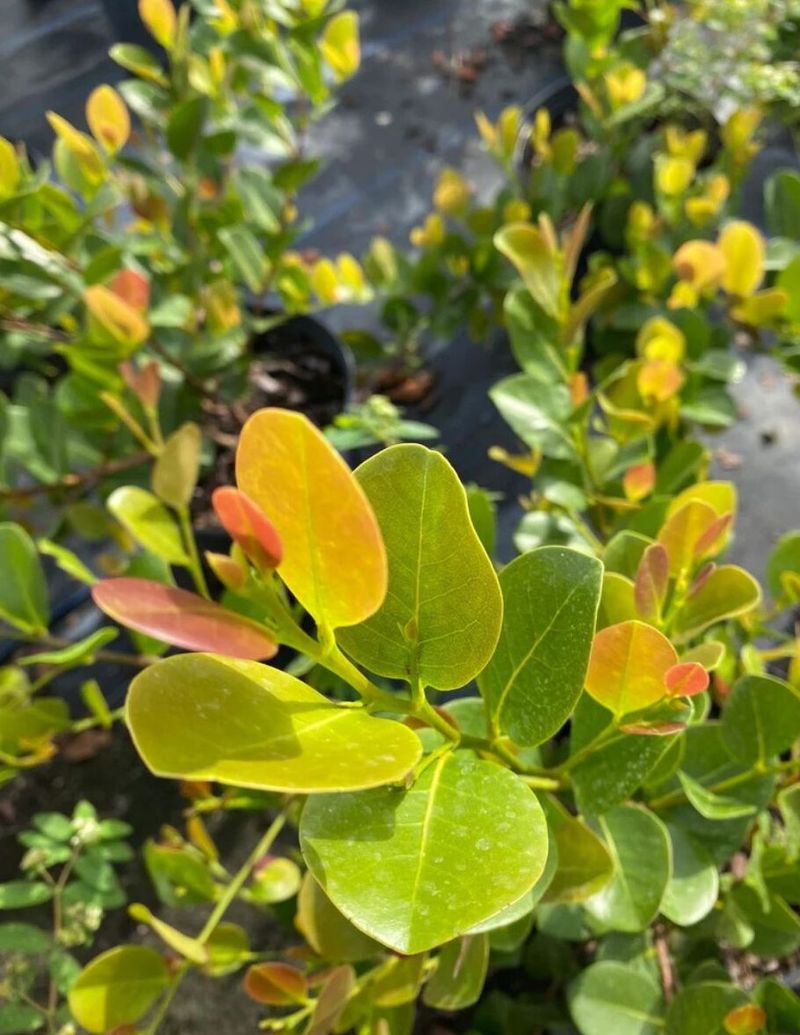
Some plants just look like they belong in Florida, and cocoplum is one of them. The rounded leaves and natural density create that tropical vibe without requiring you to install irrigation systems or spray for pests every month.
This coastal native grows wild along South Florida beaches, which tells you everything about its toughness and salt tolerance.
Cocoplum naturally reaches eight to fifteen feet tall, but regular trimming keeps it at any height you prefer for hedging purposes. Most people maintain it around four to five feet for a substantial border that feels lush without overwhelming smaller yards.
The leaves come in green or reddish-purple varieties, giving you options depending on your color preferences.
This shrub thrives in full sun and handles South Florida’s heat and humidity like it was designed for the job, because it was. It tolerates poor soil, salt spray, and drought once established, making it ideal for coastal properties or inland yards with sandy conditions.
Central Florida gardeners can grow it in warmer microclimates, but cocoplum is freeze sensitive and may suffer damage during colder winters.
You’ll trim cocoplum three or four times during the growing season to maintain formal shapes, or let it grow more naturally for a relaxed hedge. Small white flowers appear sporadically and produce plum-like fruits that attract wildlife.
Space plants three to four feet apart for a dense hedge that fills in quickly. Water regularly during the first year, then reduce frequency as the plant establishes.
Your hedge will look full and healthy year round, giving your property that authentic Florida landscape character while outperforming boxwood in every category that matters.
5. Marlberry Stays Dense And Attractive Year Round
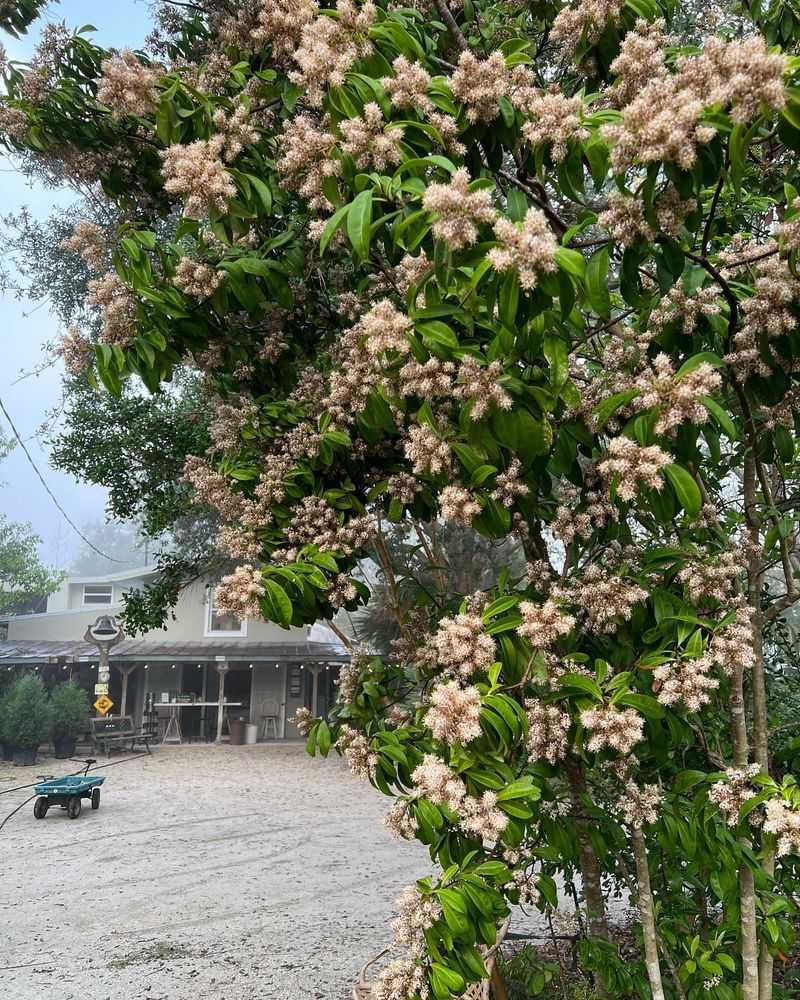
Walk through older Florida neighborhoods and you’ll spot hedges that have been thriving for decades without much intervention. Marlberry often turns out to be the plant behind that effortless success.
This native shrub grows naturally in Central and South Florida’s coastal areas and adapts beautifully to landscape use, creating dense hedges that stay attractive without the browning and thinning problems boxwood faces here.
The small, glossy leaves pack tightly together on multiple branches, creating a fine-textured appearance similar to boxwood but with far better heat tolerance. Marlberry typically grows six to ten feet tall in natural settings, though regular pruning keeps it at three to four feet for formal hedges.
The compact growth habit means you get coverage without dealing with long, floppy branches.
This plant performs well in full sun to partial shade and tolerates South Florida’s challenging conditions including salt spray and occasional wet conditions, as long as soil drains well. It adapts to various soil types and doesn’t demand fertilizer to look good.
Central Florida gardeners can use marlberry successfully in protected locations with adequate moisture.
Pruning two to three times yearly maintains shape and encourages denser branching. Small white flowers bloom in spring and attract pollinators, followed by dark berries that birds consume quickly.
Space plants two to three feet apart for a solid hedge that weaves together within two seasons. Water consistently until roots establish, then reduce frequency as the plant settles in.
Your marlberry hedge will maintain that year-round green appearance without the constant attention boxwood demands, and the dense growth provides better structure for defining property lines or creating garden rooms in your landscape.
6. Dwarf Podocarpus Gives A Modern Hedge Appearance
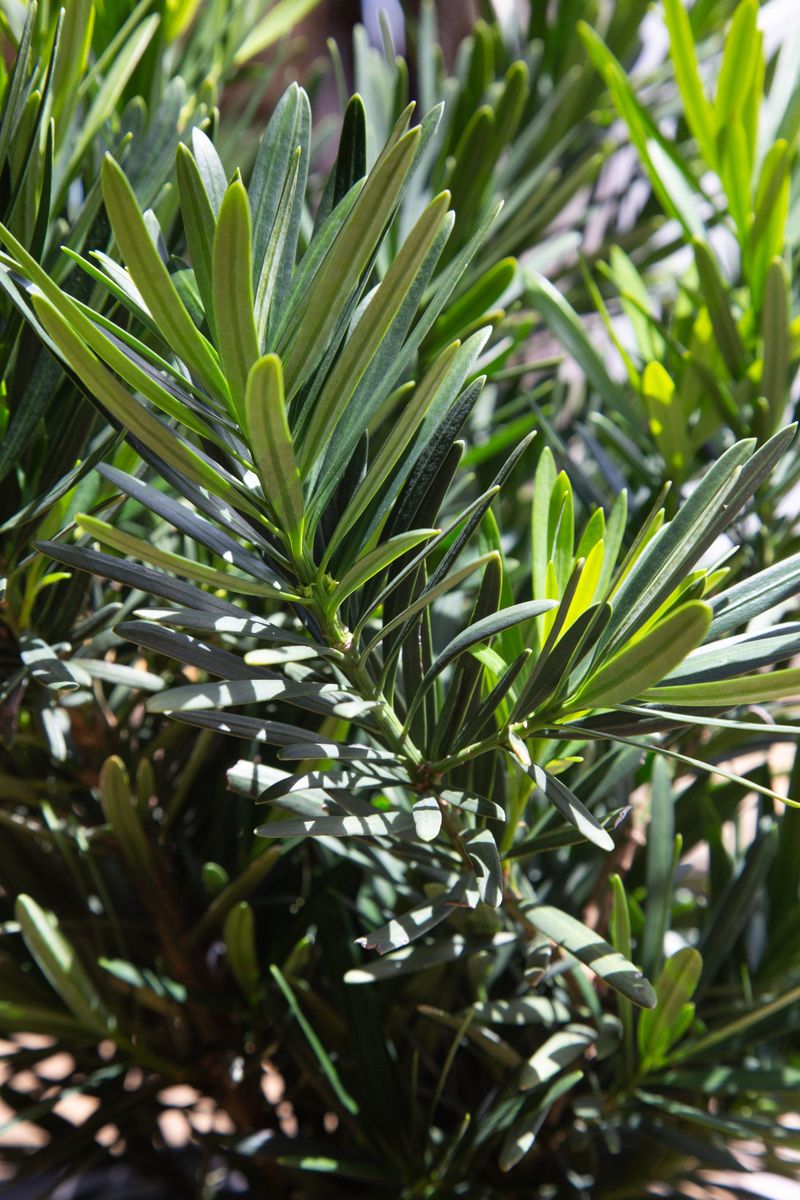
Modern landscapes call for clean lines and consistent texture, and dwarf podocarpus delivers exactly that without the maintenance headaches boxwood brings to Florida gardens. The fine, needle-like leaves create a soft appearance that works beautifully in contemporary designs or traditional settings where you want a refined look.
While not native to Florida, podocarpus is well adapted to the state’s climate and widely used in Florida landscapes.
Dwarf podocarpus grows slowly and stays compact, typically reaching four to six feet tall over many years. Most homeowners maintain it at two to three feet for a low border that frames beds or walkways.
The upright growth habit makes it easy to shape into formal hedges with straight lines and sharp corners.
This shrub performs best in partial shade to full sun and adapts to various soil types throughout Florida. It tolerates occasional dry periods once established but looks better with consistent moisture.
Both South and Central Florida gardeners find success with dwarf podocarpus, and it can work in warmer North Florida zones, though cold snaps may cause damage.
You’ll prune this hedge two or three times yearly to maintain crisp edges and encourage dense growth. The slow growth rate means less frequent trimming compared to faster-growing alternatives.
Space plants two feet apart for a tight hedge that creates a solid visual barrier. Water regularly during establishment, then adjust based on rainfall patterns.
Your dwarf podocarpus hedge will maintain that modern, tailored appearance with minimal effort, giving your property the structured look you wanted from boxwood without the constant struggle to keep it healthy in Florida’s challenging climate.
7. Dwarf Pittosporum Keeps A Soft Rounded Shape
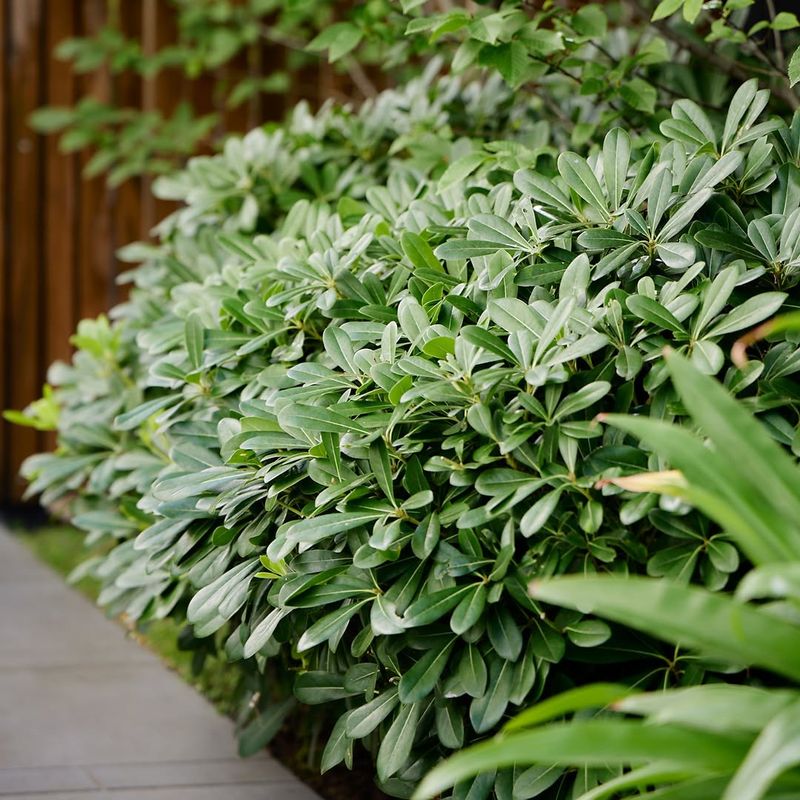
Not every hedge needs sharp angles and military precision. Dwarf pittosporum offers a softer alternative with naturally rounded growth that still looks intentional and well maintained.
The light green foliage brightens shady areas and creates a gentle border that feels welcoming rather than formal. This plant handles Florida’s climate better than boxwood while giving you that casual elegance some landscapes need.
The compact variety stays small, typically reaching three to four feet tall and wide with minimal pruning. The naturally mounded shape means you can let it grow with light trimming rather than constant shearing.
Leaves emerge lighter green and mature to a deeper shade, creating subtle color variation throughout the hedge.
Dwarf pittosporum prefers partial shade to full sun and adapts to different soil types across Florida regions. Pittosporum prefers well-drained soil and does not tolerate consistently wet conditions.
It is also prone to scale insect problems in Florida, which may require monitoring and treatment. The plant appreciates consistent moisture but requires well-drained soil to avoid root problems.
Plan on light pruning once or twice yearly to maintain size and remove any wayward branches. Fragrant white flowers appear in spring, adding a pleasant surprise to your landscape.
The blooms smell sweet without being overpowering. Space plants two to three feet apart for a flowing hedge that softens hard edges in your yard.
Water regularly during the first growing season to establish roots, then reduce frequency as the plants mature. Your dwarf pittosporum hedge will provide that relaxed, cottage-garden feel while requiring far less attention than boxwood, and the soft texture creates a welcoming boundary that invites people into your landscape rather than keeping them out.