5 Flowering Shrubs Arizona Gardeners Should Trim In Late March And 3 To Skip
Spring in Arizona arrives quietly at first, with soft sunlight warming the desert and the first hints of color peeking from shrubs across your yard.
If you’ve spent years tending plants here, you know that timing is everything – a careful clip now can encourage fuller blooms, while a hasty trim might ruin the season you’ve been waiting for.
Pruning at the right moment encourages healthy growth and keeps shrubs looking their best without stressing them in the heat. But not every plant thrives with early cuts, and some need the extra time before you reach for the shears.
By focusing on the shrubs that respond well and leaving others alone, your garden begins the season with a fresh, lively energy.
Soon you’ll be ready to see vibrant blossoms pop, and you can enjoy the full beauty of the desert landscape as it comes alive.
1. Lantana Lighting Up Every Corner
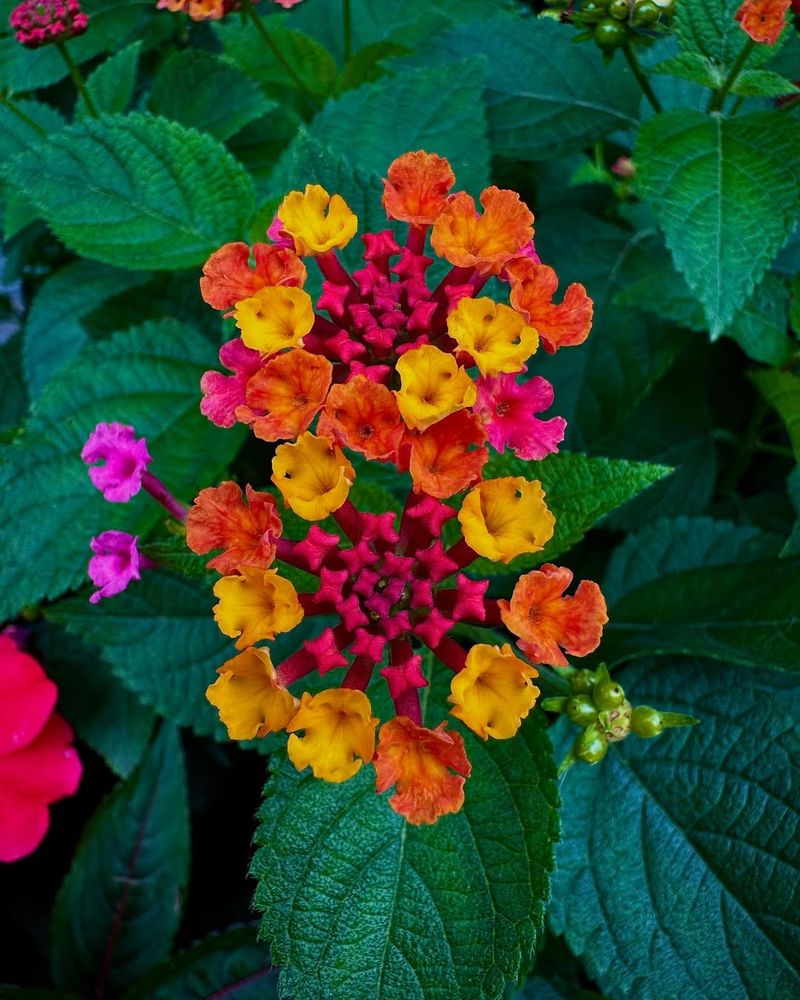
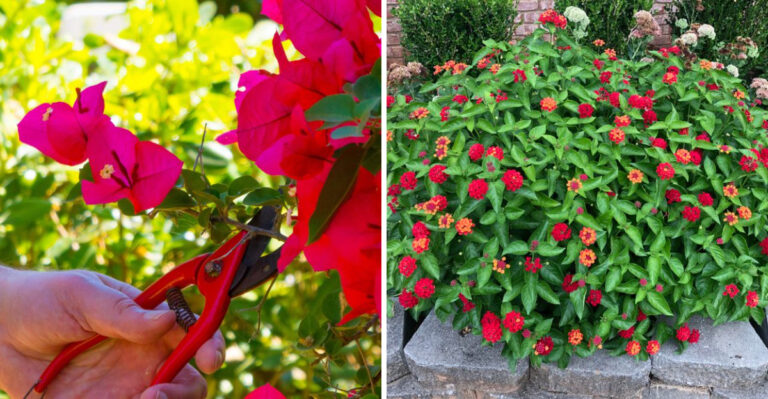
Few plants bounce back from a hard trim quite like lantana does. If your lantana is looking woody, scraggly, or just plain worn out after winter, late March is exactly the right time to cut it back.
Pruning it down to about 6 to 12 inches from the ground might feel extreme, but trust the process because this shrub is tough and ready to reward you.
Arizona gardeners know that lantana thrives in heat, and once temperatures start climbing in spring, this plant takes off fast. Cutting it back before the warm weather hits can encourage fresh new growth from the base.
This pruning can help the plant fill out and potentially increase blooms compared with leaving it untouched.
Use clean, sharp pruning shears and cut back all the old woody stems. Remove any dead or damaged branches first, then trim the rest down to a consistent height.
After pruning, give the plant a good drink of water and a light feeding with a balanced fertilizer to help it recover quickly.
Lantana blooms in clusters of tiny flowers in shades of orange, yellow, red, pink, and purple, making it one of the most colorful plants in any Arizona yard. Butterflies and hummingbirds absolutely love it, so a well-pruned lantana does double duty as both a garden showstopper and a wildlife magnet.
By May, you’ll barely recognize the trimmed-back plant because it’ll be covered in blooms from top to bottom.
2. Roses Stealing The Show
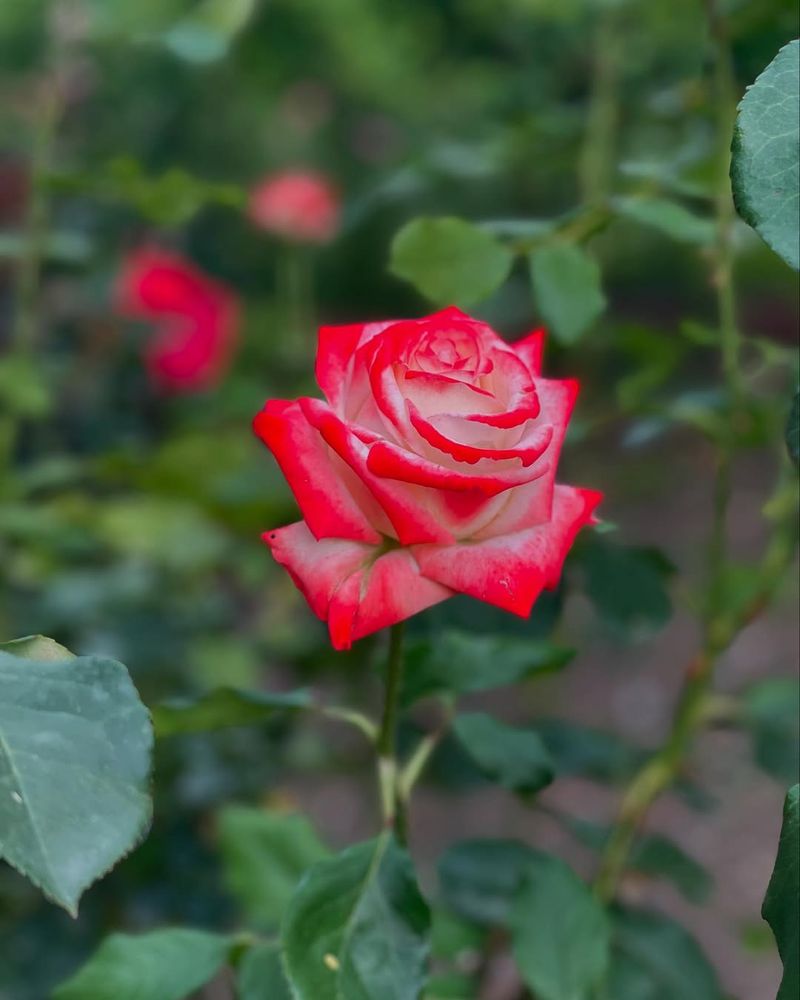
Arizona and roses may seem unlikely companions, yet these classic shrubs flourish when properly tended. Late February into late March is prime pruning time for roses in Arizona, and getting this step right sets the tone for the entire growing season ahead.
Pruning now can support bloom production and healthier growth, but results depend on the plant and care.
Start by removing any canes that look dead, diseased, or are crossing over each other. Crossing canes rub together and create wounds that invite pests and fungal problems, so clearing them out is a smart move.
After that, cut the remaining healthy canes back so that only about three to five growth buds are left on each one.
Your Arizona Garden Changes Every Week. Your Plan Should Too.
Gardening in Arizona changes quickly throughout the season. Every Friday you’ll receive a simple weekly plan showing exactly what to plant, prune, fertilize, harvest, and protect so you never miss the right timing.
Always cut at a 45-degree angle just above an outward-facing bud. This encourages the new growth to spread outward rather than inward, which keeps the center of the plant open for better air circulation.
Good airflow is especially important in Arizona because it helps prevent fungal diseases that can pop up when temperatures start to swing.
After pruning, clean up all the fallen leaves and clippings from around the base of the plant. Old debris can harbor pests and diseases that will come back to haunt you later.
Water your roses deeply after pruning and consider applying a rose-specific fertilizer to give them the nutrients they need to push out strong, healthy new growth right on schedule.
3. Autumn Sage Owning The Season
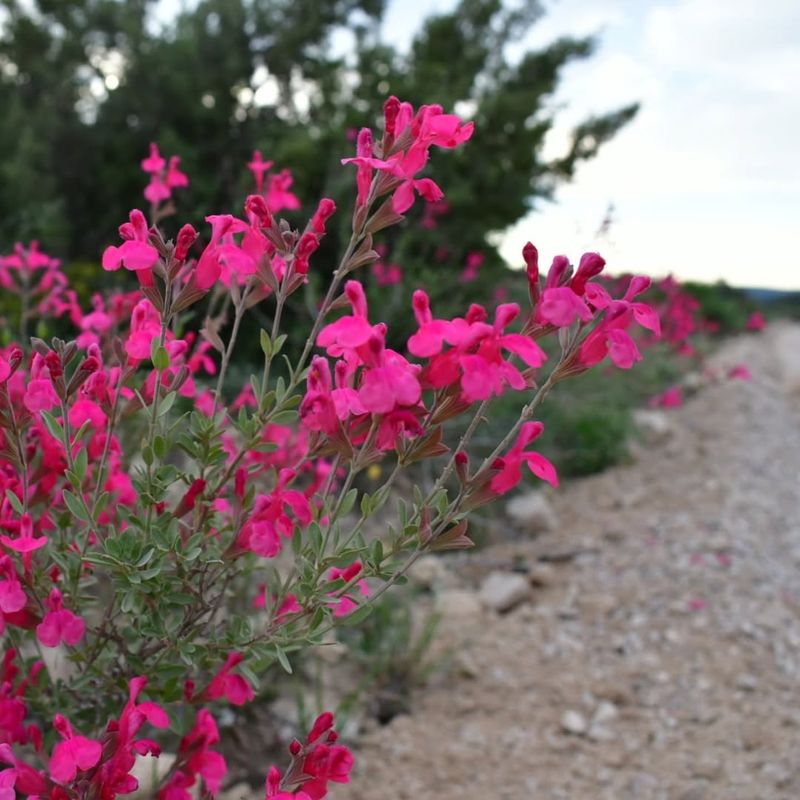
Known botanically as Salvia greggii, autumn sage is one of those plants that keeps giving all year long in Arizona. Its bright red tubular flowers are a favorite of hummingbirds, and a light trim in late March keeps the plant looking tidy and encourages it to pump out even more of those gorgeous blooms.
The good news is that you don’t need to go heavy with the pruning shears on this one.
A trim of about one-third of the overall plant height is all you need. Cut back the stems to just above a set of healthy leaves or a side shoot, and avoid cutting into the woody base of the plant.
Autumn Sage generally responds well to light shaping and can bloom throughout the season under favorable conditions.
One of the best things about growing Autumn Sage in Arizona is how drought-tolerant it is once established. After your late March trim, water the plant a couple of times a week until you see strong new growth pushing out.
After that, you can cut back on watering and let the plant do its thing in the desert heat.
If your Autumn Sage has gotten quite large and leggy over the years, you can be a little more aggressive with the pruning, but always leave plenty of green growth on the plant. Cutting back into bare, leafless wood can stress the shrub significantly.
A consistent light trim each spring is far better than one big drastic cut every few years.
4. Bougainvillea Bursting With Drama
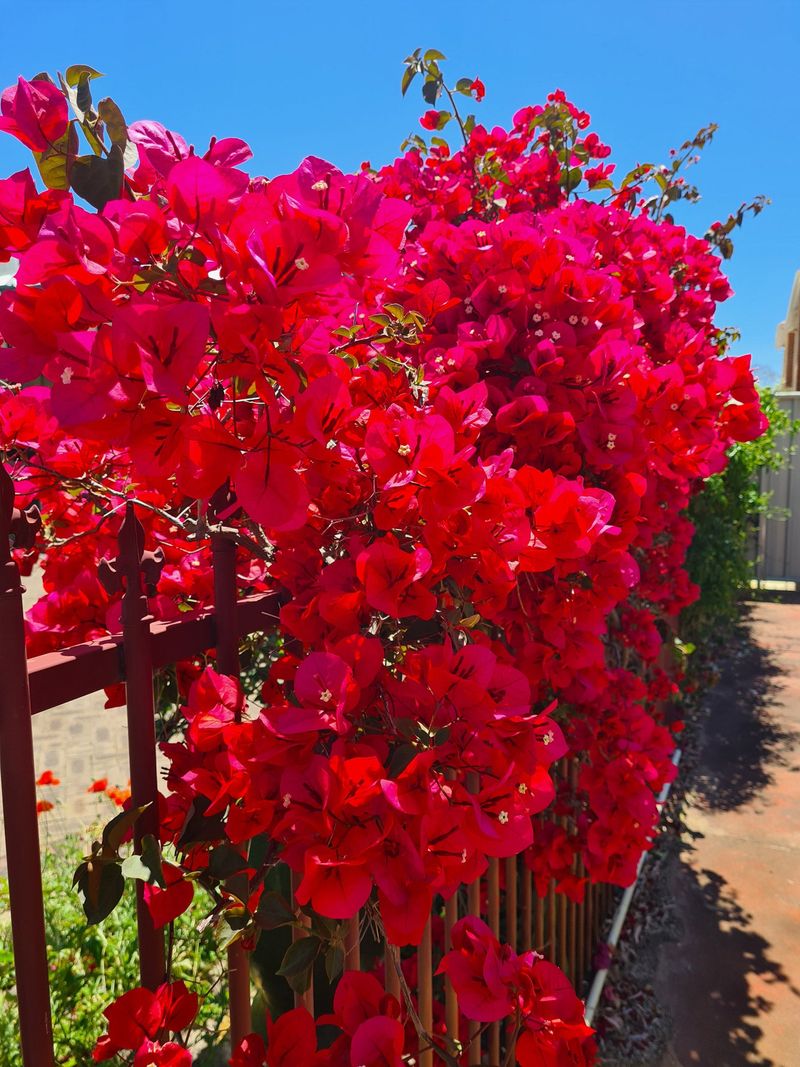
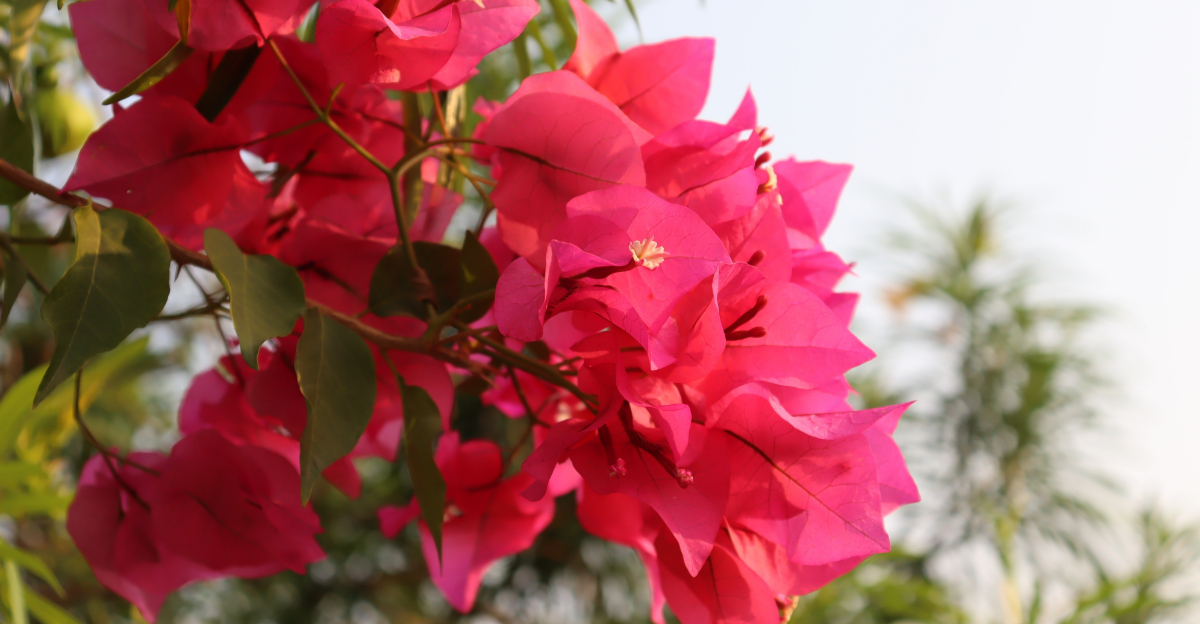
Those brilliant cascades of magenta, orange, red, and purple blooms are hard to beat, and a well-timed late March pruning is one of the secrets to keeping this vigorous climber looking its best. Pruning in late winter before the spring flush of growth helps you control its shape without cutting off the blooms that are about to pop.
Bougainvillea can grow incredibly fast in the Arizona heat, and without regular pruning it quickly becomes a tangled mess of thorny branches. Late March is the sweet spot because the plant is just starting to wake up from its winter slowdown but hasn’t yet pushed out its new spring growth.
Cutting it back now gives you maximum control over the shape and size.
Use thick gloves when pruning bougainvillea because those thorns are no joke. Remove any dead or crossing branches first, then trim back long, unruly stems to your desired shape.
If you want a more compact plant, you can cut it back fairly hard, but always leave some healthy green growth on the branches to support recovery.
After pruning, hold off on heavy watering for a few days to let the cut ends seal up properly. Bougainvillea may respond positively to careful watering and feeding, but bloom results can vary.
A light application of a bloom-boosting fertilizer in early April will help push out those spectacular flower bracts that make this plant such a standout in any Arizona yard.
5. Texas Sage Standing Tall And Bold
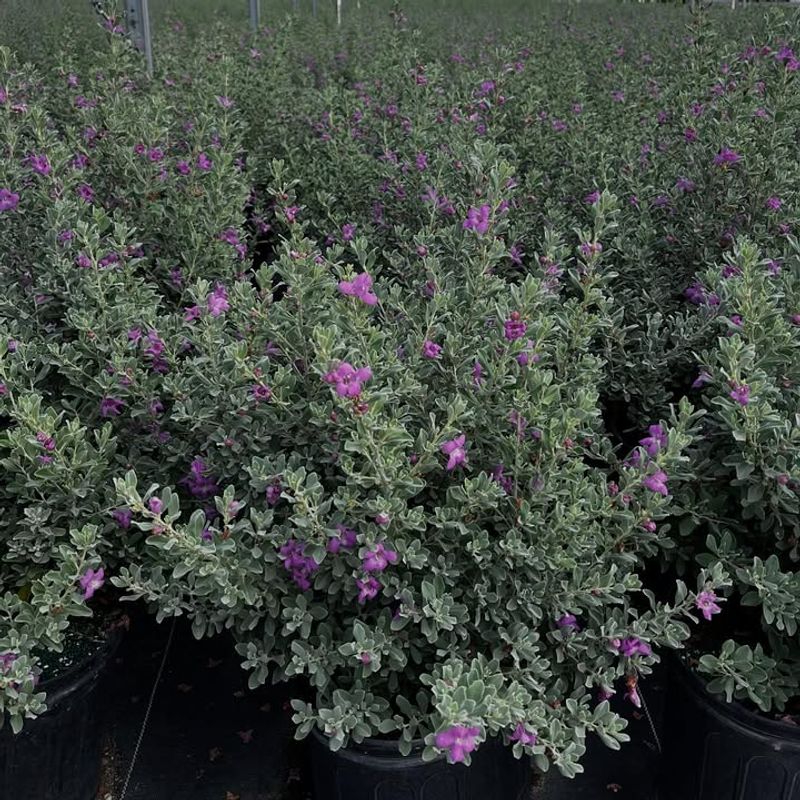
This is one of the most low-maintenance and reliable flowering shrubs you can grow in Arizona. Its silver-green leaves and bursts of purple flowers make it a stunning addition to any desert landscape, and a light prune in early spring helps keep it from getting too rangy and shapeless.
Late March is a great time to give it a gentle trim before the heat of summer really kicks in.
The key with Texas Sage is to keep the pruning light and natural-looking. Avoid shearing it into a tight ball or box shape because this removes the branch tips where blooms actually form, and you’ll end up with a plant that looks like a green lollipop with no flowers.
Instead, use hand pruners to selectively trim back the longest branches and encourage a rounded, natural form.
Texas Sage is incredibly drought-tolerant and actually prefers lean, well-draining soil. After your spring trim, hold back on fertilizing because too much nitrogen will push leafy green growth at the expense of flowers.
This plant often blooms after summer monsoon rains, and a light spring pruning can support a healthy display of flowers.
One fun fact about Texas Sage is that it’s often called a barometer bush because it tends to bloom right before or after rain. Arizona gardeners love this trait because it feels like the plant is giving you a little weather forecast.
Keep your pruning light and consistent each spring, and this tough shrub will reward you with beautiful purple blooms for many years to come.
6. Fairy Duster Casting Its Magic
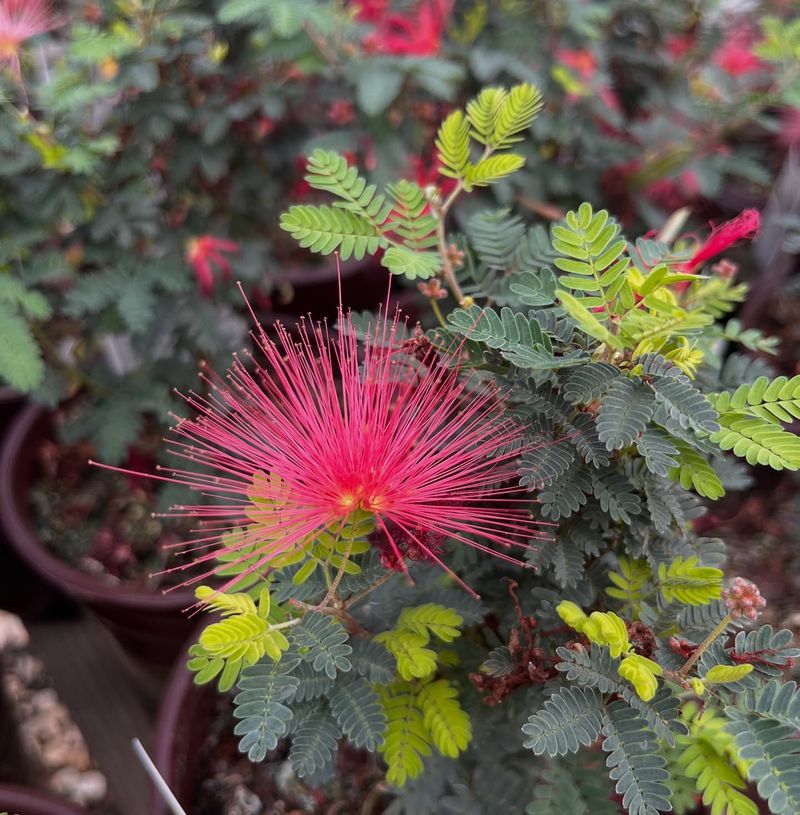
One of the most enchanting native shrubs for an Arizona garden is the fairy duster. Those soft, feathery pink-red blooms that look like tiny powder puffs are absolutely magical, and they appear in late winter and early spring right when the desert starts waking up.
Here’s the most important thing to know: do not prune Fairy Duster in late March because you will cut off the very flowers that make this plant so special.
Fairy Duster sets its flower buds on growth from the previous year, which means any trimming you do in late March will remove buds that are already in the process of opening. You’ll be left with a pruned plant and no blooms, which is a frustrating outcome after waiting all winter for this shrub to put on its show.
Patience pays off with this one.
The best time to prune Fairy Duster is after it finishes flowering, usually sometime in April or even early May in Arizona. At that point, you can do a light shaping trim to tidy up any unruly branches or remove stems that are crossing or rubbing against each other.
Keep the pruning minimal because Fairy Duster looks best when it’s allowed to grow in its natural, wispy form.
This shrub is also a fantastic wildlife plant, attracting hummingbirds, butterflies, and native bees throughout the blooming season. It’s drought-tolerant once established and grows well in rocky, well-draining Arizona soils.
Letting it bloom undisturbed in late March is one of the easiest and most rewarding decisions you can make in your desert garden this spring.
7. Chuparosa Drawing Hummingbird Crowds
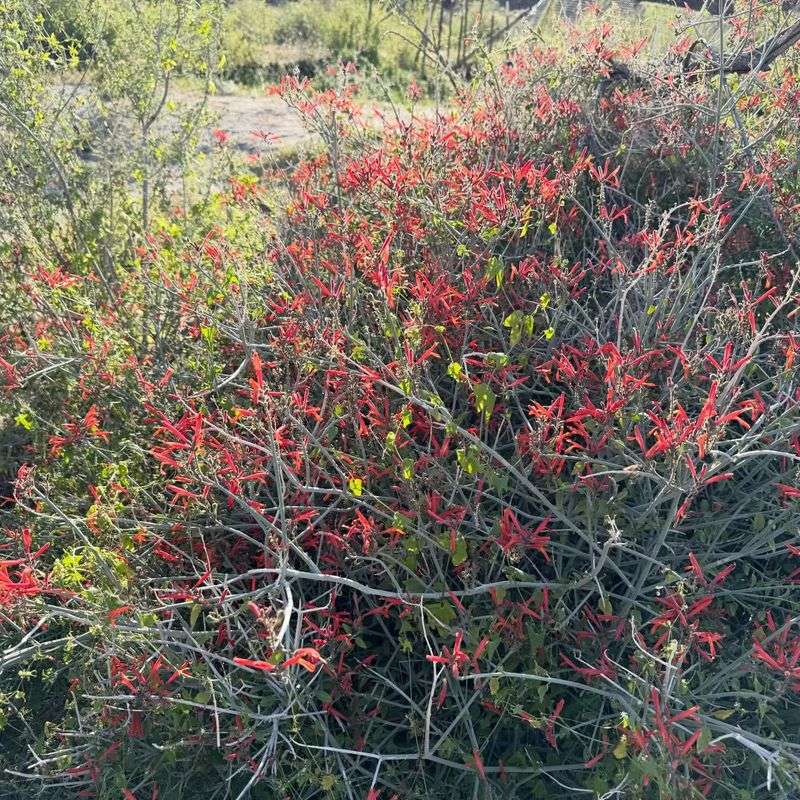
A hummingbird’s dream come true in the garden is the chuparosa. This tough, sprawling native shrub produces a stunning display of narrow red tubular flowers from late winter into spring, and hummingbirds flock to it like it’s the best restaurant in town.
If you’re tempted to trim back your Chuparosa in late March, hold off because right now is prime time for those beautiful blooms, and pruning will cut the show short.
Just like Fairy Duster, Chuparosa blooms on old wood, meaning the flower buds developed on last year’s growth. Cutting the plant back in late March removes those buds before they have a chance to fully open and be enjoyed.
Arizona gardeners who prune too early often find themselves with a tidy-looking shrub that produces very few flowers for the rest of the season.
Wait until the main flush of spring blooming winds down, typically in April or May, before doing any shaping or light trimming. When you do prune, focus on removing stems that are too long, damaged, or growing in an awkward direction.
Chuparosa has a naturally loose and arching growth habit, and it looks most attractive when it’s allowed to maintain that relaxed, flowing form.
Chuparosa is incredibly well-suited to Arizona’s desert conditions. It tolerates full sun, reflected heat, and dry soils with ease, making it a go-to plant for low-water landscapes across the state.
Once established, it needs very little supplemental irrigation. Giving it the gift of an uninterrupted bloom season in late March is truly the best thing you can do for this remarkable native shrub.
8. Brittlebush Thriving Against The Odds
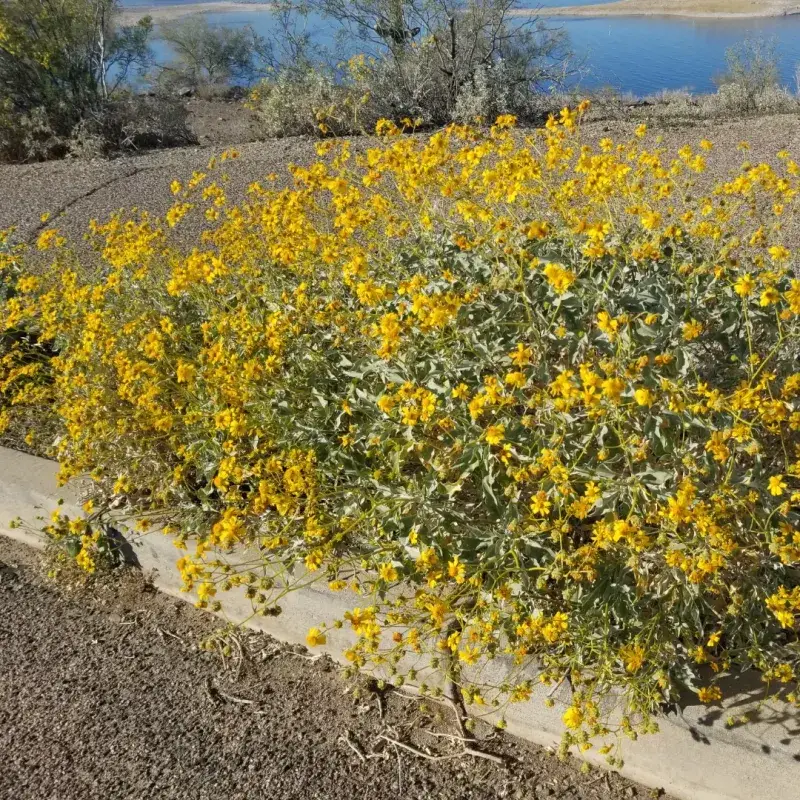
Walk along almost any Arizona roadside or desert trail in late winter and early spring, and you’ll spot Brittlebush putting on one of the most cheerful shows in the plant kingdom. Those masses of bright yellow, daisy-like flowers sitting above silvery gray leaves are a signature look of the Sonoran Desert, and late March is right in the middle of peak bloom season for this beloved native shrub.
This is absolutely not the time to prune it.
Brittlebush blooms heavily in late winter through early spring, and the flowers are produced at the tips of the stems on growth from the previous season. Pruning in late March would strip away those flowering stems just as the plant is hitting its stride.
Many Arizona gardeners make this mistake once and then never again after seeing how dramatically it reduces the flower display.
After the blooms fade, usually sometime in April or May depending on your elevation, you can cut back the plant to tidy it up and encourage fresh silver-leafed growth. Brittlebush tends to get a bit scraggly and bare at the base after a heavy bloom season, and a post-bloom trim helps it fill back in nicely before the summer heat arrives.
One interesting thing about Brittlebush is that it produces a fragrant resin in its stems that Native American communities historically used as incense. Beyond its cultural history, it’s a tough, reliable plant that thrives in Arizona’s heat and drought.
Letting it bloom freely in late March costs you nothing and rewards you with weeks of stunning golden color across your landscape.