7 Gorgeous Plants In Texas You Can Easily Propagate From Cuttings
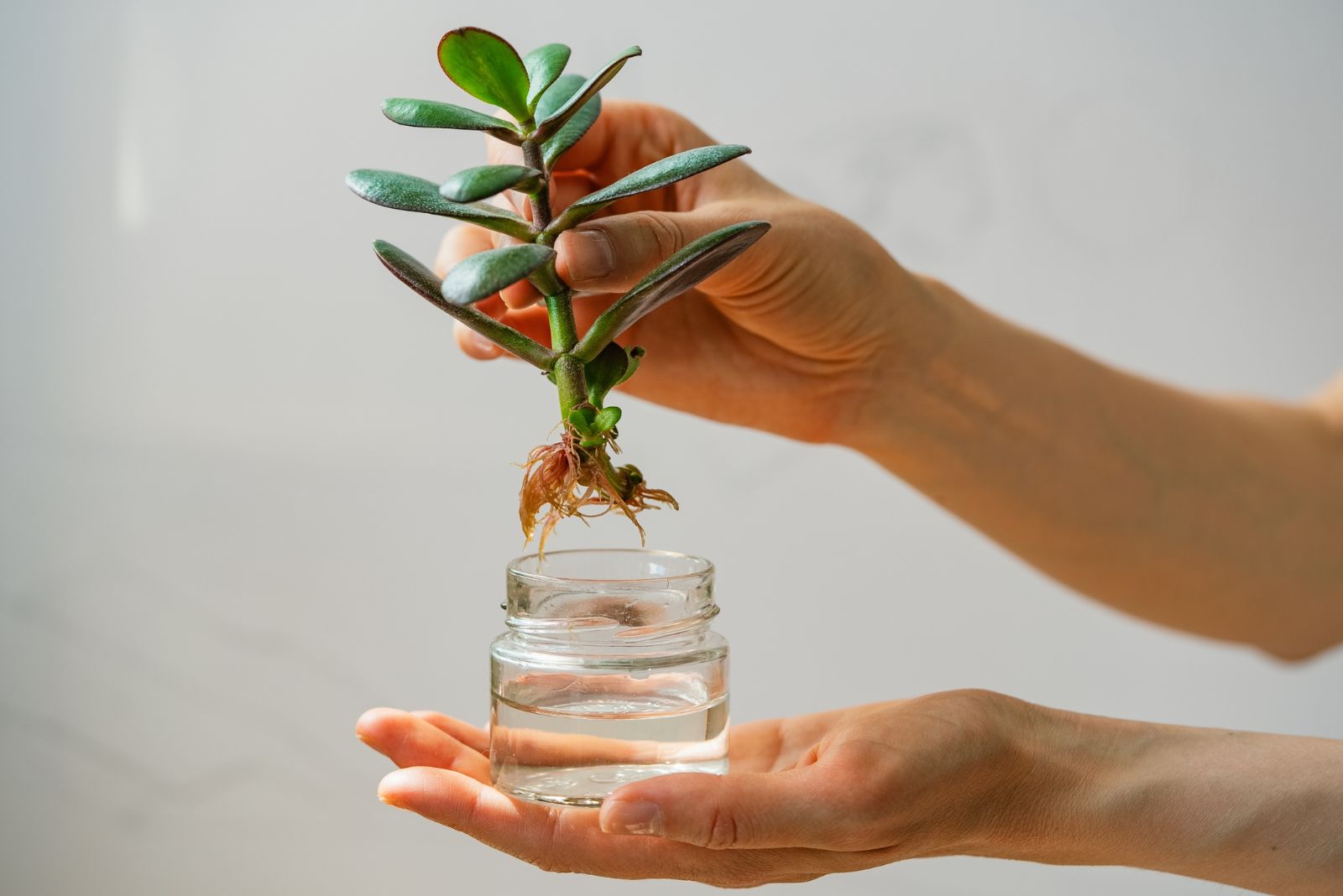
There is something extra satisfying about turning one great plant into several without spending another dollar at the garden center.
That is exactly why propagating from cuttings feels like such a win, especially in Texas, where many beautiful plants grow fast and root surprisingly well with the right approach.
If you already have a healthy favorite in the yard or on the patio, you may be closer to a whole new batch of plants than you realize.
Propagation sounds technical, but it can be wonderfully simple. A small cutting from the right plant, taken at the right time, can become a strong new start for beds, borders, containers, or even gifts for fellow plant lovers.
In Texas, this is especially appealing because so many popular warm-weather plants respond well to this method and keep the garden looking full without a lot of extra cost.
The best part is that easy propagation does not mean boring results. Some of the most eye-catching plants in Texas can be multiplied this way, giving you more color, texture, and impact from the plants you already love.
Once you see how easy it is to grow more from cuttings, it becomes hard not to want to try it with everything.
1. Coleus
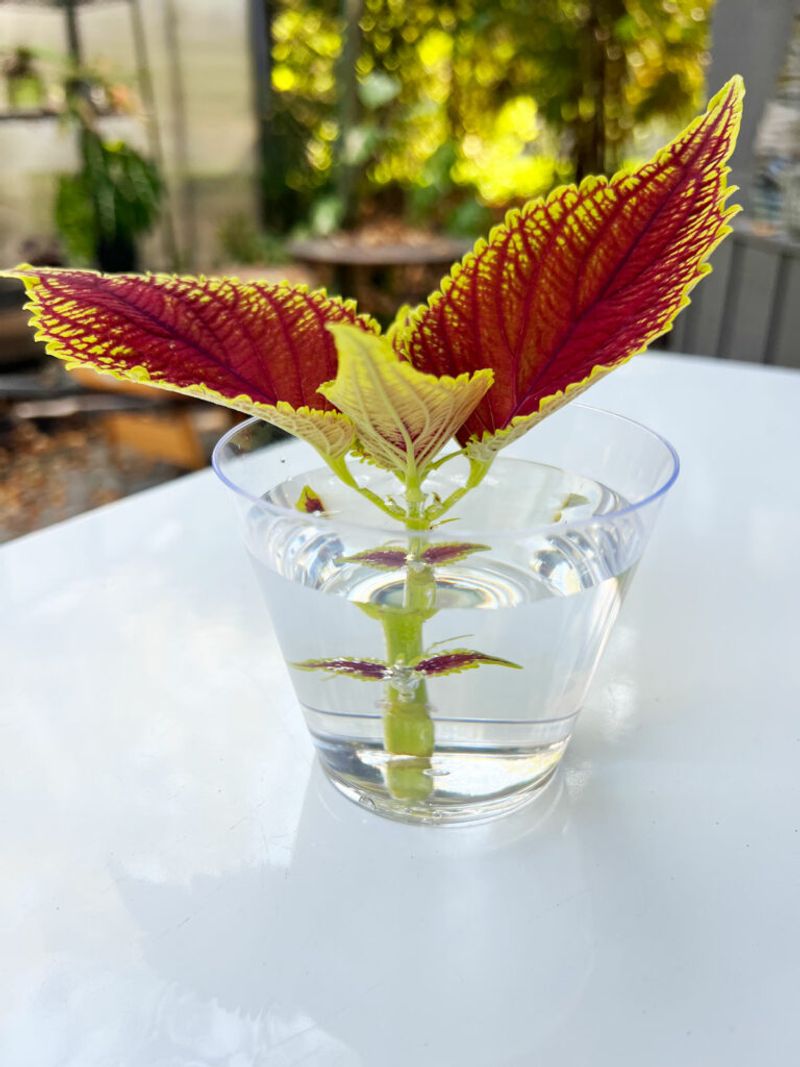
Walk through any Texas garden center in spring and you will spot coleus immediately. Its leaves burst with bold shades of red, pink, burgundy, lime green, and deep purple, making it one of the most eye-catching foliage plants around.
The good news is that you do not need to buy a new one every year because propagating coleus is surprisingly simple.
To get started, snip a healthy stem that is about four to six inches long. Make your cut just below a leaf node, which is the small bump where leaves grow out of the stem.
Remove the lower leaves so only the top two or three remain, then place the cutting in a glass of water in a warm, bright spot.
Within just seven to ten days, you will see tiny white roots beginning to form at the bottom of the stem. Once the roots are about an inch long, transfer the cutting into a pot filled with moist, well-draining soil.
Coleus thrives in the warm Texas climate, especially in shaded or partially shaded spots where the afternoon sun does not scorch the leaves.
You can also root coleus directly in soil if you prefer. Just dip the cut end in rooting hormone powder first, then stick it into a small pot of damp potting mix.
Keep it moist and out of direct sunlight for about two weeks. Before long, you will have a brand-new, fully rooted plant ready to brighten up your Texas garden or porch.
2. Lantana
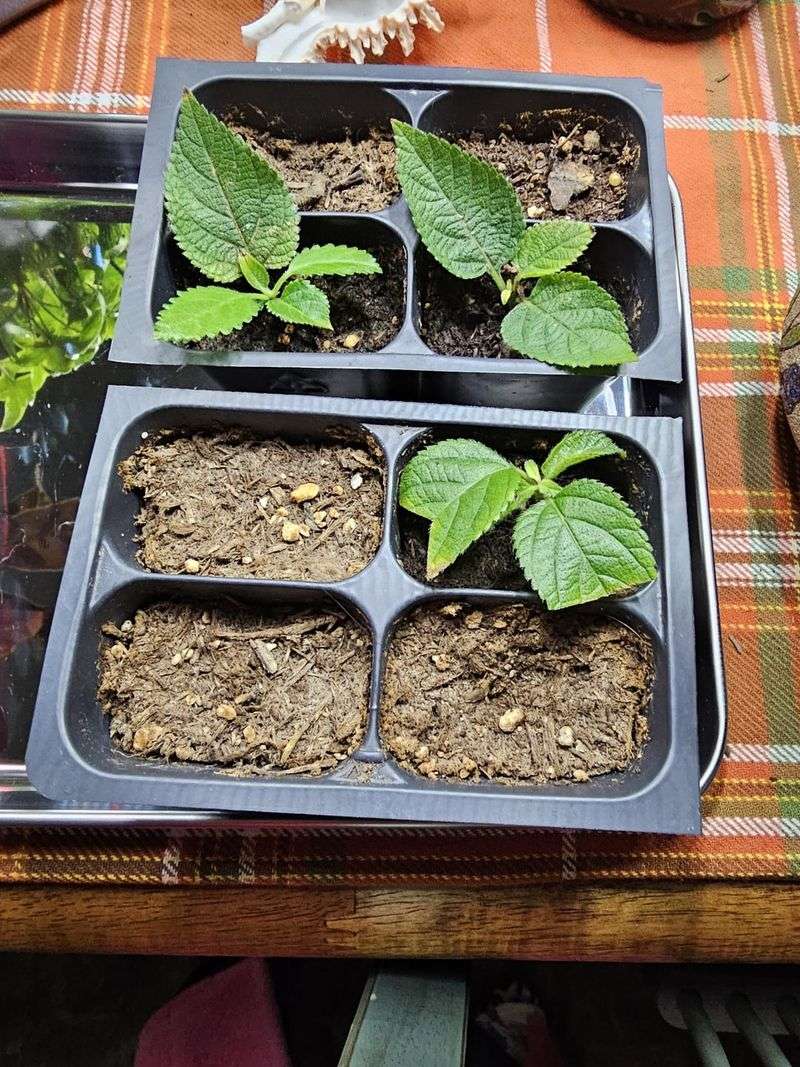
If there is one plant that genuinely loves the Texas heat, it is lantana. This tough, cheerful plant produces clusters of tiny flowers in fiery shades of orange, yellow, red, and pink, often all on the same bloom.
Butterflies and hummingbirds cannot resist it, which makes it a favorite among Texas gardeners who want a lively, wildlife-friendly yard.
Your Texas Garden Changes Every Week. Your Plan Should Too.
Gardening in Texas changes quickly throughout the season. Every Friday you’ll receive a simple weekly plan showing exactly what to plant, prune, fertilize, harvest, and protect so you never miss the right timing.
Propagating lantana from cuttings is a smart way to multiply your supply without spending extra money. The best time to take cuttings is in late spring or early summer when the plant is actively growing and full of energy.
Look for softwood cuttings, which are young, flexible stems that have not yet turned woody. Snip a piece about four to six inches long, just below a node.
Strip off the lower leaves and dip the cut end into rooting hormone to give it a strong start. Then plant it in a small container filled with a well-draining mix of perlite and potting soil.
Place the pot in a warm, bright location, but keep it out of harsh afternoon sun until roots develop.
Because Texas summers are hot and humid, lantana cuttings tend to root faster here than in cooler climates. You can expect roots to form within three to four weeks.
Once the cutting feels firmly anchored in the soil, it is ready to be transplanted into your garden. Established lantana is also wonderfully drought-tolerant, making it a low-maintenance beauty perfect for the Texas landscape.
3. Rosemary
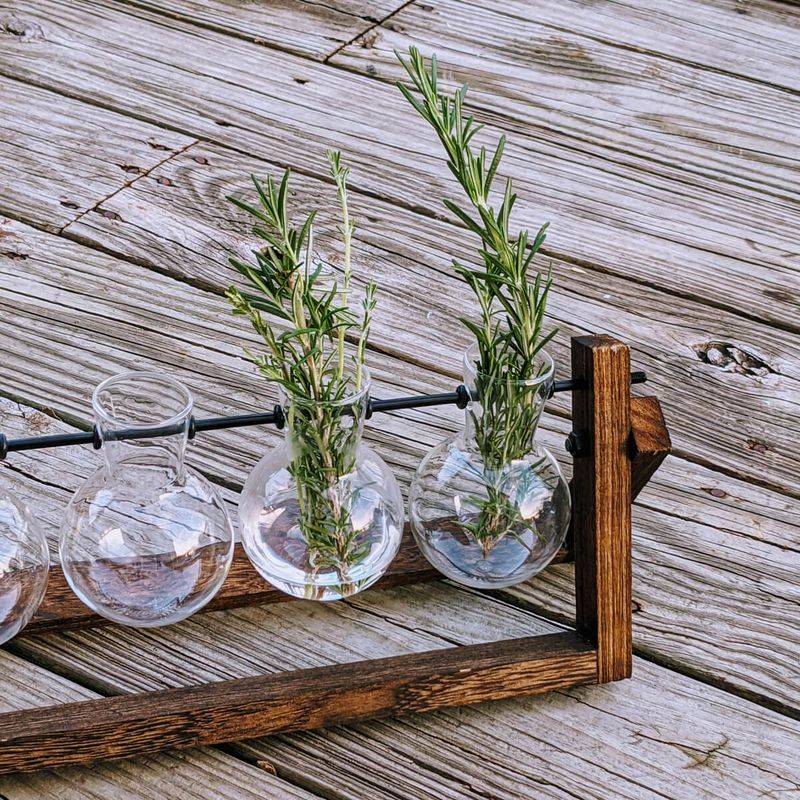
Rosemary is practically made for Texas. This fragrant, woody herb handles the heat, tolerates drought once it gets established, and keeps its silvery-green needles looking sharp all year long.
It is also incredibly useful in the kitchen, adding bold flavor to roasted meats, bread, and vegetables. Growing more of it from cuttings means you will never run short.
The best type of cutting to use for rosemary is a semi-hardwood cutting. This means you want a stem that is slightly mature but not completely stiff and woody yet.
Late summer is a great time to take these cuttings in Texas, right after the plant has finished its most active growth phase. Look for stems about four to six inches long and snip them cleanly with sharp scissors or pruning shears.
Remove the lower two inches of leaves from the stem, leaving a clean section to plant in soil. Dipping the cut end in rooting hormone is highly recommended because rosemary can be a little slower to root than other plants.
Plant the cutting in a pot filled with sandy, well-draining soil since rosemary strongly dislikes sitting in wet conditions.
Place the pot in a sunny spot and water lightly, letting the soil dry out slightly between waterings. Roots typically form within four to eight weeks.
Once your new rosemary plant is rooted and growing, move it to a sunny garden bed or keep it in a container on your Texas patio. After its first season, it will handle dry spells like a champion.
4. Hibiscus (Tropical And Hardy Types)
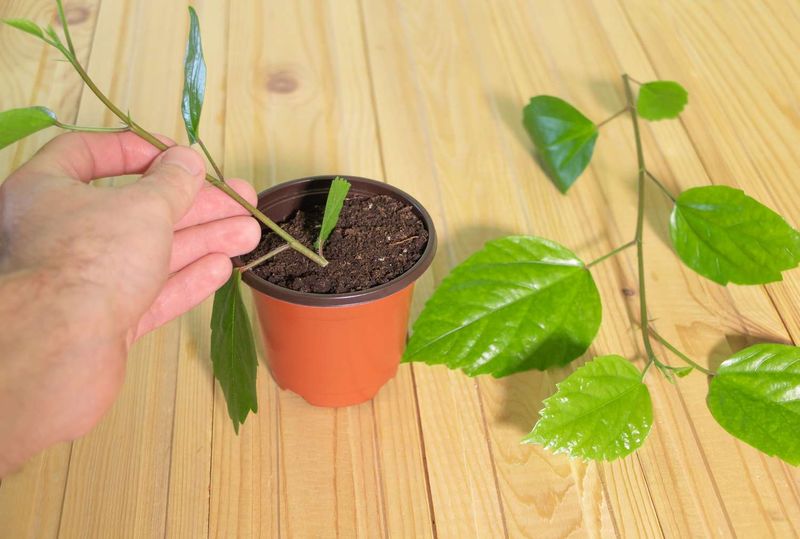
Few plants make a statement quite like hibiscus. Whether you choose the tropical variety with its glossy leaves and dinner-plate-sized blooms or the hardy native type that survives Texas winters, both can be easily propagated from cuttings.
The flowers come in shades of red, pink, orange, yellow, and white, giving any yard an instant tropical feel.
The best time to take hibiscus cuttings is during the active growing season, which in Texas typically runs from late spring through early fall.
Choose a healthy stem about four to six inches long that has at least two or three leaf nodes on it. Cut just below the lowest node using clean, sharp pruners to avoid damaging the stem.
Remove all but the top two leaves to reduce moisture loss while the cutting works on growing roots. Dip the cut end generously into rooting hormone powder or gel, then plant it in a small pot filled with a moist mix of perlite and potting soil.
Cover the pot loosely with a clear plastic bag to create a mini greenhouse effect, which helps the cutting stay humid while it roots.
Place the pot in a warm location with bright, indirect light. In Texas, a shaded porch works wonderfully during the warmer months.
Roots should develop within four to six weeks. Gently tug on the cutting after a month to check for resistance, which signals that rooting has happened.
Once rooted, transplant your new hibiscus into a larger pot or directly into your garden for a summer full of spectacular blooms.
5. Bougainvillea
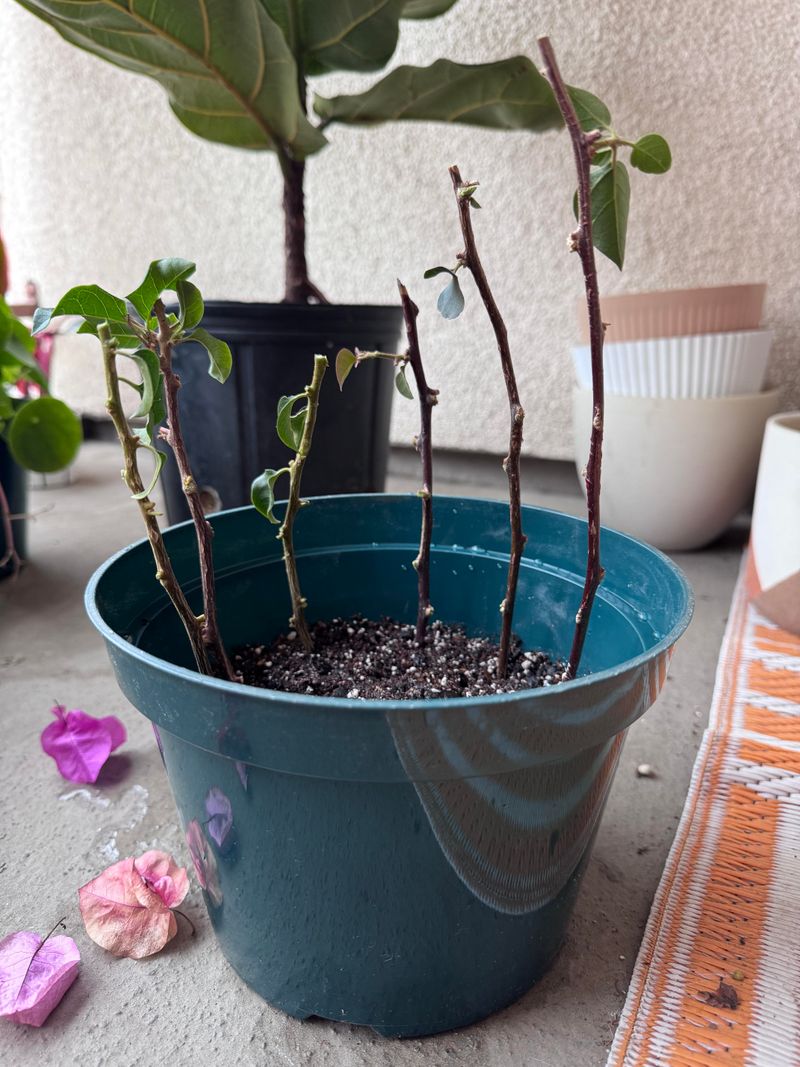
Bougainvillea is the showstopper of warm-climate gardens. Its bold, papery bracts in shades of magenta, purple, orange, red, and white practically glow in the Texas sunshine, and once established, this plant is nearly unstoppable.
It loves heat, handles drought like a pro, and can climb walls, fences, and trellises with dramatic flair. Starting one from a cutting is the most affordable way to bring this beauty into your yard.
Bougainvillea is best propagated from hardwood cuttings, which come from older, more mature stems rather than soft new growth.
Take cuttings in late winter or early spring before new growth starts, or in late summer after the peak growing season. Choose a stem about six to eight inches long and make a clean cut just below a node.
Remove all the leaves from the cutting to reduce water loss, then dip the cut end into rooting hormone. Plant it in a pot filled with a well-draining mix of coarse sand and potting soil.
Bougainvillea does not like wet roots, so make sure the container has good drainage holes. Water lightly after planting and then let the soil dry out before watering again.
Rooting can take anywhere from four to eight weeks, and patience is key with bougainvillea. Place the pot in a warm, sunny spot, which is easy to find in Texas.
Once the cutting has rooted firmly, move it to a sunnier outdoor location and watch it take off. Bougainvillea is truly one of Texas’s most rewarding garden plants to grow from scratch.
6. Mint
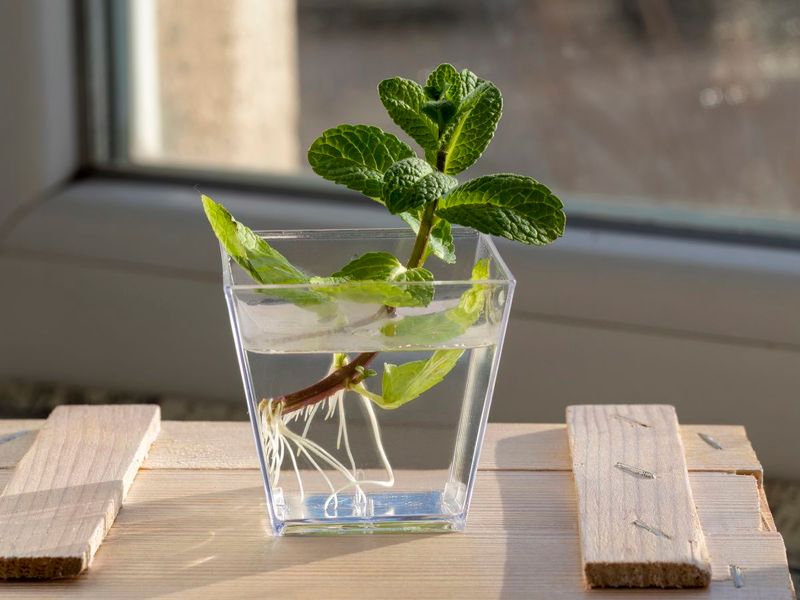
Mint is the plant that practically roots itself. Drop a sprig in a glass of water and walk away for a week, and you will come back to a cutting already sprouting tiny white roots at the bottom.
It is one of the easiest plants on the planet to propagate, which makes it a perfect starting point for beginner gardeners anywhere in Texas.
To propagate mint, snip a stem about four to six inches long just below a leaf node. Remove the lower leaves and place the cutting in a jar of clean water on a sunny windowsill.
Change the water every couple of days to keep it fresh. Within one to two weeks, you will have roots long enough to plant in soil.
Alternatively, you can skip the water step and plant the cutting directly into moist potting mix.
Mint grows fast in the warm Texas climate, sometimes almost too fast. In a garden bed, it can spread aggressively through underground runners and take over spaces you did not intend.
Growing mint in containers is a smart strategy that keeps it under control while still giving you a generous harvest. A pot on the porch or patio works perfectly.
Spearmint, peppermint, and chocolate mint are all popular varieties that do well across Texas. Use fresh mint leaves in sweet iced tea, lemonade, salads, and sauces all summer long.
The hot Texas sun seems to intensify the fragrance of mint leaves, making every brush against the plant a wonderfully fresh experience. It is one herb you will always want more of.
7. Succulents (Like Jade Or Echeveria)
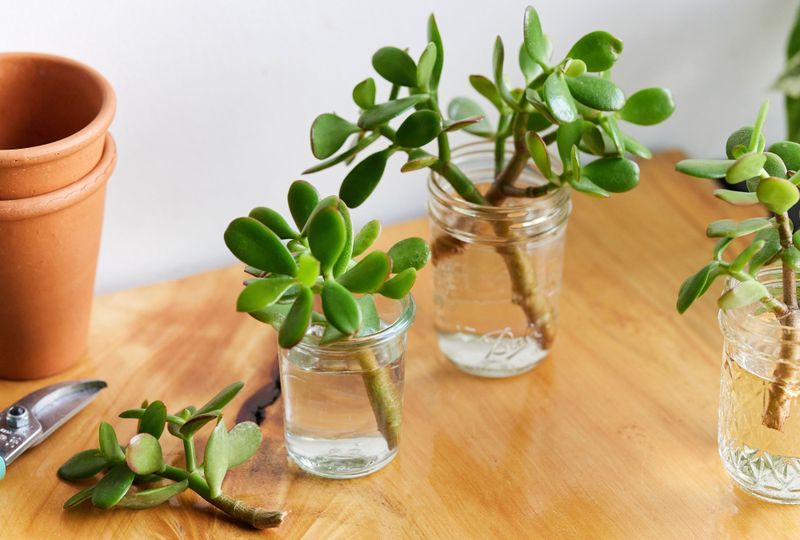
Succulents were practically designed for Texas. Their thick, water-storing leaves make them tough enough to handle long stretches of heat and dry weather without much fuss.
Jade plants and echeverias are two of the most popular varieties, and both are incredibly easy to propagate from stem or leaf cuttings. You do not even need rooting hormone for most of them.
To propagate from a stem cutting, snip a healthy stem about three to four inches long using clean scissors. Let the cut end sit out in a dry, shaded spot for two to three days.
This step is called callusing, and it is important because it prevents the cut end from rotting when placed in soil. Once a dry, slightly hardened layer forms over the cut, the cutting is ready to plant.
Place the callused cutting in a small pot filled with cactus or succulent soil mix, which drains quickly and mimics the dry conditions these plants love. Barely water it at first, just enough to slightly moisten the soil.
In Texas, the warmth helps succulents root faster than in cooler climates, usually within two to four weeks.
Leaf propagation is another fun method for echeveria. Gently twist a healthy leaf off the stem, let it callus for a day, then lay it flat on top of dry succulent soil.
Tiny rosettes will sprout from the base of the leaf over several weeks. Whether you are in San Antonio, El Paso, or anywhere across the Lone Star State, succulents are a low-effort, high-reward plant to grow.