How Far Apart Pennsylvania Gardeners Should Plant Tomatoes For Bigger Yields
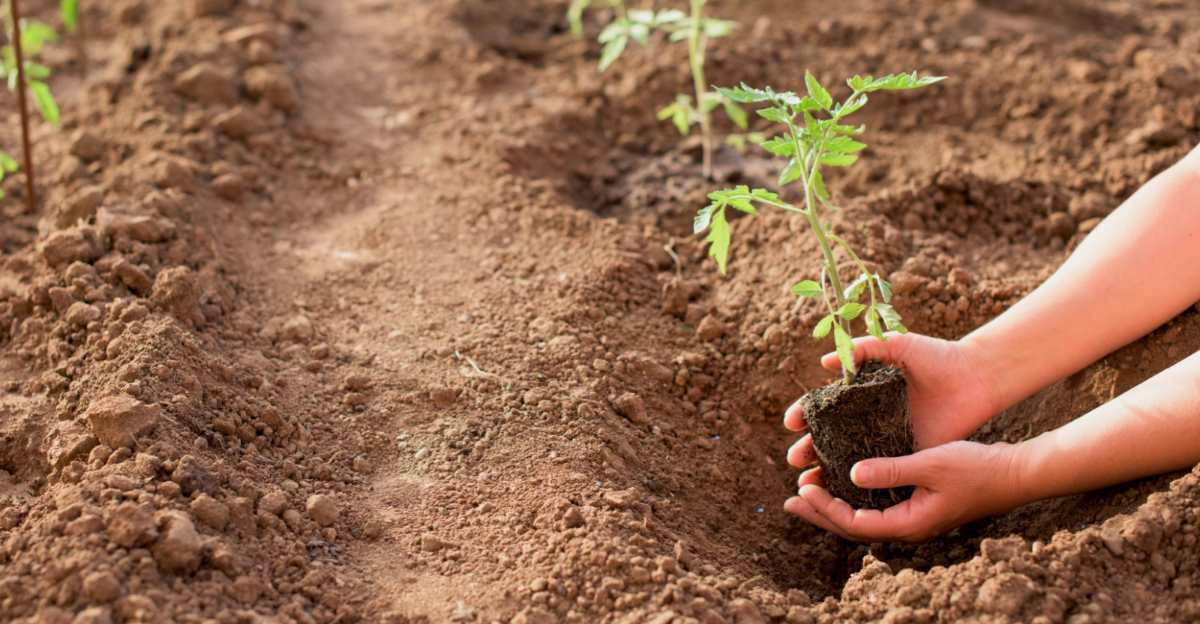
Could the secret to a record-breaking Pennsylvania tomato harvest be as simple as putting down the trowel and stepping back?
While it is tempting to squeeze in “just one more” seedling to maximize your garden space, overcrowding is the quickest way to invite poor airflow and devastating diseases.
In the humid summers of the Keystone State, giving your plants breathing room is not just a suggestion – it is a survival tactic.
Proper spacing is one of the most effective ways to boost your yield, whether you are gardening in a suburban backyard or on a rural plot.
By understanding the ideal distances for different varieties, you can ensure your plants thrive and produce heavy clusters of fruit all season long.
1. Why Proper Spacing Is Crucial For Tomato Yields
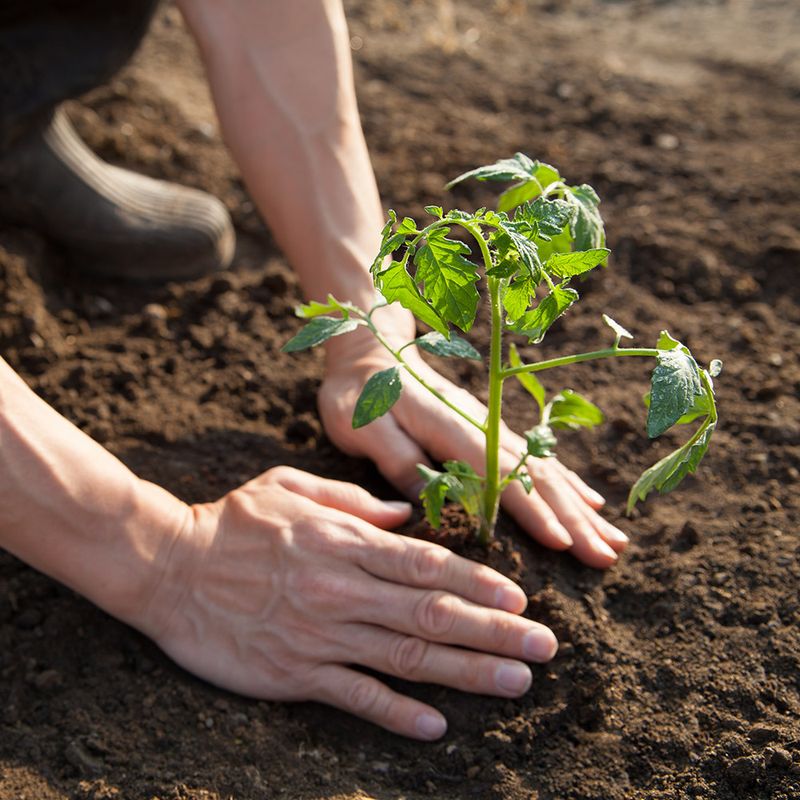
Crowded tomato plants are one of the sneakiest reasons Pennsylvania gardeners end up with disappointing harvests. When plants are squeezed too close together, they compete fiercely for sunlight, water, and nutrients in the soil.
That competition weakens each individual plant and reduces the number of tomatoes it can produce.
Pennsylvania’s humid summers create conditions where moisture lingers on leaves, and tight spacing only makes that worse. Poor airflow between plants traps humidity, which encourages fungal diseases like early blight and septoria leaf spot.
Both of these are common problems across the state, especially in regions with heavy summer rainfall.
Proper spacing gives each plant room to breathe, absorb sunlight evenly, and develop a strong root system. Roots that spread freely can access more water and nutrients from surrounding soil, which directly translates into more fruit.
A well-spaced plant redirects its energy toward fruit production rather than survival.
Research from agricultural extension programs consistently shows that adequate spacing reduces disease pressure and increases overall fruit size and quantity.
For Pennsylvania gardeners working through a relatively short growing season, every healthy day a plant has matters.
Starting with the right spacing from transplant day means fewer problems to manage and more tomatoes to enjoy by late summer. Spacing is truly the foundation of a productive tomato patch.
2. Ideal Spacing For Different Tomato Varieties
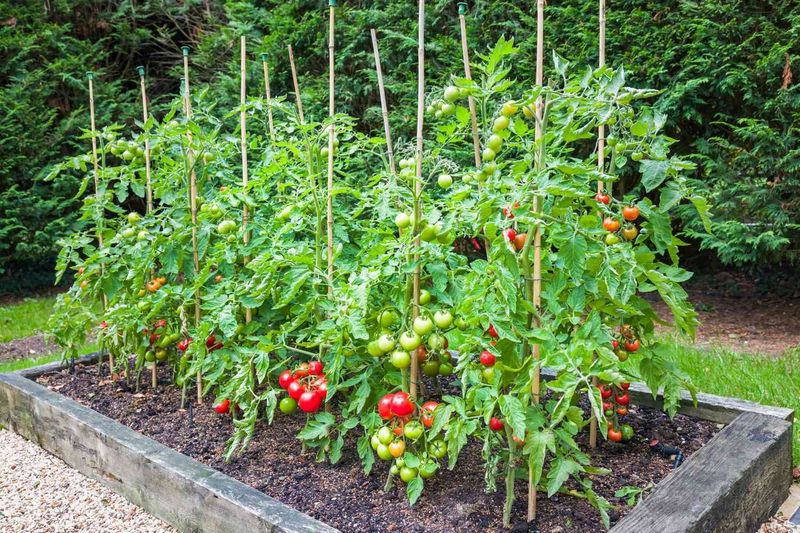
Not all tomato plants are built the same, and that means spacing requirements vary quite a bit depending on which variety you choose to grow.
Understanding the difference between determinate and indeterminate types is the first step toward getting spacing right in your Pennsylvania garden.
Determinate varieties, sometimes called bush tomatoes, grow to a set height and stop. Popular examples include Roma and Celebrity tomatoes.
These compact plants generally do well when spaced 18 to 24 inches apart within a row, with rows set about 3 to 4 feet apart. Their predictable size makes them easier to manage in smaller garden spaces.
Indeterminate varieties keep growing throughout the entire season until cold weather shuts them down. Varieties like Brandywine, Big Boy, and most cherry tomatoes fall into this group.
These plants benefit from more generous spacing of 24 to 36 inches within rows, with rows spaced 4 to 5 feet apart. Their sprawling nature means they need extra room to expand without crowding neighbors.
Your Pennsylvania Garden Changes Every Week. Your Plan Should Too.
Gardening in Pennsylvania changes quickly throughout the season. Every Friday you’ll receive a simple weekly plan showing exactly what to plant, prune, fertilize, harvest, and protect so you never miss the right timing.
Choosing the right variety for your available space is just as important as the spacing itself.
A small raised bed in a suburban Philadelphia yard might be better suited for a determinate variety, while a larger rural garden in central Pennsylvania could easily accommodate indeterminate plants.
Matching variety to space from the start saves a lot of headaches later in the season when plants are fully grown.
3. How Soil Quality Affects Tomato Plant Spacing
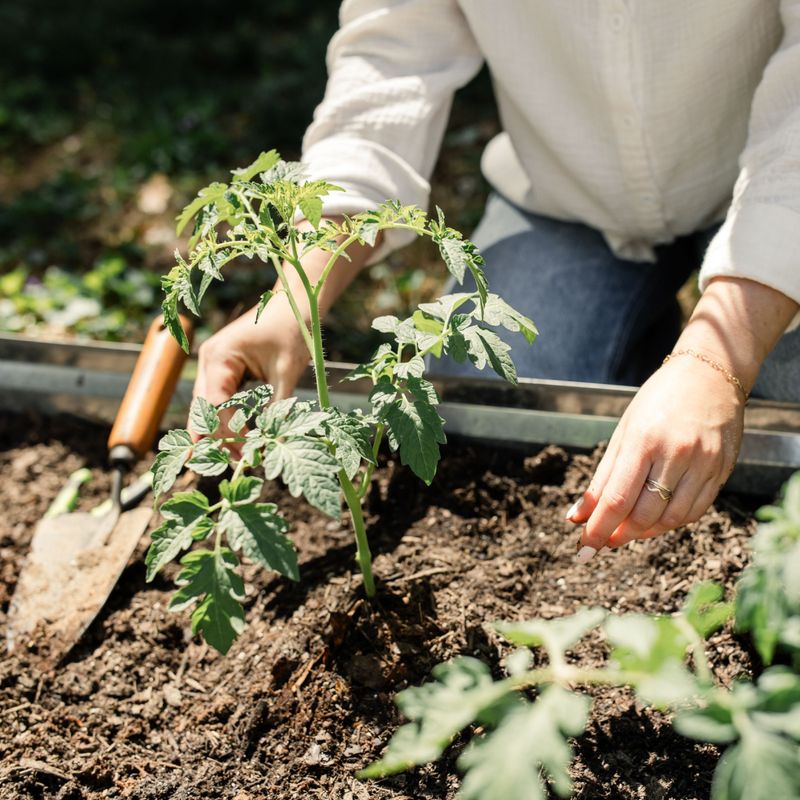
Here is something many gardeners overlook: the quality of your soil can actually influence how much space your tomato plants need to thrive. In nutrient-rich, well-amended soil, tomato roots spread more efficiently and plants tend to be more vigorous.
That vigor means they can sometimes handle slightly tighter spacing without suffering as much.
Pennsylvania soils vary widely across the state. In some areas, especially near river valleys, the soil is naturally fertile and well-drained.
In other regions, gardeners deal with clay-heavy or sandy soils that require significant amendment before tomatoes will perform well.
Poor soil tends to limit root development, which makes adequate spacing even more critical so each plant has access to as many nutrients as possible.
Adding compost before planting improves soil structure, drainage, and nutrient availability. When soil is loose and fertile, roots can travel farther in search of resources, which reduces the intensity of competition between nearby plants.
Mulching around the base of each plant also helps retain moisture and keeps soil temperatures stable during Pennsylvania’s unpredictable summer weather.
Even with great soil, spacing guidelines should not be ignored. Think of good soil as a boost that helps your plants make the most of the space you give them, rather than a reason to cram more plants into a smaller area.
Healthy soil and proper spacing work together to support maximum tomato production through the full harvest season.
4. The Impact Of Overcrowding On Tomato Growth
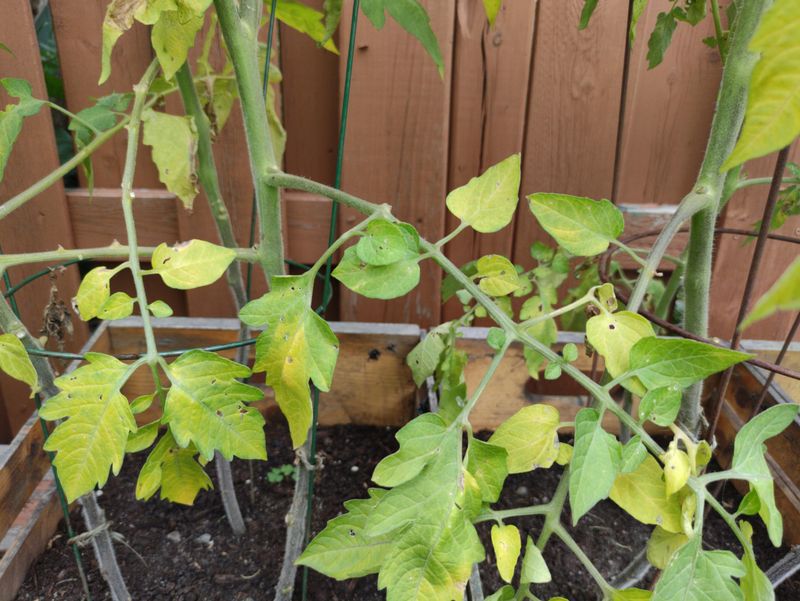
Planting tomatoes too close together might seem like a smart way to get more fruit from a small space, but the reality is quite the opposite.
Overcrowded plants struggle in ways that are not always obvious until it is too late in the season to fix the problem.
One of the first signs of overcrowding is yellowing lower leaves. When plants compete for sunlight, the lower portions of each plant get shaded out, causing leaves to yellow and drop.
This reduces the plant’s ability to photosynthesize and weakens its overall energy production. Fewer healthy leaves mean less energy available for fruit development.
Disease spreads much faster through overcrowded plants as well. Fungal spores thrive in moist, still air, and tightly packed tomato rows create exactly those conditions.
Pennsylvania summers, with their combination of heat and humidity, are already favorable for diseases like blight and powdery mildew. Tight spacing removes the one natural defense gardeners have, which is good airflow between plants.
Root competition is another hidden consequence of crowding. Underground, roots from neighboring plants intertwine and fight for water and nutrients.
This leads to stunted growth and smaller fruit, even when the soil is reasonably fertile.
Gardeners who have spread their plants out after experiencing overcrowding often report noticeably larger tomatoes and higher total yields the following season.
Giving plants their space is one of the most straightforward ways to improve results.
5. Spacing Guidelines For Determining Plant Size
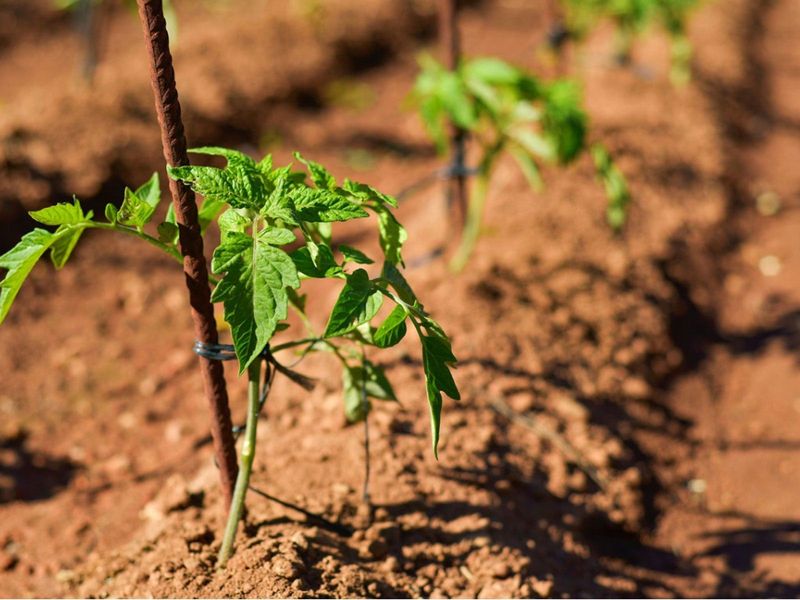
Before you drop a single transplant into the ground, it helps to have a clear plan based on how large your chosen tomato variety will actually grow.
Plant size at maturity is one of the most practical factors for deciding how much space to leave between plants and between rows.
Smaller determinate varieties that stay under three feet tall can comfortably share a row when spaced 18 to 24 inches apart. Medium-sized varieties that reach around four feet do better with 24 inches of breathing room.
Large indeterminate plants that climb five feet or taller with the help of a cage or trellis really need 30 to 36 inches between them to reach their full potential.
Row spacing matters just as much as in-row spacing. Leaving at least 3 to 4 feet between rows for smaller varieties and up to 5 feet for larger ones gives you room to walk through, prune, and harvest without damaging nearby plants.
Accessible rows also make it easier to spot pest problems early and apply treatments before they spread.
A helpful trick is to sketch out your garden layout before planting season begins. Mapping plant positions on paper lets you visualize how much room each variety needs and prevents the common mistake of overestimating available space.
Pennsylvania’s growing season runs roughly from late May through September, so planning ahead means you can make the most of every warm week available to your tomato plants.
6. Why Tomato Plants Need Room To Grow
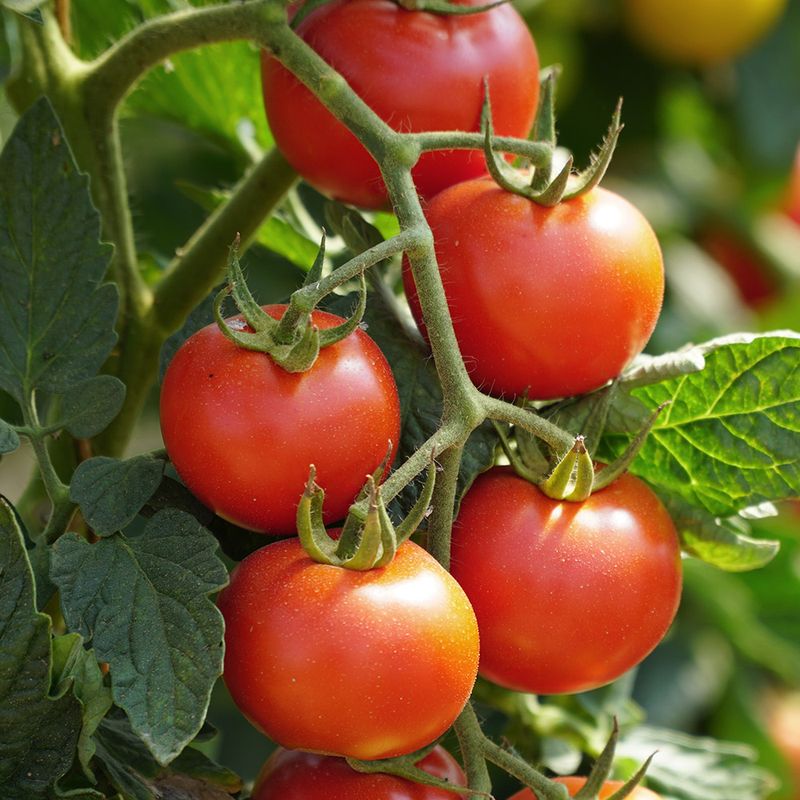
Tomato plants are surprisingly ambitious growers. Given the right conditions, a single indeterminate plant can spread its roots several feet in every direction and send its vines climbing well past six feet.
That kind of growth requires space, and when plants do not have it, they redirect energy in ways that hurt fruit production.
Above ground, crowded plants stretch toward available light rather than putting energy into flowers and fruit. This stretching, sometimes called etiolation, produces tall, leggy plants with weak stems and fewer blossoms.
Fewer blossoms means fewer tomatoes, which defeats the whole purpose of growing them in the first place.
Below ground, the story is just as important. Tomato roots need to spread freely to access water during dry spells and nutrients throughout the growing season.
A well-developed root system acts like a wide net, pulling in resources from a large area of soil. Cramped roots cannot do this effectively, and the plant’s performance reflects that limitation.
There is also a practical benefit to giving plants room above ground: it makes the entire gardening process easier. Pruning suckers, tying vines to supports, and harvesting ripe fruit all become much simpler when you can move freely around each plant.
Pennsylvania gardeners who give their tomatoes generous space often find that their garden is not only more productive but also more enjoyable to work in throughout the busy summer months.
7. How To Maximize Tomato Production In Limited Spaces
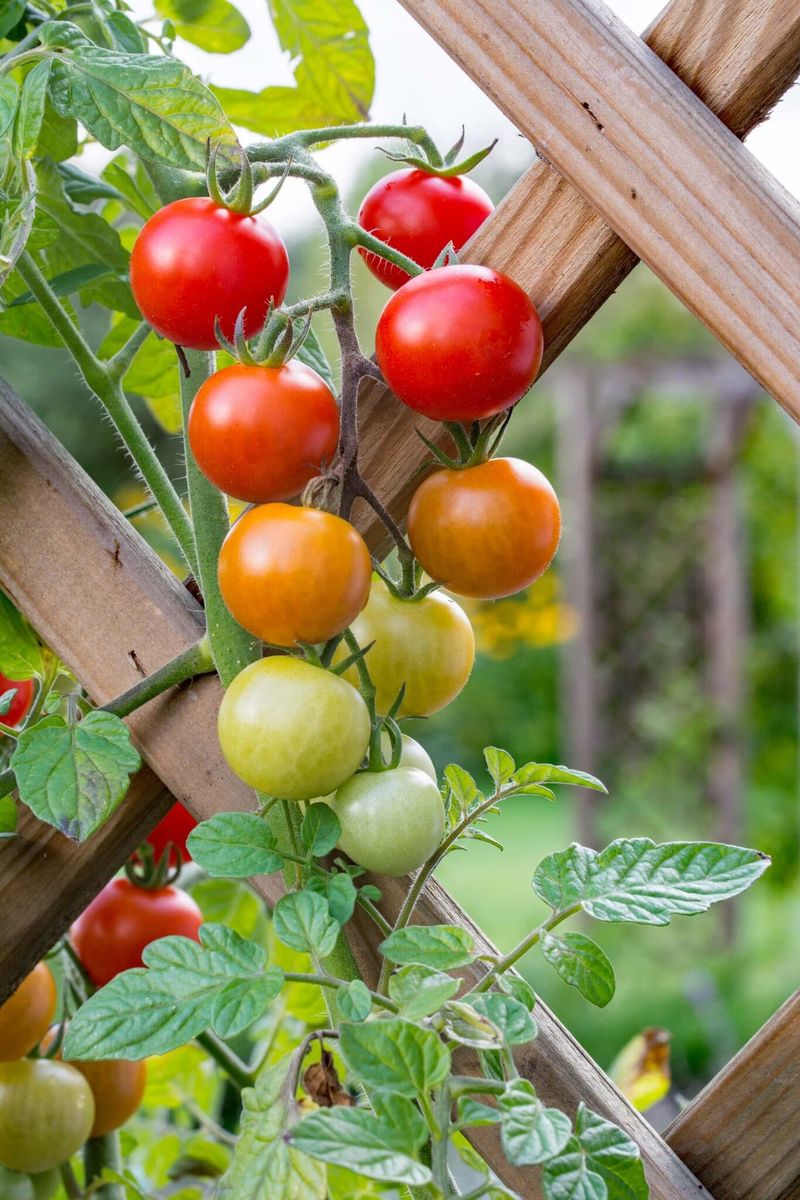
Not every Pennsylvania gardener has a sprawling backyard to work with, and that is completely fine. Smaller spaces can still produce impressive tomato harvests when you use smart strategies that work with your layout rather than against it.
Vertical gardening is one of the most effective tools for limited-space gardeners.
Training indeterminate tomato plants up sturdy stakes, tall cages, or wall-mounted trellises allows you to take advantage of vertical space while keeping the footprint of each plant small.
Plants grown vertically also tend to have better airflow and sun exposure than sprawling unpruned vines.
Raised beds are another excellent option for Pennsylvania gardeners dealing with limited ground space. Raised beds allow you to control soil quality more precisely and often warm up faster in spring, giving plants a head start.
Within a raised bed, spacing can sometimes be reduced slightly compared to in-ground rows, especially when using intensive planting methods paired with consistent fertilization and watering.
Container gardening is worth considering for patio or balcony gardeners. Compact determinate varieties like Patio or Bush Early Girl perform well in large containers and require minimal horizontal space.
Using containers on a sunny south-facing porch or deck can give Pennsylvania gardeners a productive growing spot even without any traditional garden bed at all.
With thoughtful planning and the right variety choices, even the smallest spaces can yield a satisfying tomato harvest each summer.