10 Fragrant Plants That Make Texas Backyards Smell Amazing
There’s something magical about stepping into a backyard where the air is filled with sweet, natural fragrances. In Texas, where the summer heat can be intense, fragrant plants are the perfect way to make your outdoor space feel like a peaceful retreat.
These plants not only add incredible scents but also bring beauty and charm to any garden, transforming a simple space into an aromatic oasis.
Whether it’s the calming aroma of lavender, the rich scent of jasmine, or the sweet perfume of gardenias, Texas gardeners have plenty of options. Fragrant plants attract pollinators like bees and butterflies, making them a great choice for eco-friendly gardens.
Plus, many of these plants thrive in Texas’ tough climate, requiring less water and maintenance. With the right fragrant additions, your backyard can be both a visual and sensory haven, making outdoor living even more enjoyable year-round.
1. Jasmine
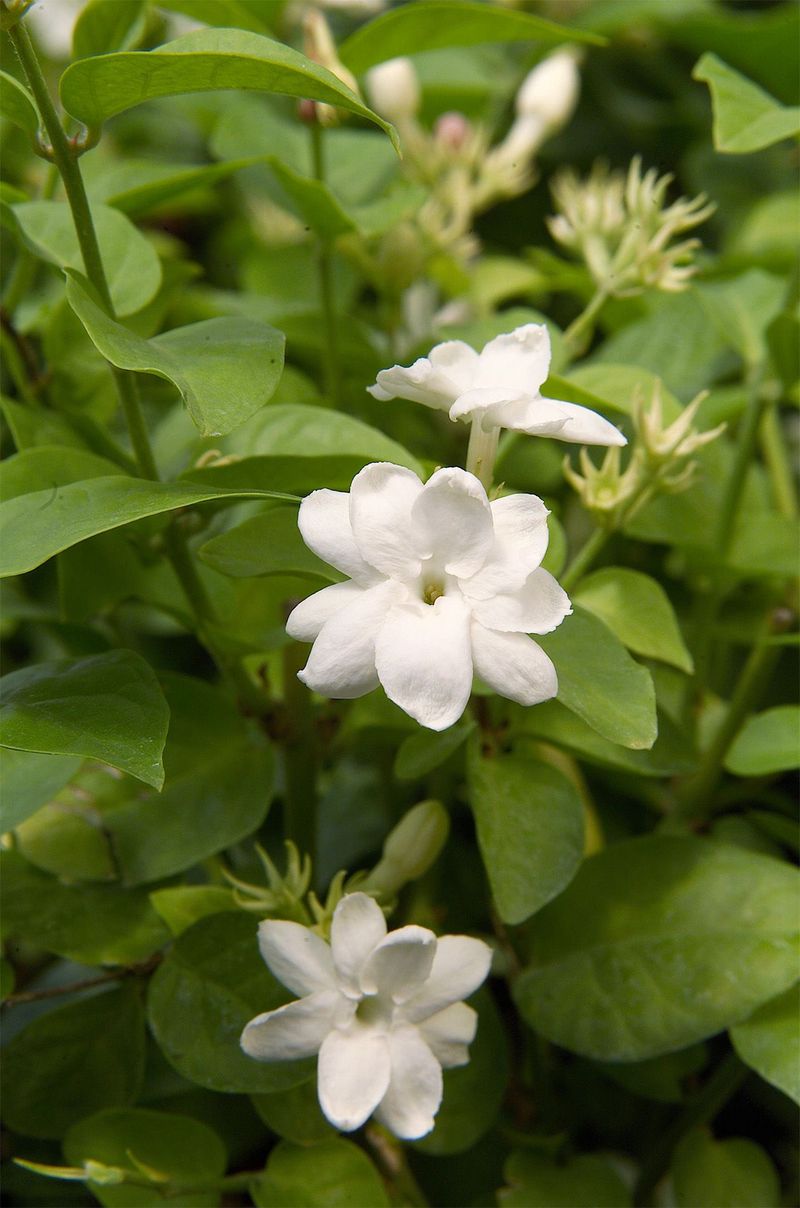
Few things beat stepping outside on a warm Texas evening and catching a wave of sweet, floral perfume drifting through the air. That is exactly what jasmine brings to your backyard. This plant is a favorite across the state for good reason.
Jasmine can grow as a climbing vine or a bushy shrub, making it super flexible for different garden styles. It loves the warm Texas climate and does well in full sun or partial shade. Plant it near a fence, trellis, or porch railing and let it climb freely.
The blooms are small and white but pack a serious scent punch. Evenings are when the fragrance really kicks in, which makes jasmine perfect for outdoor sitting areas. Confederate Jasmine, also called star jasmine, is especially popular in Texas gardens.
Watering is easy once the plant settles in. Jasmine is fairly drought-tolerant after its roots are established.
Give it some well-drained soil, regular trimming, and a little love, and it will reward you with fragrant blooms season after season. It is one of the most rewarding plants you can grow anywhere in Texas.
2. Texas Mountain Laurel
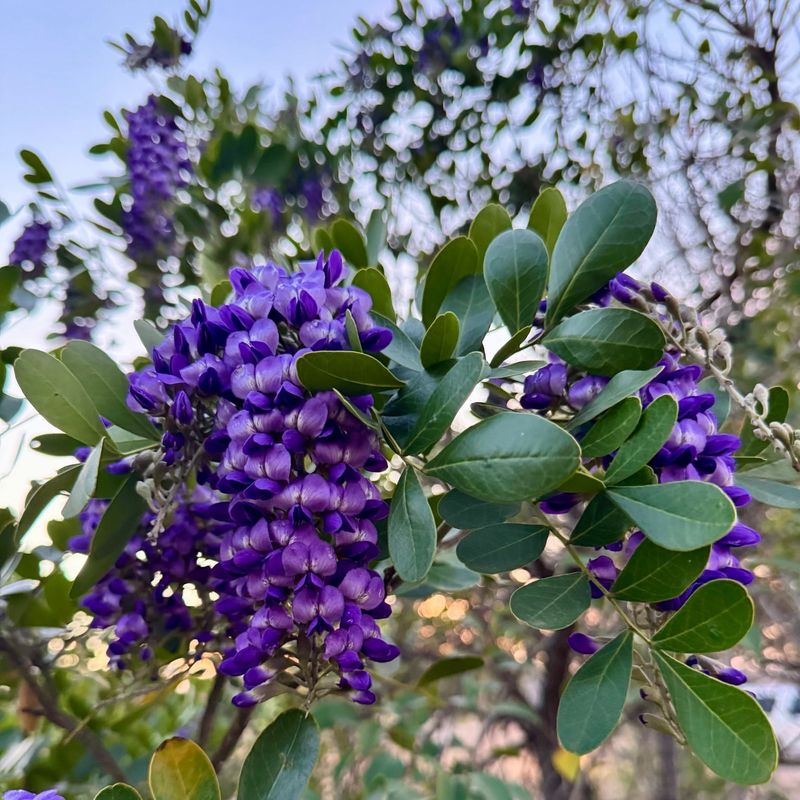
Imagine your backyard smelling like grape soda every spring. That is not a dream. That is what happens when Texas Mountain Laurel bursts into bloom. This native Texas plant is truly one of a kind.
Native to central and west Texas, this tough evergreen shrub thrives in hot, dry conditions. It does not need much water once it is established, making it a fantastic low-maintenance choice for Texas gardeners.
The deep purple flower clusters are stunning and show up in early spring. The grape-candy scent is so strong that you can smell it from several feet away. Kids and adults alike love walking past a blooming Texas Mountain Laurel.
It is the kind of plant that makes neighbors stop and ask what that amazing smell is. Beyond the fragrance, this shrub also provides year-round greenery since it is evergreen. It grows slowly but steadily, eventually reaching up to 15 feet tall.
Plant it in a sunny spot with rocky or well-drained soil for the best results. For anyone who wants a truly Texas-proud plant in their backyard, this is the one to choose without any hesitation.
Your Texas Garden Changes Every Week. Your Plan Should Too.
Gardening in Texas changes quickly throughout the season. Every Friday you’ll receive a simple weekly plan showing exactly what to plant, prune, fertilize, harvest, and protect so you never miss the right timing.
3. Lavender
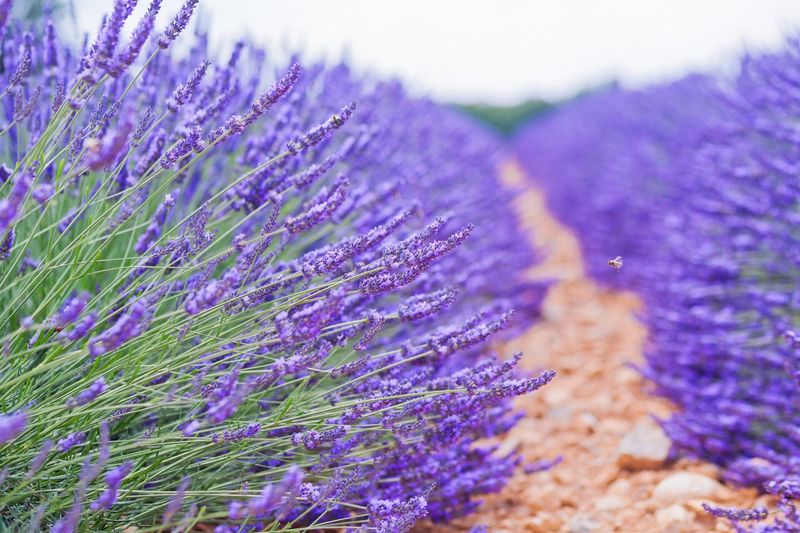
Walk past a lavender plant on a hot Texas afternoon and you will instantly feel calmer. There is something almost magical about that soft, herbal, slightly sweet fragrance. Lavender has been loved for centuries, and Texas gardeners are totally on board.
Lavender thrives in the Texas sun and handles drought like a champ. It actually prefers dry, well-drained soil, which makes it perfectly suited for many parts of the state. Overwatering is the one thing to avoid, since lavender roots do not like sitting in moisture.
The purple flower spikes are beautiful and attract bees, butterflies, and other pollinators. Plant lavender along walkways, borders, or near patios where you can brush against it and release that calming scent. It also looks stunning when planted in large groups.
Did you know that lavender was used by ancient Romans to scent their baths? Today, it is still one of the most popular fragrant plants in the world.
In Texas, varieties like Spanish lavender and Provence lavender tend to perform especially well. Harvest the blooms and dry them for sachets, cooking, or homemade potpourri. Lavender is truly a plant that keeps on giving long after the blooms fade.
4. Rosemary
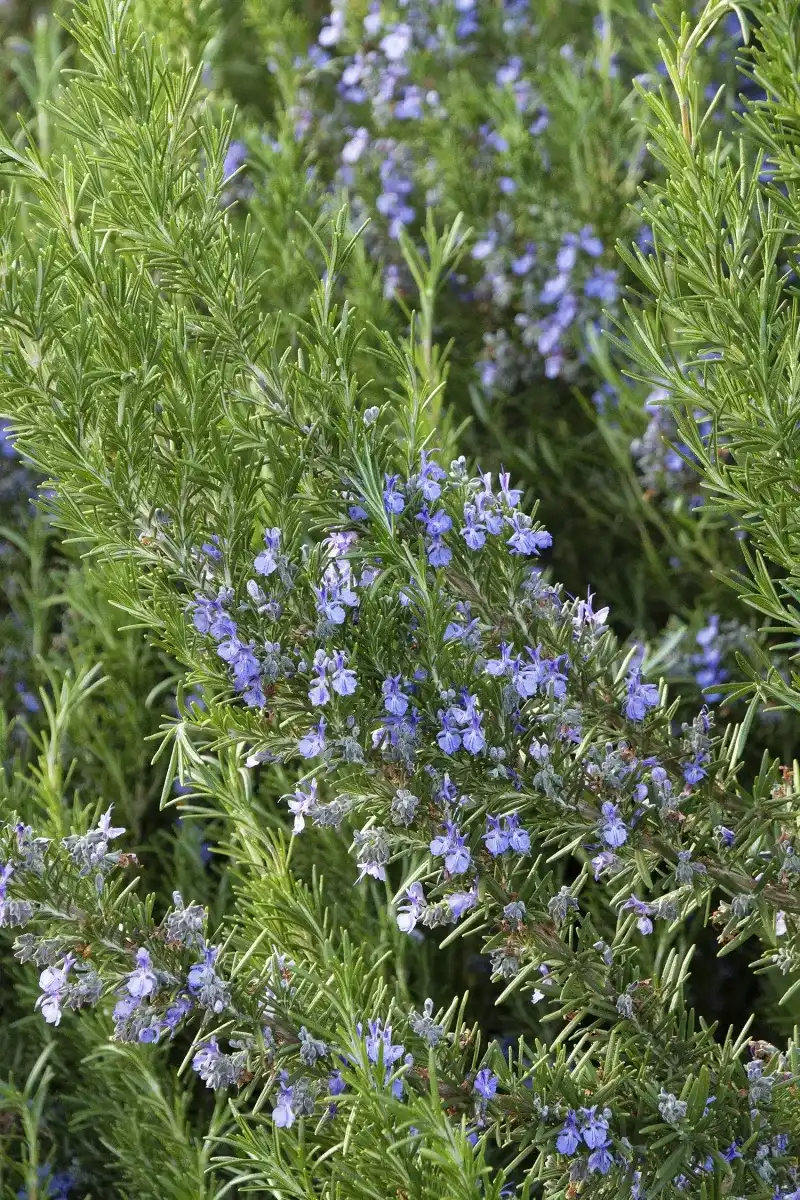
Rosemary is the kind of plant that earns its place in the garden twice over. First, it smells like a fresh pine forest mixed with a hint of the kitchen. Second, you can actually cook with it. Talk about a two-for-one deal.
In Texas, rosemary grows like it owns the place. It loves heat, handles drought well, and stays green all year long.
Plant it in a sunny spot with good drainage and it will grow into a full, bushy evergreen shrub over time. Some Texas gardeners even use it as a low hedge along walkways.
Running your fingers through the needle-like leaves releases that bold, piney, herbal scent instantly. It is one of those smells that feels clean and refreshing, especially on a warm Texas afternoon.
The tiny blue flowers that appear in late winter and spring are a bonus treat. Rosemary is also incredibly easy to care for. It rarely needs fertilizing and does not require much pruning unless you want to shape it.
Snip sprigs for roasting chicken, seasoning potatoes, or making herb-infused olive oil. Across Texas, rosemary is a go-to plant for gardeners who want something that looks great, smells amazing, and actually earns its keep in the kitchen too.
5. Gardenia
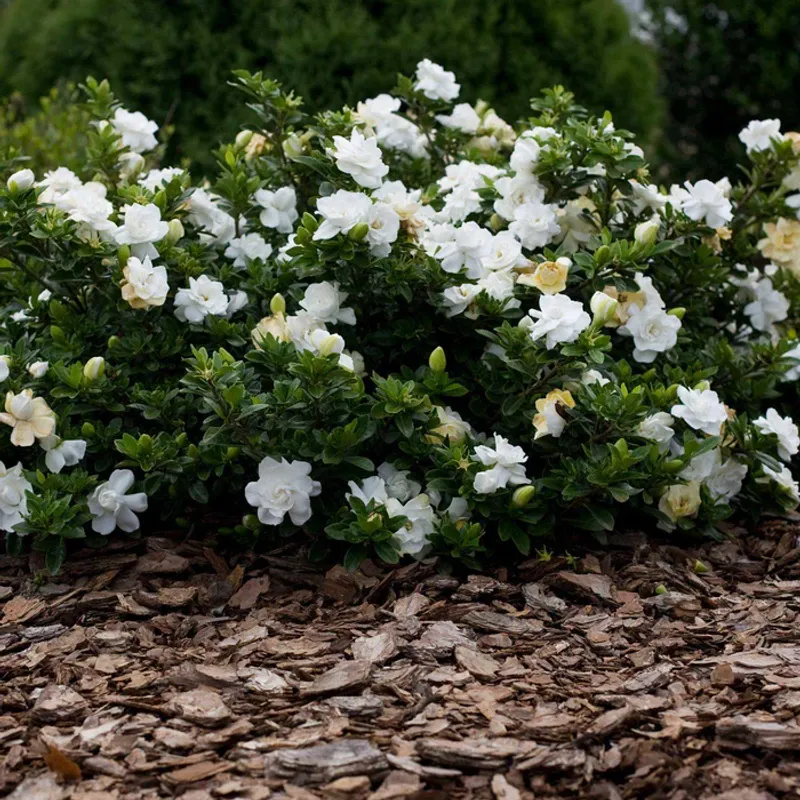
Some flowers stop you in your tracks. Gardenia is one of them. The creamy white blooms are gorgeous on their own, but it is the thick, sweet, almost tropical fragrance that truly sets this plant apart from everything else in the garden.
Gardenias grow well in Texas backyards, especially in shaded or partially shaded spots. They prefer slightly acidic soil and consistent moisture, so a layer of mulch around the base helps keep roots happy during hot Texas summers.
Houston and East Texas gardeners tend to have especially great success with gardenias. Blooming from late spring into early summer, gardenias fill the air with a scent so rich it almost feels like a luxury perfume.
Place them near windows, patios, or outdoor seating areas so you can enjoy the fragrance up close. They also make beautiful cut flowers for indoor arrangements.
Gardenias do need a bit more attention than some drought-tolerant Texas plants. Regular watering, occasional feeding with an acid-forming fertilizer, and protection from harsh afternoon sun will keep them thriving.
The extra effort is absolutely worth it. Once you experience a fully blooming gardenia on a warm Texas evening, you will understand why so many gardeners consider it their all-time favorite fragrant shrub.
6. Plumeria
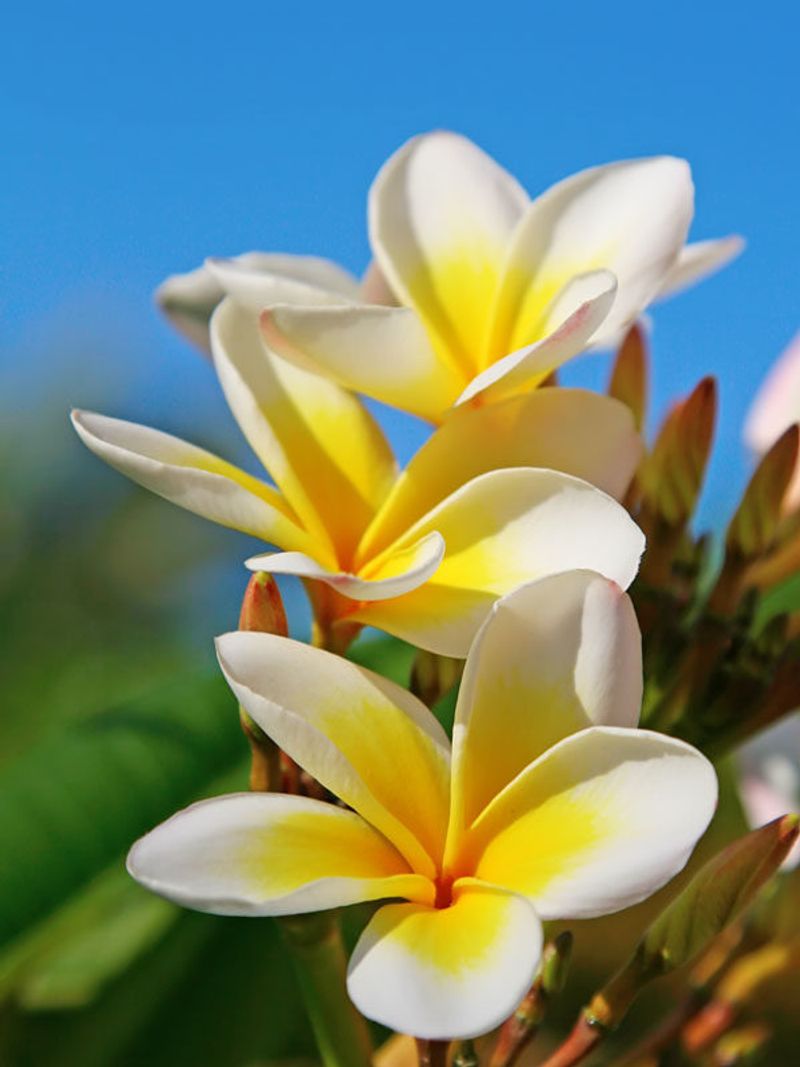
Close your eyes, smell a plumeria flower, and you might just feel like you have been transported to a Hawaiian beach.
That heady, tropical fragrance is unlike anything else in the plant world. Lucky for Texas gardeners, plumeria loves the Lone Star State’s heat.
Plumeria thrives in hot, sunny conditions, which makes Texas a near-perfect home for it. It grows well in containers, which is great news since it needs to be brought indoors during rare cold snaps.
Many Texas gardeners keep plumeria in large pots on patios or decks for easy mobility. The flowers come in pink, white, yellow, and red, and each variety carries its own unique twist on that signature tropical scent.
Morning is when plumeria fragrance is strongest, so try placing a pot near your outdoor breakfast spot for a truly wonderful start to the day.
Plumeria is surprisingly easy to grow once you understand its needs. It loves full sun, well-drained soil, and minimal watering.
Overwatering is the most common mistake gardeners make with this plant. Let the soil dry out between waterings and it will reward you generously.
Across warm Texas cities like San Antonio and Corpus Christi, plumeria is becoming a backyard staple that brings a slice of the tropics right to your doorstep.
7. Magnolia
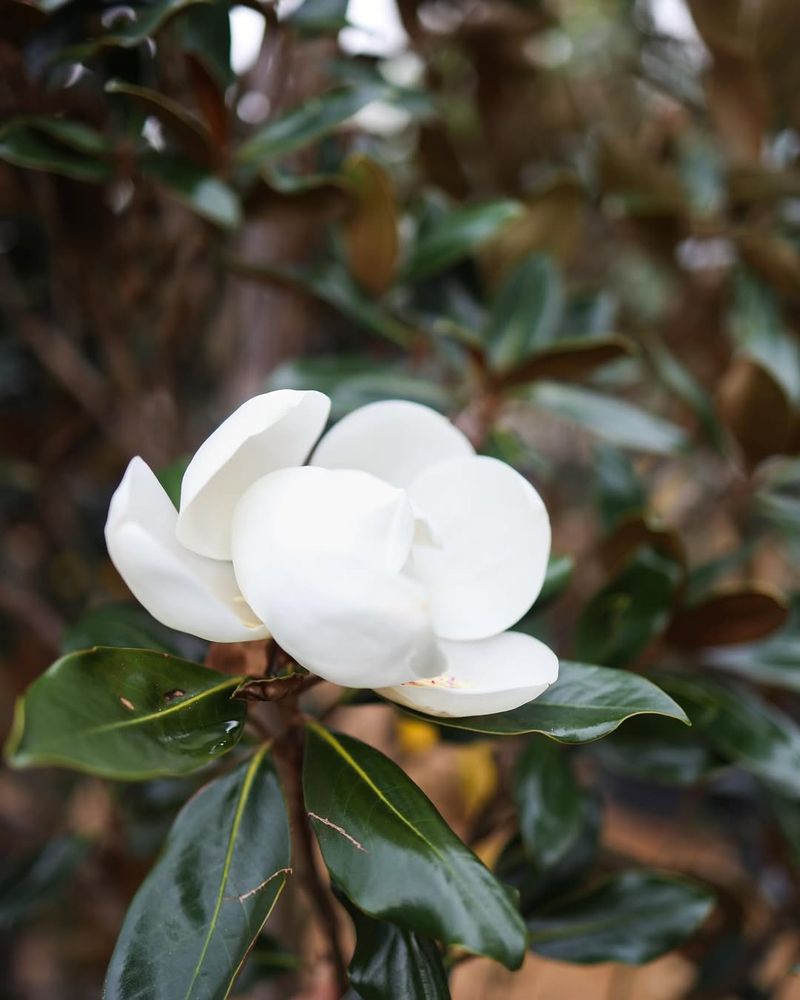
There is something undeniably grand about a magnolia tree in full bloom. Those oversized, creamy white flowers hold a scent that is strong, sweet, and just a little bit citrusy. It is the kind of fragrance that makes a whole yard smell like summer is officially here.
Magnolias are a beloved sight across Texas, especially in the eastern and central parts of the state. They can grow quite large, making them excellent shade trees as well as fragrant showstoppers.
Plant one in an open area of your backyard where it has plenty of room to spread its branches wide.
The blooms appear in late spring and continue through summer. Each individual flower can be as wide as a dinner plate, and the fragrance carries impressively far on a warm Texas breeze.
Birds and pollinators are also drawn to magnolia trees throughout the growing season. Magnolias prefer well-drained, slightly acidic soil and do best with regular watering during their first few years. Once established, they become quite hardy.
Fallen leaves are thick and waxy, so keep that in mind for yard maintenance. Still, most Texas homeowners who plant a magnolia say it is one of the best decisions they ever made for their backyard landscape.
8. Sweet Olive
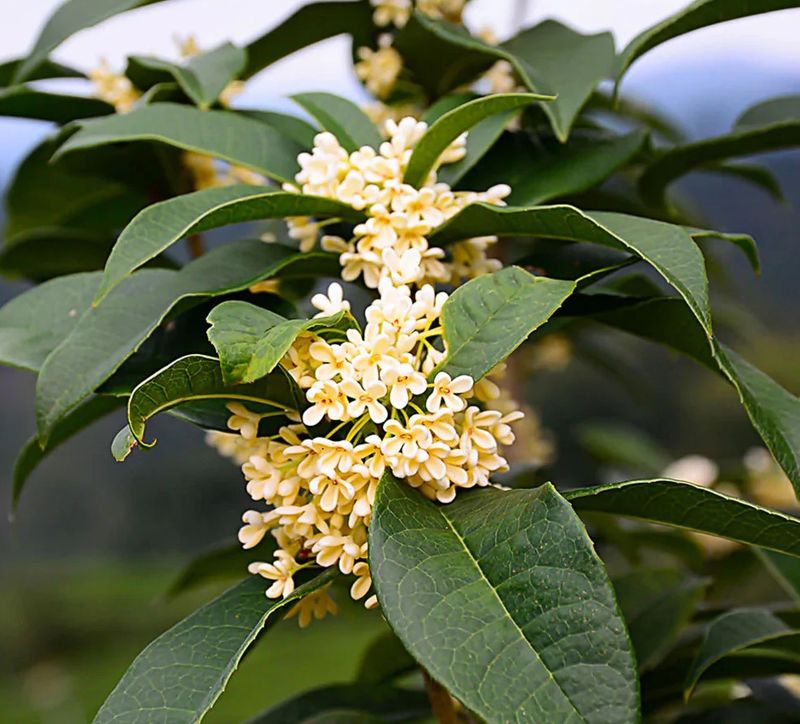
Do not let the small flowers fool you. Sweet Olive, also known as Osmanthus fragrans, produces one of the most surprisingly powerful fragrances of any plant in the garden.
The tiny white blooms pack a fruity, apricot-like sweetness that drifts through the air for impressive distances.
Sweet Olive is a resilient shrub that handles Texas heat and occasional drought with ease. It is evergreen, which means it stays green and attractive all year long.
Spring and fall are when it blooms most heavily, giving your Texas backyard two rounds of that wonderful fragrance each year.
Plant Sweet Olive near a patio, walkway, or entryway to make the most of its scent. It grows at a moderate pace and can eventually reach six to ten feet tall, working well as a privacy screen or backdrop shrub in larger yards.
Regular light pruning keeps it neat and encourages more blooms.
Fun fact: In China, Osmanthus fragrans has been cultivated for over 2,500 years and is used to flavor teas, wines, and desserts. The fragrance is so beloved that it inspired poetry and art throughout Chinese history.
Bringing this plant to your Texas garden connects you to a rich global tradition of celebrating beautiful, uplifting natural scents.
9. Honeysuckle
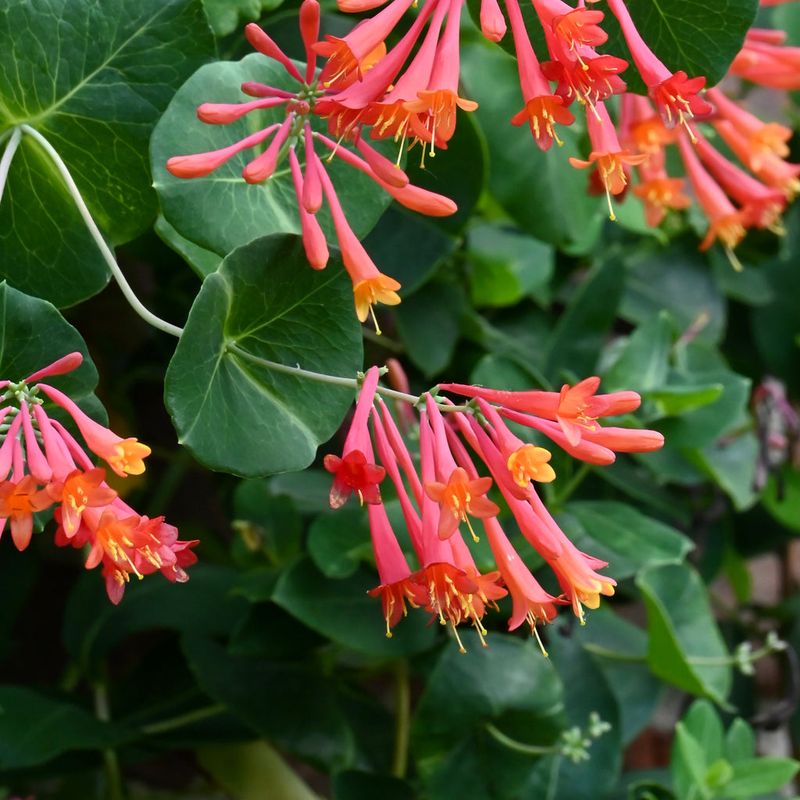
If you grew up in Texas, there is a good chance the smell of honeysuckle brings back warm childhood memories. That syrupy, sweet floral scent is one of the most nostalgic fragrances in the garden world. And the good news is, it is incredibly easy to grow here.
Honeysuckle vines grow fast and enthusiastically in Texas. They are perfect for covering fences, trellises, or bare walls with a lush green blanket of leaves and flowers.
The blooms appear in spring and continue through the warmer months, releasing that signature sweetness into the surrounding air.
Hummingbirds absolutely love honeysuckle, and bees and butterflies flock to it as well. Planting it in your Texas backyard creates a little wildlife haven right outside your door.
Coral honeysuckle is a native Texas variety that performs especially well across the state and is less aggressive than some non-native types.
Honeysuckle does best in full sun to partial shade with regular watering while it gets established. After that, it is a tough and low-maintenance vine that handles Texas summers without much fuss.
Trim it back occasionally to keep it from spreading too far. For a fast-growing, sweet-smelling, pollinator-friendly plant, honeysuckle is hard to beat anywhere in Texas.
10. Lantana
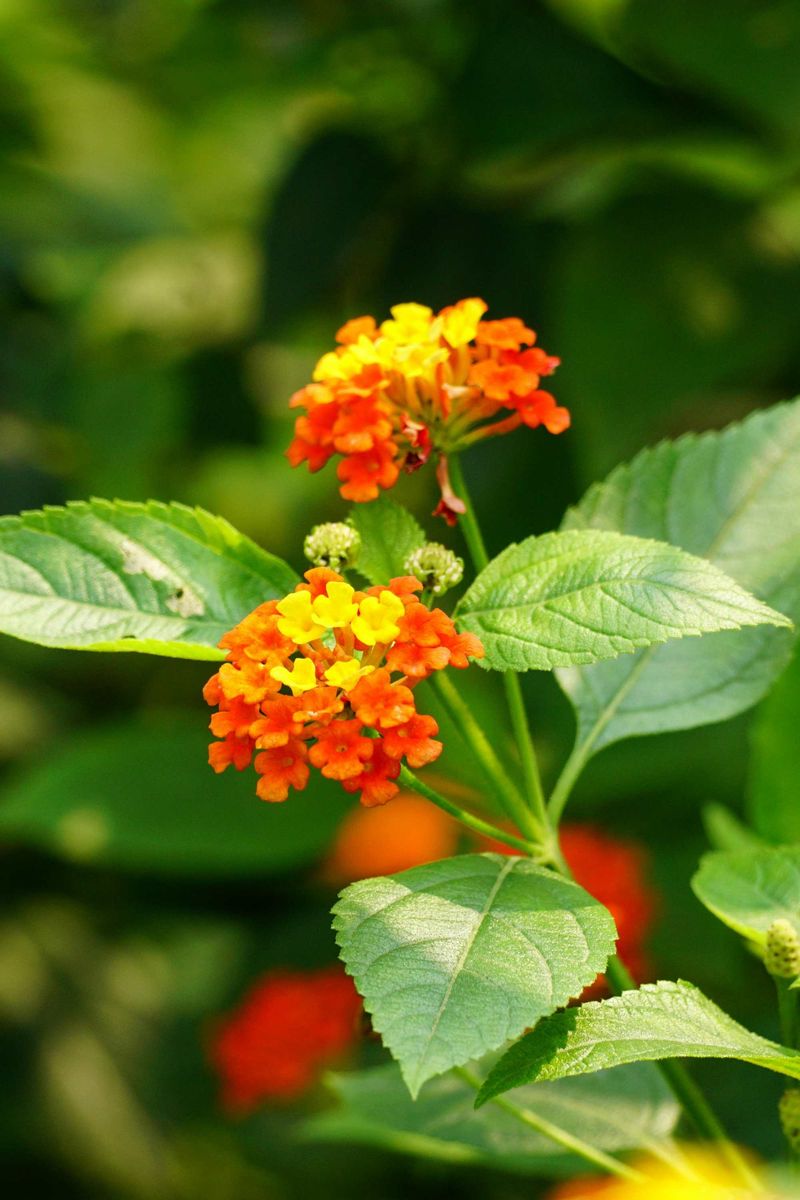
Lantana is basically built for Texas. It laughs in the face of triple-digit summer heat, shrugs off drought, and still manages to bloom in cheerful clusters of orange, yellow, red, and pink.
And yes, it smells wonderful too, offering a fresh, citrusy scent that floats through warm summer air.
The fragrance comes mostly from the leaves when brushed or crushed, with a lighter citrus-herbal note from the flowers themselves. It is not as overpowering as jasmine or gardenia, but it adds a pleasant, fresh quality to the air around it.
Pair it with stronger-scented plants for a layered fragrance experience in your Texas garden.
Butterflies are completely obsessed with lantana. A blooming lantana plant on a sunny Texas afternoon can attract dozens of butterflies at once, turning your backyard into a living nature display.
Bees love it too, making it a fantastic choice for anyone who wants to support local pollinators.
Lantana thrives in full sun and poor to average soil, requiring very little water once established. It is available in both trailing and upright varieties, making it versatile for borders, containers, or ground cover.
Across Texas, from Dallas to El Paso, lantana is one of the most reliable, colorful, and fragrant plants you can add to your outdoor space.