7 Drought-Tolerant Purple Plants Texas Gardeners Love
Purple in the garden has a way of looking intentional even when the rest of the planting is fairly casual, and Texas gardeners who have figured that out tend to lean into it hard.
There’s a richness to purple blooms and foliage that photographs beautifully, pairs well with almost every other color in the garden, and brings a kind of sophistication to a landscape that’s genuinely hard to achieve with other colors alone.
The challenge in Texas has always been finding purple plants that can actually hold up through the heat and drought that define so much of the gardening year here.
Plenty of purple-flowering plants look spectacular at the nursery in spring and then fall apart completely by midsummer when the conditions get serious.
The ones on this list are different – they’re drought tolerant by nature, built for Texas conditions, and they deliver that rich purple color without demanding constant watering or babysitting to keep it going.
1. Texas Sage
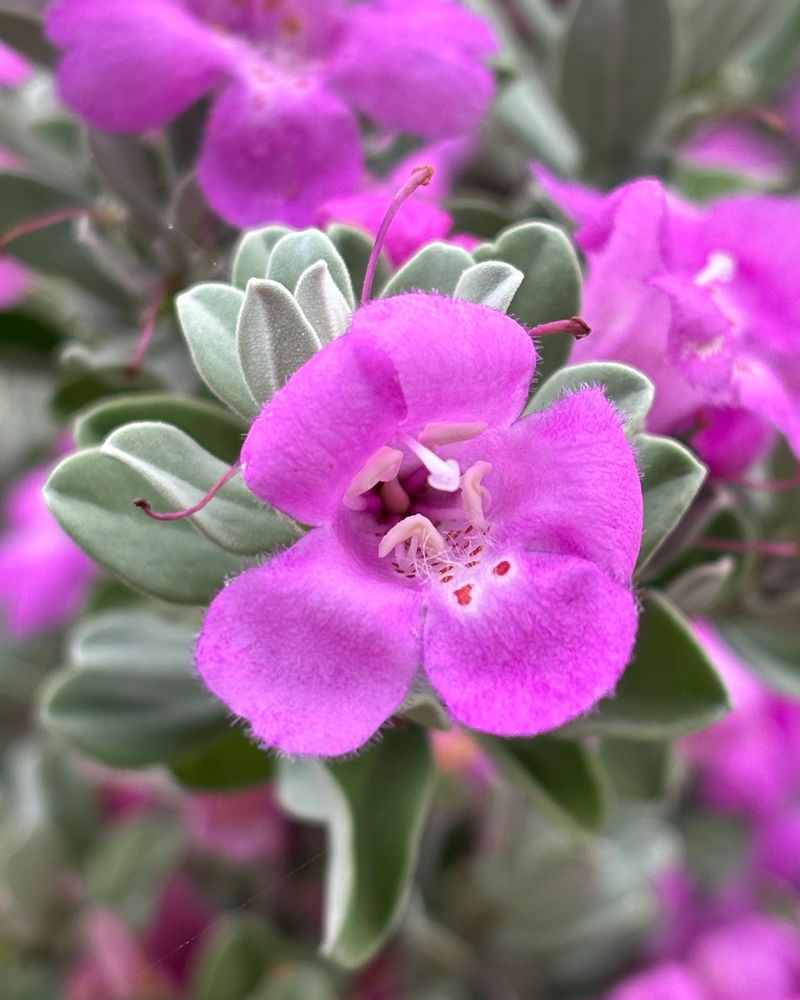
Ask any longtime Texas gardener what plant they could never live without, and Texas Sage will come up almost every time. Known around the state as the “barometer bush,” this tough shrub has a cool trick: it tends to burst into bloom right before or after a rainstorm.
That means when you see it covered in purple flowers, you can almost expect some rain is on the way. Pretty handy in a state where every drop of water counts.
Texas Sage is native to the Chihuahuan Desert, so it was practically born to handle dry, hot conditions. It thrives in full sun and well-drained soil, making it perfect for rocky hillsides, xeriscapes, or any sunny spot in your yard.
Once established, it needs almost no supplemental watering. The silvery-green foliage looks attractive even when the plant is not blooming, giving your landscape year-round color and texture.
Gardeners in cities like San Antonio, El Paso, and Lubbock have long used Texas Sage as a hedge or border plant. It grows slowly and stays fairly compact, so it does not take over your yard.
Pruning is minimal, and pests rarely bother it. Hummingbirds and bees absolutely love the small, tubular purple flowers.
If you want a low-maintenance, drought-tough plant that brings serious color to your Texas garden, this native shrub deserves a top spot on your list.
2. Mexican Bush Sage
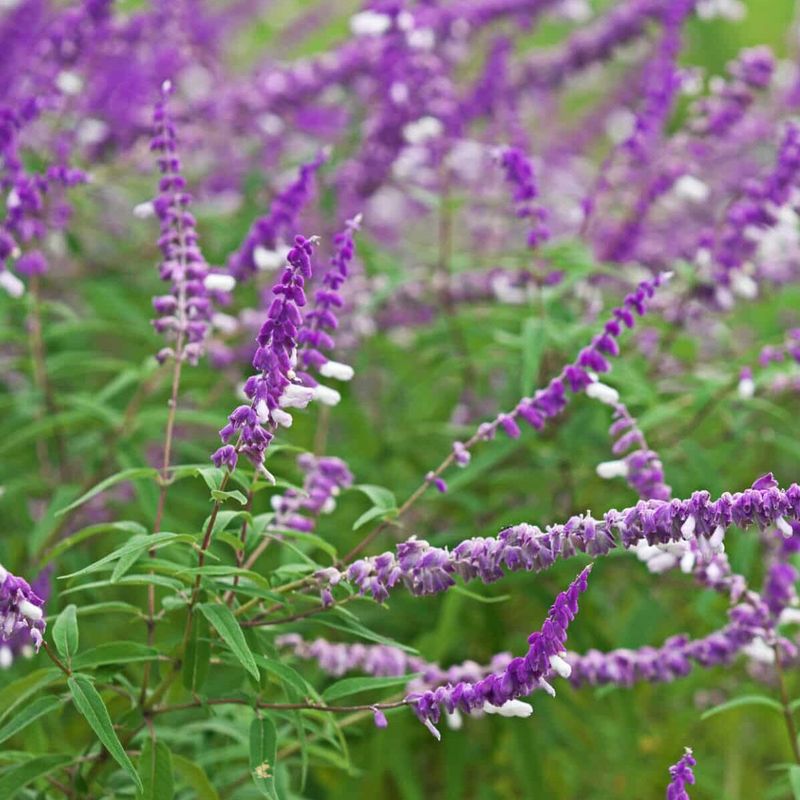
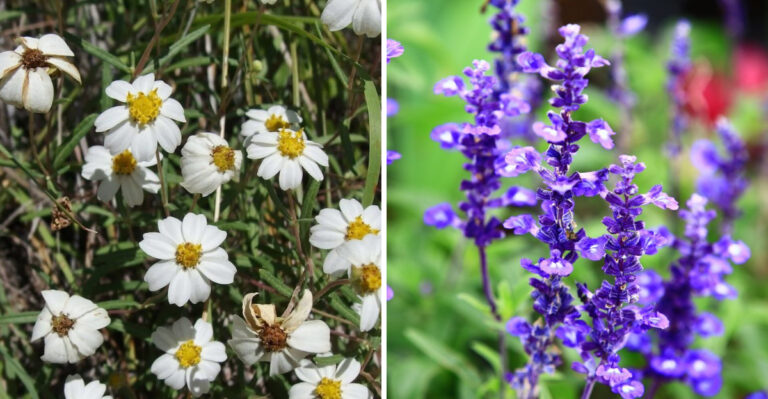
There is something almost theatrical about Mexican Bush Sage. The long, arching stems covered in soft, velvety purple flower spikes have a dramatic look that stops people in their tracks.
If you have ever driven past a Texas garden in late summer or fall and spotted a big, bold splash of deep purple, there is a good chance you were looking at this plant. It is a showstopper, plain and simple.
Mexican Bush Sage, or Salvia leucantha, is a warm-season perennial that loves the heat. It thrives in full sun and handles dry spells like a champ.
Once it gets going in your garden, it does not need much from you at all. Water it occasionally while it is getting established, and after that, it is largely on its own.
Your Texas Garden Changes Every Week. Your Plan Should Too.
Gardening in Texas changes quickly throughout the season. Every Friday you’ll receive a simple weekly plan showing exactly what to plant, prune, fertilize, harvest, and protect so you never miss the right timing.
Gardeners in Houston, Dallas, and across Central Texas have found it to be one of the most reliable purple bloomers for the long, hot growing season.
The flowers are not just pretty to look at; butterflies and hummingbirds are wild about them. Planting Mexican Bush Sage near a patio or window means you get a front-row seat to all that wildlife activity.
It can get fairly large, sometimes reaching four to five feet tall and wide, so give it room to spread. Cut it back hard in late winter and it will return strong and full.
For late-season color when many other plants have faded, nothing beats this velvet-soft Texas garden favorite.
3. Autumn Sage
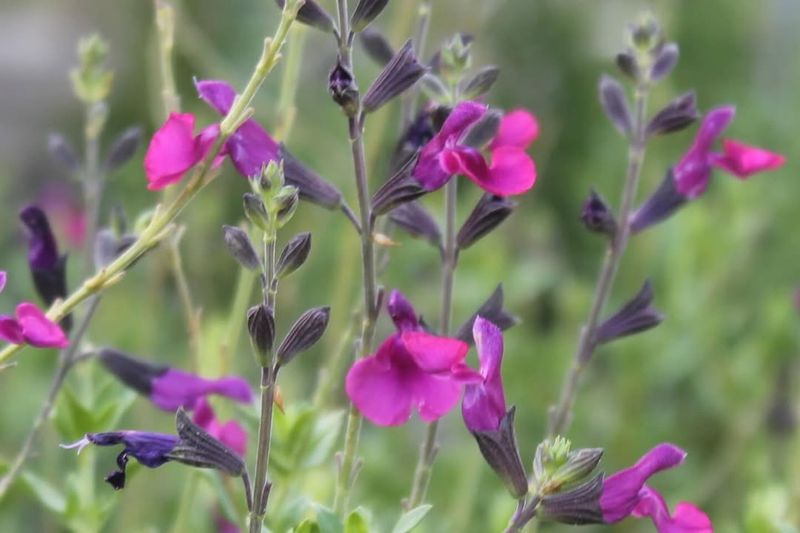
Do not let the name fool you. Autumn Sage does not wait until fall to put on a show. This tough little native blooms from spring all the way through the first frost, popping out fresh flowers again and again with barely any water needed.
It is the kind of plant that makes you look like a really skilled gardener even when you are not doing much at all.
Native to the rocky slopes of West Texas and northern Mexico, Autumn Sage, or Salvia greggii, is perfectly adapted to the Texas climate. It handles blazing summer heat, poor soils, and long dry stretches without complaint.
Most varieties produce flowers in shades of red, pink, or purple, and the purple types are especially popular with Texas gardeners who want that rich jewel-tone color in their landscapes. Hummingbirds are absolutely obsessed with the tubular blooms.
Planting Autumn Sage is straightforward. Give it full sun, well-drained soil, and some space to breathe.
It typically grows two to three feet tall and wide, making it a great fit for borders, rock gardens, or mixed perennial beds. Gardeners in Austin and the Hill Country region have used it for decades as a reliable, reblooming native.
Trim it back lightly after each big flush of flowers to keep it tidy and encourage even more blooms. For a plant that gives so much and asks for so little, Autumn Sage earns its place in every Texas garden without question.
4. Lavender
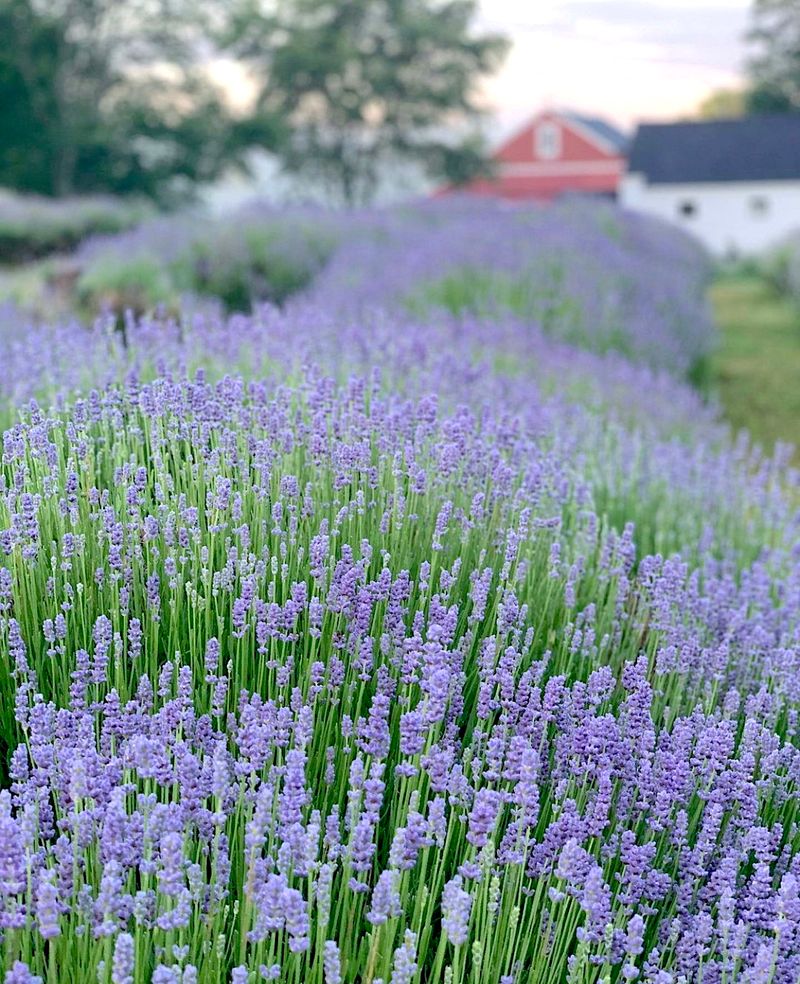
Few plants carry as much charm as lavender. The soft purple flower spikes, the silvery-green foliage, and that unmistakable sweet fragrance make it one of the most beloved garden plants in the world.
Growing lavender in Texas is absolutely possible, but it does require choosing the right variety and the right spot. Get those two things right, and you will have a fragrant, gorgeous plant that comes back year after year.
The key to success with lavender in Texas is drainage. This plant cannot stand wet feet. If water pools around the roots, the plant will struggle fast. Raised beds, rocky slopes, or sandy soils work beautifully.
Spanish Lavender and Hill Country Lavender are popular choices for Texas because they handle humidity better than some European varieties. The Texas Hill Country, especially around Fredericksburg, has become famous for lavender farms that draw visitors from across the state.
Full sun is non-negotiable for lavender. At least six to eight hours of direct sunlight each day keeps the plant healthy and blooming.
Once established, lavender is remarkably drought-tolerant and rarely needs extra watering beyond natural rainfall. Bees love it, butterflies visit regularly, and the flowers can be cut and dried for use in sachets, cooking, or home decor.
Trim the plants back by about one-third after the main bloom period to keep them from getting woody. For Texas gardeners who want beauty, fragrance, and toughness all in one plant, lavender delivers every single time.
5. Gregg’s Mistflower
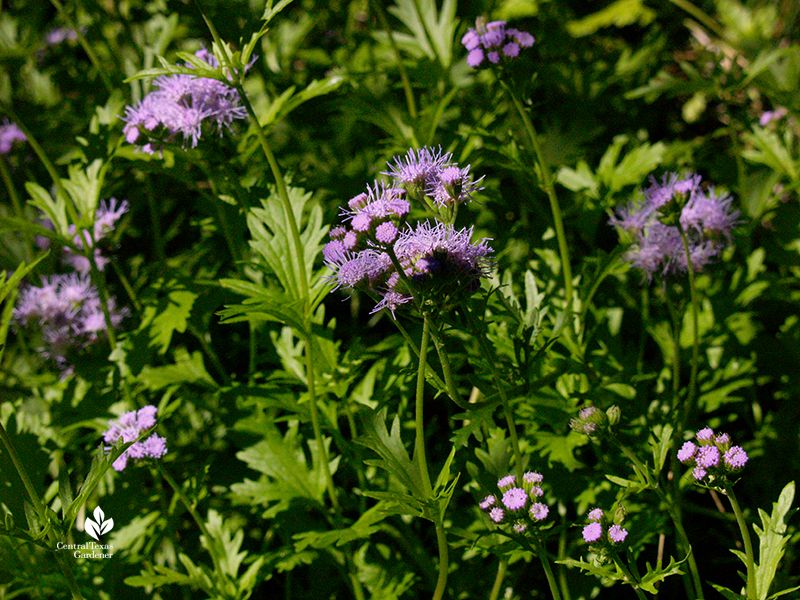
If butterflies make you happy, Gregg’s Mistflower might just become your favorite plant in the entire garden.
During fall, this native Texas wildflower covers itself in clusters of soft, fuzzy purple-blue blooms that act like a magnet for monarch butterflies, queens, and dozens of other species.
Watching a plant buzz and flutter with butterfly wings on a warm October afternoon is one of the best things a Texas garden can offer.
Gregg’s Mistflower, or Conoclinium greggii, is native to the Chihuahuan Desert and is perfectly suited for dry, sunny conditions. It spreads slowly by underground rhizomes, forming a low, spreading clump that works well as a ground cover or border plant.
It handles rocky, poor soils without any fuss and rarely needs fertilizer. In fact, too much fertilizer can actually reduce blooming, so less is more with this one.
The plant goes mostly dormant in winter and returns reliably each spring from the roots. Gardeners in West Texas, the Hill Country, and even Central Texas have found it to be a dependable, low-effort performer.
It typically stays under two feet tall, making it easy to tuck into smaller spaces without worrying about it taking over. Water it occasionally during establishment, and after that, it is largely self-sufficient.
For pollinators, fall color, and easy care all rolled into one package, Gregg’s Mistflower is a plant that Texas gardeners keep coming back to season after season.
6. Winecup
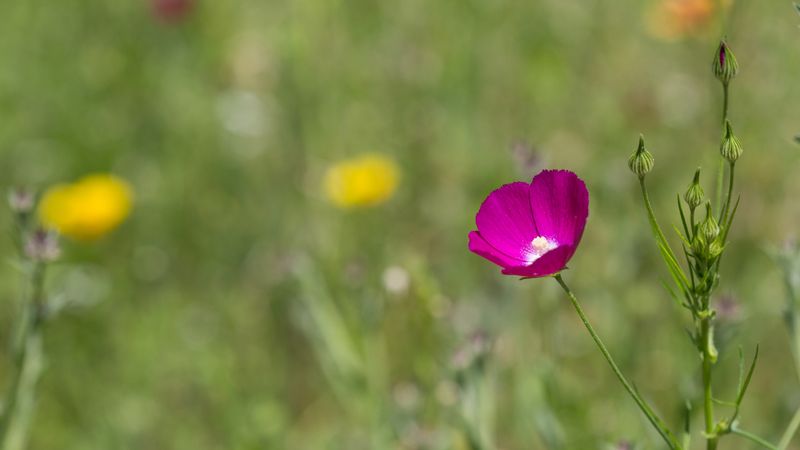
Winecup has one of the most striking flower colors you will ever see in a Texas garden. The blooms are a deep, vivid purple-magenta, shaped like small upturned cups, and they seem to glow in the sunshine.
Seeing a patch of Winecup in full bloom across a rocky hillside or sprawling along a garden path is genuinely breathtaking. It is one of those plants that makes you stop walking and just stare for a moment.
Callirhoe involucrata, as it is known botanically, is a low-growing native wildflower that spreads along the ground with trailing stems. It has a deep taproot that stores water, which is exactly why it handles drought so well.
Once that taproot gets established, the plant is incredibly self-sufficient. It thrives in poor, rocky soils and full sun, conditions that are common across much of Texas, from the Panhandle down through the Hill Country.
Winecup blooms heavily in spring and continues sporadically through summer, even during dry spells. It works wonderfully as a ground cover, a rock garden plant, or a trailing accent along pathways and garden borders.
It does not like heavy clay soils or spots that stay wet for long periods, so good drainage is important. Bees visit the flowers frequently, making it a solid choice for pollinator-friendly gardens.
Gardeners across Texas have embraced Winecup for its vivid color, tough nature, and the relaxed, wildflower feel it brings to any outdoor space.
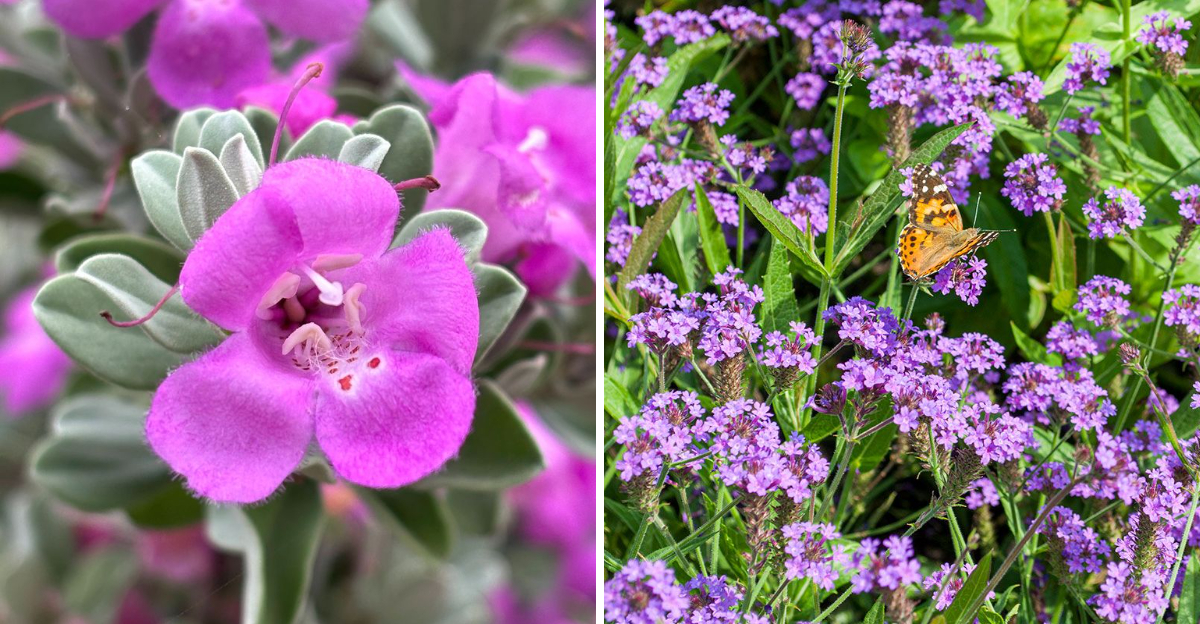
7. Verbena
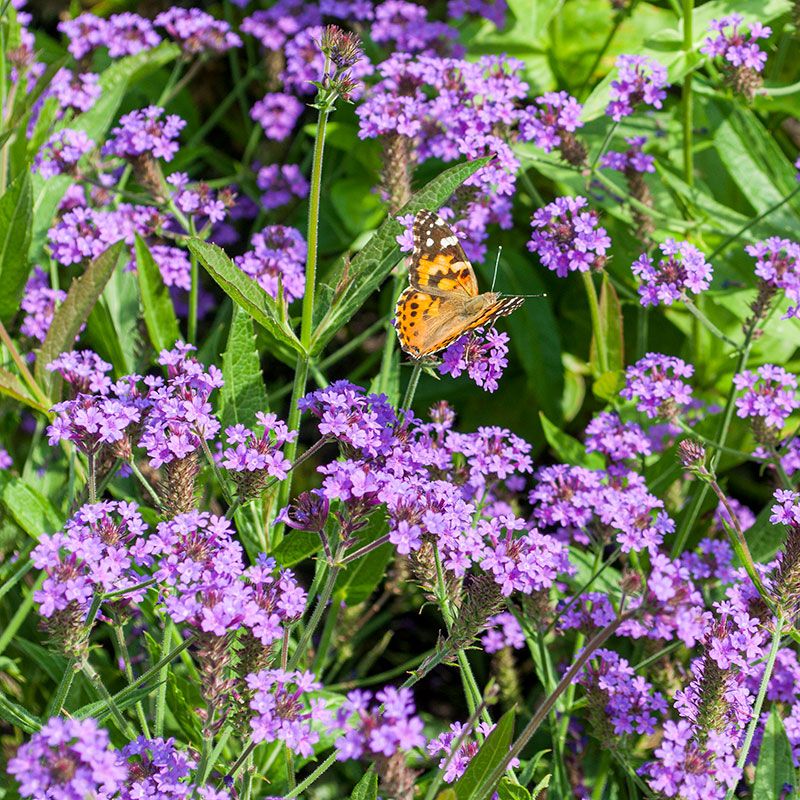
Verbena is the kind of plant that just keeps going. Heat waves, dry spells, poor soil, blazing Texas sun?
Verbena handles all of it without missing a beat. Prairie Verbena, which is native to Texas, spreads in a low, mat-like form and produces clusters of small, bright purple flowers that bloom from early spring well into fall.
It is tough, cheerful, and incredibly easy to grow, which is exactly why Texas gardeners love it so much.
One of the best things about Verbena is how it fills in spaces. It spreads gently outward from a central clump, covering bare ground and suppressing weeds without becoming invasive.
Plant it along a sunny border, let it spill over a retaining wall, or use it to fill gaps between stepping stones.
It looks natural and relaxed in wildflower-style gardens, but it also works well in more formal landscape designs. Either way, the purple color pops beautifully against green foliage and mulch.
Verbena thrives in full sun and well-drained soil throughout Texas, from the Gulf Coast to the Panhandle. It is a favorite among gardeners in San Antonio and Austin who want reliable color without constant watering.
Butterflies visit the flowers regularly, adding even more life to the garden. Trim it back lightly if it starts to look scraggly, and it will push out fresh growth and new blooms quickly.
For a no-fuss, high-reward purple plant that earns its place in any Texas landscape, Verbena is a genuine standout.