These 10 Native California Perennials Thrive In Spring Planting
California spring is essentially the sweet spot for anyone who wants a gorgeous yard without the constant headache of high-maintenance flowers.
While much of the country is still waiting for the ground to thaw, our local soil is perfectly primed for new growth.
Native perennials are the real stars of the show because they already know how to handle the unique climate and sun of the Golden State.
Getting them into the ground right now gives their roots a chance to settle in before the intense summer heat starts beating down.
You can create a vibrant, colorful landscape that feels like a natural part of the scenery rather than a thirsty, fragile project. These hardy options are built to last and require much less water than standard nursery finds.
It is a smart way to upgrade your curb appeal while keeping your weekend chores to a minimum.
1. California Fuchsia
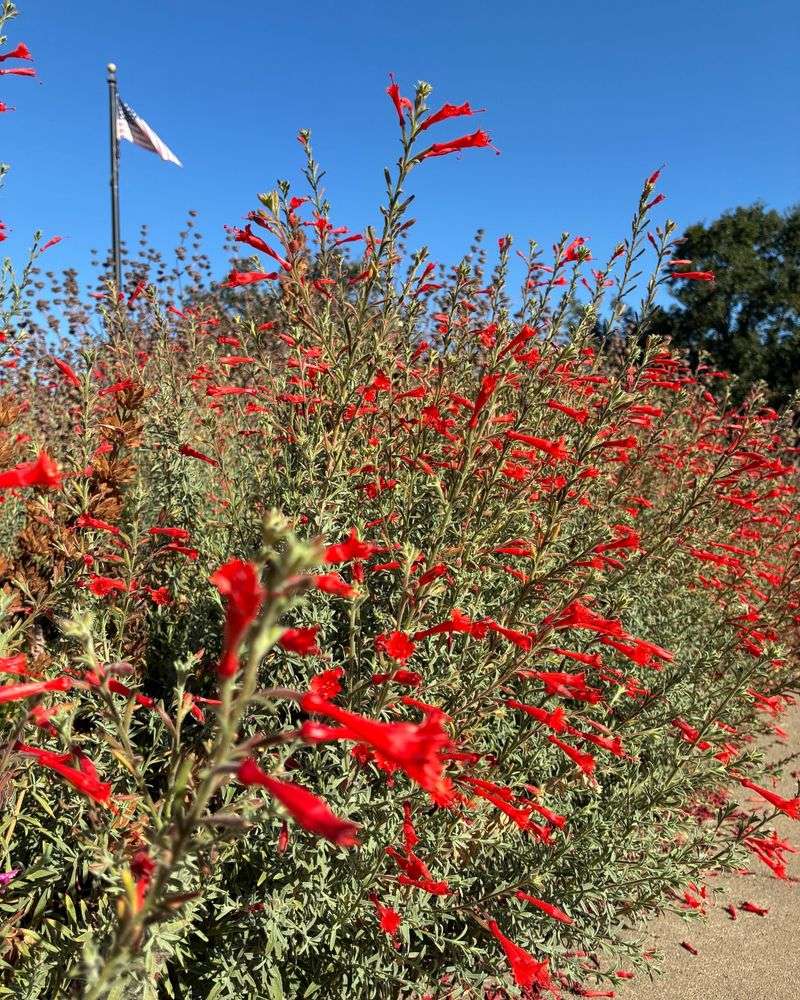
Few plants put on a show quite like California Fuchsia. Its bright, fire-engine red flowers are hard to miss, and hummingbirds absolutely love them.
If you want to attract wildlife to your California garden, this is one of the best plants you can choose.
Known by its scientific name Epilobium canum, this perennial grows low to the ground and spreads nicely along slopes or rocky areas. It blooms from late summer into fall, but spring planting gives it the time it needs to build strong roots first.
Plant it in a sunny spot with well-draining soil, and it will reward you with months of color.
One of the best things about California Fuchsia is how little water it needs once it gets settled. It is naturally drought-tolerant, which makes it a great fit for California’s dry climate.
Just water it regularly during the first season, then ease off as it matures. It handles heat well and does not need much fertilizer.
Trim it back in late winter to keep it looking tidy and encourage fresh new growth each year. It is a low-maintenance plant that delivers big visual results.
2. Yarrow
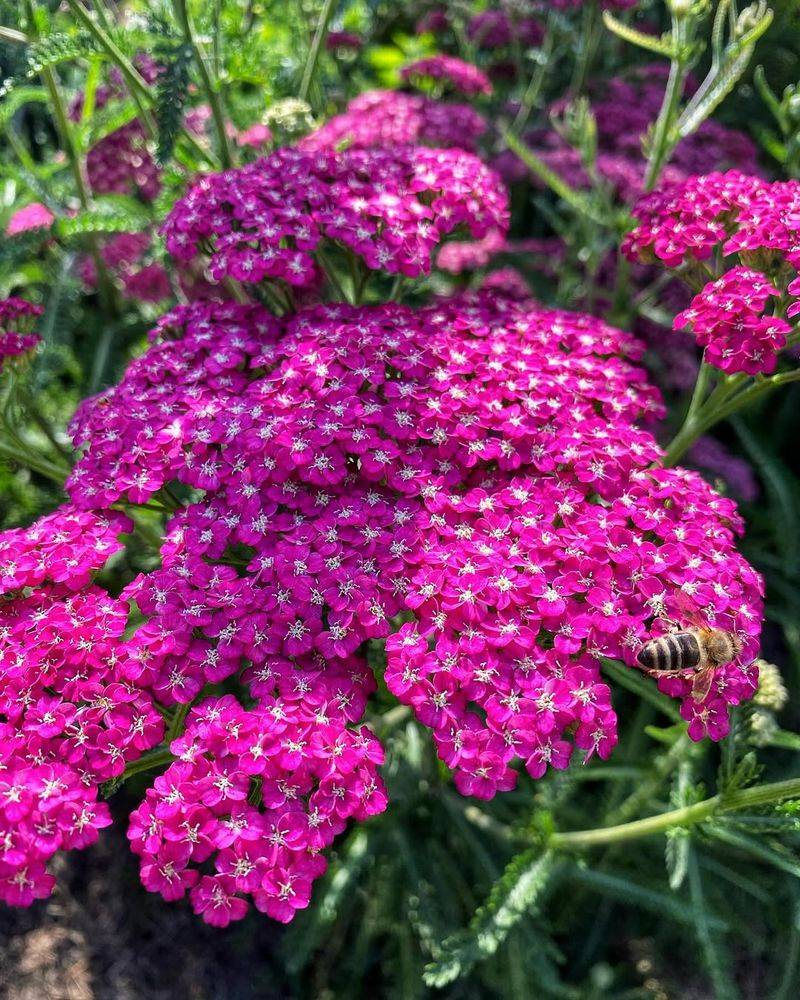
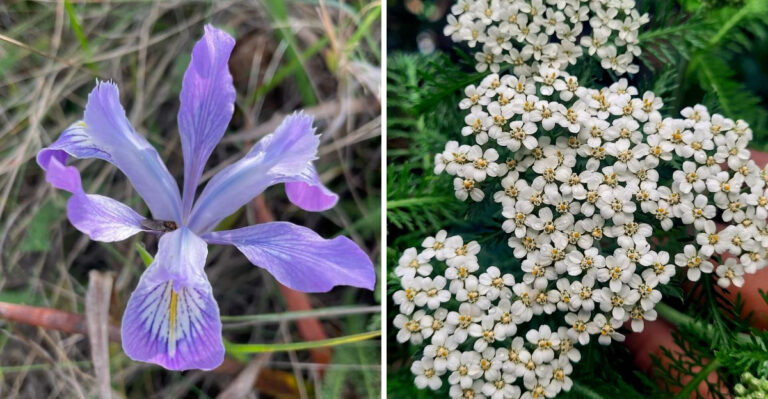
Yarrow has been growing across California for centuries, and once you see it in a garden, it is easy to understand why so many people keep planting it. The flat-topped clusters of tiny flowers come in white, yellow, and pink shades.
They create a soft, cheerful look that works well in both formal and casual garden designs.
Scientifically called Achillea millefolium, Yarrow is one of the toughest perennials you can grow in California. It handles poor soil, heat, and dry conditions without much complaint.
Spring planting helps it establish before summer arrives. Plant it in full sun for the best blooms, and space plants about a foot apart to give them room to spread naturally.
Pollinators go wild for Yarrow. Bees, butterflies, and beneficial insects flock to the flowers all season long.
Beyond its garden beauty, Yarrow has a long history in herbal medicine. Native peoples across California used it for various remedies.
Today, gardeners love it because it is nearly hands-off once established. Cut back spent flower heads to encourage a second round of blooms.
Your California Garden Changes Every Week. Your Plan Should Too.
Gardening in California changes quickly throughout the season. Every Friday you’ll receive a simple weekly plan showing exactly what to plant, prune, fertilize, harvest, and protect so you never miss the right timing.
Yarrow is a true workhorse plant that earns its place in any California garden.
3. Cleveland Sage
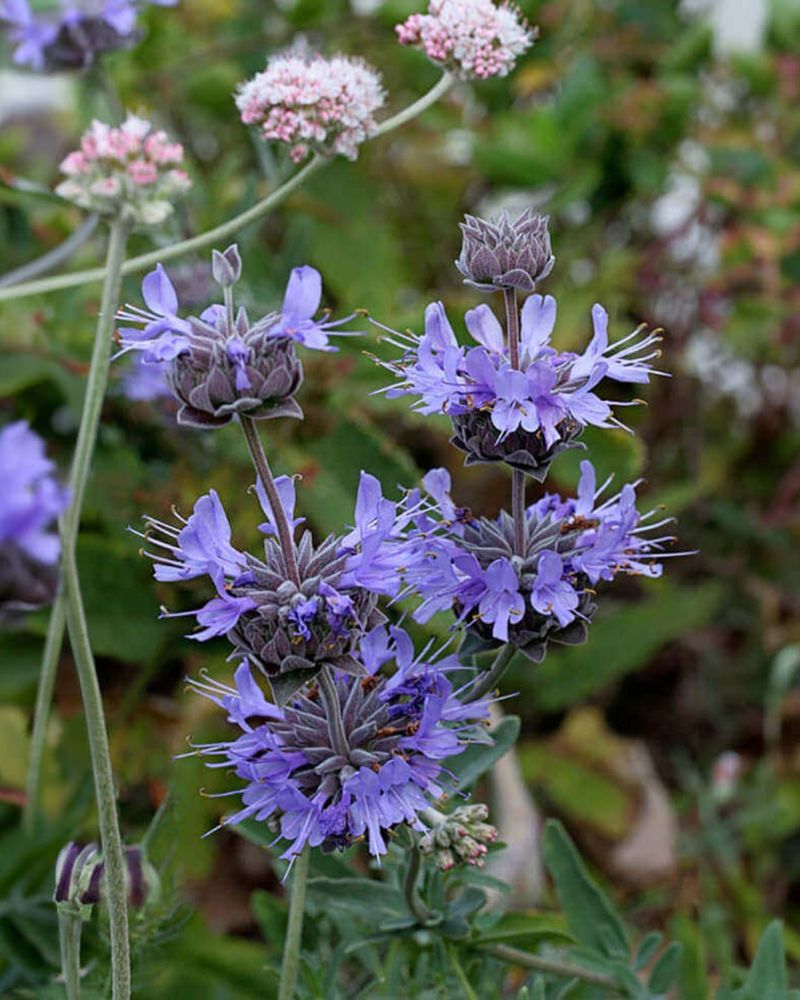
Walk past a Cleveland Sage on a warm California morning, and the scent alone will stop you in your tracks. This plant smells incredible, almost like a mix of sage and mint with a hint of something wild.
It is one of those plants that makes a garden feel alive in more ways than just looks.
Salvia clevelandii is native to Southern California and Baja California, and it thrives in hot, dry conditions. The deep purple flower spikes rise above the silvery-green leaves and attract hummingbirds, bees, and butterflies throughout spring and summer.
Plant it in full sun with fast-draining soil, and it will flourish with very little extra care.
Spring is an ideal time to get Cleveland Sage in the ground. Cooler temperatures help the roots settle in before the intense California summer heat kicks in.
Water it regularly for the first few months, then cut back once it is established. Pruning after the blooms fade keeps the plant looking full and encourages new growth.
Cleveland Sage is drought-tolerant and deer-resistant, which is a huge bonus in many parts of California. It grows three to five feet tall and makes a stunning backdrop in any native garden.
4. California Aster
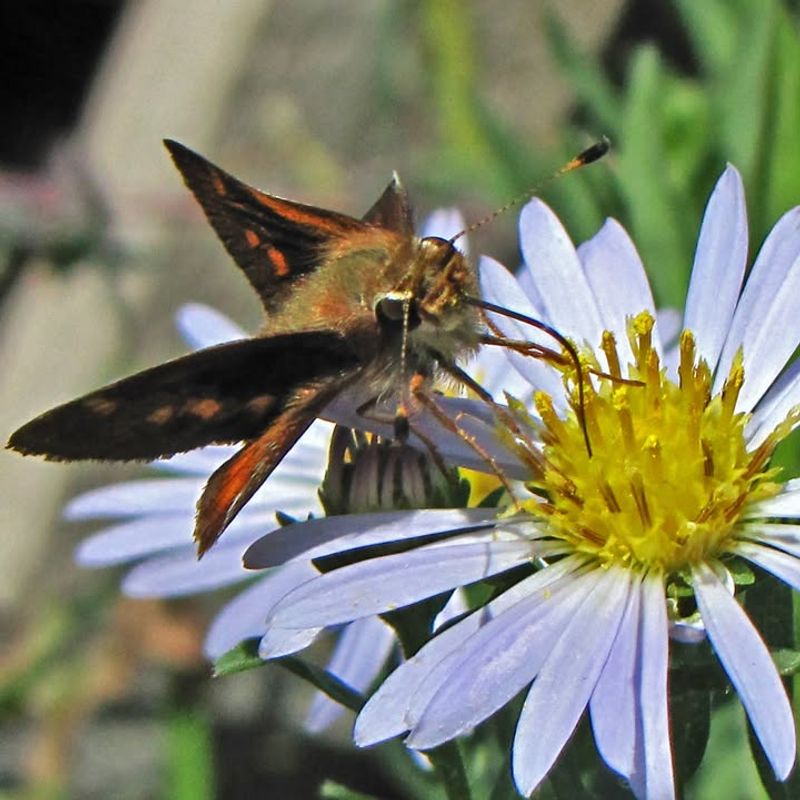
If you love the look of wildflowers but want something reliable and easy to manage, California Aster might be exactly what your garden needs. Also known as Symphyotrichum chilense, this cheerful perennial produces small, daisy-like flowers in shades of lavender and purple with bright yellow centers.
It has a relaxed, natural look that feels right at home in a California native garden.
California Aster blooms from late summer through fall, but planting it in spring gives it the best chance to establish strong roots. It grows well in a range of soil types and tolerates both full sun and partial shade, making it flexible enough to fit into many garden spots.
It also handles coastal conditions well, so gardeners near the California coast will find it especially rewarding.
One of the standout features of California Aster is how much pollinators love it. Bees and butterflies visit the flowers constantly during bloom season.
Birds also appreciate the plant because small insects that feed on it become a food source. Once established, it is quite drought-tolerant and requires minimal watering.
Cutting it back in late winter helps promote bushy, vigorous growth the following season. It spreads slowly over time, filling in bare spots beautifully.
5. Coral Bells
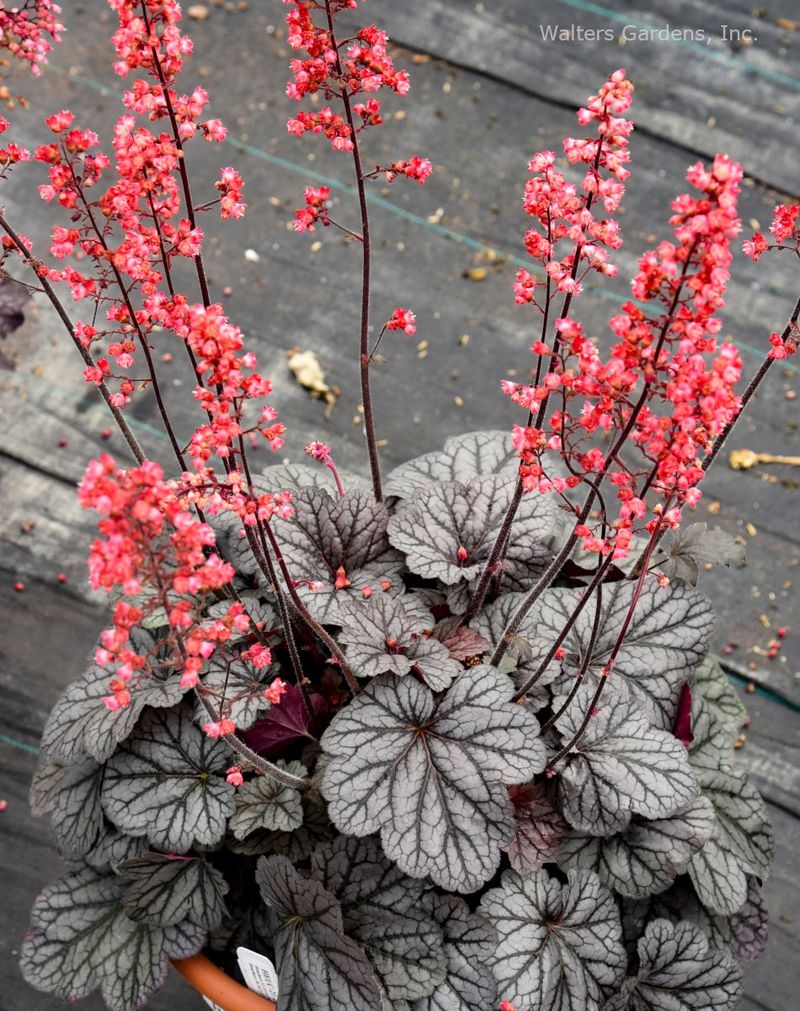
Not every garden plant needs a bold flower to make a statement. Coral Bells, known scientifically as Heuchera, proves that foliage alone can be just as impressive.
The leaves come in a stunning range of colors including deep burgundy, lime green, bronze, and silvery purple. They look beautiful even when the plant is not in bloom.
Native to California and other parts of the western United States, Coral Bells grow best in partial shade, making them a wonderful choice for spots under trees or along north-facing walls. The delicate, bell-shaped flowers rise on tall, slender stalks in spring and early summer, adding a soft and airy texture to garden beds.
Hummingbirds are especially drawn to the flowers.
Spring planting works really well for Coral Bells because the mild temperatures help roots develop before summer heat arrives. Plant them in well-drained soil and water consistently during the first growing season.
After that, they need less frequent watering and do fine in California’s drier conditions. Mulching around the base helps retain moisture and keeps roots cool.
Divide clumps every few years to keep plants healthy and full. Coral Bells are also a great choice for containers on patios and shaded decks throughout California.
6. Douglas Iris
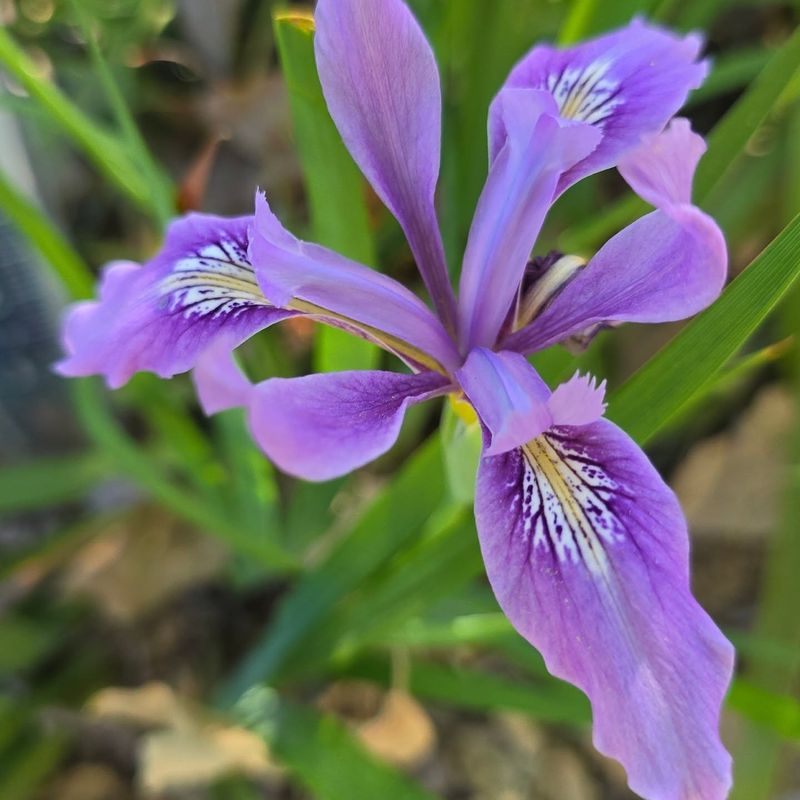
There is something quietly elegant about Douglas Iris that makes it stand out in any California garden. The flowers range from deep purple and lavender to creamy white, often streaked with delicate veining.
They bloom in early to mid-spring, which makes them one of the first real showstoppers of the season.
Iris douglasiana is an evergreen perennial native to the California coast and Pacific Northwest. It grows well in a variety of light conditions, from full sun near the coast to partial shade inland.
The long, glossy leaves stay green year-round, giving the plant a tidy, attractive look even when it is not blooming. It adapts well to different soil types, which makes it a flexible choice for many California gardeners.
Planting Douglas Iris in spring allows the roots to get established during mild weather before summer rolls in. Water it regularly for the first season, then reduce watering as it adapts to California’s dry summers.
It is naturally drought-tolerant once settled. Planting it along paths, borders, or slopes works especially well since the spreading root system helps with erosion control.
Divide the clumps every three to four years to keep plants vigorous and blooming well. Douglas Iris is a true California classic worth having in any garden.
7. Island Alum Root
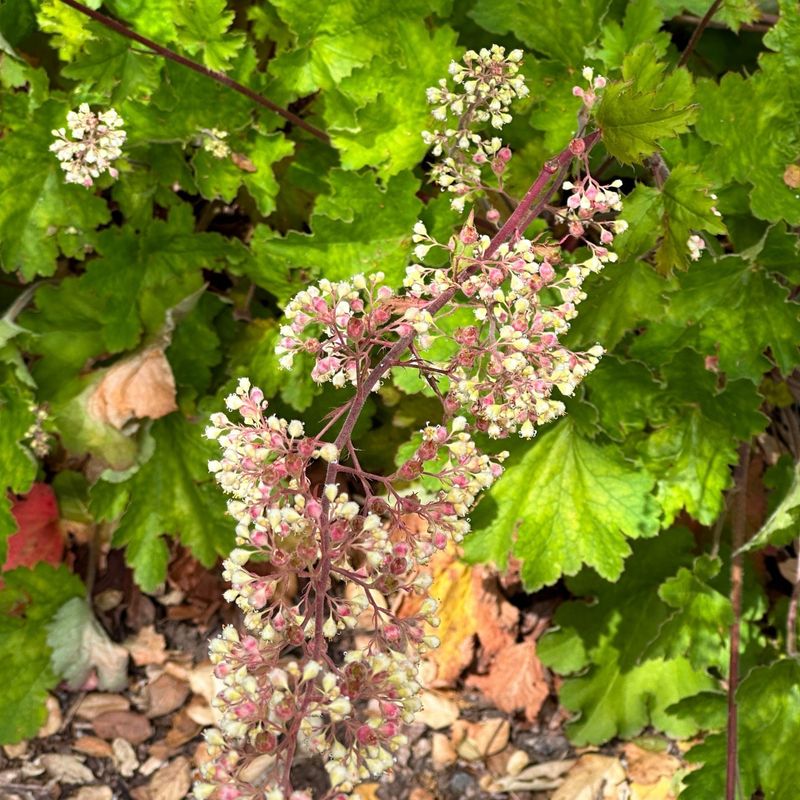
Shade gardens in California can be tricky to fill, but Island Alum Root makes it look easy. This plant is a close relative of the more commonly known Coral Bells, but it grows larger and handles dry shade exceptionally well.
The heart-shaped leaves are bold and lush, creating a full, layered look in spots where other plants struggle.
Heuchera maxima is native to the Channel Islands off the coast of Southern California, which is how it earned its name. It thrives under oak trees and in other shaded areas where the soil tends to stay dry in summer.
Tall flower spikes covered in small white to pale pink blooms rise above the foliage in spring, attracting pollinators and adding a delicate touch to the garden.
Spring is the best time to plant Island Alum Root in California because the cooler, wetter weather helps roots establish before the dry season. Plant it in well-drained soil with plenty of organic matter.
Water it consistently during the first growing season. Once established, it handles dry conditions remarkably well and rarely needs supplemental irrigation.
It grows about two feet tall and spreads slowly, making it ideal for filling shaded borders and garden beds. It is also deer-resistant, which is a welcome bonus in many California neighborhoods.
8. Blue-eyed Grass
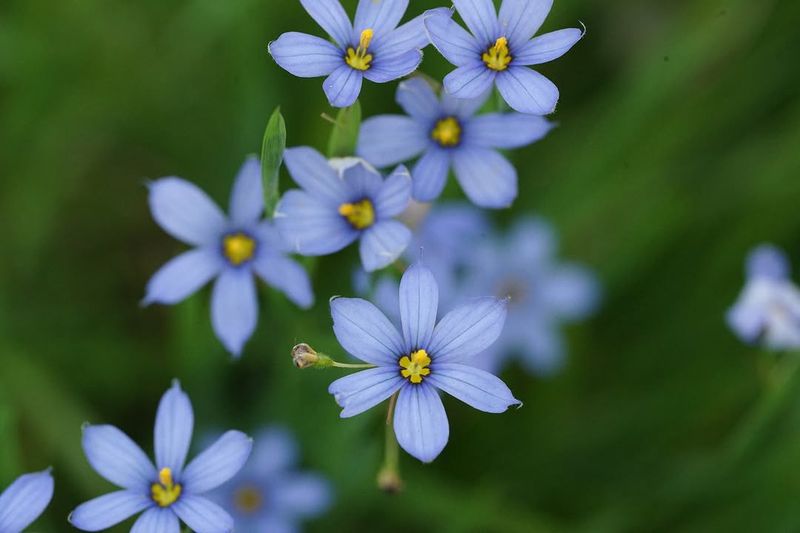
Do not let the name fool you. Blue-eyed Grass is not actually a grass at all.
It belongs to the iris family and produces some of the most charming little flowers you will ever see in a California garden. Each bloom is a tiny violet-blue star with a bright yellow center, and they appear from late winter all the way through early summer.
Sisyrinchium bellum is native to California and the western coast of North America. It forms neat, clumping tufts of narrow green leaves that look very much like grass, which is where the common name comes from.
It works beautifully along garden borders, in rock gardens, and in meadow-style plantings where a natural, relaxed look is desired.
Planting Blue-eyed Grass in spring gives it time to root in before the heat of California summer sets in. It grows best in full sun to partial shade and prefers well-drained soil.
Water regularly during the first season, then ease back as the plant establishes itself. It is surprisingly drought-tolerant once it matures.
Blue-eyed Grass self-seeds modestly, so you may find new plants popping up in nearby spots over time. It pairs wonderfully with other native California wildflowers and creates a soft, meadow-like feel that pollinators and garden visitors both appreciate.
9. Sticky Monkeyflower
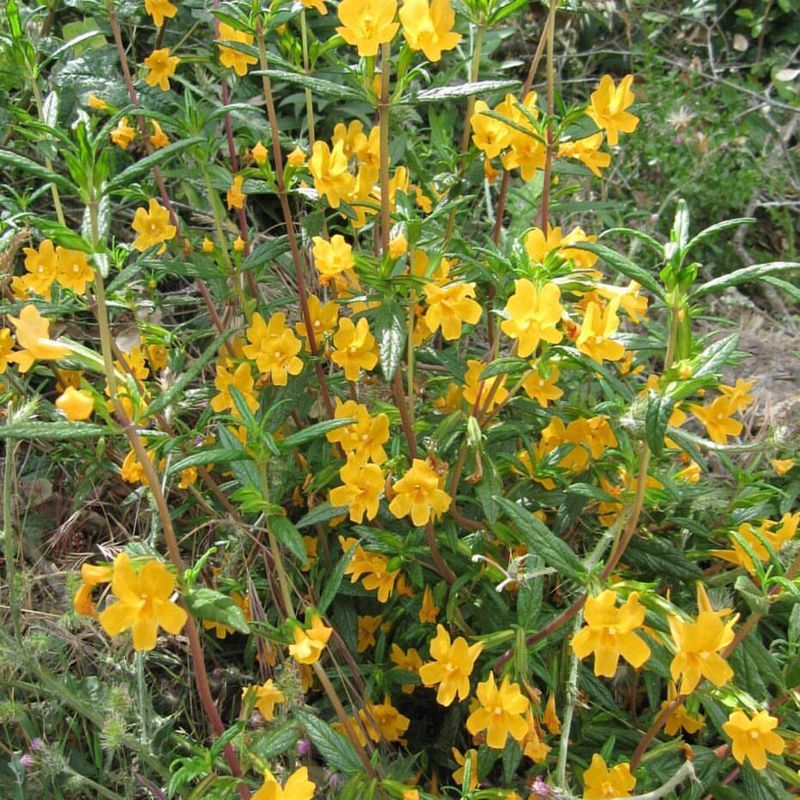
Bright, cheerful, and completely at home in California’s dry climate, Sticky Monkeyflower is one of those plants that seems almost too good to be true. The tubular flowers come in shades of orange, yellow, and pale cream, and they bloom over a remarkably long season.
Hummingbirds visit them constantly, making this plant a lively addition to any California garden.
Formerly known as Mimulus aurantiacus and now classified as Diplacus aurantiacus, this native perennial grows naturally on rocky hillsides and canyon walls across California. The leaves have a slightly sticky texture, which is exactly how it got its common name.
It grows into a rounded shrub about two to four feet tall and wide, making it useful as a border plant or informal hedge.
Spring planting suits Sticky Monkeyflower perfectly. The mild temperatures allow it to settle in comfortably before the dry California summer arrives.
Plant it in full sun with fast-draining soil. It does not like wet roots, so avoid overwatering.
Once established, it is highly drought-tolerant and thrives with minimal irrigation. Cut it back by about half after the main bloom period to encourage a fresh flush of flowers.
Sticky Monkeyflower is also fire-resistant, which makes it a practical and smart choice for California gardens in fire-prone areas.
10. California Buckwheat
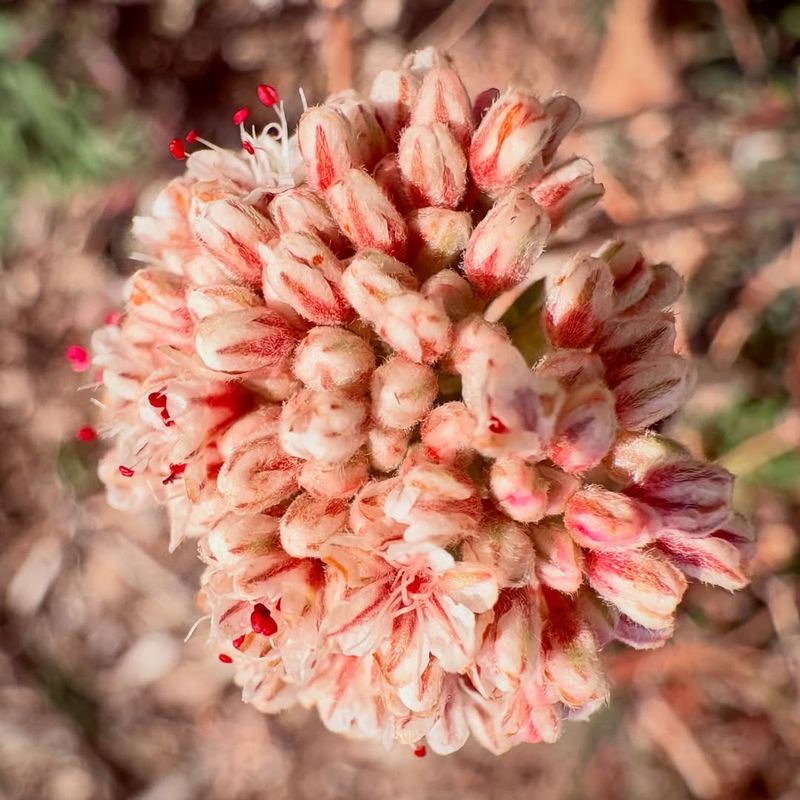
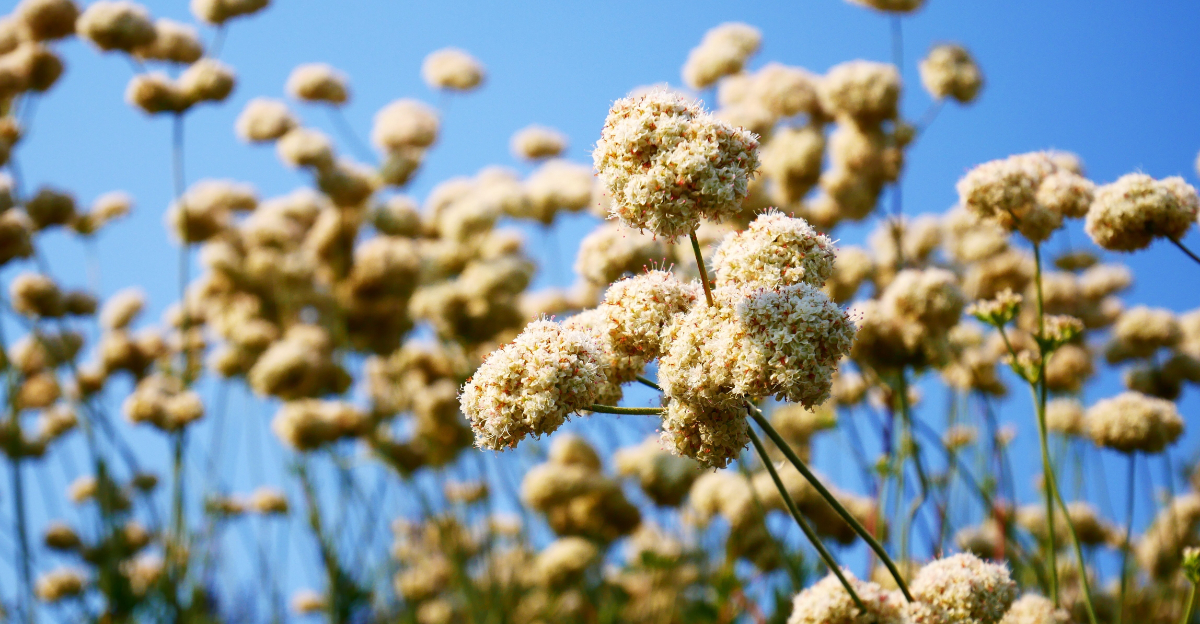
If there is one plant that truly defines the look and feel of a California native garden, it might just be California Buckwheat. This tough, adaptable plant grows naturally across coastal scrub, chaparral, and dry inland areas throughout the state.
It is a cornerstone of California’s native plant communities and a powerhouse for local wildlife.
Eriogonum fasciculatum is an evergreen perennial that produces clusters of white to pink flowers from spring through summer. As the flowers age, they turn a warm rusty-red color, giving the plant a beautiful two-toned look that lasts well into fall.
The dried flower heads also provide food for birds during the colder months, making it a year-round resource in the garden.
Spring is an excellent time to plant California Buckwheat. The cooler temperatures and occasional rain help roots establish quickly.
Plant it in full sun with well-drained soil, and avoid overwatering since it is built for dry California conditions. Once established, it needs very little supplemental irrigation.
It grows two to four feet tall and spreads in a low, mounding shape that looks natural and tidy. Butterflies, bees, and beneficial insects flock to the flowers all season long.
California Buckwheat is one of the most wildlife-friendly plants you can add to a California garden.