These Trees Survive Texas Heatwaves Even Without Watering
Texas heat does not play around. When the sun is blazing, the ground is dry, and rain feels like a distant memory, plenty of plants start to struggle fast.
That is why finding trees that can handle brutal heat without constant watering feels like striking gold, especially if you want a yard that looks good without turning into a full-time job.
In many parts of Texas, low-maintenance landscaping is not just a nice bonus. It is a smart move.
The good news is that some trees are more than ready for the challenge. These tough varieties can stand up to scorching temperatures, dry spells, and long stretches of intense summer weather without begging for extra attention.
They do not just survive in rough conditions. They keep growing, adding shade, structure, and beauty when other plants start giving up.
If you are tired of high water bills and fussy trees that cannot take the heat, this is where things get interesting. Some of the best options for Texas are the ones that thrive when the weather is at its worst.
1. Live Oak (Quercus Virginiana)
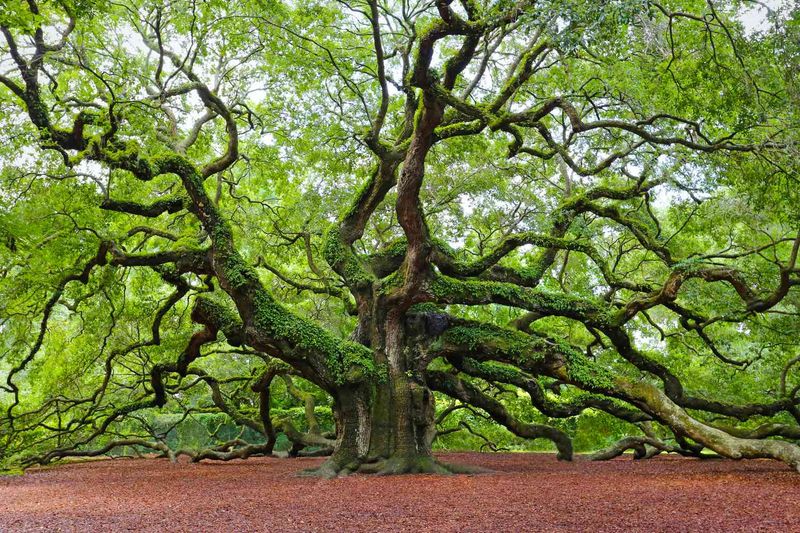
Ask any Texan to name their favorite tree, and there is a very good chance they will say Live Oak. This tree has been shading Texas homes, ranches, and roadsides for hundreds of years, and it has earned every bit of that reputation.
The Live Oak is one of the toughest trees you can plant anywhere in Texas.
What makes it so special is its root system. Live Oaks send their roots deep into the ground, sometimes reaching water sources that are far below the surface.
That means even during a brutal Texas heatwave, the tree keeps pulling moisture from the earth when other trees would struggle. Once established, it rarely needs any extra watering at all.
Live Oaks are also semi-evergreen, meaning they hold onto most of their leaves through winter and only shed them briefly in early spring before growing new ones. This gives your yard a green, lush look almost all year long.
The wide canopy provides excellent shade, which can actually help cool your home and lower energy costs during hot Texas summers.
These trees grow well across most of Texas, from East Texas to the Hill Country and down to South Texas. They can live for centuries, so planting one is truly an investment in your property and future.
Young Live Oaks do benefit from regular watering during their first year or two, but once the roots are established, they are remarkably self-sufficient. Mature trees handle Texas droughts with ease.
If you want one low-maintenance, beautiful, and long-lasting tree in your Texas yard, the Live Oak is the one to plant first.
2. Texas Red Oak (Quercus Buckleyi)
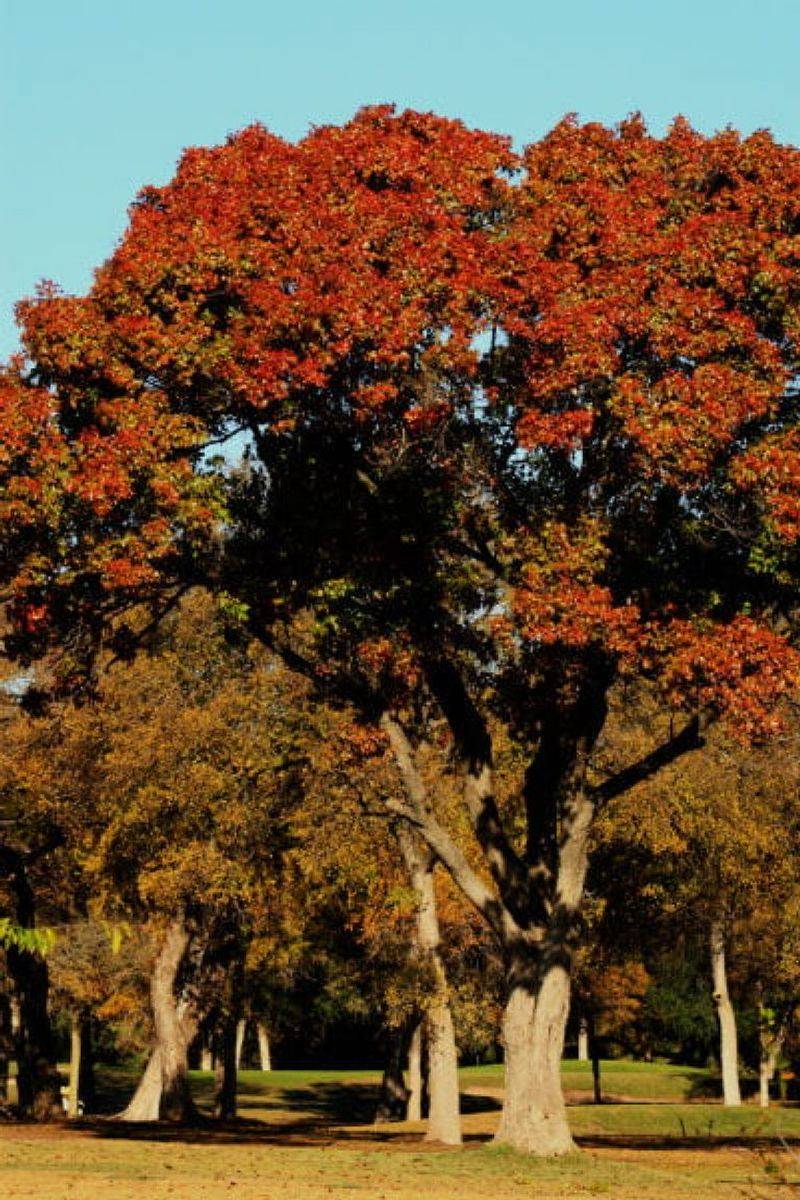
Not many trees can show off brilliant fall colors in Central Texas while also handling the scorching summer heat without complaint. The Texas Red Oak does exactly that, making it one of the most rewarding trees you can add to a Texas landscape.
Your Texas Garden Changes Every Week. Your Plan Should Too.
Gardening in Texas changes quickly throughout the season. Every Friday you’ll receive a simple weekly plan showing exactly what to plant, prune, fertilize, harvest, and protect so you never miss the right timing.
Its leaves turn stunning shades of red and orange in autumn, which is a rare and welcome sight in a state where fall color can be hard to come by.
Native to Central Texas and parts of the Edwards Plateau, this oak is perfectly adapted to the rocky, thin soils that cover much of the region. It does not need rich, well-watered soil to thrive.
In fact, it often performs better in the kind of challenging conditions that would stress out non-native trees. Once it gets established, it relies almost entirely on natural rainfall to survive.
The Texas Red Oak grows at a moderate pace and typically reaches between 30 and 50 feet tall at maturity. That size makes it a solid shade tree for backyards and open spaces.
Its canopy is broad and open, letting filtered light through while still blocking enough sun to keep things cooler underneath during hot Texas afternoons.
One thing to keep in mind is that patience pays off with this tree. The first couple of years after planting require some watering to help the roots establish.
After that, you can step back and let the tree do its thing. It handles Texas heat and dry spells with a quiet confidence that makes it a smart, beautiful, and practical choice for any Texas homeowner looking for low-effort landscaping.
3. Desert Willow (Chilopsis Linearis)
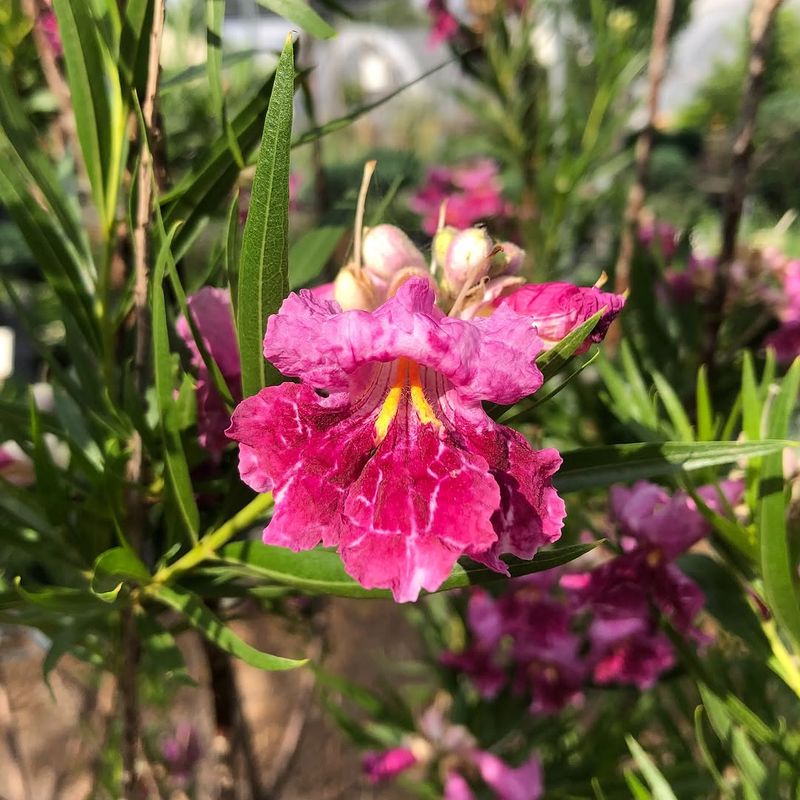
There is something almost surprising about the Desert Willow. Despite growing in some of the harshest, driest spots in Texas, it produces some of the most beautiful flowers you will ever see on a native tree.
The blooms are trumpet-shaped and come in shades of pink, purple, lavender, and white. They appear throughout the warm months, drawing in hummingbirds and butterflies from all over the neighborhood.
Despite its name, the Desert Willow is not actually a willow at all. It belongs to the same plant family as trumpet vines, which explains those gorgeous flowers.
It grows naturally in dry creek beds, rocky slopes, and open desert areas across West Texas and into the Trans-Pecos region. Those native conditions tell you everything you need to know about how little water this tree actually needs.
Desert Willow grows fast, often putting on several feet of growth per year under the right conditions. It stays relatively small compared to oaks, usually topping out between 15 and 25 feet, which makes it a great choice for smaller yards or spots where you do not want a massive tree.
It also handles poor soil really well, so you do not need to amend or prepare the ground much before planting.
Once established in a Texas yard, the Desert Willow is practically hands-off. It thrives on heat, tolerates dry spells without missing a beat, and keeps producing flowers season after season.
Pruning it lightly in late winter helps keep its shape tidy. For a tree that delivers big visual impact with almost zero fuss, the Desert Willow is genuinely hard to beat anywhere in Texas.
4. Mesquite Tree (Prosopis Spp.)
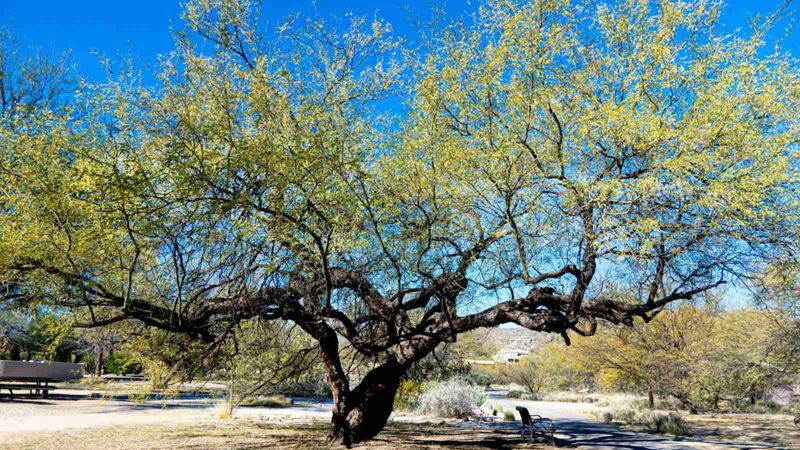
Few trees are as deeply connected to the Texas identity as the Mesquite. It has been part of the Texas landscape for thousands of years, and it has survived conditions that would finish off almost any other tree.
Ranchers, farmers, and outdoor enthusiasts across the state have a complicated relationship with Mesquite, but there is no denying how incredibly tough this tree really is.
The secret to the Mesquite’s survival is its taproot. This root can drive straight down into the earth for 100 feet or more, hunting for water deep underground.
That gives the tree access to moisture that surface-level roots could never reach during a Texas drought. Even when the soil above is bone dry and cracked, the Mesquite keeps growing without any help from a garden hose.
Mesquite trees also provide real benefits beyond just being tough. Their feathery, fern-like leaves cast light, dappled shade that is perfect for livestock and wildlife.
The seed pods are high in protein and have been used as food by Native Americans and animals for centuries. Birds, deer, and other Texas wildlife rely on Mesquite trees throughout the year for food and shelter.
In a yard or ranch setting, Mesquite does best when given plenty of space. It can spread wide and grow thorny branches, so planting it away from walkways is a smart move.
It grows well across nearly all of Texas, especially in West Texas, South Texas, and the Hill Country. For a tree that asks for almost nothing and delivers so much in return, the Mesquite earns its place in any drought-conscious Texas landscape.
5. Texas Mountain Laurel (Sophora Secundiflora)
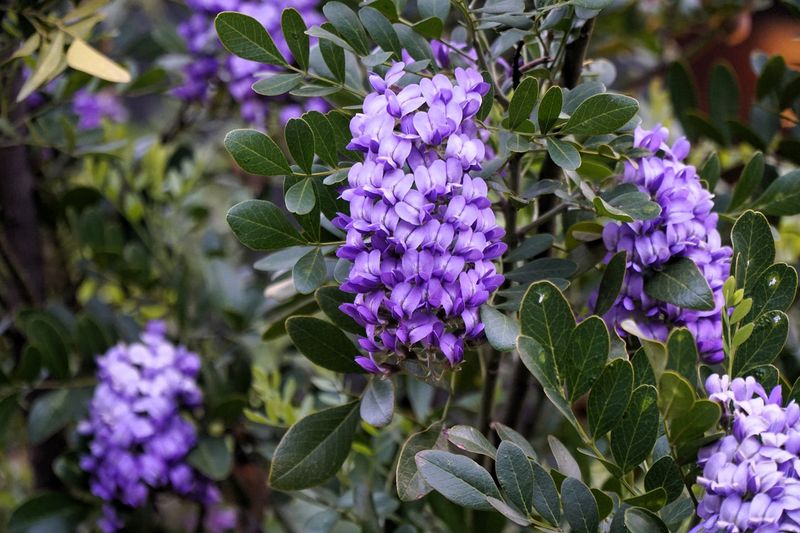
Every spring in Texas, something magical happens along highways, in neighborhoods, and across the Hill Country. The Texas Mountain Laurel bursts into bloom with thick clusters of deep purple flowers that smell exactly like grape soda.
That sweet, unmistakable fragrance drifts through the warm air and signals that spring has officially arrived in Texas. It is one of the most beloved native plants in the entire state.
Beyond its showstopping blooms, the Texas Mountain Laurel is one of the most low-maintenance trees you can plant in Texas. It is evergreen, meaning it keeps its dark, glossy green leaves all year long.
Even during the driest and hottest Texas summers, it stays green and healthy without needing supplemental watering once it has had a season or two to get established.
This tree grows slowly, which is actually a plus in many situations. A slow-growing tree tends to develop stronger wood and deeper roots, making it more resistant to storm damage and drought stress.
Texas Mountain Laurel typically reaches 10 to 15 feet tall, though some older specimens grow taller over many decades. Its compact size makes it ideal for smaller yards, patios, or as a natural privacy screen.
Native to Central and West Texas, this tree is perfectly tuned to the local climate. It handles rocky, alkaline soils without any complaints, which is important in areas where soil quality is poor.
The bright red seeds that follow the flowers are eye-catching but toxic, so it is good to be aware of that around small children and pets. Overall, the Texas Mountain Laurel is a standout native tree that brings beauty, fragrance, and toughness to any Texas yard.
6. Cedar Elm (Ulmus Crassifolia)
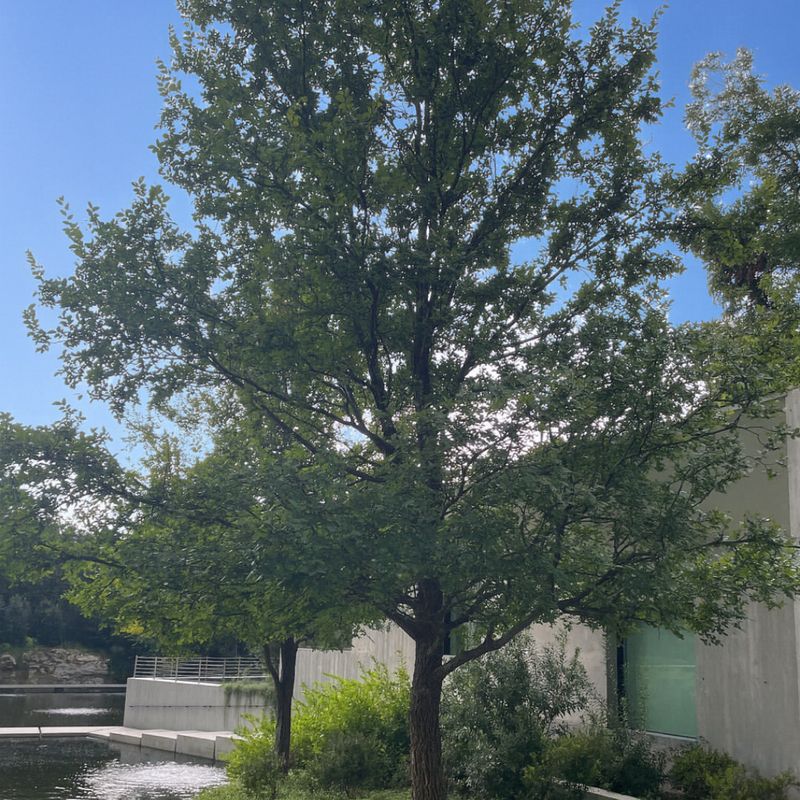
When people talk about tough Texas trees, the Cedar Elm does not always get the spotlight it deserves. That is a shame, because this tree is one of the most adaptable and reliable shade trees in the entire state.
It grows naturally across a huge portion of Texas, from the Blackland Prairie to the Hill Country and beyond, and it handles whatever the Texas climate throws at it without much trouble.
Cedar Elm is the only elm tree native to Texas that blooms and seeds in the fall rather than spring. That quirky trait makes it stand out among other native trees.
Its small, rough-textured leaves are distinctive and give the tree a fine-grained, elegant look even from a distance. In autumn, those leaves turn a pleasant yellow before dropping, giving the tree a brief but lovely seasonal display.
What really makes Cedar Elm valuable for Texas homeowners is its ability to handle tough growing conditions. It tolerates heat, drought, poor soil, and even occasional flooding without skipping a beat.
That kind of flexibility is hard to find in one tree. Once established, it needs very little care and can go through extended dry periods relying entirely on natural rainfall.
Cedar Elm grows at a medium to fast pace and can reach 60 to 90 feet tall at full maturity, making it one of the larger native shade trees available for Texas landscapes. That big canopy means serious shade coverage for patios, driveways, and outdoor living spaces.
For homeowners who want a low-effort, high-reward shade tree that is built specifically for Texas conditions, the Cedar Elm is an excellent and often underappreciated choice.