This Is The Shrub That Crowds Out Native Plants In Ohio Gardens
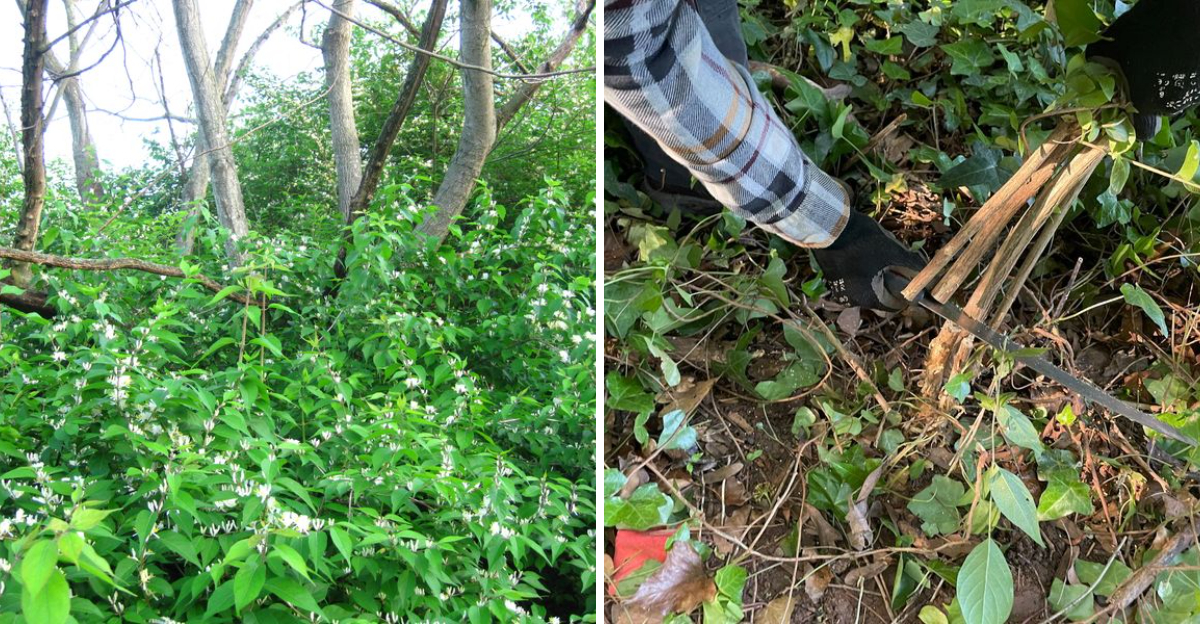
It can look harmless at first, maybe even useful. Fast growth, full shape, easy coverage.
That is exactly how this shrub wins people over in Ohio gardens before the real trouble starts. What seems like a quick way to fill space can soon turn into a dense, aggressive thicket that steals light, hogs moisture, and leaves little room for the native plants that actually belong there.
Once it takes hold, the balance of the yard starts to shift. Wildflowers struggle, young trees lose space, and the layered habitat that supports pollinators and birds starts to thin out.
Many homeowners do not realize the damage until the shrub has already spread well beyond the spot where it first went in.
In Ohio, one of the biggest repeat offenders is bush honeysuckle, a shrub known for pushing out native plants and taking over far more garden space than expected.
1. Bush Honeysuckle Crowds Out The Plants Ohio Gardens Need Most
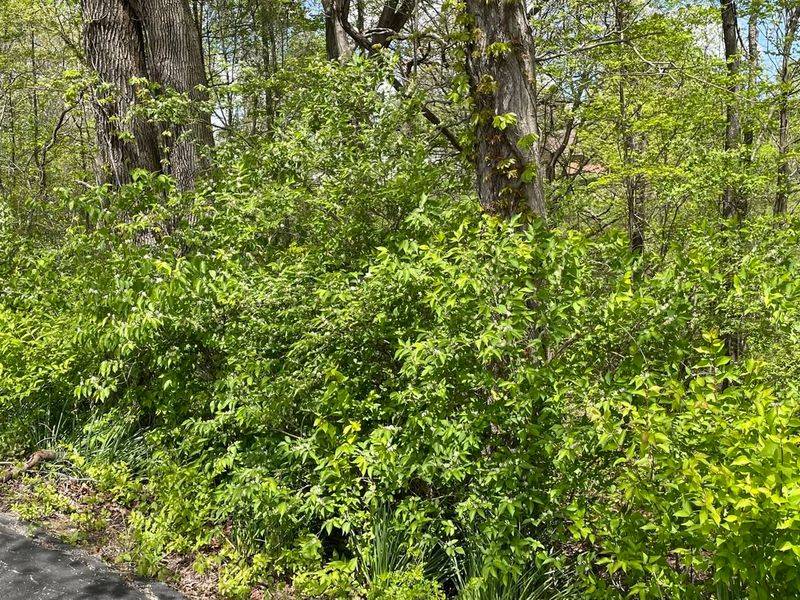
Across Ohio, native plants like wild ginger, trillium, and native violets depend on a careful balance of light, soil nutrients, and space. Invasive bush honeysuckle disrupts every part of that balance.
According to Ohio State University Extension and Ohioline, invasive bush honeysuckle is one of the most aggressive woody invasive shrubs affecting Ohio landscapes today, and its impact on native plant communities is well documented.
The shrub leafs out earlier in spring than almost any native plant in Ohio, sometimes as early as March. That early start gives it a weeks-long head start on capturing sunlight before native understory plants even begin to grow.
By the time native wildflowers are trying to emerge, the ground beneath bush honeysuckle is already deeply shaded. Many of those native plants simply cannot photosynthesize enough to survive under those conditions.
Beyond light competition, invasive bush honeysuckle also pulls heavily from the soil. Research has shown that it alters soil chemistry in ways that make it harder for native species to establish.
Some studies suggest it may release compounds through its roots that suppress the growth of competing plants, a process called allelopathy. Whether through shading, resource competition, or soil changes, the result is the same: native plants lose ground steadily.
For Ohio gardeners who want to support pollinators, songbirds, and native wildlife, losing native plants is not a small issue. Native plants provide the specific food sources and habitat structures that local wildlife evolved alongside.
Replacing them with a single aggressive invasive shrub strips that value away quickly.
2. Its Early Blooms And Bright Berries Hide A Bigger Problem
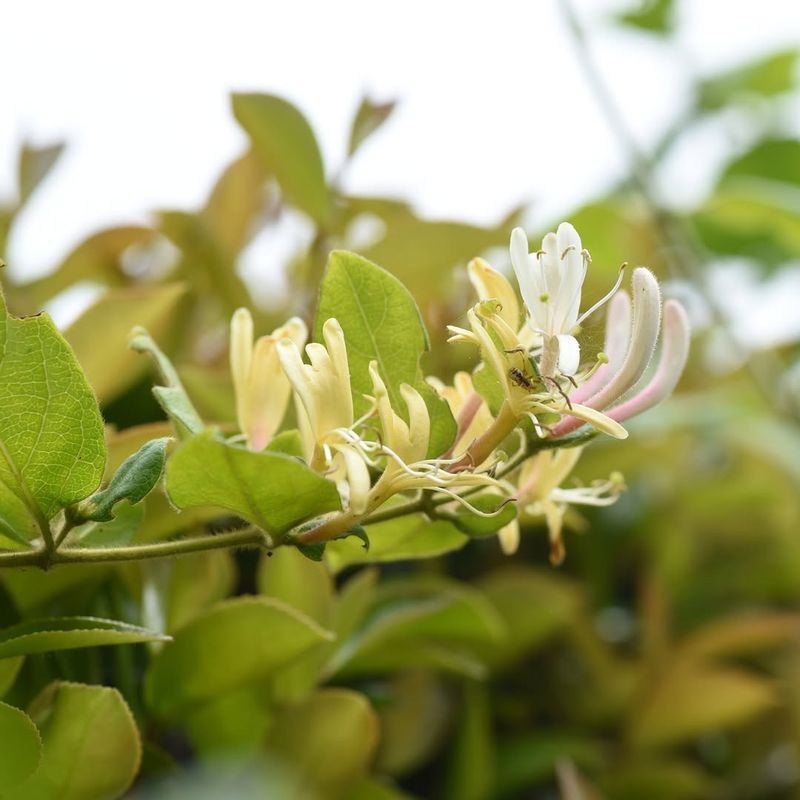
There is a certain charm to a shrub that blooms before most others wake up for the season. Invasive bush honeysuckle produces small tubular flowers in late spring, typically white or pale yellow, that carry a sweet fragrance.
From a distance, it looks like exactly the kind of shrub you would want lining a fence or filling a corner of the yard. That appealing appearance is a big reason why it was once widely sold at nurseries and planted in Ohio landscapes.
Your Ohio Garden Changes Every Week. Your Plan Should Too.
Gardening in Ohio changes quickly throughout the season. Every Friday you’ll receive a simple weekly plan showing exactly what to plant, prune, fertilize, harvest, and protect so you never miss the right timing.
By late summer and into fall, the shrub produces clusters of small bright red or orange berries that stand out vividly against the foliage. Birds find those berries attractive and eat them readily, which is precisely how the plant spreads so effectively across Ohio.
The seeds pass through birds and get deposited across yards, roadsides, and natural areas far from the original plant. What looks like a harmless backyard shrub can become a source of new invasions in every direction.
The foliage holds on longer than most native shrubs as well, staying green well into late fall after many native plants have gone dormant. That extended growing season only adds to its competitive advantage.
Homeowners who do not know what they are looking at often assume the shrub is simply a robust, healthy plant doing well in their yard. The Ohio Invasive Plants Council lists invasive bush honeysuckle as a species of significant concern precisely because its attractive qualities make it easy to overlook as a threat until it is already well established.
3. Dense Growth Lets It Shut Out Everything Around It
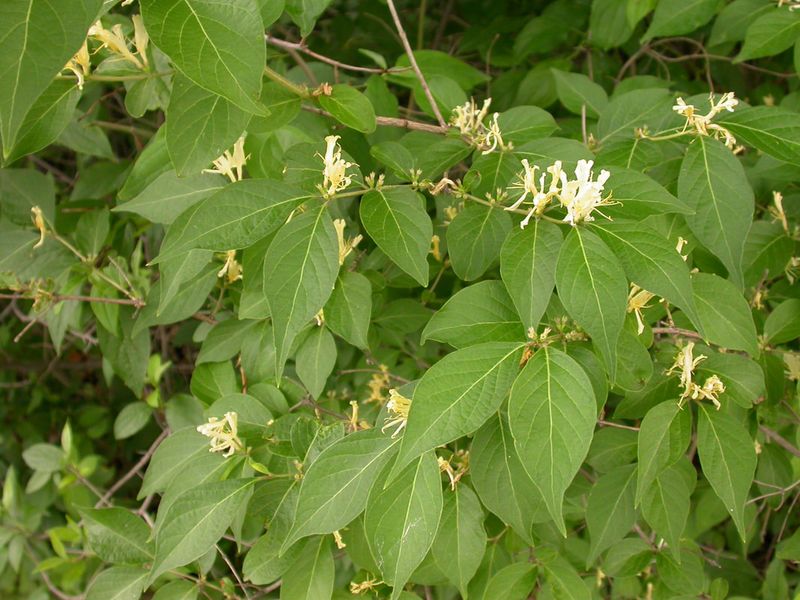
Few shrubs pack on growth the way invasive bush honeysuckle does. A single established plant can reach eight to fifteen feet tall and spread just as wide, with branches so densely layered that very little light reaches the ground beneath it.
That physical structure alone is enough to crowd out most nearby plants, but the way the shrub grows makes the problem even harder to address.
The branching pattern is thick and multi-stemmed from the base, which means there is no single trunk to target and no easy way to remove it in one cut. New shoots emerge readily from the base of the plant, and the shrub regenerates aggressively after being cut back.
What starts as a manageable size can double within a couple of growing seasons if left unchecked. In Ohio woodlands and natural areas, researchers have documented stands of invasive bush honeysuckle so dense that almost nothing grows beneath them, not seedlings, not ground cover, not even many grasses.
The timing of its leaf-out matters here too. Because it greens up weeks before native plants and holds its leaves weeks longer in fall, it captures an extended window of sunlight that native shrubs and trees simply cannot compete with during those shoulder seasons.
Spring ephemerals, which depend on brief windows of light before the tree canopy closes in, are especially vulnerable. The physical density of invasive bush honeysuckle combined with its unusually long growing season creates a double pressure that most native understory plants cannot withstand over time.
4. What Starts As One Shrub Can Change The Whole Garden
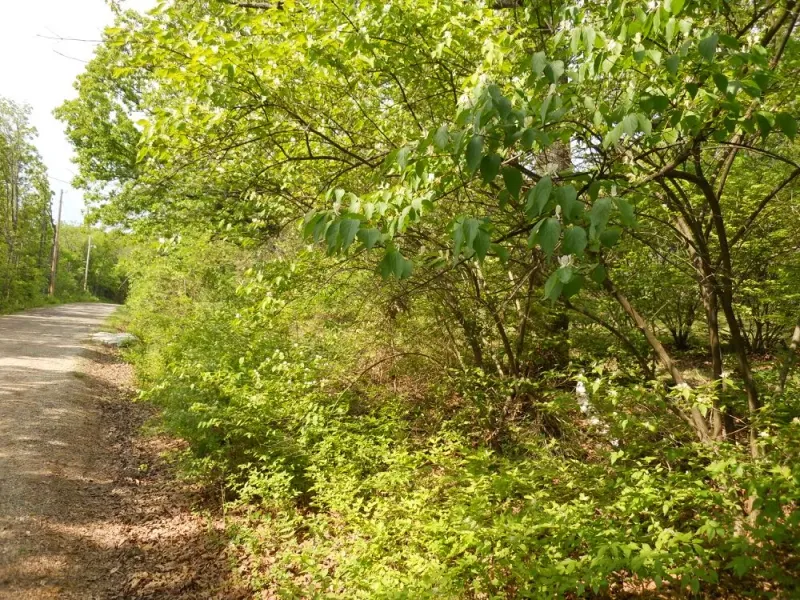
A single invasive bush honeysuckle left to grow unchecked does not stay a single shrub for long. One mature plant can produce hundreds of berries in a season, and birds spread those seeds widely.
Within a few years, what began as one overlooked shrub in a corner of the yard can become a scattered population across multiple garden beds, along the fence line, and into neighboring areas. The transformation happens gradually enough that many homeowners do not notice until the problem is already significant.
Once invasive bush honeysuckle takes hold across a garden space, the overall character of that space changes. Plant diversity drops.
Flowering perennials, native grasses, and shrubs that once provided texture and seasonal interest get shaded out or outcompeted for resources. The visual result is a landscape that looks increasingly uniform and dominated by one species, which is the opposite of what most Ohio gardeners are trying to achieve.
The habitat value of the garden changes along with the plant diversity. Fewer native plants means fewer native insects, which in turn means fewer songbirds relying on those insects to feed their young.
Ohio is part of important migratory bird corridors, and gardens with healthy native plant diversity play a real role in supporting those birds. When invasive bush honeysuckle replaces that diversity, the garden becomes far less useful to wildlife.
Pollinators lose forage plants. Ground-nesting birds lose protective cover.
The shift from a diverse native garden to a bush honeysuckle monoculture is not just a cosmetic problem; it is an ecological one that unfolds slowly but steadily.
5. If You Already Have One The Best Move Is To Act Early
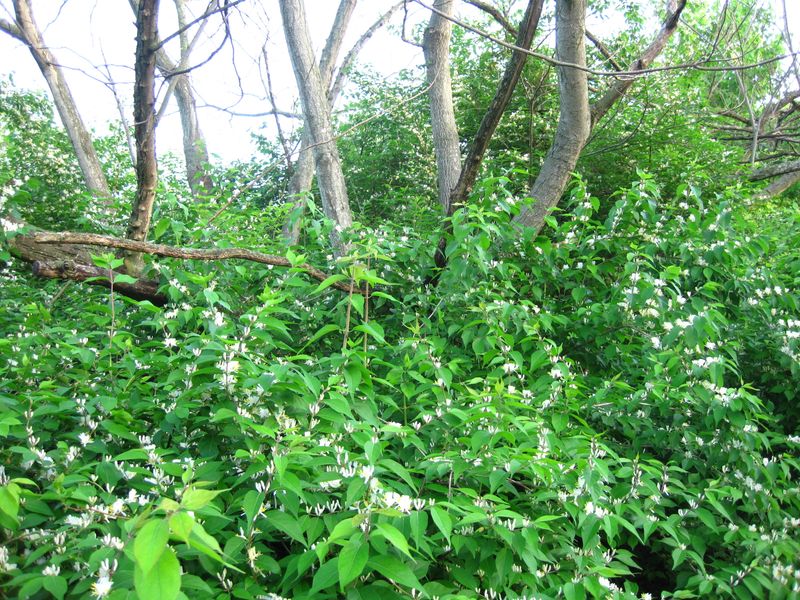
Spotting invasive bush honeysuckle on your property does not have to feel overwhelming, but the sooner you act, the easier the process will be. A small seedling pulled in spring takes about thirty seconds of effort.
A mature shrub with a trunk as thick as your wrist is a completely different project. The gap between those two situations grows every season you wait, so the moment you identify the plant, your best move is to assess what you are actually dealing with.
Walk your property in early spring when bush honeysuckle is one of the first things to leaf out. That early green color makes it easier to spot before native plants fill in around it.
Check fence lines, shaded garden edges, and areas near trees or shrubs where birds commonly perch and deposit seeds. Look for both mature plants and small seedlings that may have sprouted nearby.
Getting a full picture of how many plants you have and how large they are will help you decide how to approach removal.
If you have only a few small plants, the job is very manageable on your own. If you have a significant population of mature shrubs, especially on a larger property, it may be worth consulting with a local Ohio State University Extension office or a certified arborist familiar with invasive species management.
Acting before plants reach fruiting size is especially valuable because it stops new seeds from entering the soil. Every season of delay adds to both the workload and the number of seeds already waiting in the ground.
6. Removal Works Best When You Tackle Roots And Regrowth
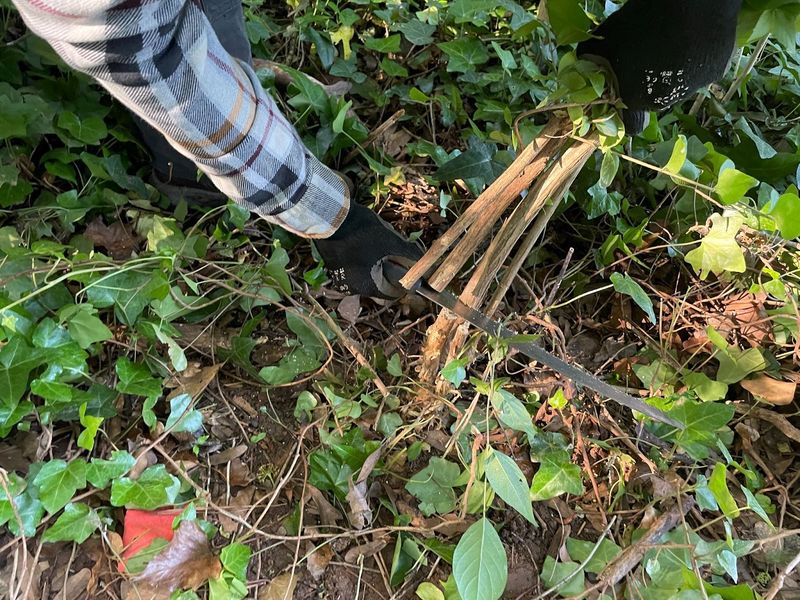
Pulling small bush honeysuckle seedlings by hand is genuinely effective, and it is the easiest part of the whole process. When the soil is moist, young plants come out roots and all with minimal effort.
Getting the roots out matters because any root fragment left behind can resprout. A light pull that snaps the stem at soil level is not enough; you want the whole plant out of the ground.
For shrubs that have grown beyond the seedling stage but are still relatively small, a garden fork or a tool like a Pulaski or weed wrench can help you lever the root ball out without leaving too much behind. Larger established plants with thick, woody stems are a bigger challenge.
Cutting them back and then treating the freshly cut stump with an appropriate herbicide is a method recommended by Ohio State University Extension for controlling mature invasive bush honeysuckle. Following label directions carefully and using an herbicide registered for this use is essential.
Regrowth is the part that catches many people off guard. Even after a thorough removal effort, bush honeysuckle can send up new shoots from remaining root tissue or from seeds already in the soil.
Plan to revisit the area multiple times across the first growing season after removal, and continue monitoring in subsequent years. A removal effort that seems complete in May may look very different by August if you do not follow up.
Persistence across multiple seasons is not optional with this species; it is simply part of the process.
7. The Empty Space Needs A Plan Or It Will Happen Again
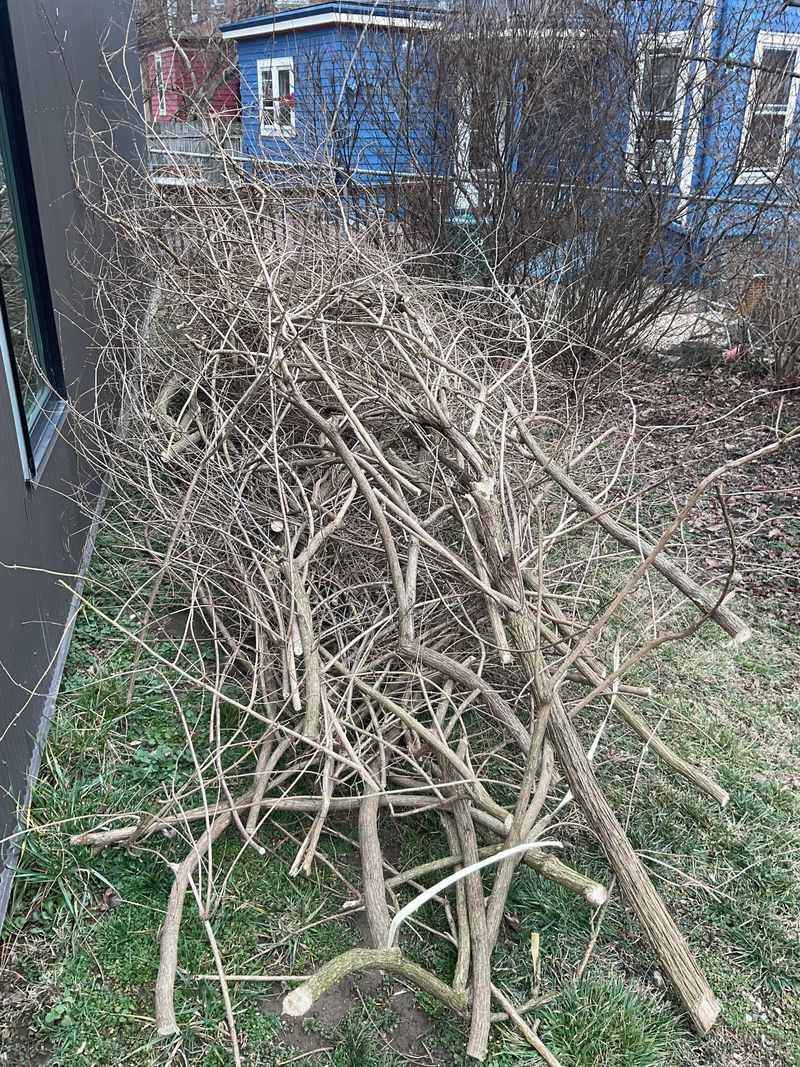
Bare ground left after bush honeysuckle removal does not stay bare for long in an Ohio garden. Open soil is an invitation, and invasive plants are often the first to accept it.
If you clear out a stand of bush honeysuckle and walk away, you may return the following spring to find seedlings already sprouting from seeds that were already in the soil before you even started. A cleared area without a follow-up plan can quickly become a repeat problem.
Monitoring the cleared space through the first full growing season is not optional. Check the area every few weeks during the active growing season, especially in spring when new seedlings emerge.
Pull anything that looks like bush honeysuckle immediately, while the plants are still tiny and easy to remove. Staying on top of seedlings during that first year prevents the seed bank in the soil from rebuilding the population you just worked to remove.
Mulching cleared areas with a few inches of wood chip mulch can help suppress seedling emergence, but it is not a complete solution on its own. The most effective follow-up step is establishing desirable plants in the cleared space as soon as practical.
A garden bed with healthy, established plants is far more resistant to reinvasion than bare or lightly mulched ground. Choosing what to plant next is worth thinking through carefully, because the right plants will do real work in holding that space and preventing another round of the same problem.
Ohio native shrubs and groundcovers are your strongest long-term allies here.
8. Native Shrubs Can Give You Beauty Without The Damage
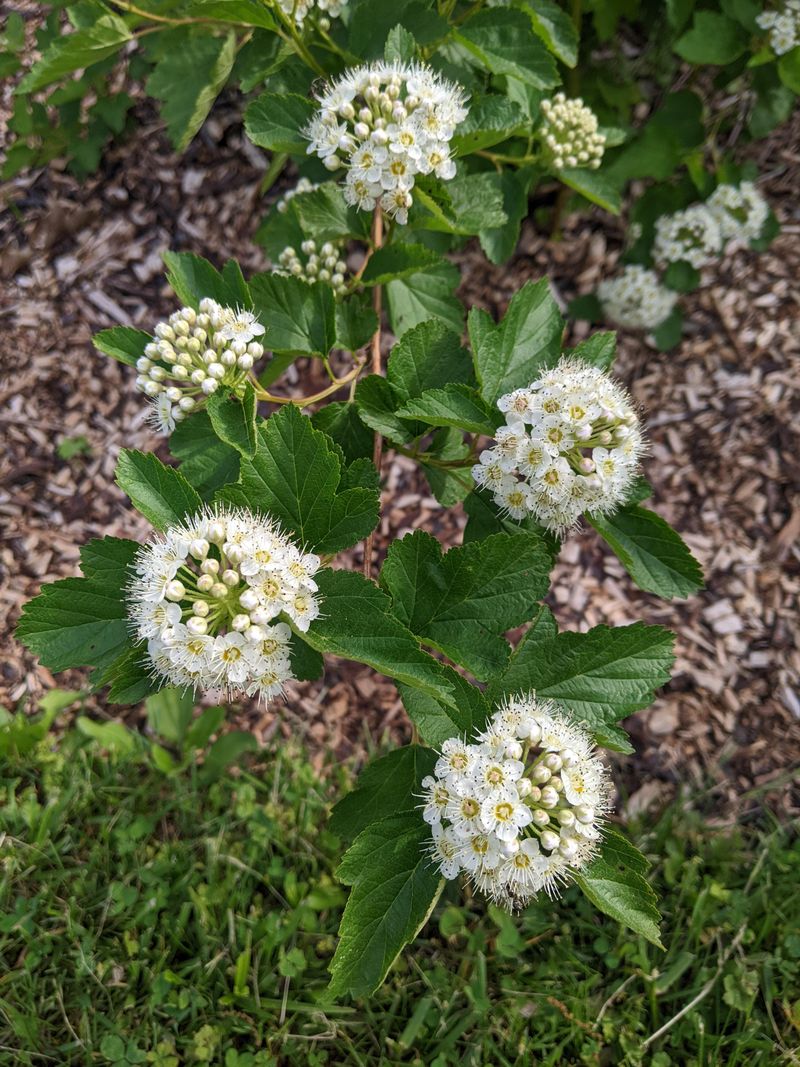
Replacing invasive bush honeysuckle does not mean sacrificing beauty or wildlife value. Ohio has a rich palette of native shrubs that offer everything invasive bush honeysuckle seems to promise, seasonal flowers, colorful berries, wildlife habitat, and attractive structure, without the ecological damage.
Swapping one for the other is one of the most rewarding moves an Ohio gardener can make.
Spicebush (Lindera benzoin) is a native Ohio shrub that blooms in very early spring, making it a great answer for gardeners who love that early seasonal color. Its yellow flowers appear before most other plants have leafed out, and the plant produces red berries in fall that songbirds rely on heavily during migration.
American beautyberry (Callicarpa americana) and native viburnums like arrowwood viburnum (Viburnum dentatum) are excellent choices for adding bold berry color and supporting pollinators through the season.
For gardeners who want a shrub that handles wet or variable soil conditions, buttonbush (Cephalanthus occidentalis) is a native Ohio species with unusual round white flowers that attract bees, butterflies, and hummingbirds. Native ninebark (Physocarpus opulifolius) adds textural interest with its peeling bark and clusters of white flowers in late spring.
All of these plants support local insects, birds, and other wildlife in ways that invasive bush honeysuckle simply cannot replicate.
Ohio State University Extension and the Ohio Department of Natural Resources both offer native plant resources to help gardeners find species suited to their specific soil type, light conditions, and garden goals.
Choosing natives is a straightforward way to build a garden that genuinely supports the Ohio landscape around it.