These 10 Flowers Bloom Well In Ohio Clay Without Soil Fixes
Ohio clay can make gardeners feel defeated before the season even starts. It dries hard, drains slowly, and seems to reject anything delicate or demanding.
Many flowers struggle in it, which leads plenty of homeowners to assume they need major soil fixes before they can grow anything beautiful. That is not always true.
Some flowers handle dense Ohio clay far better than people expect and still put on a strong show without compost, sand, or other amendments. The key is picking plants built for tough ground instead of forcing fussy blooms to survive in the wrong place.
With the right choices, even heavy clay can support bright color, healthy growth, and a yard that looks full through the season.
Before you spend time and money trying to change your soil, take a look at these flowers that bloom well in Ohio clay just as it is.
1. Black Eyed Susan Brings Bright Color Without Fussing Over Clay
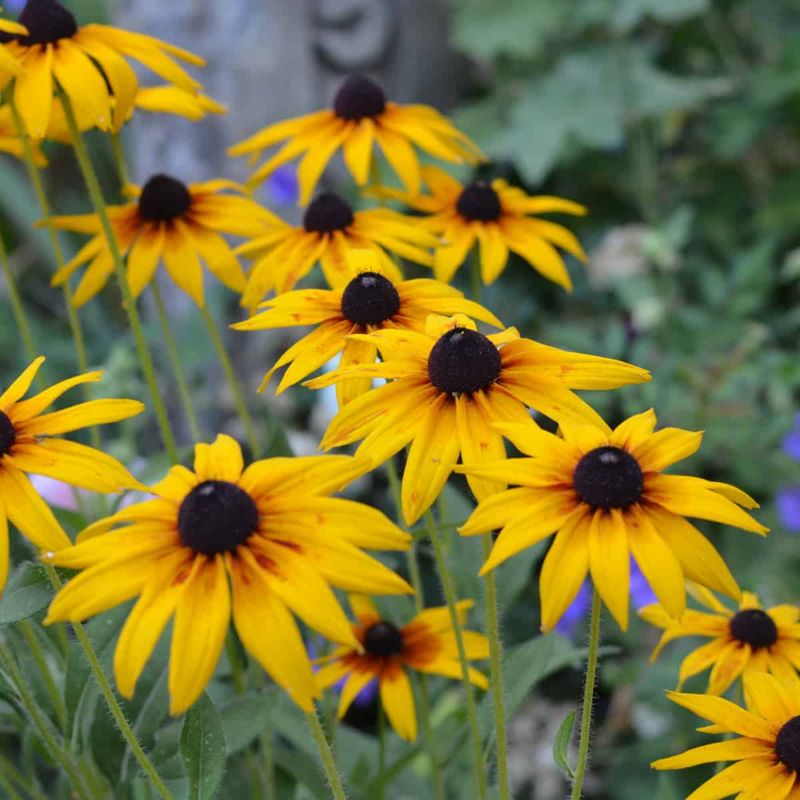
Few flowers bring that punchy, golden-yellow energy quite like Black Eyed Susan. Native to Ohio and much of the eastern United States, this tough perennial has been brightening roadsides, prairies, and backyard gardens for centuries without anyone fussing over the soil underneath it.
Black Eyed Susan, known botanically as Rudbeckia hirta, handles clay surprisingly well. Its root system is fibrous and adaptable, meaning it can push through heavier ground without demanding loose, perfectly amended beds.
Ohio State University Extension recognizes it as one of the most dependable wildflowers for difficult soil conditions across the state.
Blooms typically appear from midsummer into fall, giving you weeks of cheerful color when many other flowers are fading. Each flower head features golden-yellow petals surrounding a dark brown center cone that birds, especially goldfinches, love to pick at late in the season.
In clay, the key is giving Black Eyed Susan full sun. Heavy soil that also sits in shade is harder for it to manage.
But in a bright, open spot, it will establish, spread gradually by self-seeding, and return year after year without any help from you. For Ohio gardeners who want reliable color with almost zero maintenance, this flower is hard to beat.
2. Coneflower Keeps Blooming Even When Ohio Soil Stays Heavy
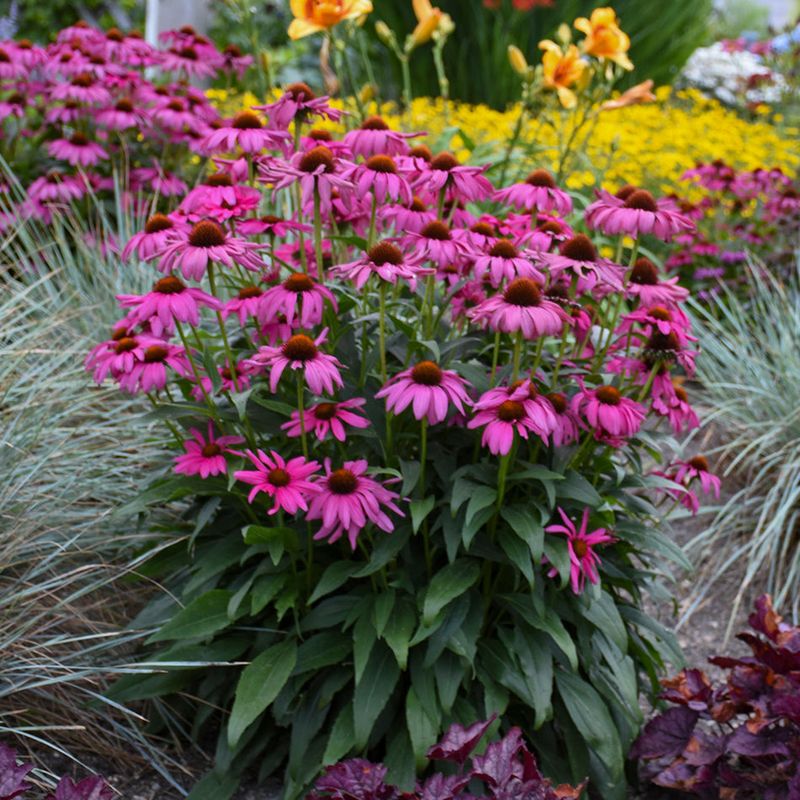
Purple coneflower, or Echinacea purpurea, has built a reputation as one of the most dependable perennials in Ohio gardens, and clay soil is a big part of why. While many flowers struggle in heavy ground, coneflower pushes through season after season with very little encouragement from the gardener.
Its deep taproot is what makes the difference. Once established, coneflower can reach moisture and nutrients well below the surface, even in compacted clay layers that would stop shallower-rooted plants cold.
Ohio native plant guides frequently list it as a top pick for gardens where soil improvement is not practical or planned.
The blooms themselves are stunning. Pink-purple petals droop slightly from a spiky orange-brown center cone, creating a wildflower look that feels at home in both formal and casual garden styles.
Your Ohio Garden Changes Every Week. Your Plan Should Too.
Gardening in Ohio changes quickly throughout the season. Every Friday you’ll receive a simple weekly plan showing exactly what to plant, prune, fertilize, harvest, and protect so you never miss the right timing.
Butterflies and bees visit constantly through summer, and goldfinches flock to the seed heads once the petals drop in fall.
Coneflower also reseeds itself gently over time, slowly filling in bare spots without becoming invasive. Full sun produces the strongest plants, though it will tolerate a bit of afternoon shade.
For Ohio gardeners dealing with heavy soil and wanting a flower that returns reliably and supports wildlife, coneflower is one of the smartest choices available.
3. Daylily Turns Sticky Clay Into A Surprisingly Colorful Spot
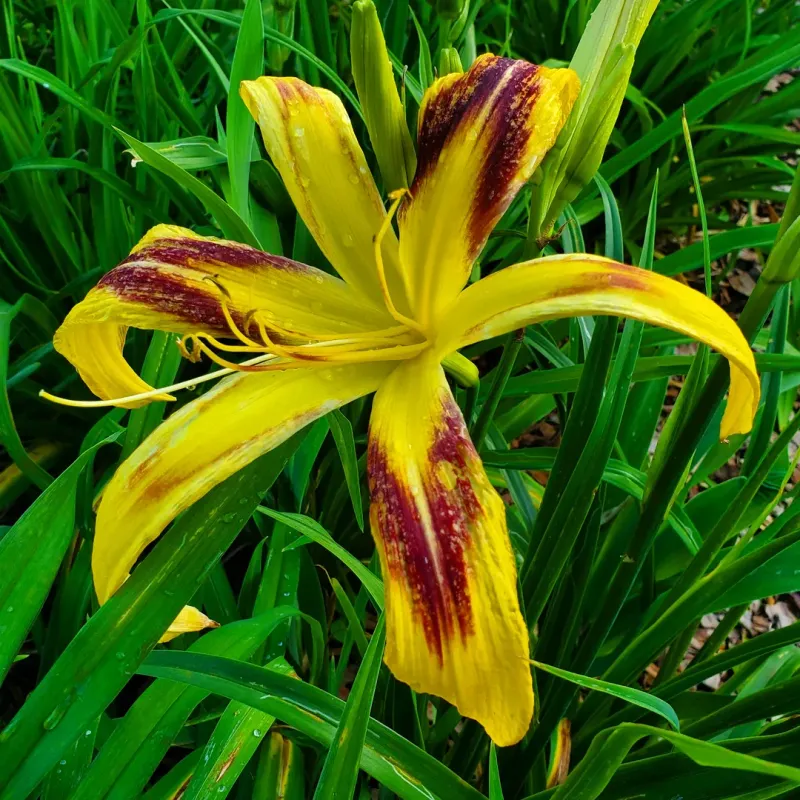
Gardeners who have wrestled with thick Ohio clay often discover daylilies by accident, planting them in a tough spot expecting disappointment and getting a burst of color instead. Daylilies, belonging to the genus Hemerocallis, are among the most adaptable flowering perennials available, and their tolerance for clay is genuinely impressive.
What makes daylilies so tough is their fleshy, tuberous root system. Those thick roots store water and energy, allowing the plant to push through compacted soil and bounce back from conditions that would stress more delicate flowers.
They are not native to Ohio, but they have naturalized so successfully across the state that you will spot them growing along roadsides, in old farm fields, and in neglected garden corners where no one has touched the soil in years.
The color range is almost overwhelming. From pale yellow and peach to deep burgundy, coral, and near-black, there is a daylily variety for nearly every garden style.
Blooms open one at a time on tall stalks, with each individual flower lasting just a single day, though a healthy plant will keep producing new buds for weeks.
Full sun to light shade works well. In clay, avoid spots where water pools for more than a day or two after heavy rain, since standing water is harder on them than the clay itself.
Otherwise, plant them and let them grow.
4. Bee Balm Brings Bold Summer Energy To Tough Ohio Ground
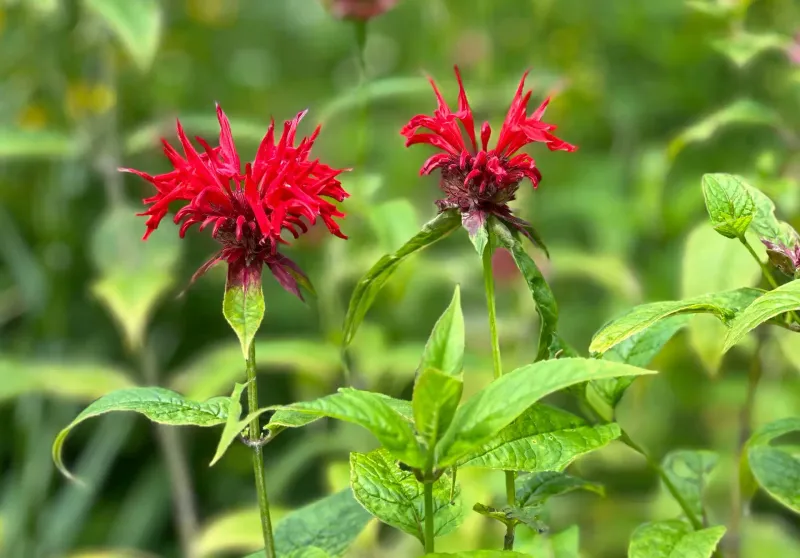
Walk past a patch of bee balm in full bloom and you will understand immediately why it earns its name. The flowers are wild-looking, crown-like clusters of tubular petals in shades of red, pink, lavender, and purple, and they attract bees, hummingbirds, and butterflies in remarkable numbers throughout summer.
Bee balm, or Monarda, is native to eastern North America and grows naturally in moist, rich woodland edges and meadows, which means it is already accustomed to the kind of moisture-retentive conditions that Ohio clay often creates. Rather than fighting the soil, it tends to use that held moisture to fuel its vigorous, clump-forming growth.
It spreads by underground rhizomes, forming wider patches each season. That spreading habit can be useful for filling difficult spots in clay beds where other flowers have struggled to establish.
Full sun encourages the strongest bloom production, and good air circulation around the plants helps reduce powdery mildew, which is the one issue bee balm sometimes faces in humid Ohio summers.
Cutting plants back by about a third after the first bloom flush often triggers a second round of flowering later in the season. Red varieties like ‘Jacob Cline’ tend to show better mildew resistance than some older cultivars.
For bold, wildlife-friendly summer color in a tough spot, bee balm delivers energy that few other flowers can match.
5. Yarrow Handles Dense Soil Better Than Its Delicate Look Suggests
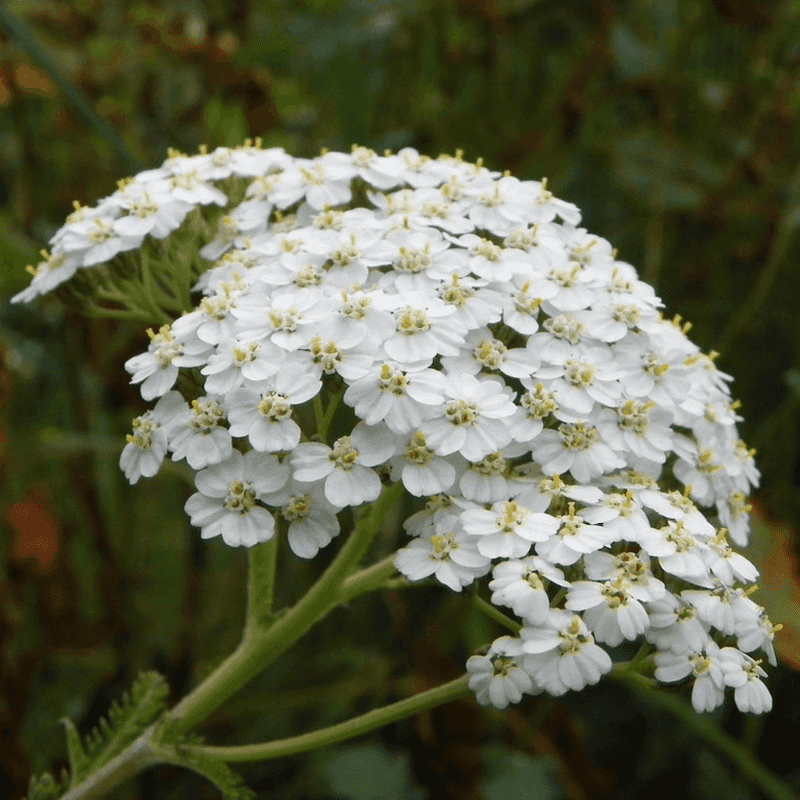
Yarrow looks like it belongs in a cottage garden painting, all soft, flat-topped flower clusters in shades of white, yellow, pink, and red floating above ferny, aromatic foliage. That delicate appearance is genuinely misleading, because yarrow is one of the tougher flowering perennials you can put in an Ohio garden.
Achillea millefolium, the most common yarrow species, thrives in lean, dry to moderately moist soils, and it handles clay better than most gardeners expect. Its secret is a spreading root system that tolerates compaction and does not demand the loose, well-drained conditions that more finicky flowers require.
Ohio gardeners often find it naturalizing along sunny borders and slopes where the soil has never been improved.
Bloom time runs from late spring through midsummer, with flat flower heads that serve as landing pads for beneficial insects. Pollinators love yarrow, and it supports a wide range of native bees, wasps, and butterflies throughout its long bloom period.
One thing to keep in mind: yarrow prefers full sun and does not perform as well in shade or in clay that stays waterlogged for extended periods. Good drainage within the clay, even if imperfect, makes a real difference.
Avoid over-fertilizing, since rich soil actually causes yarrow to flop and spread aggressively. In a sunny, reasonably drained clay bed, yarrow is a surprisingly low-effort success story.
6. Aster Finishes The Season Strong In Heavy Ohio Beds
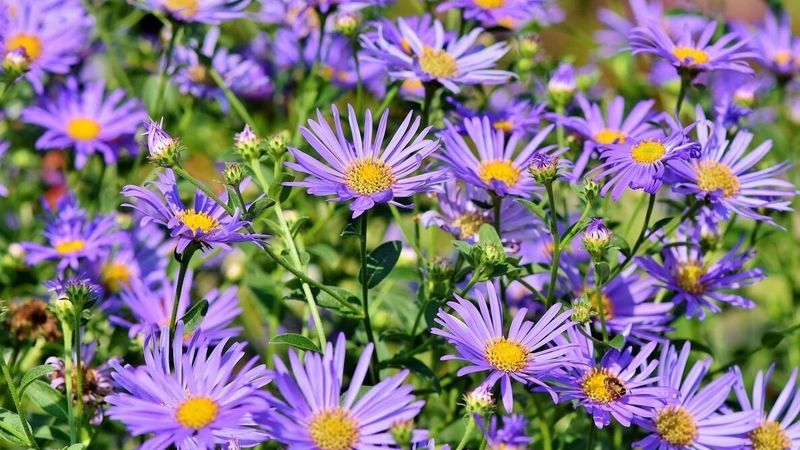
By late September in Ohio, most of the garden has called it a season. Aster has not.
New England aster, Symphyotrichum novae-angliae, waits until summer is nearly over and then opens hundreds of small daisy-like flowers in shades of purple, pink, and magenta, filling the garden with late-season color when almost nothing else is blooming.
Native to Ohio and widespread across the eastern United States, New England aster is well-suited to the heavier soils found across much of the state. It grows naturally in moist meadows, stream banks, and open woodland edges, which means it is already adapted to the moisture-holding qualities of clay.
Plants can reach three to six feet tall, making them a strong vertical presence in the back of a border.
Pollinators depend on aster heavily in fall. Migrating monarchs, native bees, and late-season butterflies all visit the flowers for nectar before cold weather sets in.
Letting the seed heads stand through winter also provides food for birds.
Pinching plants back by about half in late spring or early June keeps them more compact and prevents the floppy, top-heavy look that tall asters can develop. Full sun produces the best flowering.
Clay soil suits aster well as long as it is not completely waterlogged for weeks at a time. As a season-closing flower, aster is almost unbeatable in Ohio gardens.
7. Joe Pye Weed Loves The Kind Of Moisture Clay Often Holds
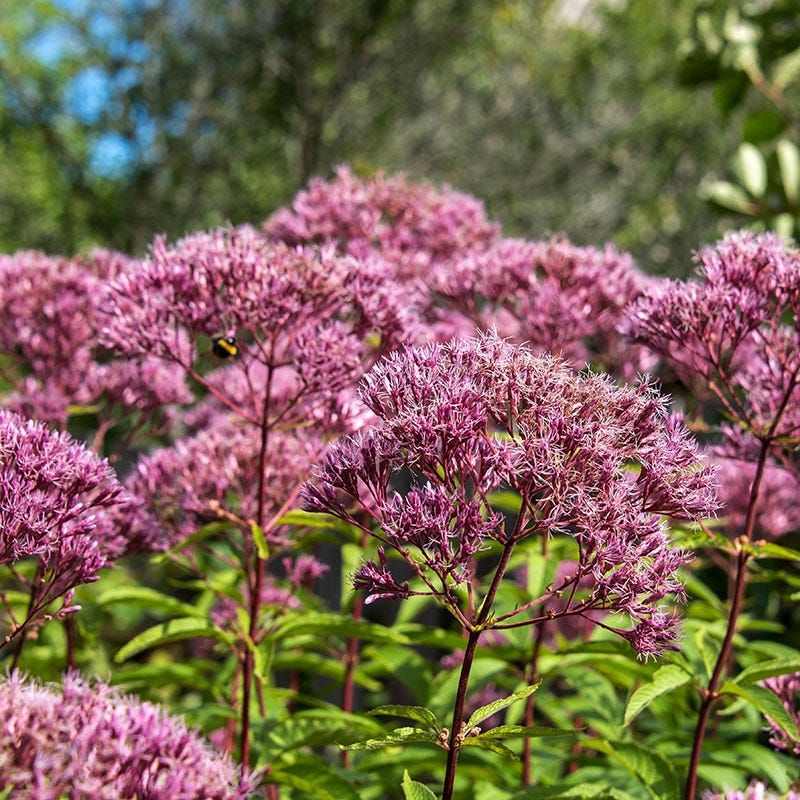
Most tall perennials struggle when clay holds too much moisture, but Joe Pye weed is a notable exception. Native to Ohio and much of the eastern United States, this towering plant was practically designed for the kind of damp, heavy conditions that send other flowers into decline.
Eutrochium purpureum, the species most commonly grown in Ohio gardens, can reach five to seven feet tall, producing large, domed clusters of dusty-pink flowers from midsummer into early fall. The scale is dramatic, and the bloom clusters are magnets for swallowtail butterflies, which visit in numbers that can genuinely stop you in your tracks.
Clay soil that retains moisture between rain events is not a problem for Joe Pye weed. It is a feature.
That held moisture supports the plant’s strong, upright growth and keeps it looking fresh even during dry stretches that stress less adapted plants. Ohio’s wetter clay areas, particularly in low spots or near drainage swales, can actually be ideal placements.
Full sun to partial shade works well. In heavier shade, flowering drops off noticeably.
Because of its height, Joe Pye weed works best at the back of a border or in a naturalized area where its scale feels appropriate rather than overwhelming. Cutting it back hard in spring keeps it slightly more compact without reducing bloom quality significantly.
8. Coreopsis Keeps The Color Coming Without Demanding Better Soil
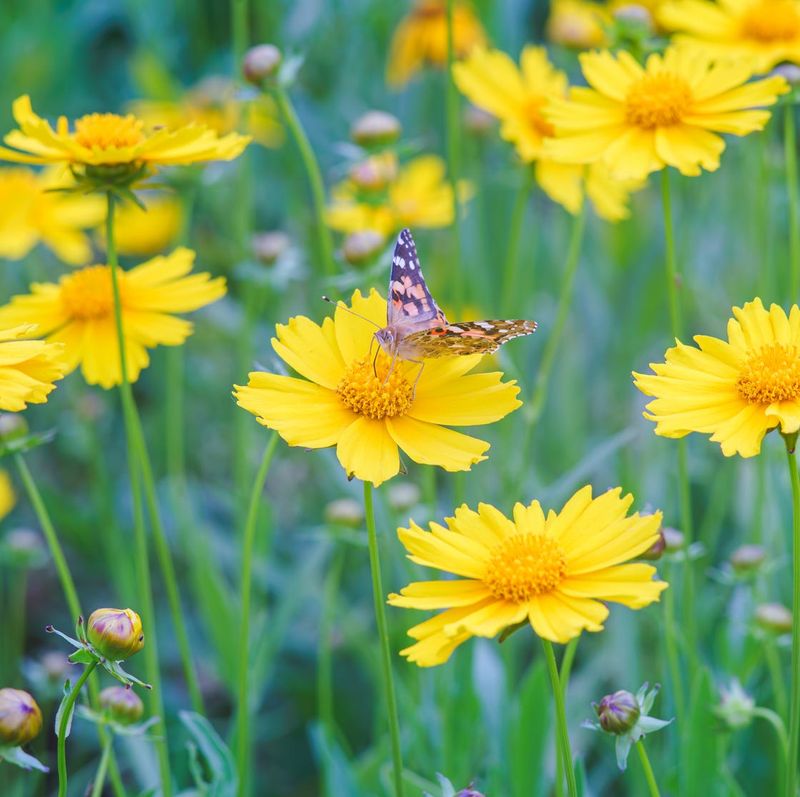
Sunshine yellow blooms from late spring through summer, minimal care, and a tolerance for tough soil conditions make coreopsis one of the most satisfying flowers an Ohio gardener can grow. Known commonly as tickseed, coreopsis earns its place in clay gardens through sheer persistence and cheerful bloom production.
Several species and cultivars perform well in Ohio conditions, with Coreopsis lanceolata and Coreopsis verticillata among the most reliable. Both handle heavier soils with relative ease, pushing roots through clay without demanding loosened, amended beds.
They are not heavy feeders, which actually works in their favor since clay often holds nutrients well and extra fertilizing is rarely needed.
The flowers are bright and daisy-like, typically golden yellow though some newer cultivars come in pink, red, and bicolor combinations. Deadheading spent blooms encourages continuous flowering, and cutting plants back by about a third in midsummer can trigger a fresh flush of color in late summer and early fall.
Full sun is important for coreopsis. In shaded or partially shaded clay beds, plants tend to stretch, produce fewer flowers, and become less vigorous over time.
Given adequate light, though, coreopsis rewards Ohio gardeners with weeks of reliable color and almost no complaints about the ground it is growing in. For easy, bright summer bloom in a clay bed, few flowers perform more dependably.
9. Shasta Daisy Proves A Classic Garden Flower Can Still Handle Clay
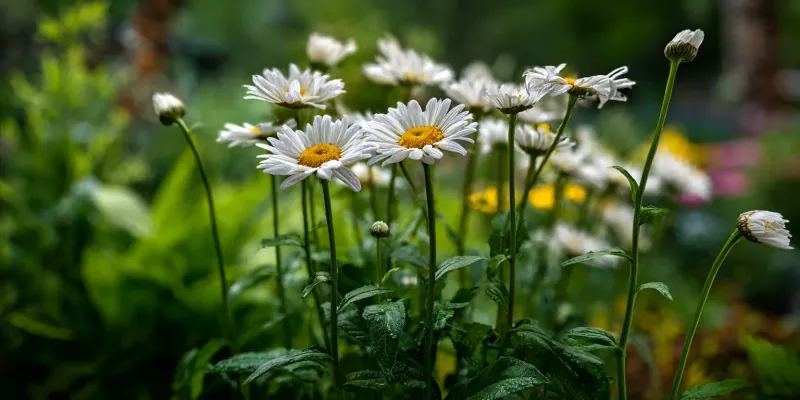
There is something timeless about a Shasta daisy. The crisp white petals, bright yellow center, and clean, upright habit have made it a garden classic for well over a century, and it remains one of the most recognizable flowers in American gardens.
What surprises many Ohio gardeners is that it can handle clay soil reasonably well when placed in the right spot.
Leucanthemum x superbum, the botanical name for Shasta daisy, prefers full sun and soil that does not stay saturated for long periods. That last point matters in clay gardens.
Spots where water drains away within a day or so after rain are much better candidates than low areas where puddles linger. Raised beds, gentle slopes, and garden borders with even slight grade changes often give Shasta daisy enough drainage to thrive in otherwise heavy ground.
Blooms appear from early to midsummer and can last for weeks, especially if faded flowers are removed regularly. Plants typically reach two to three feet tall and spread slowly into established clumps over several seasons.
Dividing clumps every two to three years keeps Shasta daisy vigorous and prevents the center of older plants from thinning out. In Ohio clay that drains reasonably well and receives generous sun, Shasta daisy holds its own as a dependable, beautiful, and surprisingly tough classic that rarely needs much from the gardener.
10. Blazing Star Adds Upright Color To Ground That Drains Slow
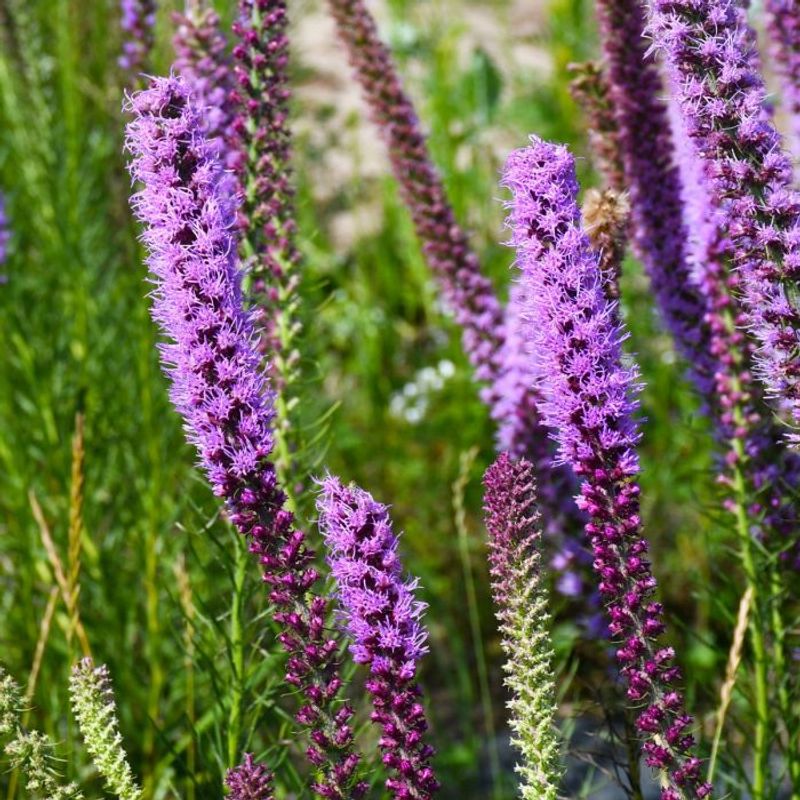
Blazing star does something most clay-tolerant flowers do not: it goes vertical. The tall, slender flower spikes of Liatris spicata rise two to four feet above the foliage, opening their fluffy purple blooms from the top of the spike downward, which is the opposite of how most flowers open.
That unusual habit makes it one of the most visually distinctive plants you can add to an Ohio garden.
Native to eastern North America, blazing star grows naturally in moist meadows and prairies, which means it has a genuine relationship with heavier, moisture-retentive soils. Ohio clay that holds moisture between rains can work in its favor, supporting the corm-like base from which its growth emerges each spring.
Pollinators are wild about it. Monarch butterflies, swallowtails, native bees, and hummingbirds all visit the flower spikes during the late summer bloom period.
It is one of the stronger pollinator plants you can add to a heavy-soil garden.
A fair note on placement: blazing star is more forgiving of moisture-retentive clay than of clay that pools standing water for days after rain. Poorly drained, waterlogged spots are harder for it to handle long-term.
In Ohio gardens where clay is heavy but not chronically wet, blazing star brings a strong vertical accent and dependable pollinator activity that makes it well worth planting.