How To Get Rid Of Chickweed In Texas Flower Beds Once And For All
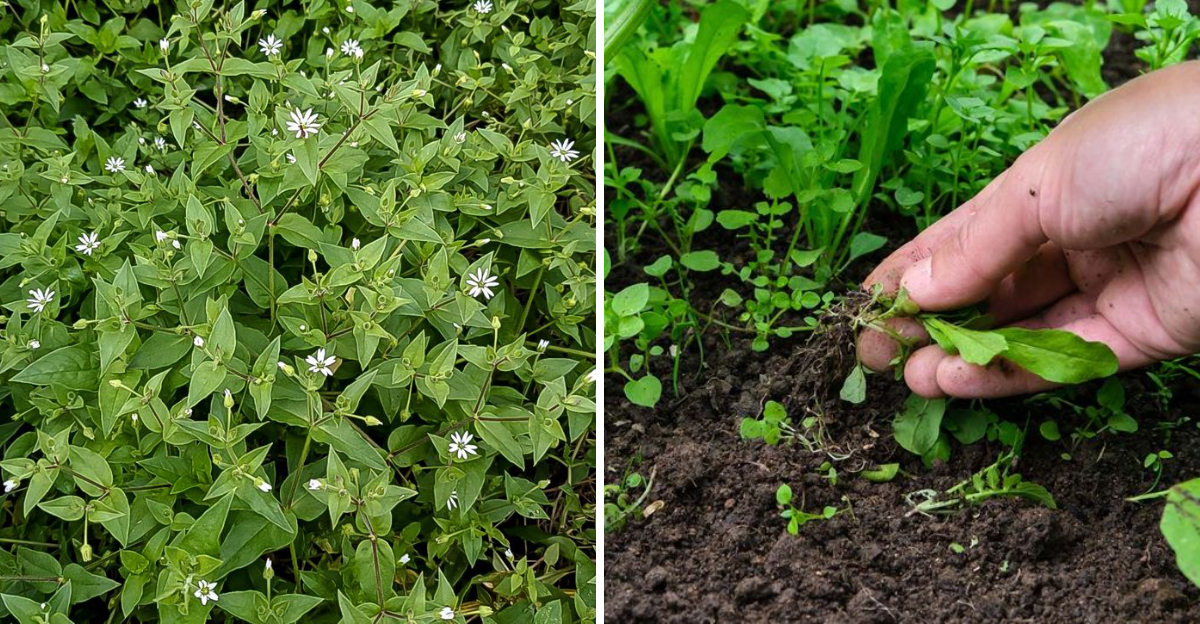
Chickweed has a way of showing up in Texas flower beds just when everything else seems quiet. One week you notice a few tiny green stems, and not long after, they have spread into a soft-looking mat that is much harder to remove than it first appeared.
Fall and winter give this weed exactly what it wants in many parts of Texas: cooler temperatures, moist soil, and open spaces between flowers or mulch.
From North Texas to the Gulf Coast, chickweed tends to settle into beds that stay damp, lightly mulched, or a little too bare.
The sooner you recognize those conditions, the easier it becomes to keep this weed from taking over.
1. Pull Chickweed Early Before It Sets More Seed
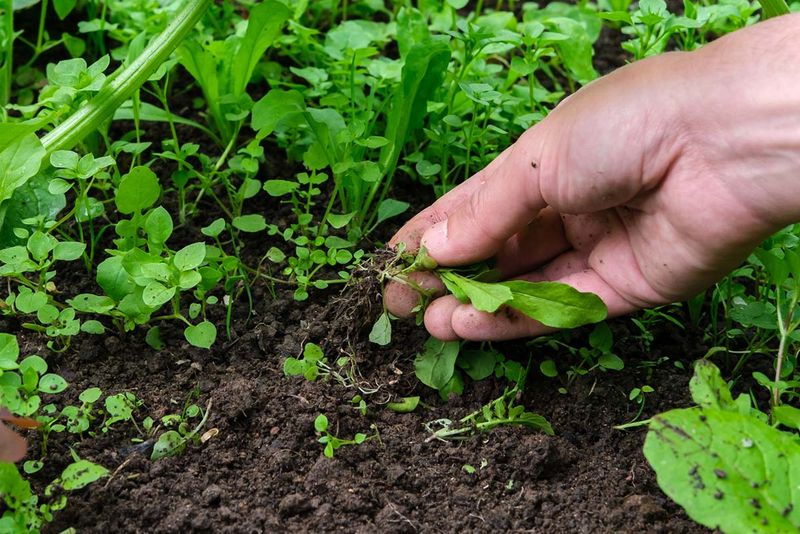
One of the biggest mistakes Texas gardeners make with chickweed is waiting too long to act.
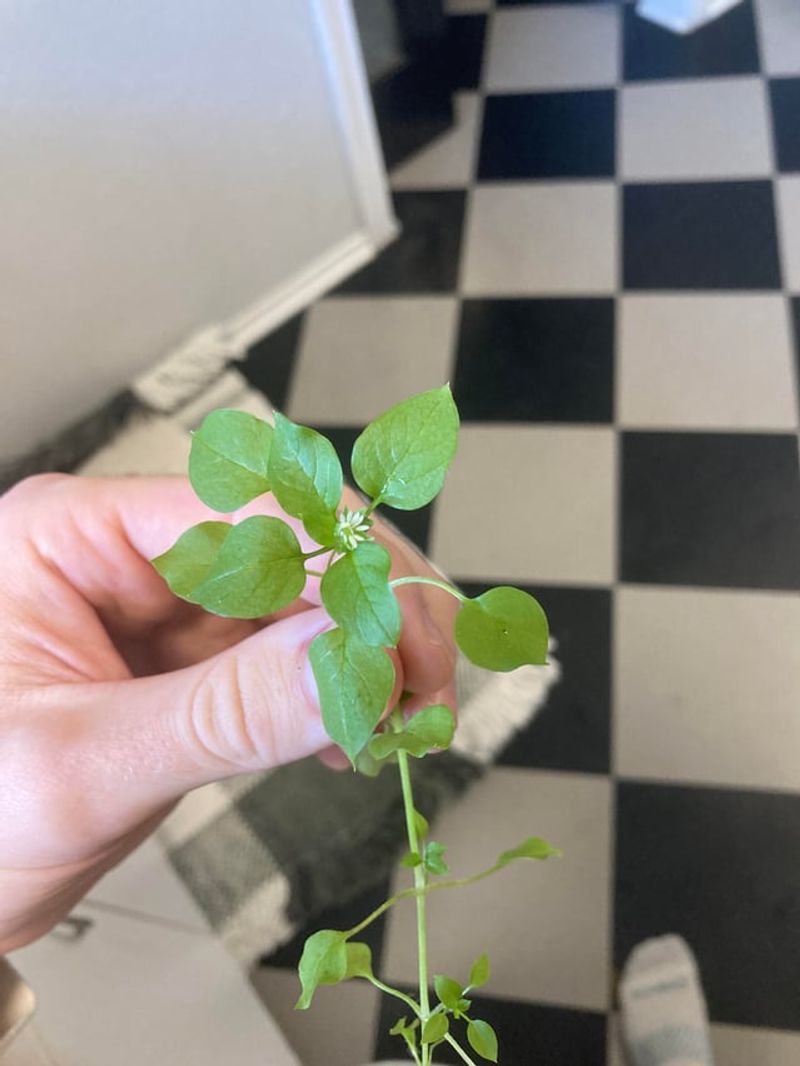
By the time chickweed starts producing its tiny white star-shaped flowers, it is already working on seed production, and a single plant can release hundreds of seeds into the surrounding soil before you pull it out.
Chickweed is a cool-season annual, which means it sprouts in fall, grows through mild Texas winters, and rushes to flower and set seed before warm weather arrives. In areas like East Texas and along the Gulf Coast, that window can stretch well into March.
In North Texas and drier inland regions, the timeline may be shorter, but the urgency is just as real.
Pulling plants before they flower is the single most effective step you can take to reduce next season’s weed pressure. Even small plants that look harmless can mature and set seed faster than expected, especially during a warm spell.
Get into the habit of walking your beds every week or two during late fall through early spring, pulling any chickweed you spot while plants are still young and compact.
Early removal also prevents the dense mats chickweed forms from shading out smaller ornamentals and competing with them for nutrients.
Young plants pull out easily with minimal soil disturbance, which also reduces the chance of bringing up dormant weed seeds from deeper in the bed.
2. Loosen Moist Soil First To Make Hand Weeding Easier
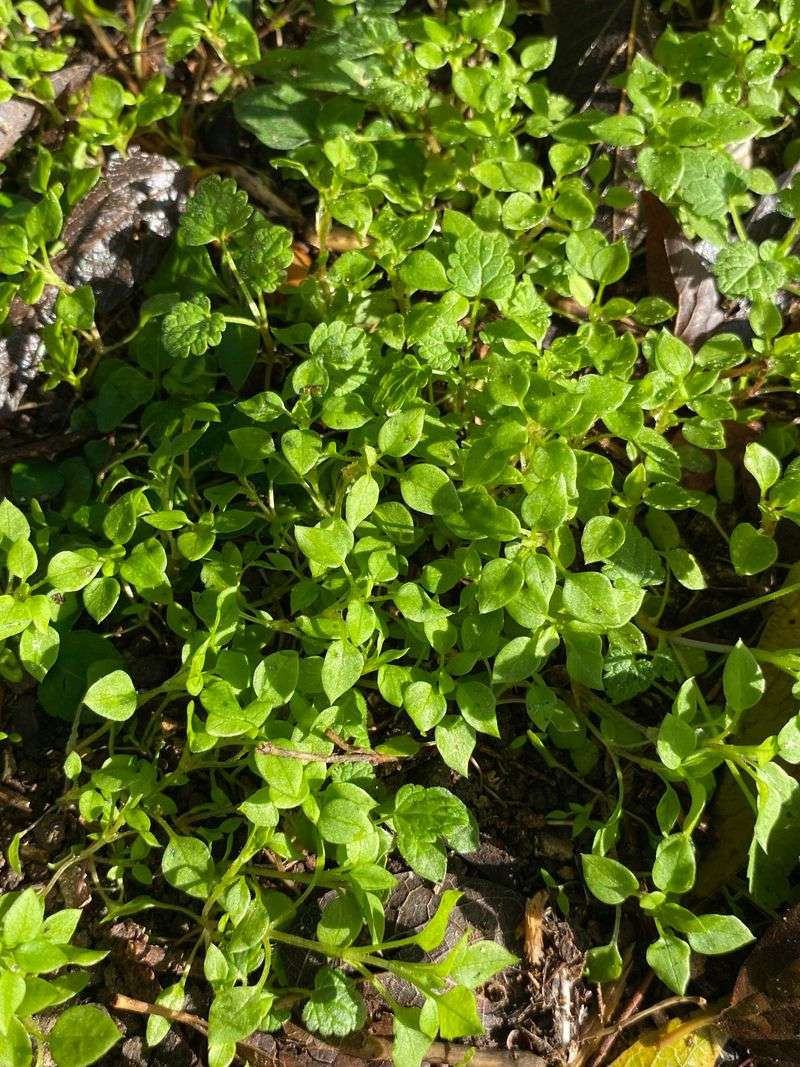
Trying to pull chickweed from dry, compacted soil is a frustrating exercise that usually ends with snapped stems and roots left behind.
Those leftover roots can regrow quickly, especially if conditions stay cool and moist, which is exactly the kind of weather chickweed prefers in Texas flower beds during winter and early spring.
The trick is to work with the soil rather than against it. After a rain or a deep watering, the ground softens enough for chickweed roots to slide out mostly intact.
Using a hand fork or narrow-tine cultivator to loosen the soil around the base of each plant before pulling gives you much better results and reduces the chance of leaving root fragments behind.
Shallow cultivation works best here because chickweed roots are not deep. A gentle loosening of the top two to three inches of soil is usually all it takes.
Your Texas Garden Changes Every Week. Your Plan Should Too.
Gardening in Texas changes quickly throughout the season. Every Friday you’ll receive a simple weekly plan showing exactly what to plant, prune, fertilize, harvest, and protect so you never miss the right timing.
Avoid aggressive tilling, which can bring dormant weed seeds up to the surface where they have a better chance of germinating.
In beds with heavy clay soil, which is common in parts of North and Central Texas, soil compaction can make hand weeding especially difficult.
Improving drainage over time with organic matter helps reduce compaction and makes future weeding sessions much more manageable.
Working in small sections also keeps the job from feeling overwhelming, and it lets you stay thorough rather than rushing through and missing plants.
3. Add Fresh Mulch To Block Light And Slow New Sprouts
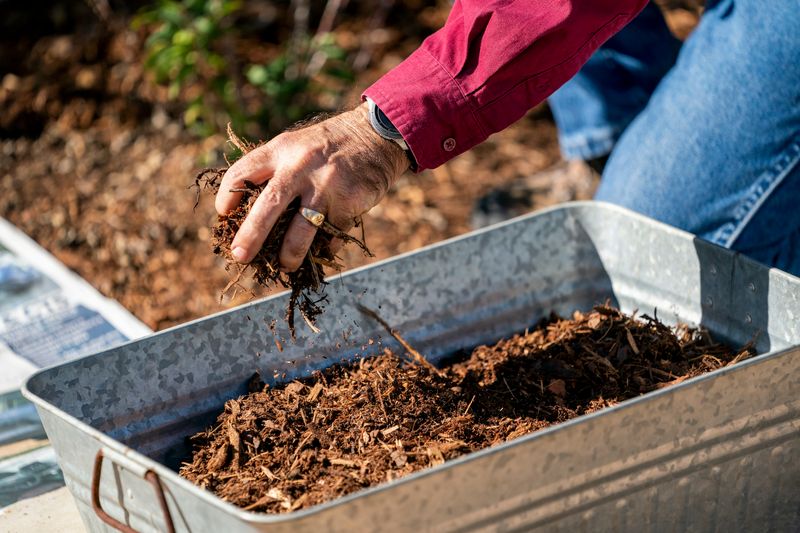
Mulch is one of the most reliable tools in a Texas gardener’s weed management plan, but it only works well when it is applied correctly and refreshed on a regular basis.
Chickweed seeds need light to germinate, and a solid layer of mulch can significantly reduce how many seeds successfully sprout in your flower beds each fall.
Aim for a mulch depth of two to three inches across the entire bed, paying close attention to gaps near plant stems, along bed edges, and in any areas where existing mulch has broken down or been displaced.
Those thin spots are exactly where chickweed tends to get its foothold first.
Organic mulches like shredded hardwood, pine straw, or bark chips work well in most Texas beds, though pine straw tends to mat less and allows better air circulation in humid Gulf Coast areas.
Timing your mulch refresh matters just as much as depth. Applying a fresh layer in early to mid-fall, before soil temperatures drop and chickweed seeds begin germinating, gives you the best protective coverage going into the season.
Waiting until spring to top off your mulch means chickweed has likely already sprouted underneath.
Keep mulch pulled slightly back from the base of woody plants and perennial stems to reduce moisture buildup and potential rot.
Mulch is a long-term investment in bed health, and when applied consistently, it reduces overall weed pressure year after year, not just from chickweed but from many other cool-season weeds as well.
4. Fill Bare Spots So Chickweed Has Less Room To Return
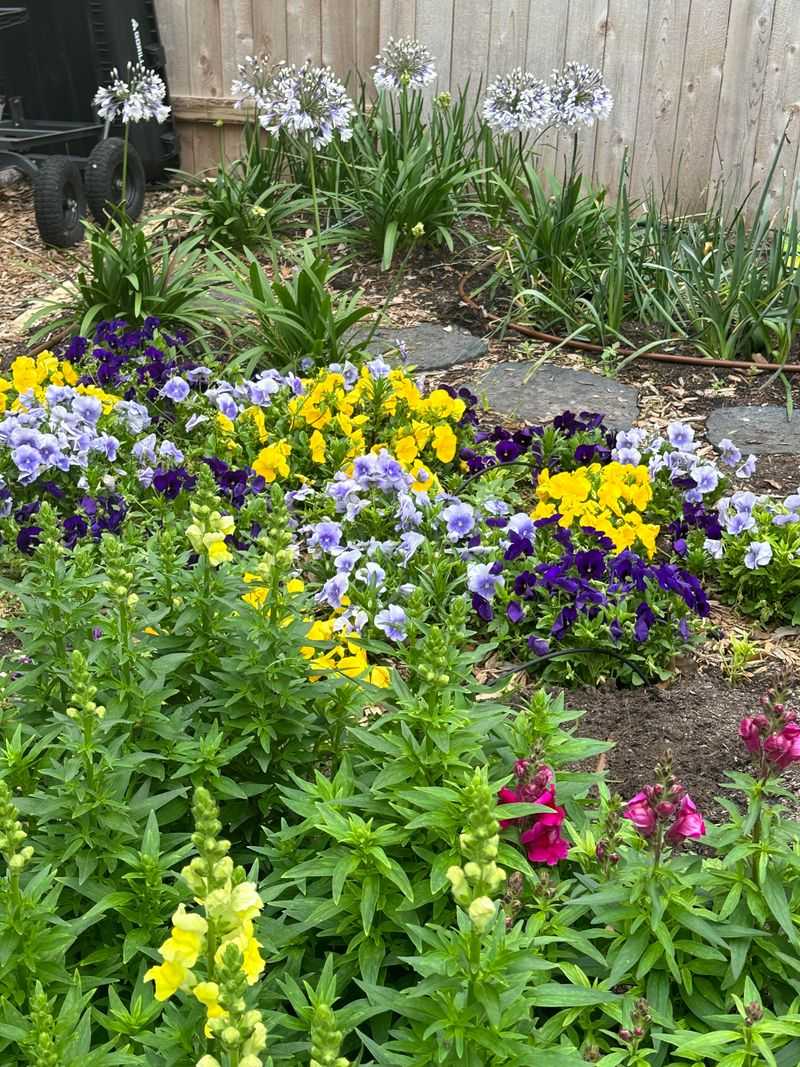
Open soil is basically an invitation for chickweed.
Any bare patch in a Texas flower bed, whether from a plant that did not make it through summer heat, seasonal gaps between plantings, or areas that were cleared after fall cleanup, becomes prime real estate for cool-season weeds once temperatures drop and fall rains arrive.
Filling those gaps with desirable plants is one of the smartest long-term strategies for keeping chickweed pressure low.
Ground covers, low-growing perennials, ornamental grasses, and even well-placed seasonal color plants all help close the canopy and reduce the light and open soil that chickweed needs to establish.
Dense plantings mean less room for weeds to move in and less bare soil for seeds to land on and germinate.
Texas gardeners have plenty of options depending on their region. In shadier East Texas beds, low-growing natives and ferns can cover ground beautifully.
In sunnier Central and West Texas spots, spreading perennials and ornamental groundcovers can close gaps without requiring constant replanting. Along the Gulf Coast, fast-growing tropical perennials can fill space quickly during warm seasons.
Even temporary fixes like planting cool-season annuals such as pansies, snapdragons, or ornamental kale into open spots during fall can help displace chickweed before it gets comfortable.
The goal is to keep as little bare soil exposed as possible from October through March, which is the window when chickweed is most actively germinating and establishing in Texas flower beds.
5. Keep Flower Beds From Staying Cool, Wet, And Crowded
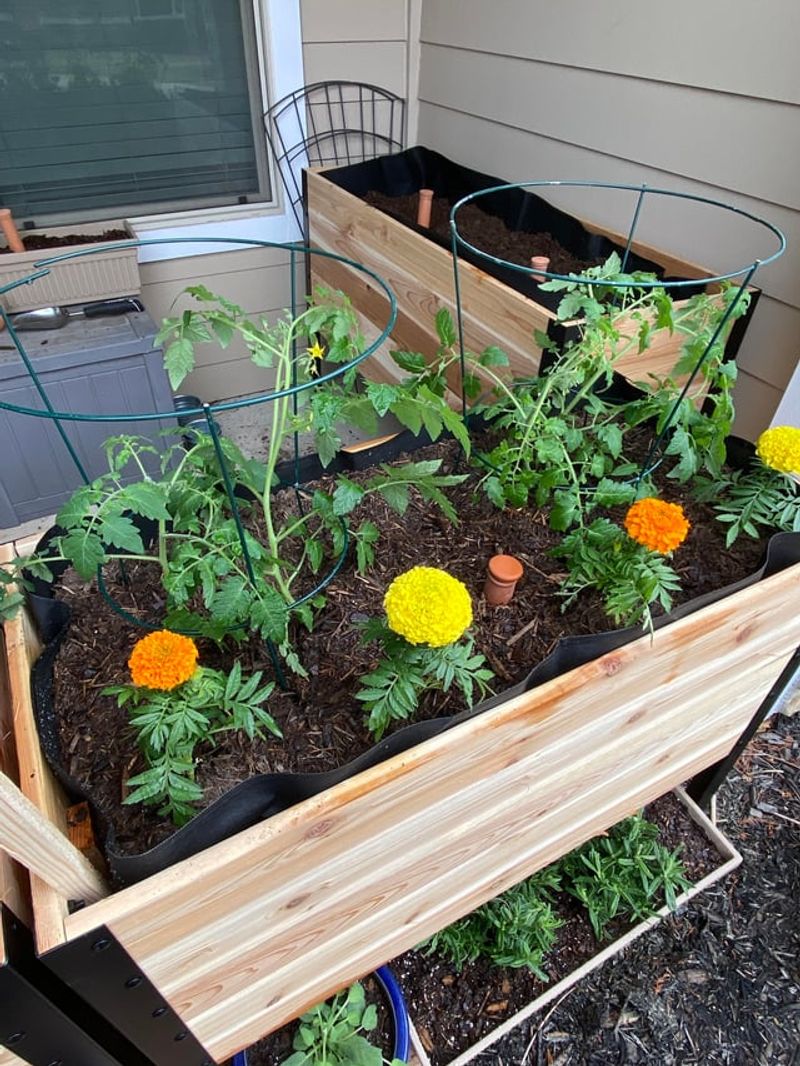
Chickweed has a clear preference for environments that stay consistently cool and moist, and flower beds that hold water, stay shaded for most of the day, or have poor air circulation create exactly those conditions.
Recognizing and adjusting those factors is a meaningful part of long-term chickweed management in Texas gardens.
Overwatering is one of the most common contributors to chickweed-friendly conditions, especially in fall and winter when evaporation rates are low and plants use less water.
Scaling back irrigation during cooler months and switching to deep, infrequent watering helps keep the top layer of soil drier between sessions, which makes the environment less comfortable for chickweed seedlings trying to establish.
Crowded plantings that block airflow can also extend the time soil stays moist after rain or irrigation.
Thinning overgrown sections of a flower bed improves circulation, helps soil dry out faster, and reduces the humid micro-environment that chickweed thrives in.
This is especially relevant in shaded East Texas beds and in densely planted Gulf Coast gardens where humidity already runs high through much of the year.
Checking bed drainage is worth the effort too. Beds that collect and hold rainwater, particularly in low spots or areas with heavy clay soil, stay wet longer and invite more weed pressure overall.
Simple fixes like improving soil structure with compost, slightly regrading a low spot, or redirecting irrigation emitters can reduce standing moisture and make your flower beds noticeably less hospitable to chickweed over time.
6. Use Preemergent Control Before Fall Germination Starts
Timing is everything when it comes to preemergent herbicides, and many Texas gardeners miss the window by applying them too late in the season.
Preemergent products work by preventing seeds from successfully germinating, which means they need to be in place before chickweed seeds start their fall germination cycle, not after plants are already visible in the bed.
In most parts of Texas, that means applying a preemergent in late summer to early fall, roughly late August through mid-September, before soil temperatures consistently drop below 70 degrees Fahrenheit.
Chickweed seeds tend to begin germinating as soil cools into that range, and a preemergent applied after germination has started will have little effect on plants already in the ground.
Products containing active ingredients like prodiamine or pendimethalin are commonly used in ornamental flower beds and are labeled for use around many established landscape plants.
Always read the product label carefully before applying, as some preemergents can affect certain annuals or bulbs if applied at the wrong time or rate.
Following label directions protects both your plants and the effectiveness of the treatment.
Preemergents work best when watered in lightly after application so the active ingredient moves into the top layer of soil.
Keep in mind that disturbing the soil after application, through transplanting, digging, or heavy cultivation, can break the barrier and reduce effectiveness.
Plan any fall planting or bed preparation before applying a preemergent so you do not disrupt the treatment zone.
7. Spot Treat Carefully When Hand Pulling Is Not Enough
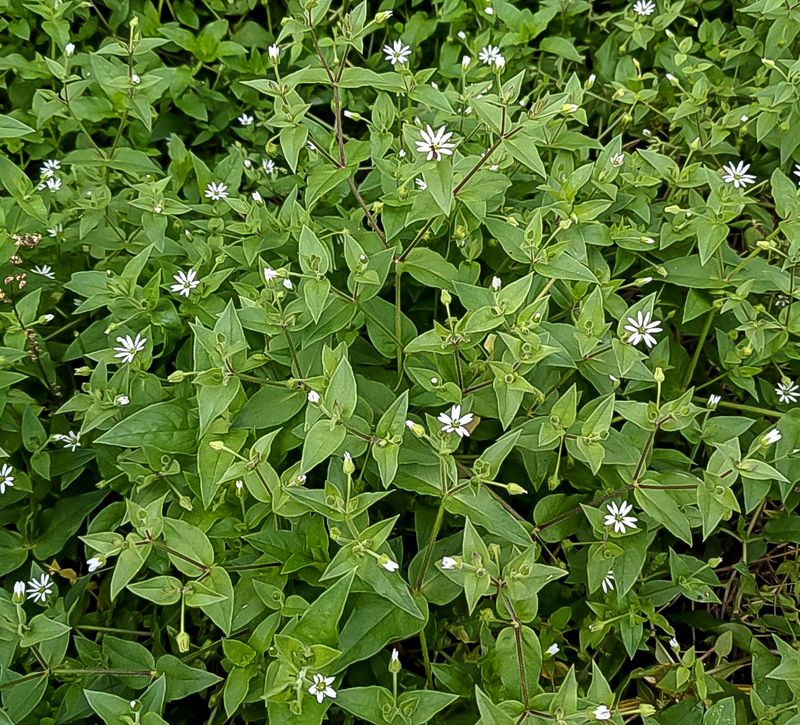
There are times when a chickweed infestation gets ahead of hand pulling, especially after a mild, wet Texas winter when plants spread quickly across a large bed or grow into areas that are difficult to weed by hand.
In those situations, a targeted post-emergent herbicide can help bring things back under control without having to disturb the entire bed.
Post-emergent herbicides that contain active ingredients like 2,4-D, dicamba, or triclopyr can be effective on chickweed when applied while plants are actively growing and still relatively young.
These products work best on small to medium-sized plants and are less effective once chickweed has matured or started setting seed.
Spot treatment is the preferred approach in mixed flower beds to reduce the risk of herbicide contact with desirable ornamentals.
Using a small handheld sprayer or a foam applicator brush gives you the control needed to target only the chickweed without drifting onto surrounding plants.
Avoid spraying on windy days, and shield nearby ornamentals with a piece of cardboard or plastic if you are working in tight spaces.
Always wear gloves and follow all label instructions for the specific product you are using.
Keep in mind that herbicide labels are legal documents, and the directions must be followed exactly. Some products are not labeled for use in ornamental beds at all, so confirming the label before purchase is essential.
Spot treatment is a complement to cultural practices, not a replacement, and works best as part of a broader management approach rather than a standalone fix.
8. Remove Flowering Plants Fast To Cut Down Future Spread
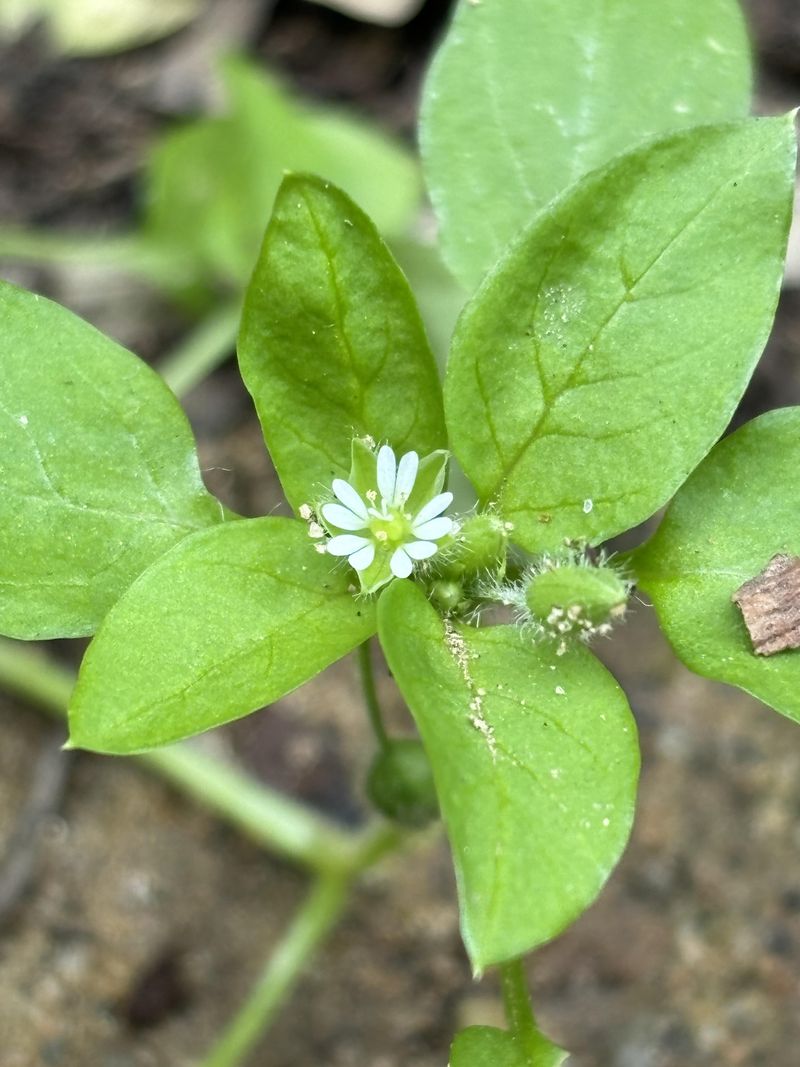
Chickweed does not waste time once it starts flowering.
Those tiny white star-shaped blooms signal that seed production is already underway, and in Texas, where mild winter conditions can extend the growing season well into spring, a single overlooked plant can scatter seeds across a wide area of the bed before conditions warm enough to slow it down.
Speed matters when you spot chickweed in flower. Pulling plants at this stage is still worthwhile, but you need to be careful about how you handle them.
Avoid shaking the plants or dragging them across the bed, as this can dislodge seeds and spread them further.
Instead, gather the stems gently and place them directly into a yard waste bag without tossing them onto the soil surface or into a compost pile.
Home compost piles often do not reach temperatures high enough to neutralize chickweed seeds reliably. Bagging flowering or seeding plants and disposing of them through curbside yard waste collection or a municipal composting program is the safer choice.
This extra step feels minor but can make a real difference in reducing seed bank buildup in your beds over multiple seasons.
Even after removing flowering plants, stay vigilant for the next several weeks. Seeds that dropped before removal can still germinate if conditions remain favorable.
A follow-up application of fresh mulch over the cleared area, combined with close monitoring and quick removal of any new seedlings, helps interrupt the cycle and reduces the amount of chickweed you will have to deal with the following fall.