Do Not Plant Palms In Florida Until You Check These Conditions
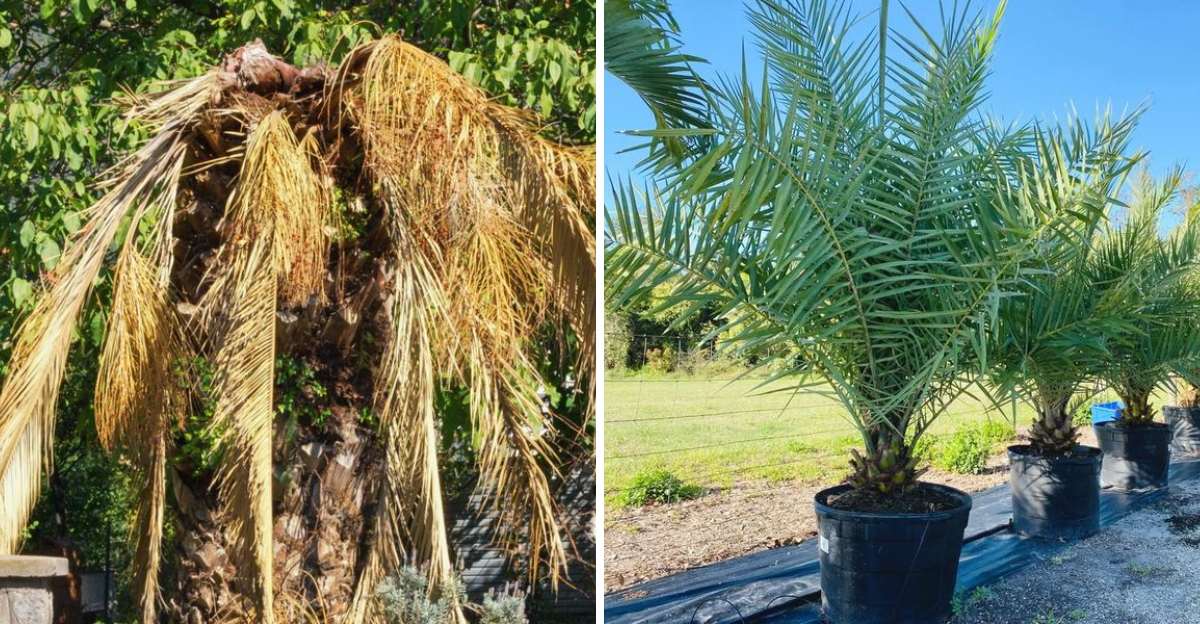
Planting a palm in Florida sounds simple until the wrong spot turns it into a slow, expensive mistake. A palm may look perfectly suited to the climate, but that does not mean every yard gives it what it needs to thrive.
Soil, drainage, wind exposure, cold snaps, salt, and even the amount of space around the trunk can make the difference between a palm that takes off and one that struggles from the start. That is where many homeowners go wrong.
They choose the look first and check the conditions later. By then, the palm is already under stress, growth slows, fronds decline, and the whole plant starts looking less tropical and more troubled.
Before you put anything in the ground, it helps to know what your site can actually support. In Florida, the best palm choice starts with the conditions, not the picture on the plant tag.
1. Poor Drainage Can Ruin A Palm Before It Ever Settles In
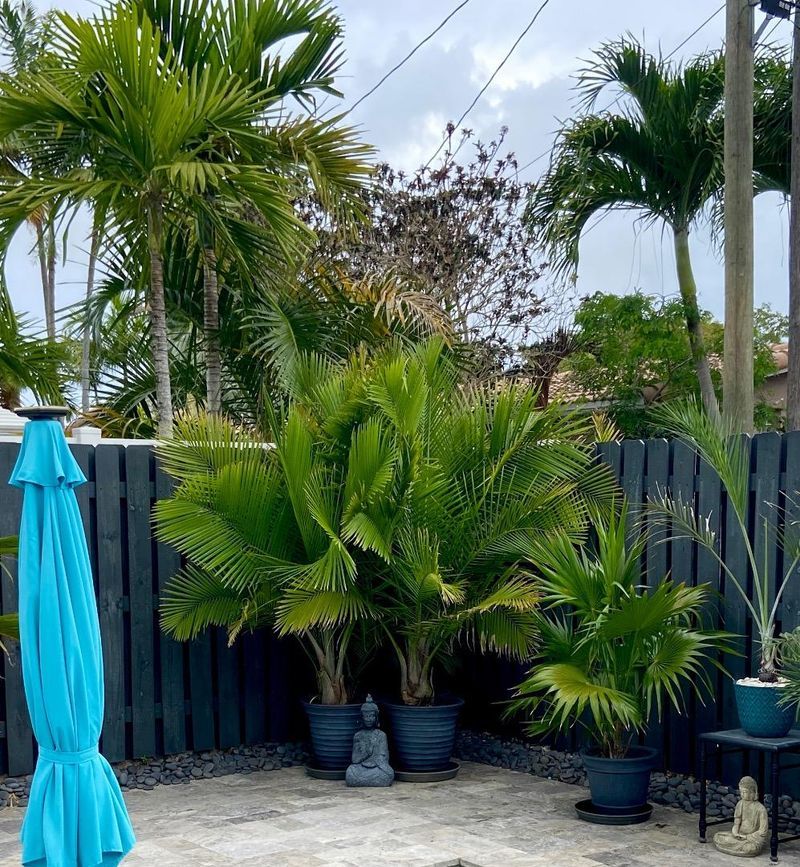
Standing water around a newly planted palm is one of the fastest ways to set that tree up for failure. Palms are famously drought-tolerant once established, but they are surprisingly sensitive to waterlogged soil during those first critical weeks and months after planting.
Roots that sit in soggy ground cannot get the oxygen they need to grow, and that stress shows up quickly in the fronds.
Florida’s soils vary a lot across the state, but many low-lying areas and heavily irrigated yards hold water longer than people expect. Before planting, check how well your chosen spot drains after a heavy rain.
If water is still pooling 24 to 48 hours later, that location is a problem for most palm species.
UF/IFAS recommends planting palms in well-drained soils and avoiding spots with high water tables unless you build up the planting area with a raised sand berm. Sandy Florida soils often drain well naturally, but compacted or clay-heavy spots do not.
Digging a simple test hole, filling it with water, and watching how quickly it drains can save you a lot of frustration down the road. Good drainage from day one gives a palm roots the right start.
2. The Wrong Palm For Your Cold Zone Can Be A Costly Mistake
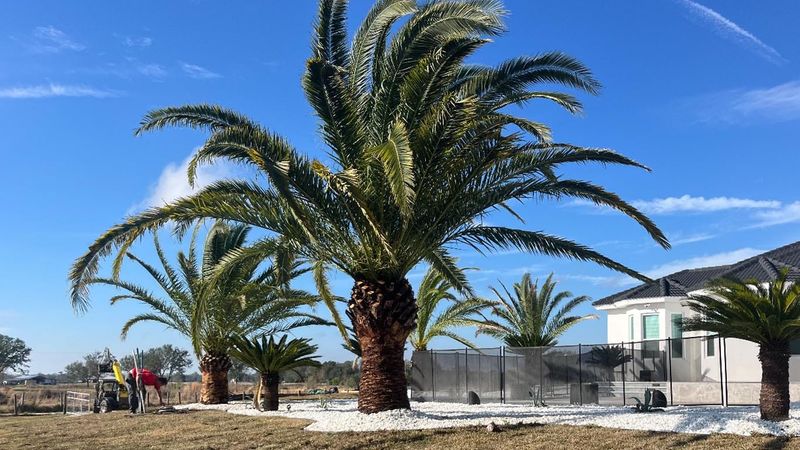
Florida stretches across several USDA hardiness zones, and that range matters more than most gardeners realize. The southern tip of the state sits in Zone 11, while the Panhandle dips into Zone 8b during cold snaps.
A palm that looks lush and healthy in Naples could struggle badly in Gainesville after a hard freeze.
Sabal palmetto, Florida’s state tree, is a reliable choice for central and northern areas because it handles cold temperatures far better than many tropical species. On the other hand, coconut palms are really only suited for South Florida, where freezing temperatures are rare.
Choosing a palm based purely on looks without checking its cold hardiness rating is a mistake that shows up the first winter.
The University of Florida IFAS Extension provides cold hardiness ratings for dozens of palm species, and checking those ratings against your specific zone takes only a few minutes. Local nurseries in your area are also a great resource since they typically stock species that are proven performers for that region.
Your Florida Garden Changes Every Week. Your Plan Should Too.
Gardening in Florida changes quickly throughout the season. Every Friday you’ll receive a simple weekly plan showing exactly what to plant, prune, fertilize, harvest, and protect so you never miss the right timing.
Matching the palm to the right cold zone is not just about survival during a freeze. It also affects how fast the palm grows and how healthy it looks year-round in your Florida landscape.
3. Florida Sun And Shade Can Change How A Palm Performs
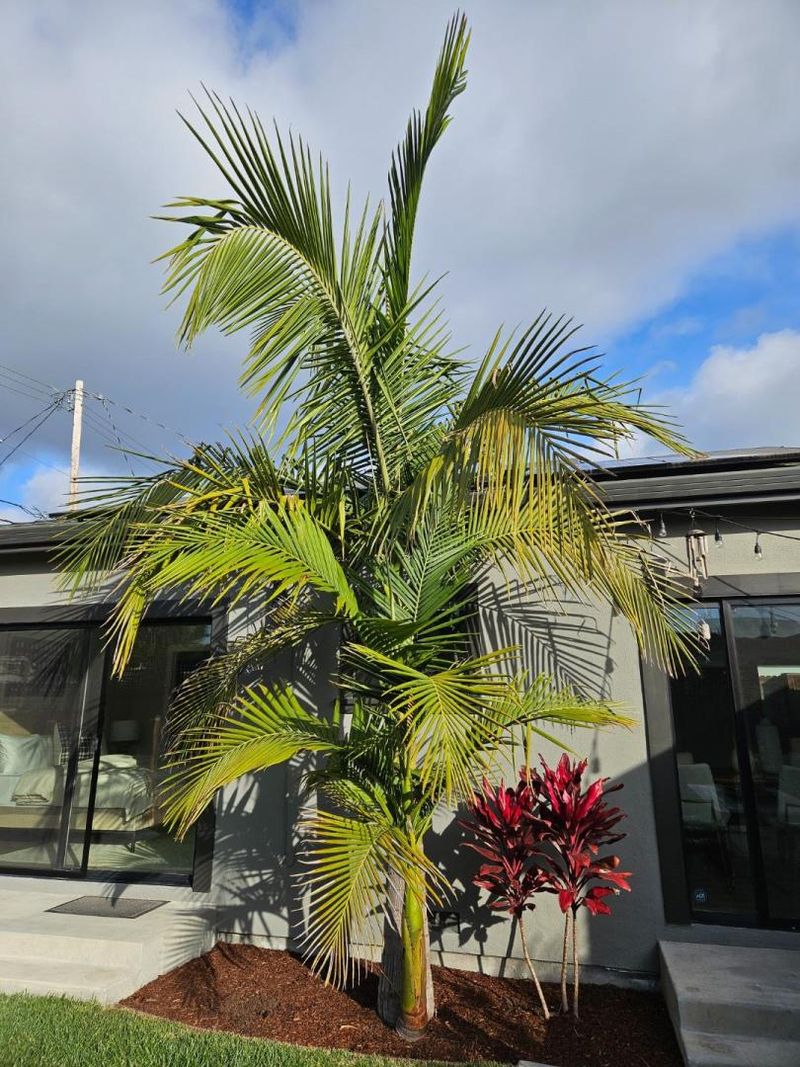
Light conditions have a bigger impact on palm performance than many Florida gardeners give them credit for. Most palms are sun-lovers that want at least six to eight hours of direct light each day, and when they do not get it, the results are obvious.
Growth slows down, fronds stretch out and look sparse, and the overall shape of the tree loses its appeal.
That said, some palms actually do better with partial shade, especially when they are young and still getting established. Lady palms and parlor palms are examples that can handle lower light situations without much trouble.
Matching the palm species to the actual light conditions at your planting spot is a step that pays off over the long run.
Before planting, spend a day observing how much direct sun the location receives and whether nearby buildings, fences, or large trees create shade patterns that shift throughout the day. A spot that looks sunny in the morning might be heavily shaded by afternoon.
Florida’s intense summer sun can also be a factor for young palms that have not yet developed thick trunks, so knowing your light conditions helps you decide whether to plant immediately or prepare the site first. Getting light right from the start makes a real difference.
4. Salt Exposure Can Make Or Break A Coastal Palm Choice
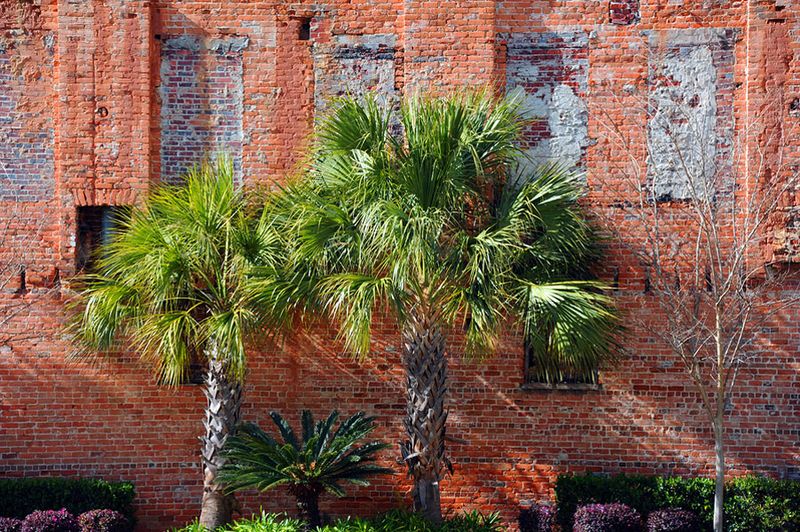
Living near Florida’s coastline comes with a lot of perks, but it also comes with a landscaping challenge that inland gardeners rarely have to think about. Salt spray carried by ocean breezes can build up on palm fronds and in the soil, and species that are not salt-tolerant will show the damage in their foliage over time.
Fronds may turn brown at the tips, look scorched, or develop an overall unhealthy appearance.
Sabal palmetto is one of the best-known salt-tolerant palms for Florida’s coastal areas, and it performs reliably even in spots that get direct salt air. Coconut palms are another coastal favorite in South Florida, also handling salty conditions well.
But species like the queen palm or certain feather palms can struggle when placed too close to the ocean without any windbreak protection.
The distance from the shoreline matters too. A palm planted right on the waterfront faces much more intense salt exposure than one placed a block or two inland with houses and vegetation acting as a buffer.
Before choosing a palm for a coastal Florida property, check its salt tolerance rating and think honestly about how exposed the planting site really is. Picking a species with the right tolerance level makes a noticeable difference in how healthy and attractive the palm stays over time.
5. Tight Spaces Can Turn A Good Palm Into A Bad Fit
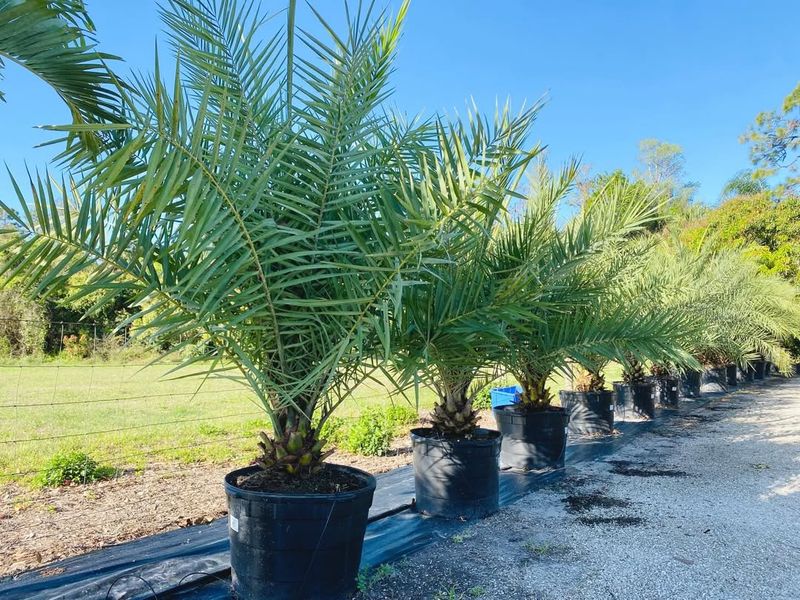
A palm that looks perfectly sized at the nursery can become a real problem once it reaches its mature height and spread. Florida gardeners sometimes underestimate just how large certain species get, and planting too close to a house, a fence, a driveway, or overhead utility lines creates headaches that are not easy to fix later.
Moving a mature palm is expensive and often not practical.
Canary Island date palms, for example, can reach 40 to 50 feet tall with a wide, dramatic crown that needs plenty of clearance. Royal palms can grow even taller.
Smaller options like the Montgomery palm or the dwarf palmetto are much better choices when space is limited, and they still deliver that classic Florida tropical look without the long-term size problems.
Spacing between multiple palms also matters. Planting them too close together creates competition for nutrients and water, and it can make both trees look crowded and unhealthy as they mature.
Before you dig a hole, research the mature size of the species you are considering and then measure your available space honestly. Think about where the roots will spread, where the canopy will reach in ten years, and whether nearby structures will eventually get in the way.
Planning for mature size upfront saves a lot of trouble.
6. Alkaline Soil Can Cause Problems You Notice In The Fronds
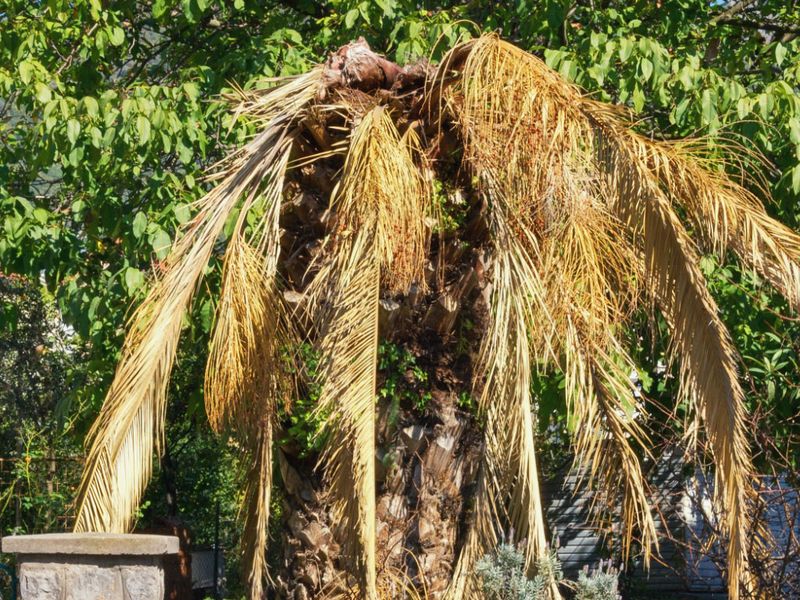
Yellowing fronds are one of the most common complaints from Florida palm owners, and alkaline soil is often a big part of the reason why. When soil pH climbs too high, palms have a harder time absorbing key nutrients like manganese, iron, and potassium, even when those nutrients are technically present in the soil.
The result shows up in the foliage as discoloration, spotting, or a washed-out appearance that no amount of regular fertilizer seems to fix.
South Florida in particular has naturally alkaline soils because of the underlying limestone bedrock. Gardeners in those areas often need to pay closer attention to soil chemistry before planting and adjust their fertilization approach accordingly.
UF/IFAS recommends using palm-specific fertilizers with slow-release formulations that include the micronutrients most likely to be deficient in Florida’s soil types.
Testing your soil before planting is a smart and affordable step. Many Florida county extension offices offer soil testing services, and the results tell you exactly where your pH stands and what amendments might help.
Trying to correct severe nutrient deficiencies after a palm is already in the ground is harder and slower than starting with soil that is well-suited to the species you are planting. Knowing your soil chemistry first puts you ahead of the problem before it starts.
7. Wind Exposure Matters More Than Many Florida Gardeners Think
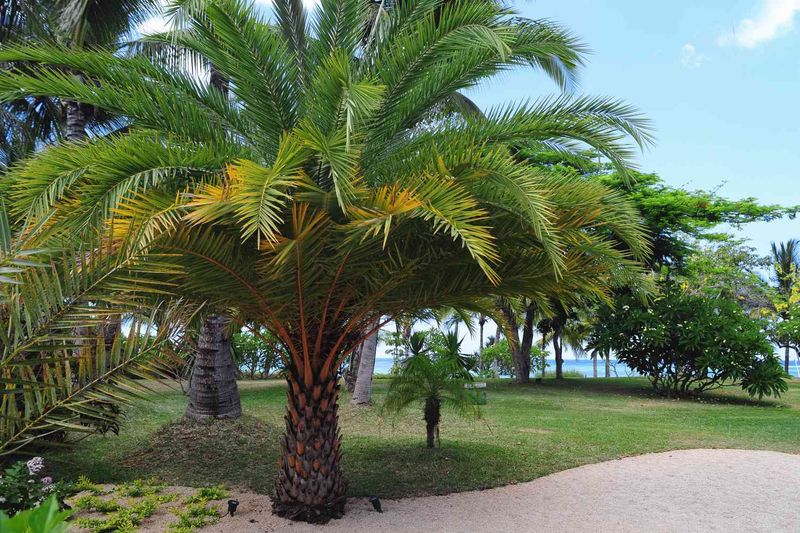
Florida is no stranger to strong winds, and anyone who has watched a tropical storm roll through knows how much force those gusts can carry. Wind exposure is a factor that does not always get enough attention when choosing a planting spot, but it absolutely affects how a palm establishes itself and how it looks over time.
Young palms with small root systems are especially vulnerable during the first couple of years after planting.
Open, exposed sites with no nearby windbreaks put palms under constant stress, which slows root development and can cause fronds to look tattered and worn even without a major storm. Some species handle wind better than others.
Sabal palms and foxtail palms are known for their wind resistance, while more delicate species with large, fragile fronds can look rough in persistently breezy locations.
Placement matters a lot here. Planting near a fence, a wall, or a grouping of other trees can reduce direct wind exposure without blocking sunlight.
In hurricane-prone parts of Florida, checking how a species has historically performed in storms is worth doing before you commit to planting. A palm that bends dramatically in the wind and springs back upright is one thing, but a species that consistently suffers structural damage in high winds is not the best choice for an exposed Florida site.
8. The Right Palm Starts With The Right Planting Spot
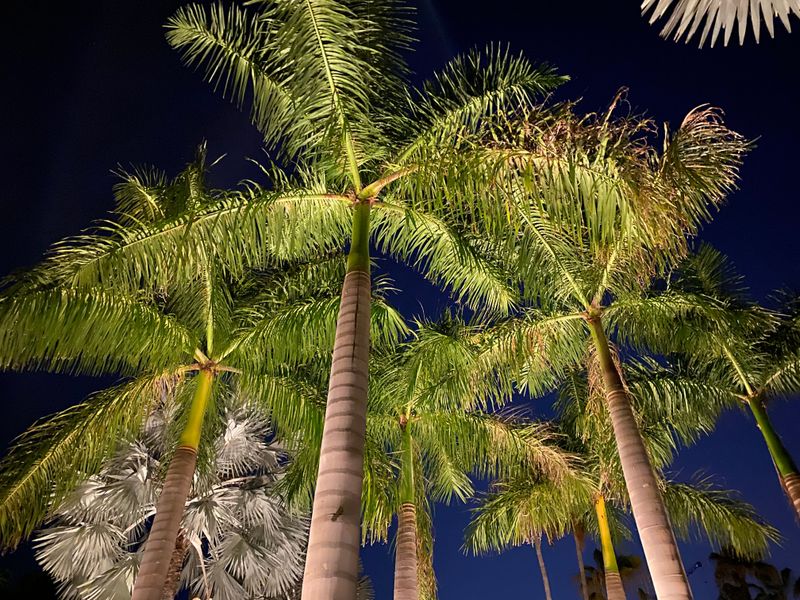
After working through drainage, cold hardiness, light, salt, spacing, soil chemistry, and wind, a clear picture starts to form. Every one of those conditions connects back to the same core idea: the success of a palm in Florida depends far more on where you plant it than on how much you water it or fertilize it afterward.
Getting the location right is the single most powerful thing you can do before that tree goes in the ground.
Florida’s incredible variety of growing conditions means that there is genuinely a great palm for almost every site. The challenge is matching the right species to the right spot rather than falling in love with a tree at the nursery and hoping it works out.
Talking to your local UF/IFAS county extension office is one of the best moves you can make, because they have region-specific guidance that is much more useful than general internet advice.
Before planting, walk the site at different times of day, check drainage after rain, test the soil if you can, and look up the mature size and environmental tolerances of any species you are considering. A palm planted in the right spot with the right conditions checked off ahead of time will reward you with years of healthy, beautiful growth that feels effortless.
That is the real payoff of doing the homework first.