The One Big Mistake Texas Gardeners Make With Lavender In Spring
Lavender may look soft and thirsty after winter, but spring is when many Texas gardeners accidentally give it exactly what it does not want.
Warm days, surprise rain, rising humidity, and slow-draining soil can create the kind of conditions that make lavender struggle fast.
That is especially true in parts of Texas where clay holds moisture long after a shower passes.
Since lavender comes from the dry, rocky Mediterranean, it is built for quick drainage and lean soil, not soggy roots.
The biggest spring mistake is simply giving it too much moisture, whether from overwatering, poor drainage, or planting it in soil that stays wet too long.
Once you understand that, lavender care in Texas gets much easier.
1. Too Much Water Is The Fastest Way To Stress Lavender In Texas
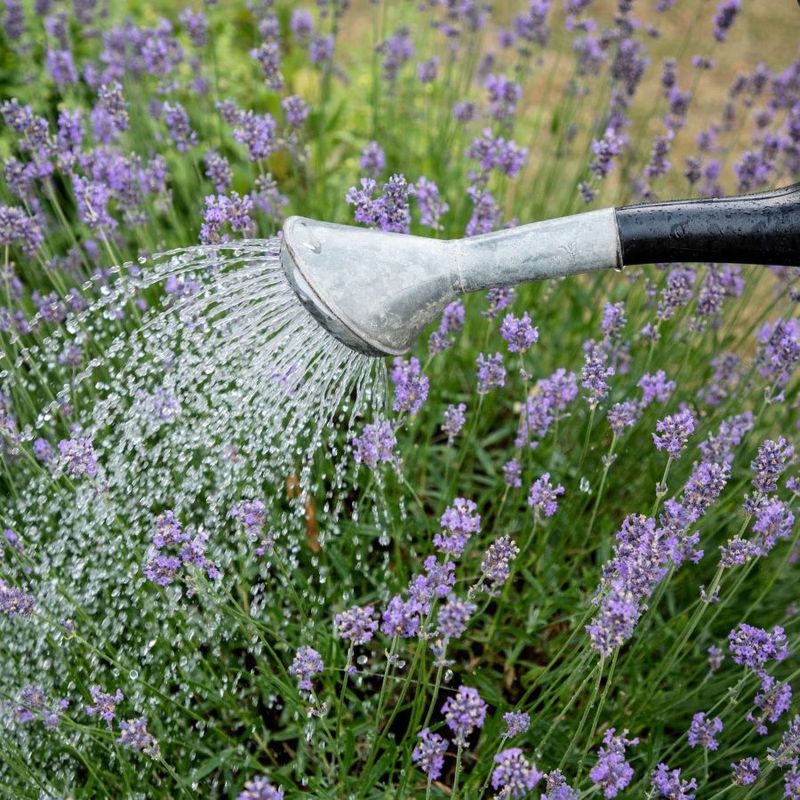
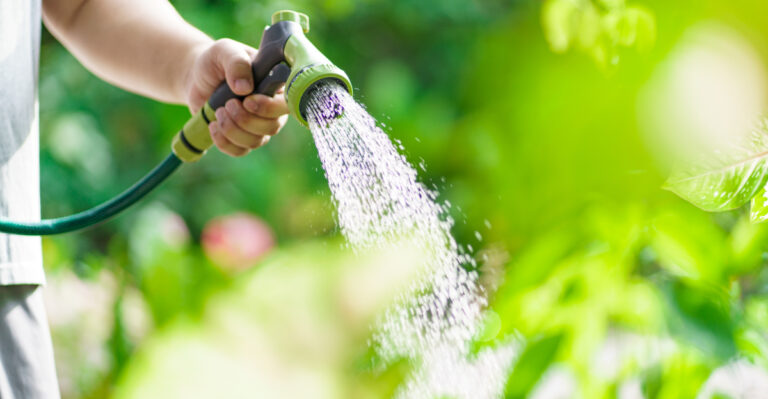
Spring rains across Texas can be generous one week and completely absent the next, which makes it tempting to step in with the garden hose whenever the soil looks a little dry.
That impulse, though well-meaning, is one of the most common reasons lavender plants decline in Texas home gardens.
Lavender evolved in thin, fast-draining soils along Mediterranean hillsides where roots almost never sat in standing water.
When Texas gardeners water on a regular schedule without checking actual soil conditions first, they often end up keeping the root zone far too wet for far too long.
Roots that stay moist for extended periods begin to struggle with oxygen uptake, which weakens the plant from the ground up.
In Texas, where spring humidity is already elevated along the Gulf Coast and in East Texas, that extra soil moisture creates the kind of environment where fungal problems can quietly take hold before visible symptoms appear.
Even in drier inland areas like West Texas or the Hill Country, spring rains alone are often enough to meet lavender’s needs without any supplemental watering at all.
The smarter approach is to treat rainfall as your primary watering source during spring and only add water when the soil has been dry for several days at least two inches below the surface.
Checking soil moisture by hand before watering is a simple habit that can genuinely change how well your lavender performs.
Lavender rewards restraint far more reliably than it rewards regular attention.
2. Heavy Soil Can Hold More Moisture Than Lavender Can Handle
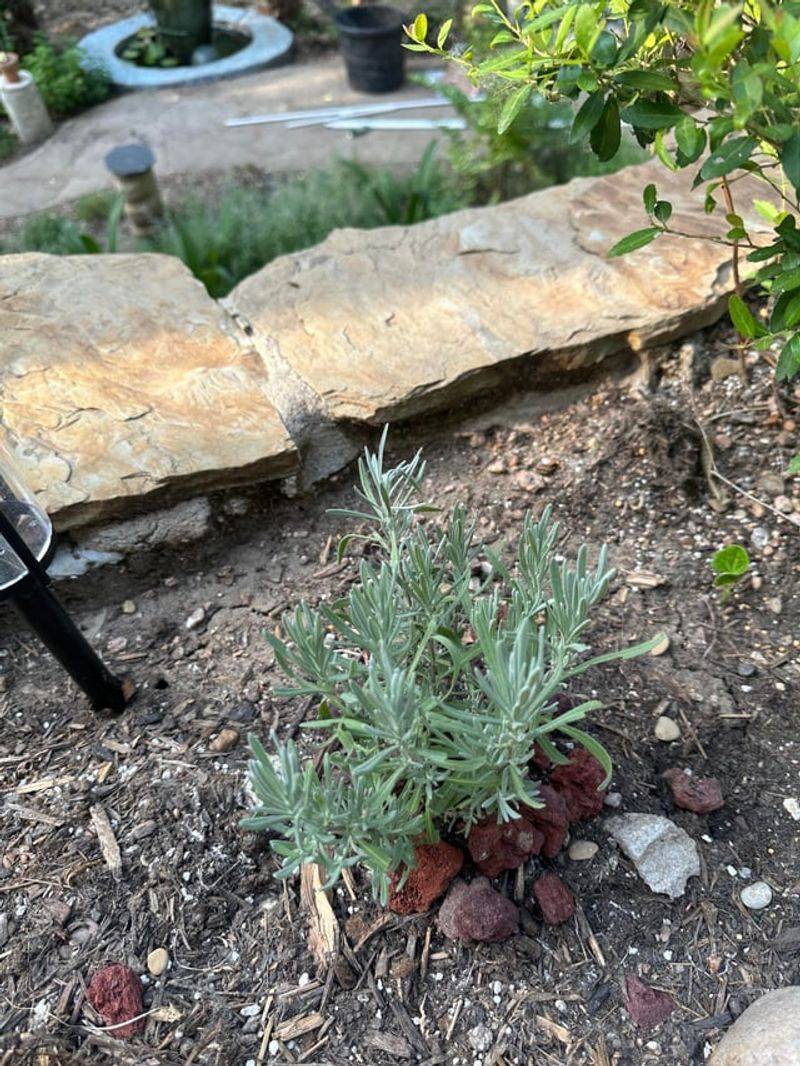
What looks like “good, rich soil” in a Texas garden can actually be the biggest problem for lavender. Many areas, especially in North and East Texas, have heavy clay that holds water far longer than this plant can tolerate.
After a spring rain, that soil can stay damp for days, sometimes longer, even when the surface looks dry. Lavender roots need air just as much as they need water, and when soil stays saturated, oxygen levels drop and roots begin to struggle.
This often shows up as drooping stems, dull color, or slow growth that does not bounce back. One common mistake is planting lavender directly into native soil without improving it first.
Your Texas Garden Changes Every Week. Your Plan Should Too.
Gardening in Texas changes quickly throughout the season. Every Friday you’ll receive a simple weekly plan showing exactly what to plant, prune, fertilize, harvest, and protect so you never miss the right timing.
Mixing in compost alone is not enough if drainage is still poor. Instead, work in coarse materials like expanded shale, gravel, or coarse sand to help water move through more freely.
Slightly mounding the planting area also helps excess moisture drain away from the crown. If water tends to sit in that spot after rain, lavender will never truly settle in.
Choosing the right soil structure from the start is one of the most important decisions Texas gardeners can make for long-term success.
3. Raised Beds Help Lavender Handle Texas Spring Conditions Better
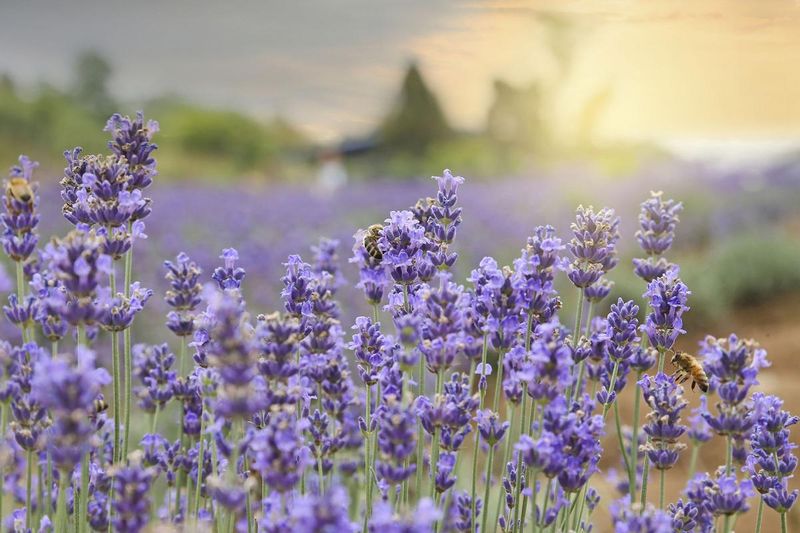
When native soil does not drain well, raised beds can make all the difference for lavender in Texas. Instead of fighting heavy clay or compacted ground, raised beds allow you to control exactly what the plant grows in.
This is especially helpful during spring, when rain can come in bursts and leave garden beds soggy for days.
By elevating the root zone, water moves through the soil more quickly, reducing the risk of roots sitting in excess moisture.
A well-built raised bed filled with a fast-draining mix gives lavender the conditions it naturally prefers. Many gardeners use a blend of sandy loam, compost, and coarse material like expanded shale to keep things light and airy.
Even raising the soil just six to eight inches can significantly improve drainage. Another advantage is that raised beds warm up faster in spring, encouraging steady growth without the setbacks caused by cold, wet soil.
Placement still matters, so choose a spot that gets full sun and good air movement.
With the right setup, raised beds turn a challenging Texas soil situation into a much more lavender-friendly environment that supports healthy roots and consistent growth.
4. Let Soil Dry Between Waterings For Stronger Growth
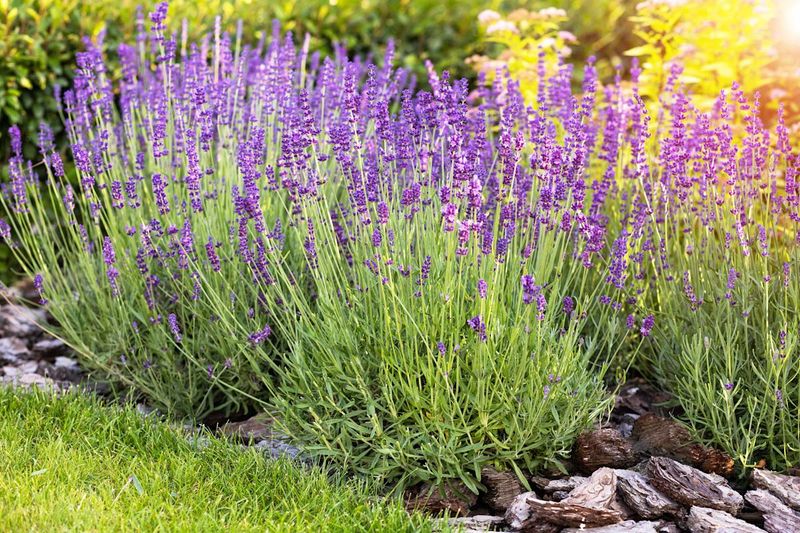
It is easy to assume that more water means healthier plants, but lavender responds best when the soil has time to dry out between watering sessions. In Texas spring, this can be tricky because natural rainfall often adds moisture you do not see right away.
Even when the surface looks dry, the soil below can still be holding plenty of water. Checking moisture a couple of inches down before watering helps prevent unnecessary stress.
Lavender prefers a deep watering followed by a dry period, rather than frequent light watering that keeps the soil constantly damp.
This pattern encourages roots to grow deeper, where soil stays more stable and less affected by heat swings.
Overwatering, on the other hand, keeps roots near the surface and makes them more vulnerable.
One of the most common habits to break is watering on a fixed schedule instead of responding to actual soil conditions.
In many Texas gardens, especially after spring rains, lavender may not need additional water for several days or even longer. Learning to wait until the soil truly dries out leads to stronger plants that are better prepared to handle summer heat.
5. Full Sun Helps Lavender Stay Drier And Healthier
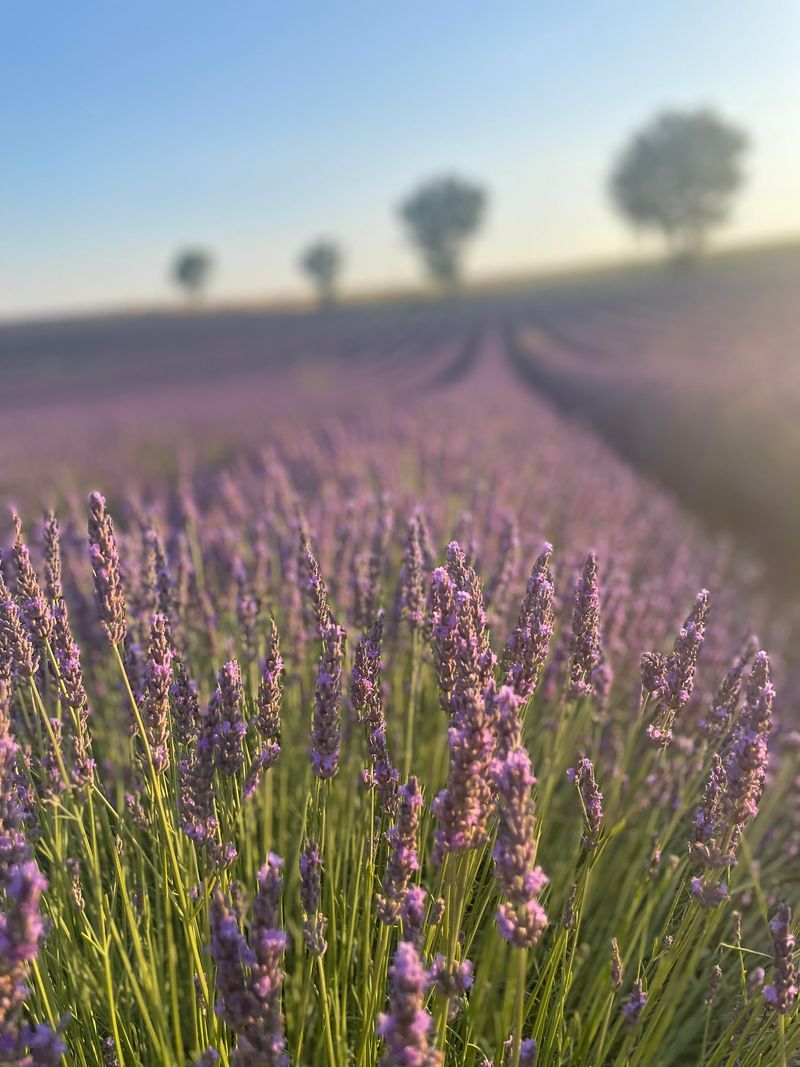
Sunlight does more than support growth, it also plays a key role in keeping lavender dry enough to stay healthy.
In Texas, full sun helps soil dry faster after rain and reduces the amount of time moisture lingers around the plant.
Lavender needs at least six to eight hours of direct sunlight each day, and in most parts of Texas, more is even better.
When planted in partial shade, especially near structures or larger plants, the soil tends to stay cooler and wetter, which creates the kind of conditions lavender does not tolerate well.
Less sunlight also means slower evaporation, so even moderate watering can turn into excess moisture over time. Good airflow works together with sunlight to keep the plant in balance, so avoid crowding lavender with dense plantings nearby.
Placing it in an open, sunny spot gives both the foliage and the soil a chance to dry naturally throughout the day. This combination of light and air reduces stress and supports steady growth.
In Texas gardens, full sun is not something to protect lavender from, it is one of the best tools for keeping it healthy.
6. Avoid Overfeeding Lavender During Spring Growth
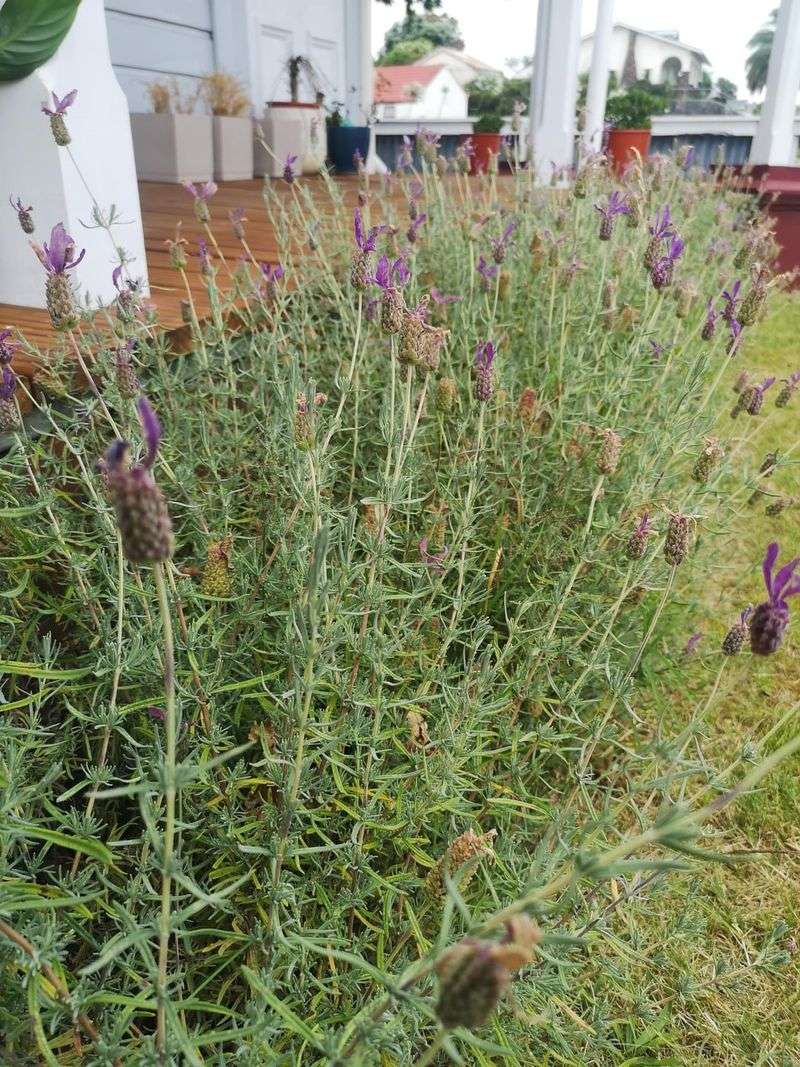
Spring often feels like the time to boost plant growth with fertilizer, but lavender does not benefit from heavy feeding. In fact, too much fertilizer can cause more harm than good, especially in Texas conditions.
Lavender is adapted to lean, low-nutrient soils, and when it receives excess nutrients, it tends to produce soft, fast growth that is more vulnerable to stress. This kind of growth can also reduce flowering and make the plant look less compact and tidy.
In spring, when moisture levels may already be higher than ideal, adding fertilizer can compound the problem by encouraging rapid growth in already stressed roots.
If your soil has been improved with organic matter and drains well, lavender often needs very little additional feeding.
A light application of a balanced, slow-release fertilizer or compost in early spring is usually enough, if anything is needed at all. One common mistake is treating lavender like other flowering plants that thrive on regular feeding.
Keeping nutrients modest helps the plant stay strong, focused on root health, and better suited to handle Texas heat as the season progresses.
7. Prune Lightly Without Pushing Tender New Growth
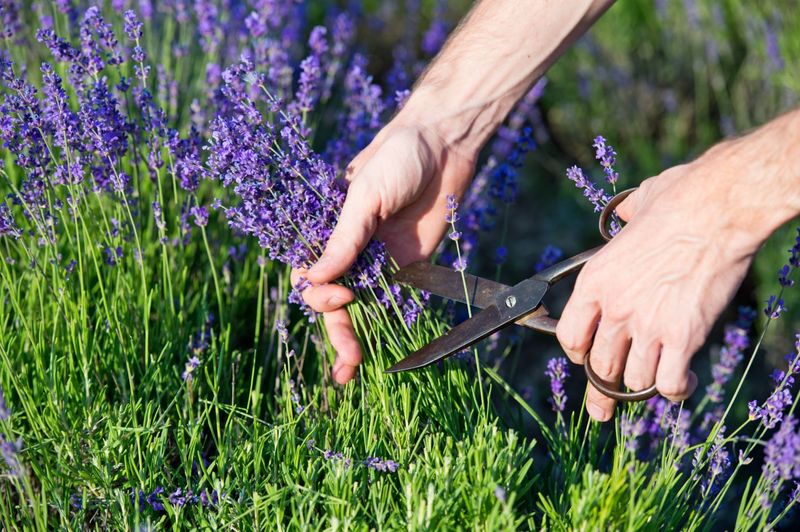
Spring pruning can help shape lavender, but it should be done with a light touch, especially in Texas where weather can shift quickly.
Cutting too aggressively early in the season can trigger a flush of soft new growth that is more sensitive to moisture and temperature swings.
This tender growth may struggle if conditions turn humid or if a late cool spell arrives. Instead, focus on removing any winter damage and lightly shaping the plant to encourage a compact form.
Always avoid cutting into the woody base, since lavender does not reliably regrow from older wood. The goal is to maintain structure without pushing the plant into unnecessary stress.
Timing also matters. Waiting until you see signs of steady growth before pruning helps ensure the plant is ready to respond.
In many Texas gardens, a gentle trim after the first flush of spring growth works better than an early, heavy cut. Keeping pruning minimal allows lavender to direct its energy into strengthening roots and preparing for bloom.
A lighter approach in spring sets the stage for healthier growth through the rest of the season.