6 Easy Tricks To Make Hoya Grow Faster And Bloom In Your Texas Home
Hoya plants have built a serious following among Texas houseplant lovers, and once you have had one, it is pretty easy to understand why.
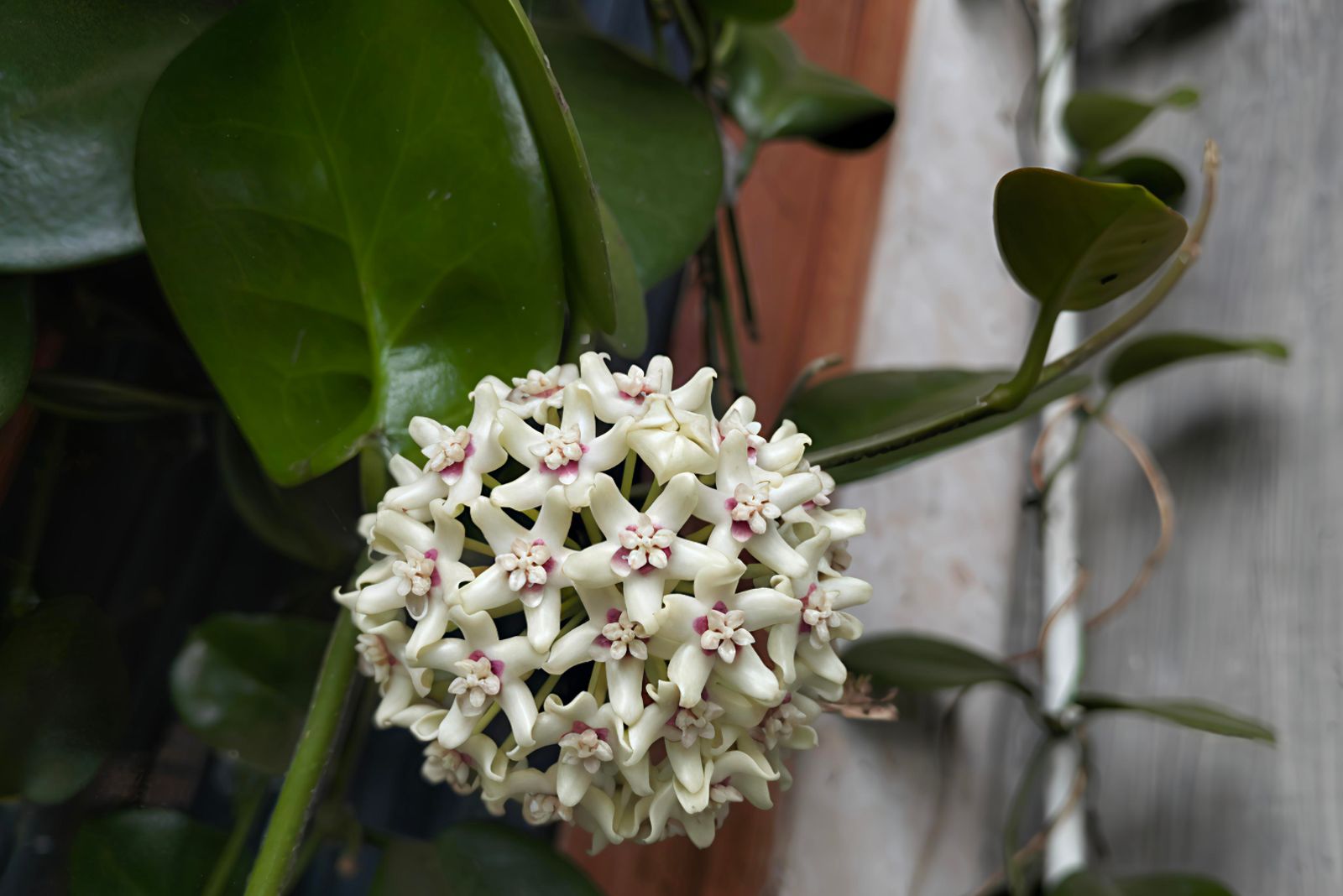
The waxy leaves are beautiful on their own, but the blooms are on another level, small clusters of perfectly formed flowers that look almost too good to be real and carry a scent that fills a room.
The catch is that getting a hoya to actually bloom takes more than just keeping it alive. A lot of Texas growers end up with a healthy looking plant that never flowers, or one that grows so slowly it barely changes from year to year.
The good news is that hoyas respond really well to a few specific adjustments, and once you understand what actually drives their growth and triggers blooming, the results can come faster than you would expect. Texas conditions work in your favor more than you might think with this one.
1. Give It Bright, Indirect Light (Or Gentle Morning Sun)
Light is everything when it comes to getting your hoya to grow fast and bloom beautifully. Without enough of it, your plant will just sit there, putting out the occasional leaf but never a single flower.
In Texas homes, light is actually one of your biggest advantages. The best spot for a hoya is near an east-facing window. Morning sun is soft and warm, which is exactly what hoyas love.
It gives them a good energy boost without scorching those gorgeous waxy leaves. A bright south-facing window also works well, especially if you hang a sheer curtain to filter the harshest midday rays.
Direct afternoon sun in Texas can be pretty intense, and it can bleach or burn hoya leaves quickly. Filtered light is always the safer choice during summer months.
If your home does not have great natural light, do not worry. Grow lights work surprisingly well for hoyas.
A simple full-spectrum LED light placed about a foot above the plant for 12 to 14 hours a day can mimic natural sunlight and get your hoya blooming indoors.
One thing many Texas growers notice is that hoyas placed in brighter spots tend to grow noticeably faster during spring and summer. More light means more energy for the plant to push out new vines, leaves, and eventually those much-awaited flower clusters.
Low light is honestly the number one reason hoyas refuse to bloom, so moving your plant to a brighter spot is the first and most important step you can take.
2. Let The Soil Dry Out Between Waterings
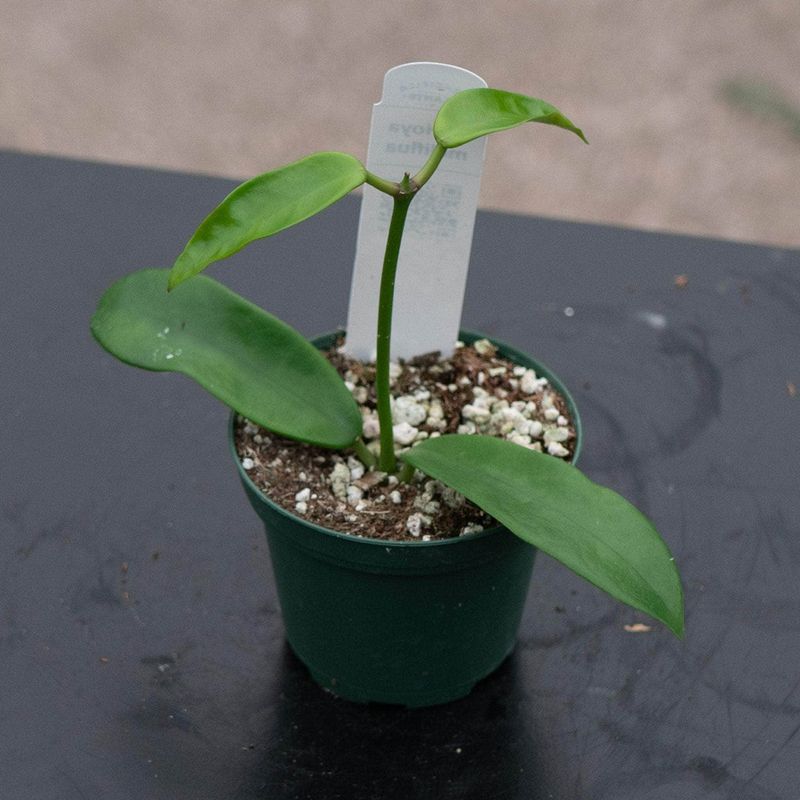
Ask any experienced hoya grower what the biggest mistake beginners make, and they will almost always say the same thing: overwatering. Hoyas are not like your typical tropical houseplant that wants to stay moist all the time.
They are actually semi-succulent, which means they store water in their thick leaves and prefer to dry out a bit between drinks.
The rule is simple. Water your hoya thoroughly until water drains out of the bottom of the pot, then wait.
Your Texas Garden Changes Every Week. Your Plan Should Too.
Gardening in Texas changes quickly throughout the season. Every Friday you’ll receive a simple weekly plan showing exactly what to plant, prune, fertilize, harvest, and protect so you never miss the right timing.
Wait until the top inch or two of soil feels dry before you water again. In a Texas home during the hot summer months, that might mean watering every seven to ten days. During cooler months, you might stretch it to every two weeks or longer.
Overwatering slows growth significantly. When roots sit in soggy soil for too long, they struggle to absorb oxygen, which weakens the whole plant.
A stressed plant is not going to waste energy making flowers. It is just trying to survive. Always use a pot with drainage holes. This is non-negotiable for hoyas.
If water pools at the bottom with no way to escape, root problems will follow fast. Terra cotta pots are a popular choice among Texas plant lovers because they allow the soil to breathe and dry out more evenly.
Learning to read your plant also helps a lot. Slightly wrinkled leaves can mean it is time to water.
Yellowing lower leaves often signal too much water. Pay attention to these little signs and your hoya will reward you generously.
3. Use A Well-Draining, Airy Potting Mix
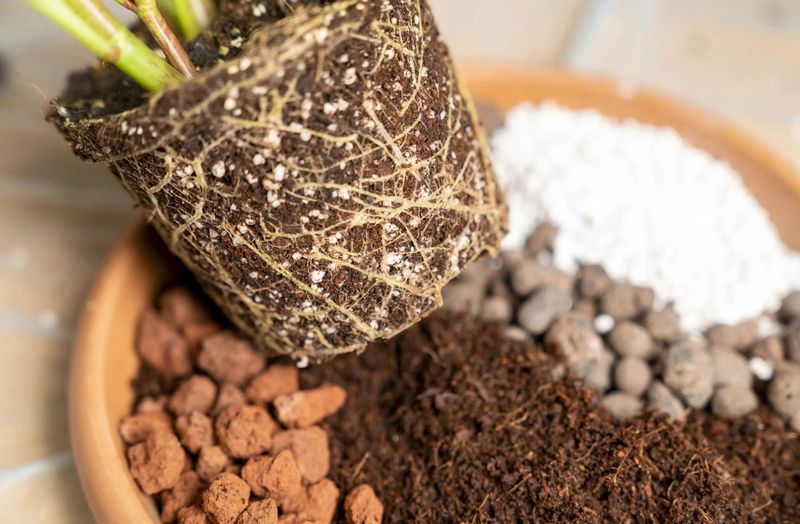
Regular potting soil straight from the bag is not the best choice for hoyas. It tends to hold too much moisture and can compact over time, which cuts off the airflow that hoya roots actually need.
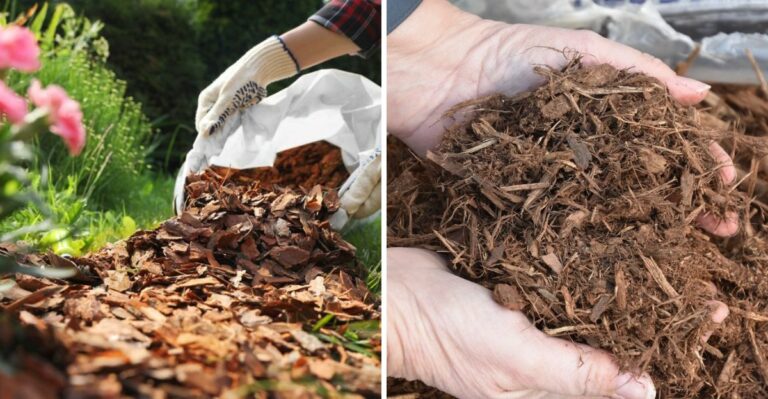
A chunkier, airier mix makes a world of difference for how fast your plant grows. A mix that works really well is one part orchid bark, one part perlite, and one part regular potting soil. The orchid bark creates air pockets around the roots.
The perlite improves drainage so water moves through quickly. The potting soil gives just enough nutrients and structure to keep everything together.
Some Texas growers also add a small amount of coarse sand or coconut coir to their mix for extra drainage. The goal is a mix that feels light and almost crumbly, not dense and heavy. When you water, it should drain within seconds, not sit and pool at the surface.
Good root health directly connects to faster growth above the soil. When hoya roots have room to breathe and are not sitting in wet, compacted soil, they absorb nutrients more efficiently. That means more energy goes into pushing out new vines, leaves, and flower buds.
Repotting into a fresh, airy mix every two to three years is also a smart habit. Old soil breaks down over time and loses its drainage ability.
Refreshing the mix gives your hoya a clean start and often triggers a noticeable growth spurt. For Texas gardeners, this is one of the easiest upgrades you can make for your hoya’s long-term health and happiness.
4. Keep Them Slightly Root-Bound
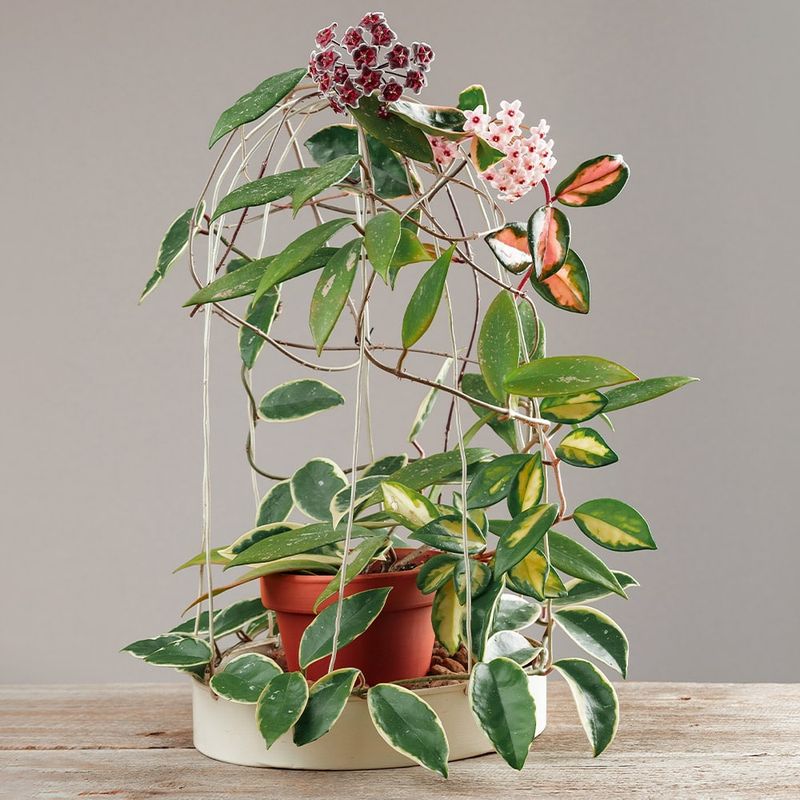
Here is something that surprises a lot of new plant parents: hoyas actually prefer to feel a little crowded in their pots.
Most houseplants need regular repotting to stay healthy, but hoyas are different. They tend to bloom more freely when their roots are snug and slightly filling the container.
When a hoya has too much extra soil around its roots, it focuses its energy on root growth rather than flower production. It is basically exploring all that empty space instead of settling in and blooming.
A pot that fits the root ball closely signals to the plant that it is time to put energy into flowering.
This does not mean you should never repot your hoya. If roots are growing out of the drainage holes or circling tightly at the bottom of the pot, it is time for a new home.
But when you do repot, only go up one pot size, usually just one or two inches wider in diameter. Jumping to a much bigger pot can actually set your blooming progress back significantly.
Many Texas plant enthusiasts have noticed that their hoyas started blooming only after they stopped repotting them so often. Sometimes the best thing you can do for a hoya is simply leave it alone and let it settle in. Patience really pays off with these plants.
Clay or terra cotta pots are ideal for keeping hoyas slightly root-bound because they do not stretch or flex like plastic. The firm walls keep the roots snug, and the breathable material helps prevent moisture buildup around the roots at the same time.
5. Increase Humidity (Especially Indoors With AC)
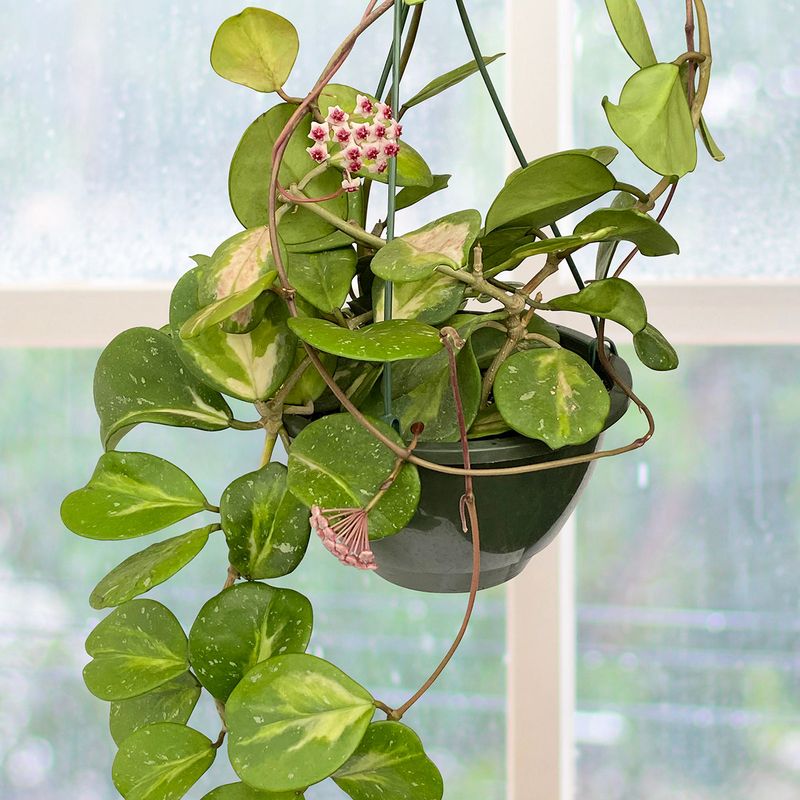
Running the air conditioner is basically a way of life in Texas, especially from May through October. While your AC keeps you comfortable, it also pulls a lot of moisture out of the indoor air.
For tropical plants like hoyas, that dry air can slow down growth and make blooming much harder to achieve.
Hoyas prefer humidity levels somewhere between 40 and 60 percent. Most Texas homes with central AC running all day drop well below that range.
The good news is that boosting humidity for your hoya does not require anything fancy or expensive.
One of the easiest methods is a pebble tray. Fill a shallow tray with small stones, add water until it sits just below the top of the pebbles, and place your hoya pot on top.
As the water evaporates, it creates a small pocket of humid air right around the plant. Just make sure the pot itself is not sitting directly in the water.
Grouping several plants together is another great trick. Plants naturally release moisture through their leaves in a process called transpiration, and when you cluster them together, they create a slightly more humid microenvironment.
Texas plant lovers often set up little plant corners or shelves for exactly this reason.
A small humidifier placed near your hoya is the most effective solution if you want consistent results. Even running it for a few hours a day can make a noticeable difference in how quickly your plant grows and how often it produces flowers.
Misting the leaves occasionally also helps, though it works best as a supplement rather than the main humidity source.
6. Don’t Cut Off The Flower Spurs
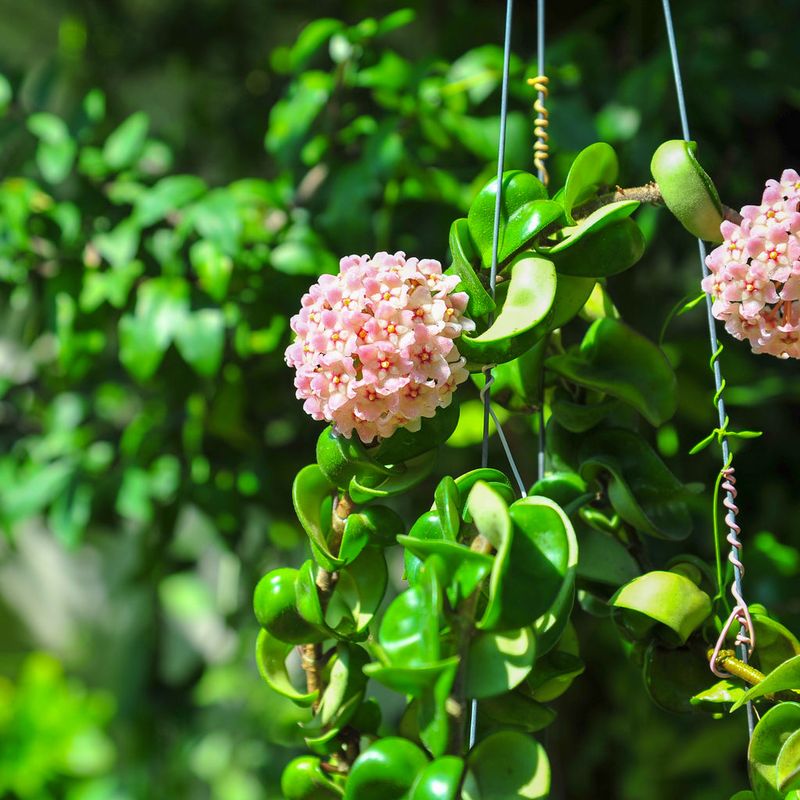
Imagine waiting months for your hoya to finally bloom, watching those little flower clusters open up and fill the room with their sweet scent, and then accidentally cutting off the one thing that will bring those blooms back next season.
It happens more often than you might think, and it is one of the most common reasons Texas hoya growers end up waiting way too long between bloom cycles.
Hoya flowers grow from structures called peduncles, but most plant lovers just call them flower spurs. These are small, stubby little stems that stick out from the vines.
After the flowers fade and fall off, those spurs might look dry or pointless. They are not. They are actually the launching pad for your next round of blooms.
Hoyas reuse the same spurs over and over again, sometimes for years. Each blooming season, new flower buds form right from those same little stems.
If you trim them off thinking they are dry growth, you are essentially resetting your plant’s bloom clock and making it start from scratch.
The best approach is to leave those spurs completely alone after flowers fade. Do not prune them, do not twist them off, and do not let them get knocked off when you move the pot.
Even if they look a little bare and brown for a few months, new buds will eventually emerge from the same spot.
Many experienced Texas hoya growers actually mark their spurs with a tiny piece of ribbon or plant tape so they remember not to accidentally remove them during routine pruning. It sounds a little extra, but it really does save a lot of frustration and waiting time in the long run.