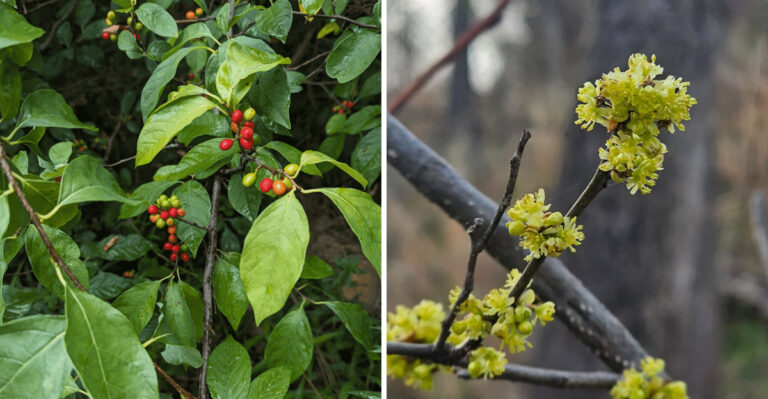
Think Twice Before Planting This Popular Shrub In Your Ohio Landscape
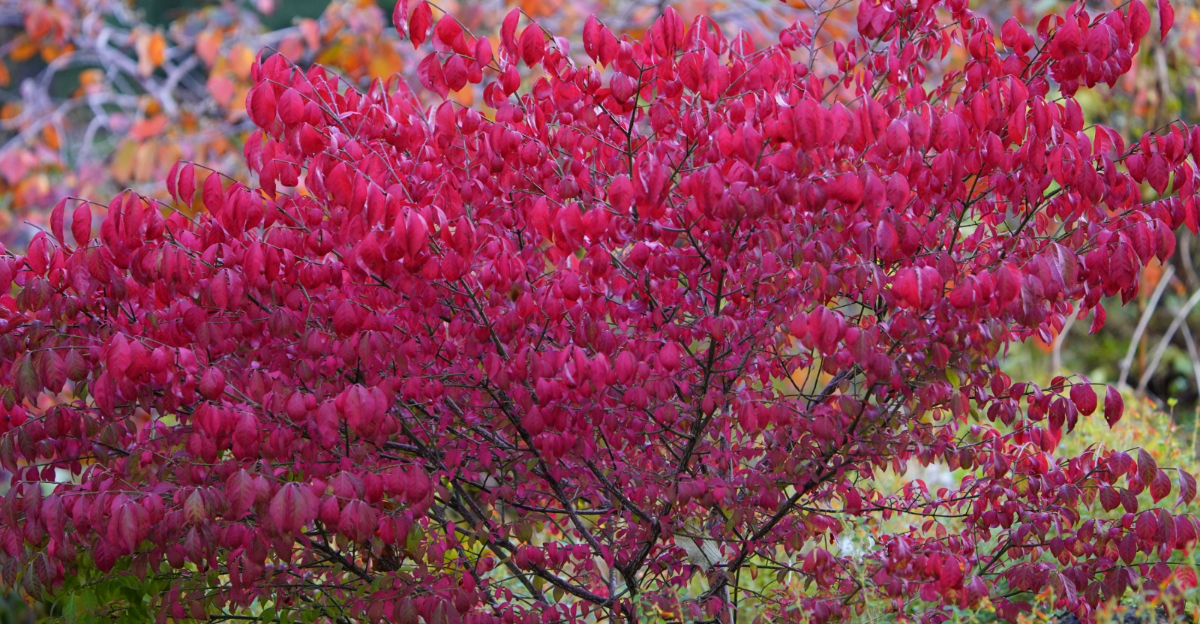
Ohio yards can look picture perfect for a season, then turn into years of regret. A shrub that seems harmless at the garden center can crowd out native plants, alter backyard habitat, and spread far beyond the neat shape on its tag.
Bright fall color often wins people over fast. Nurseries know it.
Neighbors praise it. Landscapers still reach for it.
Yet beauty can hide a costly mistake, especially in a state where invasive plants put real pressure on local ecosystems. Homeowners who want curb appeal, privacy, and easy care may think this classic choice checks every box.
In truth, it can create more trouble than charm once roots take hold and birds carry seeds across fences, fields, and woods. Before you add one more flashy shrub to your Ohio landscape, stop and look past the crimson leaves, because the plant at the center of this warning is the notorious burning bush.
1. Burning Bush Has A Hidden Downside
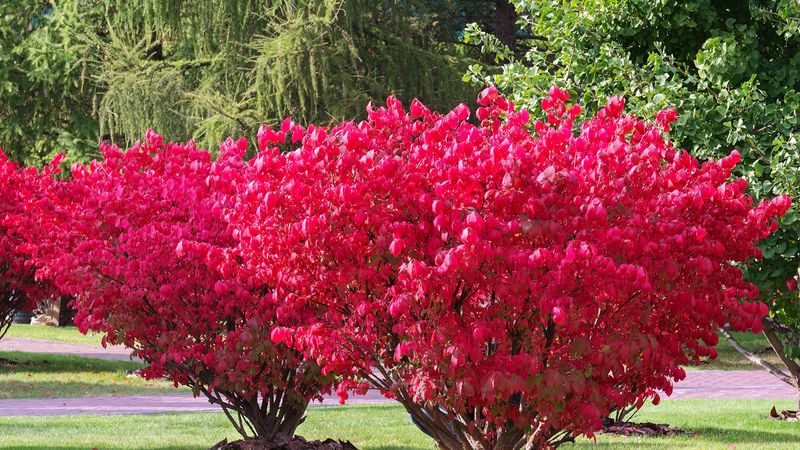
Walk through almost any Ohio suburb in October and you will spot it immediately: that unmistakable wall of blazing red tucked between houses, lining driveways, or anchoring a corner bed. Burning bush looks like a plant that has everything figured out.
It is bold, structured, and dependable in a way that few ornamentals can match.
The problem is not what you see in your yard. It is what happens beyond it.
Burning bush, or Euonymus alatus, is recognized as an invasive plant in Ohio, and its biggest issue is not its size or its roots but its seeds. Birds eat the small red berries and carry those seeds into natural areas, forest edges, and disturbed land far from where the shrub was originally planted.
Ohio State University Extension and the Ohio Department of Natural Resources have both flagged this plant as a concern for the state’s natural landscapes. Once established in the wild, it can outcompete native vegetation and alter the character of natural spaces that took decades to develop.
The shrub does not announce this process. It just quietly spreads while looking perfectly polished in your front yard.
That gap between appearance and impact is exactly what makes burning bush such a tricky subject for Ohio gardeners.
2. That Bright Fall Color Comes With A Catch
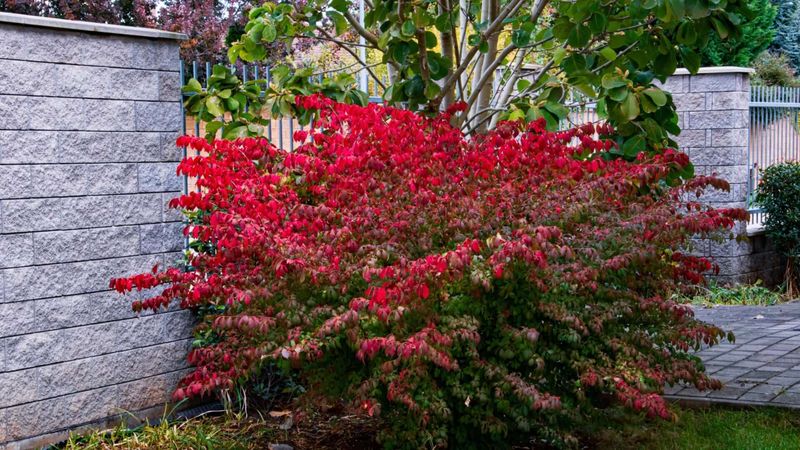
There is no denying the visual payoff. When burning bush hits its fall peak, the color is genuinely impressive.
The leaves turn a saturated, almost electric red that stands out against the muted tones of a typical Ohio autumn. For homeowners who want a reliable seasonal focal point, it delivers every single year without much effort.
That consistency is a big part of the appeal. Unlike some ornamentals that disappoint with dull or uneven color, burning bush tends to perform predictably.
It also holds its shape well through the growing season, giving landscapes a tidy, intentional look from spring through summer before the fall show begins.
But those same berries that add interest to the shrub in late summer are the source of the problem. Each plant can produce a significant number of seeds, and birds are highly efficient at spreading them.
Your Ohio Garden Changes Every Week. Your Plan Should Too.
Gardening in Ohio changes quickly throughout the season. Every Friday you’ll receive a simple weekly plan showing exactly what to plant, prune, fertilize, harvest, and protect so you never miss the right timing.
According to guidance from Ohio extension resources, this seed dispersal is the primary reason burning bush has been able to establish itself in natural areas across the state. The beauty is real, but it is not the full story.
Choosing a plant based on fall color alone, without accounting for what that plant does to the broader landscape, is a shortcut that Ohio gardeners increasingly regret.
3. Ohio Landscapes Pay The Price For This Popular Pick
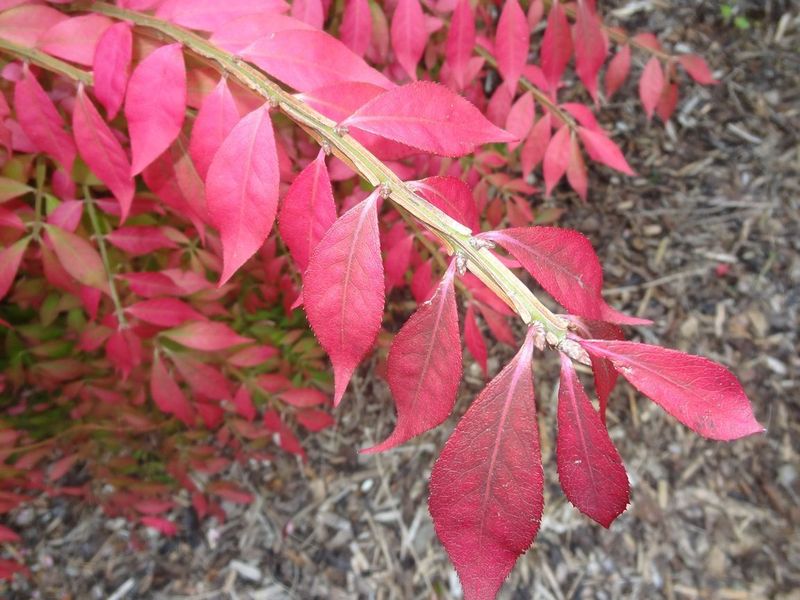
Spend time near an Ohio woodland edge in late spring and you might notice something that does not quite belong. Clusters of non-native shrubs pushing into the understory, crowding out native plants that songbirds, pollinators, and other wildlife depend on.
Burning bush is often part of that picture.
When invasive shrubs like Euonymus alatus establish in natural areas, they compete with native vegetation for light, water, and space. Native understory plants such as spicebush, viburnums, and wild hydrangea provide food and shelter that local wildlife has adapted to over thousands of years.
A non-native shrub that spreads aggressively does not offer the same ecological value, even if it looks attractive.
Ohio has thousands of acres of woodland, riparian corridors, and natural areas that face ongoing pressure from invasive species. The Ohio Department of Natural Resources has identified invasive shrubs as a meaningful threat to these spaces.
Planting burning bush in a residential yard might feel like a purely personal decision, but the seeds do not recognize property lines. Birds carry them into parks, nature preserves, and undeveloped land where the shrub can establish and spread without anyone noticing until significant damage is already done.
The cumulative effect of many individual planting decisions adds up across an entire region.
4. This Shrub Does Not Always Stay In Bounds
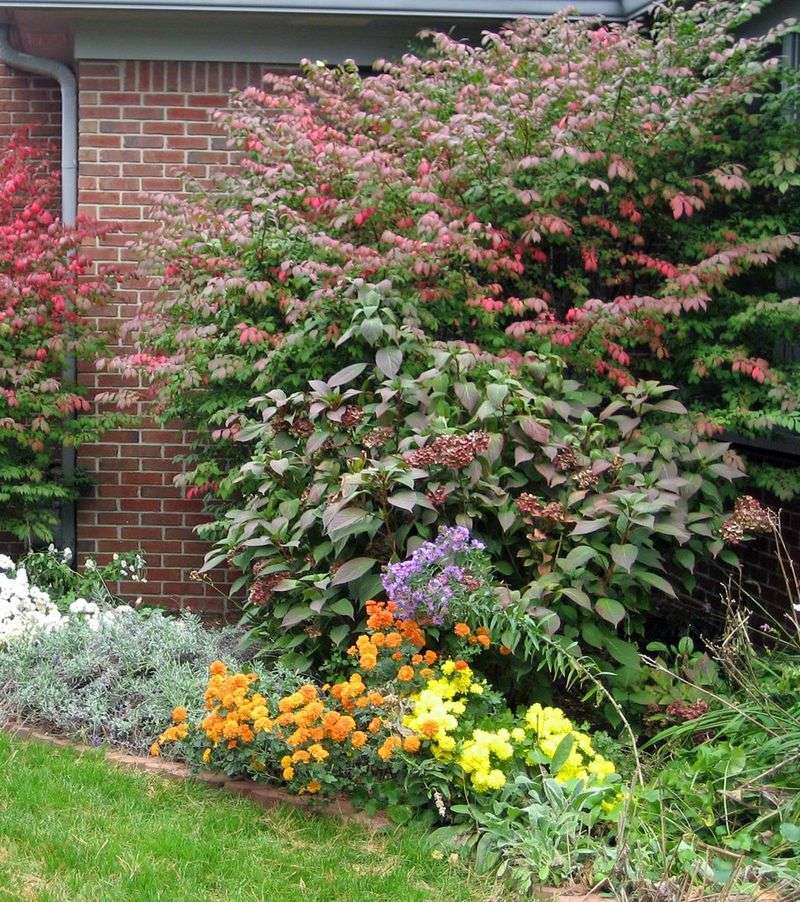
Plenty of homeowners plant burning bush with the best intentions. They want a manageable, attractive hedge that defines a space without constant trimming or drama.
For a while, that is exactly what they get. The shrub grows neatly, fills in predictably, and minds its space with minimal fuss.
The issue is not what the plant does in your yard. It is what its seeds do once birds carry them away.
Burning bush produces berries that birds find attractive, and those birds do not stay in your garden. They fly into nearby woods, wetland edges, and open fields, depositing seeds in places where the shrub can germinate and grow without anyone planting or tending it.
Research and field observations documented by Ohio extension programs show that burning bush has naturalized in disturbed habitats and along forest edges throughout the state. Once it establishes outside of cultivated settings, it can spread further on its own.
A shrub that starts as a tidy ornamental in a suburban backyard can contribute to a growing population of non-native plants in natural areas nearby. That is not a worst-case scenario.
It is a pattern that has already played out across Ohio and much of the eastern United States. Knowing that changes how the phrase “low-maintenance shrub” should be understood.
5. A Neat Shape Can Hide Bigger Problems

Few shrubs look as controlled and polished as a well-maintained burning bush. The dense, layered branching gives it a structured silhouette that landscape designers have relied on for decades.
It hedges beautifully, holds its form without aggressive pruning, and looks intentional even when it is not being actively managed.
That orderly appearance makes it easy to assume the plant is behaving itself ecologically as well as visually. But looks are not a reliable guide to a plant’s impact.
Burning bush can appear perfectly contained in a designed landscape while its seeds are actively moving into surrounding natural areas thanks to bird activity. The shrub does not need to physically escape your yard to cause problems elsewhere.
This is one of the reasons burning bush can be a tricky topic. Homeowners see a compact, attractive shrub that seems to fit neatly into a well-kept yard, and nothing about its appearance signals concern.
The ecological footprint of the plant is invisible at the garden level. You would never look at a trimmed burning bush hedge and see the seedlings sprouting along a woodland edge a quarter mile away.
But the connection between the two is real, and it is something Ohio gardeners are increasingly being asked to consider when making planting decisions.
6. Low Maintenance Appeal Can Be Misleading
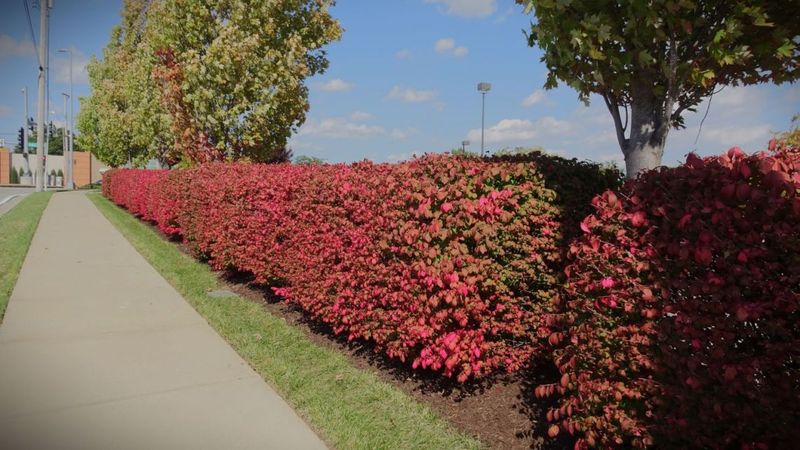
Ask most homeowners why they chose burning bush and “easy to grow” usually comes up quickly. That reputation is not exaggerated.
Burning bush tolerates a wide range of soil types, handles both sun and partial shade, survives Ohio winters reliably, and does not demand much attention once established. For busy homeowners who want results without a complicated care routine, it checks a lot of boxes.
Low maintenance is a genuinely valuable quality in a landscape plant, but it is not the only quality that matters. A shrub that spreads beyond your property and contributes to the displacement of native plants in Ohio natural areas is not truly low effort.
It is just low effort for the person who planted it. The broader work of managing its spread falls on land stewards, conservation volunteers, and natural area managers who spend significant time and resources trying to control invasive species.
Ohio’s native plant communities support a web of wildlife relationships that developed over thousands of years. When non-native plants replace native ones, those relationships weaken.
Choosing a plant simply because it is easy to grow without considering its regional fit is a shortcut that can have lasting consequences. There are plenty of native Ohio shrubs that are also low maintenance once established, and they contribute to the landscape rather than quietly working against it.
7. Native Alternatives Make More Sense In Ohio
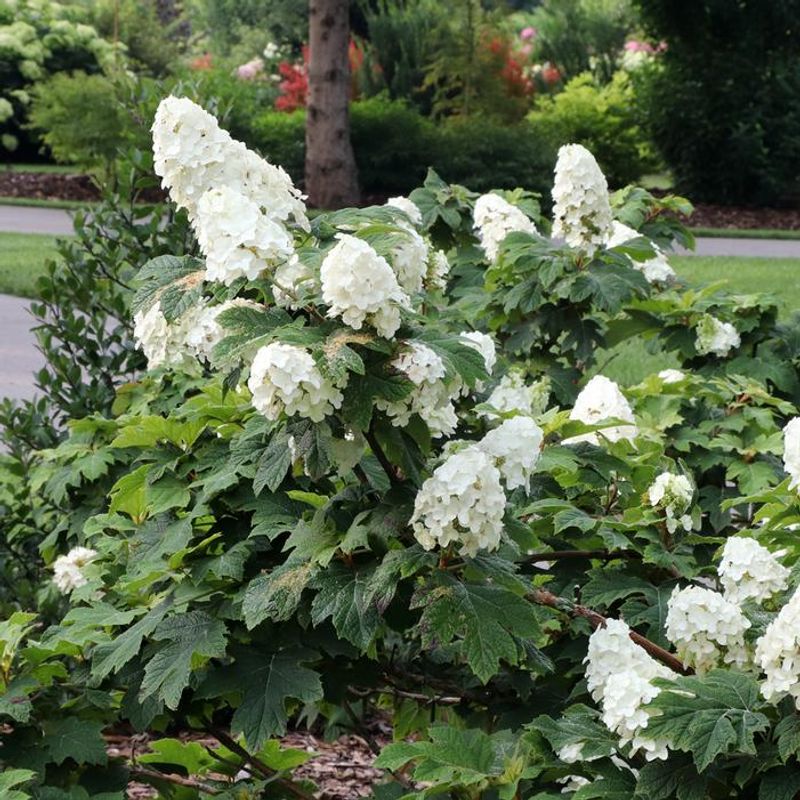
Swapping out burning bush does not mean giving up on bold fall color or a polished landscape. Ohio is home to several native shrubs that can fill the same visual role while actually supporting local wildlife.
The shift from invasive to native does not have to feel like a sacrifice.
Chokeberry, or Aronia arbutifolia, is one strong option. It produces intense red fall foliage that rivals burning bush in color intensity, and its berries feed birds through the winter months.
Ninebark, or Physocarpus opulifolius, offers interesting bark texture, summer flowers, and good fall color while tolerating a wide range of Ohio soil conditions. Oakleaf hydrangea, Hydrangea quercifolia, brings dramatic large leaves that turn deep red and burgundy in autumn, along with attractive peeling bark for winter interest.
All three of these shrubs are recommended by Ohio native plant resources and university extension programs as landscape-worthy alternatives that support native pollinators and wildlife. They tend to be well-adapted to Ohio’s climate, which means they often establish more easily and perform more reliably over the long term than plants that evolved in different regions.
Making the switch is a practical choice, not just an environmental one. A yard full of well-chosen native shrubs is genuinely easier to maintain and more ecologically connected to the Ohio landscape around it.
8. Think Beyond Fall Color Before You Plant
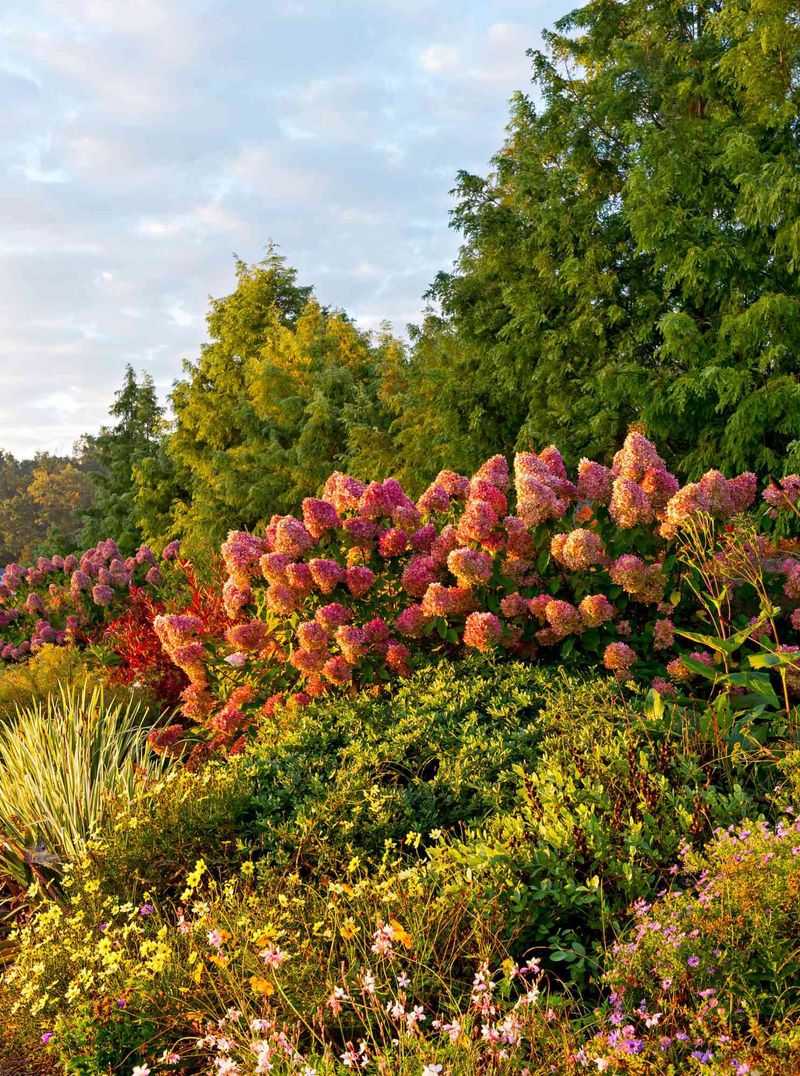
Fall color is one of the most satisfying things a landscape can offer, especially in Ohio where the seasons shift dramatically. It makes sense that homeowners want to capture some of that magic in their own yards.
But a shrub’s value in a landscape goes well beyond what it looks like in October.
Before adding any new plant to your Ohio yard, it is worth asking a few straightforward questions. Does this plant support local wildlife?
Is it known to spread beyond cultivated settings in this region? Are there native alternatives that offer similar benefits without the same concerns?
These are not complicated questions, but they can lead to much better long-term outcomes for your property and for Ohio’s natural areas.
Burning bush became popular for understandable reasons, and many Ohio yards still have it growing in good health. The goal here is not to create guilt about past choices but to encourage more informed decisions going forward.
Ohio’s landscapes are richer, more resilient, and more connected when the plants in them belong here. Choosing shrubs that are native or at least non-invasive is one of the most practical things a homeowner can do to support that outcome.
The best landscapes do more than look good in autumn. They work with Ohio’s natural systems all year long.