8 Native Ohio Shrubs That Reduce Road Noise Better Than You’d Expect
Traffic never really stops, does it? One minute you’re out in the yard trying to enjoy a quiet evening, and the next it sounds like the road moved right into your space.
In many Ohio neighborhoods, that constant hum turns a peaceful garden into something far less relaxing.
So what can you actually do about it without building a wall or spending a fortune? A growing number of Ohio gardeners are turning to something far more natural and surprisingly effective.
The right shrubs can soften, muffle, and break up sound in a way that feels almost instant once they fill in.
It’s not about blocking every decibel. It’s about taking the edge off so your yard feels like yours again.
And here’s the part most people miss. Native shrubs tend to do this job better than expected, all while handling Ohio’s conditions with far less effort.
1. American Hazelnut Forms Dense Thickets That Soften Sound
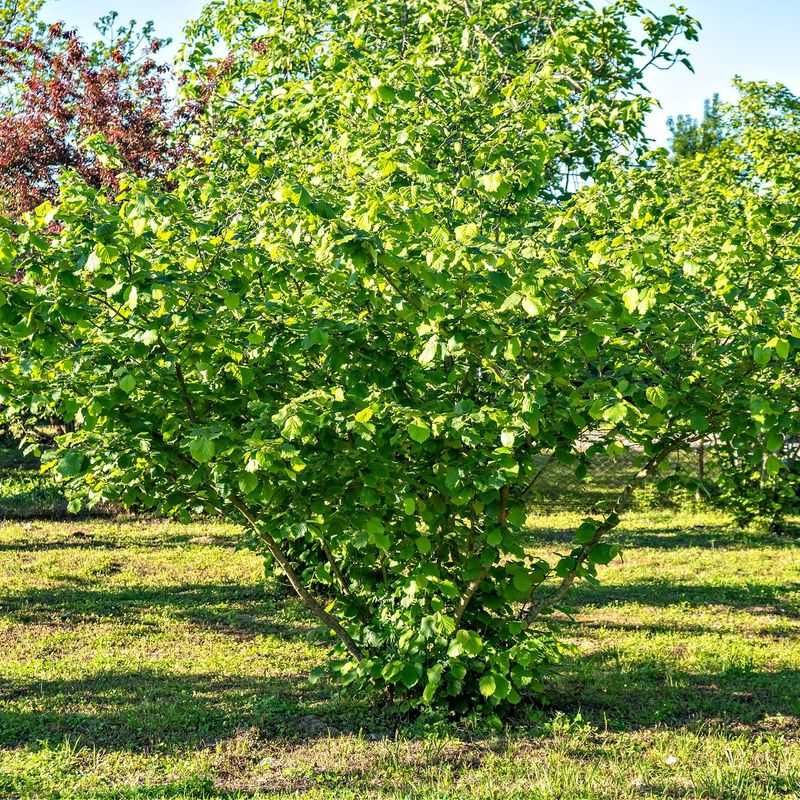
Walk through almost any Ohio woodland edge in summer and you might brush past American Hazelnut without giving it much thought. But that dense, brushy quality is exactly what makes it so useful along noisy property lines.
American Hazelnut (Cornus americana) naturally grows in a multi-stem, thicket-forming habit, sending up clusters of arching stems that fill in tightly over time. That thick structure is what helps break up and diffuse sound waves before they travel across your yard.
When planted in a row or mass grouping along a road-facing boundary, American Hazelnut creates a layered wall of stems and foliage that sound has a hard time passing through cleanly.
According to Ohio State University Extension, this shrub is well suited to a wide range of Ohio soils and light conditions, from full sun to partial shade.
It typically reaches 8 to 12 feet tall and spreads gradually through root suckers, naturally filling gaps over several growing seasons.
For best noise reduction, plant shrubs about 4 to 5 feet apart so the thickets merge into a continuous barrier. Combining American Hazelnut with taller trees behind it and lower shrubs in front creates a layered planting that is far more effective than a single row.
As an added bonus, the edible hazelnuts attract birds and small mammals, making your noise buffer a wildlife habitat too.
2. Arrowwood Viburnum Creates A Thick Upright Noise Buffer
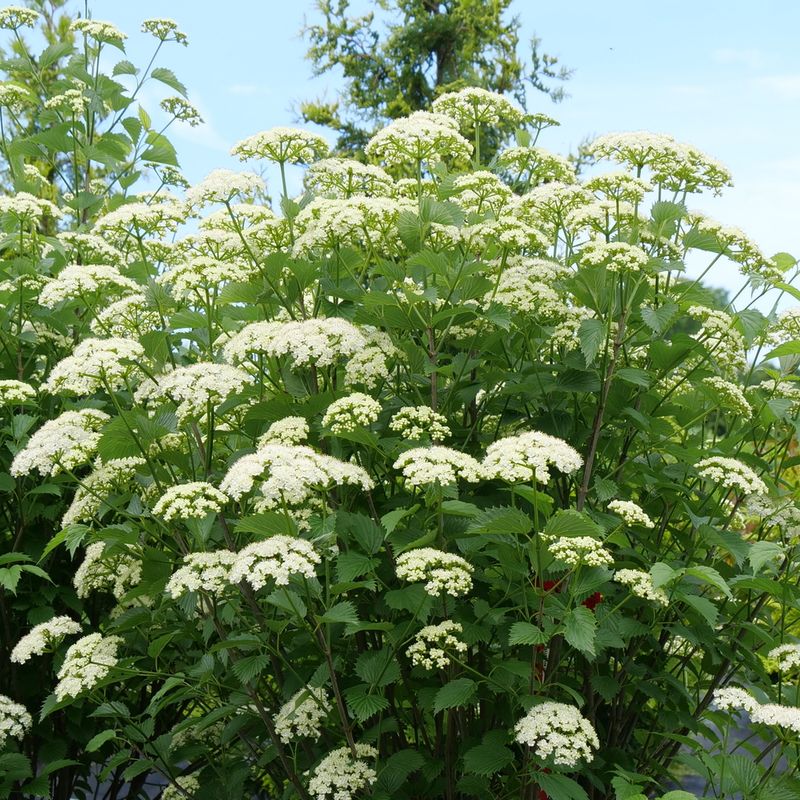
Few native Ohio shrubs look as tidy while still doing serious work as Arrowwood Viburnum (Viburnum dentatum). It grows in a strongly upright, multi-stemmed form that reaches 6 to 10 feet tall, and its branches stay dense from the base all the way to the top.
That full, bottom-to-top density is what separates it from shrubs that are thick at the crown but open at the base, which leaves a gap where sound can slip right through.
When planted in a tight row, with shrubs spaced about 4 feet apart, Arrowwood Viburnum forms a connected wall of stems and foliage that helps buffer noise from passing cars and nearby roads.
Your Ohio Garden Changes Every Week. Your Plan Should Too.
Gardening in Ohio changes quickly throughout the season. Every Friday you’ll receive a simple weekly plan showing exactly what to plant, prune, fertilize, harvest, and protect so you never miss the right timing.
The leaves are large and overlapping, which adds to the sound-diffusing effect during the growing season.
Even in winter, the woody stems remain dense enough to provide some year-round buffering.
Arrowwood Viburnum is also impressively adaptable. It tolerates clay soils, occasional wet spots, and partial shade, all of which are common challenges in Ohio yards.
Ohio State University Extension lists it as a reliable native shrub for difficult sites. Planting it alongside taller shrubs like American Hazelnut or Nannyberry creates a multi-height barrier that is much more effective than a single species row.
Creamy white spring flowers and blue-black summer berries make it a wildlife favorite too.
3. Ninebark Builds A Wide Barrier That Breaks Up Sound
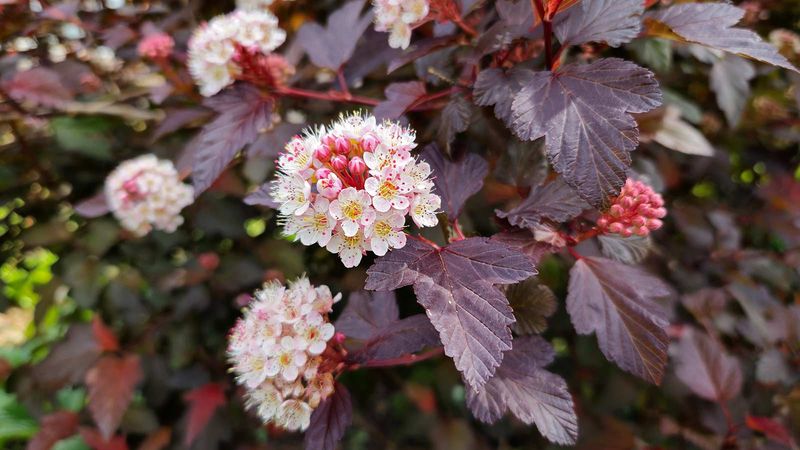
Ninebark (Physocarpus opulifolius) has a fountain-like shape that spreads outward as much as it grows upward, and that wide, arching form is a real asset when you are trying to block sound. Sound waves do not just travel in straight lines.
They scatter and bounce, and a wide shrub with dense, layered branching disrupts that movement more effectively than a narrow upright plant. Ninebark typically reaches 5 to 10 feet tall and just as wide, making it one of the more substantial native options available in Ohio.
Planting Ninebark in a staggered double row, with plants offset from each other, creates a barrier with real depth. That depth matters because sound loses energy as it passes through layers of stems and leaves.
According to the Arbor Day Foundation, depth and density together are what make plant barriers most effective at reducing noise. A single thin row simply cannot achieve the same result.
Ninebark is also one of the toughest native shrubs you can plant in Ohio. It tolerates drought, clay soil, and both full sun and partial shade.
Ohio State University Extension recognizes it as a low-maintenance native that establishes reliably across the state. The peeling, papery bark adds winter visual interest, and the creamy flower clusters in late spring attract pollinators.
For gardeners who want noise reduction without a lot of upkeep, Ninebark is a strong, practical choice.
4. Silky Dogwood Spreads Dense Growth That Muffles Noise
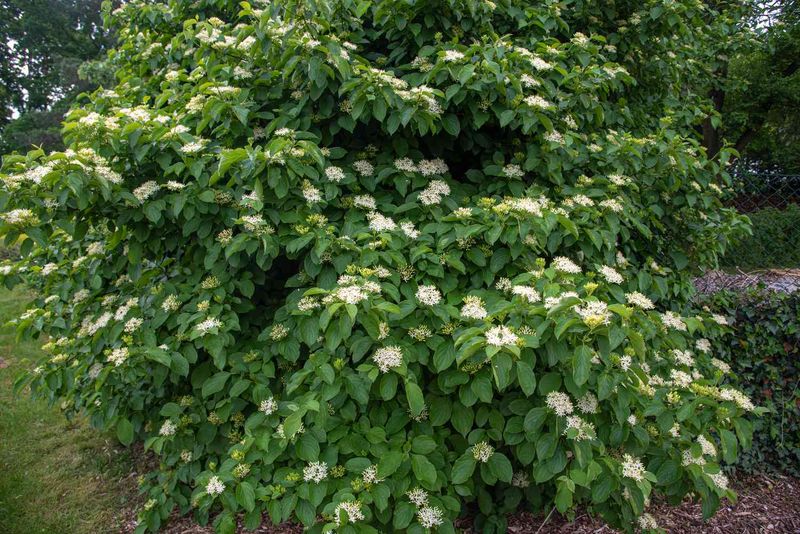
Near drainage ditches, wet swales, or low-lying spots along Ohio roads, Silky Dogwood (Cornus amomum) does something few other shrubs can match.
It spreads steadily through root sprouts to form broad, arching colonies that fill in horizontal space as well as vertical height.
That spreading, colony-forming habit is exactly what creates the kind of continuous, gap-free coverage that helps muffle noise.
Sound tends to find the path of least resistance. Where there are gaps in a planting, noise slips through easily.
Silky Dogwood naturally fills those gaps over time, sending up new stems to replace any that thin out. At maturity, colonies can reach 6 to 9 feet tall with a spread that keeps expanding unless managed.
For noise-reduction purposes, that spreading tendency is actually a benefit rather than a problem.
Silky Dogwood performs best in moist to wet soils, which makes it ideal for areas where other shrubs may struggle to establish. Ohio State University Extension notes that it is well suited to riparian and buffer strip plantings across the state.
For a road-facing barrier, plant Silky Dogwood in the lowest or wettest sections of your property and pair it with upland species like Arrowwood Viburnum or Ninebark on drier ground.
White flower clusters in late spring and bluish berries in late summer add seasonal interest while the shrub quietly does its sound-buffering work.
5. Gray Dogwood Fills Gaps With Thick Sound-Reducing Growth
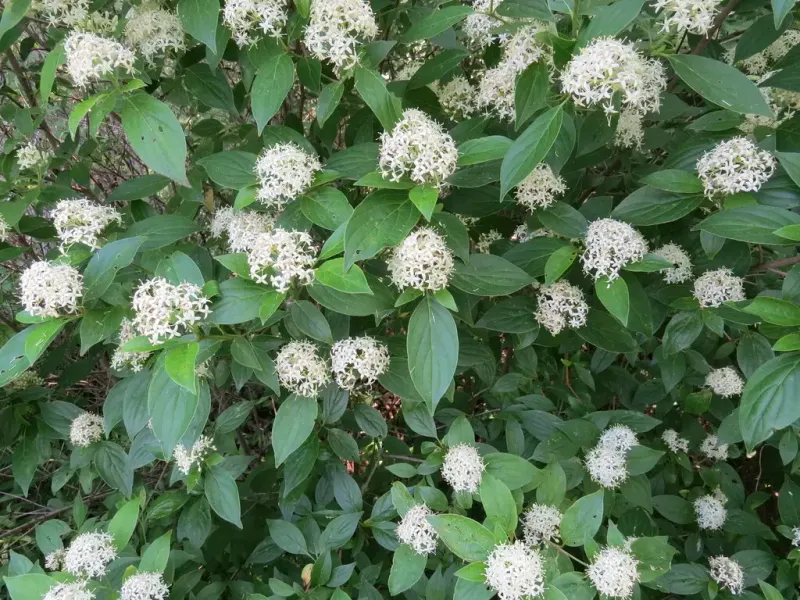
Speed matters when you are trying to establish a noise buffer, and Gray Dogwood (Cornus racemosa) is one of the fastest-spreading native shrubs in Ohio.
It spreads aggressively through root suckers, filling open areas and gaps in a planting with dense stems and foliage within just a few growing seasons.
For homeowners dealing with noise now, that quick establishment makes a real difference.
The way Gray Dogwood fills space is particularly valuable for noise reduction. Sound travels easily through open gaps in a shrub row, but Gray Dogwood naturally plugs those openings by sending up new stems wherever there is bare ground.
Over time, a planting of Gray Dogwood becomes a nearly seamless thicket that sound has a much harder time passing through. It typically grows 6 to 10 feet tall and can spread just as far or farther horizontally.
Gray Dogwood is adaptable to a wide range of Ohio soils and tolerates both dry upland sites and moderately moist conditions. That flexibility makes it useful across different parts of a road-facing property.
Ohio State University Extension recommends it for naturalized plantings and buffer strips. White berry clusters in late summer attract birds, and the foliage turns a rich reddish-purple in fall.
Plant Gray Dogwood in combination with taller shrubs behind it and lower groundcovers in front to create a layered barrier with real noise-buffering depth.
6. American Elderberry Adds Fast Growth That Helps Absorb Noise
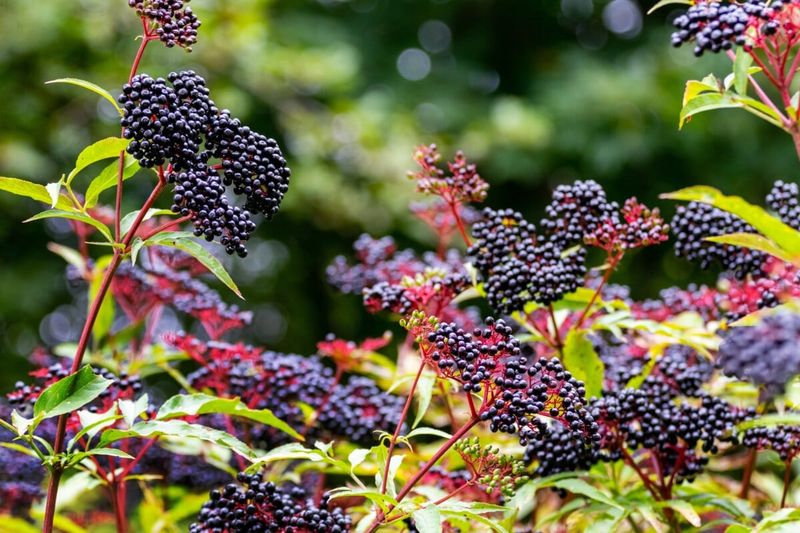
Gardeners who want results in the first season often turn to American Elderberry (Sambucus canadensis), and for good reason. It is one of the fastest-growing native shrubs in Ohio, capable of putting on several feet of new growth each year under good conditions.
That rapid growth means it can begin contributing to a noise-buffering planting much sooner than slower-establishing shrubs.
American Elderberry produces large, compound leaves with multiple leaflets that create a full, lush canopy during the growing season.
That dense summer foliage helps absorb and scatter sound, particularly from mid-spring through early fall when traffic noise is most noticeable in outdoor spaces.
However, it is important to be realistic about elderberry’s limitations. It loses its leaves in winter and its stems are relatively soft compared to woodier shrubs, so it works best as part of a layered planting rather than as a standalone noise barrier.
Pairing American Elderberry with woodier, denser shrubs like Arrowwood Viburnum or Ninebark gives you the best of both worlds: fast early coverage from the elderberry and lasting structural density from the slower-growing species.
American Elderberry tolerates moist soils, partial shade, and a range of Ohio soil types.
Ohio State University Extension notes its value for wildlife, as the dark purple berries attract more than 40 bird species. Plant it 5 to 6 feet apart in rows for a quick-filling, productive noise buffer.
7. Buttonbush Thrives In Wet Spots While Buffering Sound
Wet, poorly drained spots near roads are often the hardest places to establish a noise buffer. Most shrubs struggle in standing water or heavy clay that stays soggy for weeks.
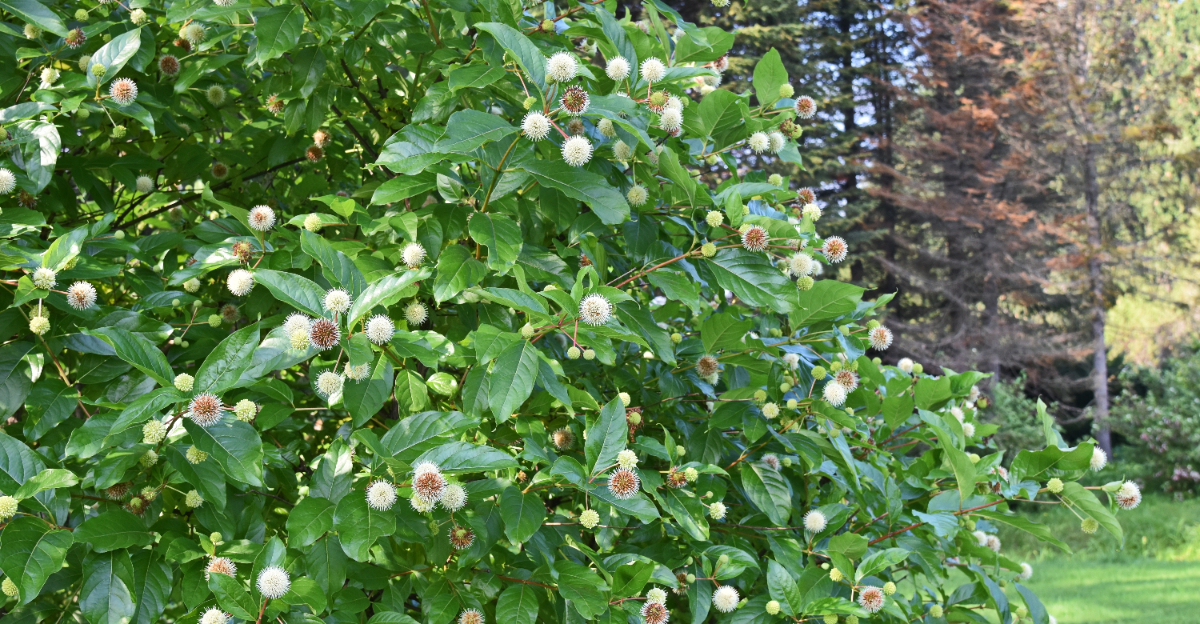
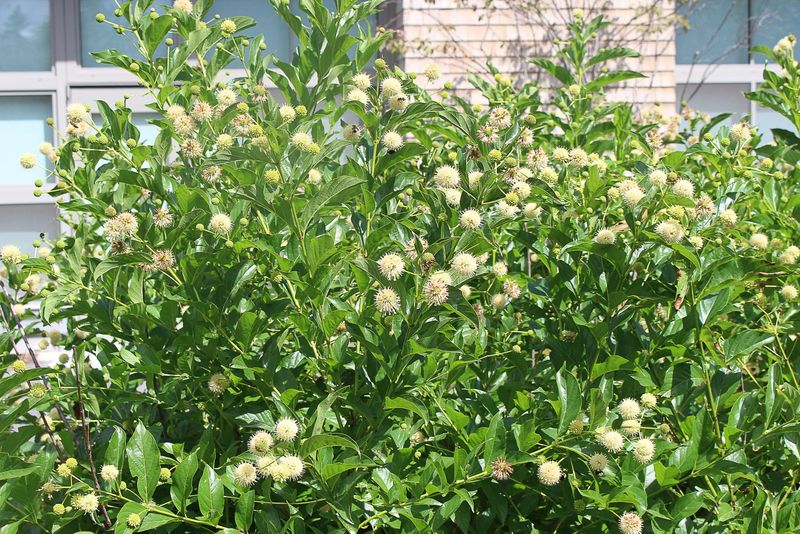
Buttonbush (Cephalanthus occidentalis) is one of the few native Ohio shrubs that actually thrives in those conditions, making it an important option for filling in the low spots that other plants simply avoid.
By establishing dense growth in areas that would otherwise stay bare, Buttonbush prevents sound from slipping through unplanted gaps in a road-facing buffer.
It typically grows 6 to 12 feet tall with a rounded, multi-stemmed form and dense branching that helps interrupt sound throughout the growing season.
Its leaves are large and glossy, adding to the foliage mass that helps scatter and absorb noise.
Buttonbush works best as part of a layered planting rather than as a sole barrier. Use it in the lowest, wettest sections of your property and plant denser, woodier shrubs like Silky Dogwood or Arrowwood Viburnum alongside it on slightly higher ground.
Together, they create a continuous barrier that covers varied terrain without leaving gaps. Ohio State University Extension recognizes Buttonbush as a valuable native for wet buffer areas throughout Ohio.
The round, white flower heads in midsummer are a pollinator magnet, and the seeds attract waterfowl and songbirds through the fall and winter months.
8. New Jersey Tea Supports Layered Plantings That Reduce Noise
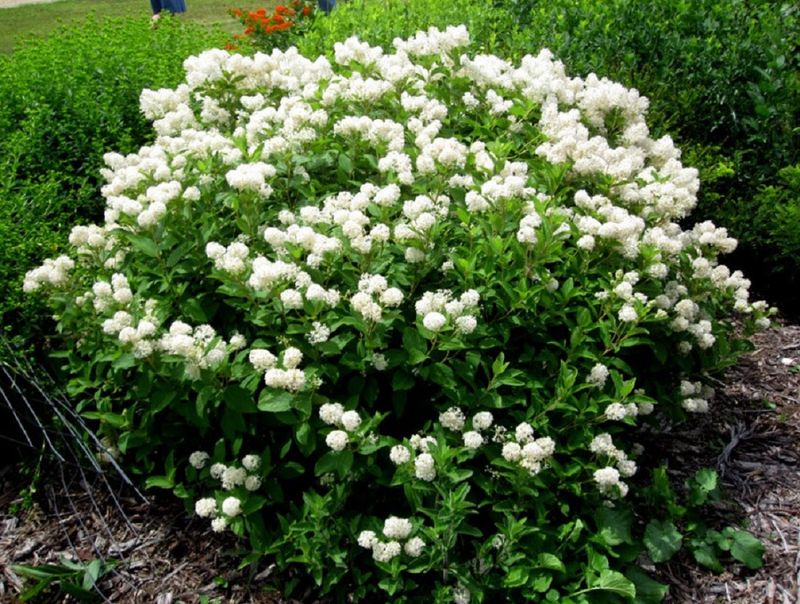
Not every shrub in a noise-buffering planting needs to be tall. New Jersey Tea (Ceanothus americanus) tops out at about 2 to 4 feet, which makes it one of the shorter native Ohio shrubs, but that modest height fills a critical role in a layered planting strategy.
Sound does not just travel at head height. It also moves close to the ground, and low-growing shrubs help intercept those lower sound waves that taller plants miss entirely.
A well-designed noise buffer uses plants of different heights, from groundcovers and low shrubs at the front to medium shrubs in the middle and tall shrubs or trees at the back. New Jersey Tea is ideal for that front layer.
Planted along the road-facing edge of a buffer, it closes off the lower zone and forces sound to work harder to pass through the full planting. Without that low layer, even a dense row of taller shrubs leaves an open band near the ground where noise travels freely.
New Jersey Tea is also one of the more drought-tolerant native shrubs in Ohio, making it a practical choice for drier, well-drained soils where other plants may struggle. Ohio State University Extension highlights its value for dry, open sites across the state.
The clusters of small white flowers in early summer attract native bees and butterflies. Space plants about 3 feet apart to encourage them to knit together into a solid low layer that supports the taller shrubs behind them.