These Citrus Trees Give California Backyards Shade And Fresh Fruit
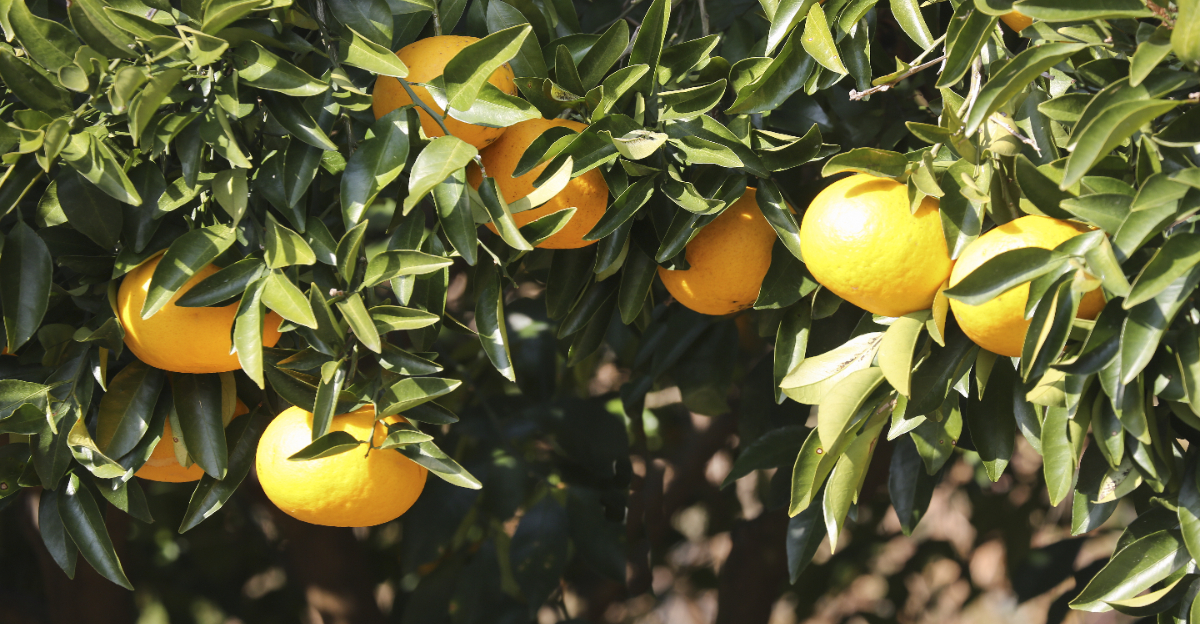
A citrus tree in a California backyard is doing double duty in the best possible way. It throws some welcome shade when the sun is relentless, and it also hands over fresh fruit like it is showing off.
That is a pretty great deal for one tree. With the right variety, you can get glossy leaves, fragrant spring blossoms, bright pops of color, and a harvest that makes grocery store produce seem a little less exciting.
Some citrus trees stay compact enough for smaller yards, while others spread out beautifully and become real focal points in the landscape. Either way, they bring that classic California feel people never seem to get tired of.
A yard with a citrus tree just feels more alive, more useful, and a lot more inviting. If you are looking for something that adds beauty and earns its keep, these fruiting shade trees make a strong case for claiming a sunny spot in the backyard.
1. Meyer Lemon
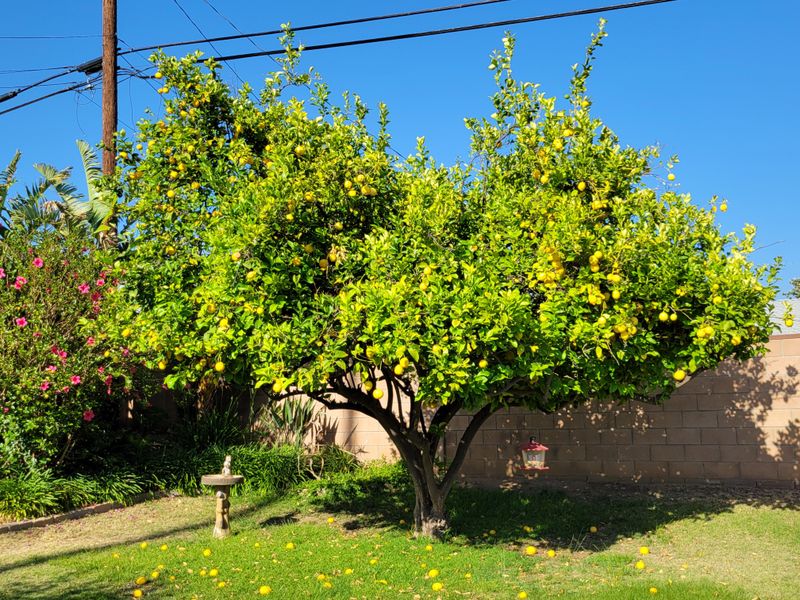
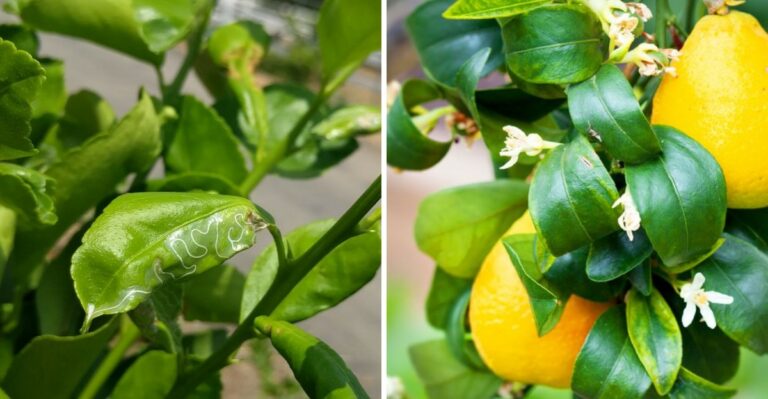
Few backyard trees bring as much joy as a Meyer lemon loaded with ripe, golden fruit. Originally from China and brought to the United States in the early 1900s, this popular hybrid is a cross between a lemon and a mandarin orange.
That unique background gives it a sweeter, less tangy flavor compared to regular lemons.
In California, Meyer lemons are a top choice for home gardeners because they are easy to grow and fruit almost year-round. They stay relatively compact, usually reaching 6 to 10 feet tall, so they fit nicely in smaller yards or even large containers on a sunny patio.
The glossy dark green leaves also make the tree look attractive all year long.
Plant yours in a spot that gets at least 6 to 8 hours of direct sunlight each day. Water deeply but let the soil dry out a bit between watering sessions.
Feed the tree with a citrus-specific fertilizer three times a year, in spring, summer, and fall. You will be rewarded with juicy lemons perfect for lemonade, baking, and cooking.
Neighbors across California swear by this tree as a backyard essential.
2. Eureka Lemon
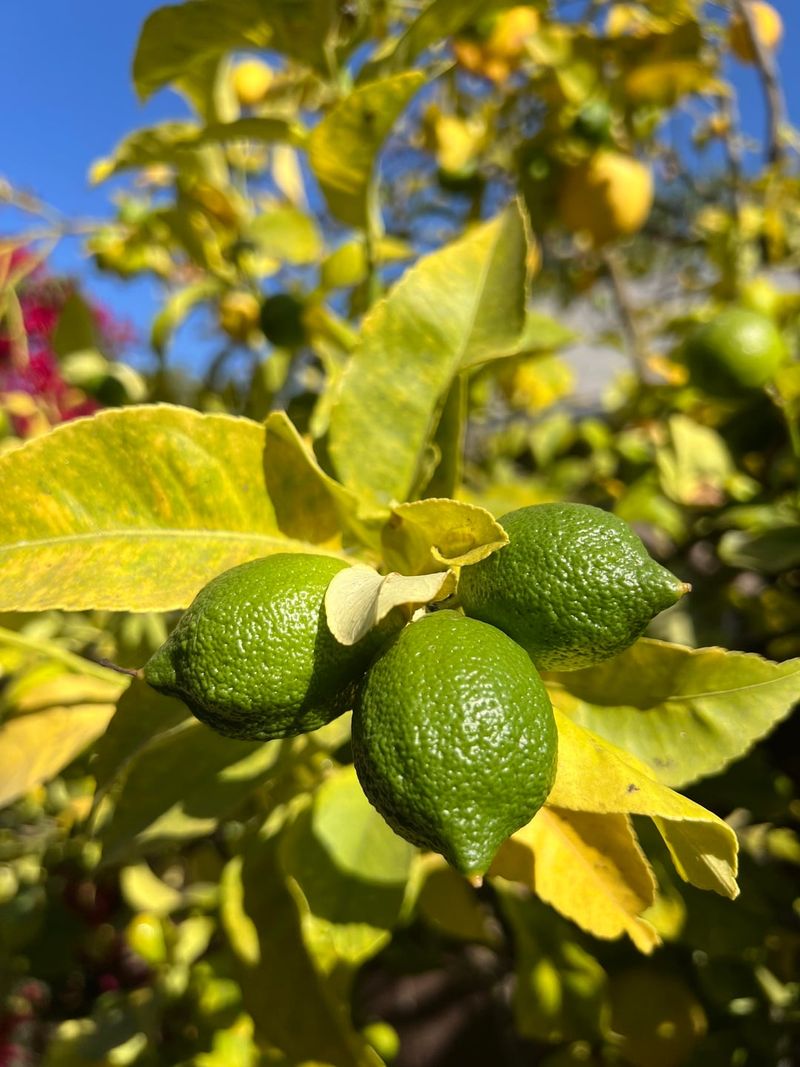
Walk through almost any older California neighborhood and you are likely to spot a Eureka lemon tree standing tall in a front or backyard. This is the classic lemon you see at grocery stores, and it grows beautifully in the California climate.
Its bright yellow fruit, bold tart flavor, and nearly year-round production make it one of the most practical trees a homeowner can plant.
Eureka lemons can grow up to 20 feet tall if left unpruned, which means they offer real shade for patios, garden seating areas, and outdoor dining spaces. The canopy fills in nicely and stays green all year.
You can also keep it trimmed to a more manageable size if your yard is smaller.
This tree does best in full sun and well-draining soil. It prefers consistent watering, especially during the hot California summers.
One thing that sets the Eureka apart from other lemon varieties is that it tends to produce fruit throughout the year rather than in just one season. That means fresh lemons are almost always within reach.
Your California Garden Changes Every Week. Your Plan Should Too.
Gardening in California changes quickly throughout the season. Every Friday you’ll receive a simple weekly plan showing exactly what to plant, prune, fertilize, harvest, and protect so you never miss the right timing.
Squeeze them into drinks, use the zest in recipes, or share a bag with friends. It is a tree that truly earns its place in your yard.
3. Washington Navel Orange
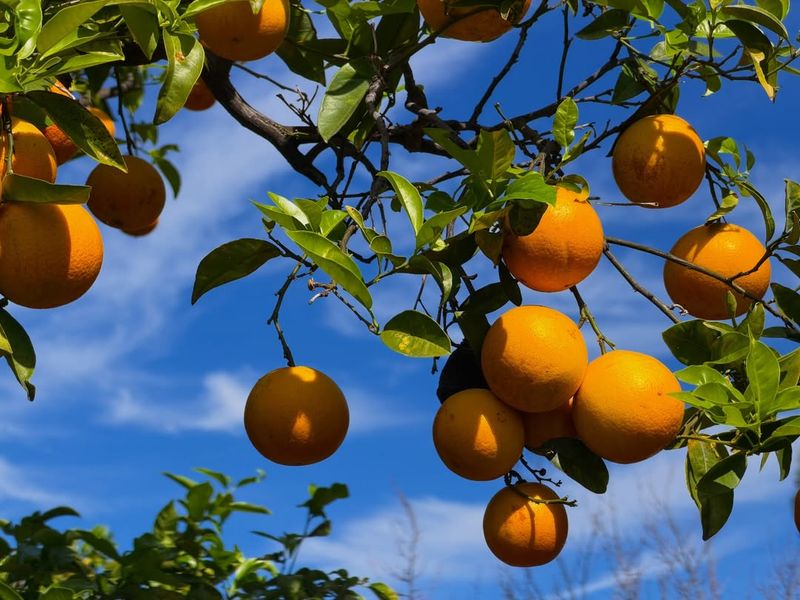
Sweet, seedless, and incredibly satisfying to peel, the Washington Navel orange is a California classic. This variety has been grown commercially in the state since the 1870s, and it remains one of the most beloved backyard fruit trees across Southern California and the Central Valley.
The fruit is easy to eat fresh, making it a favorite for families with kids.
What makes this tree especially great for backyards is its size and canopy. A mature Washington Navel can grow 15 to 25 feet tall and spread just as wide, creating a generous amount of shade.
The thick, glossy leaves stay green year-round, so the tree looks beautiful even when it is not fruiting. Blossoms appear in late winter or early spring and fill the yard with a sweet, heavenly fragrance.
Plant it in full sun with well-draining soil for the best results. This variety ripens from November through April, which means fresh oranges through the cooler months.
Regular fertilizing with a balanced citrus formula helps maintain strong growth and a heavy harvest. Avoid overwatering, as soggy roots can cause problems.
With a little consistent care, this tree will reward your California backyard with decades of beautiful shade and delicious, juicy oranges every season.
4. Valencia Orange
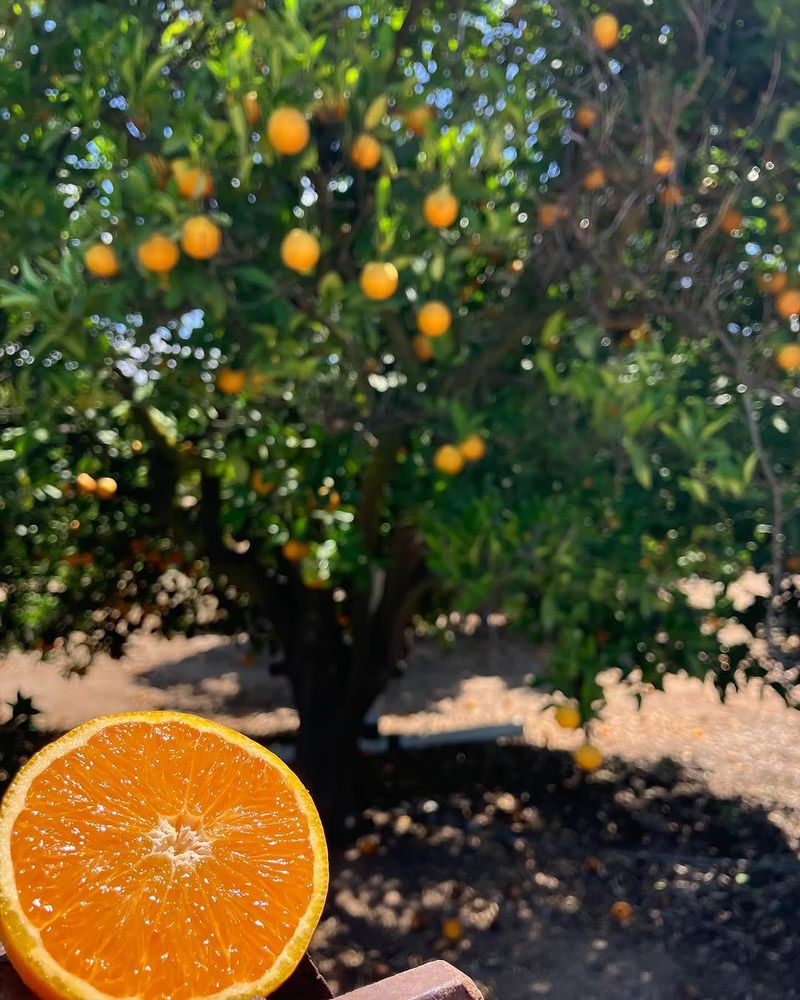
If the Washington Navel is the king of eating oranges, then the Valencia is the undisputed champion of fresh-squeezed juice. This variety ripens later in the season, typically from April through October, which means your yard can have fresh oranges well into summer.
That extended season makes it a perfect companion for a Navel tree, giving you citrus fruit from fall all the way through the warm months.
Valencia oranges are thin-skinned and packed with sweet, juicy flesh. The trees themselves are vigorous growers and can reach 15 to 20 feet tall.
In California backyards, they develop full, rounded canopies that provide solid afternoon shade. The dense, dark green foliage is attractive throughout the year.
One quirky trait of Valencia oranges is something called re-greening. As temperatures warm up in summer, the ripe fruit may turn slightly green on the outside while remaining perfectly sweet inside.
Do not let the color fool you. It is still delicious.
Plant this tree in a sunny spot with good drainage, and water it deeply but not too frequently. A regular feeding schedule will keep growth strong.
Valencia oranges are a summer staple in California homes and a smart addition to any backyard citrus collection.
5. Satsuma Mandarin
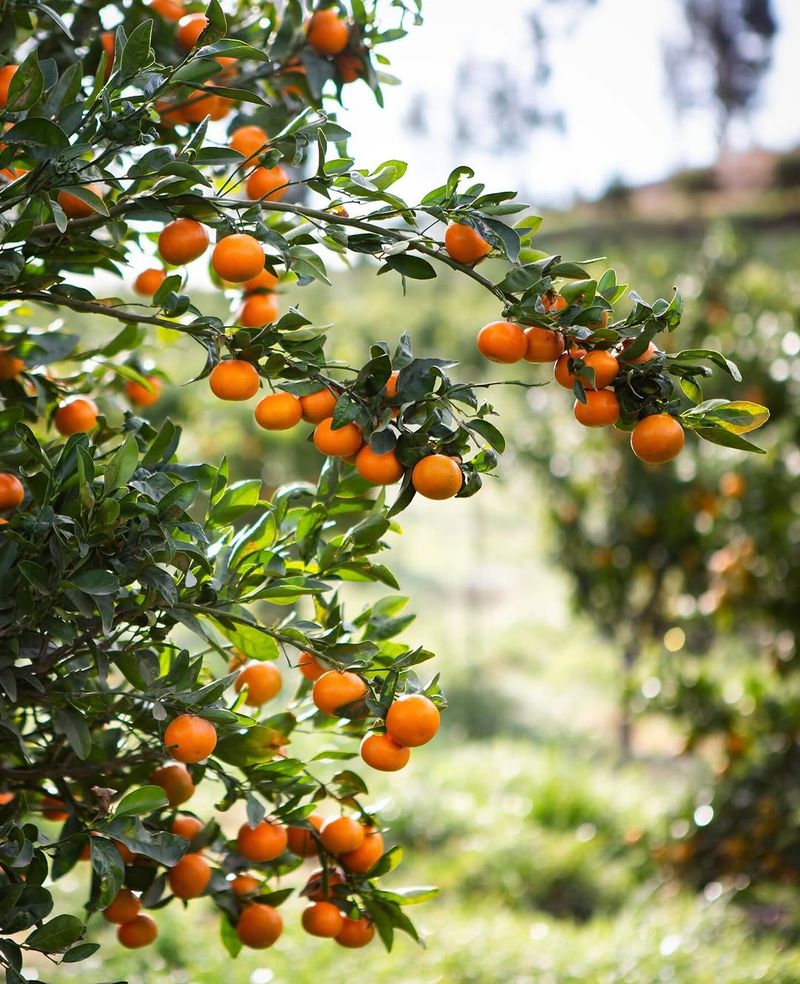
Cold mornings do not slow down a Satsuma mandarin. Out of all the citrus varieties suited for California backyards, this one stands out for its impressive cold tolerance.
It can handle temperatures down into the upper 20s, making it a solid choice for gardeners in cooler inland valleys or areas that occasionally see frosty nights in winter.
Satsumas are beloved for their loose, easy-to-peel skin and sweet, nearly seedless segments. Kids especially love them because they are so simple to eat.
The fruit ripens early in the season, usually from October through December, which means you are enjoying fresh mandarins right as the holidays approach. The trees stay on the smaller side, typically 6 to 12 feet tall, making them great for compact California backyards.
The canopy is full and lush, with large, dark green leaves that provide good shade despite the tree’s modest height. Plant it in full sun and give it well-draining soil.
Satsumas do not require as much heat to ripen as some other citrus varieties, so they perform well in coastal California areas where summers are mild. Regular watering and a seasonal citrus fertilizer will keep the tree healthy and productive for many years.
It is a reliable, rewarding tree for any yard.
6. Kishu Mandarin
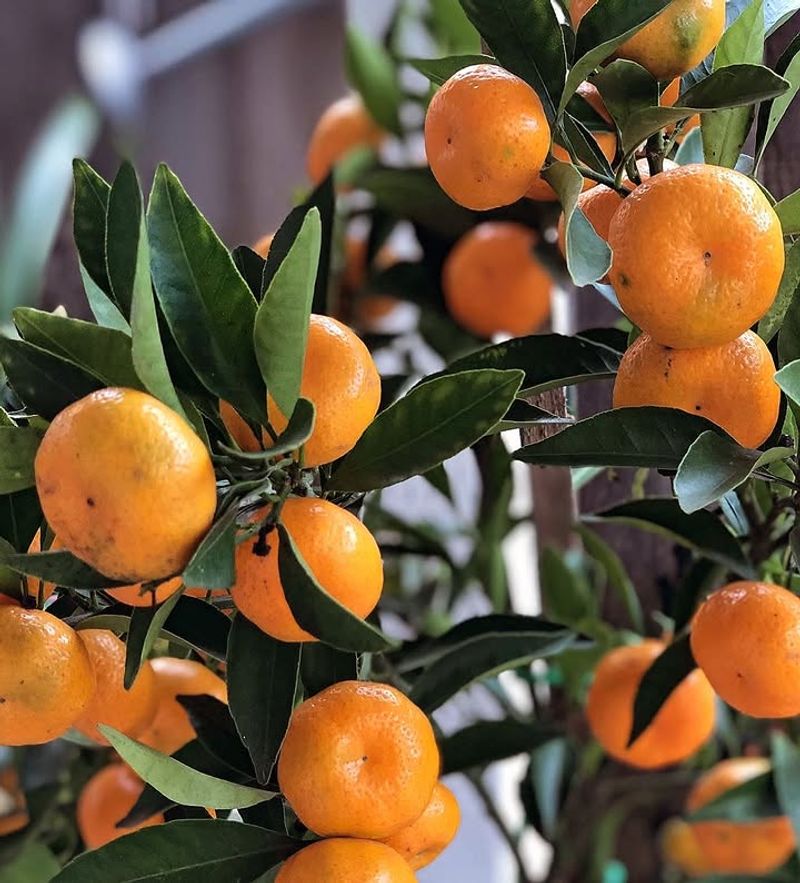
Tiny, sweet, and almost too cute to eat, Kishu mandarins are a hidden gem in the California citrus world. Originally from Japan, this variety produces small, golf ball-sized fruits that are completely seedless and have a thin, easy-to-peel skin.
Pop one in your mouth and the burst of sweet citrus flavor is genuinely impressive for such a small fruit.
Kishu trees are compact, rarely exceeding 8 to 10 feet in height. That makes them ideal for smaller California backyards, raised garden beds, or even large containers on a sunny patio or deck.
Despite their smaller size, the trees produce generously and the fruit ripens in late fall to early winter, filling your yard with color right when you need a cheerful boost.
Because they are not as widely grown commercially, Kishus feel like a special find at farmers markets and specialty stores. Growing your own means you get them at peak ripeness, which is a treat you simply cannot buy.
Full sun and regular watering keep the tree thriving. A citrus fertilizer applied in early spring and again in late summer supports healthy fruiting.
California gardeners who try the Kishu mandarin often say it becomes their favorite tree in the yard. It is that good.
7. Bearss Lime
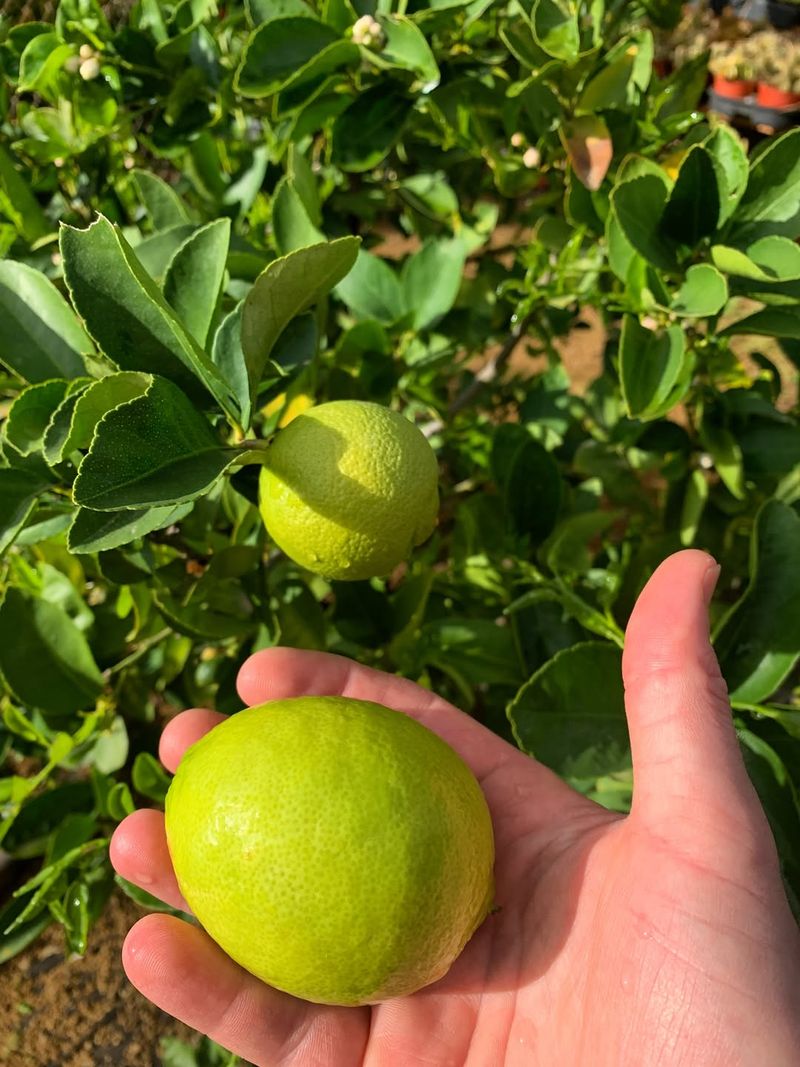
Limes in a California backyard? Absolutely.
The Bearss lime, also known as the Persian lime, is the most commonly grown lime variety in the state, and for good reason. It produces large, seedless, juicy limes that are perfect for cooking, cocktails, and fresh-squeezed drinks.
The flavor is bright, tart, and wonderfully aromatic.
Bearss lime trees grow 10 to 15 feet tall and develop a nicely rounded, dense canopy. The deep green leaves are glossy and attractive all year long, adding a tropical feel to any California outdoor space.
The tree blooms with fragrant white flowers, and the limes ripen from late fall through spring. Unlike some citrus varieties, Bearss limes actually hold well on the tree for an extended period, so you can harvest them gradually as you need them.
Keep in mind that limes are more cold-sensitive than lemons or oranges, so they do best in Southern California or other warm, frost-protected areas of the state. Plant them in a warm, sunny spot with good drainage and shelter from strong winds.
Water consistently and fertilize regularly during the growing season. Once established, a Bearss lime tree becomes a go-to source of fresh citrus that makes every meal and backyard gathering feel a little more special.
8. Oroblanco Grapefruit
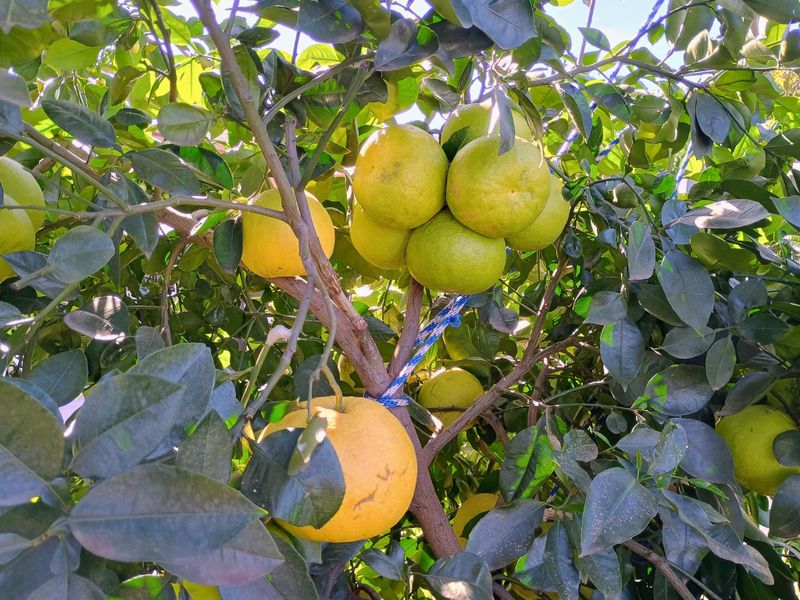
Not everyone loves the sharp bitterness of a regular grapefruit, and that is exactly why the Oroblanco exists. A cross between a pomelo and a white grapefruit, the Oroblanco delivers a sweet, mellow citrus flavor without that intense bite.
The name literally means “white gold” in Spanish, and once you taste one, you will understand why it earned such a name.
The fruit is large, round, and greenish-yellow on the outside, staying that color even when fully ripe. Inside, the pale flesh is juicy, fragrant, and surprisingly sweet.
Oroblanco trees can grow quite large, reaching 15 to 20 feet, with a wide, spreading canopy that offers excellent shade. In California, they thrive in warm inland areas where summers are long and hot.
This variety actually needs more heat than other citrus types to develop its best flavor, which is why the Central Valley and inland Southern California are ideal growing regions. Plant it in a full-sun location with deep, well-draining soil.
Water regularly and fertilize through the growing season. The fruit ripens from late fall through winter, making it a welcome treat during the cooler months.
Oroblanco is a standout choice for California gardeners who want a grapefruit-style tree without the bitterness.
9. Nagami Kumquat
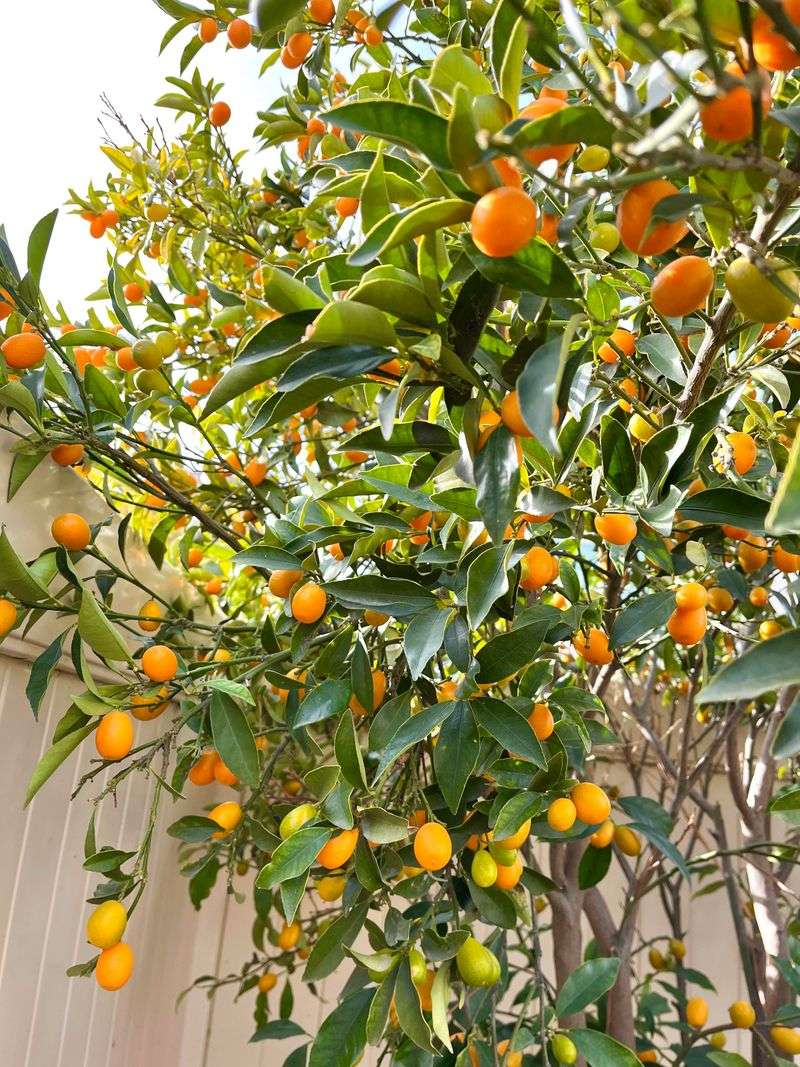
Here is something fun: the Nagami kumquat is the only citrus fruit you eat whole, skin and all. The outer peel is actually sweet while the inside flesh is tart, so each tiny fruit delivers a surprising flavor combination in just one bite.
Kids find them fascinating, and adults love popping them as a snack straight off the tree.
Nagami kumquat trees are compact and ornamental, typically growing 8 to 12 feet tall. They are covered in glossy dark green leaves and produce an abundance of small, oval, bright orange fruits from fall through early winter.
When the tree is loaded with fruit, it looks almost like a decoration. In California, it makes a stunning focal point in any backyard landscape.
One of the best things about this tree is its cold hardiness. Kumquats are among the most cold-tolerant citrus varieties, making them a reliable choice for gardeners across a wide range of California climates, including some cooler coastal and foothill areas.
They do well in containers too, which is great for smaller spaces or apartments with sunny patios. Give them full sun, consistent watering, and a citrus fertilizer a few times a year.
The Nagami kumquat is low-maintenance, beautiful, and endlessly entertaining to grow.
10. Cara Cara Orange
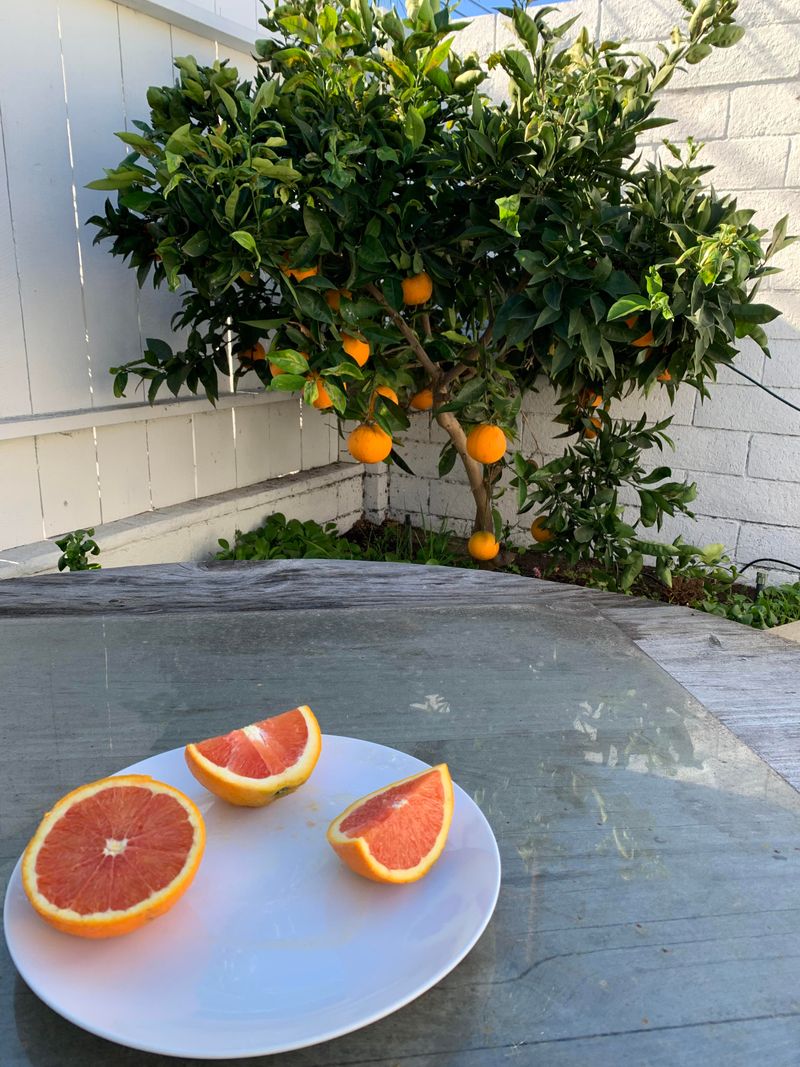
Crack open a Cara Cara orange and prepare to be surprised. The inside flesh is a deep pink to red color, similar to a pink grapefruit, but the flavor is sweeter and has hints of cherry and berry mixed in with the classic orange taste.
It is genuinely one of the most interesting citrus fruits you can grow in a California backyard.
Cara Cara is a type of navel orange that was first discovered in Venezuela in the 1970s. It found a perfect home in California, where the warm climate brings out the rich color and full flavor of the fruit.
The trees grow to a similar size as Washington Navel oranges, reaching 15 to 20 feet, and they develop a full, rounded canopy perfect for backyard shade. Fruit ripens from December through April.
Plant Cara Cara in full sun with well-draining soil. It thrives in the same conditions as other navel oranges and responds well to regular fertilizing and consistent watering.
The fruit is high in lycopene and vitamin C, making it as nutritious as it is beautiful. Slice them up for a colorful fruit salad, juice them for a stunning pink glass of fresh OJ, or simply eat them by hand.
Growing this tree in your California yard is something you will not regret.