These Are The Best Native Plants For South Texas Heat And Humidity
South Texas does not make gardening easy on just any plant. The heat can be intense, the humidity can feel nonstop, and together they create the kind of conditions that quickly show which plants can actually handle the job.
Some flowers and shrubs look great for a little while, then fade, flop, or start begging for more care than most people want to give. That is why native plants make so much sense in this part of the state.
They already know how to deal with the weather, which means they often hold up better and ask for a lot less in return.
There is also something satisfying about choosing plants that feel like they truly belong. Native varieties can bring color, texture, and movement to a South Texas yard without seeming out of place or overly delicate.
Many attract butterflies, bees, and birds, which makes the garden feel even more alive. For anyone tired of fighting the climate and losing, this is where things start to get easier.
The right native plants can take the heat, handle the humidity, and still make your yard look full, vibrant, and worth showing off.
1. Turk’s Cap
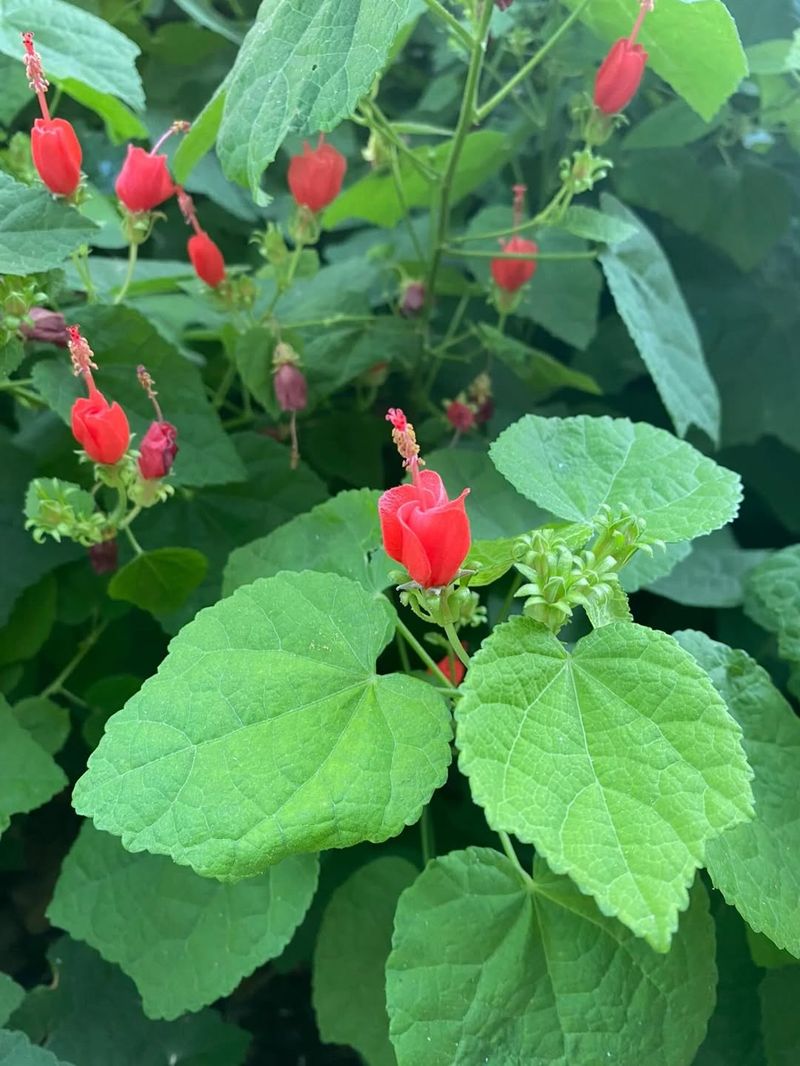
Some plants just seem made for South Texas, and Turk’s Cap is at the top of that list. With its bright red, twisted flowers that look like tiny party hats, this shrub is hard to miss and even harder to forget.
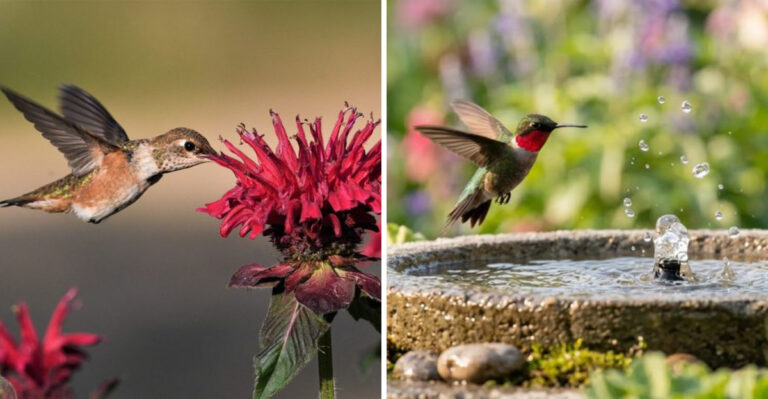
Hummingbirds and butterflies absolutely love it, so planting one near a window or patio gives you a front-row seat to the show.
Turk’s Cap is officially recognized as a South Texas native, and Texas Superstar has called it out specifically as a top pick for this region. It handles both sun and shade, which makes it incredibly flexible for different spots in your yard.
Got a shady corner that nothing else seems to like? Turk’s Cap will likely do just fine there.
One of the best things about this plant is how low-maintenance it really is. It can handle dry spells but also does well in moist soil, which means South Texas humidity is not a problem at all. Once it gets established, you barely have to think about it.
It grows as a shrub and can get fairly large if left alone, so giving it a little room to spread out is a smart move. You can prune it back if needed, and it will bounce right back.
For gardeners in South Texas who want color, wildlife activity, and easy care all in one plant, Turk’s Cap checks every single box without any fuss.
2. Scarlet Sage
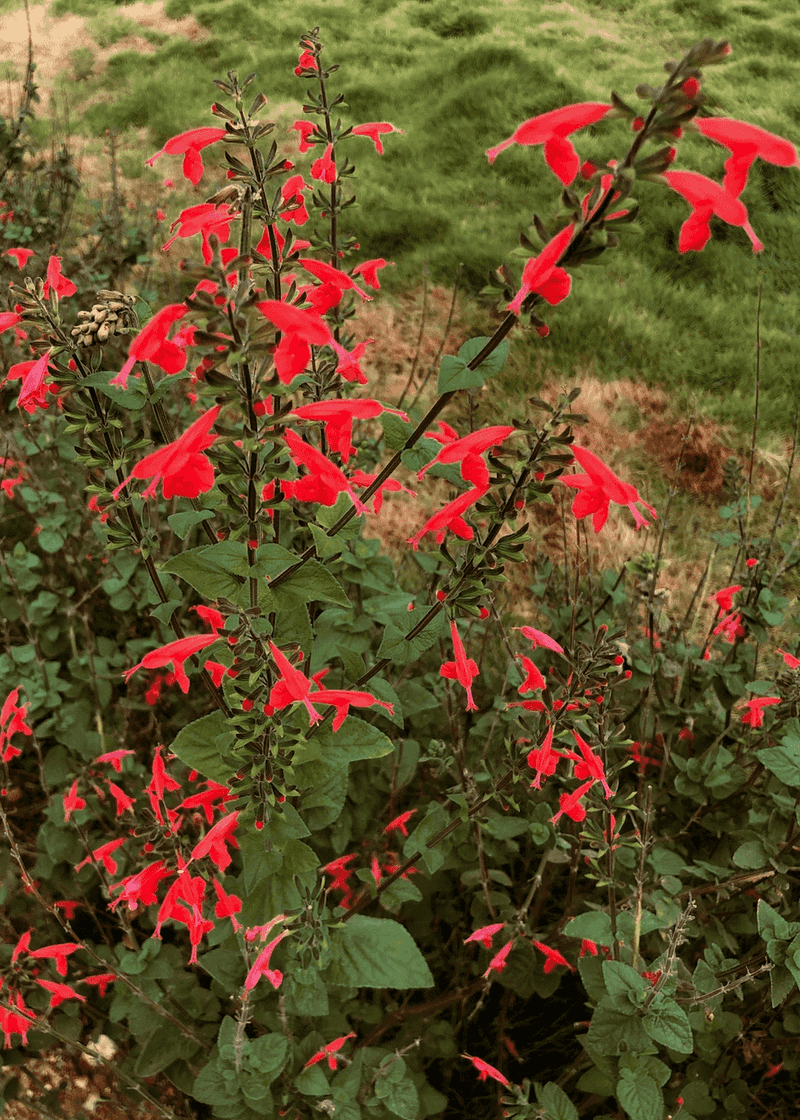
Picture a plant that bursts with deep red flower spikes, pulls in pollinators from across the yard, and barely asks for anything in return. That is scarlet sage in a nutshell.
The Lady Bird Johnson Wildflower Center lists it as native to east and south Texas, which means it is genuinely at home in the South Texas climate rather than just surviving it.
Your Texas Garden Changes Every Week. Your Plan Should Too.
Gardening in Texas changes quickly throughout the season. Every Friday you’ll receive a simple weekly plan showing exactly what to plant, prune, fertilize, harvest, and protect so you never miss the right timing.
Scarlet sage handles sun and part shade, which gives gardeners a lot of flexibility when planning where to put it. Its water needs are moderate, so it does not need constant attention during humid South Texas summers.
In fact, the natural humidity in this region can actually work in its favor during the warmer months.
This plant is a real magnet for hummingbirds. The long tubular red flowers are practically designed for them, and watching those tiny birds hover around the blooms is one of the best parts of having scarlet sage in your yard.
Butterflies and bees also show up regularly, making it a lively addition to any garden space. Scarlet sage works well in garden beds, along borders, or mixed in with other native plants for a layered look.
It tends to bloom from spring all the way into fall, giving South Texas gardeners months of color.
If you want something that is reliable, beautiful, and wildly popular with local wildlife, scarlet sage is absolutely worth planting in your South Texas garden this season.
3. Texas Frogfruit
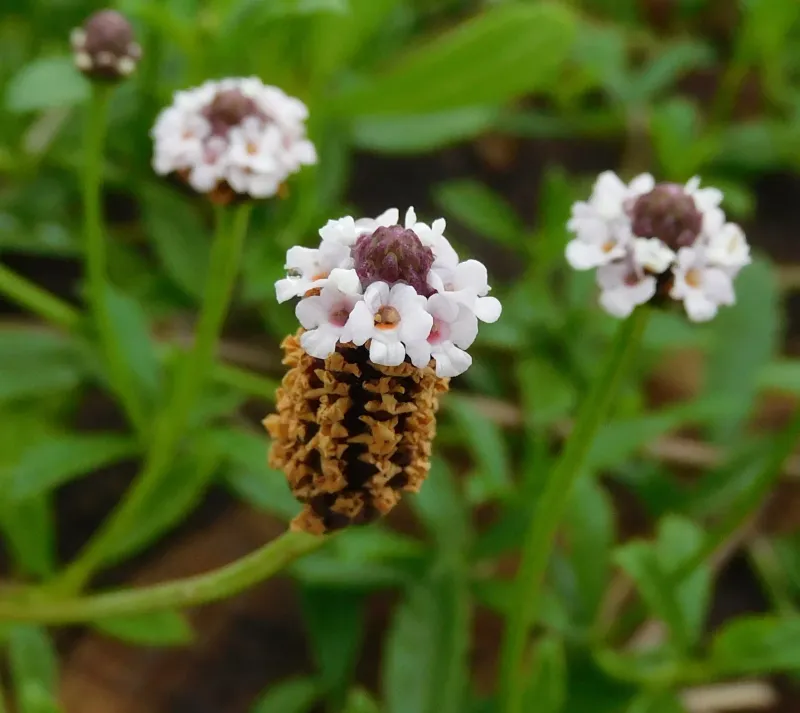
Ground covers do not always get the attention they deserve, but Texas frogfruit is one that absolutely earns its place in a South Texas garden. It spreads low and wide, fills in bare spots quickly, and holds up beautifully against the region’s relentless heat.
The Southern Texas Plains plant collection includes it, and the Wildflower Center notes it can stay evergreen during warm years, which in South Texas means it might stay green almost year-round.
The flowers are small but mighty. Tiny white and purple blooms appear throughout the growing season and attract a surprising number of pollinators, including native bees and butterflies.
It is actually a host plant for several butterfly species, which makes it a fantastic choice if you want to support local wildlife while keeping your garden looking tidy.
Texas frogfruit handles foot traffic better than many ground covers, making it a practical option for pathways or areas where grass struggles to grow. It is tough enough for full sun but can also manage in part shade, giving South Texas gardeners plenty of options for where to use it.
Watering needs are low once it gets established, and it spreads naturally without becoming invasive or difficult to manage.
If you have a slope, a dry patch, or a garden area where other plants have given up, Texas frogfruit is the reliable, hardworking ground cover that South Texas landscapes genuinely need. It is a quiet overachiever that makes a big difference over time.
4. Violet Ruellia
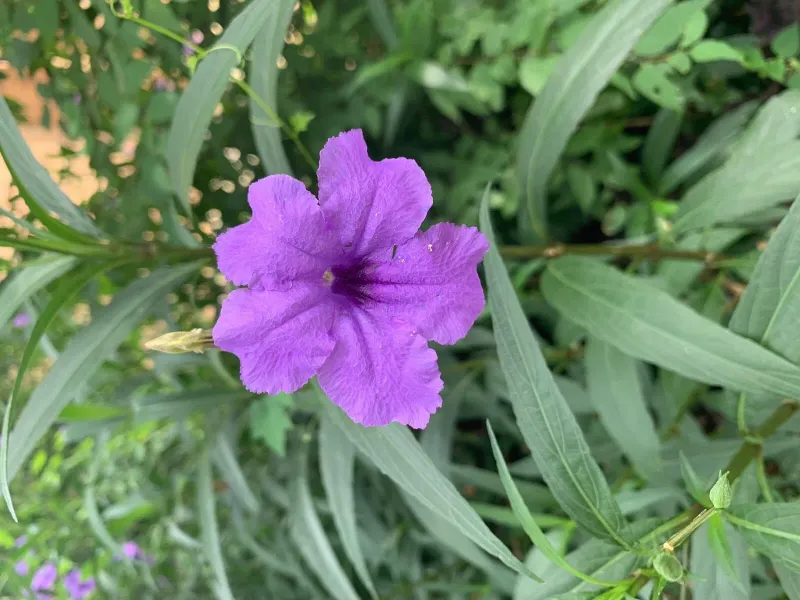
Not every plant can thrive in full sun, deep shade, and everything in between, but violet ruellia manages all three without missing a beat. The Wildflower Center gives it a broad tolerance rating for light conditions, from full sun to shade, and notes low to medium water needs.
For South Texas gardeners dealing with unpredictable weather and varying garden conditions, that kind of flexibility is genuinely valuable.
The flowers are a vivid purple and shaped like small trumpets, which makes them stand out nicely against the green foliage. They tend to bloom repeatedly throughout the warm season, so your garden gets a long stretch of color rather than just a short burst.
South Texas summers are long, and a plant that keeps flowering through all that heat is a real asset.
Violet ruellia appears in both the South Texas Plains and Southern Texas Plains collections, confirming it is a true regional native.
It is not just tolerating South Texas conditions; it genuinely belongs here. That means less stress on the plant and less effort from you to keep it looking good.
It works well as a border plant, a filler between larger shrubs, or even as a loose ground cover in shadier spots. Deer tend to leave it alone, which is a bonus for anyone gardening near open land in South Texas.
Once established, violet ruellia spreads gently on its own, filling in gaps and adding a steady pop of purple color to any garden setting.
5. Rock Rose
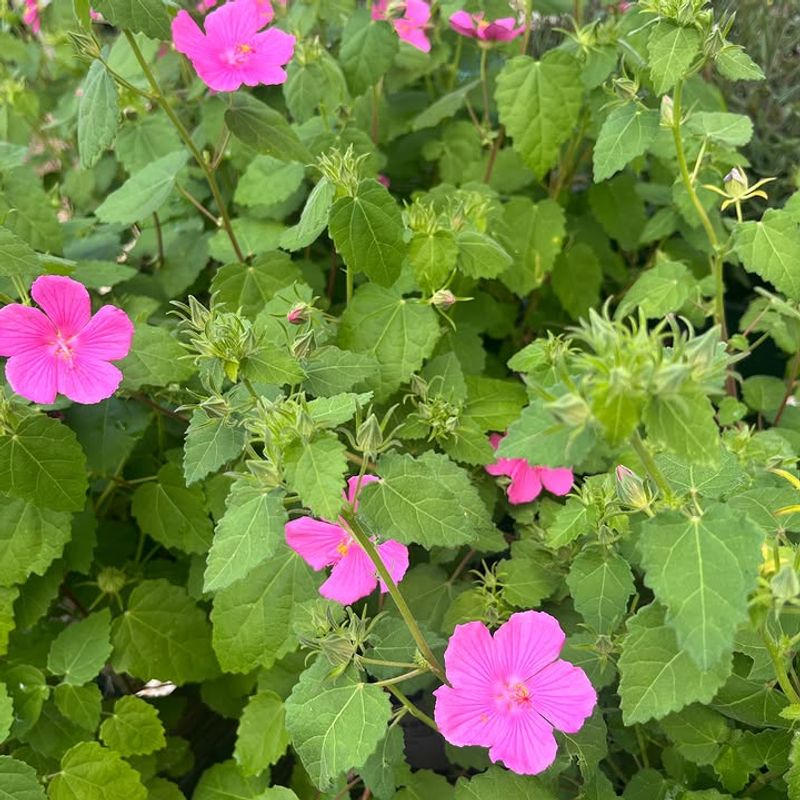
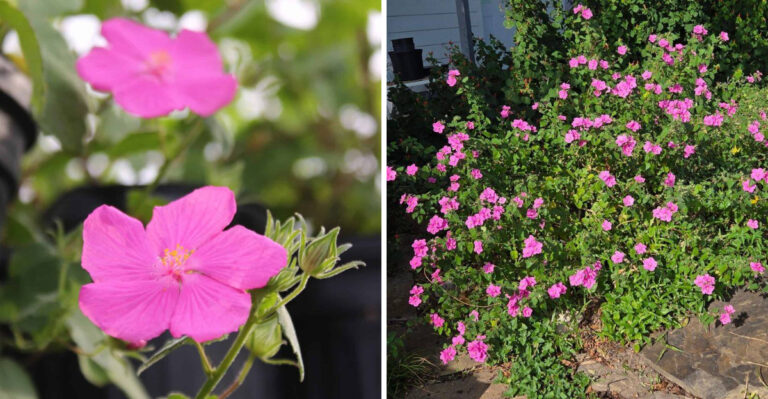
There is something almost cheerful about rock rose. Its soft pink, hibiscus-like flowers show up repeatedly through the growing season, and the plant itself looks tidy and well-behaved even in the harshest South Texas heat.
Listed in both the South Texas Plains and Texas-South collections, rock rose is a proven performer in this region and a dependable choice for gardeners who want consistent results.
The Wildflower Center notes that rock rose is adapted to sun and part shade with low water use and dry soil. That combination is practically a description of the average South Texas yard during a hot summer.
While other plants struggle or need constant watering, rock rose just keeps going and blooming like nothing is wrong.
Hummingbirds visit the flowers regularly, and the plant provides good structure in a garden bed even when it is not in bloom.
It grows as a loose shrub, usually reaching around three to four feet, which makes it a nice mid-height option for layered planting designs. It fits naturally alongside other South Texas natives without looking out of place.
Rock rose is also relatively easy to find at native plant nurseries in the South Texas area, so getting your hands on one should not be a challenge. Once you plant it in a sunny or lightly shaded spot with decent drainage, the maintenance is minimal.
For anyone building a low-water, high-reward South Texas garden, rock rose belongs on your must-plant list without question.
6. Gulf Muhly
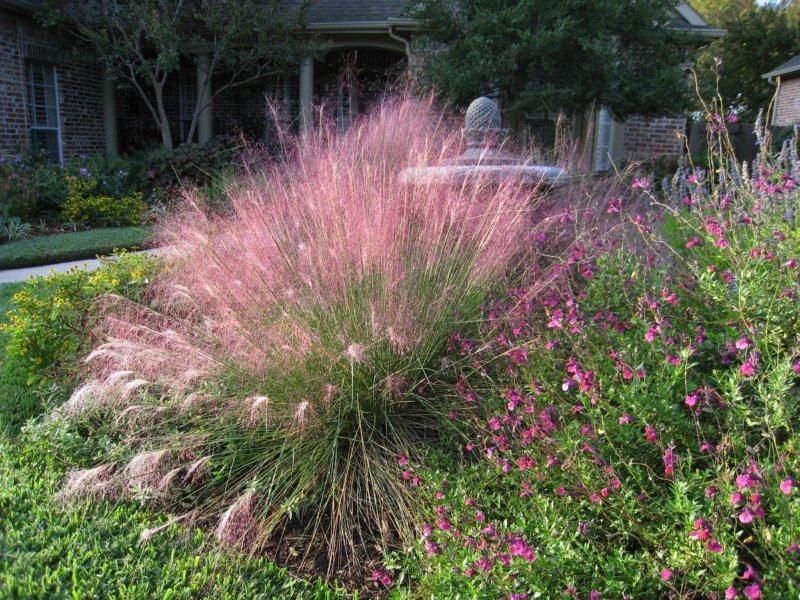
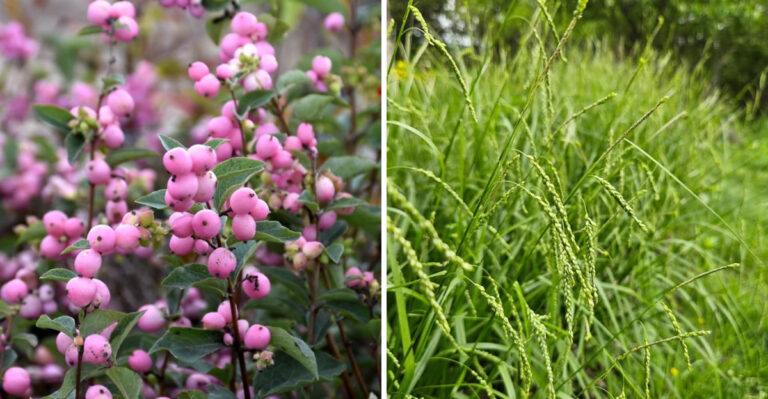
Every garden needs a moment of drama, and Gulf muhly delivers it every fall without fail. When this ornamental grass sends up its signature clouds of pink and purple plumes, it transforms even the most ordinary South Texas yard into something genuinely stunning.
It is one of those plants that makes neighbors stop and ask what it is, and the answer is always satisfying: a true South Texas native grass.
The Southern Texas Plains collection includes Gulf muhly, and the Wildflower Center lists it for full sun with low to medium water use.
That makes it a natural fit for the open, sunny spots that are so common across South Texas landscapes. It handles heat without complaint and does not need much water once it gets settled in.
Outside of its dramatic fall display, Gulf muhly is a tidy, clumping grass that adds texture and movement to the garden all year long.
The thin green blades sway in the breeze and give a garden a soft, natural feel even during the quiet months before the big bloom.
It pairs beautifully with flowering natives like rock rose or scarlet sage for a layered, dynamic look.
Maintenance is about as simple as it gets. Cut it back in late winter, and it comes roaring back in spring ready for another season.
It does not spread aggressively or take over neighboring plants. For South Texas gardeners who want big visual impact with minimal effort, Gulf muhly is one of the smartest plants you can add to your landscape this year.
7. Blue Mistflower
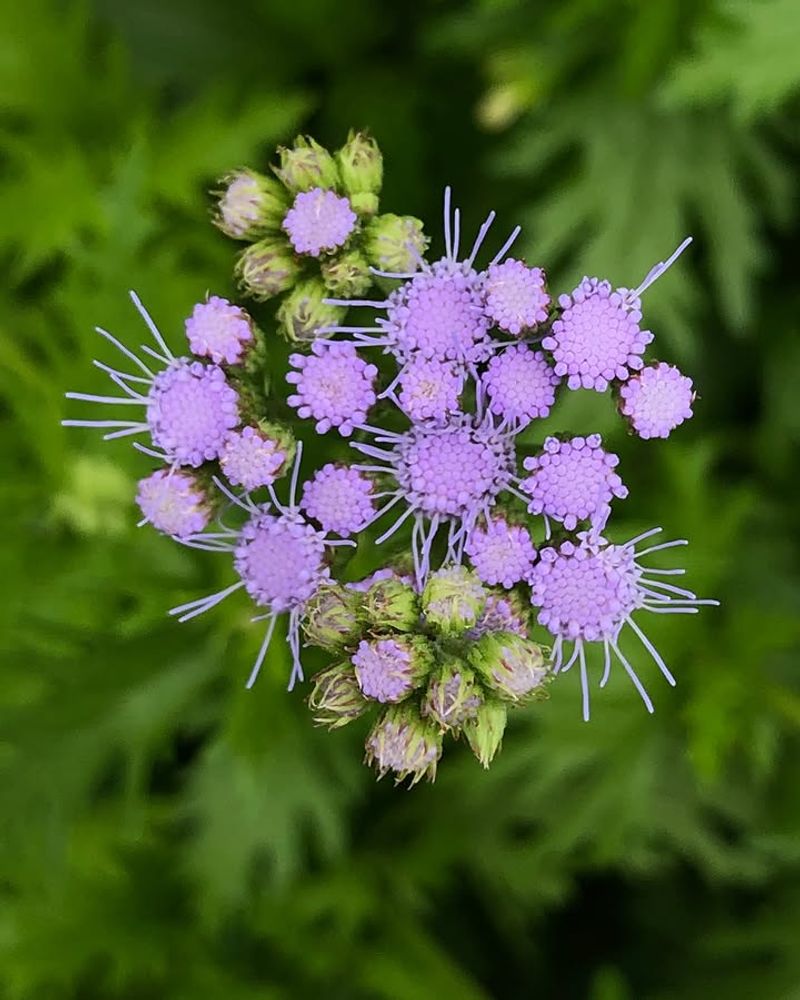
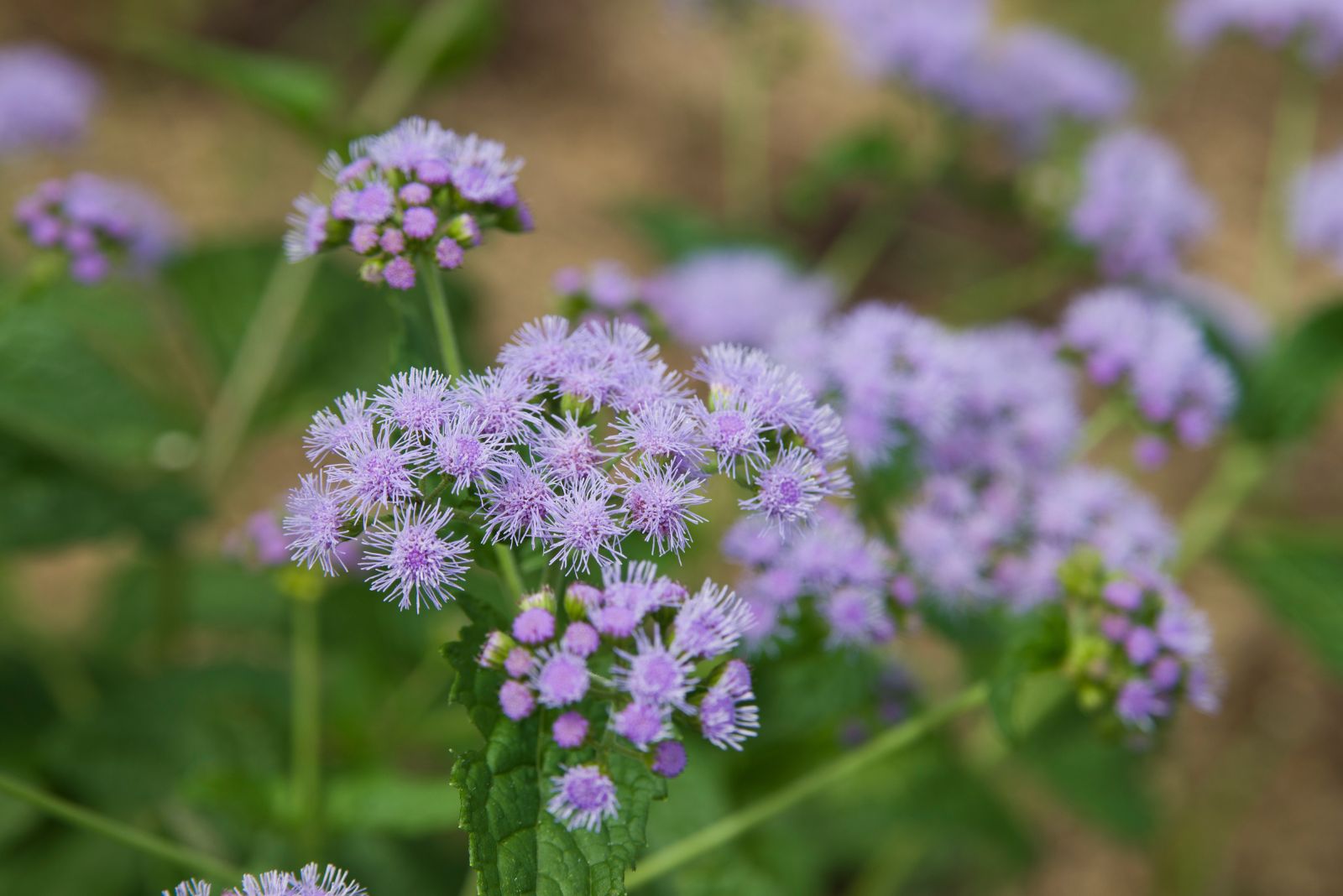
Most drought-tolerant native plants do not love extra moisture, but blue mistflower is refreshingly different. It actually welcomes humidity and can handle wetter conditions that would stress out other South Texas natives.
That makes it a smart pick for gardeners dealing with low spots in the yard, areas near downspouts, or garden beds that tend to hold moisture after rain.
Blue mistflower appears in both the Southern Texas Plains collection and the Texas-South recommended plant list, so its South Texas credentials are solid.
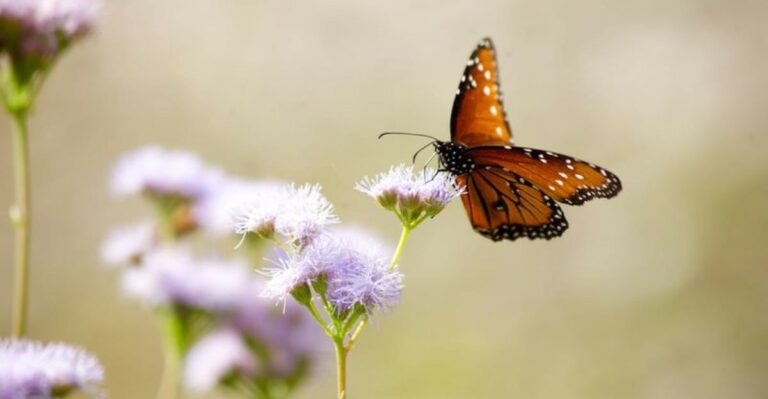
The fluffy, powder-blue flower clusters bloom in late summer and fall, which is exactly when many other plants are starting to wind down.
That timing gives South Texas gardens a beautiful burst of color right when they need it most.
Pollinators go absolutely wild for blue mistflower. Monarch butterflies, in particular, are drawn to it during their fall migration, which passes right through South Texas.
Planting blue mistflower is one of the most rewarding things you can do for migrating butterflies in this region, and the blooms are gorgeous enough to justify it on looks alone.
It spreads by underground rhizomes, so it will slowly fill in an area over time without being aggressive or difficult to control. It works well in naturalized garden areas, along fence lines, or under trees where moisture tends to collect.
If you want a South Texas native that leans into the humidity rather than fighting it, blue mistflower is exactly the plant your garden has been waiting for all along.