Small Conifer Trees That Attract Birds To North Carolina Yards Year Round
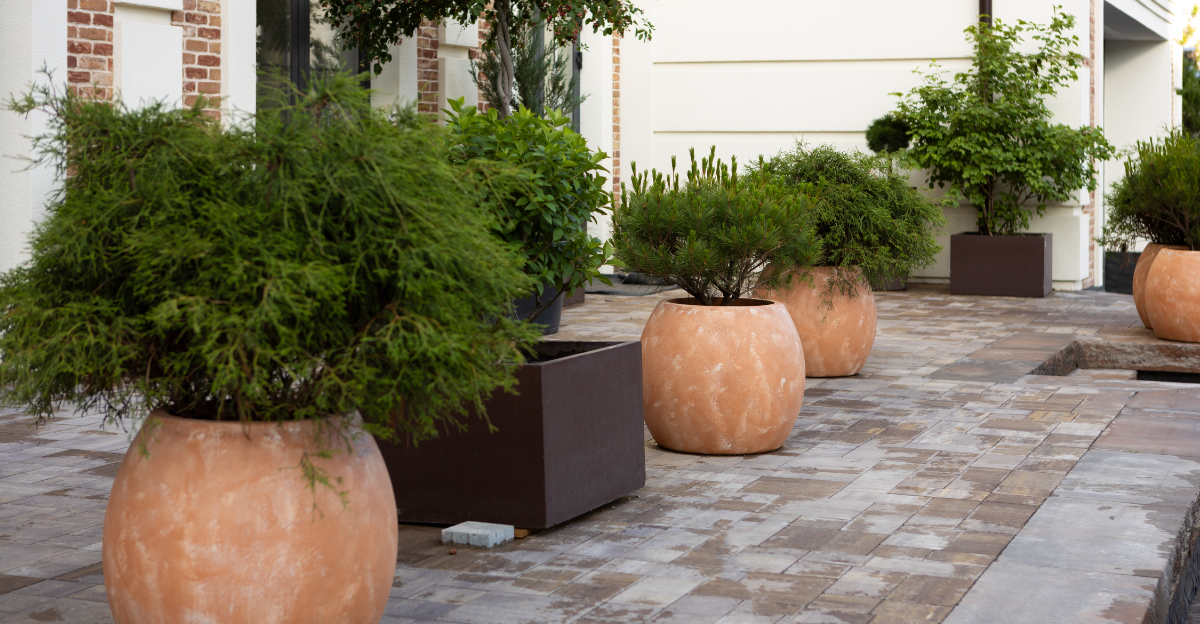
A small conifer can do a lot more than stay green all year. In a North Carolina yard, the right one can also bring in more birds and keep them coming back through every season.
These trees offer something many birds need all year, including shelter, cover from bad weather, safe nesting spots, and a place to rest when the yard feels exposed. That makes them far more useful than many flowering plants that only help for part of the year.
Some small conifers also fit nicely into tighter spaces, which is great for homeowners who want beauty and wildlife without planting a huge tree. Their color and shape bring structure to the landscape, but the real bonus is the life they attract around them.
If you want a yard that feels active even in winter, these compact evergreens can make a bigger difference than their size suggests.
1. Eastern Red Cedar
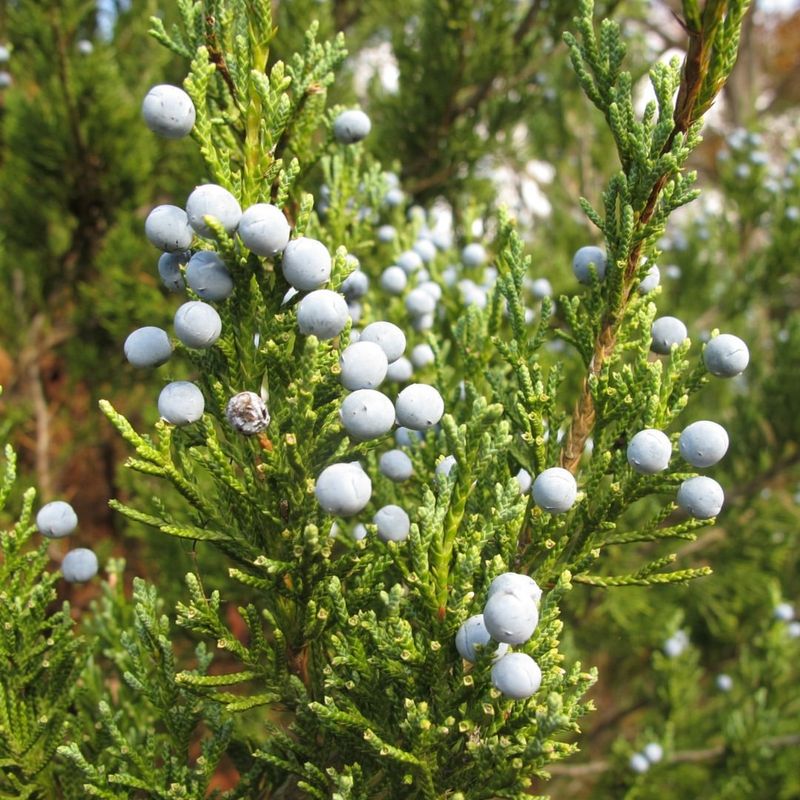
Few native trees earn their place in a North Carolina yard quite like the Eastern Red Cedar. Known scientifically as Juniperus virginiana, this tough evergreen has been feeding and sheltering birds across the Southeast for centuries.
Cedar waxwings, American robins, and mockingbirds absolutely love the small, blue, berry-like cones it produces each fall and winter, returning to the same trees year after year.
What makes this tree so special for North Carolina homeowners is its incredible toughness. It thrives in clay, sandy, or rocky soils with very little extra care.
Summer heat, drought, and even strong winds rarely slow it down, making it one of the most low-maintenance native trees you can plant.
Compact cultivars like ‘Grey Owl’ or ‘Skyrocket’ stay manageable in smaller yards while still delivering all the bird benefits of a full-sized tree. The dense foliage provides year-round cover that birds use as shelter from cold weather and predators.
A single Eastern Red Cedar can support dozens of bird visits each week during winter, when food sources elsewhere are scarce. If you want a tree that works hard for wildlife without demanding much from you, this native gem is an outstanding starting point for any North Carolina yard.
2. Dwarf Eastern White Pine
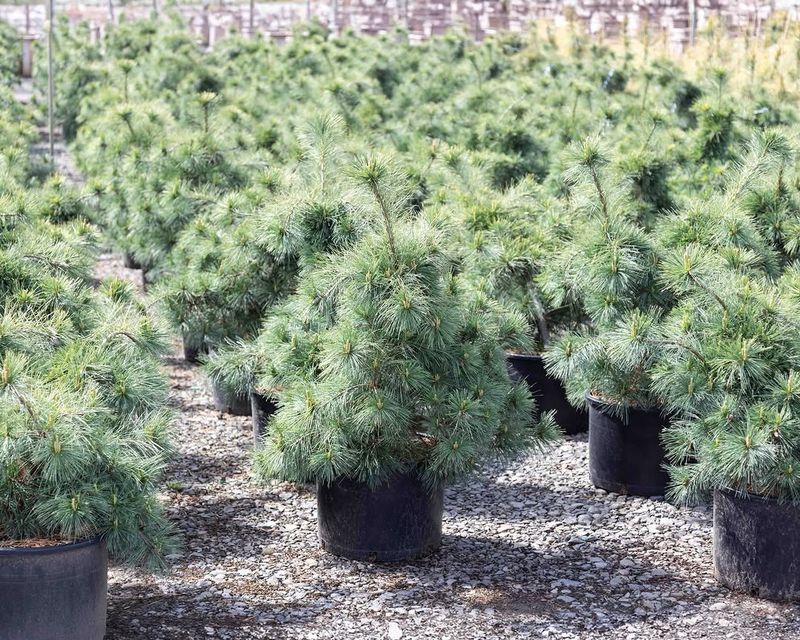
Soft, feathery needles and a graceful, layered shape make the Dwarf Eastern White Pine one of the most charming small conifers you can grow in North Carolina.
Compact cultivars of Pinus strobus bring all the charm of the full-sized version without taking over your entire yard.
Varieties like ‘Nana’ or ‘Sea Urchin’ stay well under ten feet, making them a perfect fit for smaller suburban spaces across the Piedmont and mountain regions.
Birds absolutely take advantage of everything this pine has to offer. The soft, bundled needles are a favorite nesting material for chickadees, nuthatches, and finches building homes in spring.
The small but nutritious seeds tucked inside the cones attract seed-eating species like pine siskins and crossbills, especially during cooler months when other food is harder to find.
Beyond food and nesting, the dense branching structure gives birds a safe place to rest and hide from predators throughout the entire year. Eastern White Pines prefer slightly acidic, well-drained soil, which is common throughout much of North Carolina.
Your North Carolina Garden Changes Every Week. Your Plan Should Too.
Gardening in North Carolina changes quickly throughout the season. Every Friday you’ll receive a simple weekly plan showing exactly what to plant, prune, fertilize, harvest, and protect so you never miss the right timing.
They enjoy full sun to partial shade and appreciate a good layer of mulch around the base to hold moisture during hot summers. Plant one near a bird feeder to create a natural staging area where birds feel comfortable and safe before moving in to feed.
3. Dwarf Virginia Pine
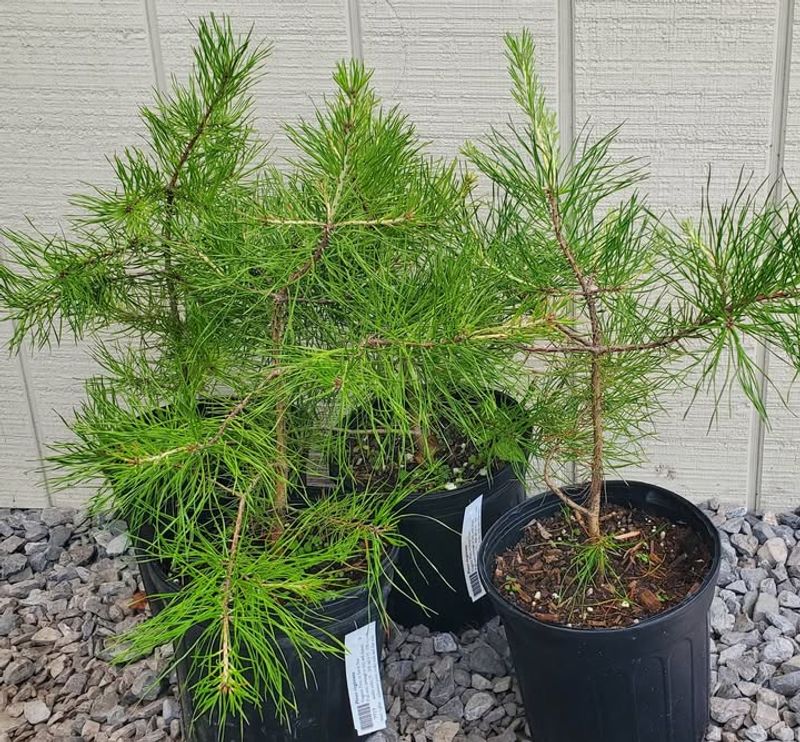
Rugged, resourceful, and wonderfully native, the Dwarf Virginia Pine is a standout choice for North Carolina gardeners who want real wildlife value without a lot of fuss.
Pinus virginiana naturally grows across the Southeast, and its compact forms bring that same toughness to smaller residential yards.
It handles poor soils, hot summers, and dry spells far better than many other evergreens, making it especially useful in areas where other trees might struggle.
Birds find this pine irresistible. The small, prickly cones hold seeds that attract species like pine warblers, brown-headed nuthatches, and dark-eyed juncos throughout fall and winter.
The twisted, somewhat irregular branching pattern creates excellent hiding spots and roosting perches that birds use consistently across every season.
One fun fact worth knowing: Virginia Pine is actually the host tree for the rare Henslow’s sparrow habitat, and it plays a critical role in supporting biodiversity across the Carolina Piedmont.
Dwarf forms typically reach six to ten feet tall at maturity, making them easy to fit into most yard designs.
They grow best in full sun and tolerate both clay and sandy soils with ease. Pair a couple of these compact pines together for a natural windbreak that doubles as a bird sanctuary right in your own backyard. North Carolina wildlife will thank you for it.
4. Japanese Cedar Compact Varieties
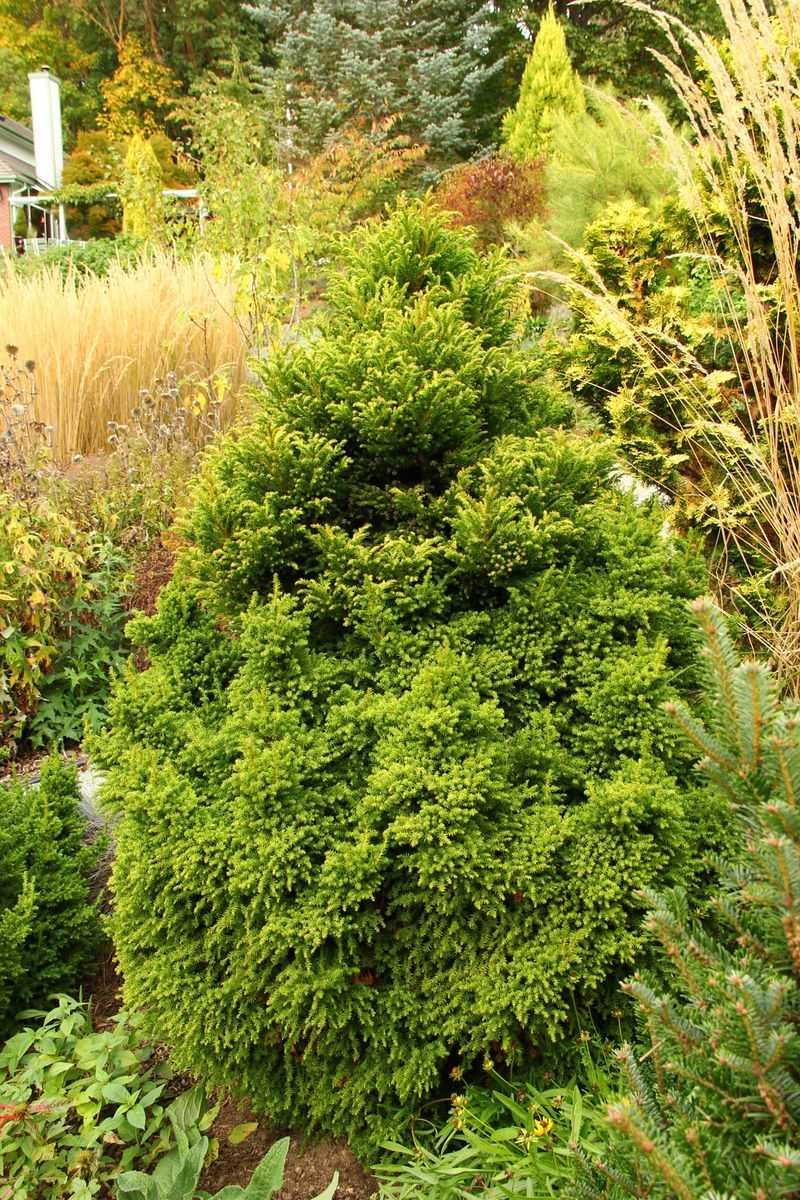
There is something almost magical about watching small birds disappear into the thick, feathery foliage of a compact Japanese Cedar.
Cryptomeria japonica thrives beautifully in North Carolina’s humid climate, and dwarf cultivars like ‘Elegans Compacta’ or ‘Globosa Nana’ bring a striking, sculptural look to any yard while delivering serious bird habitat value.
These trees stay dense and full from top to bottom, creating the kind of sheltered interior that birds actively seek out.
Because the foliage is so tightly packed, birds use Japanese Cedar as a refuge from both cold winter winds and summer heat. Wrens, sparrows, and warblers have all been spotted sheltering deep inside the branches during storms and cold snaps across the Carolina Piedmont.
The tree does not produce traditional cones with large seeds, but its value lies almost entirely in the protective cover it provides so reliably.
Japanese Cedar performs best in full sun to partial shade and prefers moist, well-drained, slightly acidic soil, conditions that are easy to find throughout much of North Carolina. It handles summer humidity without complaint, which is a real advantage in this region.
Dwarf varieties typically grow two to six feet tall, making them suitable even for small courtyard gardens or foundation plantings.
Place one near a water feature or bird bath to create a complete, welcoming habitat corner that birds will visit every single day of the year.
5. Dwarf Southern Red Cedar
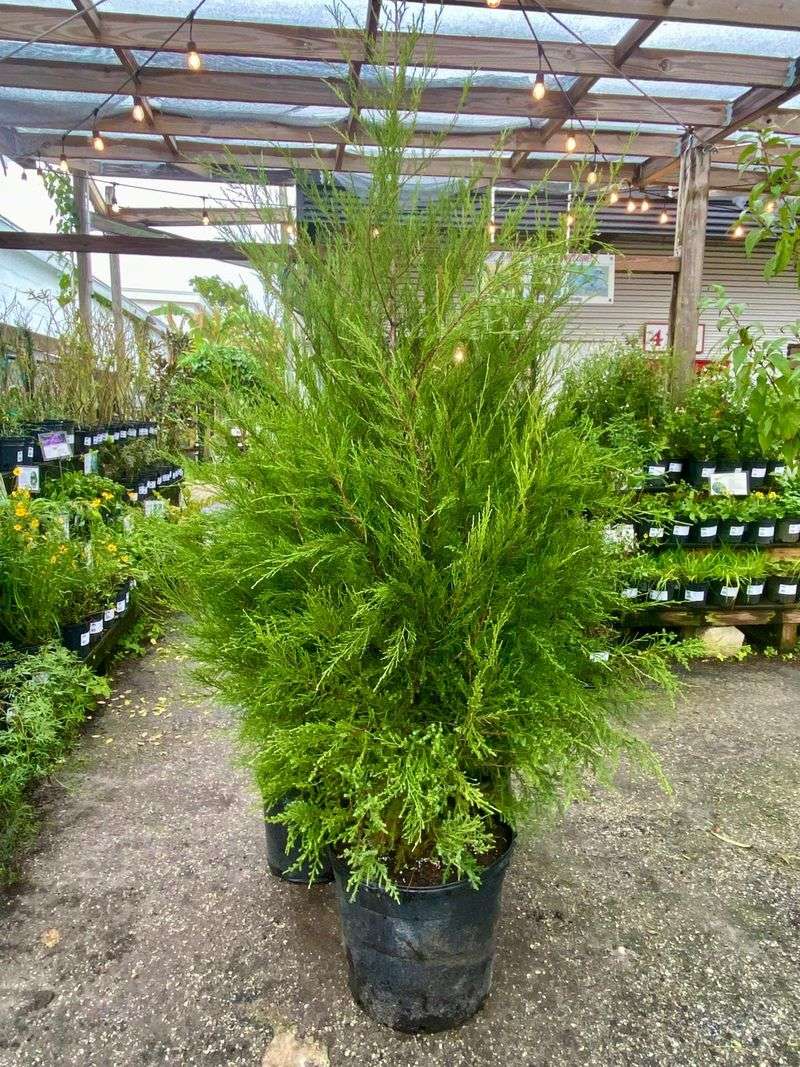
Along the coastal plains and warmer lowlands of North Carolina, the Dwarf Southern Red Cedar is one of the best-kept secrets in bird-friendly gardening.
Juniperus silicicola is closely related to the Eastern Red Cedar but is naturally adapted to the warmer, sandier, and windier conditions found near the coast.
Compact selections of this tough native bring all those same survival skills to a manageable size that fits neatly into residential yards.
The berry-like cones this tree produces are a genuine food source for dozens of bird species.
Yellow-rumped warblers, tree swallows, and hermit thrushes are just a few of the birds that actively seek out these small blue fruits during fall and winter migrations along the Carolina coast.
The dense, year-round foliage also gives nesting birds a safe, sheltered space to raise their young in spring and early summer.
What really sets this tree apart is its ability to handle conditions that would challenge most other conifers. Sandy soil, salt spray, strong coastal winds, and extended dry periods are no problem for a well-established Southern Red Cedar.
Dwarf forms stay compact enough to use as hedges, foundation plantings, or accent trees near patios and outdoor living areas.
If your North Carolina yard sits anywhere near the coast or in a warm, low-lying area, adding one or two of these resilient little trees will bring birds to your yard in impressive numbers.
6. Eastern Hemlock (Tsuga canadensis)
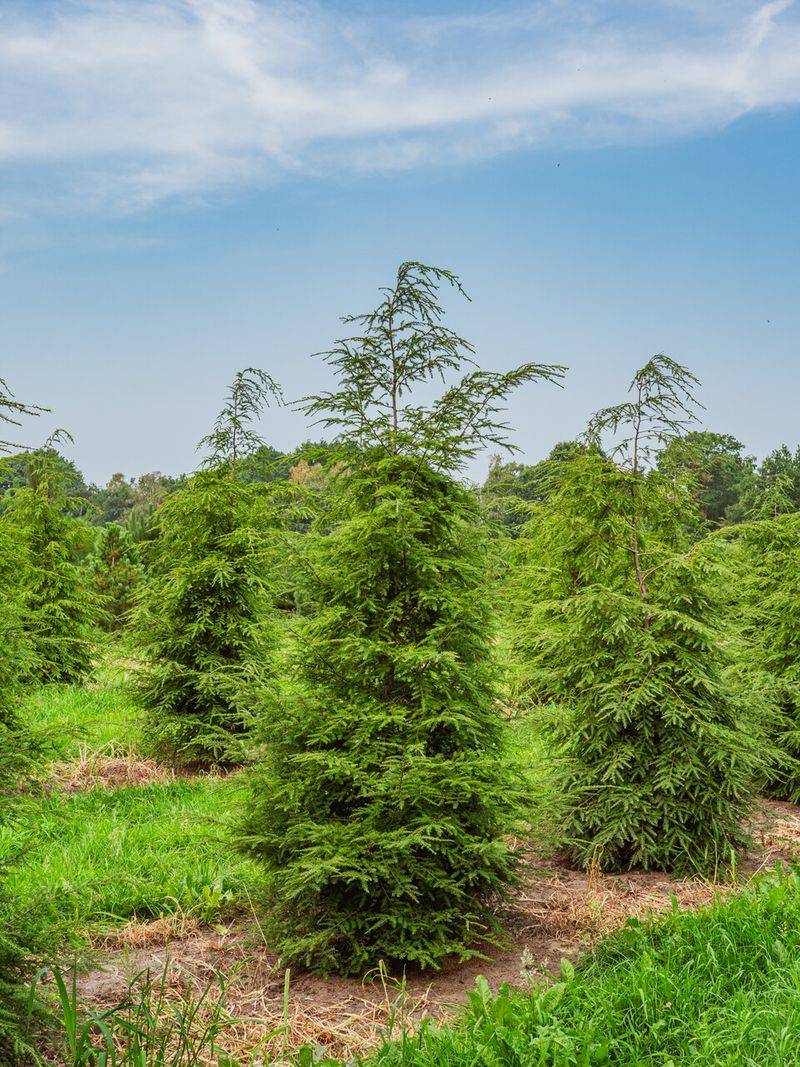
The Eastern Hemlock stands out as a premier choice for North Carolina gardeners seeking to attract avian visitors throughout every season, serving as a cornerstone for backyard biodiversity.
While the wild species is impressive in its natural forest habitat, the introduction of specialized cultivars like ‘Hilliard’s Dwarf’ or ‘Cole’s Prostrate’ allows even the most modest suburban landscape to become a thriving sanctuary for local wildlife.
These compact conifers offer a unique structural density that is essential for bird health, providing a thick green shield against the brisk winds of the Blue Ridge Mountains and the humid storms of the Piedmont.
Because the needles remain vibrant and lush through the winter, birds such as the Dark-eyed Junco and the Golden-crowned Kinglet find reliable protection when other deciduous trees have lost their cover and left the landscape bare.
The intricate branch patterns of these smaller hemlocks also create perfect nesting sites, tucked away from the eyes of neighborhood predators, ensuring a safe environment for new life to flourish.
Furthermore, the tree produces a steady supply of tiny, seed-filled cones that serve as a consistent energy source for finches and siskins during the leanest months of the year when other food sources might be scarce.
By choosing these adaptable, shade-loving evergreens, homeowners can ensure their outdoor spaces remain a lively hub of activity and song regardless of the temperature outside.
This investment in local flora not only enhances the aesthetic value of the property with year-round greenery but also creates a lasting legacy of support for the colorful birds that call North Carolina home.