The One Change That Makes Ohio Gardens Look Instantly Fuller
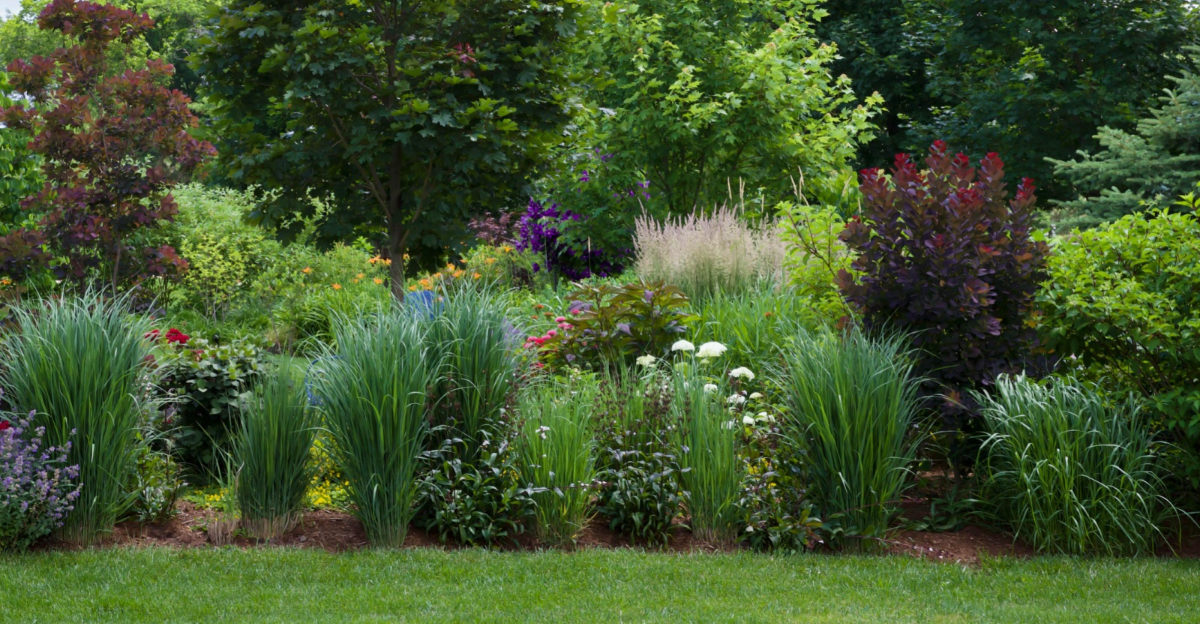
Some Ohio gardens look full, layered, and rich with color, while others feel sparse no matter how much gets planted. The difference often comes down to one simple change that shifts the entire look of a space almost overnight.
It does not require more plants or a bigger budget. It comes from using what you already have in a smarter way.
When done right, gaps disappear, beds feel deeper, and every section looks more intentional. Plants connect instead of sitting in isolation, and the whole garden takes on a more finished, cohesive feel.
This single adjustment creates the kind of fullness that usually takes years to achieve. Once you see it in action, it becomes hard to unsee, and even small spaces start to feel more lush, balanced, and visually complete.
1. Start By Breaking The Straight Row Habit
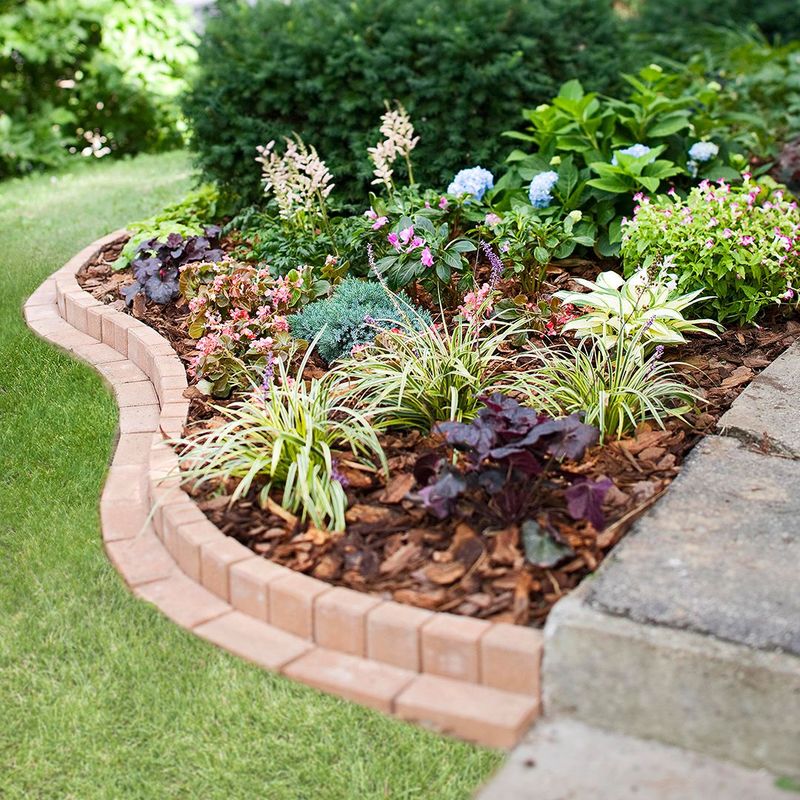
Walk past almost any sparse-looking garden in Ohio and you will notice the same problem: everything is planted in neat, straight lines. It feels organized, but the result is a garden that looks flat and thin, almost like a parking lot with flowers.
Straight rows create visual gaps between plants and eliminate any sense of depth, making even a well-stocked bed look underwhelming.
When plants are lined up in rows, your eye moves across the bed in a single horizontal sweep. There is nothing to pull your gaze forward or backward, so the whole planting feels one-dimensional.
Gaps between plants become more obvious, and the bed never seems full no matter how many plants you add.
Breaking this habit is easier than it sounds. Try planting in loose clusters or gentle curves instead of lines.
Group three to five plants of the same variety together, then stagger the next group slightly forward or back. This zigzag arrangement creates overlapping sightlines that make the bed look twice as full.
Ohio State University Extension encourages informal, naturalistic arrangements for residential gardens because they reflect how plants actually grow in Ohio woodlands and meadows, producing a richer, more believable result.
2. Build A Back Layer With Taller Plants
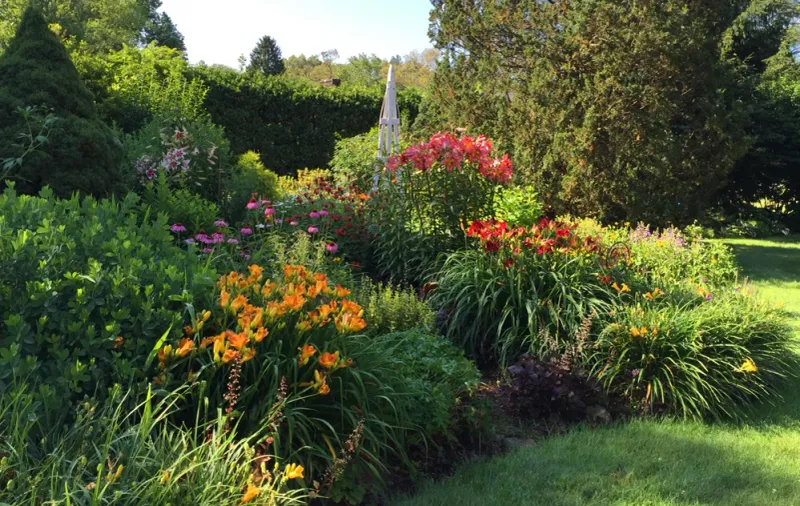
Every well-designed garden needs an anchor, and tall plants at the back of the bed are exactly that. Without height at the rear, a garden bed looks like it just fades away into the lawn or fence.
Adding a strong back layer instantly gives the whole planting a sense of structure and completeness that shorter plants alone cannot provide.
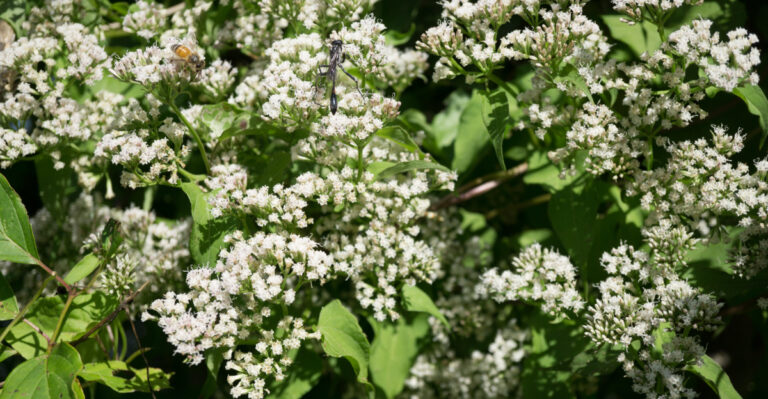
In Ohio gardens, excellent back-layer choices include Joe Pye weed, which can reach six to eight feet and thrives in Ohio’s humid summers, tall ornamental grasses like switchgrass, and native plants such as ironweed or tall garden phlox. These plants create a living wall effect that makes everything in front of them appear more intentional and layered.
Placement matters as much as plant selection. Tall plants should sit at the back of the bed if it is viewed from one side, or in the center if the bed is viewed from all directions.
Your Ohio Garden Changes Every Week. Your Plan Should Too.
Gardening in Ohio changes quickly throughout the season. Every Friday you’ll receive a simple weekly plan showing exactly what to plant, prune, fertilize, harvest, and protect so you never miss the right timing.
OSU Extension recommends spacing tall perennials so their foliage can fill out naturally without crowding, typically eighteen to thirty-six inches apart depending on the species. Once established, these back-layer plants make the entire garden feel grounded, full, and professionally designed.
3. Fill The Middle With Dense, Bushy Growth
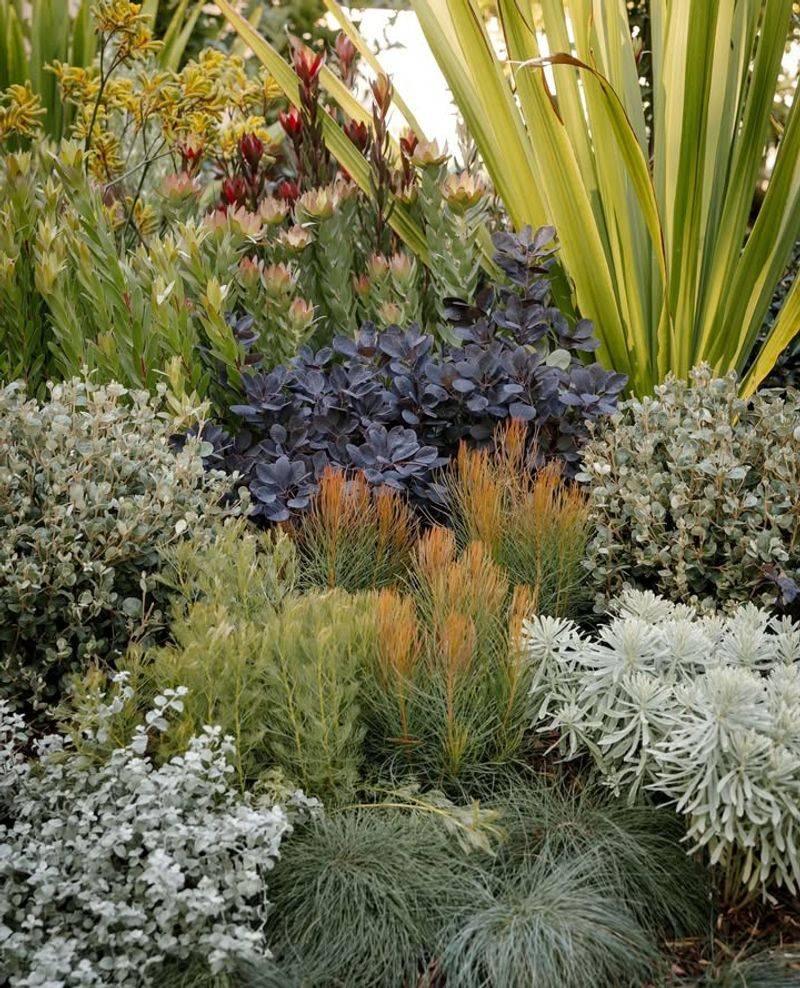
Picture the middle zone of your garden bed as the connective tissue that holds the whole design together. Without a strong middle layer, you get a visual gap between your tall back plants and your low front edging, and the bed ends up looking unfinished.
Filling this zone with dense, bushy growth is what transforms a flat planting into something that genuinely looks lush.
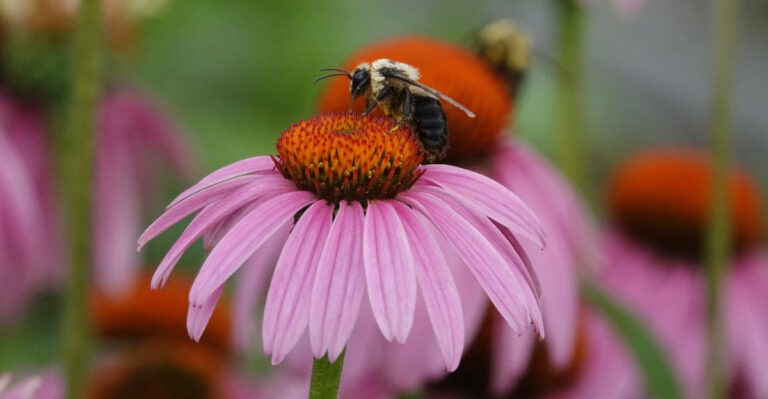
Ohio’s native perennials are perfect for this role. Purple coneflower, black-eyed Susan, wild bergamot, and bee balm all grow to a medium height of two to four feet and spread into full, rounded clumps over time.
Their bushy habit fills horizontal space beautifully, and because they are native to Ohio, they thrive with minimal care once established. OSU Extension notes that native mid-layer plants also provide critical habitat for Ohio’s pollinators.
When selecting mid-layer plants, look for varieties with a naturally mounding or spreading growth habit. Avoid tall, spindly plants that leave gaps at their base.
Planting in groups of three or five of the same variety creates a bold, cohesive mass that reads as full and intentional. The middle layer is where most of your color and texture will live, so treat it as the heart of your garden design.
4. Use Low Growers To Cover The Front Edge
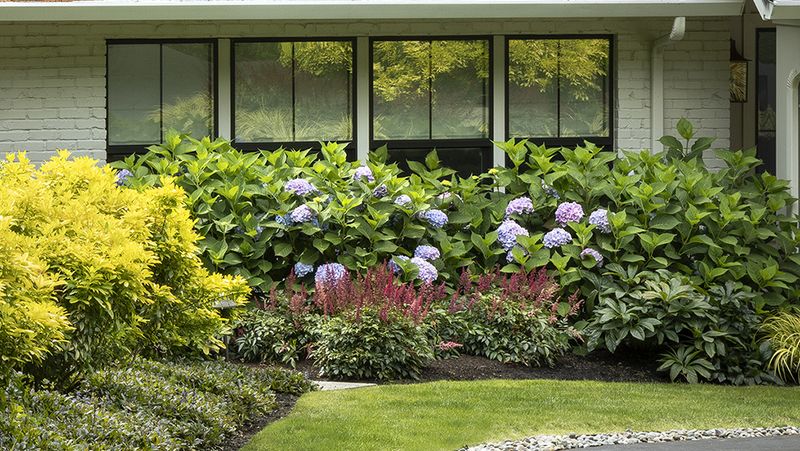
The front edge of a garden bed is one of the most overlooked spots in home landscaping, yet it has an enormous impact on how full and finished the whole bed looks. A bare front edge exposes soil, creates a hard visual stop, and makes even a healthy garden feel unfinished.
Low-growing plants that hug the ground and spill slightly forward are the fix.
Creeping phlox is a favorite in Ohio gardens for exactly this reason. It forms a dense, colorful mat that cascades softly over the edge of a bed, making the transition from garden to lawn look natural and intentional.
Other excellent choices include sedum, ajuga, creeping Jenny, and native wild ginger, which thrives in shaded Ohio garden spots. These low growers typically stay under twelve inches tall and spread steadily to fill bare soil.
Beyond aesthetics, front-edge plants serve a practical purpose. They suppress weeds by shading the soil, reducing the amount of bare ground where unwanted plants can take hold.
They also retain soil moisture, which is helpful during Ohio’s dry summer stretches. Planting them six to ten inches apart along the front edge creates a continuous ribbon of foliage that visually completes the layered bed and makes the entire garden look intentionally designed from the ground up.
5. Group Plants Tightly To Eliminate Gaps
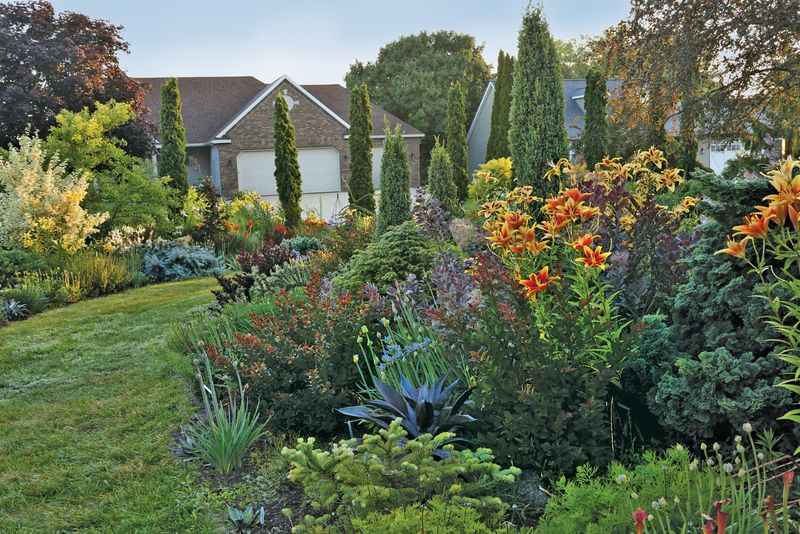
One of the fastest ways to make a garden look instantly fuller is also one of the most counterintuitive: plant closer together than the tag tells you to. Most nursery tags recommend spacing based on a plant’s maximum spread at full maturity, which can be five or more years away.
Following those numbers exactly means years of staring at bare soil between plants while you wait for them to fill in.
A smarter approach is to plant at about two-thirds of the recommended spacing. This creates a fuller look much sooner, and as plants mature, they grow into each other naturally, which actually mimics how plants behave in Ohio’s native woodlands and prairies.
The result is a garden that looks established and abundant from the very first season.
Grouping plants in odd numbers, specifically threes and fives, is a classic design principle supported by landscape architects and OSU Extension educators alike. Odd-numbered groupings look more natural and balanced than pairs or even rows.
When you cluster five black-eyed Susans together rather than spacing them individually across a bed, the visual impact is dramatically stronger. Eliminating bare soil between plants also reduces weed pressure, which keeps your garden looking clean and full throughout Ohio’s long growing season from May through October.
6. Mix Heights And Textures For A Fuller Look
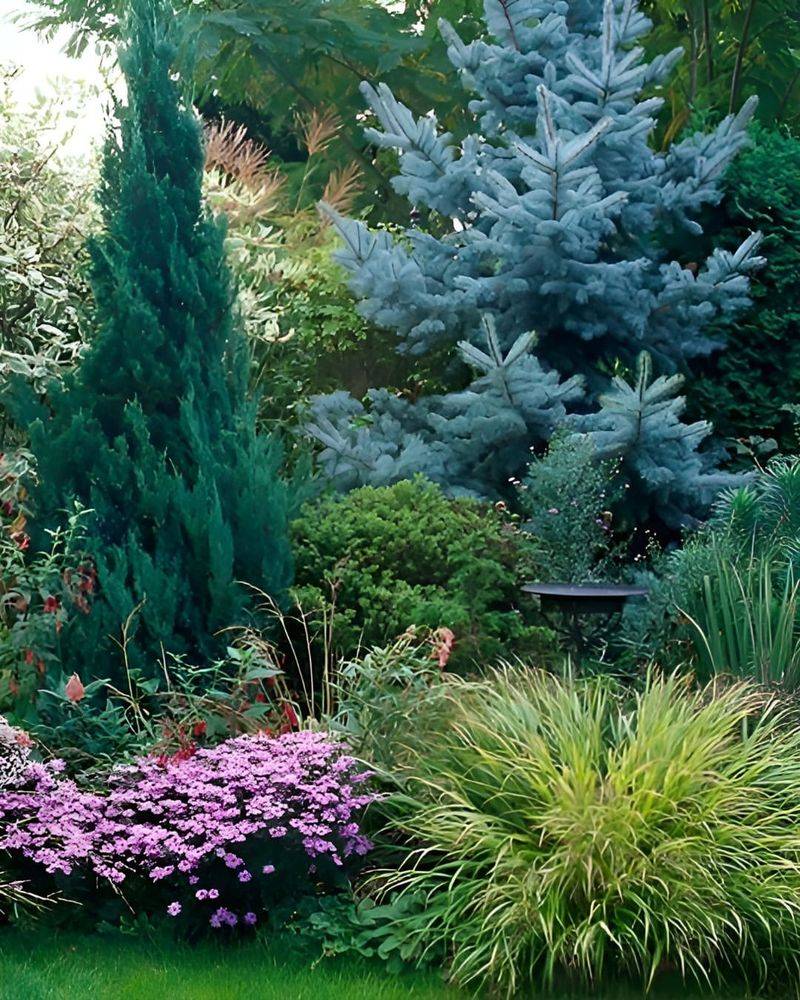
Variety is what makes a garden feel genuinely alive. When every plant in a bed is roughly the same height and has similar leaf shapes, the whole planting blurs together into a flat, monotonous mass.
Mixing heights and textures is what gives a garden visual energy and makes it look far denser than it actually is.
Texture in gardening refers to the visual weight of a plant’s leaves and stems. Fine-textured plants like ornamental grasses or ferns create a delicate, airy look.
Bold-textured plants like hostas, ligularia, or large-leafed native plants like cup plant create a sense of substance and mass. Placing fine and bold textures next to each other makes both stand out more clearly, and the contrast tricks the eye into seeing more depth and fullness in the bed.
Height variation works the same way. When you step plants up gradually from front to back, the staggered silhouette creates layers that your eye naturally wants to explore.
OSU Extension’s garden design resources emphasize combining plants with contrasting forms, such as upright, mounding, and spreading habits, to create what designers call a dynamic planting. In Ohio, you have access to an enormous range of native and adapted plants with wildly different textures, so taking advantage of that variety is one of the smartest design moves you can make.
7. Repeat Layers To Create Depth Across The Bed
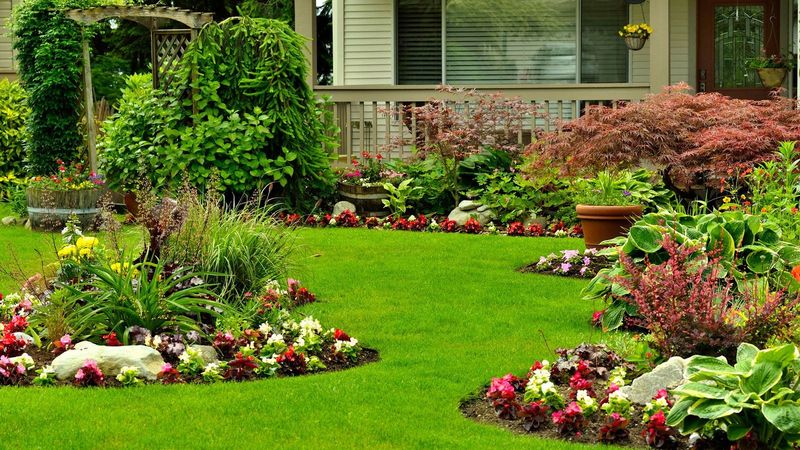
There is a reason professional garden designers repeat the same plants throughout a long border rather than using every plant just once. Repetition creates rhythm, and rhythm is what makes a garden feel intentional, cohesive, and surprisingly full.
When your eye encounters a familiar plant grouping again further down the bed, it registers the whole space as organized and rich rather than random and sparse.
Think of it like a beat in music. A single drumbeat means nothing.
But when it repeats at regular intervals, it creates a pattern that feels satisfying and complete. The same principle applies to plants.
Repeating a cluster of purple coneflowers every six to eight feet along a garden border, for example, ties the whole bed together visually and creates a sense of depth that a single large cluster never could.
In Ohio gardens, this technique works especially well with native perennials that naturalize over time. Plants like Ohio spiderwort, black-eyed Susan, and swamp milkweed spread gradually each year, reinforcing the repeating pattern without any extra work on your part.
ODNR and OSU Extension both recommend native plant drifts for Ohio landscapes because they establish quickly and self-sustain beautifully. Start with three repeated groupings across a bed and watch how dramatically different the whole garden looks within a single growing season.
8. Let Plants Overlap For A More Natural Finish
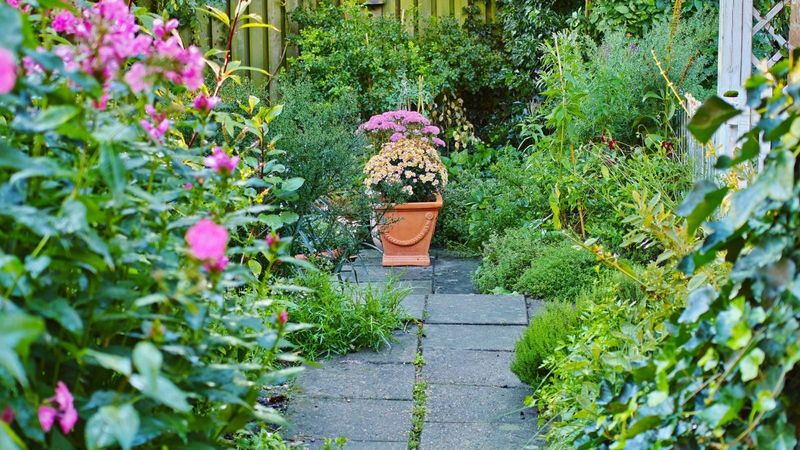
Perfectly separated plants with clean borders between each clump might look tidy on paper, but in real life it reads as stiff and sparse. Nature does not leave tidy gaps between plants, and your garden will look far more lush and full when it does not either.
Allowing plants to overlap slightly at their edges is one of the simplest finishing moves that separates a beginner garden from one that looks professionally designed.
Controlled overlap means letting the outer leaves or stems of neighboring plants touch and intermingle just a little. It is not about crowding plants so tightly that air circulation suffers, which can encourage fungal issues in Ohio’s humid summers.
It is about eliminating that telltale strip of bare mulch between plant groups that signals a newly planted or underfilled bed.
Cottage-style and naturalistic gardens, both of which are well-suited to Ohio’s climate and growing conditions, embrace overlap as a design feature. When a sprawling catmint softens into the base of a nearby salvia, or when ornamental grass blades lean gently over a low sedum, the whole composition looks richer and more established.
OSU Extension notes that naturalistic planting styles also tend to require less maintenance over time because overlapping ground-level foliage shades out weeds and keeps soil moisture more consistent throughout the season.