Ohio Yard Plants That Look Intentional Even When You Ignore Them
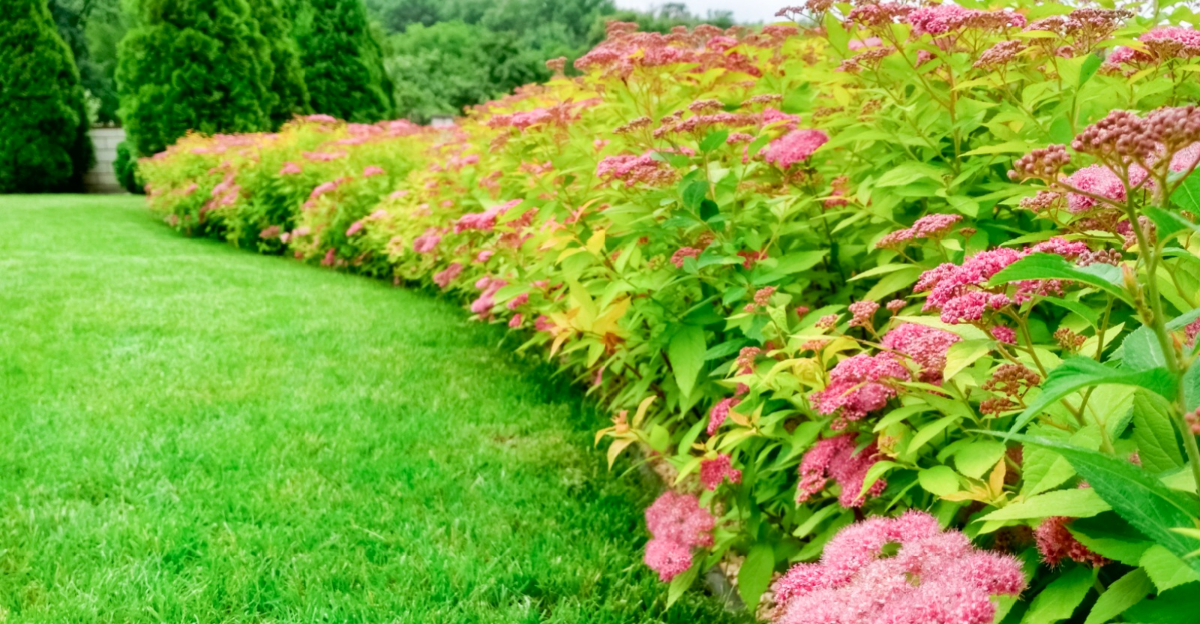
Have you ever wondered why some Ohio yards look professionally designed year-round while others struggle to keep up with our wild weather swings?
From freezing winters and soggy springs to those humid summers that arrive overnight, our landscapes truly go through the ringer.
Most of us want a polished, put-together look, but few have the time to fuss over plants every single weekend. The secret lies in selection.
Certain plants naturally hold their shape and stay tidy through every seasonal shift without constant help.
If you choose the right species for Ohio’s unique soil and light, you can enjoy a yard that looks intentional and lush, even when you haven’t lifted a finger.
1. Ninebark For Bold Foliage And Easy Structure
Some plants earn their place in a yard through flowers, but ninebark earns it through sheer presence.
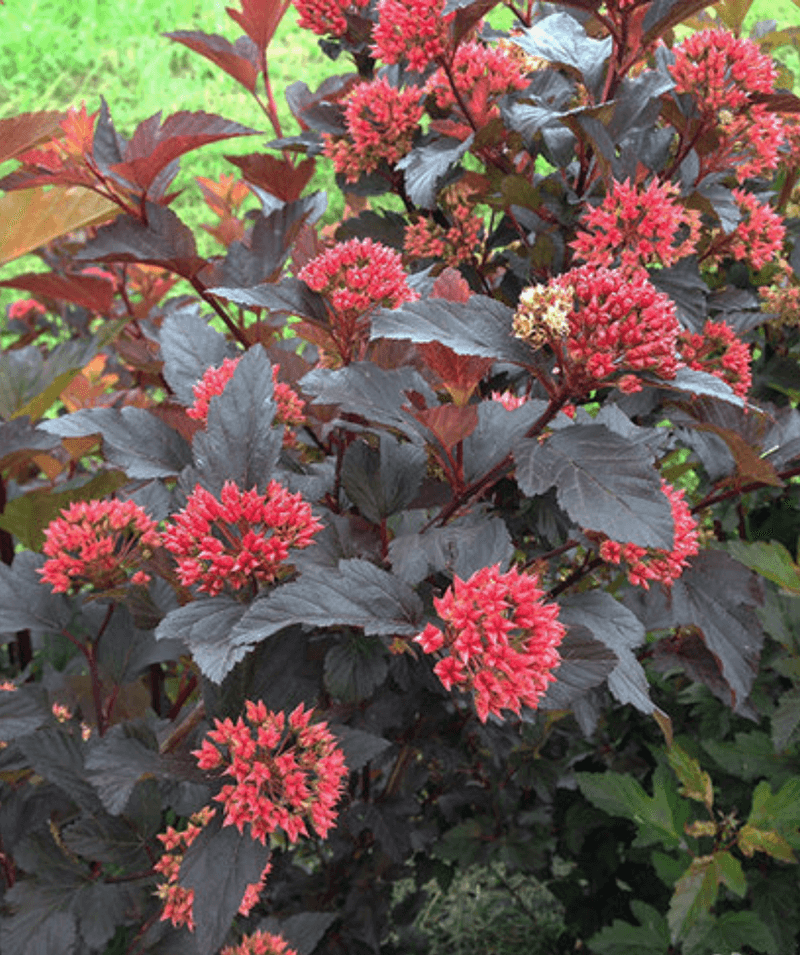
The foliage on a well-placed ninebark is bold enough to anchor an entire bed, and its naturally arching, upright form gives the yard a sense of structure that looks deliberate even when the plant is growing on its own schedule.
Ohio gardeners have plenty of ninebark varieties to choose from, including options with deep burgundy, copper-orange, or lime-green leaves. These leaf colors hold up well through summer heat and stay interesting right into fall.
The plant also produces clusters of small white or pale pink flowers in late spring, followed by reddish seed clusters that add texture without looking messy.
Ninebark is genuinely tough in Ohio conditions. It tolerates clay soil, handles full sun or partial shade, and shrugs off cold winters without much fuss.
The peeling, exfoliating bark on older stems adds an extra layer of visual interest during winter, which is a real bonus when most other plants have gone quiet.
Cutting the plant back by about one-third every few years keeps it from getting too wide and encourages fresh, colorful new growth from the base.
2. Spirea For Easy Shape And Reliable Color
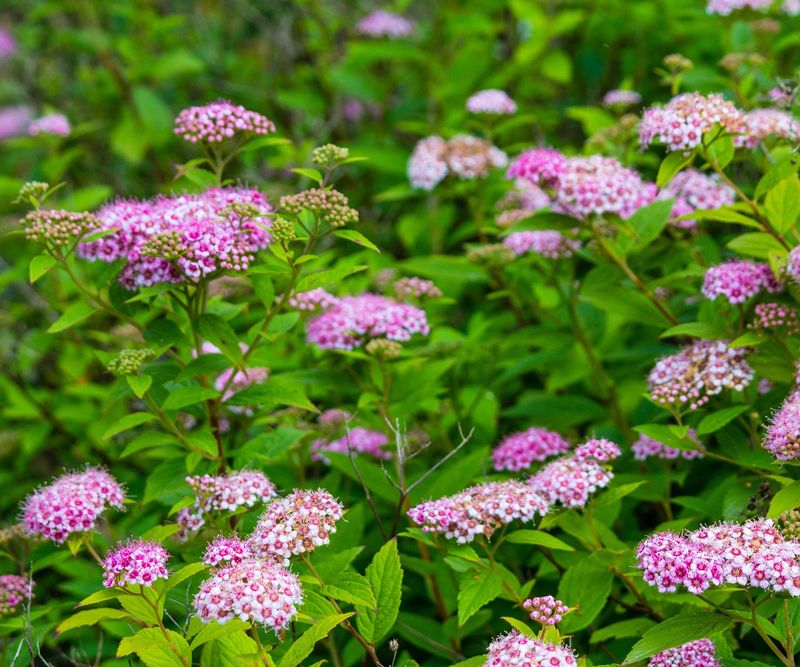
Walk past a yard in May and you might notice one shrub that looks like it was shaped by a professional, even though the homeowner barely touched it all season. That shrub is probably spirea.
With its naturally rounded, mounded form, spirea tends to hold a tidy shape without much encouragement, making it one of the most satisfying low-maintenance shrubs you can plant in an Ohio yard.
In Ohio, spirea blooms reliably in late spring, usually covered in clusters of white or pink flowers depending on the variety.
After the blooms fade, the foliage often shifts through warm gold, orange, or burgundy tones as fall approaches, giving the plant a second moment of visual interest.
That kind of seasonal range makes it feel like a thoughtful design choice rather than a random planting.
Spirea grows well in full sun and adapts to most of Ohio’s average garden soils. It handles summer heat without drama and comes back strong after cold winters.
A light trim after the first flush of blooms can encourage a second round of flowers and keep the shape looking crisp. Spacing plants about three to five feet apart in borders or foundation beds gives each one room to fill out naturally.
Your Ohio Garden Changes Every Week. Your Plan Should Too.
Gardening in Ohio changes quickly throughout the season. Every Friday you’ll receive a simple weekly plan showing exactly what to plant, prune, fertilize, harvest, and protect so you never miss the right timing.
3. Smooth Hydrangea For Big Blooms That Still Look Neat
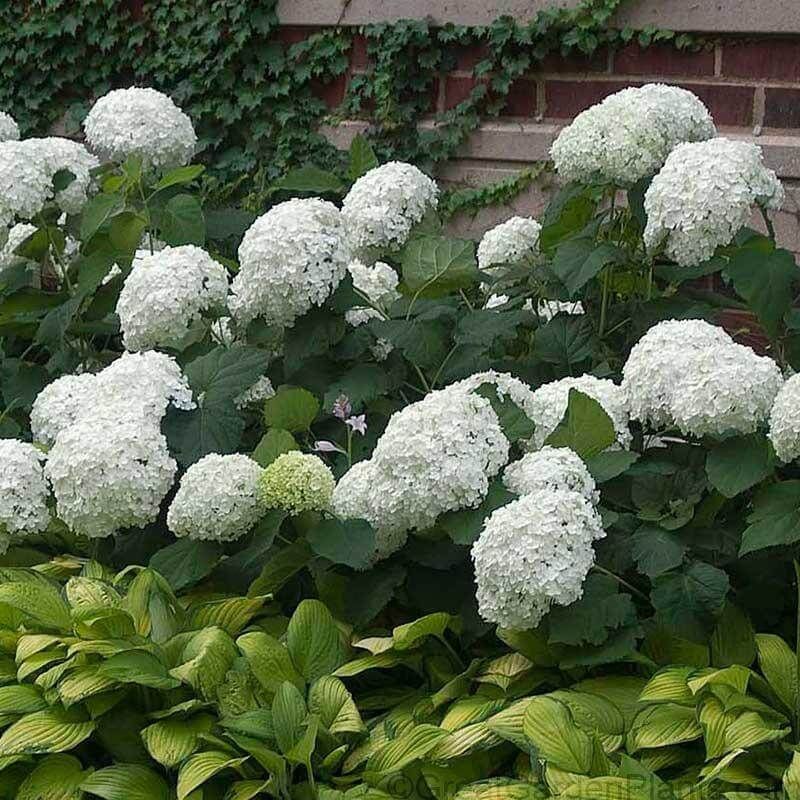
Few plants pull off the combination of dramatic blooms and easy care quite like smooth hydrangea.
The flower heads are large, rounded, and creamy white, and they appear in such abundance during mid-summer that the whole plant looks like it was staged for a garden magazine.
What makes this especially useful in Ohio is that smooth hydrangea blooms on new wood, meaning even if a hard winter knocks it back, it still flowers reliably the following season.
The Annabelle variety is one of the most recognized smooth hydrangeas and has been a staple in Ohio yards for decades. Its dinner-plate-sized blooms hold their shape well into fall, eventually drying to a soft tan that still looks attractive in the landscape.
That long season of interest is a big part of why the plant reads as intentional rather than accidental.
Smooth hydrangea does best in partial shade in Ohio, especially in spots that get afternoon relief from the summer sun.
It prefers consistently moist, well-drained soil but handles average conditions reasonably well once established.
Cutting the stems back to about eight to twelve inches in late winter or early spring is the main maintenance step, and it takes only a few minutes. Space plants about four to five feet apart for the best visual effect.
4. Panicle Hydrangea For A Clean And Classic Yard Look
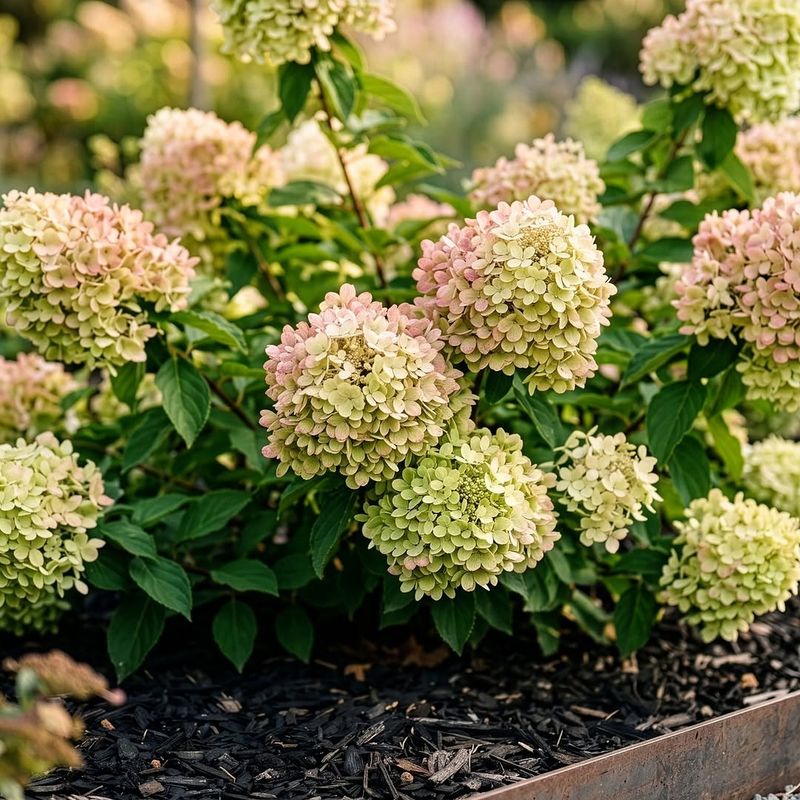
Panicle hydrangea has a quality that sets it apart from most flowering shrubs: it looks polished even when it is standing completely still in the middle of August.
The cone-shaped flower clusters, known as panicles, start out creamy white in mid-summer and slowly shift to pink and rosy red as fall arrives in Ohio.
That color transition feels designed, like someone planned the whole seasonal display from the beginning.
Unlike some hydrangeas that can flop or look weedy by late summer, panicle hydrangea keeps an upright, structured form throughout the growing season.
Varieties like Limelight and Quick Fire are especially popular in Ohio because they are reliably cold-hardy and perform well in full sun, which is not always the case with other hydrangea types.
The sturdy stems hold the flower heads upright even after rain, which keeps the plant looking neat.
Panicle hydrangea grows in average Ohio soils and handles both heat and cold better than many flowering shrubs. It can be trained into a small tree form, which makes it a strong choice for foundation planting or as a focal point in a mixed border.
Light pruning in late winter to remove weak stems and shape the plant is usually all it needs to stay looking clean and intentional through the season.
5. Purple Coneflower For Color That Feels Effortless
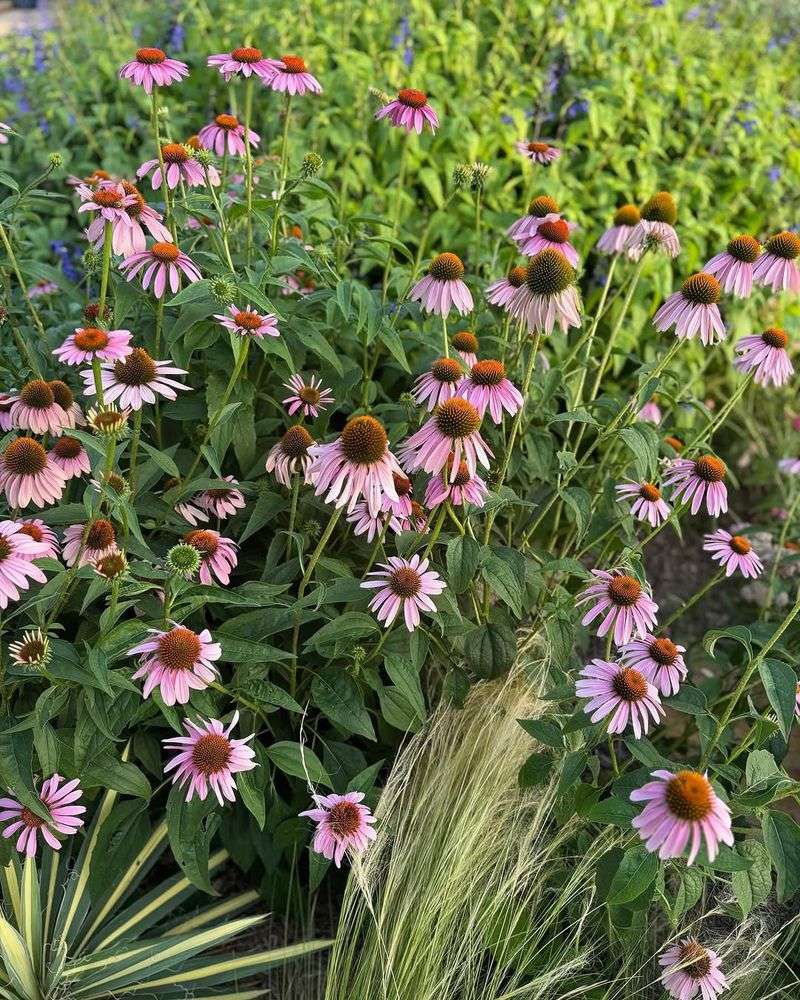
Purple coneflower has been growing in Ohio’s fields and roadsides long before it became a garden staple, and that native toughness is exactly what makes it look so at home in a well-planned yard.
The flowers are bold and upright, with swept-back petals in shades of purple and pink surrounding a raised, spiky central cone that gives each bloom a strong, graphic quality.
One of the best things about purple coneflower in Ohio is how long it performs. Blooms typically open in mid-summer and continue for weeks, even in heat and dry stretches that would stress less-adapted plants.
After the petals fall, the seed cones remain standing through fall and even into winter, providing food for goldfinches and other birds while keeping the garden bed looking textured and intentional rather than bare.
Purple coneflower grows well in full sun and tolerates the clay-heavy soils common across much of Ohio. It spreads gradually over the years, filling in gaps in a border without becoming aggressive.
Deadheading spent blooms can extend the flowering period, but leaving some seed heads in place is a reasonable trade-off for the added wildlife value and winter texture.
Established clumps rarely need dividing for the first several years, making this one of the most hands-off perennials available to Ohio homeowners.
6. Black-Eyed Susan For Bright Summer Color With A Natural Look
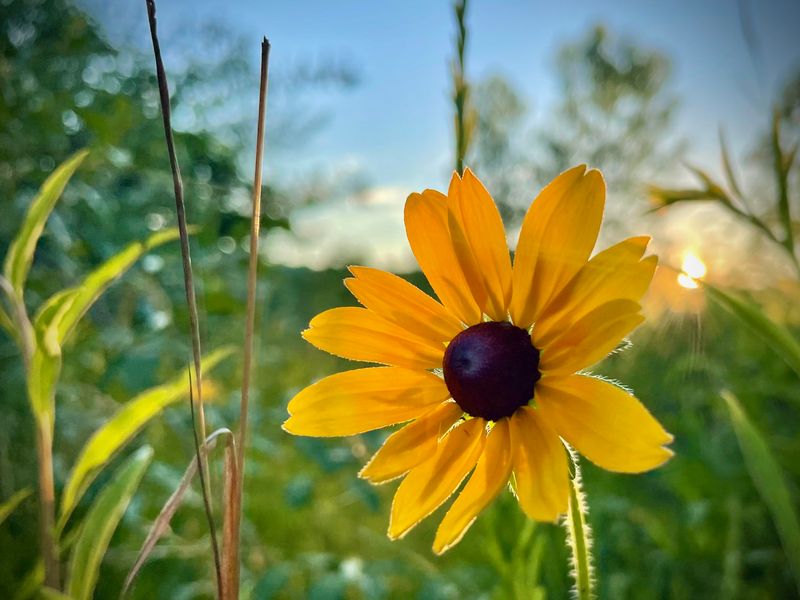
There is something undeniably cheerful about a patch of black-eyed Susans in full bloom.
The golden-yellow petals and dark, button-like centers create a combination that reads as bright and lively without looking overdone, which is a harder balance to strike than it sounds.
In Ohio, black-eyed Susan blooms from mid-summer through early fall, covering a stretch of the season when many other perennials have already peaked and faded.
This plant carries a native toughness that suits Ohio conditions well. It handles full sun, tolerates dry spells once established, and grows in a wide range of soil types, including the clay-based soils found across much of the state.
The upright stems keep the flowers visible above neighboring plants, and the seed heads that form after blooming attract finches and other birds well into fall.
Black-eyed Susan pairs naturally with purple coneflower, ornamental grasses, and other native perennials in mixed borders, creating combinations that look planned without requiring constant adjustment.
The plants spread by self-seeding over time, gradually filling in bare spots in a way that feels organic rather than haphazard.
Thinning out seedlings every couple of years keeps the colony from getting too dense. Cutting stems back in late fall or leaving them through winter are both reasonable options depending on your preference for tidiness.
7. Sedum For Tidy Texture And Late-Season Interest
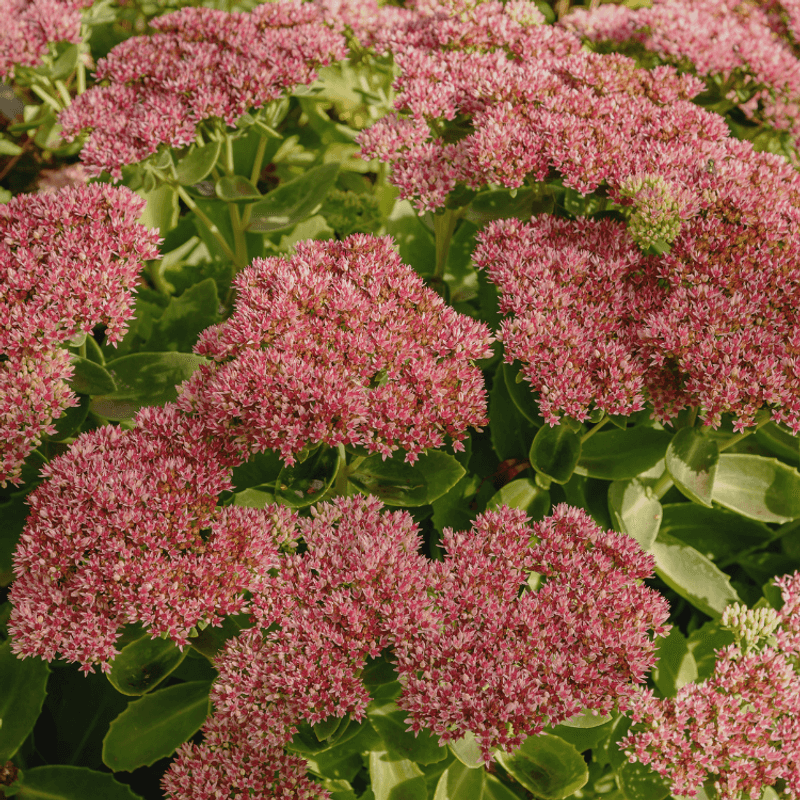
By late September in Ohio, a lot of garden beds start looking tired, but a well-placed clump of upright sedum is just hitting its stride.
The flat-topped flower clusters, sometimes called flower heads, open in shades of pink, red, or dusty rose right as summer winds down, giving the garden a second wave of color that feels perfectly timed.
Upright sedum varieties like Autumn Joy have a naturally tidy, clump-forming habit that holds its shape through the growing season.
The thick, succulent leaves look clean and structured from the moment they emerge in spring, and the flower heads develop slowly through summer before opening fully in fall.
Even after the blooms fade and dry, the rust-brown seed heads remain upright through winter, adding texture and structure to an otherwise quiet landscape.
Sedum thrives in full sun and well-drained soil, making it an excellent choice for Ohio yards with sandy or rocky spots where other plants may struggle.
It handles summer drought with ease and rarely needs supplemental watering once established.
The main care task is cutting the old stems back to the ground in late winter before new growth emerges. Dividing the clumps every three to four years keeps the center from opening up and the plant looking full and healthy.
8. Hosta For A Full And Intentional Shade Border
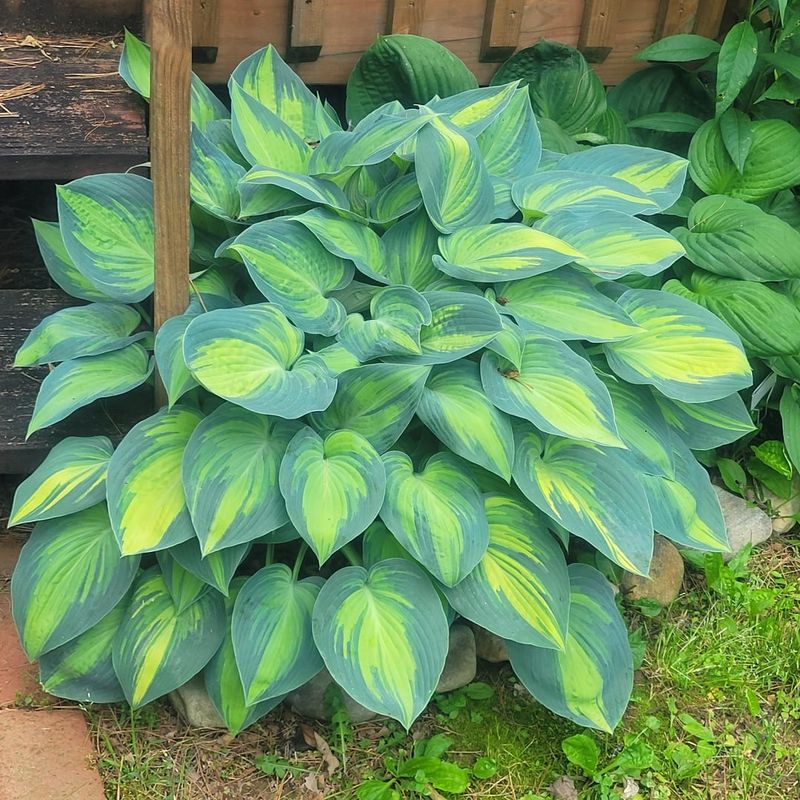
Shaded spots in Ohio yards can be some of the hardest areas to plant well, and hostas solve that problem with a reliability that is hard to match.
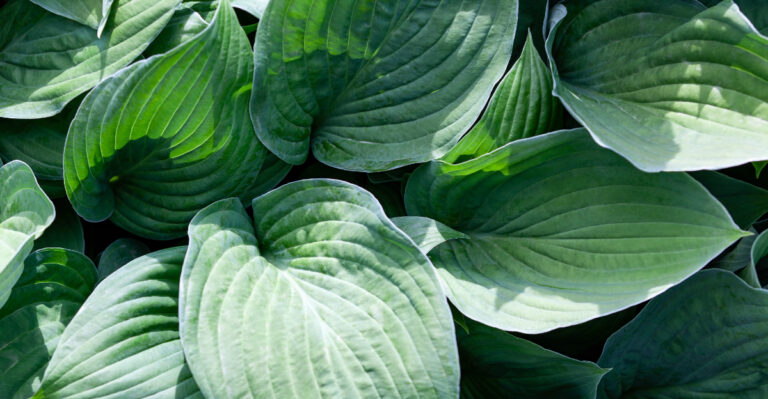
From the moment they emerge in spring to the time they go dormant in fall, hostas fill a shade border with lush, layered foliage that looks like someone spent real time planning the arrangement, even if the plants have been quietly doing their thing for years.
The variety of hosta sizes, leaf colors, and textures available makes it easy to create contrast and depth in a shaded bed.
Large blue-green varieties anchor the back of a border, while smaller gold or variegated types fill in the front, creating a layered look that feels intentional.
The broad, ribbed leaves also suppress weeds effectively, which is a practical bonus that keeps beds looking clean with minimal effort.
Hostas grow well under deciduous trees common to Ohio yards, including maples and oaks, as long as the soil stays reasonably moist.
They prefer well-drained but consistently moist conditions and benefit from a layer of mulch to help retain moisture through Ohio’s dry summer stretches.
Slugs can be an issue in wet years, but otherwise hostas are remarkably low-maintenance. Dividing large clumps every four to five years keeps them from crowding each other and refreshes their appearance.
9. Little Bluestem For Soft Movement And Fall Beauty
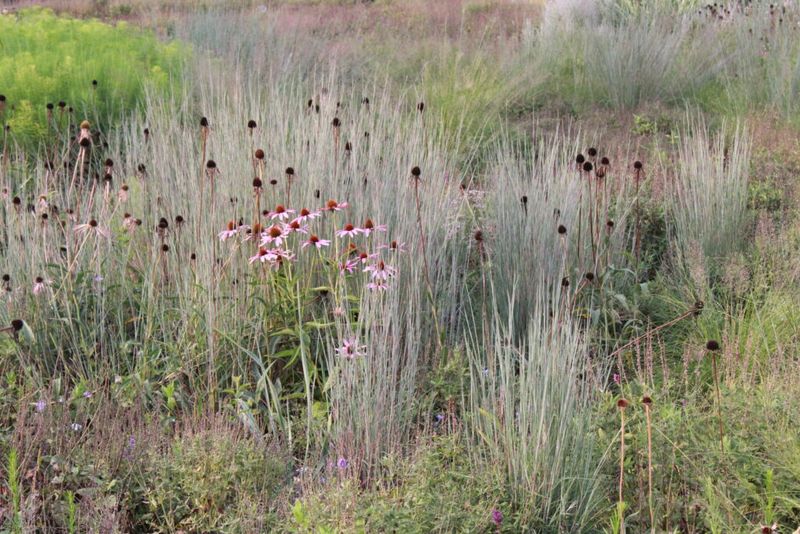
Ornamental grasses have a quality that most flowering plants do not: they move. Even on a calm day, the fine stems of little bluestem catch the slightest breeze and create a soft, rippling motion that makes a yard feel alive and dynamic.
That movement reads as intentional design rather than neglect, which is part of what makes this native grass such a smart choice for Ohio landscapes.
Little bluestem starts the season with upright, blue-green foliage that adds cool color contrast to summer borders.
As Ohio’s fall temperatures arrive, the stems shift to warm shades of copper, rust, and orange-red, turning the plant into one of the most colorful spots in the yard.
Fluffy white seed heads catch the light and add a silvery shimmer that holds through late fall and into winter.
This grass grows well in full sun and thrives in the dry, well-drained soils found in many Ohio yards. It is notably drought-tolerant once established and does not require fertilizing, which keeps maintenance genuinely minimal.
The upright clump habit means it rarely flops or spreads into neighboring plants, making it a clean, easy choice for mixed borders, slopes, or naturalized areas.
Cutting the clumps back to about four to six inches in late winter is the main annual task before fresh growth begins.
10. Switchgrass For Height, Texture, And A Planned Look
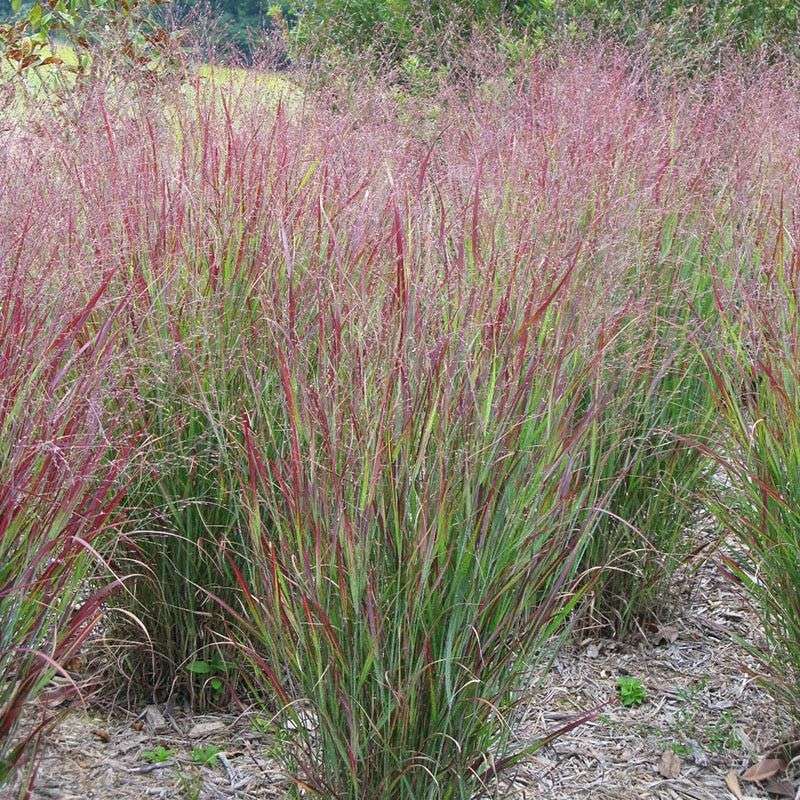
Height in a landscape bed does something that shorter plants simply cannot do on their own: it creates a sense of scale and layering that makes the whole planting feel designed.
Switchgrass is one of the best ways to add that vertical element to an Ohio yard while keeping maintenance low and visual interest high across all four seasons.
The upright, vase-shaped habit of switchgrass keeps it looking structured even as it grows taller through summer.
Varieties like Shenandoah and Heavy Metal are popular in Ohio for their strong form and reliable fall color, shifting from blue-green to shades of red, burgundy, and gold as temperatures drop.
The airy seed heads that form in late summer catch light beautifully and create a soft, hazy texture above the rest of the border.
Switchgrass is a native prairie grass well-suited to Ohio’s climate and soil conditions. It grows in full sun and tolerates both dry and occasionally wet soils, which makes it versatile across different yard conditions.
The plant supports birds and beneficial insects through fall and winter when the seed heads are left standing. Cutting the clumps back to about six inches in late winter before new growth emerges is the primary care task.
Dividing established clumps every four to five years helps maintain vigor and keeps the center from thinning out.