The Hidden Reason Some Ohio Gardens Burst With Life Each Spring (While Others Struggle)

Step outside in spring and the difference can feel striking. One Ohio garden fills with fresh growth and color almost overnight, while another nearby barely stirs.
The contrast often shows up on the same block, even when temperatures rise at the same pace.
Ohio’s cold winters, lingering frosts, and swings between soggy soil and sudden warmth create a patchwork of growing conditions from yard to yard.
Small differences below the surface and around the landscape shape how quickly plants wake up.
Once you understand what drives that early surge of life, it becomes much easier to support stronger, more consistent growth in your own garden.
1. Soil Structure And Organic Matter Levels Shape Early Growth
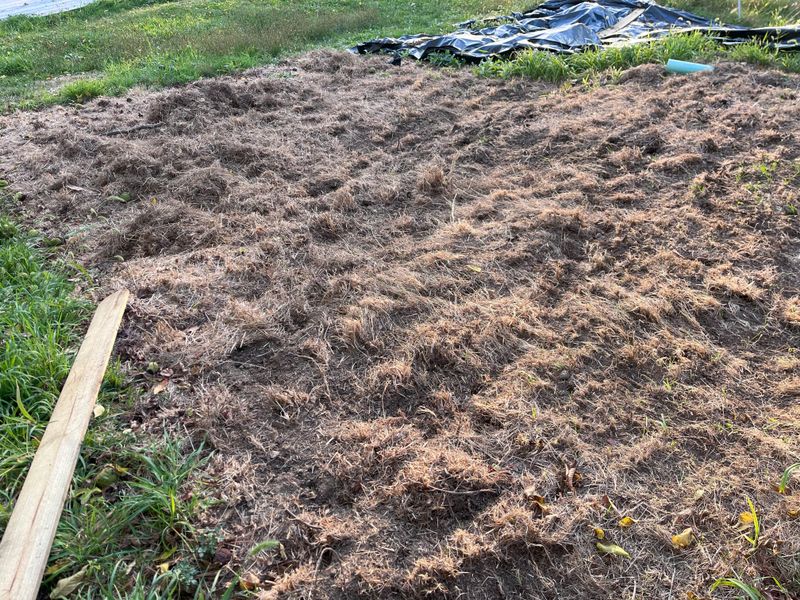
Walk through two neighboring Ohio yards in early April and you might notice one garden already showing green growth while the other still looks dormant and tired.
Often, the difference comes down to what is happening beneath the surface – specifically, soil structure and organic matter content.
Soil rich in organic matter, such as decomposed leaves, compost, and aged plant material, holds moisture more evenly while still allowing excess water to drain away.
Roots can move through this type of soil with far less resistance, which means plants can establish themselves faster when spring temperatures begin to rise.
In Ohio, where late winter thaws and early spring rains are common, having soil that manages moisture well gives plants a meaningful head start.
Organic matter also feeds the beneficial microbes and earthworms that break down nutrients into forms plant roots can absorb.
Yards that have been regularly amended with compost over several seasons tend to develop a loose, crumbly texture that warms up more quickly than dense, compacted ground.
Gardens that skip this kind of soil building often stay cold and waterlogged longer into the season.
Adding compost each fall or early spring is one of the most practical steps Ohio gardeners can take to improve how their soil performs when warmer weather finally arrives.
2. Spring Soil Temperature Differences Across Ohio Gardens
Most Ohio gardeners watch the calendar or the weather forecast to decide when to start planting, but the calendar rarely tells the full story.
Soil temperature is one of the most reliable indicators of whether plants will respond to spring conditions or simply sit and wait.
Plant roots become active only when soil reaches certain temperature thresholds.
Cool-season vegetables and perennials may begin growing when soil hits around 40 to 50 degrees Fahrenheit, while warm-season plants need soil closer to 60 degrees before they show meaningful progress.
In Ohio, soil temperatures can vary significantly from one yard to the next depending on slope, surface cover, shade patterns, and how much organic matter is present.
South-facing beds and raised beds tend to warm up noticeably earlier than low-lying or heavily shaded areas.
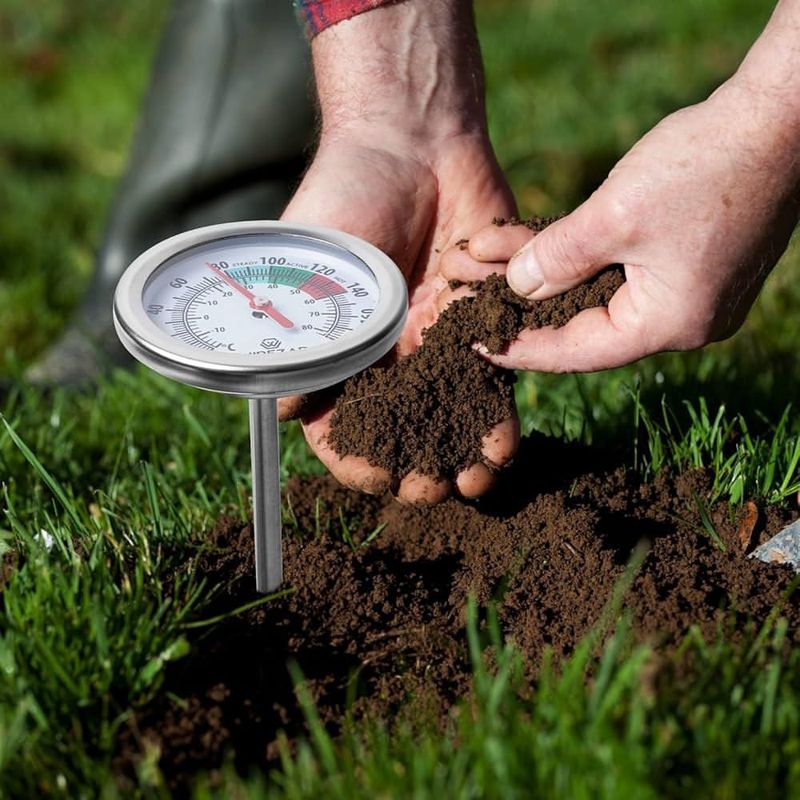
A simple soil thermometer, available at most garden centers, can take the guesswork out of spring planting decisions.
Checking soil temperature at a depth of two to four inches gives a practical sense of whether roots will be comfortable growing.
Your Ohio Garden Changes Every Week. Your Plan Should Too.
Gardening in Ohio changes quickly throughout the season. Every Friday you’ll receive a simple weekly plan showing exactly what to plant, prune, fertilize, harvest, and protect so you never miss the right timing.
Ohio’s spring weather can swing dramatically from week to week, so tracking soil temperature rather than air temperature helps gardeners make smarter choices about when to plant, transplant, or divide perennials for the best early-season results.
3. Drainage And Compaction Can Limit Root Development
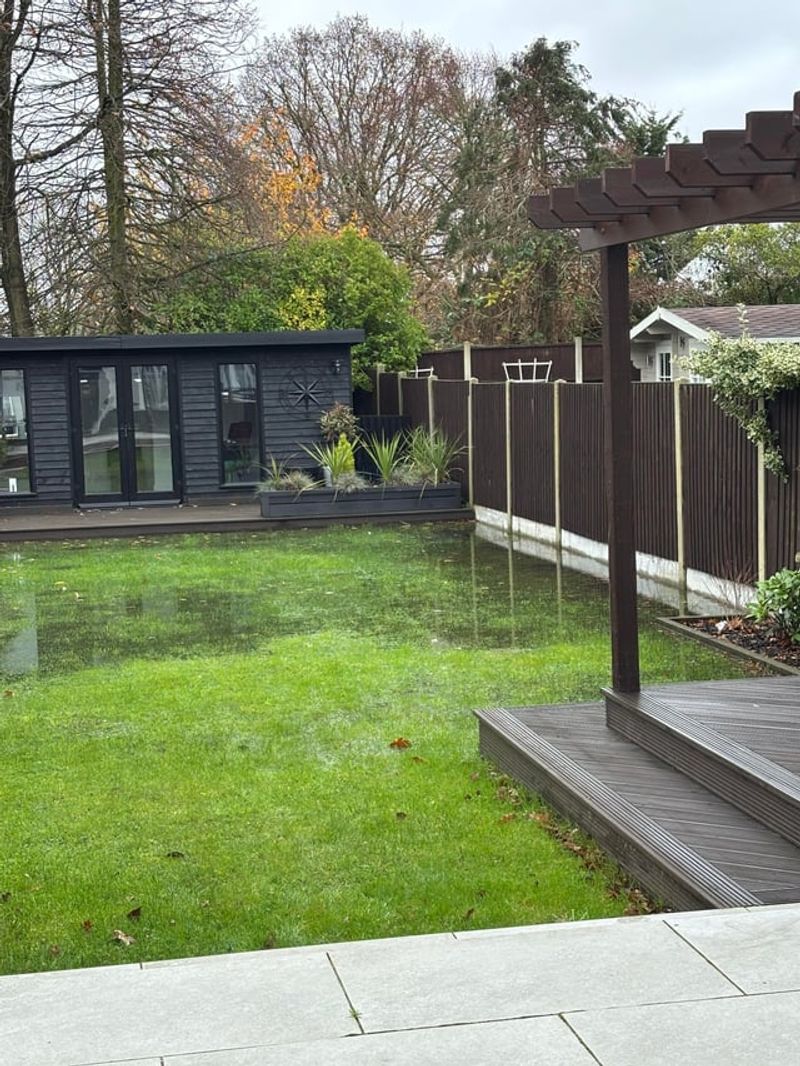
Soggy soil is one of the most common complaints among Ohio gardeners in spring, and for good reason.
After months of frozen ground, snowmelt, and spring rainfall, many Ohio yards experience periods where water simply has nowhere to go.
When soil stays saturated for extended stretches, plant roots are deprived of oxygen and begin to suffer even before the growing season gets started.
Compacted soil makes this problem worse. Heavy foot traffic, repeated tilling, and years without organic matter additions cause soil particles to press tightly together, leaving little room for water or air to move through.
Roots in compacted ground struggle to push deeper, which limits a plant’s ability to access moisture and nutrients during dry spells later in the season.
Ohio’s clay-heavy soils, found across much of the state, are especially prone to compaction and slow drainage.
Improving drainage does not require major landscaping projects. Incorporating compost into planting beds, avoiding walking on wet soil, and creating simple raised beds in low-lying areas can make a noticeable difference over time.
Some gardeners also use cover crops during the off-season to help break up compaction naturally through root action.
Addressing drainage and compaction issues before planting season gives roots the open, aerated environment they need to develop quickly once Ohio’s spring warmth settles in.
4. Sun Exposure And Microclimates Around The Landscape

Stand in an Ohio yard on a clear April morning and you can almost feel the difference between a sun-drenched south-facing bed and a shaded corner tucked behind a fence or evergreen hedge.
These small pockets of differing temperature and light are called microclimates, and they play a surprisingly large role in how quickly different parts of a garden wake up each spring.
South and west-facing areas typically receive more direct sunlight and reflect warmth from nearby structures like walls, fences, and pavement.
This extra heat can push soil temperatures higher earlier in the season, encouraging plants to emerge and bloom weeks ahead of shadier spots on the same property.
North-facing beds and areas shaded by large trees or buildings may stay cooler and darker well into May, slowing plant activity considerably.
Ohio’s variable spring weather, with its mix of sunny days and cloudy stretches, amplifies these microclimate effects.
A plant growing near a south-facing brick wall essentially experiences a slightly warmer, more sheltered version of Ohio’s spring climate than a plant growing in an exposed or shaded location.
Mapping out where sun falls throughout the day, and in which direction slopes or structures face, can help gardeners make smarter decisions about plant placement and get more consistent results across the entire landscape each spring.
5. Soil pH And Nutrient Availability In Ohio Landscapes

Nutrient availability in garden soil is not just about what you add – it is largely determined by soil pH, the measure of how acidic or alkaline the soil is.
Even if a garden bed has been amended with fertilizer or compost, plants may not be able to access those nutrients if the pH is off.
Ohio soils vary considerably across the state, with some areas leaning slightly acidic and others naturally more alkaline due to limestone bedrock and past land use.
Most common garden plants prefer a pH range between 6.0 and 7.0. When soil pH falls outside this range, certain nutrients become chemically bound and unavailable to plant roots, even when those nutrients are physically present in the soil.
Iron, manganese, and phosphorus are among the nutrients most affected by pH imbalance.
A garden with yellowing leaves or stunted early growth despite regular fertilizing may be dealing with a pH problem rather than a nutrient shortage.
Soil testing is the most reliable way to know what your garden actually needs. Many Ohio county extension offices and local garden centers offer affordable soil testing kits.
Results typically recommend lime to raise pH or sulfur-based amendments to lower it.
Adjusting soil pH takes time, so testing and amending in fall allows the soil to shift gradually before the next growing season, giving spring plants a much more nutrient-friendly environment to grow into.
6. Timing Of Spring Cleanup Affects Pollinators And Plant Health
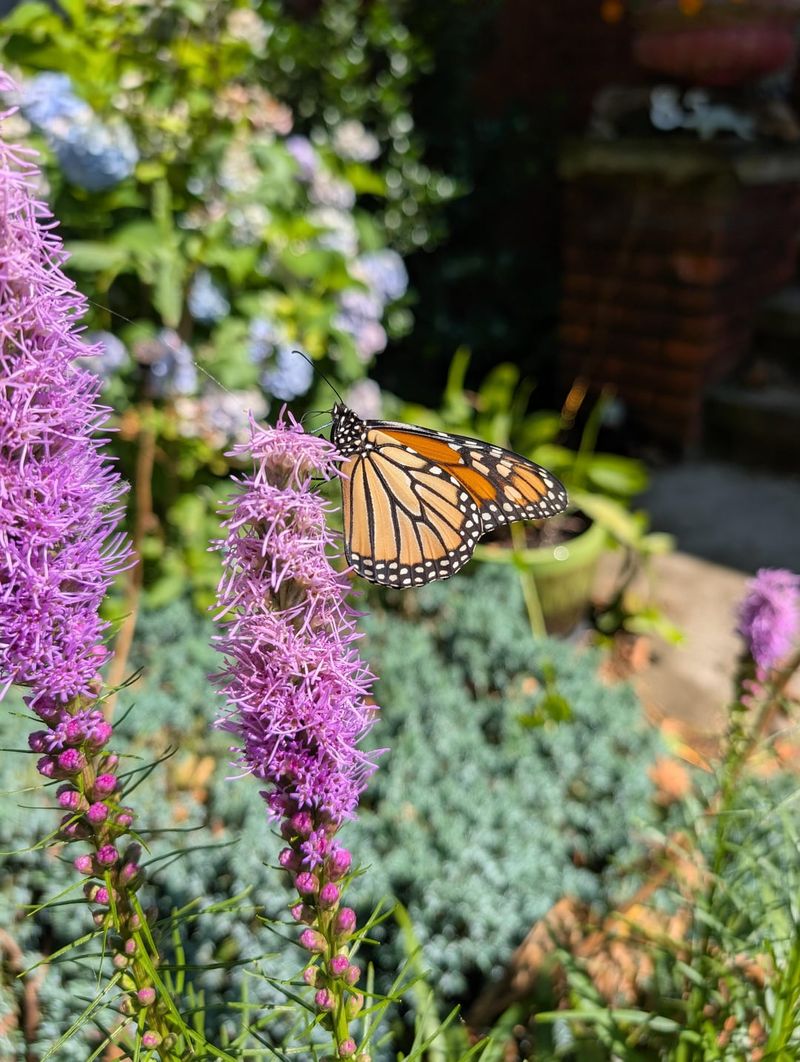
Many Ohio gardeners feel the urge to tidy up garden beds the moment temperatures start climbing in late February or early March.
Clearing out old leaves, cutting back damaged or non-viable stems, and raking debris feels productive, but doing this work too early can unintentionally disrupt overwintering insects still sheltering in place.
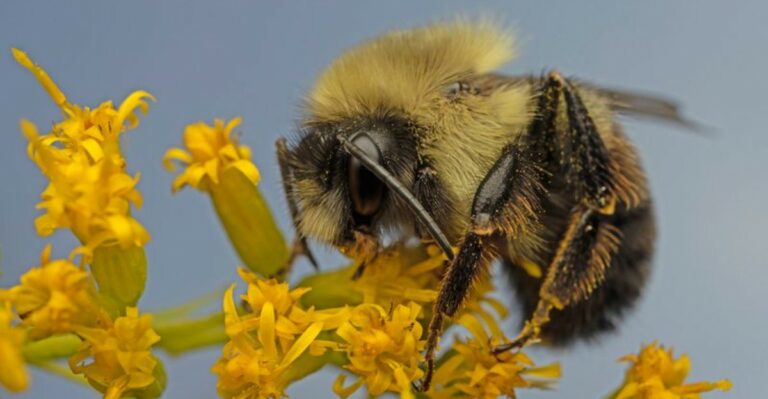
Native bees, beneficial wasps, and other pollinators spend winter inside hollow plant stems, tucked under leaf litter, or burrowed just below the soil surface.
These insects do not become active until air temperatures consistently reach around 50 degrees Fahrenheit for several days in a row.
Cleaning up beds before that threshold arrives can expose or disturb insects before they are ready to emerge, reducing the pollinator populations that Ohio gardens depend on for fruit and seed production throughout the growing season.
Leaving stems standing and leaf litter in place until mid-April gives overwintering insects a better chance of completing their life cycles undisturbed.
Cutting stems to around 12 to 18 inches rather than removing them entirely is another approach that balances garden tidiness with habitat preservation.
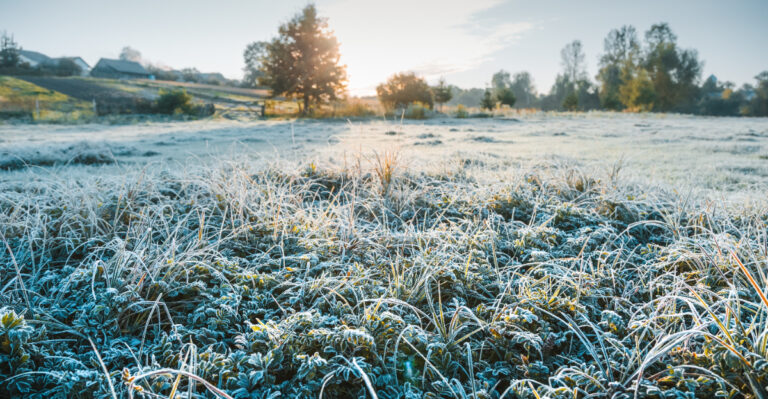
Spring cleanup timing also affects plant health directly – removing protective mulch or debris too early can expose emerging shoots to late frosts, which are still a real possibility across much of Ohio well into April and sometimes early May.
7. Native Plant Choices And Their Role In Early Season Success
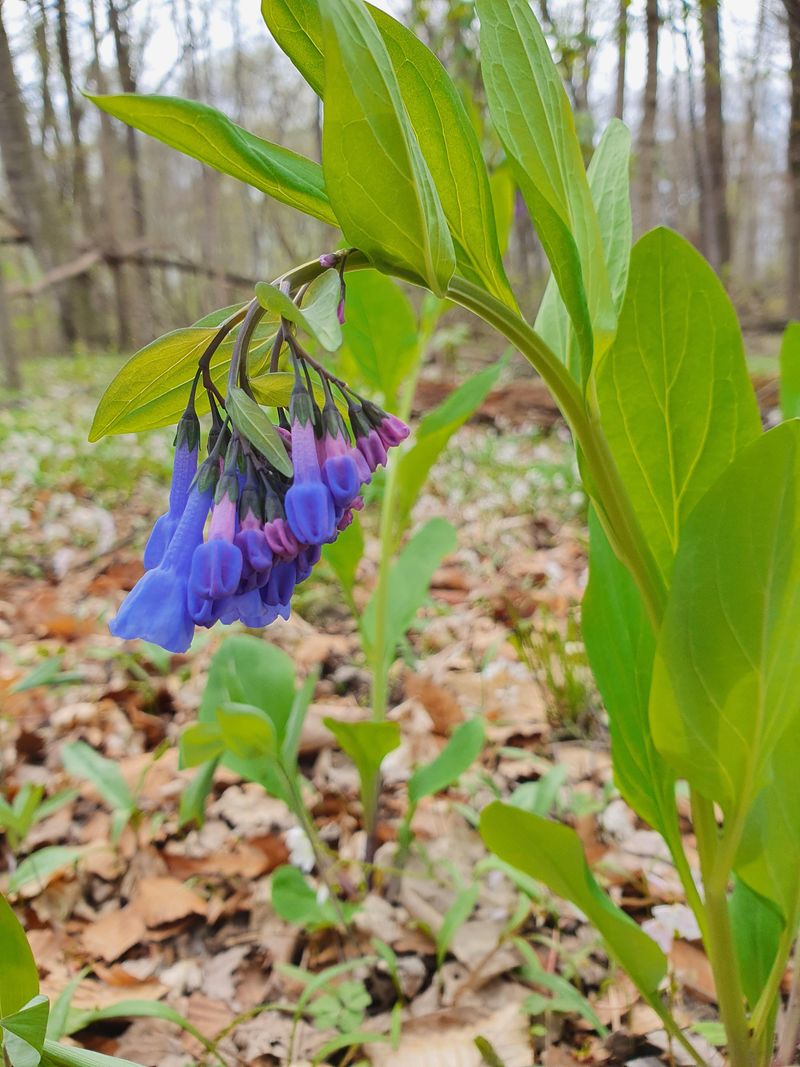
Some Ohio gardens seem to light up almost as soon as winter ends, and native plants are often the reason.
Plants that evolved in Ohio’s specific climate, soil conditions, and seasonal rhythms have developed deep compatibility with local environmental cues.
They know, in a biological sense, when Ohio spring has truly arrived – and they respond quickly and reliably.
Native species like Virginia bluebells, wild columbine, trout lily, and bloodroot emerge early in spring, often pushing through the soil while temperatures are still cool. Their root systems are adapted to Ohio’s freeze-thaw cycles and tend to establish more deeply than many non-native ornamentals, giving them better access to soil moisture during dry spells.
Native plants also support early-emerging pollinators more effectively because their bloom times align with when local bees and butterflies first become active.
Non-native plants are not inherently problematic, but they sometimes require more intervention to perform well in Ohio’s variable spring conditions.
They may need additional watering, soil amendments, or protection from late frosts that native plants handle with far less fuss.
Incorporating even a modest selection of Ohio natives into mixed garden beds can noticeably improve how the whole garden looks and performs in early spring.
Over time, native plants tend to spread and self-seed naturally, gradually creating a more resilient and lively landscape each year.
8. Winter Damage And Freeze–Thaw Cycles Impact Plant Vigor
Ohio winters can be deceptively hard on garden plants, even when temperatures do not reach extreme lows.
One of the most underappreciated forms of winter stress is frost heaving – a process where repeated freezing and thawing of the soil literally pushes plant crowns and roots upward and out of the ground.
Shallow-rooted perennials and newly planted shrubs are especially vulnerable to this kind of physical disruption.
When roots are exposed above the soil surface during cold snaps, they lose moisture rapidly and can suffer significant damage.
Plants that experience frost heaving often look weak or patchy when spring arrives, not because of the cold itself but because their root systems were physically displaced during winter.
Ohio’s climate, with its frequent mid-winter thaws followed by hard freezes in January and February, creates conditions where this cycle repeats multiple times in a single season.
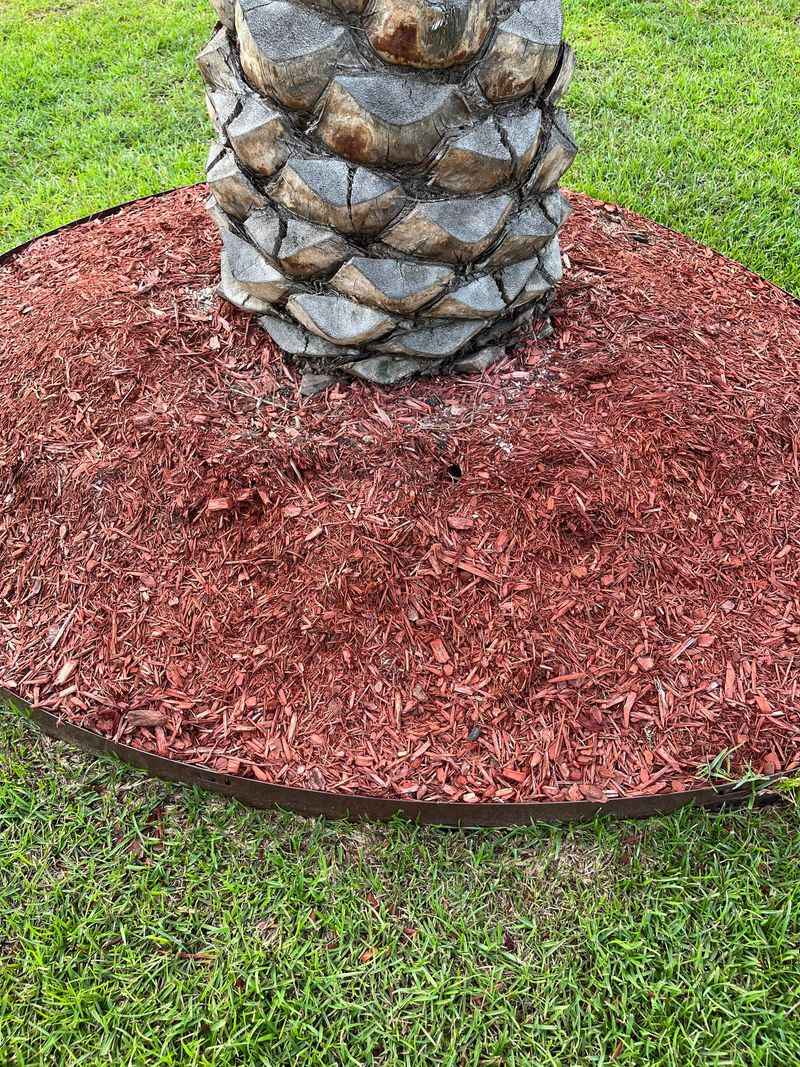
Applying a layer of mulch around plant crowns in late fall – typically two to three inches of shredded bark or straw – helps insulate the soil and moderate temperature swings that lead to heaving.
Checking beds in late February or early March and gently pressing any heaved crowns back into the soil can also reduce spring damage.
Plants that enter the growing season with intact, well-anchored root systems simply have more energy available for early growth, which shows clearly in how quickly and fully they recover once Ohio’s spring warmth takes hold.