The Right Ways To Attract Ladybugs To Your Texas Garden
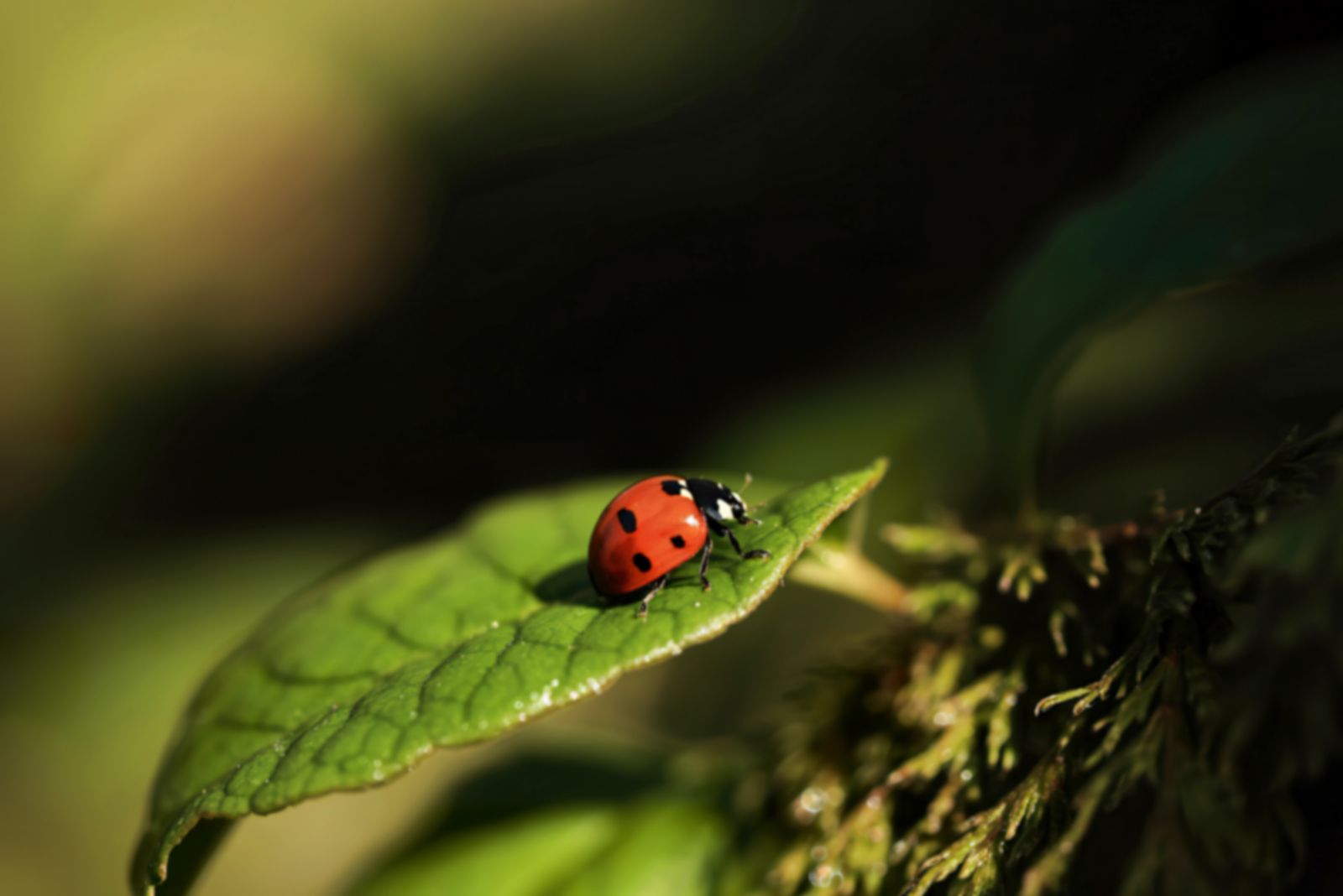
Ladybugs are the kind of garden guests most Texas gardeners are happy to see. They are small, bright, easy to spot, and surprisingly helpful when it comes to dealing with pests that can take over flower beds, vegetables, and herbs.
If aphids have been showing up on your plants or your garden feels like it is under constant attack, attracting more ladybugs can make a real difference without turning to harsh chemicals.
The good news is that bringing them in is not complicated, but it does take the right approach. A Texas garden has its own challenges, from intense sun to dry stretches to sudden weather swings, so the usual advice does not always work the same way here.
Some plants draw ladybugs in naturally, while certain gardening habits can push them away before they ever settle in.
With a few smart changes, your yard can become the kind of place ladybugs want to stay, and your plants will be better off because of it.
1. Plant Heat-Tolerant, Nectar-Rich Flowers
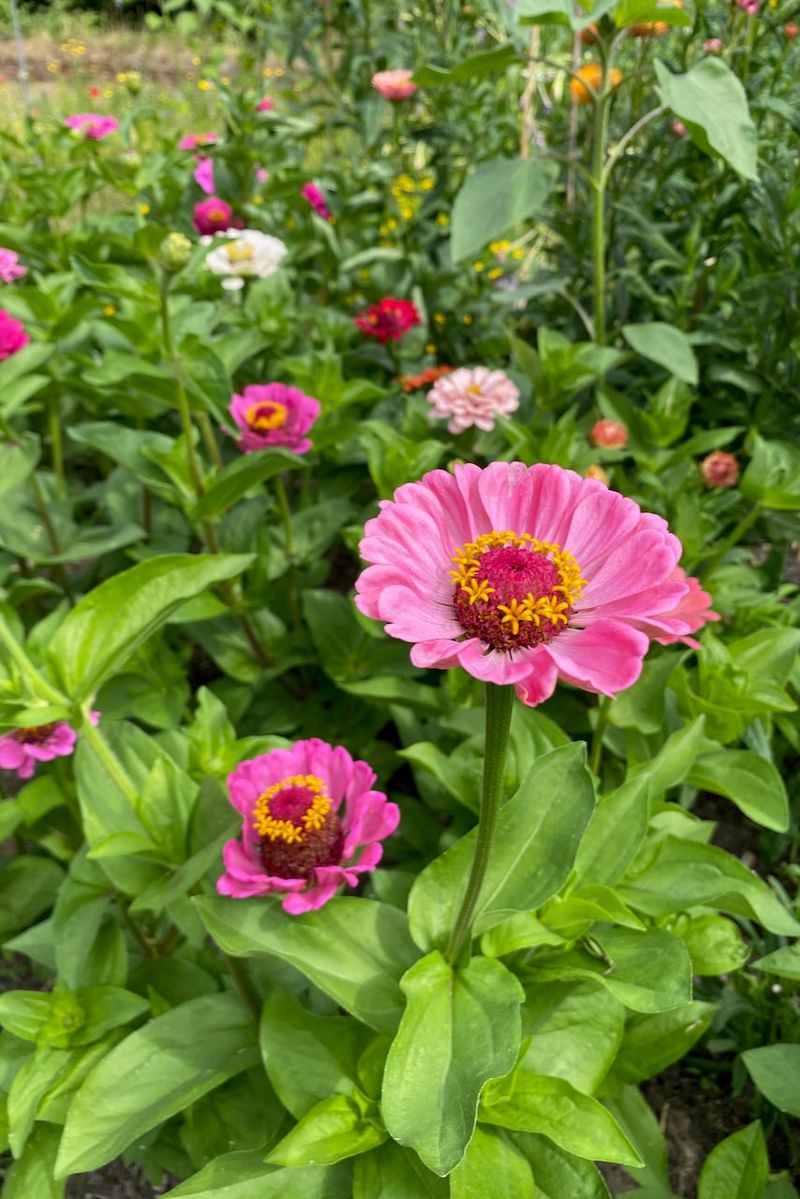
Flowers are like a welcome sign for ladybugs. When you plant the right ones, you give ladybugs a reason to stop and stay in your Texas garden.
Ladybugs do not just eat aphids. They also feed on nectar and pollen, which means flowering plants are a key part of bringing them in.
In Texas, the summer heat can be brutal, so you need flowers that can handle full sun without wilting. Great choices include zinnias, coreopsis, cosmos, dill, and fennel.
These plants are tough, colorful, and packed with the nectar that ladybugs love. Zinnias especially thrive in the Texas heat and bloom for months, giving ladybugs a long season of food.
Dill and fennel are herbs that do double duty. They attract ladybugs and are also useful in the kitchen.
Plant them along the edges of your garden beds where they get plenty of sunlight. Coreopsis, also called tickseed, is a Texas native that blooms bright yellow and handles drought well.
Try mixing several of these plants together in one area. A variety of flowers with different bloom times keeps food available for ladybugs from spring through fall.
The more color and variety you offer, the more likely ladybugs are to find and stay in your garden. Starting with just two or three of these plants is enough to make a real difference in your Texas yard this season.
2. Grow Aphid-Friendly Trap Plants
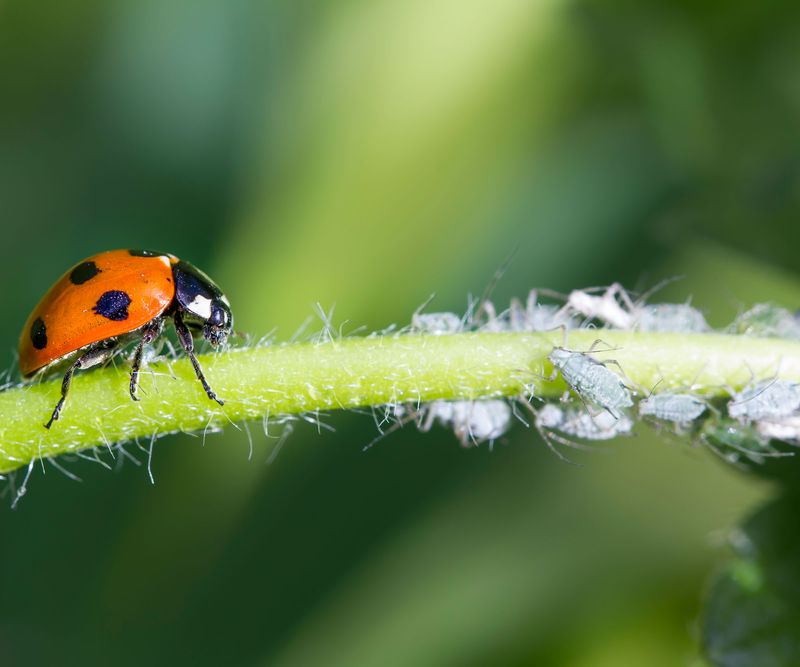
Ladybugs are hunters at heart. Before they settle into your garden, they need to know there is food waiting for them.
Aphids are their favorite meal, and planting what aphids love is one of the smartest tricks any Texas gardener can use.
Trap plants are plants you grow specifically to attract aphids, which then draws ladybugs in to feed. Roses are a classic example.
Aphids absolutely love roses, and if you grow them in your Texas garden, ladybugs will follow. Milkweed and okra are two more excellent choices that tend to pull aphids in naturally.
Your Texas Garden Changes Every Week. Your Plan Should Too.
Gardening in Texas changes quickly throughout the season. Every Friday you’ll receive a simple weekly plan showing exactly what to plant, prune, fertilize, harvest, and protect so you never miss the right timing.
The idea is simple. You let the aphids gather on these plants, and then ladybugs arrive to take care of the problem for you.
It sounds a little strange at first, but it works really well. You are basically setting up a natural buffet that invites ladybugs onto your property.
Okra is a great option for Texas gardens because it grows well in the heat and produces a heavy crop. Milkweed is also a Texas-friendly plant that supports monarch butterflies too, so you get extra benefits from planting it.
Place these trap plants near the rest of your garden so ladybugs can easily move between them. Once ladybugs discover the aphid supply, they tend to stick around and patrol the whole area.
It is one of the most natural and effective pest control strategies available to Texas gardeners today.
3. Avoid Chemical Pesticides Completely
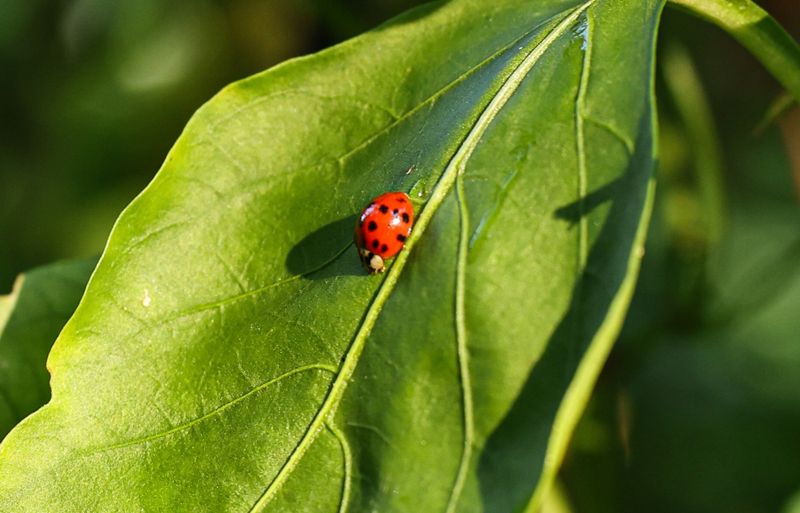
Walk down any garden store aisle and you will find dozens of sprays promising to wipe out every bug in sight.
The problem is that most of those sprays do not know the difference between the bad bugs and the good ones. Even mild pesticides can seriously harm ladybugs and their larvae.
Ladybug larvae look nothing like adult ladybugs. They are small, dark, and spiky, and many gardeners accidentally harm them because they do not recognize them as beneficial insects.
If you spray pesticides on your plants, you could be removing the very helpers you are trying to attract. Texas gardens benefit enormously from keeping this natural balance in place.
Going pesticide-free does not mean giving up on pest control. It means letting nature do the work.
Ladybugs can eat dozens of aphids in a single day, and a healthy ladybug population can manage pest problems better than most chemical sprays over time. Trust the process and give your Texas garden space to find its balance.
If you have a serious pest problem and feel you need to act, try targeted solutions like neem oil or insecticidal soap on specific areas only. These are far less harmful to ladybugs than broad-spectrum chemical sprays.
Always read labels carefully and apply only when necessary. Cutting out chemical pesticides is one of the single most powerful steps you can take to make your Texas garden a safe and welcoming place for ladybugs all season long.
4. Provide Water In A Safe Way
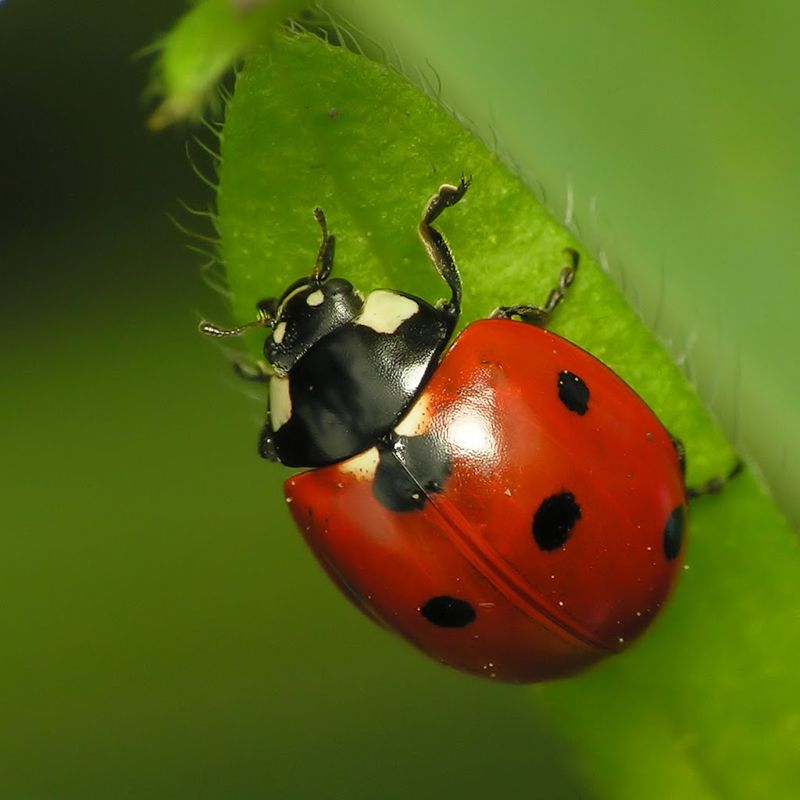
Most people think about food when they want to attract wildlife, but water is just as important.
Ladybugs need to drink, especially during the scorching Texas summers when temperatures can climb well above 100 degrees. Without a reliable water source nearby, ladybugs will move on to find one somewhere else.
The trick is offering water in a way that is safe for such a small insect. A regular birdbath or deep dish is too dangerous for ladybugs.
They can easily fall in and struggle to get back out. Instead, use a shallow dish or saucer and fill it with small pebbles or flat stones.
The ladybugs can land on the stones and drink from the water around them without any risk.
Placement matters a lot in the Texas heat. Put your water dish in a spot that gets some shade during the hottest part of the afternoon.
A fully sunny spot will cause the water to evaporate too quickly and heat up to temperatures that are not comfortable for small insects. Near a shrub or under a partial tree canopy works well.
Refresh the water every couple of days to keep it clean and cool. Stagnant water can attract mosquitoes, which is the last thing any Texas gardener wants.
Adding a few drops of water to the dish each morning is a quick and easy habit to build. This small setup can make a surprisingly big difference in whether ladybugs choose to stick around your garden throughout the summer.
5. Let Some Areas Stay A Little Wild
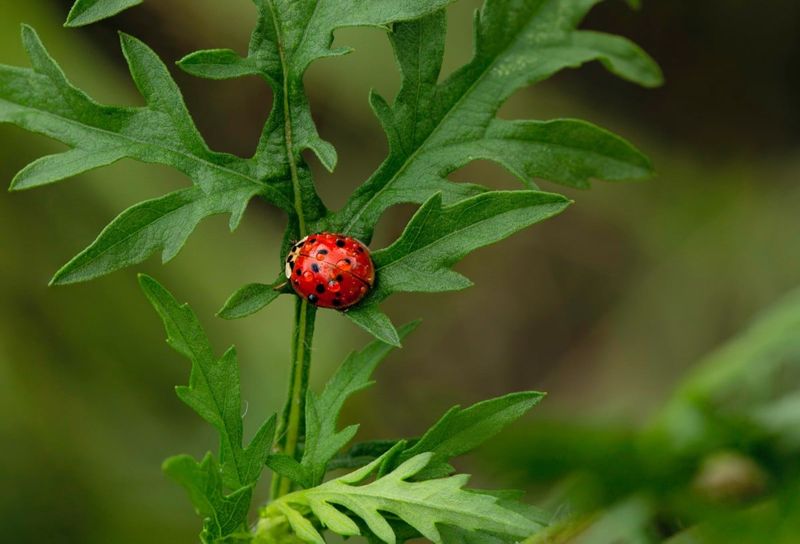
Not every part of your garden needs to be perfectly trimmed and tidy. In fact, ladybugs actually prefer a little messiness.
Leaving some wild, undisturbed areas in your Texas garden gives ladybugs the shelter they need to rest, hide from predators, and escape the intense summer heat.
Think about small patches of tall grass, piles of mulch, or clusters of dried leaves tucked into corners of your yard. These spots act like tiny hotels for ladybugs.
During the hottest Texas afternoons, ladybugs will retreat into these shaded, sheltered areas to cool down and rest before heading back out to feed.
Wild patches also support ladybug reproduction. Female ladybugs lay their eggs in protected spots near food sources.
If your garden has cozy, undisturbed areas with leaf litter or dense ground cover, it becomes an ideal place for ladybugs to raise the next generation. More ladybugs hatching in your garden means more natural pest control for you.
You do not need to let your whole yard go wild. Just dedicate one or two small corners or edges to this natural approach.
Along a fence line, under a large shrub, or beside a garden bed are all great spots. This is especially helpful during hot Texas summers when ladybugs need extra protection from the heat.
A little wildness goes a long way when it comes to making your outdoor space a true ladybug sanctuary that lasts all season.
6. Use Native Texas Plants
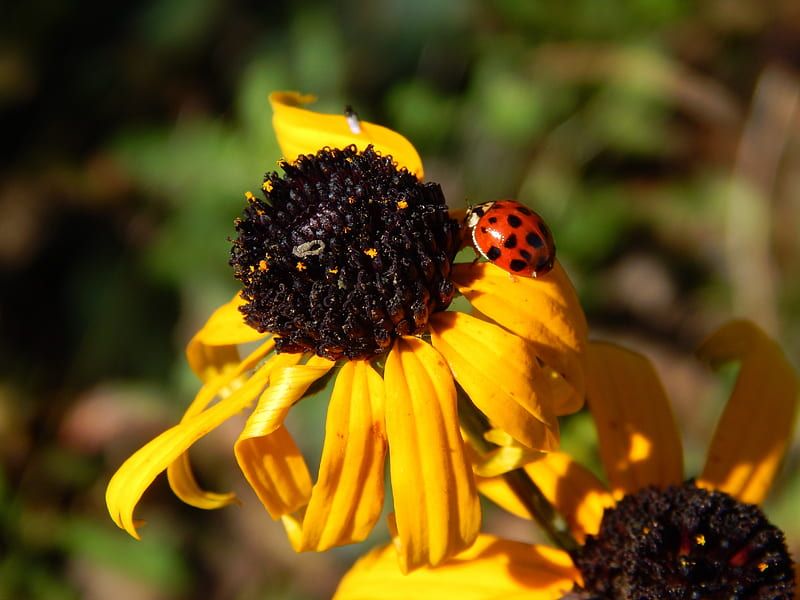
Did you know that native plants are like a home-cooked meal for local insects? Plants that naturally grow in Texas have evolved alongside the insects, birds, and pollinators that live here.
When you fill your garden with native species, you are speaking the local wildlife’s language, and ladybugs respond to that.
Black-eyed Susans are a fantastic starting point. They bloom bright yellow with dark centers and attract a wide range of beneficial insects, including ladybugs.
Goldenrod is another Texas native that blooms in late summer and fall, filling a gap when many other flowers have stopped blooming.
Native salvias, especially the red or blue varieties, are tough, drought-tolerant, and absolutely loved by pollinators and beneficial insects alike.
One of the best things about native plants is that they are already adapted to Texas conditions. They can handle the heat, the occasional drought, and the soil types common across the state.
That means less work for you and more reliable blooms season after season. You spend less time watering and more time enjoying the wildlife that shows up.
Native plants also support the broader insect ecosystem, which is important for keeping your Texas garden healthy and balanced. When beneficial insects like ladybugs have a strong, reliable habitat, they stick around longer and work harder for your garden.
Visit a local Texas native plant nursery to find species suited to your specific region. Starting with just a few native plants can quickly transform your yard into a thriving, ladybug-friendly environment.
7. Plant In Clusters, Not Singles
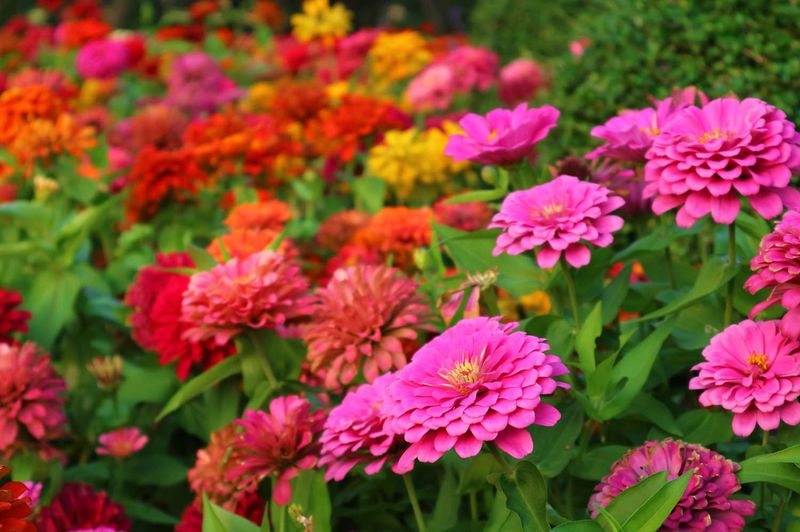
Planting one zinnia here and one cosmos there might seem like a good way to spread color around your garden, but ladybugs do not work that way.
These little beetles are drawn to strong signals, and a single plant just does not produce enough scent or visual impact to grab their attention from a distance.
Grouping the same plants together in clusters creates a much stronger signal. Imagine ten zinnias blooming side by side compared to just one.
The color is more vibrant, the scent is more powerful, and the food source is much larger. Ladybugs flying over your Texas yard are far more likely to spot and land in a dense planting than a scattered one.
Clusters also make it easier for ladybugs to stay in one spot and feed efficiently. When food is concentrated in one area, ladybugs do not have to travel as far between meals.
They will spend more time in your garden, lay more eggs nearby, and build a stronger presence over time.
A good rule of thumb is to plant at least five to seven of the same plant together in a group. Repeat those clusters in different spots around your Texas garden to create multiple landing zones for ladybugs.
Mix clusters of flowers with clusters of herbs like dill or fennel for even more variety. This planting strategy is simple, affordable, and one of the most effective ways to make your garden stand out to ladybugs flying through your Texas neighborhood looking for a new home.