This Is What Texas Azaleas Need In Early Spring For A Stunning Bloom Display
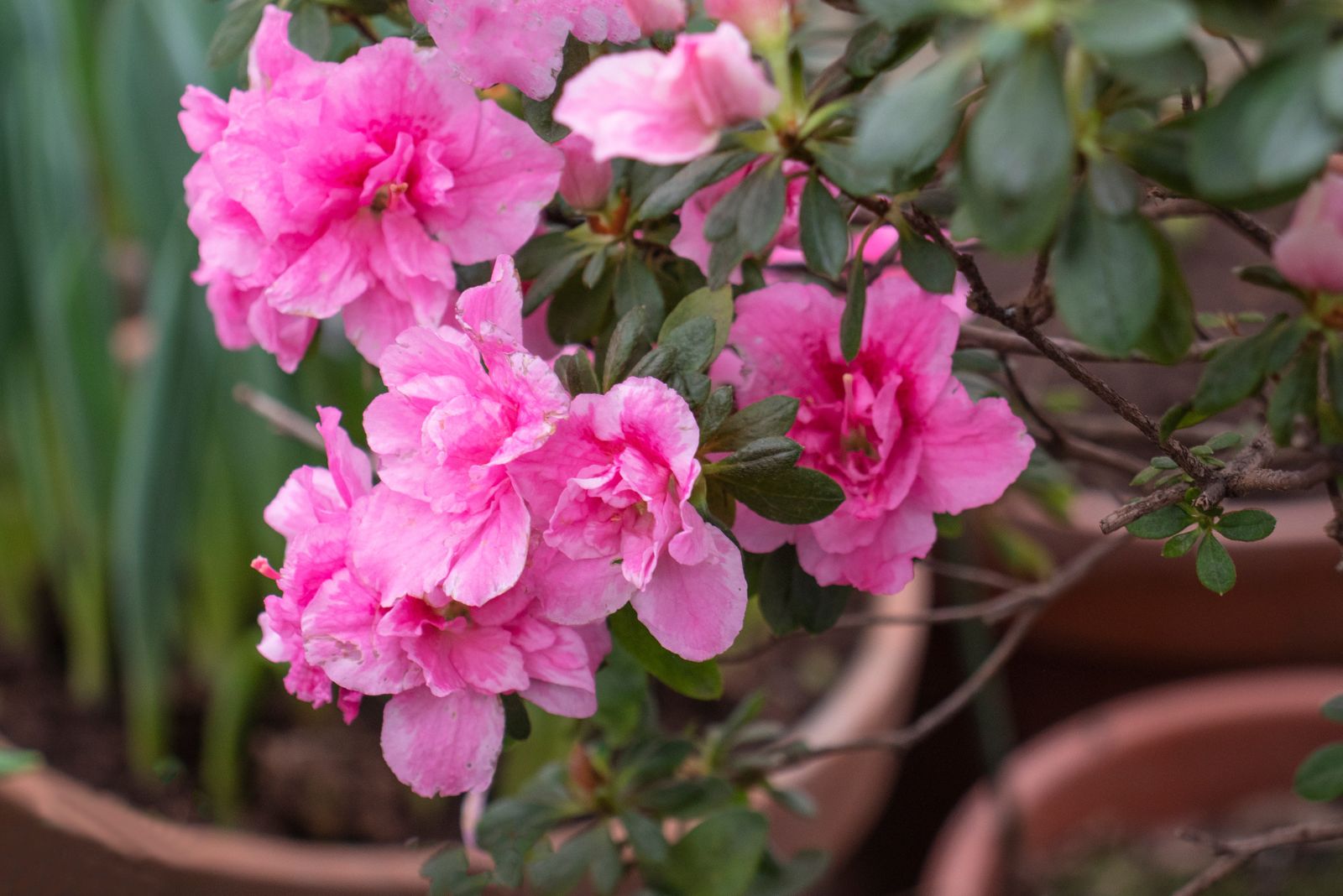
Azaleas have a way of stealing the show when spring rolls into Texas. One week your yard looks quiet and ordinary, and the next it is bursting with blooms so bright they almost seem unreal.
When azaleas are healthy, they put on the kind of display that makes people slow down and stare. When they are not, the difference is hard to miss.
Early spring is the window that can make or break that bloom season. This is when Texas gardeners need to give azaleas a little extra attention if they want fuller flowers, richer color, and shrubs that look their best instead of stressed and sparse.
The timing matters, and so does knowing what these plants actually need once the weather starts warming up.
The good news is that you do not need a complicated routine to get beautiful results. A few smart steps in early spring can set your azaleas up for a season of standout blooms that make the whole yard feel more alive.
1. Consistent Moisture (But Never Soggy Soil)
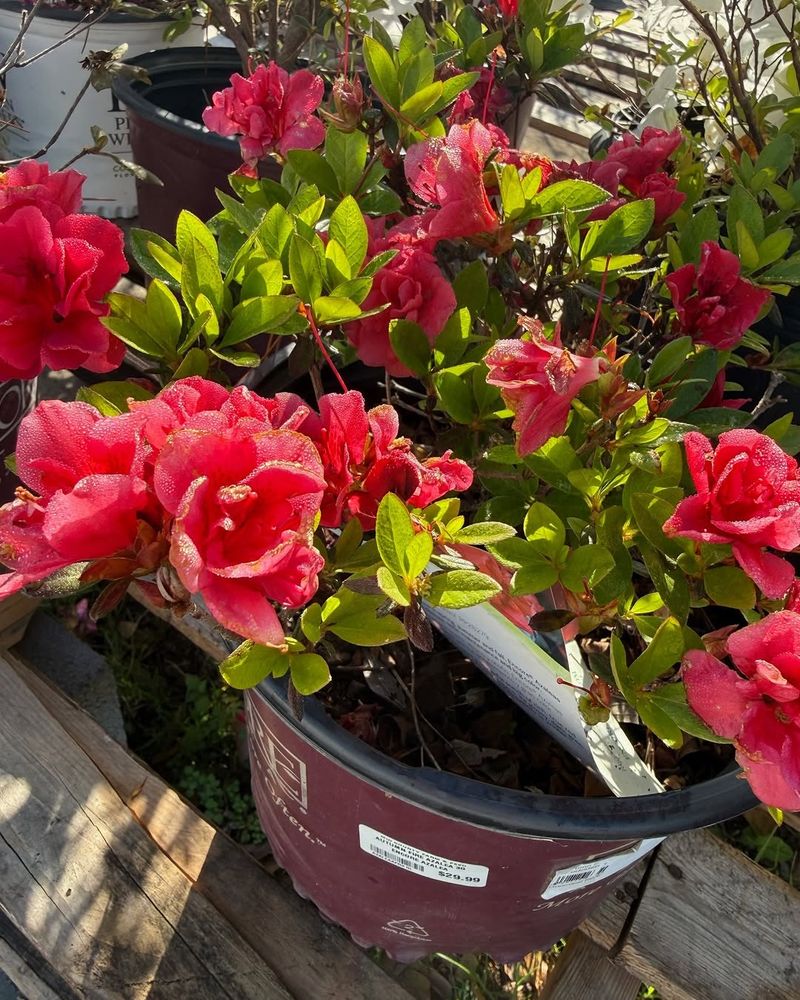
Water is everything when azalea buds are swelling in early spring. Get it right, and your blooms will be full and vibrant.
Get it wrong, and your buds may drop before they even open. In Texas, the tricky part is that spring weather can shift fast.
One week you get soaking rain, and the next week the sun is blazing and the soil is bone dry.
The best approach is to check your soil often. Push your finger about an inch into the ground near the base of the plant. If it feels dry, it is time to water. If it still feels damp, wait another day or two.
Azaleas love consistent moisture, but their roots cannot handle sitting in soggy soil for long. Waterlogged roots can lead to root rot, which is one of the fastest ways to ruin a healthy plant.
When you do water, water deeply. A slow, deep soak encourages roots to grow downward, which helps the plant handle Texas heat later in the season.
Shallow watering only wets the surface and leaves roots vulnerable. Early morning is the best time to water because it gives the leaves a chance to dry out before evening, which helps prevent fungal problems.
In East Texas, where spring rains can be heavy, you may need to water less often. In drier areas like Central or North Texas, supplemental watering will likely be needed more regularly.
Adding mulch around the base of your plants also helps the soil hold moisture between waterings. Keeping that moisture level steady is one of the most important things you can do for a strong bloom display this season.
2. Acidic Soil Conditions
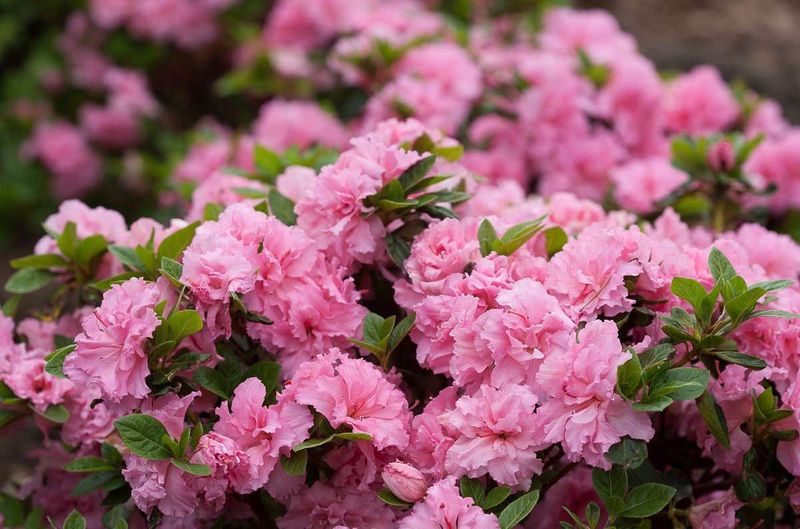
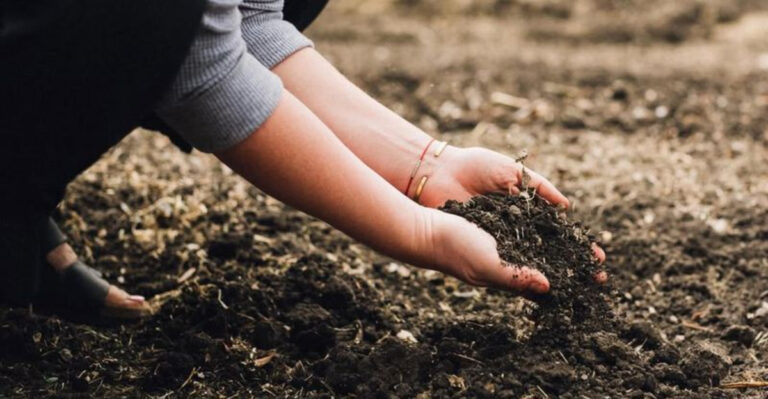
Here is something a lot of Texas gardeners find out the hard way: azaleas are picky about their soil. They need acidic conditions to truly thrive, with a soil pH somewhere between 4.5 and 6.0.
Outside of that range, azaleas struggle to absorb the nutrients they need, even if the nutrients are right there in the soil. The result is often yellowing leaves and weak blooms.
Your Texas Garden Changes Every Week. Your Plan Should Too.
Gardening in Texas changes quickly throughout the season. Every Friday you’ll receive a simple weekly plan showing exactly what to plant, prune, fertilize, harvest, and protect so you never miss the right timing.
The problem in Texas is that many soils, especially in Central and North Texas, are naturally alkaline. Limestone-heavy soils can have a pH well above 7.0, which is the opposite of what azaleas want.
Even in East Texas, where soils tend to be more acidic, it is still a good idea to test your soil before assuming everything is fine. Soil test kits are inexpensive and available at most garden centers.
If your pH is too high, you have a few options. Sulfur-based soil acidifiers can bring the pH down over time.
Pine bark mulch and peat-based amendments also help create a more acidic environment around the roots. Many experienced Texas gardeners mix pine bark fines directly into the planting area to improve both drainage and acidity at the same time.
Raised beds or containers filled with an acidic potting mix are another smart solution, especially in areas with very alkaline native soil. This gives you full control over the growing environment.
Getting your soil pH right before bloom season is one of the most impactful steps you can take. When azaleas have the soil conditions they love, they reward you with lush, healthy growth and an impressive flower show every spring.
3. Light Feeding At The Right Time
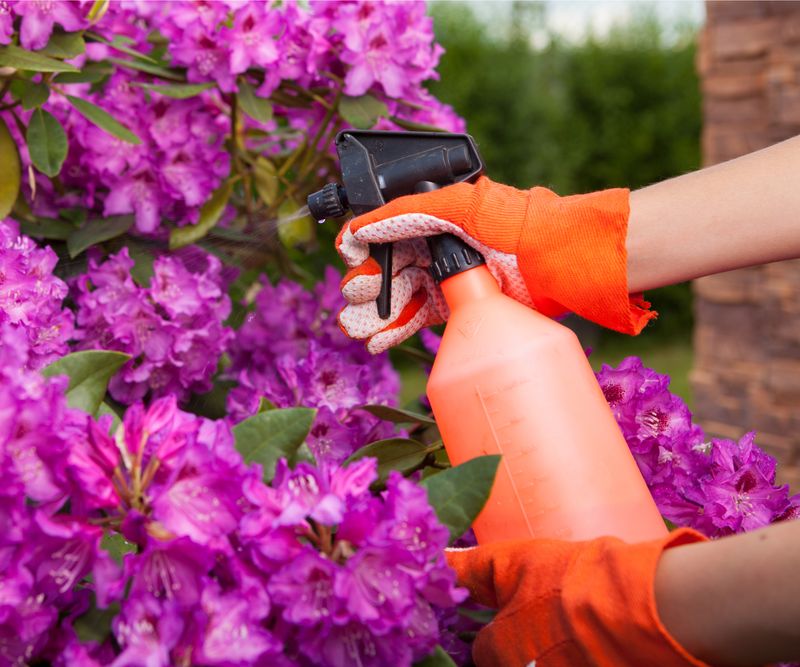
Fertilizing azaleas feels like a simple task, but timing and amount matter more than most people realize. Feed too much, and you push the plant to grow leaves instead of flowers.
Feed too late, and you miss the window when the plant needs that boost the most. Early spring, just as new growth starts to appear, is the sweet spot for azalea fertilization in Texas.
Reach for a slow-release fertilizer made specifically for azaleas or other acid-loving plants. These products are formulated with the right nutrient balance and often include sulfur, which also helps maintain soil acidity over time.
Slow-release granules are great because they feed the plant gradually over several weeks instead of all at once. That steady supply of nutrients supports healthy bud development without overwhelming the plant.
One of the most common mistakes Texas gardeners make is over-fertilizing. More fertilizer does not mean more blooms.
In fact, too much nitrogen can actually reduce flowering and cause excessive leafy growth instead. Always follow the label instructions and err on the side of using a little less rather than a little more.
Scatter the granules evenly around the drip line of the plant, which is the outer edge of the branches, rather than right up against the trunk. Water the area thoroughly after applying to help the nutrients move into the soil.
Avoid fertilizing after mid-summer, as this can encourage tender new growth that gets damaged by fall cold fronts.
In Texas, where seasons shift quickly, keeping your fertilizing schedule simple and timely gives your azaleas the best possible start for a brilliant bloom season.
4. Filtered Sun Or Morning Sun Only
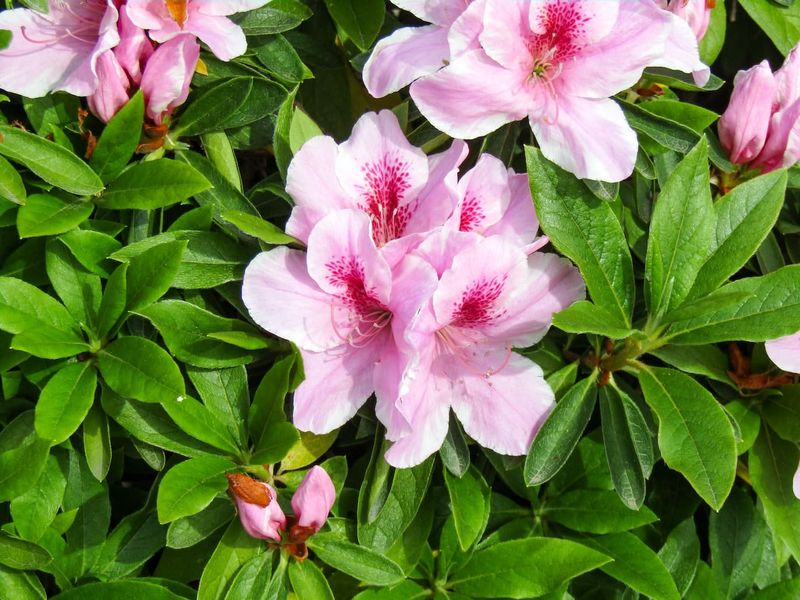
Sunlight is a tricky subject when it comes to azaleas in Texas. These plants love light, but the intense afternoon sun that blazes across much of the state can actually stress them out and damage their blooms.
Finding that sweet spot between enough light and too much heat is key to keeping your azaleas healthy and flowering beautifully through the season.
Most azalea varieties do best with morning sun and afternoon shade. Morning light is softer and cooler, which gives the plant the energy it needs for photosynthesis without scorching the leaves or drying out the buds.
Afternoon shade, on the other hand, protects the plant during the hottest part of the day. In Texas, where summer temperatures can climb past 100 degrees, that afternoon protection is not optional for most of the state.
Placement matters a lot. The east or north side of your home is often the ideal spot for azaleas in Texas.
On the east side, plants get bright morning sun and are sheltered from the harsh west-facing afternoon rays. On the north side, they get indirect light throughout the day, which works well for shade-tolerant varieties.
Avoid planting azaleas on the south or west side of buildings where reflected heat can be intense.
Dappled light under tall trees is another excellent option, especially in East Texas where pine forests create that naturally filtered light azaleas love. Just make sure tree roots do not compete too aggressively with your azaleas for water and nutrients.
Choosing the right location from the start saves you a lot of trouble later and sets your plants up for a stunning spring bloom display year after year.
5. Mulch To Protect Roots From Heat
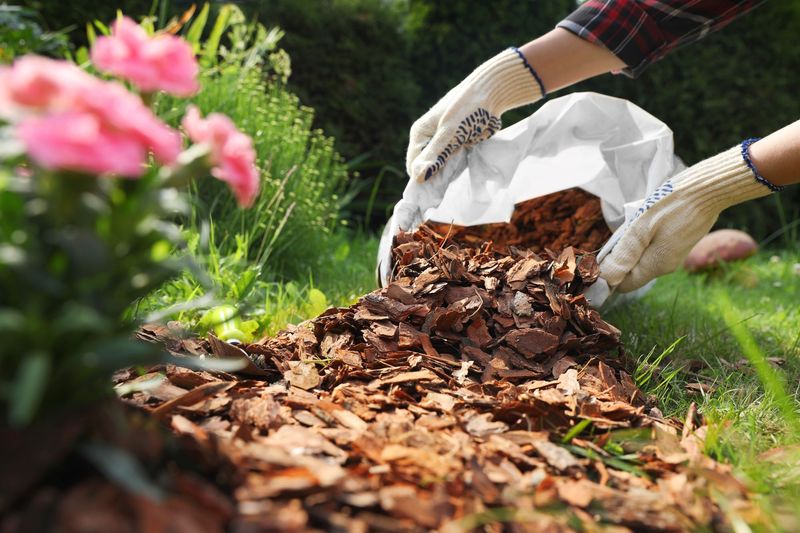
Mulch might not be the most glamorous part of gardening, but for Texas azaleas, it is one of the smartest things you can do. A good layer of mulch does three important jobs at once: it keeps the soil moist, it regulates soil temperature, and it slowly improves soil quality over time.
For a plant that is as particular about its growing conditions as an azalea, that triple benefit is a big deal.
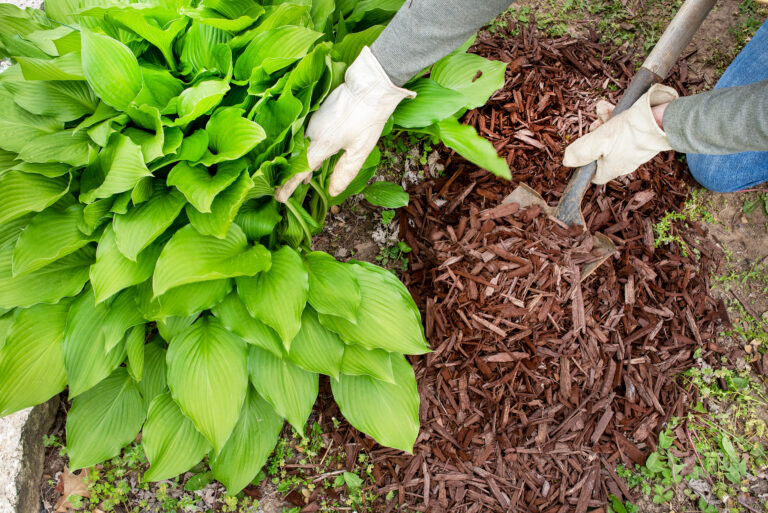
Aim to apply about two to three inches of mulch around the base of each plant. Pine bark, pine needles, and shredded leaf mulch are all excellent choices because they break down gradually and add organic matter to the soil as they decompose.
That organic matter also helps lower soil pH over time, which is a bonus for azaleas that prefer acidic conditions. Avoid using thick layers of dyed wood mulch, which can mat together and prevent water from reaching the roots.
Keep the mulch a few inches away from the main stem of the plant. Piling mulch directly against the trunk can trap moisture and encourage rot and pest problems.
Think of it like a donut shape around the plant, not a volcano. The mulch should cover the root zone, which typically extends out to the drip line of the branches.
In Texas, where spring can shift to summer almost overnight, mulching early in the season pays off big. As temperatures climb in April and May, that mulch layer acts like a blanket for the roots, keeping the soil cooler and reducing how often you need to water.
It is a low-effort step that delivers real results all season long and helps your azaleas build strength for an even better bloom next year.
6. Protection From Late Cold Snaps
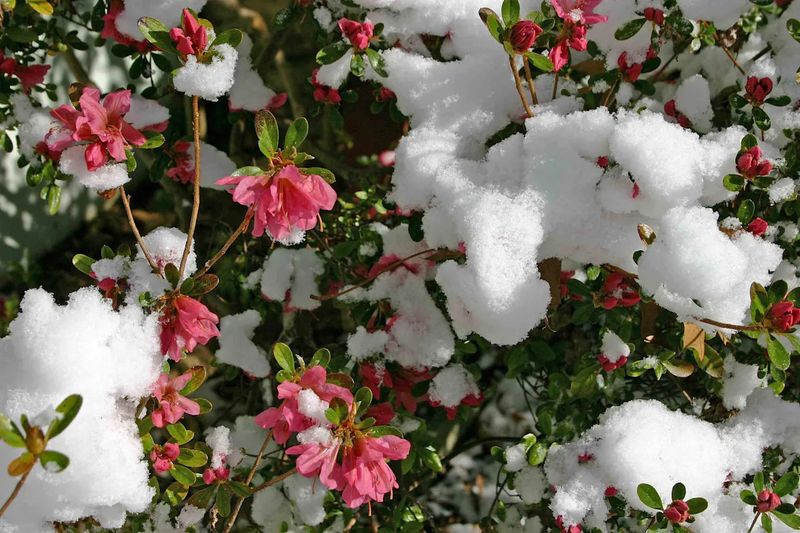
Ask any experienced Texas gardener and they will tell you: never fully trust early spring weather. One day it feels like summer, and three days later a cold front rolls in and drops temperatures into the low 20s.
For azaleas that are already pushing out tender buds and new growth, that kind of temperature swing can be brutal. A late freeze can wipe out weeks of bud development in a single night.
The good news is that protecting your azaleas from cold snaps is not complicated. Frost cloth, also called row cover fabric, is the most effective tool for the job.
Drape it loosely over the plant before temperatures drop and remove it the next morning once the air warms up.
Frost cloth traps heat from the soil and creates a slightly warmer microclimate around the plant. Even a few degrees of protection can make a big difference for those fragile buds.
Keep an eye on the weather forecast throughout February, March, and even into early April if you are in North or Central Texas. The southern parts of the state, like the Gulf Coast and South Texas, tend to warm up faster and face fewer late freezes.
But in the northern half of the state, cold fronts can arrive with little warning. Having your frost cloth ready to go before you need it is always a smart move.
Old bedsheets and burlap can also work in a pinch, though they are not as effective as purpose-made frost cloth. Avoid using plastic sheeting directly on the plant, as it can trap too much cold against the leaves.
A little preparation on cold nights keeps those beautiful buds safe and ensures your Texas azaleas deliver the full, spectacular bloom display you have been waiting all winter to see.