These 7 Evergreen Shrubs Keep Oregon Yards Colorful Year-Round
Ever notice how some Oregon yards still look lively in the middle of winter while others feel a bit washed out? The secret usually comes down to evergreen shrubs doing the heavy lifting year round.
With Oregon’s long rainy season and gray skies, steady color and structure can make a huge difference in how a landscape feels.
These shrubs keep their leaves through every season, adding texture, depth, and a sense of life even on the dullest days.
They also handle the region’s cool temperatures and wet soils better than many deciduous options. A well-placed evergreen can anchor a planting bed, frame a walkway, or give your yard a polished look without constant upkeep.
If you want a garden that stays attractive long after fall color fades, these reliable shrubs are some of the smartest additions you can make.
1. Rhododendron
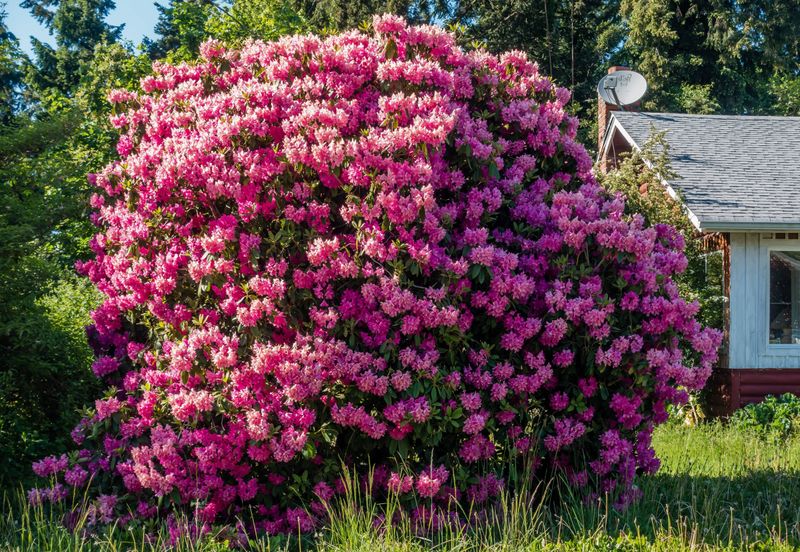
Few plants put on a show quite like a rhododendron in full bloom. Oregon gardeners have loved this shrub for generations, and it is easy to see why.
When spring arrives, the entire plant bursts into enormous clusters of flowers in shades of pink, purple, red, and white. It is one of the most eye-catching sights in any yard.
Rhododendrons prefer acidic, well-drained soil and do best in partial shade. They do not like sitting in soggy ground, so good drainage is a must.
Mulching around the base helps keep moisture in and protects the roots during cold snaps. Oregon’s mild, rainy climate is actually ideal for growing healthy, happy rhododendrons.
These shrubs are slow growers, but they are worth the wait. Some varieties can grow quite large over many years, while compact types work well in smaller spaces.
Deadheading spent blooms after flowering encourages a stronger show the following season. Regular watering during dry summers keeps the leaves looking glossy and green.
Rhododendrons are also fairly low-maintenance once established, making them a favorite for busy homeowners across the Pacific Northwest who want stunning color without a lot of fuss.
2. Heavenly Bamboo
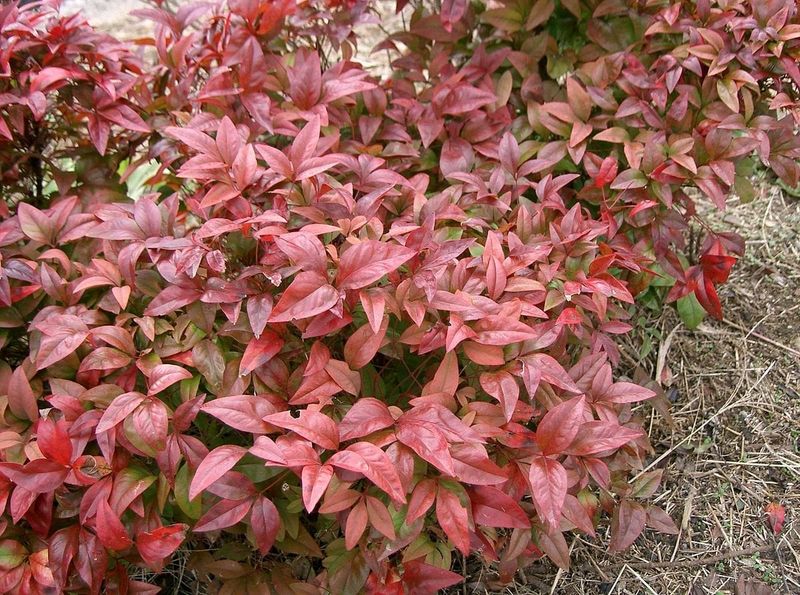
Do not let the name fool you. Heavenly bamboo is not actually bamboo at all.
Nandina domestica is its scientific name, and it is one of the most versatile evergreen shrubs you can plant in an Oregon yard. Its feathery leaves shift from green in summer to fiery shades of red, orange, and burgundy in fall and winter, giving your garden color when most other plants have gone quiet.
Small white flowers appear in early summer, followed by clusters of bright red berries that last well into winter. Those berries add a festive pop of color and also attract birds to your yard.
Heavenly bamboo is not fussy about soil and handles both sun and partial shade with ease. It also tolerates drought reasonably well once established, which is a big plus during Oregon’s dry summers.
Compact varieties like ‘Firepower’ stay small and tidy, making them great for borders, containers, or foundation plantings. Taller types can reach six feet and work well as a privacy screen or backdrop.
Your Oregon Garden Changes Every Week. Your Plan Should Too.
Gardening in Oregon changes quickly throughout the season. Every Friday you’ll receive a simple weekly plan showing exactly what to plant, prune, fertilize, harvest, and protect so you never miss the right timing.
Pruning is simple. Just cut the oldest canes down to the ground every few years to keep the plant looking fresh.
For year-round interest with minimal effort, heavenly bamboo is hard to beat in any Oregon garden setting.
3. Evergreen Huckleberry
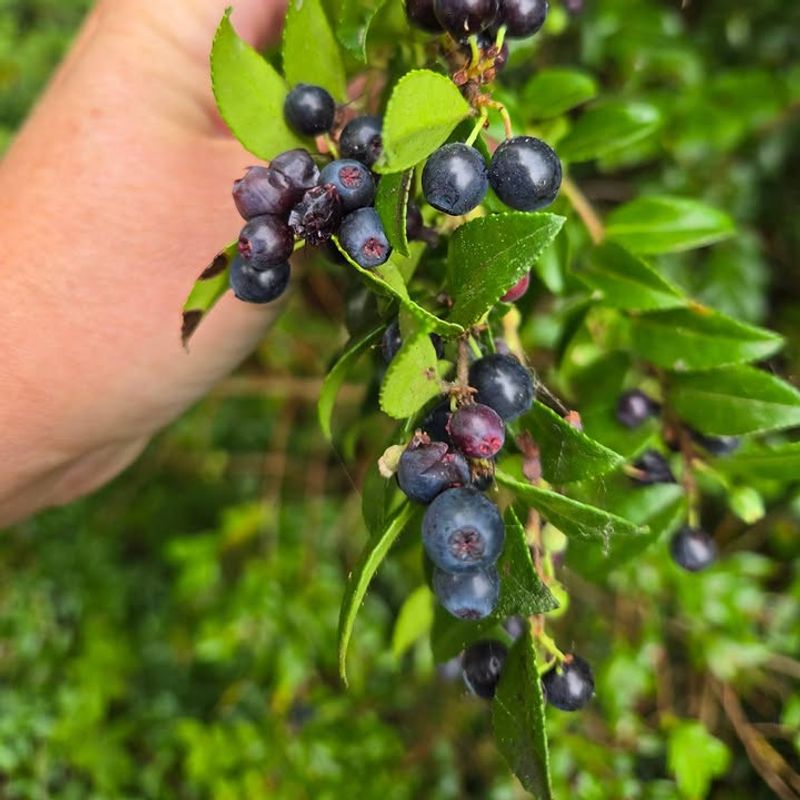
Walk through any Oregon forest and you are likely to spot evergreen huckleberry growing happily in the understory. Vaccinium ovatum is a true Pacific Northwest native, and bringing it into your home garden means you are working with a plant that already knows how to thrive here.
Its glossy, deep green leaves stay on the plant all year, giving your yard a clean, polished look even in the depths of winter.
In spring, tiny pink bell-shaped flowers dangle from the branches like little lanterns. By late summer, those flowers turn into sweet blue-black berries that are completely edible.
Many Oregon gardeners pick them fresh off the bush for jams, pies, and snacking. Birds absolutely love them too, so your yard becomes a welcome spot for local wildlife.
Evergreen huckleberry adapts well to acidic soils, which are common throughout much of Oregon. It grows well in partial to full shade, making it a smart choice for spots under tall trees where other plants struggle.
The shrub grows slowly and stays fairly compact, usually reaching four to eight feet tall. It needs little pruning and very little fertilizing once settled in.
For gardeners who want a beautiful, low-fuss shrub that supports local wildlife and provides food too, evergreen huckleberry is a genuinely rewarding choice.
4. Camellia
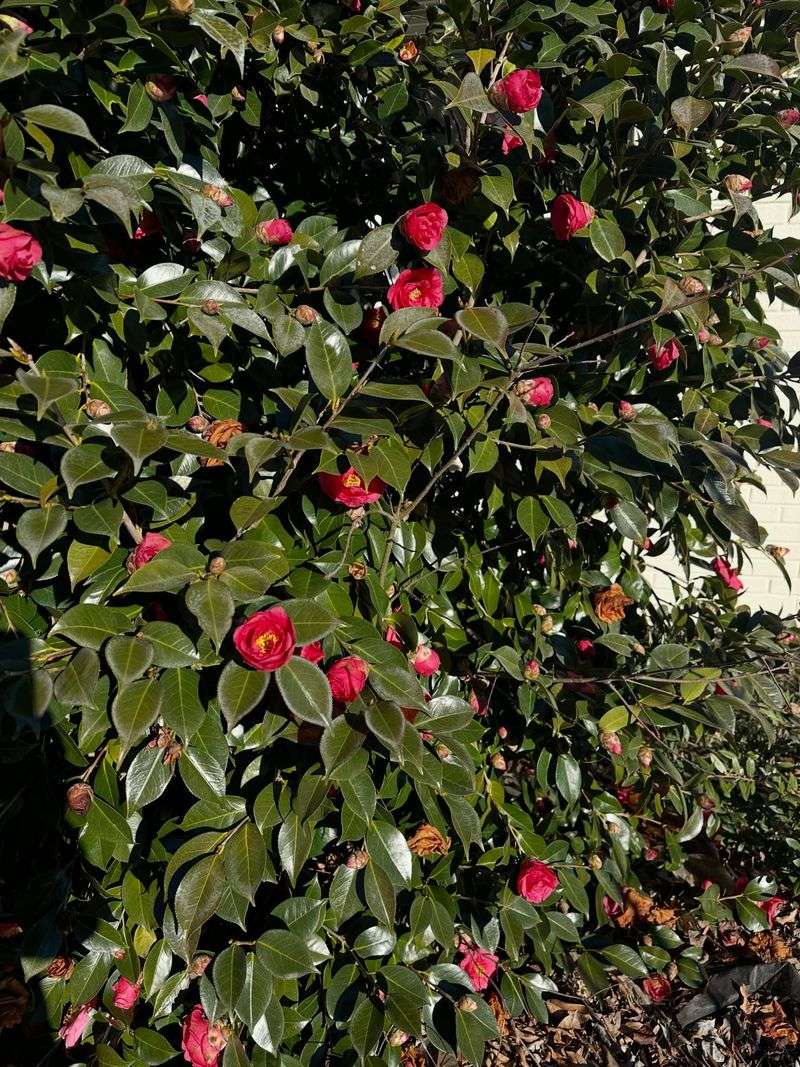
Imagine walking outside on a gray February morning and finding your garden shrub covered in perfect, rose-like blooms. That is the magic of camellia.
While most plants are still dormant in late winter, camellia puts on one of the most spectacular floral displays of the entire year. Oregon’s mild winters along the coast and in the Willamette Valley are especially well-suited to growing these stunning plants.
Camellias prefer well-drained, acidic soil and do best in a sheltered spot with partial shade, especially protection from harsh morning sun after a frost. The flowers come in white, pink, red, and even striped varieties.
Some bloom in fall, others in winter, and a few in early spring, so you can choose varieties that extend your color season even further.
These shrubs are slower growers but live for a very long time. Some camellia plants in older Oregon gardens are decades old and still blooming beautifully every year.
They need regular watering during dry spells and benefit from a light application of acidic fertilizer in spring. Avoid planting them in spots with standing water.
With the right location and a little care at planting time, camellia becomes one of the most reliable and breathtaking evergreen shrubs in any Oregon landscape, season after season.
5. Daphne
Some plants stop you in your tracks the moment you catch their scent. Daphne is one of those plants.
Step anywhere near a blooming daphne in late winter or early spring and the sweet, almost intoxicating fragrance fills the air instantly. For Oregon gardeners who want a shrub that engages all the senses, this one is hard to pass up.
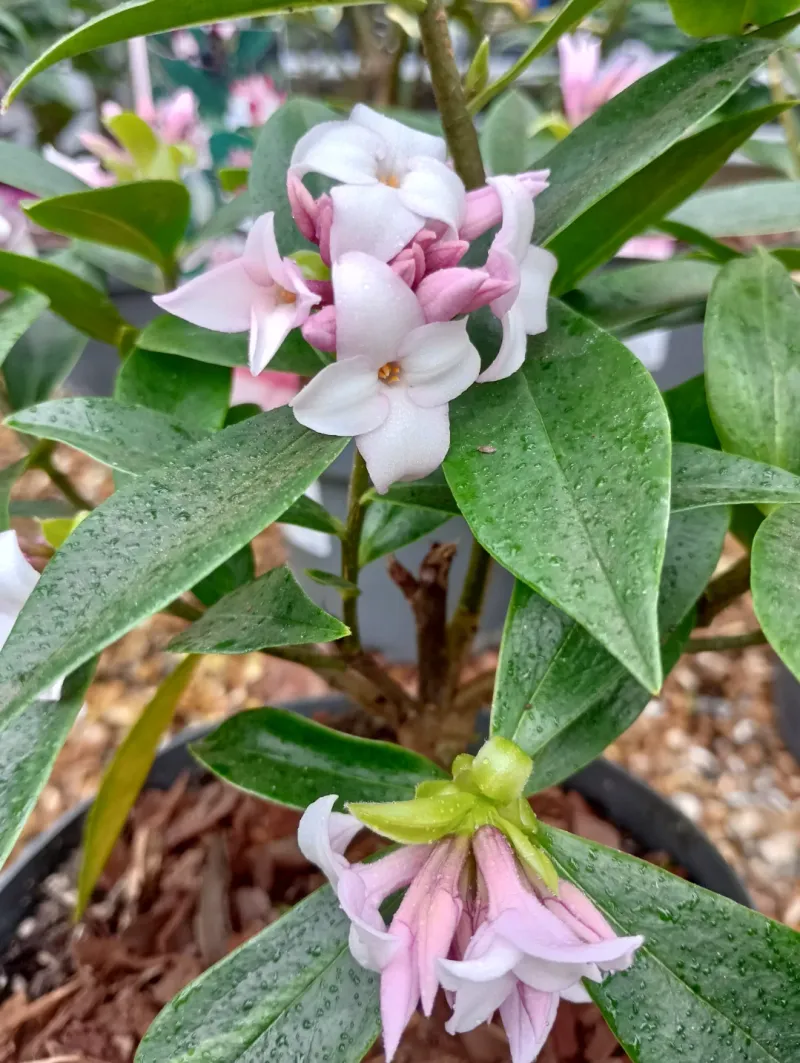
Daphne odora, also known as winter daphne, is the most popular species for home gardens. It produces tight clusters of tiny pink and white flowers that open up during some of the coldest months of the year.
The evergreen leaves are glossy and often edged with a creamy yellow border on variegated varieties, adding visual interest even when the plant is not in bloom.
Daphne prefers well-drained soil and partial shade. It does not like wet feet, and overwatering is one of the most common mistakes gardeners make with this plant.
Once established in the right spot, it is fairly low-maintenance and can live for many years. Keep in mind that all parts of the daphne plant are toxic, so it is best planted away from areas where small children and pets play.
In Oregon’s mild climate, daphne rewards patient gardeners with extraordinary fragrance and reliable winter color that few other shrubs can match.
6. Escallonia
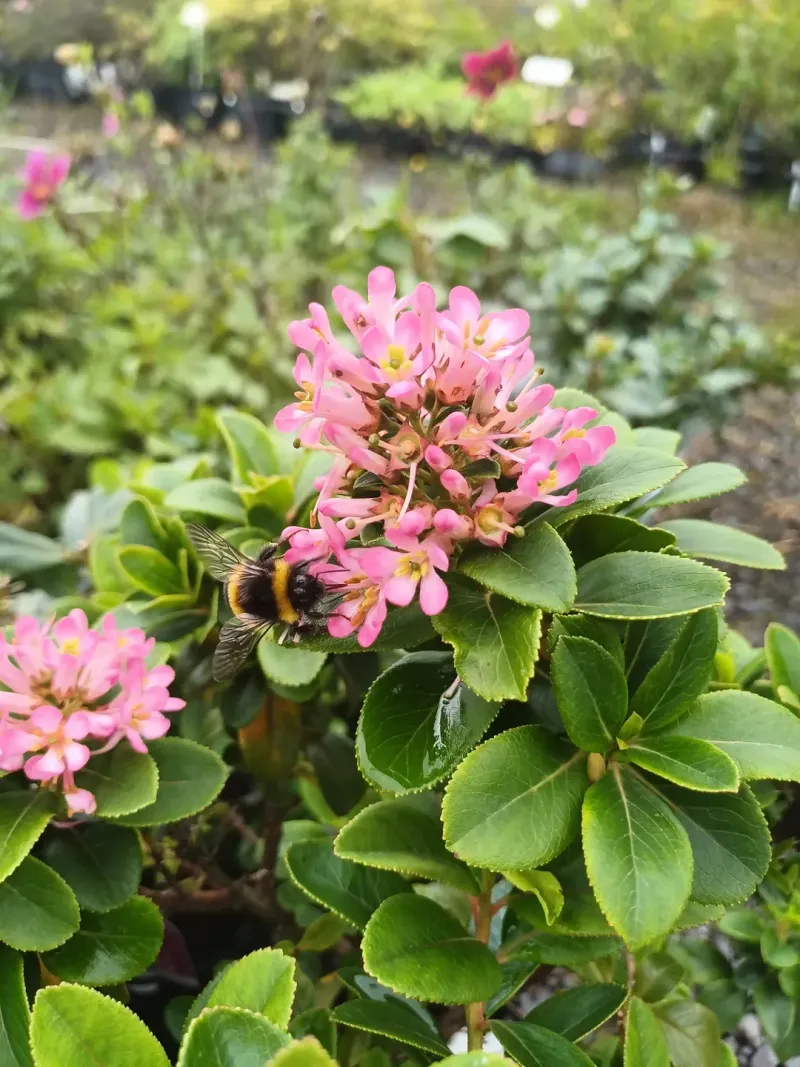
Tough, cheerful, and packed with color, escallonia is the kind of shrub that earns its keep in an Oregon garden. Originally from South America, this evergreen has adapted beautifully to the Pacific Northwest climate.
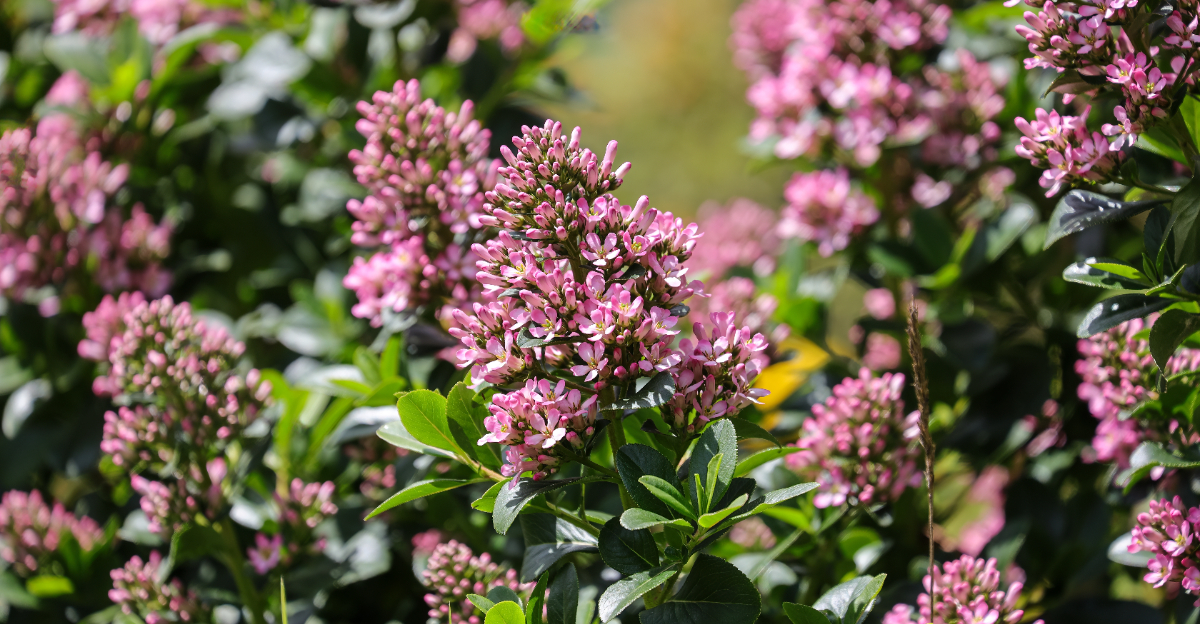
It produces masses of small tubular flowers in shades of pink, red, and white from late spring all the way through summer, and sometimes even into fall. That is a long bloom season by any standard.
The glossy, dark green leaves look attractive year-round and hold up well in coastal conditions. In fact, escallonia is one of the better choices for Oregon gardeners near the coast who deal with salt spray and strong ocean winds.
It handles exposed sites better than many other flowering shrubs. Full sun brings out the best flowering, though it tolerates some light shade.
Escallonia grows at a moderate pace and responds well to pruning, making it easy to shape into a hedge, border shrub, or standalone specimen. Trimming right after the main flush of flowers encourages a second round of blooms later in the season.
It is drought-tolerant once established and rarely troubled by pests or disease. For Oregon homeowners looking for a reliable, long-blooming shrub that stands up to tough conditions without much fussing, escallonia is a smart and colorful addition to any landscape plan.
7. Hebe
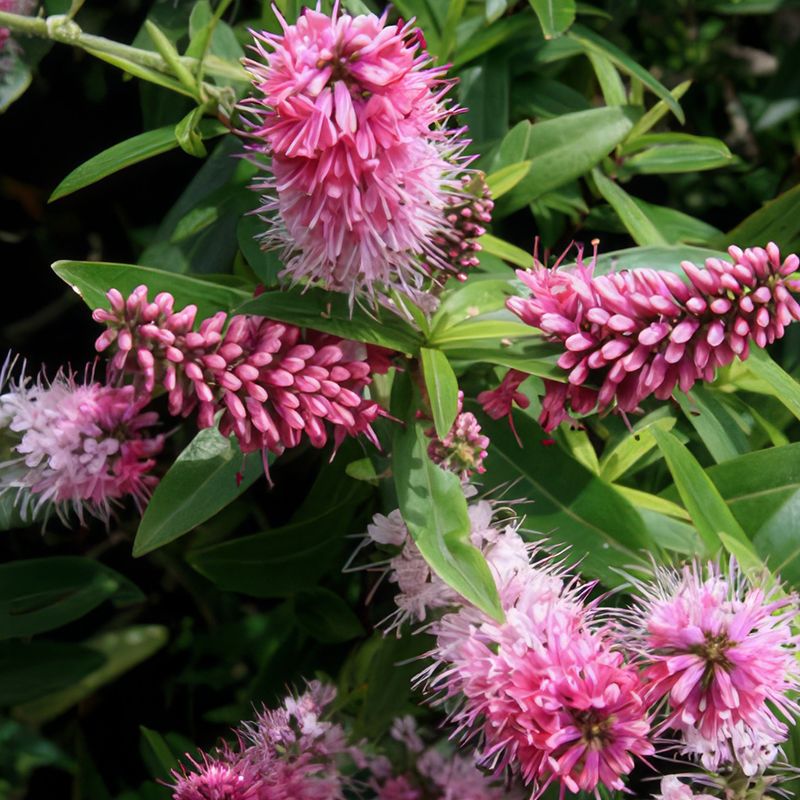
Not every gardener has a lot of space, and that is exactly where hebe shines. This compact, tidy evergreen shrub comes in dozens of varieties, ranging from low ground-hugging mounds to upright plants about three feet tall.
Native to New Zealand, hebe has found a real home in Oregon’s mild, maritime climate, especially in coastal areas and the Willamette Valley where winters stay relatively gentle.
The flowers are slender spikes in shades of purple, lavender, white, and pink. They appear in late spring and often continue blooming through summer and into early fall.
Between bloom cycles, the dense, neat foliage keeps the plant looking polished. Some varieties have burgundy or blue-green leaves that add extra texture and color to garden borders even without flowers.
Hebe thrives in full sun to partial shade and prefers well-drained soil. It handles coastal winds and mild salt spray reasonably well, which makes it a strong performer in Oregon’s beach towns.
Pruning after flowering keeps the shape compact and encourages fresh new growth. Hebe is not the most cold-hardy shrub, so in colder inland parts of Oregon, choosing a hardier variety and giving it a sheltered spot is a smart move.
For small spaces, containers, or low-maintenance borders, hebe delivers reliable color and a clean, structured look all year long.