These Are The 8 Texas Plants That Help Fireflies Complete Their Life Cycle
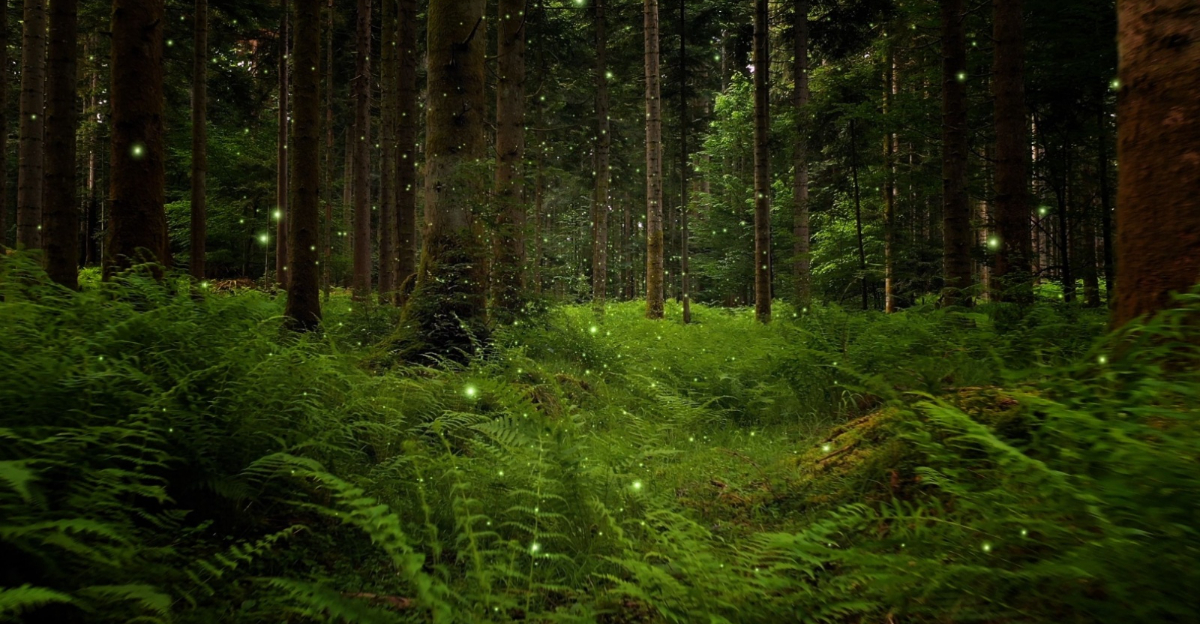
Fireflies are becoming harder to spot across many parts of the country, and more Texas gardeners are starting to wonder how to bring that soft glow back to their yards.
Texas still offers the right conditions in many areas, from warm nights to seasonal rainfall and pockets of rich soil, especially in East Texas, the Gulf Coast, and parts of the Hill Country.
What many people do not realize is that fireflies spend most of their lives hidden in moist soil and leaf litter. Because of that, the habitat you create matters far more than any single plant.
The right Texas-friendly plants can help build the moisture, shelter, and food sources they rely on.
1. Eastern Gamagrass Creates Cool Shelter Near The Soil
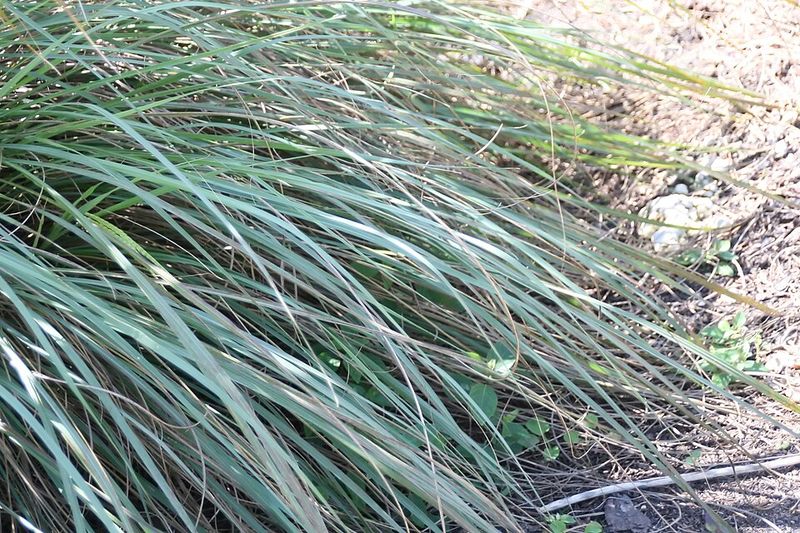
Cool, damp spots close to the ground are exactly what firefly larvae need to thrive, and Eastern gamagrass delivers that kind of environment naturally.
This native Texas grass, known scientifically as Tripsacum dactyloides, grows in dense, arching clumps that can reach five to six feet tall.
Those wide blades create a shaded canopy at the soil surface, keeping moisture in and temperatures down even during hot Texas summers.
Firefly larvae spend months, sometimes more than a year, hunting soft-bodied prey like snails and earthworms in moist soil. Eastern gamagrass roots hold soil together and help slow water runoff, which keeps the ground around the plant consistently damp.
That steady moisture is something larvae genuinely depend on to survive and grow through their multi-stage development.
In Texas landscapes, this grass does well in low spots, near drainage areas, or along the edges of rain gardens. It handles both wet periods and dry stretches, which makes it a reliable choice across much of the state.
Leaving the leaf litter that collects at the base of the clumps undisturbed gives larvae extra cover and foraging ground.
Gardeners who reduce outdoor lighting near these plantings and skip pesticide applications nearby will likely see more firefly activity over time.
2. Little Bluestem Adds Safe Cover In Open Spaces
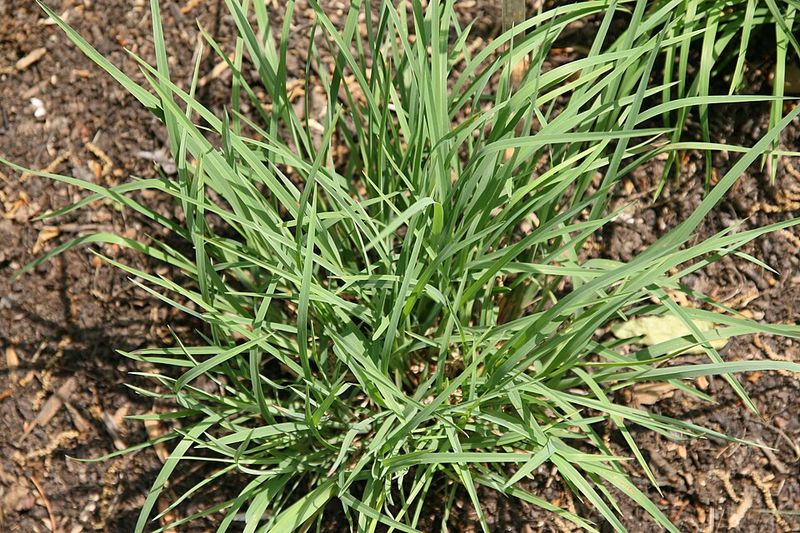
Open Texas landscapes can feel harsh and exposed, but Little Bluestem has a way of softening those spaces into something fireflies can actually use.
This native bunchgrass, Schizachyrium scoparium, is one of the most widely recognized prairie grasses in Texas, and it earns that recognition by being both beautiful and ecologically useful.
Its upright, clumping form creates vertical structure that adult fireflies use for resting and signaling during warm evenings.
The base of each clump stays relatively cool and shaded, which matters for larvae moving through the soil layer below. Little Bluestem also supports a web of small insects and soil organisms that make up part of the larval firefly diet.
A yard with healthy insect diversity is a yard that can support fireflies across multiple life stages, not just the adult flashing phase most people notice.
Across Texas, this grass thrives in well-drained soils and full sun, making it a natural fit for open garden beds, meadow-style plantings, and native grass borders. It stays upright through winter, providing structure even in the colder months.
Your Texas Garden Changes Every Week. Your Plan Should Too.
Gardening in Texas changes quickly throughout the season. Every Friday you’ll receive a simple weekly plan showing exactly what to plant, prune, fertilize, harvest, and protect so you never miss the right timing.
Gardeners should resist the urge to cut it back too early in spring, since the dried stems and accumulated litter at the base offer shelter for overwintering insects.
Combining Little Bluestem with moisture-retaining companions nearby helps create a more complete habitat.
3. Switchgrass Helps Hold Moisture Where It Matters
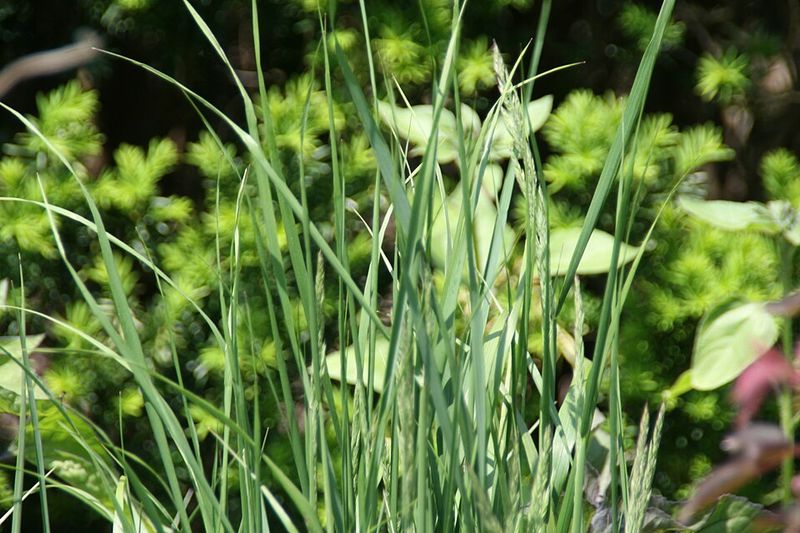
Moisture retention is one of the most overlooked factors in firefly habitat design, and Switchgrass quietly solves that problem in Texas backyards.
Panicum virgatum is a deep-rooted native grass that grows naturally along stream banks, pond edges, and low-lying areas throughout much of Texas.
Those deep roots draw water down into the soil profile and help the surrounding ground stay moist long after rain has passed.
Firefly eggs are laid in moist soil or leaf litter, and the larvae that hatch from them need consistent humidity to survive and feed.
Switchgrass plantings near garden edges or drainage areas create exactly the kind of damp microhabitat that supports early larval development.
The tall stems, which can reach four to six feet, also give adult fireflies elevated perches from which to flash and find mates on warm summer nights.
Texas gardeners will find Switchgrass easy to establish once it gets through its first growing season. It tolerates a range of soil types and can handle both seasonal flooding and short dry periods.
Planting it in groups rather than as isolated specimens creates a broader zone of moisture and shelter. Allowing fallen leaves and plant debris to accumulate at the base builds the organic layer that larvae explore.
Reducing foot traffic through these areas and skipping chemical treatments nearby will support the habitat long term.
4. Goldenrod Supports A Healthy Backyard Ecosystem
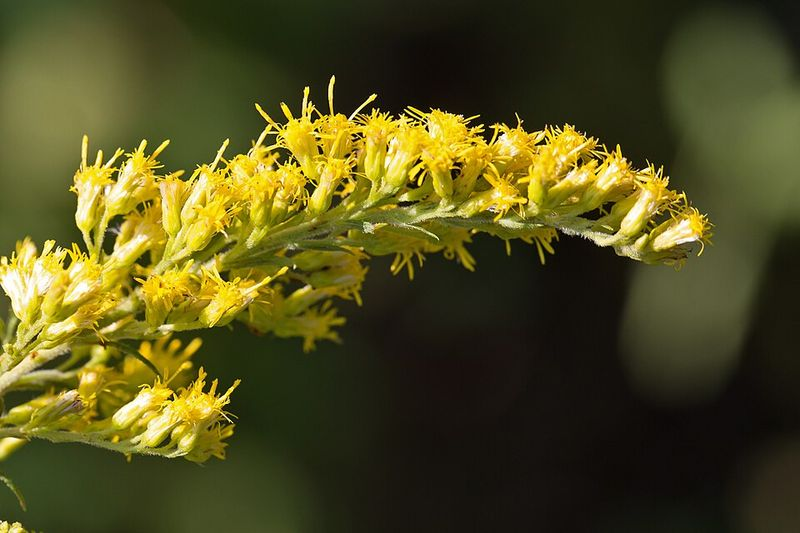
Few native plants pull as much ecological weight as Goldenrod, and in Texas gardens it earns every bit of that reputation.
Solidago species, particularly Solidago altissima, bloom in late summer and fall, producing dense clusters of small yellow flowers that attract an impressive range of insects.
Those insects, including beetles, flies, and soft-bodied invertebrates, create a food web that benefits firefly larvae throughout the season.
Firefly larvae are predators, feeding on snails, slugs, and other small soil organisms. A garden rich in insect activity tends to support a richer soil community overall, which means more prey available for developing larvae.
Goldenrod contributes to that richness by drawing in insects at multiple trophic levels, essentially helping stock the pantry that larvae depend on.
In Texas, Goldenrod grows well in a variety of conditions, from moist bottomlands to drier upland gardens. It spreads gradually through rhizomes, filling in areas over time and creating a continuous patch of habitat.
Gardeners sometimes avoid it based on the mistaken belief that it causes allergies, but its pollen is too heavy to travel far in the wind. The real culprit is ragweed, which blooms at the same time.
Leaving Goldenrod stems standing through winter provides additional structure and overwintering spots for beneficial insects, which supports the broader ecosystem that fireflies rely on.
5. Black Eyed Susan Brings Life To Pollinator Spaces
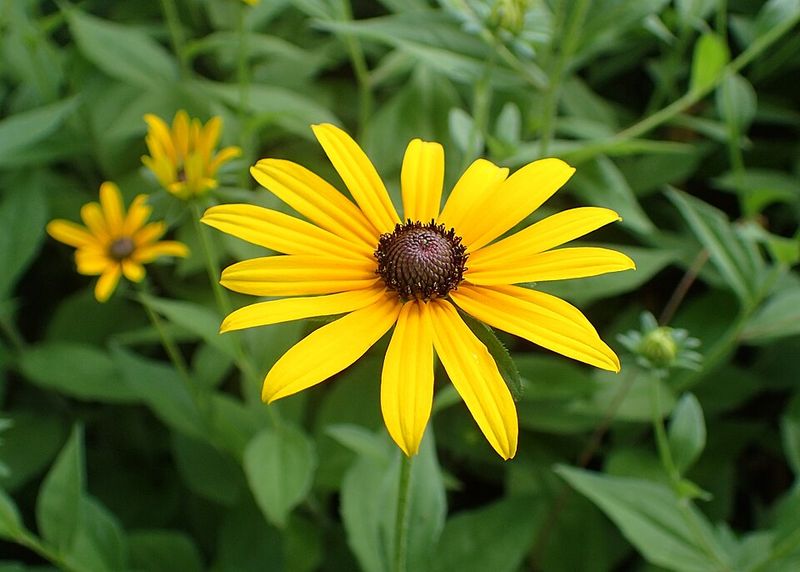
Walk through almost any Texas wildflower meadow in summer and Black-eyed Susan is likely to be one of the first flowers you spot.
Rudbeckia hirta is a cheerful, sun-loving native that blooms reliably from late spring through early fall, producing bold yellow flowers with dark centers that attract a wide range of beneficial insects.
That insect activity is exactly what makes it valuable in a firefly-friendly garden.
When pollinator plants like Black-eyed Susan thrive, they pull in beetles, flies, wasps, and other small invertebrates that enrich the local food web.
Firefly larvae, which hunt in the soil and leaf litter below, benefit from a yard where insect diversity is high.
More insects at ground level means more prey, which supports larval growth through what can be a lengthy developmental period.
Black-eyed Susan is also practical for Texas gardeners because it handles heat and moderate drought without much fuss. It works well in borders, native plant beds, and open meadow-style plantings across much of the state.
Allowing the seed heads to remain on the plant through fall and winter feeds birds and adds structure to the garden during cooler months.
Pairing it with moisture-holding grasses or low-growing groundcovers nearby helps create the varied habitat layers that support fireflies from the larval stage all the way through adulthood.
6. Coneflower Helps Build A Balanced Garden Habitat
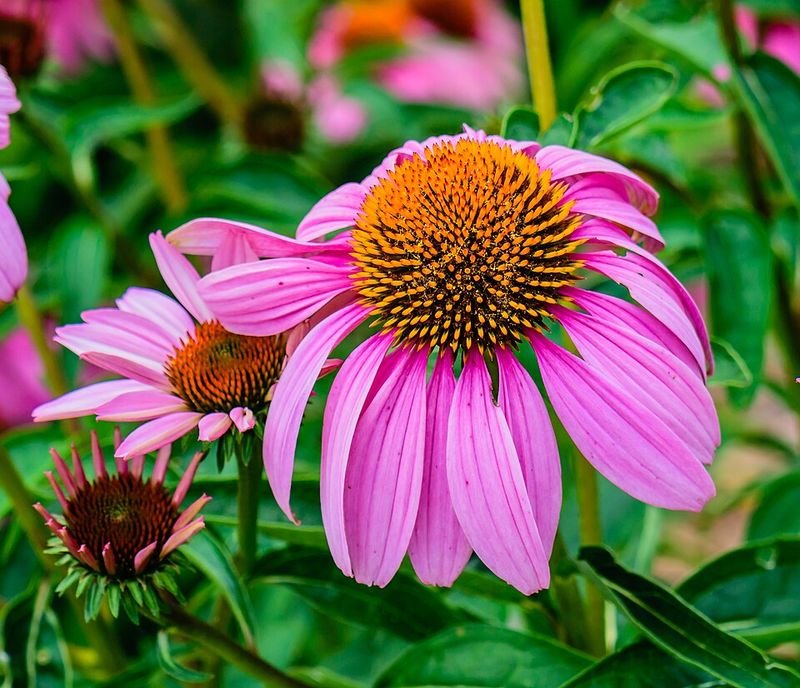
Balanced garden ecosystems rarely happen by accident, and Coneflower is one of those plants that actively helps tip the scales in the right direction.
Echinacea purpurea is a robust native perennial that thrives in Texas gardens, producing distinctive pink-purple blooms with raised, spiky centers that insects find irresistible.
Its ecological value extends well beyond its flowers, reaching into the soil and the layers of litter that accumulate beneath it.
Fireflies need habitats where multiple layers of the environment are functioning together. Coneflower supports that balance by attracting ground beetles and other invertebrates that move between the flower level and the soil surface.
Those organisms contribute to the soil food web that larval fireflies depend on for food and shelter during their extended underground development.
In Texas, Coneflower grows best in well-drained soils with full to partial sun, and it handles summer heat reasonably well once established.
It tends to naturalize over time, spreading gradually through self-seeding and filling in garden spaces with minimal effort from the gardener.
Leaving the seed heads intact through fall provides food for songbirds and lets next year’s plants get a head start.
Allowing old stems and fallen leaves to accumulate at the base, rather than cleaning them up, creates the undisturbed organic layer that firefly larvae favor.
Reducing nearby pesticide use helps protect the soil organisms that make the whole system work.
7. Frogfruit Forms A Living Carpet For Moist Soil
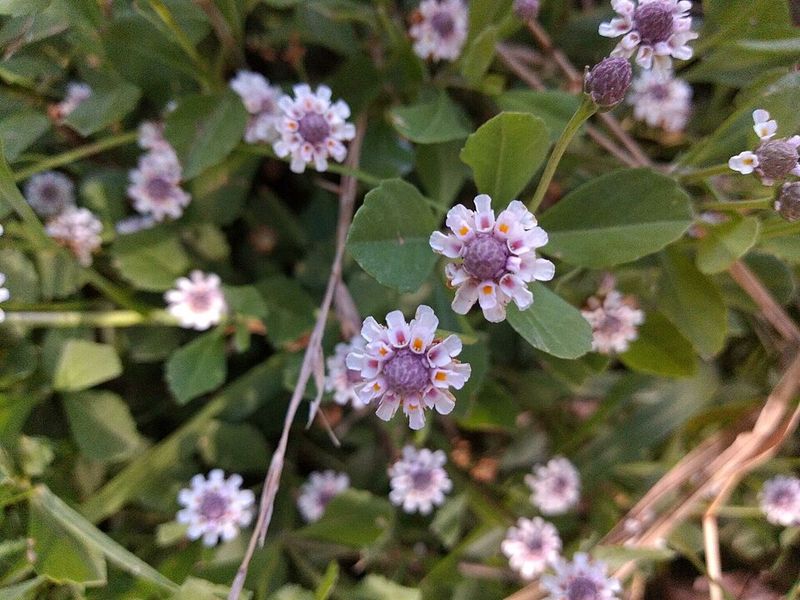
Ground-level habitat is often the most neglected part of a firefly-friendly garden, and Frogfruit fills that gap better than almost any other Texas native.
Phyla nodiflora is a low-growing, mat-forming groundcover that spreads across moist soil surfaces, creating a dense living carpet that stays cool and slightly damp even during warm Texas months.
That combination of moisture and low cover is genuinely attractive to firefly larvae moving through the upper soil layer.
Frogfruit produces tiny white to lavender flowers that attract small pollinators, including native bees and butterflies. That insect activity builds up the ground-level invertebrate community that larval fireflies hunt.
Because Frogfruit stays close to the soil, it also moderates ground temperature and reduces moisture evaporation, both of which help maintain the conditions larvae need to develop successfully over their extended underground period.
Texas gardeners often overlook Frogfruit because it lacks the dramatic height of grasses or the showy blooms of wildflowers, but its ecological contribution is significant.
It grows well in partially shaded areas, along drainage edges, and in spots where the soil stays relatively moist after rain.
It tolerates foot traffic better than most groundcovers, which makes it practical for transitional spaces between lawn areas and planted beds.
Pairing it with taller native plants nearby creates a layered habitat that supports fireflies across multiple life stages without requiring intensive maintenance.
8. Native Ferns Create Shady Spaces Fireflies Favor
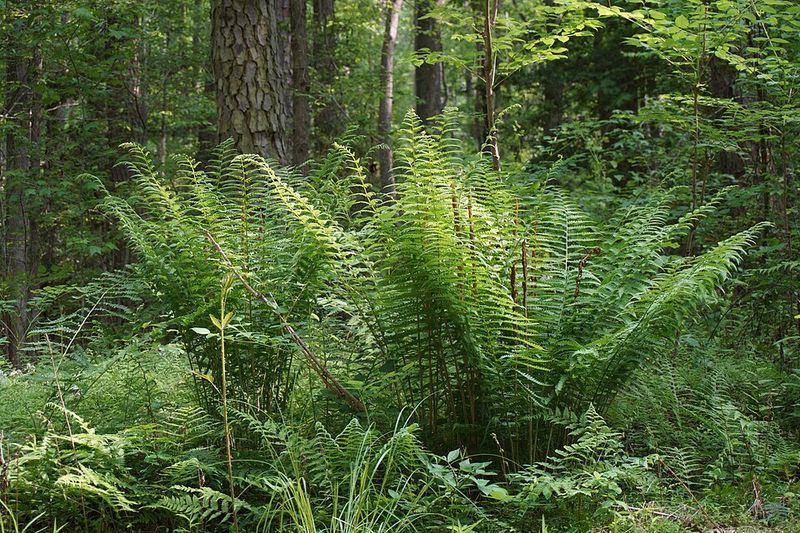
Shaded corners of a Texas garden might seem like wasted space, but for fireflies those low-light, humid spots are some of the most valuable real estate in the yard.
Native ferns, including species like Southern Wood Fern (Dryopteris ludoviciana) and Cinnamon Fern (Osmundastrum cinnamomeum), thrive in exactly those conditions and create the kind of environment where firefly larvae can develop without disturbance.
Their dense fronds hold humidity close to the soil surface and block out direct sunlight that would otherwise dry things out.
Firefly adults also tend to favor low-light environments for their nighttime signaling displays.
A garden with shaded zones created by fern plantings naturally reduces ambient light at ground level, which makes it easier for fireflies to see each other’s flashes.
Reducing outdoor lighting near fern beds amplifies this effect and can noticeably improve firefly activity in those areas.
In Texas, native ferns grow best in sheltered spots with consistent moisture, such as the north-facing sides of structures, beneath deciduous trees, or near water features.
East Texas and the Gulf Coast region offer the most naturally suitable conditions, but gardeners in other parts of the state can establish ferns successfully with some supplemental moisture during dry periods.
Leaving fallen fronds on the soil rather than raking them away builds the organic layer that larvae explore, and avoiding soil disturbance in these areas keeps the habitat intact through the full firefly life cycle.