7 Common Mistakes California Gardeners Make With Bougainvillea
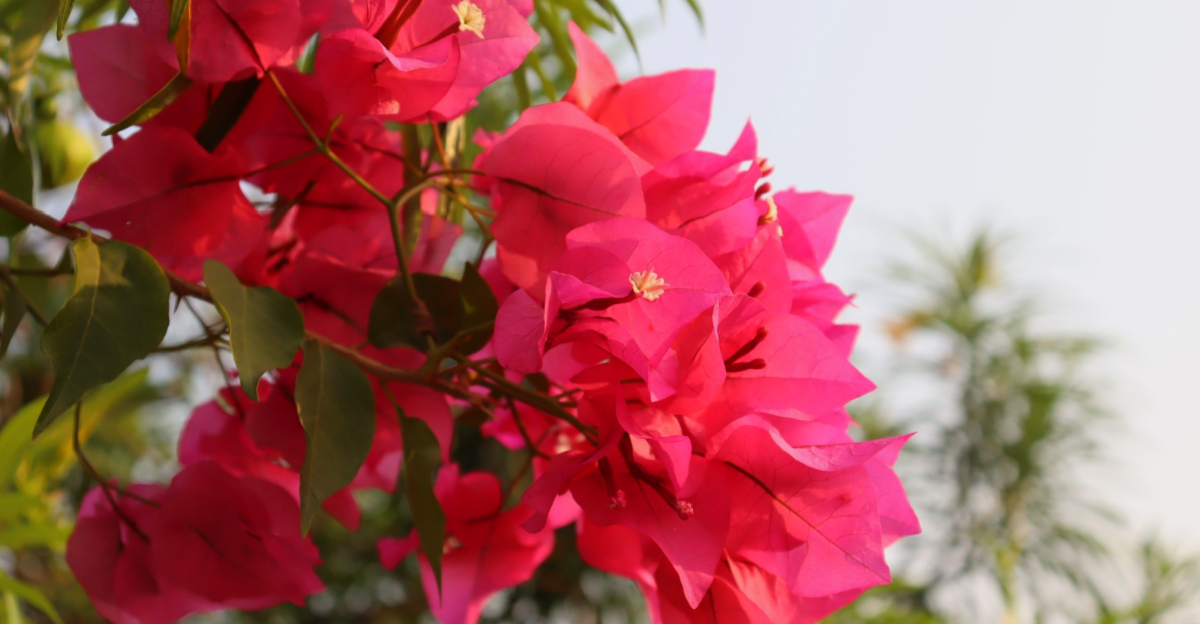
Bougainvillea can look unstoppable in one California yard and surprisingly underwhelming in another just down the street. That contrast catches a lot of gardeners off guard, especially with all that sun and warmth working in its favor.
From coastal patios to inland landscapes, many expect constant color, yet small care choices can quietly limit how well it performs.
Watering habits, soil drainage, and pruning timing all play a role in how this plant grows and blooms.
Once you understand what bougainvillea responds to, it becomes much easier to get stronger color and healthier growth across California gardens.
1. Overwatering Established Plants Can Reduce Flowering
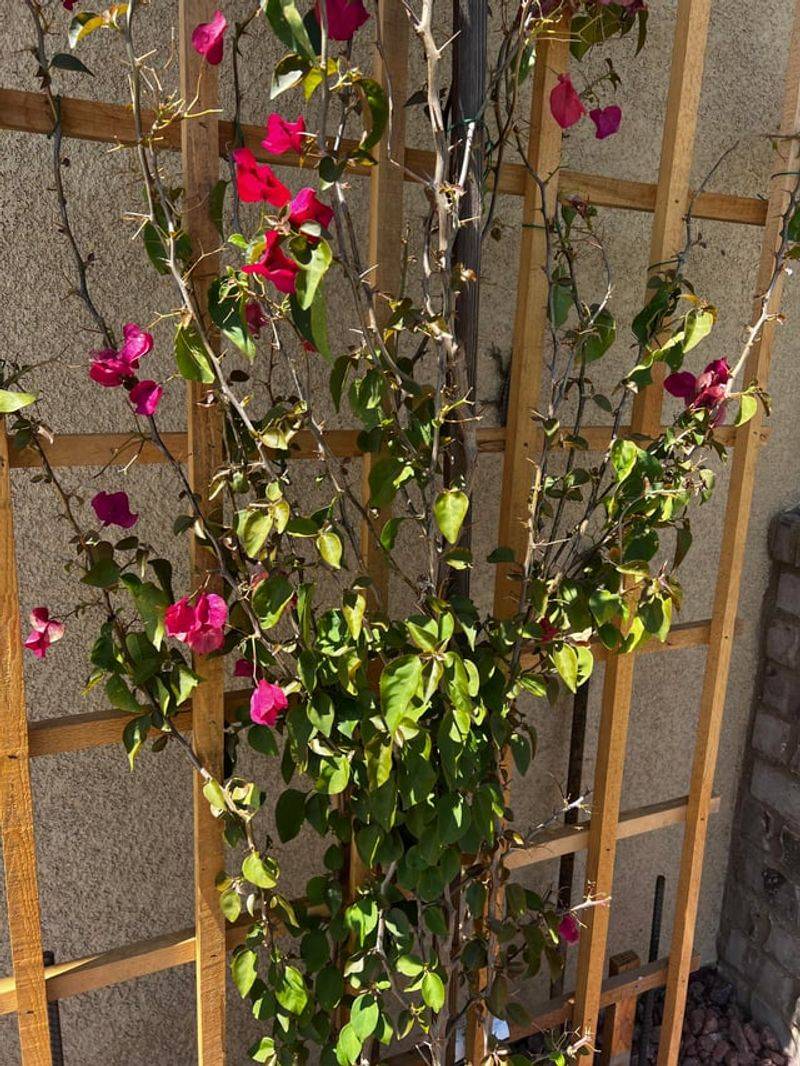
Many California gardeners assume that more water equals healthier plants, but bougainvillea does not follow that rule.
Once established, these plants are surprisingly drought-tolerant and actually bloom more when they experience some dryness between watering sessions.
Giving them too much water too often can send the plant into a leafy, green growth phase instead of a flowering one.
In coastal California, where natural humidity and marine layer moisture already keep soil damp longer, overwatering is especially easy to do without realizing it.
Inland gardeners may water more aggressively during hot summers, which can also cause problems if the soil holds moisture for extended periods.
The roots begin to suffocate when oxygen cannot reach them through waterlogged soil.
A good rule of thumb is to water deeply and then wait until the top few inches of soil feel dry before watering again. During spring and fall in California, established plants may only need watering once every week or two.
Cutting back on water during the growing season can actually stress the plant in a beneficial way, signaling it to shift energy toward producing blooms rather than foliage.
Watching the plant rather than following a strict schedule tends to produce far better results for most California gardeners.
2. Planting In Poorly Drained Soil Can Stress Roots
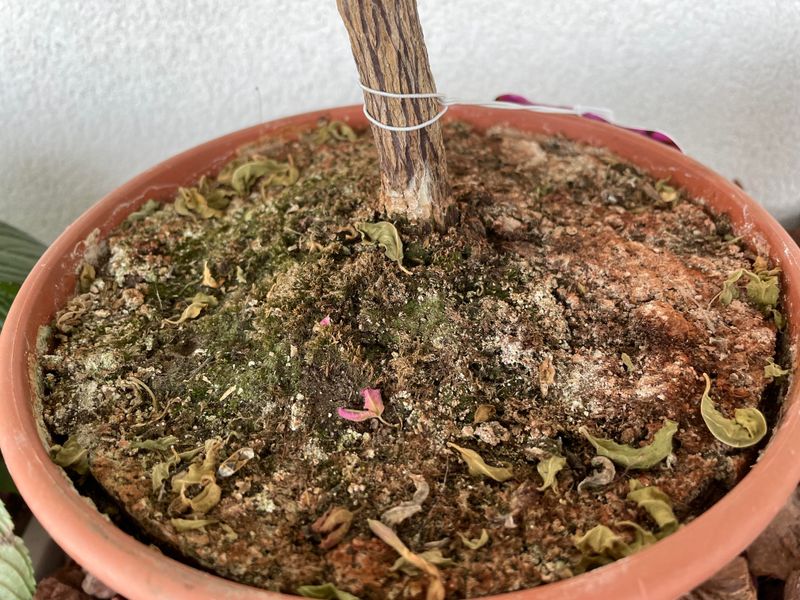
California has a wide range of soil types, from the sandy loam found near the coast to the heavy clay soils common in the Central Valley and parts of Southern California.
Clay soil holds water for a long time, and bougainvillea planted directly into it can develop serious root problems over time.
Standing water around the root zone creates conditions where fungal rot can take hold quickly.
When roots are sitting in wet, poorly aerated soil, the plant spends most of its energy trying to survive rather than producing the colorful bracts that gardeners love.
You may notice yellowing leaves, slow growth, or a general lack of vitality in a plant that once looked healthy.
These signs often point to soil drainage issues rather than a watering or fertilizer problem.
Improving the soil before planting makes a meaningful difference. Mixing in coarse sand, perlite, or organic compost can help break up dense clay and improve drainage.
Raised planting beds are another practical option that many California gardeners use successfully, especially in areas where the native soil is particularly heavy.
If you are planting near a slope or hillside, natural drainage may already be on your side.
Your California Garden Changes Every Week. Your Plan Should Too.
Gardening in California changes quickly throughout the season. Every Friday you’ll receive a simple weekly plan showing exactly what to plant, prune, fertilize, harvest, and protect so you never miss the right timing.
Taking the time to assess and amend your soil before putting a new plant in the ground can save a lot of frustration later on.
3. Too Much Nitrogen Leads To Fewer Blooms
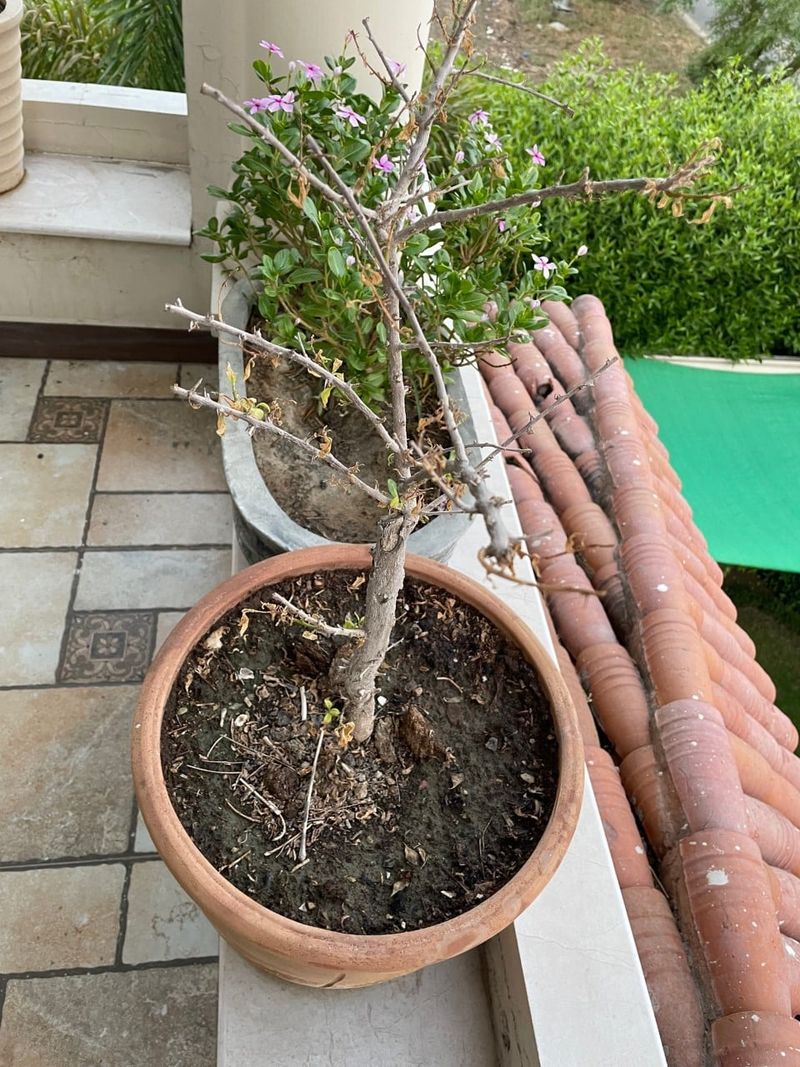
Walk into any California garden center and you will find shelves full of fertilizers, but not all of them are good choices for bougainvillea.
Fertilizers that are high in nitrogen encourage plants to grow lots of green leaves and stems, which sounds like a good thing until you realize the plant is putting all its energy into foliage instead of flowers.
The result is a big, leafy vine with almost no color.
Nitrogen is one of three main nutrients found in fertilizer, represented by the first number on the label. A product labeled 20-5-5, for example, is very high in nitrogen and would likely push a bougainvillea toward excessive leafy growth.
Instead, look for fertilizers with a lower first number and higher middle and last numbers, such as a 5-10-10 or similar ratio, which supports blooming rather than foliage production.
Fertilizing too often can also be a problem, even with the right product. In California’s long growing season, bougainvillea may only need feeding a few times per year.
Over-fertilizing with any product can build up salt deposits in the soil, which stresses roots and reduces the plant’s ability to absorb nutrients effectively.
Scaling back on fertilizer use and choosing bloom-supporting formulas can often transform a plant that has been stuck in a leafy rut into one that bursts with color.
4. Pruning At The Wrong Time Can Delay Flowering
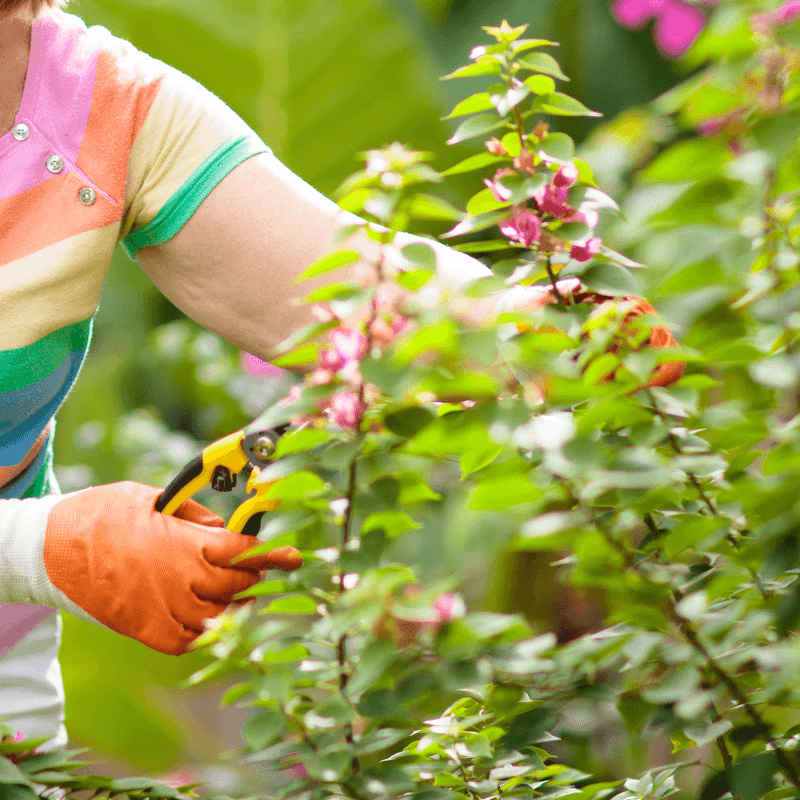
Timing is everything when it comes to pruning bougainvillea, and cutting at the wrong point in the season can set a plant back by months.
Bougainvillea blooms on new growth that develops after pruning, so the timing of that cut directly affects when color will appear.
Pruning too late in the season can push flowering well past the window when most gardeners want to enjoy it.
In California, late winter to early spring is generally the best window for major pruning. This timing lines up with the plant coming out of any cooler dormant-like period and beginning to push new growth.
Pruning during this window gives the plant enough time to develop fresh stems and eventually set flower buds before the peak growing season hits.
Cutting heavily during summer or fall, when buds may already be forming, can remove the very growth that was about to bloom.
Light shaping and trimming throughout the year is fine and helps keep the plant manageable. The key is avoiding heavy cuts during periods when flower buds are actively developing.
In warmer parts of California, where bougainvillea may bloom in cycles throughout the year, paying attention to what the plant is doing before reaching for the pruning shears is a smart habit.
A little patience and observation go a long way toward keeping the bloom cycles consistent and impressive year after year.
5. Not Enough Sunlight Limits Bloom Production
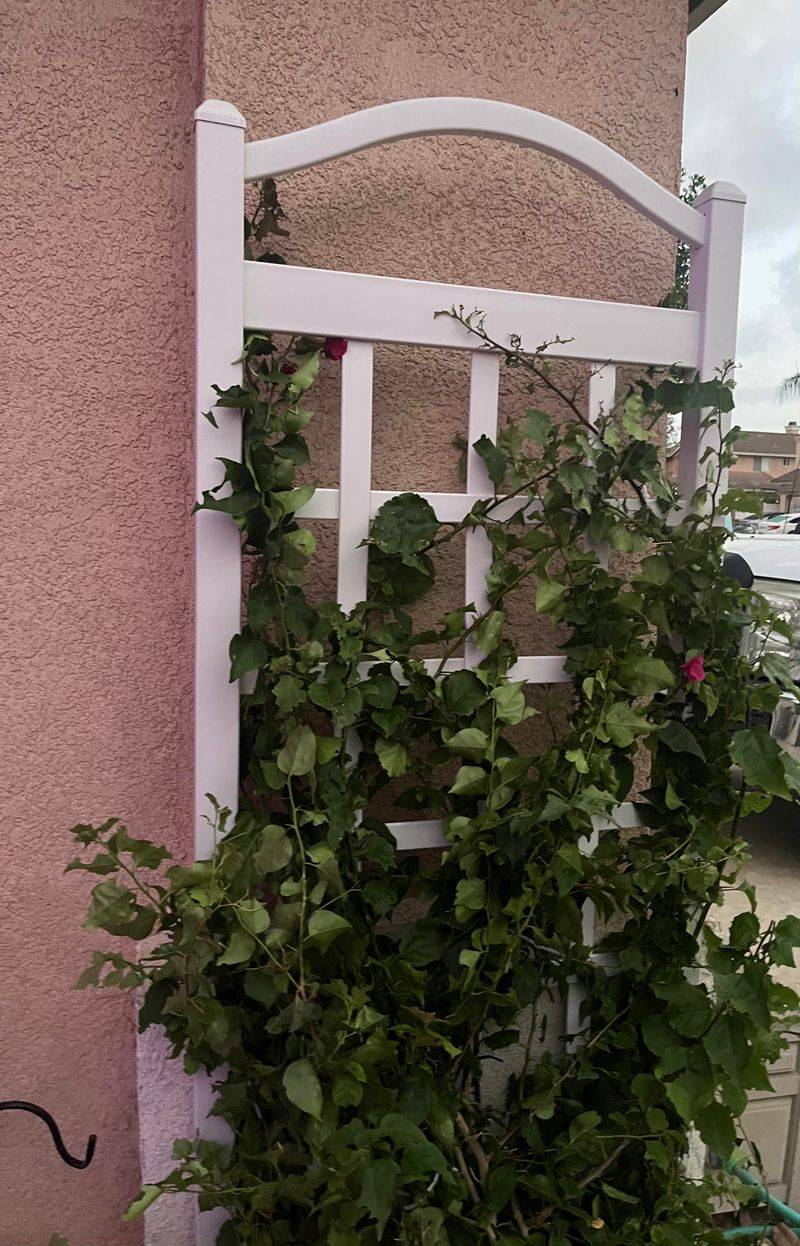
Sunlight is one of the most critical factors in getting bougainvillea to bloom generously, and placing a plant in a spot that does not receive enough direct sun is one of the most common mistakes California gardeners make.
Despite California’s reputation for sunshine, not every yard or garden space gets the hours of direct light that bougainvillea needs to thrive.
Shaded spots under large trees, along north-facing walls, or tucked beside structures can quietly starve the plant of the energy it needs to flower.
Bougainvillea generally needs at least six hours of direct sunlight each day to produce its best color. In coastal California, where marine layer clouds roll in during morning hours, plants may only get strong afternoon sun.
While afternoon light is intense and valuable, consistently cloudy mornings can reduce total sun hours enough to affect bloom production over time.
If a plant is already established in a low-light area, moving it may not always be practical. Instead, consider whether nearby structures or plants can be trimmed to allow more light through.
For gardeners planning a new planting, choosing a south or west-facing location in the yard tends to offer the most consistent sun exposure across California’s varied microclimates.
Matching the plant’s placement to its light requirements from the start is one of the simplest ways to encourage reliable, vibrant blooming throughout the season.
6. Cold Exposure Can Damage Growth In Some Regions
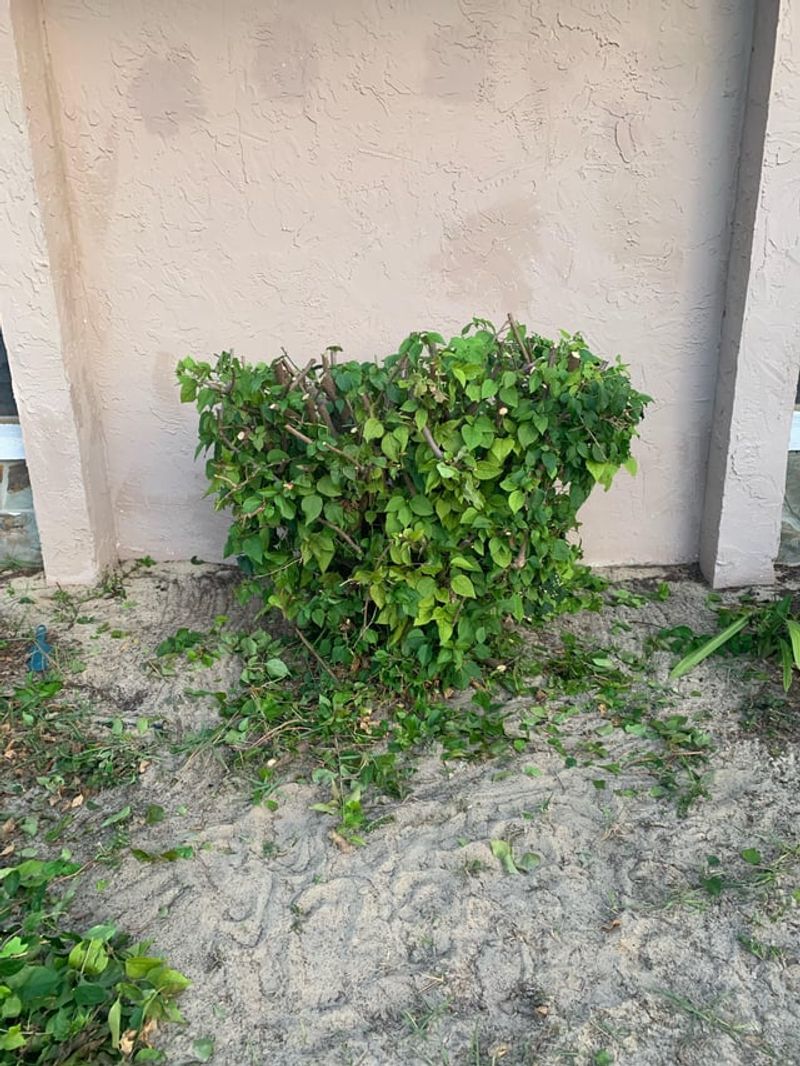
California may be known for its warm weather, but temperatures vary significantly across the state.
Gardeners in the San Francisco Bay Area, the Central Valley, and foothill communities regularly experience cold snaps and occasional frost, which bougainvillea does not handle well.
Even a single hard frost can damage tender new growth and set the plant back considerably, reducing or delaying flowering for much of the following season.
Bougainvillea is a tropical plant by origin, and it prefers temperatures that stay above freezing. In Southern California’s warmest zones, cold damage is rarely a concern.
But in higher-elevation areas, inland valleys that experience radiation frost on clear winter nights, or northern parts of the state, gardeners need to be more thoughtful about cold protection.
Wrapping plants in frost cloth during predicted cold events or planting near a south-facing wall that retains heat can offer meaningful protection.
Container planting is another strategy worth considering for gardeners in frost-prone parts of California. A potted bougainvillea can be moved to a sheltered location like a garage or covered patio when cold weather is expected.
Even a brief period of protection during the coldest nights can prevent damage that would otherwise take weeks or months to recover from.
Being aware of your specific California microclimate and planning accordingly helps keep the plant healthy through seasonal temperature swings.
7. Lack Of Dry Periods Can Reduce Bloom Cycles
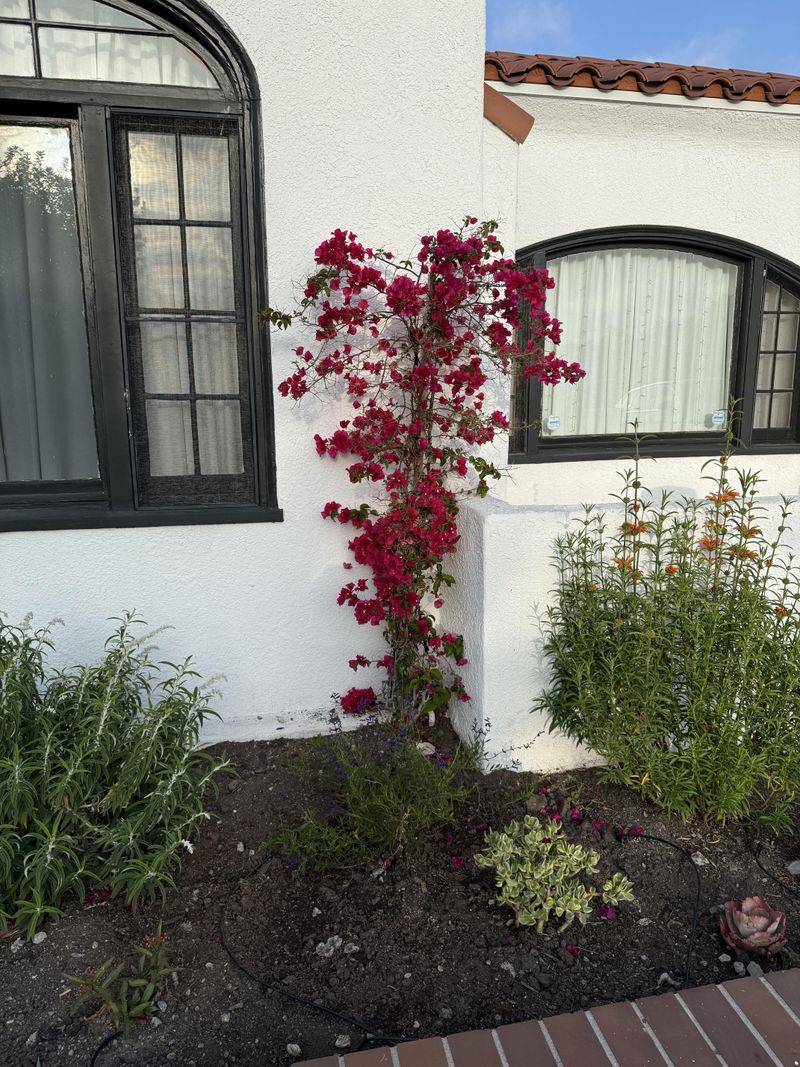
One of the more surprising aspects of bougainvillea care is that the plant actually responds well to stress – specifically, dry stress. Allowing the plant to go through periods of reduced watering signals it to shift from growing mode into blooming mode.
In California, where irrigation systems are common and many gardeners water on a fixed schedule, this natural stress cycle can be accidentally disrupted, leading to a plant that grows well but blooms inconsistently.
In its native habitat, bougainvillea experiences distinct wet and dry seasons, and this cycle plays a role in triggering flowering.
California’s dry summers can mimic this pattern naturally, but only if gardeners resist the urge to keep the soil consistently moist.
Cutting back on watering for a few weeks, particularly after a period of active growth, can encourage the plant to set flower buds in preparation for the next bloom flush.
This technique is sometimes called a dry-down period, and it is used intentionally by experienced bougainvillea growers across California.
The plant may look slightly stressed during this time, with leaves that appear a little droopy or dull, but this is generally a normal response rather than a sign of serious trouble.
Once watering resumes at a moderate level, the plant often responds with a strong flush of colorful bracts. Working with the plant’s natural bloom triggers rather than against them tends to produce the most rewarding results.