The Rules For Planting Privacy Shrubs Right On A California Property Line
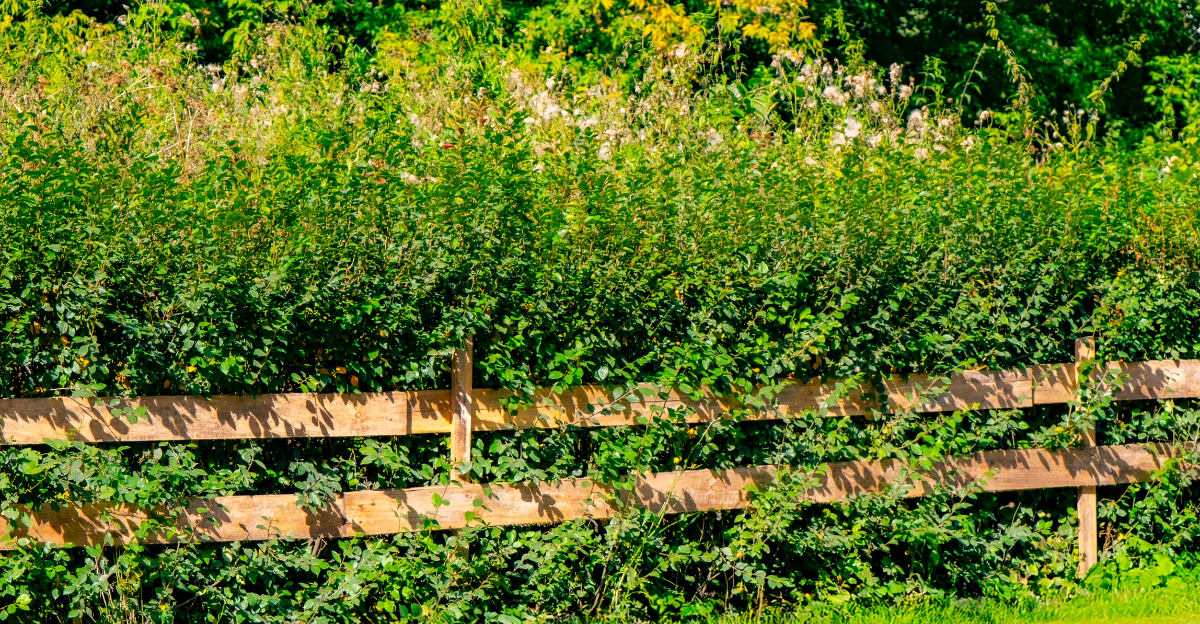
Privacy shrubs can solve one problem and start another if they are planted too close to a California property line.
A row of greenery may sound like the perfect way to block a view, but roots and branches do not care about fence drama.
They grow where they want, and neighbors tend to notice when plants lean, drop leaves, or crowd their side.
That is when a simple landscaping choice can turn awkward fast. Before digging holes along the line, homeowners need to think about space, mature size, and local rules. The shrub that looks tiny in a nursery pot may become a much bigger personality later.
Nobody wants a privacy screen that starts a backyard cold war. A little planning now can keep the yard peaceful while still giving you that tucked away feeling. Privacy is great, but so is keeping the neighbor wave friendly.
1. So, Can You Plant Shrubs Right On The Line?
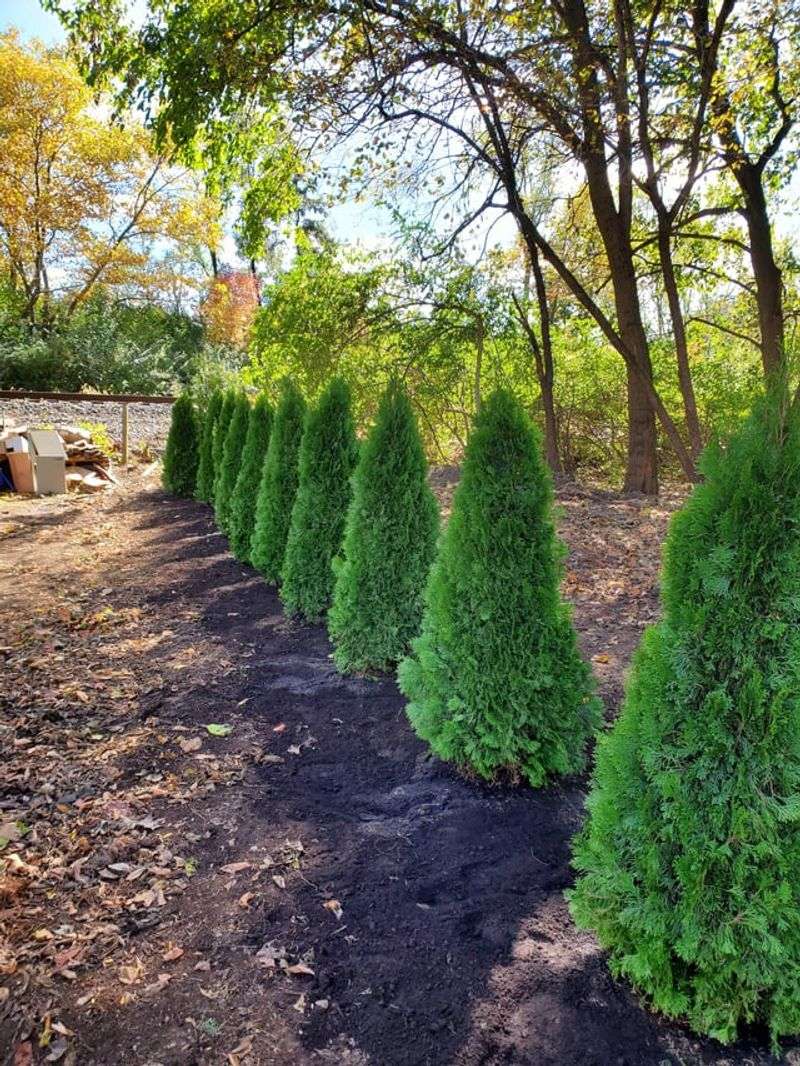
Planting right on the property line is technically allowed in many parts of our state, but it comes with conditions that vary depending on where you live.
Most California cities do not have a single statewide rule that says exactly how close a shrub can be to the boundary. Instead, local zoning codes fill in the gaps, and they differ from city to city.
Some cities require shrubs to be planted at least a few inches or even a few feet back from the line.
Others allow planting directly on it, as long as the plants do not cross over. Before you dig a single hole, check with your local planning or zoning department to find out what applies to your specific address.
Even if your city allows it, planting on the exact line can create future problems. Shrubs grow outward over time, and branches or roots may eventually cross onto your neighbor’s property.
A good rule of thumb is to plant at least one to two feet back from the legal boundary.
That small buffer can prevent big arguments later. Always check local rules first, and consider talking to your neighbor before you start planting. A quick conversation can go a long way toward keeping things peaceful.
2. That Fence May Not Be The Legal Boundary
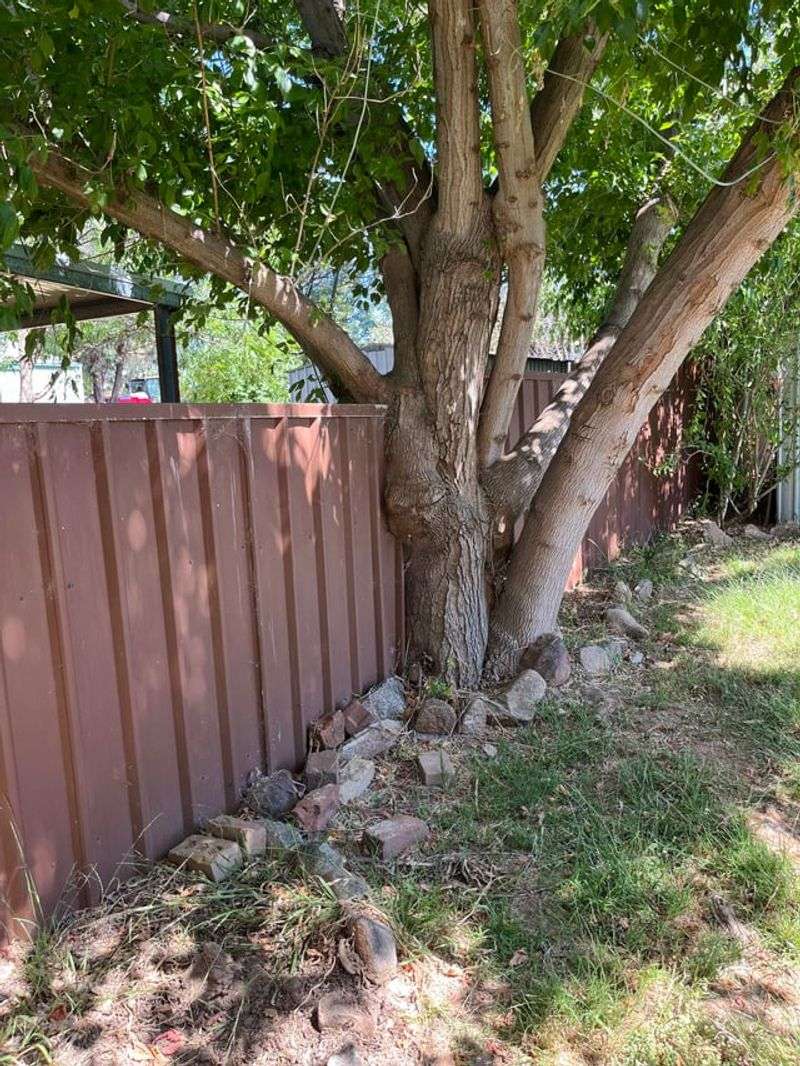
Here is something that surprises a lot of homeowners: the fence in your yard might not be sitting on the actual property line.
Fences are often built by previous owners who eyeballed the boundary or made a simple mistake. Over the years, no one questioned it, and the fence just stayed where it was.
If you plant shrubs right next to that fence assuming it marks your property, you could end up planting on your neighbor’s land without realizing it.
That can create a legal mess that is expensive and stressful to fix. The only way to know exactly where your property line is located is to get a professional land survey done.
A licensed surveyor will review your property records and place official markers showing the true boundary.
Your California Garden Changes Every Week. Your Plan Should Too.
Gardening in California changes quickly throughout the season. Every Friday you’ll receive a simple weekly plan showing exactly what to plant, prune, fertilize, harvest, and protect so you never miss the right timing.
The cost typically runs between a few hundred and a couple thousand dollars depending on your lot size and location. Many homeowners skip this step and regret it later.
Once you have the survey done, you will know exactly where you stand, literally. Plant your shrubs based on the surveyed line, not the fence.
Doing this correctly from the start protects you from future disputes and ensures your privacy hedge is fully on your own property.
3. Your City May Limit How Tall Hedges Can Get
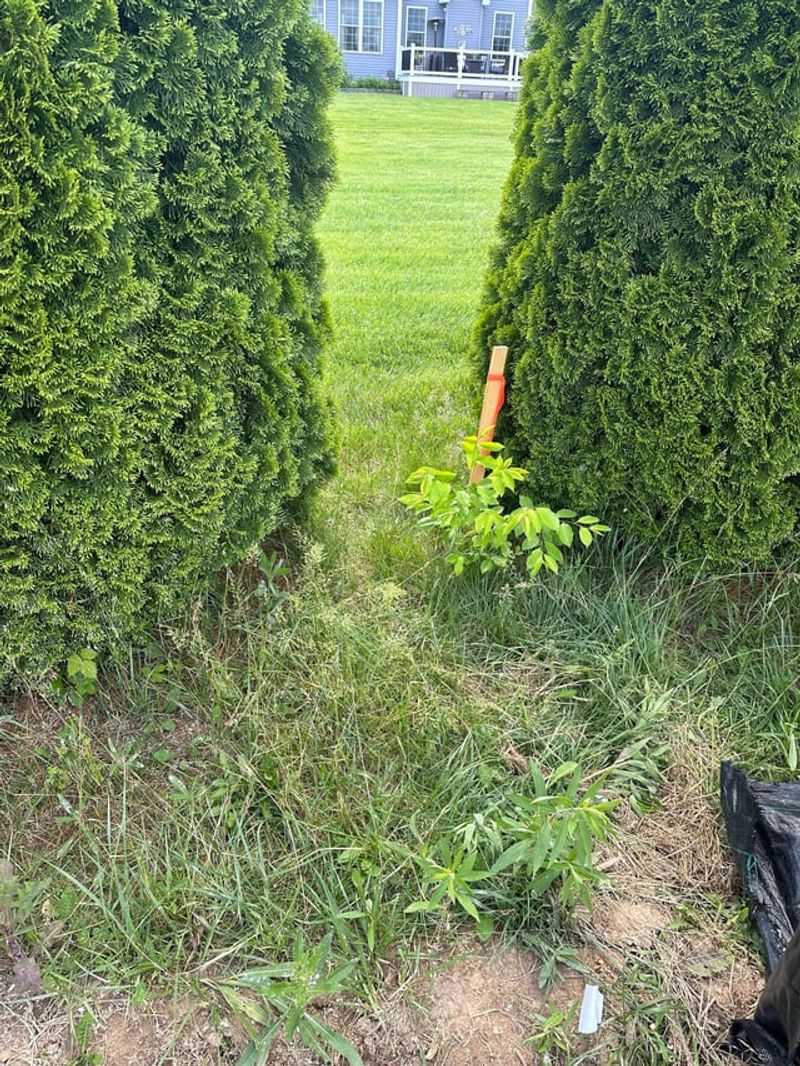
Not everyone knows that many cities in our state set limits on how tall a hedge or living fence can grow.
These height restrictions are written into local zoning codes and are meant to prevent one neighbor from completely blocking another’s sunlight or view.
Ignoring these limits can result in fines or a notice requiring you to cut back your plants.
Height rules often differ based on where the hedge is located on your property. Hedges in the backyard usually get more leeway than those in the front yard.
Some cities cap front-yard hedges at three or four feet, while backyard hedges may be allowed to grow six feet or higher.
A few cities have no height limit at all, but that is becoming less common.
In some cases, your homeowners association may have its own separate height rules that are even stricter than the city code.
Both sets of rules apply, and you have to follow whichever one is more restrictive. Check both before choosing your shrub species, since some privacy plants grow very tall very fast.
Picking a variety that naturally stays within the allowed height range is a smart move. It saves you from constant trimming and keeps you on the right side of local regulations.
4. Front-Yard Privacy Has Extra Strings Attached
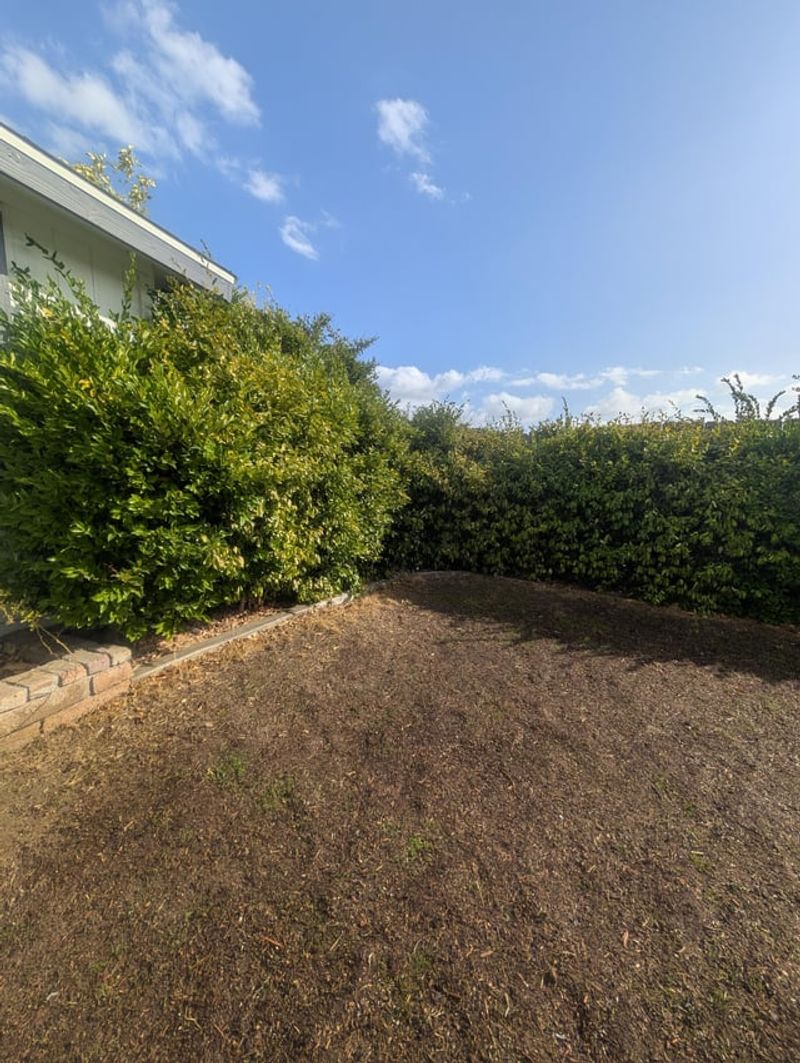
Front yards in our state are treated differently than backyards when it comes to privacy plantings.
Cities tend to have stricter rules for the front because visibility and safety are bigger concerns.
Tall shrubs near driveways or sidewalks can block sightlines for drivers and pedestrians, which creates real safety hazards.
Many local codes require front-yard hedges to stay under three feet in height, especially near the street or driveway entrance.
Some cities also have setback requirements that push plantings back from the sidewalk or curb by a certain number of feet.
These rules exist to keep intersections and walkways clear so that everyone can see and move safely.
Beyond city rules, some neighborhoods governed by an HOA have design guidelines that control what plants can be used in front yards and how they should be arranged.
Breaking these guidelines can result in fines or forced removal of your plants. If you rent your home, your landlord or property manager may also have restrictions on what you can plant.
Always read through all applicable rules before adding shrubs to your front yard. Getting approval in writing from your HOA or city before planting is a smart step that can protect you if anyone challenges your landscaping choices later on.
5. A “Spite Hedge” Can Get You In Trouble
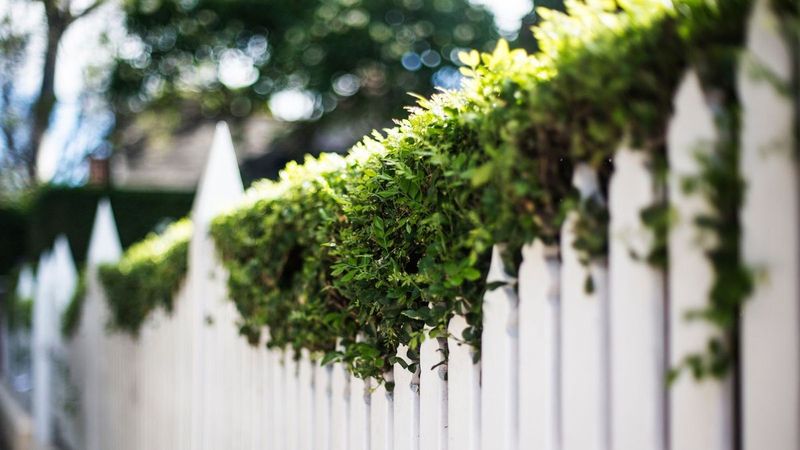
California actually has a law that addresses something called a spite fence, and it can apply to living hedges too.
Under California Civil Code Section 841.4, a fence or hedge that is unnecessarily tall and was clearly planted just to annoy a neighbor can be considered a private nuisance. That means your neighbor can take you to court over it.
A spite hedge is one that serves no real purpose other than to block light, air, or views from a neighboring property.
Courts look at several factors, including the height of the hedge, whether it serves a legitimate purpose, and whether the planting was timed to a dispute with the neighbor.
If a judge decides the hedge was planted out of malice, you could be ordered to cut it back or remove it entirely.
This does not mean you cannot have a tall hedge for genuine privacy reasons. It means the hedge needs to serve a real and reasonable purpose.
Planting a row of fast-growing trees right after a fight with your neighbor is the kind of thing courts tend to notice.
Keep your motivations practical and documented. If privacy is your real goal, choose a species that fits within local height limits and plant it as part of a thoughtful landscaping plan, not as a reaction to a conflict.
6. Don’t Let Your Living Wall Invade Next Door
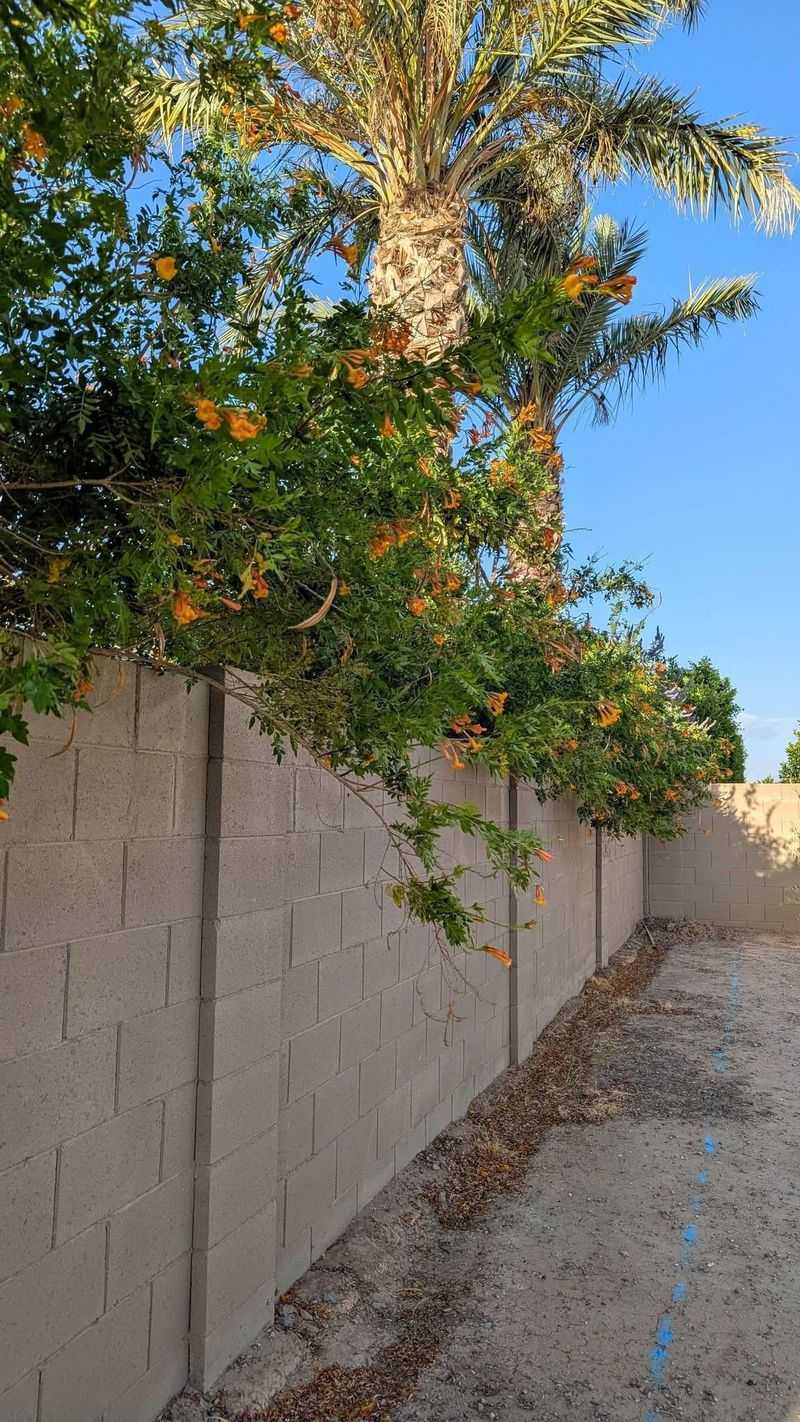
Once a shrub starts growing, it does not stay neatly within your property line. Branches spread outward, and over time they can cross into your neighbor’s yard.
In our state, neighbors have the legal right to trim branches that hang over their property, but only up to the property line.
They cannot come onto your land to do it without permission. While that might sound manageable, the real issue is when overgrowth becomes a constant source of tension.
If your shrubs are regularly dropping leaves, blocking light, or pushing into your neighbor’s garden, you may face complaints or even legal action.
Courts have sided with neighbors in cases where unchecked shrub growth caused ongoing damage or nuisance.
Choosing a shrub variety that grows in a more compact and upright form can help prevent this problem from the start.
Columnar shrubs like Italian cypress or Sky Pencil holly grow tall but stay narrow, which reduces the chance of branches spreading sideways. Regular trimming also keeps growth in check.
Make it a habit to inspect your hedge a couple of times each year and cut back anything that is reaching toward the boundary.
Staying on top of maintenance shows good faith and keeps your relationship with your neighbor in a much better place.
7. Leave Space To Trim From Your Own Side
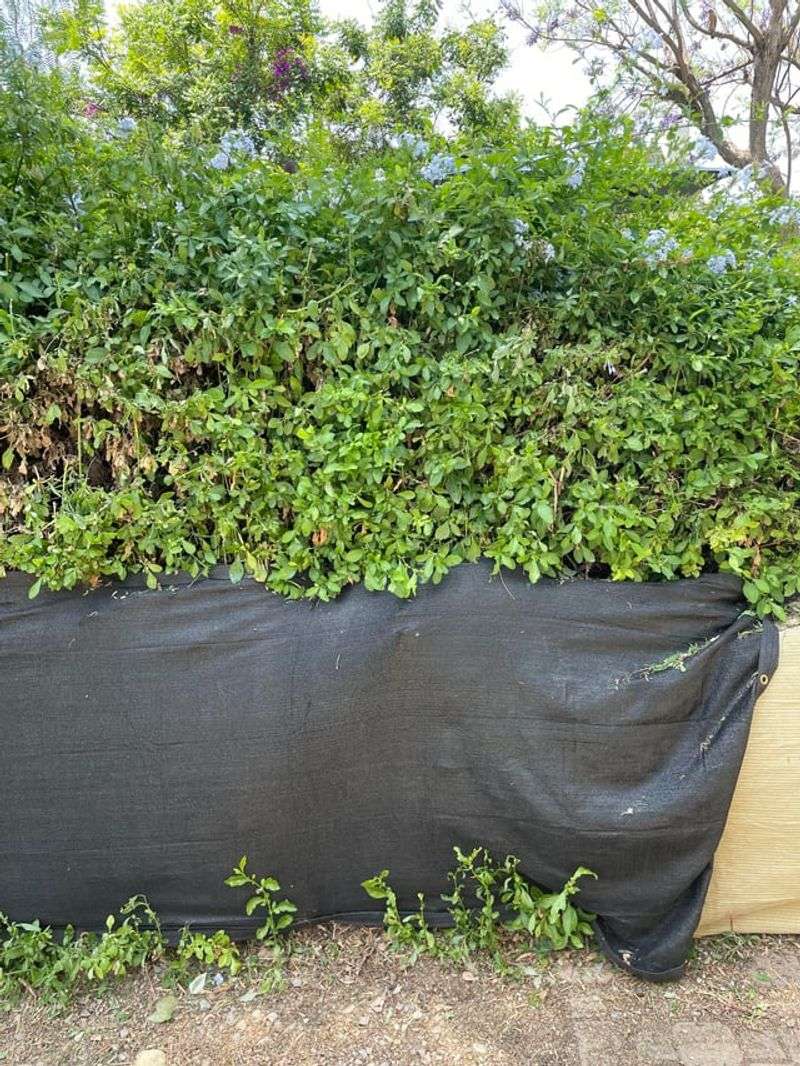
One practical detail that many homeowners overlook is leaving enough room to actually maintain their hedge.
If you plant shrubs right up against the property line, you may not have enough space to get behind them for trimming.
Without that access, the side of the hedge facing your neighbor can grow wild and unchecked, which is both unsightly and potentially a legal issue.
A gap of two to three feet between the shrub line and the boundary gives you enough room to walk through, set up a ladder, and use pruning tools safely.
This space also allows air to circulate around the base of the plants, which helps reduce moisture buildup and keeps the shrubs healthier over the long term.
Maintaining the neighbor-facing side of your hedge matters more than many people realize.
If that side becomes overgrown and starts pushing into their yard, they have every right to trim it themselves, and they may not trim it in a way you like.
Staying in control of your own plants means keeping access open so you can do the job properly.
Plan this spacing into your design before you plant. It is much easier to leave room upfront than to try to relocate a row of established shrubs after they have already taken root and filled in.
8. Roots And Sprinklers Count Too
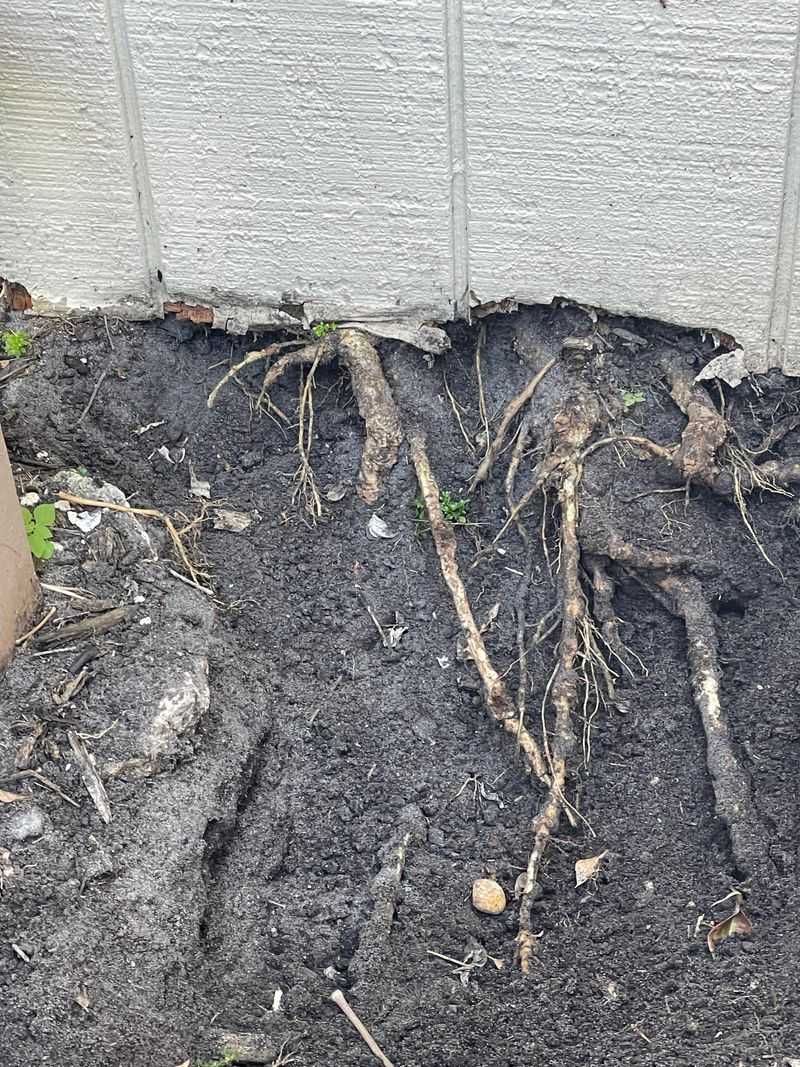
Most people focus on what they can see above ground when planting privacy shrubs, but what happens underground matters just as much.
Roots from shrubs and hedges can spread far beyond the visible canopy and cross into a neighbor’s property.
In our state, if your shrub’s roots cause damage to a neighbor’s pipes, foundation, or landscaping, you may be held legally responsible.
Some fast-growing privacy plants are known for aggressive root systems. Bamboo, for example, can send roots dozens of feet in every direction and is extremely difficult to contain once established.
Many California cities have specific restrictions on planting bamboo near property lines for exactly this reason.
Always research the root habits of any shrub before you plant it along a boundary.
Sprinkler systems and irrigation setups also fall under the same general principle. Water runoff from your yard that consistently floods or damages a neighbor’s property can lead to disputes and potential liability.
Make sure your irrigation is aimed inward and does not spray onto adjoining land.
Installing root barriers when planting near the boundary is a smart and relatively inexpensive precaution.
A good barrier can redirect root growth downward and inward, keeping your plants healthy while protecting your neighbor’s yard and keeping your landscaping choices from turning into a costly legal problem.