7 Plants To Prune In April For Bigger Bloom Season In Texas
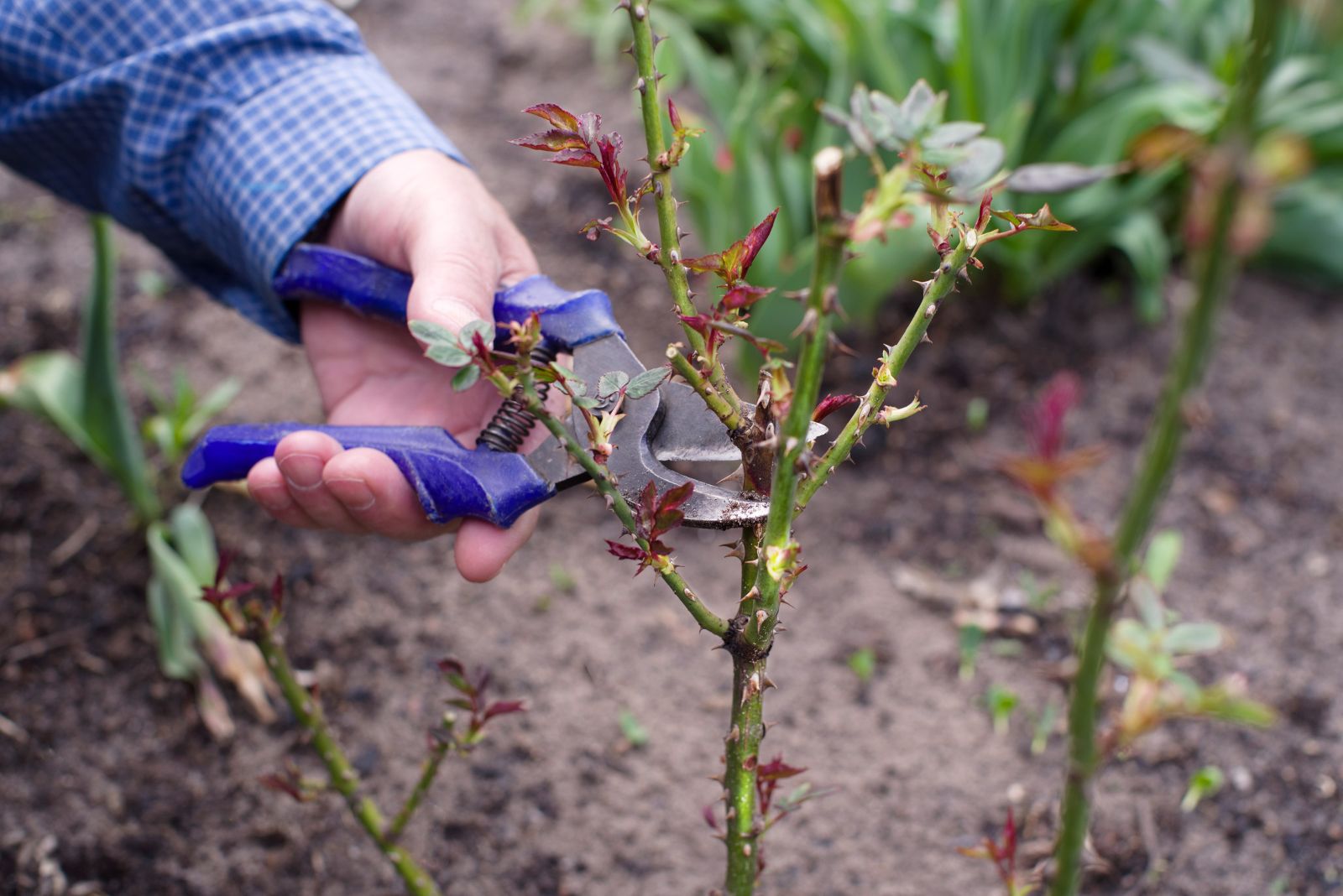
April can be a turning point in Texas gardens. The weather is warming up, plants are putting on fresh growth, and everything starts looking full of promise.
It is also the moment when a little pruning can pay off in a big way later. Done at the right time, a simple trim can help certain plants grow stronger, branch out better, and put more energy into producing the kind of blooms that really steal the show.
Skip it, and some plants may end up leggy, overgrown, or not nearly as impressive when flowering season hits its peak.
That is what makes April such a useful month for gardeners who want more color without starting from scratch. A few careful cuts now can set the stage for healthier plants and a longer, fuller display in the weeks ahead.
In Texas, timing matters, especially with heat building fast, so knowing what to prune this month can make all the difference between a decent garden and one that looks absolutely loaded with flowers.
1. Roses (Rosa Spp.)
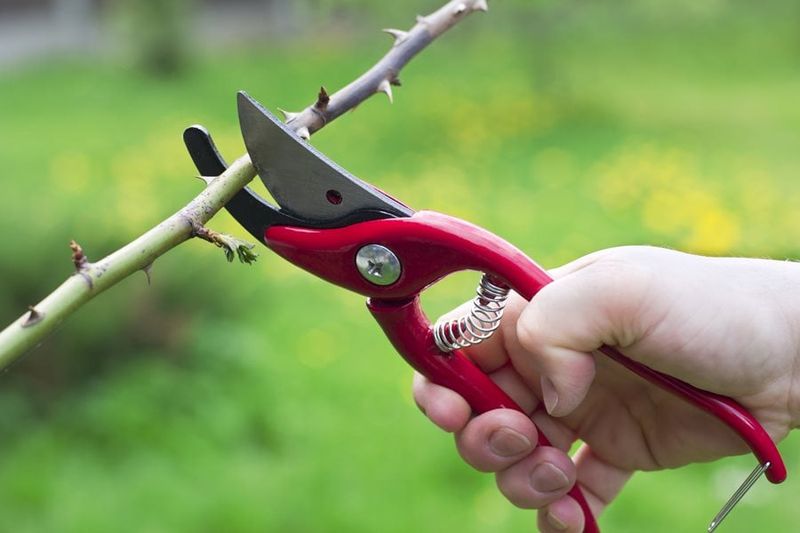
Few plants reward a little attention quite like roses do. In Texas, April is the sweet spot for giving your rose bushes a good shaping after that first flush of spring blooms starts to fade.
The warm days and mild nights create perfect conditions for new growth to take off fast.
Start by removing any dry or weak stems at the base. Look for canes that look shriveled, discolored, or just plain thin.
These are not doing the plant any favors and removing them lets the stronger canes get all the energy they need.
When shaping, always cut at a 45-degree angle just above an outward-facing bud. This encourages the plant to grow outward instead of inward, which improves air circulation.
Better airflow means fewer fungal problems, which is a real concern in the humid parts of Texas.
Do not go overboard with heavy cuts in April. A light to moderate trim after the first bloom flush is usually all you need. Save the harder pruning for late winter, around February, before new growth begins.
After pruning, give your roses a good feed with a balanced rose fertilizer. Water them deeply and add a layer of mulch around the base to hold in moisture.
Texas summers can be brutal, and mulch is your best friend for keeping roots cool. With the right care, your roses can put on multiple rounds of blooms all the way through fall.
2. Lantana (Lantana Urticoides / Hybrids)
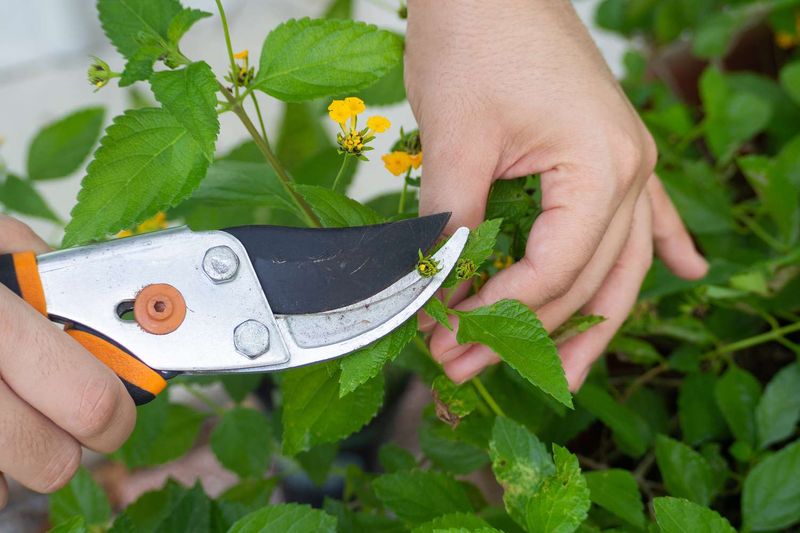
Lantana is basically the superstar of the Texas summer garden. It thrives in heat, laughs at drought, and keeps pumping out clusters of bright blooms in shades of orange, yellow, red, and pink from spring all the way through fall.
But to really get the most out of it, a good April pruning makes a huge difference. By April, you might notice that your lantana looks a little rough around the edges after winter. The old, woody stems from last season can make the plant look scraggly and tired.
Your Texas Garden Changes Every Week. Your Plan Should Too.
Gardening in Texas changes quickly throughout the season. Every Friday you’ll receive a simple weekly plan showing exactly what to plant, prune, fertilize, harvest, and protect so you never miss the right timing.
Once you spot new green shoots pushing up from the base, that is your signal to get cutting.
Cut back the old woody growth pretty aggressively. You can take it down by about half or even more if the plant got very leggy.
Do not be nervous about cutting hard. Lantana is incredibly tough and bounces back fast, especially in the warm Texas climate.
Removing that old wood forces the plant to push out fresh new growth from the base. More new growth means more branch tips, and more branch tips means more flowers. The result is a fuller, bushier plant that looks amazing all summer long.
Lantana also self-seeds readily in Texas, so if you do not want it spreading into areas where you do not want it, remove the small berry-like seed clusters as they form. A well-pruned lantana in April will reward you with nonstop color through the hottest months of the year.
3. Autumn Sage (Salvia Greggii)
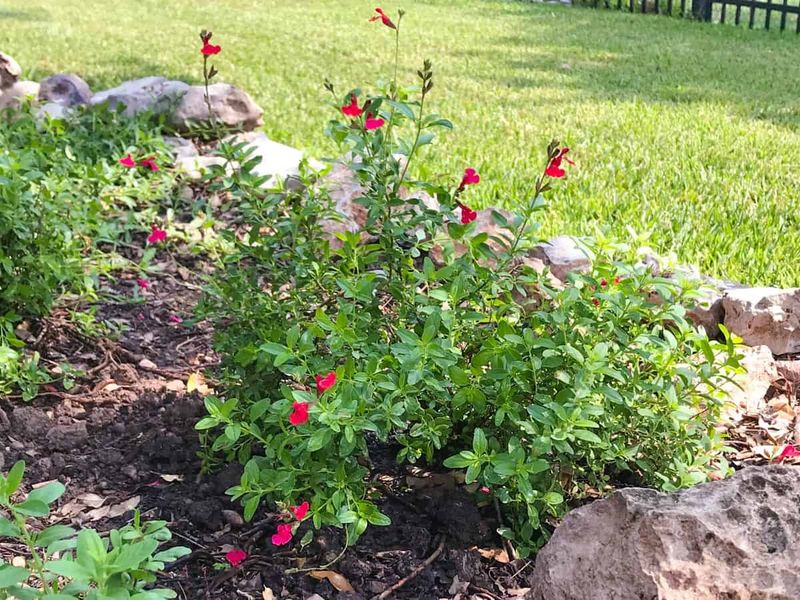
Autumn sage is a true Texas native, and it earns its place in the garden every single season. Despite its name, this tough little salvia actually blooms from spring through fall, putting out cheerful tubular flowers that hummingbirds absolutely cannot resist.
A light April pruning keeps it looking sharp and blooming strong. Over winter, autumn sage can get a bit ragged. Some stems may look brown or damaged from cold snaps, and the overall shape can get uneven.
April is the perfect time to tidy things up before the main growing season kicks into high gear across Texas.
Use clean, sharp shears and trim the plant lightly, removing any winter-damaged tips and shaping the overall form. You do not need to cut it way back.
A gentle trim of three to four inches is usually plenty to encourage fresh flowering growth to emerge.
One thing to keep in mind is that autumn sage blooms on new growth. So the more you encourage new stems to form, the more flowers you will get. Think of pruning as flipping a switch that tells the plant to start producing again.
After trimming, water the plant well and consider a light application of a balanced slow-release fertilizer.
Autumn sage is drought-tolerant once established, but a little extra water during the spring growing period helps it get off to a strong start. With minimal effort, this plant will fill your Texas garden with color for months.
4. Turk’s Cap (Malvaviscus Arboreus Var. Drummondii)
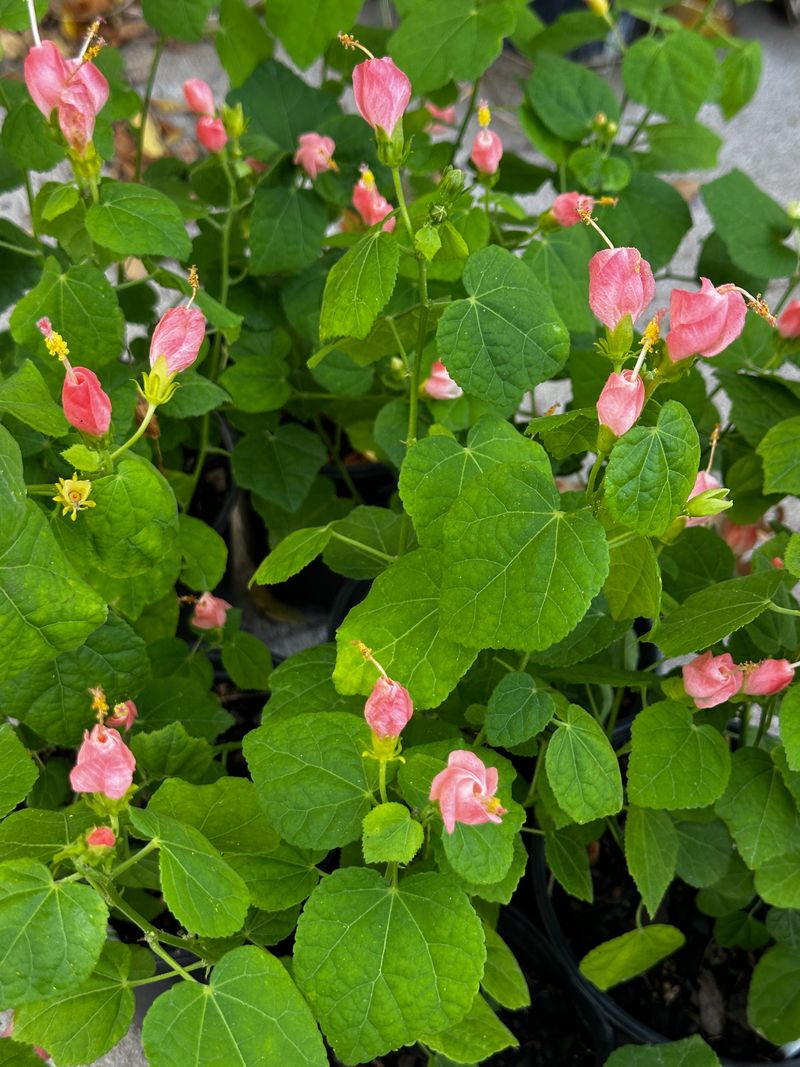
If you have a shady spot in your Texas yard that seems impossible to fill with color, Turk’s cap is your answer. This tough native perennial produces quirky, twisted red blooms that look like little turbans, which is exactly how it got its name.
Butterflies, hummingbirds, and bees all love it, and a good April pruning sets it up for a spectacular season.
Turk’s cap can get hit hard by a cold Texas winter. In some areas, especially in North Texas, it may look completely brown and dry by the time spring arrives.
Do not give up on it too fast. This plant is a survivor and almost always comes back strong from the roots.
In April, cut the plant back to about six to twelve inches from the ground. If it died back heavily over winter, cut it all the way down close to the soil.
New shoots will emerge quickly once the weather warms up, and the plant will regrow into a full, lush mound.
This hard pruning encourages the plant to branch out more, which means a bushier shape and far more flowers.
Turk’s cap can grow quite large if left unpruned, sometimes reaching six feet or more. Keeping it trimmed in April helps manage its size while maximizing blooms.
Plant it in part shade to full shade and water it occasionally through the summer. Once established in a Texas garden, Turk’s cap practically takes care of itself, rewarding you with months of cheerful color.
5. Esperanza / Yellow Bells (Tecoma Stans)
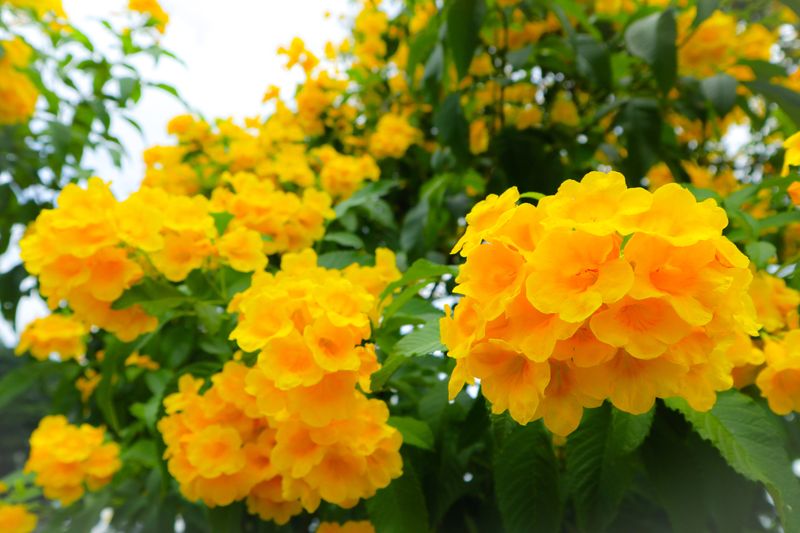
Walk through almost any South or Central Texas neighborhood in summer and you will spot Esperanza putting on a show. Those bold, sunny yellow trumpet flowers are hard to miss, and the plant blooms almost nonstop from late spring through fall.
Pruning it right in April is the key to unlocking its best performance of the year. Esperanza, also known as Yellow Bells, is sensitive to frost. After a Texas winter, especially in areas that saw a hard freeze, the plant can look pretty rough.
Branches may appear dry, brittle, or completely brown. Wait until after the last expected frost date for your area before pruning, which in most of Texas falls in late March to mid-April.
Once you are past frost danger, go ahead and cut back all the dry or leggy branches. Do not be shy about it.
Removing that old, damaged wood encourages the plant to put all its energy into strong, vigorous new growth from the base up.
Healthier new stems mean larger flower clusters and a longer blooming season. Esperanza that gets a proper spring pruning tends to look fuller and more lush than plants that are left untrimmed.
It is a noticeable difference that your neighbors will definitely comment on. Plant Esperanza in full sun and well-drained soil for the best results.
It is heat-loving and drought-tolerant once established, making it one of the most reliable bloomers for Texas summers. A little April work goes a very long way with this beauty.
6. Hibiscus (Tropical And Hardy Types)
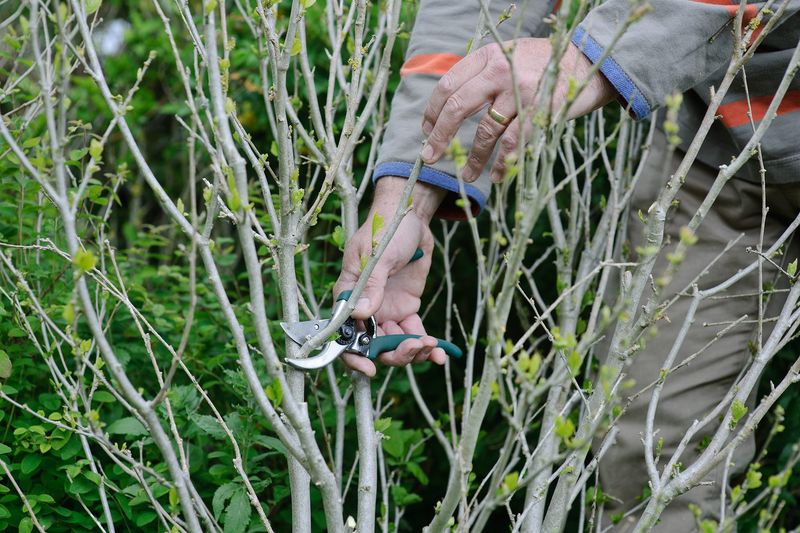
There is something almost tropical and dreamy about a hibiscus in full bloom. The dinner-plate-sized flowers in shades of red, pink, orange, and white make it one of the most eye-catching plants you can grow in a Texas garden.
Getting the pruning right in April sets the stage for those spectacular blooms all summer long.
Texas gardeners grow two main types of hibiscus: tropical hibiscus, which needs protection from frost, and hardy hibiscus, which can handle colder winters and comes back from the roots each year. Both types benefit from pruning in April, though the approach differs slightly.
For tropical hibiscus, remove any dry or frost-damaged wood first. Then lightly shape the plant, cutting back long, unruly branches by about one-third.
This promotes a more compact, bushy shape and encourages new growth that will carry the flowers.
Hardy hibiscus, on the other hand, often gets cut back hard in late fall or winter. By April, you should start to see new red shoots emerging from the base. Let those grow a bit before doing any light shaping or cleanup of remaining old stems.
Both types love full sun and consistent moisture, especially during the hot Texas summer. Fertilize with a bloom-boosting fertilizer that is higher in phosphorus to encourage bigger, more abundant flowers.
With a bit of April attention and the right growing conditions, hibiscus will be one of the most jaw-dropping plants in your entire Texas yard all season long.
7. Crape Myrtle (Lagerstroemia Indica)
Crape myrtles are practically the official tree of Texas summers. Drive through any neighborhood from Dallas to San Antonio and you will see them lining streets, filling front yards, and showing off massive clusters of blooms in shades of white, pink, red, and purple.
But there is one pruning mistake that Texas gardeners make every year, and April is the perfect time to do it right instead.
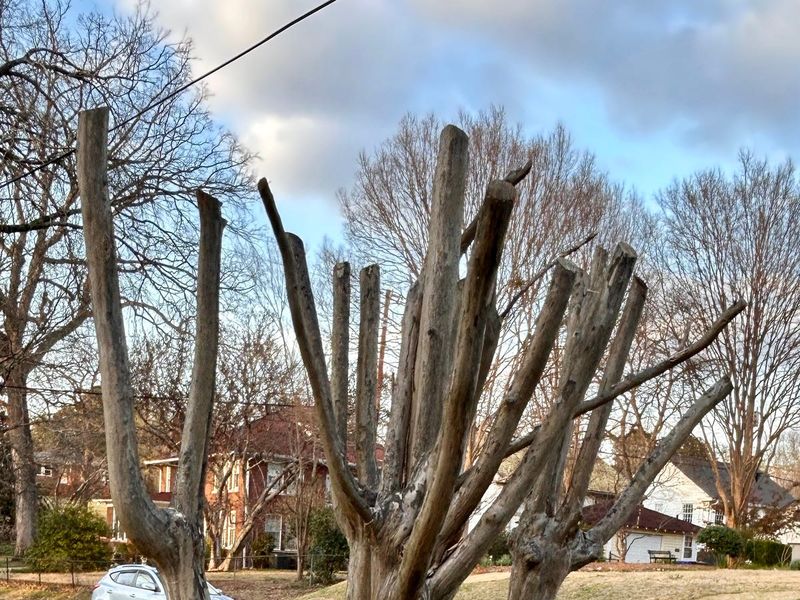
That mistake is called crape murder, which is the practice of cutting the tree back to ugly stubs every year.
This actually weakens the tree over time and leads to a mess of thin, weak sprouts that cannot support heavy flower clusters. April pruning should be much more thoughtful and restrained.
Focus on removing crossing or rubbing branches, which can damage the bark and create entry points for disease. Also remove any suckers, which are the thin shoots that sprout up from the base of the trunk.
These suckers steal energy from the main tree and should come off cleanly at the soil level. If you need to reduce the size of the tree, do it gradually over several years by cutting back to a natural fork or branch junction. Never leave a blunt stub.
Clean cuts made at the right spots heal faster and look much better throughout the season.
Crape myrtles in Texas bloom on new growth, so the goal is to encourage strong, healthy new stems without shocking the tree with excessive cuts. A little restraint in April leads to a gorgeous, full canopy of blooms by midsummer.