Why Your Texas Hibiscus Drops Buds Before They Open And How To Stop It
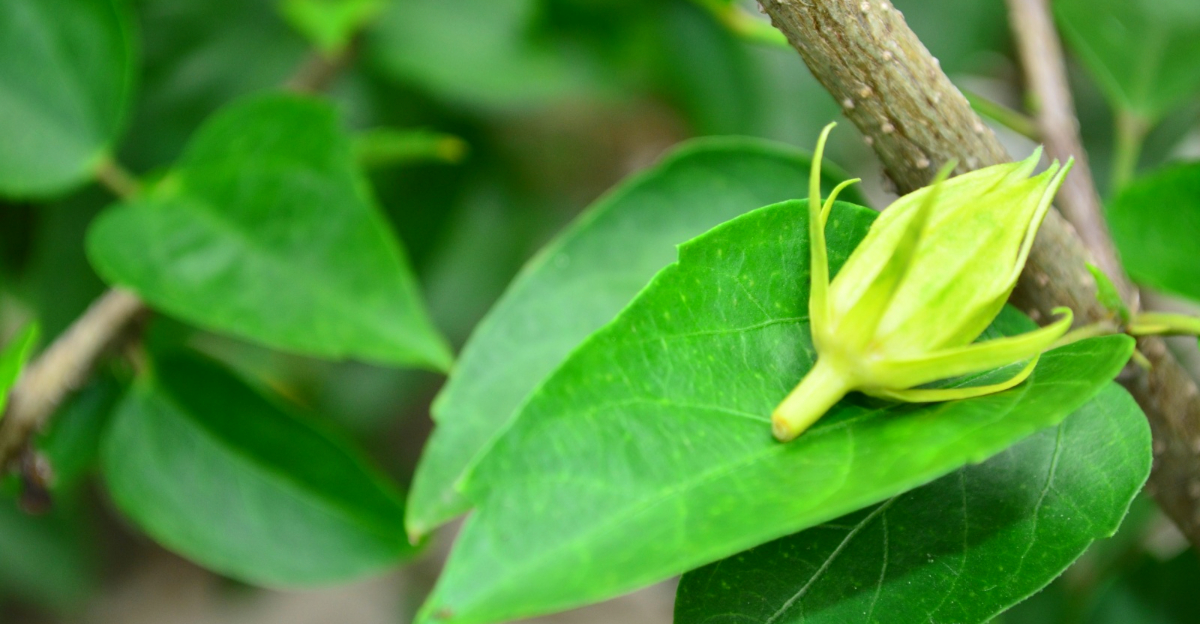
You’ve been watching those hibiscus buds for days. They’re swelling, they’re looking promising, and you’re already mentally planning how great the garden is going to look.
And then, just like that, they drop. Every single one of them. Right before opening. If that experience feels personally offensive, that’s because it kind of is.
Hibiscus bud drop is one of the most frustrating things Texas gardeners deal with, and given the intense summer heat, unpredictable rainfall, and blazing sun across the state, it happens more often than anyone would like.
The good news is that this problem is almost never random bad luck.
Something specific is stressing your plant out, and once you figure out what it is, fixing it becomes surprisingly straightforward. Uneven watering, lighting issues, temperature swings, pest pressure: every case of bud drop has a reason behind it.
1. Dry Soil Can Make Buds Drop Fast
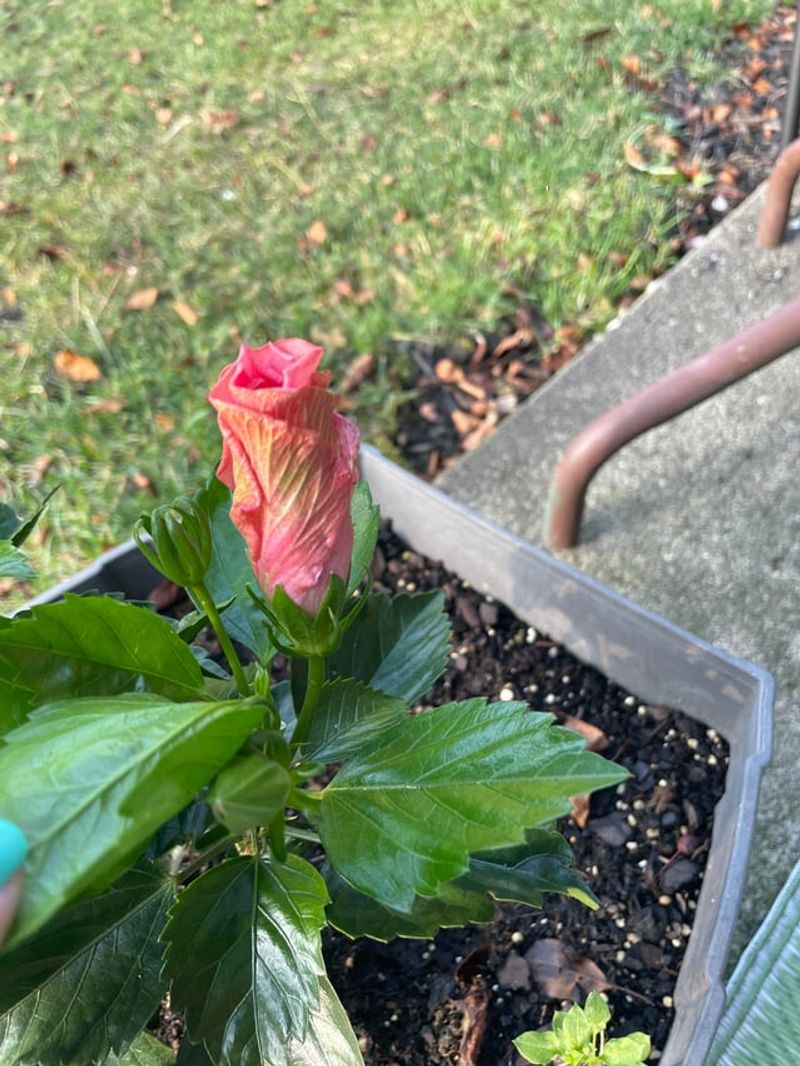
Reaching out to touch the soil in a hibiscus pot on a hot afternoon and finding it bone dry is one of the most common reasons buds fall before they open.
Hibiscus plants need consistent moisture to support their buds through the full development cycle, and when the soil dries out too quickly, the plant responds by shedding buds to conserve energy.
In Texas, summer heat pulls moisture from container soil faster than most gardeners expect. A pot that feels damp in the morning can be completely dry by early afternoon during July or August.
Ground-planted hibiscus in sandy soils can lose moisture just as quickly, especially in areas with low rainfall and high evaporation rates.
Checking soil moisture daily during hot stretches is a practical habit worth building. Stick a finger about an inch into the soil, and water thoroughly if it feels dry at that depth.
For containers, water until it drains freely from the bottom rather than giving just a light sprinkle. Mulching around ground-planted hibiscus helps slow moisture loss significantly.
Consistent watering schedules, adjusted for Texas summer conditions, give buds the steady support they need to stay on the plant and open fully rather than dropping prematurely from stress.
2. Too Much Water Can Stress The Roots
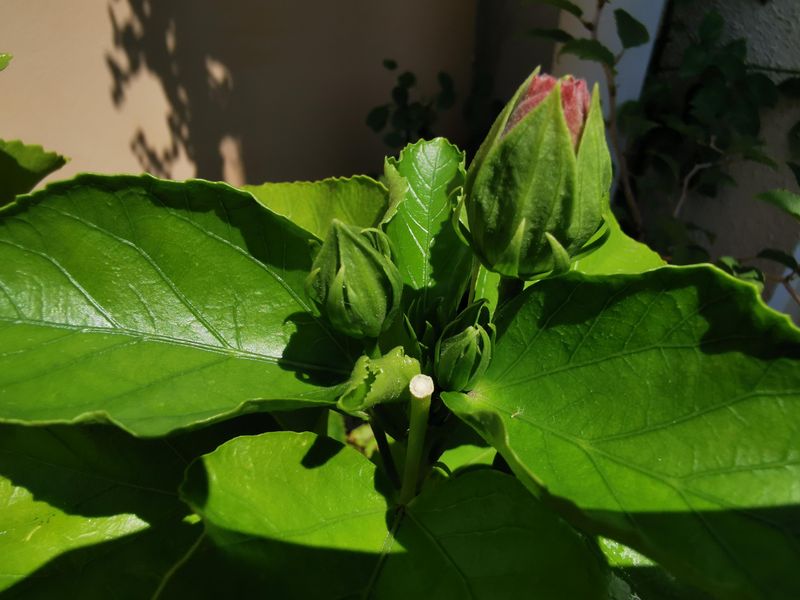
Soggy soil sitting around hibiscus roots for too long can be just as damaging as letting the plant go completely dry.
Overwatering is a surprisingly common cause of bud drop, especially for gardeners who water on a fixed schedule without checking whether the soil actually needs it.
When roots sit in saturated soil, they struggle to take up oxygen, which limits their ability to deliver nutrients and water to the rest of the plant.
The buds, which are among the most energy-demanding parts of the plant, are often the first to suffer when root function is compromised.
Yellowing lower leaves and soft, mushy soil are early signs that the roots may be struggling.
In Texas, heavy clay soils hold water for extended periods, making proper drainage especially important for in-ground hibiscus. Raised beds, amended planting areas, and containers with drainage holes all help prevent prolonged waterlogging.
Your Texas Garden Changes Every Week. Your Plan Should Too.
Gardening in Texas changes quickly throughout the season. Every Friday you’ll receive a simple weekly plan showing exactly what to plant, prune, fertilize, harvest, and protect so you never miss the right timing.
For pots, emptying saucers after rain or watering prevents roots from sitting in standing water. Adjusting watering frequency based on recent rainfall, temperature, and actual soil conditions rather than a rigid calendar schedule helps keep roots healthy.
Healthy roots support steady bud development, so getting moisture balance right is one of the most effective ways to reduce bud drop in Texas gardens.
3. Low Light Can Stop Buds From Opening Well
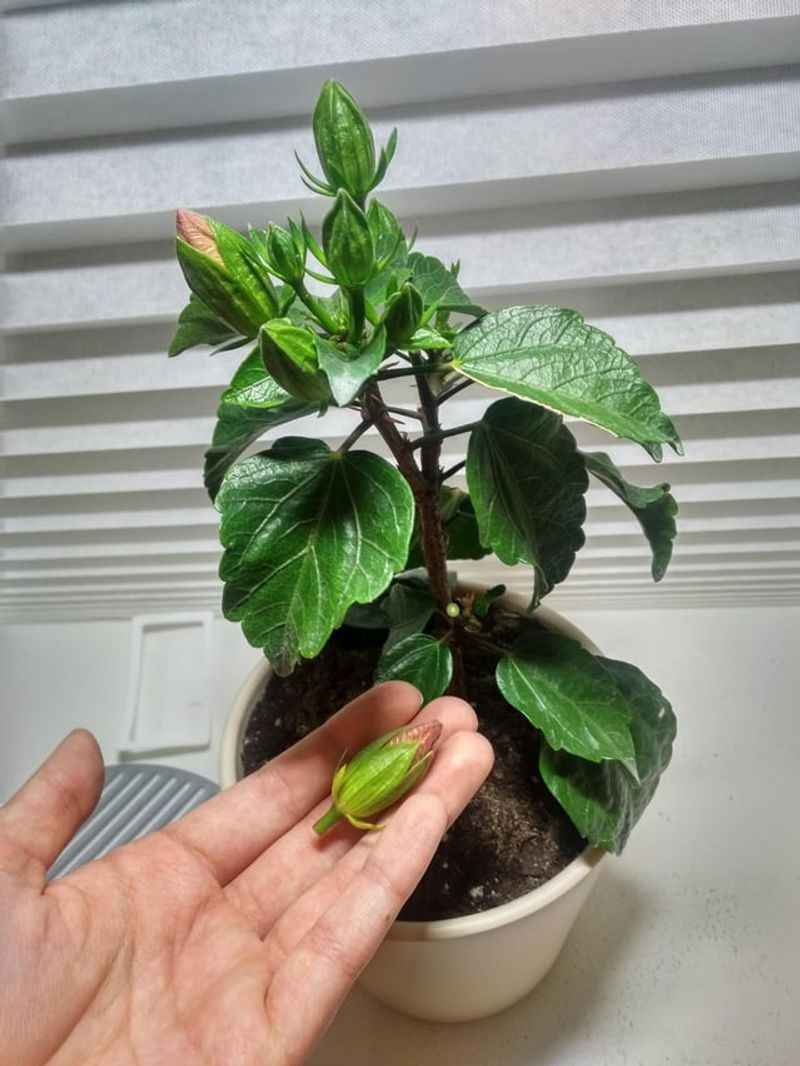
Moving a hibiscus to a shadier spot for the summer might seem like a kind gesture during Texas heat waves, but reduced light can quietly trigger bud drop without obvious warning signs at first.
Tropical hibiscus needs generous sunlight to produce and sustain its flower buds through the full development process.
When light levels drop too low, the plant produces fewer carbohydrates through photosynthesis, leaving less energy available to support developing buds. The plant prioritizes survival over flowering, which means buds are shed before they open.
This can happen gradually when surrounding trees leaf out and cast more shade, or more suddenly when a container plant is moved from a sunny porch to a covered area.
Most tropical hibiscus varieties grown in Texas perform best with at least six hours of direct sunlight each day. South-facing and west-facing positions in Texas landscapes tend to provide strong light exposure during the growing season.
If a container plant has been moved indoors or to a shaded patio, transitioning it back to a sunnier location gradually over several days can help reduce additional stress.
Observing where sunlight falls in a garden throughout the day before placing hibiscus makes a real difference in how consistently the plant blooms and holds its buds through the season.
4. Sudden Changes Can Trigger Bud Drop
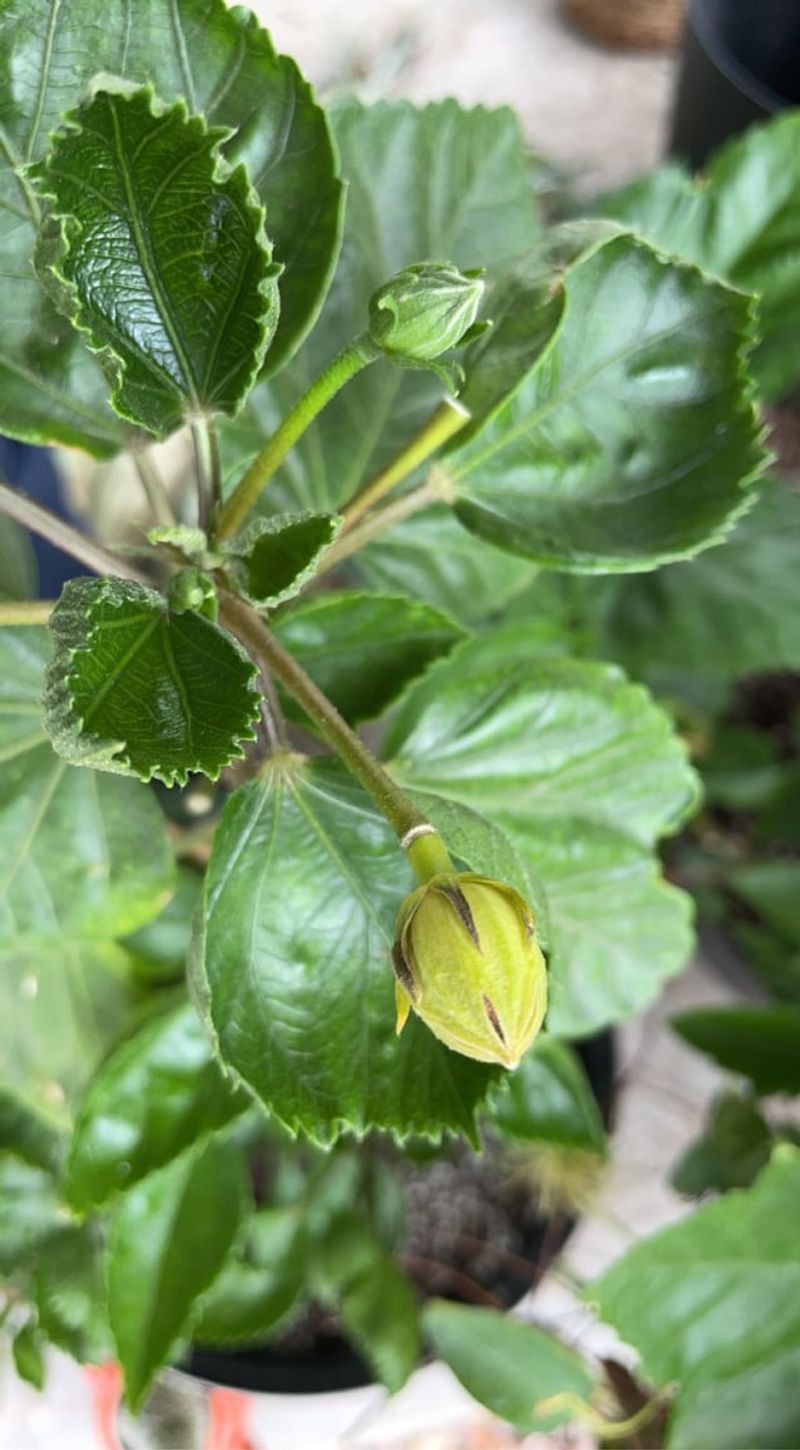
Hibiscus buds are sensitive to sudden shifts in their environment, and Texas weather can deliver those shifts without much warning.
A cold front moving through overnight, a pot being relocated from full sun to a shaded porch, or a stretch of cloudy days following a heat wave can all interrupt the bud development process at a critical stage.
When conditions change rapidly, the plant responds with stress, and bud drop is one of the most visible signs of that stress. Temperature swings, changes in humidity, and even a shift in wind exposure can push buds off the stems before they open.
Gardeners who bring container hibiscus inside during an early cold snap sometimes notice heavy bud drop within a day or two of the move, even when the plant otherwise looks healthy.
Minimizing abrupt transitions helps reduce this kind of stress considerably. When moving plants between environments, doing it gradually over several days allows the hibiscus to adjust without shock.
Placing containers in sheltered spots that buffer against wind and extreme temperature swings also helps stabilize conditions.
Monitoring weather forecasts and planning ahead for cold fronts or heat spikes gives gardeners a better chance of protecting buds during vulnerable periods.
Stability in the plant’s environment is one of the most underrated factors in keeping hibiscus buds on the stem.
5. High Heat Can Cause Extra Stress
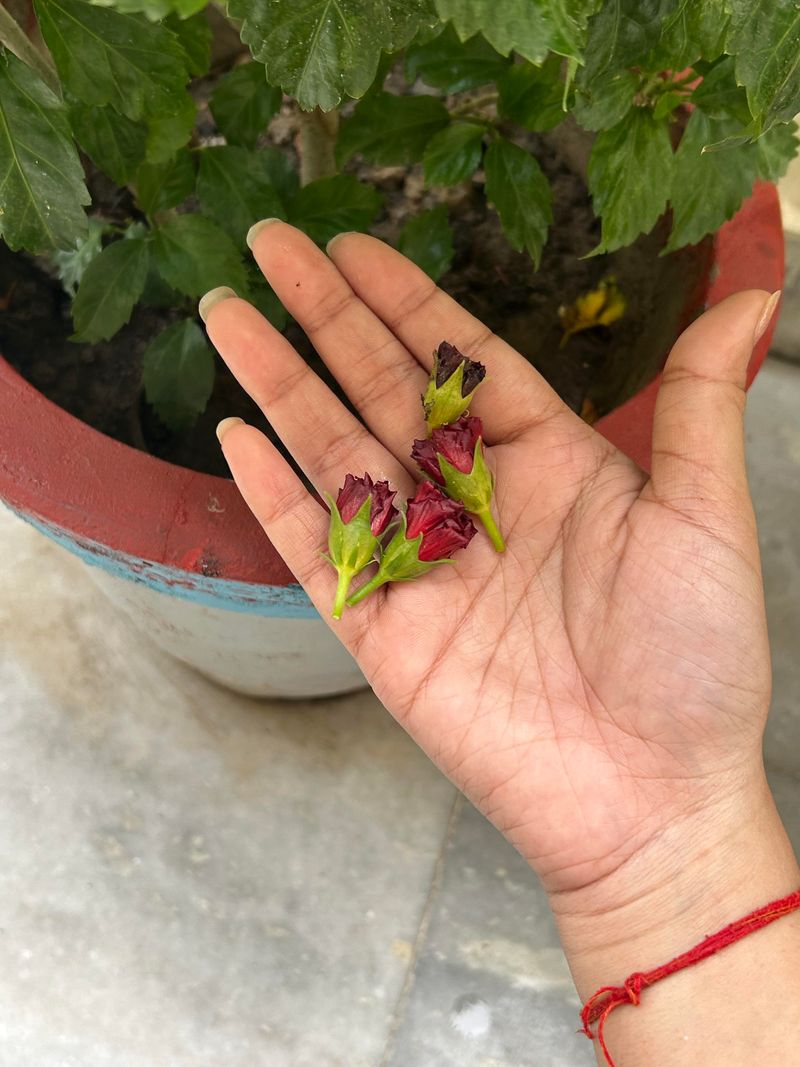
Temperatures in Texas regularly climb above 100 degrees Fahrenheit during summer, and that level of heat pushes hibiscus plants into a stress response that often shows up as bud drop.
While tropical hibiscus generally handles warm weather well, extended periods of extreme heat can overwhelm even a well-watered, established plant.
During intense heat, hibiscus plants lose water through their leaves faster than their roots can replace it. The plant responds by shedding buds to reduce its overall water demand.
This process can happen quickly, especially in containers on sun-baked patios or paved surfaces that radiate heat upward and raise soil temperatures even higher than the surrounding air.
Providing afternoon shade during the hottest part of Texas summers can help reduce heat stress without sacrificing the morning sunlight hibiscus needs for good bud development.
Moving patio containers away from reflective walls or concrete during peak heat periods is a practical adjustment.
Watering in the early morning allows moisture to reach the roots before daytime heat accelerates evaporation. Grouping containers together also helps moderate temperatures slightly by reducing air circulation around individual pots.
While hibiscus is a warm-season plant that thrives in Texas conditions overall, giving it some relief from the most extreme afternoon heat during summer can make a meaningful difference in how well buds develop and hold through the season.
6. Aphids Can Damage Buds And New Growth
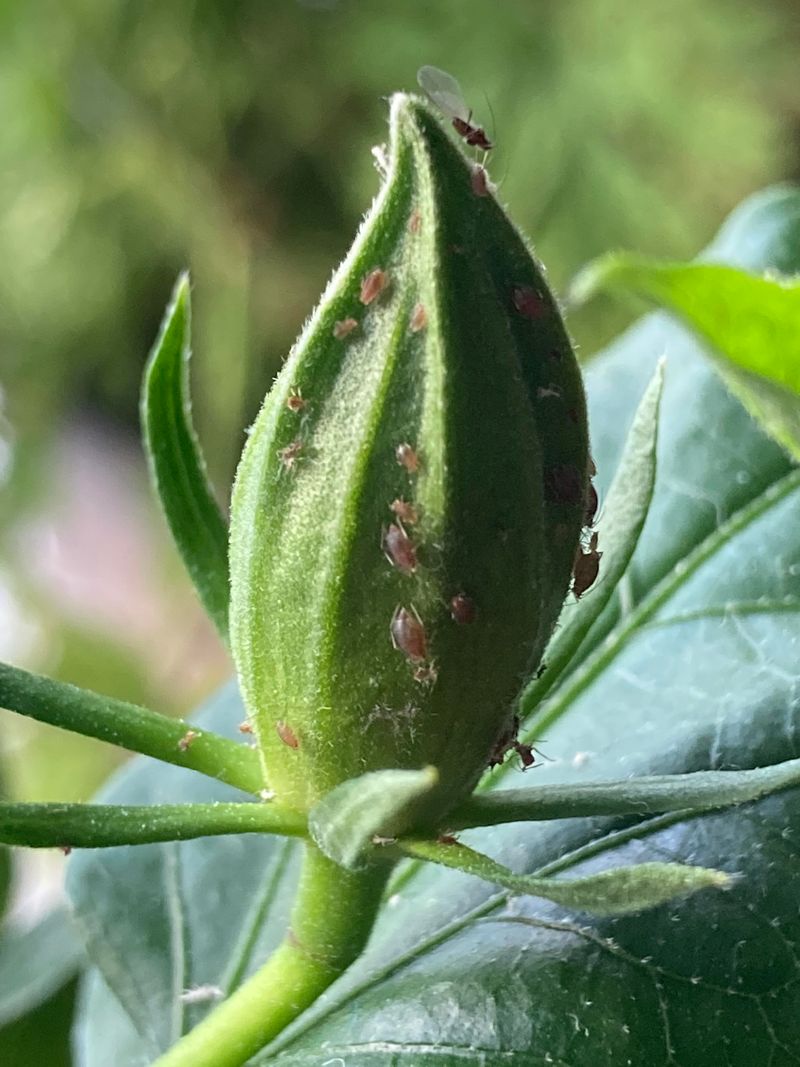
Sticky residue on leaves and distorted new growth are often the first clues that aphids have found a hibiscus plant in a Texas garden. These small, soft-bodied insects cluster on tender stems and developing buds, using piercing mouthparts to feed on plant sap.
Their feeding weakens new tissue and can interfere with bud development before the damage becomes obvious.
Aphids reproduce quickly in warm weather, and summers give them plenty of opportunity to build large populations on hibiscus.
Beyond the direct feeding damage, aphids excrete a sticky substance called honeydew, which can attract other insects and encourage the growth of sooty mold on leaves and stems.
Heavily infested buds may fail to develop properly and drop before opening.
Checking hibiscus regularly for aphids, especially on the undersides of leaves and along new growth, makes it easier to catch infestations early. A strong spray of water from a garden hose can knock aphids off stems and reduce populations noticeably.
Insecticidal soap or neem oil sprays are commonly used options that can help manage aphid pressure when applied directly to affected areas.
Avoiding excessive nitrogen fertilization, which encourages the soft, lush growth aphids prefer, also reduces the plant’s attractiveness to them.
Encouraging beneficial insects like ladybugs in Texas gardens provides natural aphid control that supports overall plant health.
7. Bud Midge Can Ruin Flowers Before They Open
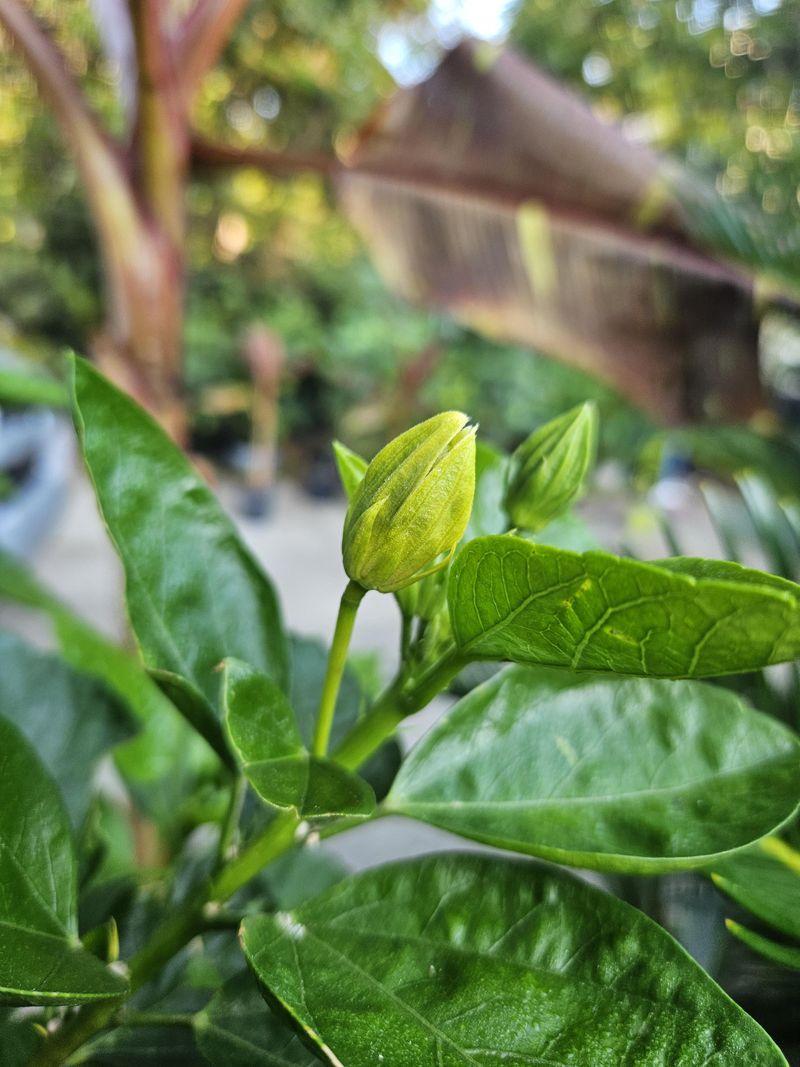
Noticing hibiscus buds that turn yellow, twist slightly, and fall off without opening is a frustrating experience, and in Texas, bud midge is one of the more common culprits behind this specific pattern of damage.
The hibiscus bud midge is a small fly whose larvae burrow into developing buds to feed, causing them to drop before they ever have a chance to open.
The damage from bud midge is often mistaken for watering problems or heat stress because the buds look stressed rather than showing obvious insect activity on the outside.
Cutting open a dropped bud and looking for small larvae inside can help confirm whether midge is involved.
Infestations tend to be more noticeable during warm, humid stretches of the Texas growing season when adult midges are most active.
Removing and disposing of dropped buds promptly is an important management step because larvae inside fallen buds can complete their development in the soil and produce more adult midges.
Keeping the area beneath hibiscus plants clean of debris reduces pupation sites.
Some gardeners find that applying a layer of fresh mulch over the soil surface helps disrupt the midge life cycle.
Systemic insecticides labeled for midge control on ornamentals may be considered for severe or recurring infestations, but consulting with a local Texas extension resource before applying any pesticide is a worthwhile step for accurate identification and guidance.
8. Too Much Nitrogen Can Lead To Fewer Blooms
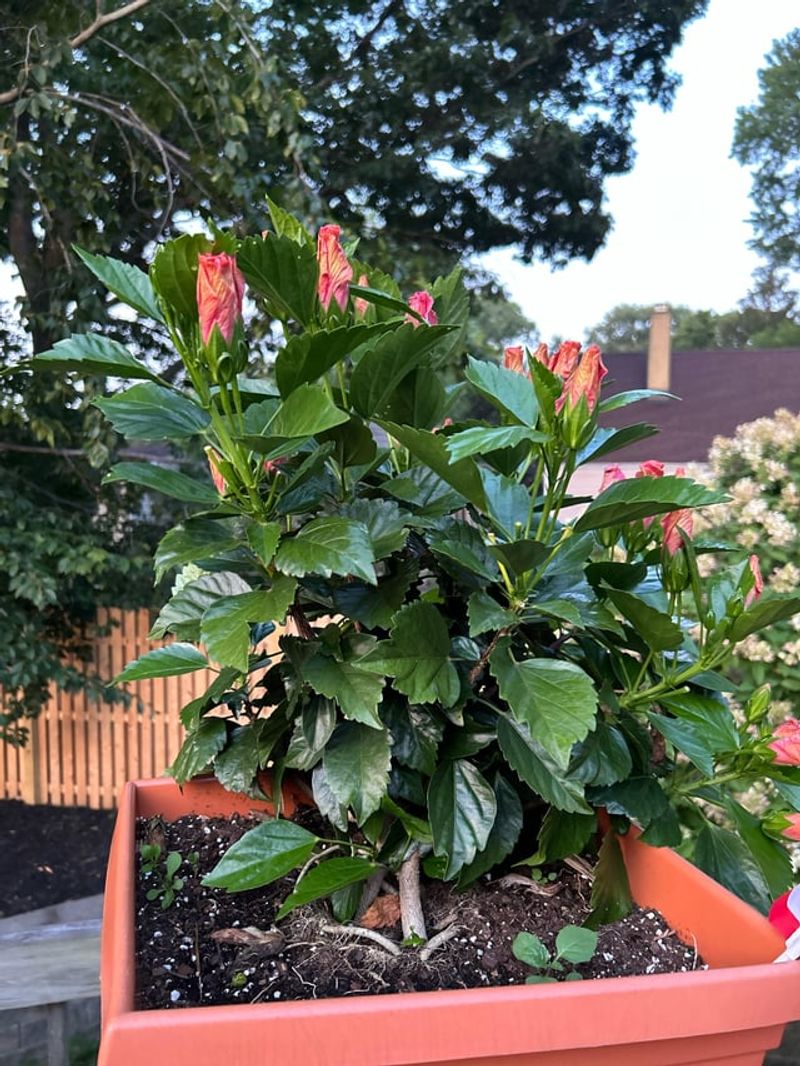
A hibiscus plant with deep green, vigorous foliage but very few buds is sometimes a sign that it has received too much nitrogen.
Nitrogen encourages leafy, vegetative growth, and when it is applied in excess, the plant channels its energy into producing more stems and leaves rather than developing flower buds.
The result is a full, healthy-looking plant that blooms far less than expected.
This situation comes up fairly often in Texas gardens when general-purpose lawn fertilizers drift onto hibiscus beds, or when gardeners apply high-nitrogen fertilizers more frequently than the plant actually needs.
Container hibiscus can also receive too much nitrogen if a slow-release fertilizer is supplemented with additional liquid feeding throughout the season without accounting for the cumulative effect.
Switching to a fertilizer with a lower nitrogen ratio and a higher phosphorus content can help shift the plant’s energy toward flower production over time.
Reading fertilizer labels carefully and choosing formulas marketed for flowering plants or tropical hibiscus specifically tends to give better results.
Giving the plant a period without fertilization after heavy feeding allows nitrogen levels in the soil to moderate naturally.
In Texas, where hibiscus grows vigorously through a long warm season, less fertilizer applied more thoughtfully often produces better blooming than frequent heavy feeding.
Balanced nutrition supports steady bud development rather than pushing the plant toward lush but largely flowerless growth.