Flowers To Plant In Florida This April
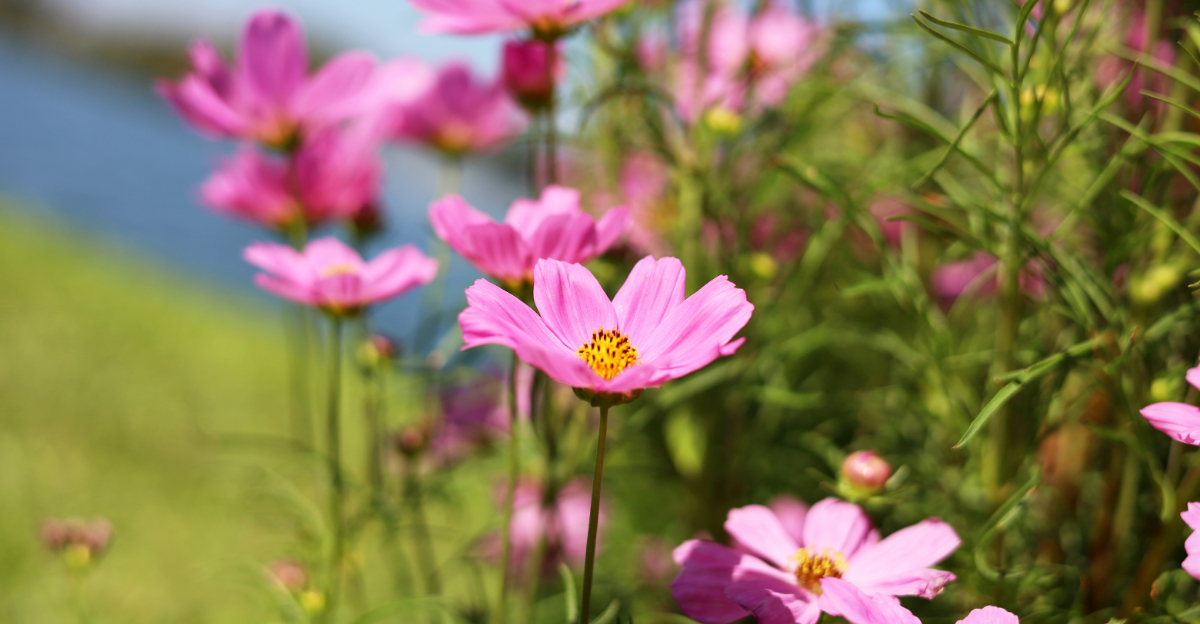
April in Florida has a way of sneaking up on your garden. One week things look slow, and the next, new growth is popping up everywhere.
That shift makes it tempting to plant whatever catches your eye at the garden center, but not every flower can handle Florida’s early heat and rising humidity.
Some plants settle in quickly this time of year and keep going strong, even as temperatures climb. Others struggle before they really get started.
Knowing the difference can save time, money, and a lot of frustration.
If your beds, borders, or containers are looking a little empty right now, this is the moment to get it right. The flowers coming up next are well-suited for April planting and ready to take off in Florida conditions.
1. Zinnia With Its Fast, Color-Packed Blooms
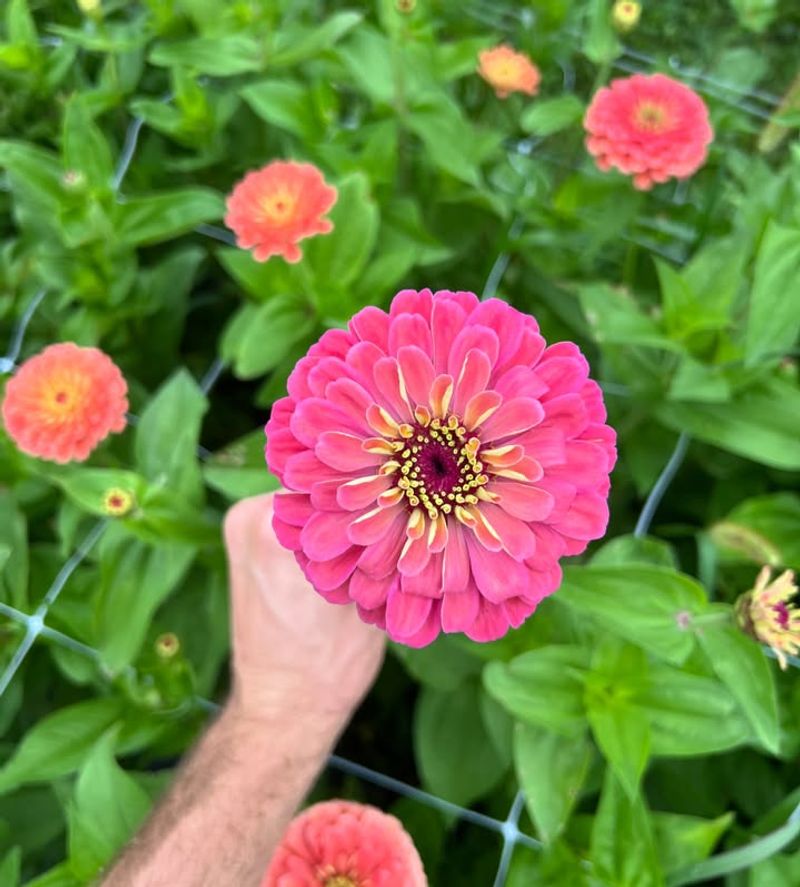
Few flowers bring as much joy to a Florida garden as the zinnia. With their bold, daisy-like blooms in nearly every color of the rainbow, zinnias are a go-to choice for gardeners who want maximum color with minimum fuss.
Plant them in April when the Florida soil has warmed up, and they can produce continuous blooms through much of the summer with proper care.
Zinnias love full sun, so pick a spot in your yard that gets at least six to eight hours of direct sunlight each day. They grow well in Florida’s sandy soil as long as you water them regularly and make sure the ground drains well.
Adding a layer of mulch around the base of your plants helps keep moisture in during those hot Florida afternoons.
One cool thing about zinnias is that they attract butterflies like crazy. Monarch butterflies and swallowtails absolutely love them, so planting a row of zinnias near a patio or window gives you a front-row seat to some amazing nature.
Deadhead spent blooms regularly to encourage even more flowers, and you will have a stunning display for months.
2. Marigold Dominating Beds With Bold, Sunny Color
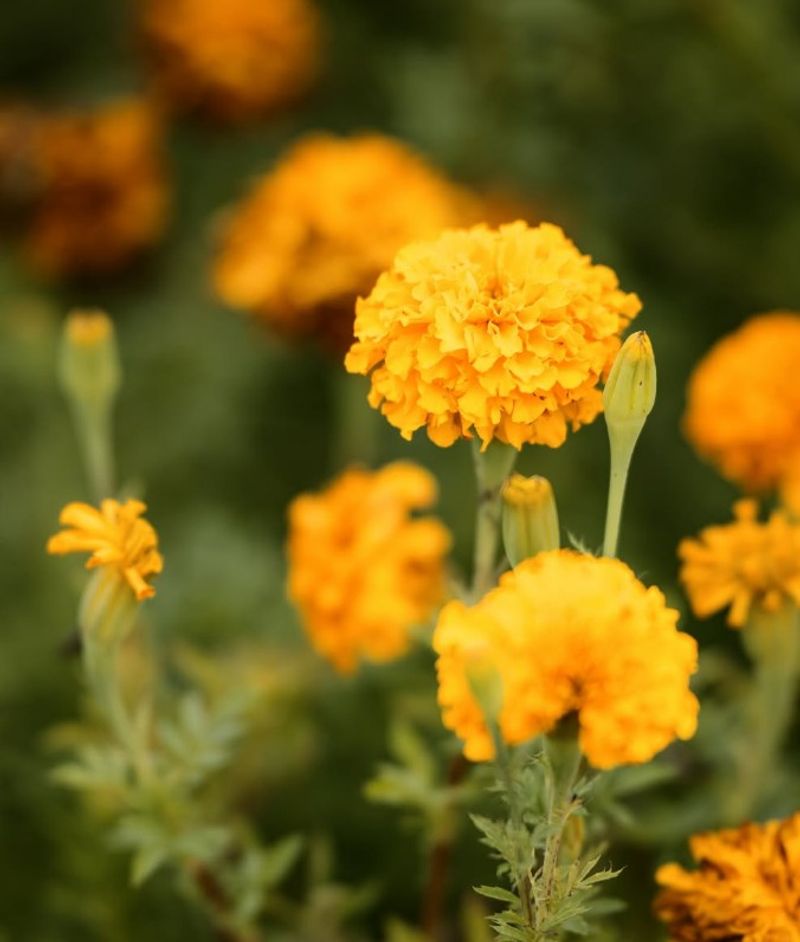
A garden favorite for generations, marigolds make their appeal easy to understand. These cheerful, sun-loving flowers come in shades of golden yellow, deep orange, and warm red, making any Florida garden look like a painting.
April is the sweet spot for planting marigolds in Florida because the warm weather helps them get established quickly and start blooming in no time.
Beyond their good looks, marigolds are actually incredibly useful plants. Their strong scent naturally deters certain garden pests, which makes them a smart companion plant for vegetable gardens across Florida.
Tuck them along the borders of your tomato or pepper plants and let nature do the pest-control work for you.
Marigolds thrive in full sun and do not need a lot of fussy care to look great. Water them at the base rather than overhead to keep the foliage healthy, and pinch off old blooms to keep fresh flowers coming.
They also attract bees and butterflies, adding life and movement to your outdoor space. Whether you line a walkway, fill a container, or plant a whole bed, marigolds deliver big, beautiful results all season long in Florida.
Your Florida Garden Changes Every Week. Your Plan Should Too.
Gardening in Florida changes quickly throughout the season. Every Friday you’ll receive a simple weekly plan showing exactly what to plant, prune, fertilize, harvest, and protect so you never miss the right timing.
3. Cosmos Bringing Airy, Effortless Movement
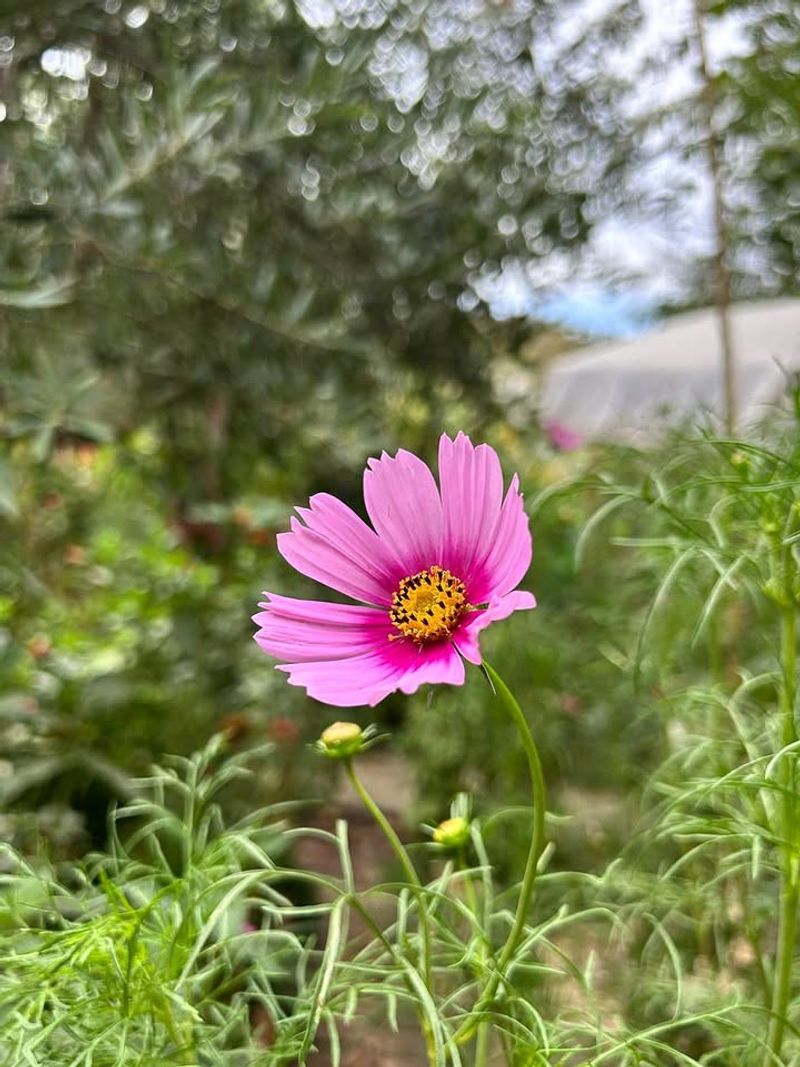
With a wild, free-spirited look, cosmos feel right at home in a Florida garden. Their feathery leaves and delicate, open blooms in shades of pink, white, magenta, and lavender give any yard a relaxed, cottage-garden vibe.
Planting cosmos in April gives them a chance to settle in before Florida’s intense summer heat really kicks in.
What makes cosmos especially appealing for Florida gardeners is how easy they are to grow. Direct sow the seeds right into the ground after any chance of cold snaps has passed, barely cover them with soil, and water gently.
They sprout quickly and grow fast, often reaching a few feet tall within several weeks depending on conditions and variety.
Cosmos actually prefer lean soil, meaning you do not need to add a ton of fertilizer or compost. Too much nitrogen in the soil will give you lots of leafy growth but fewer flowers, so hold back on the heavy feeding.
They are also wonderfully drought-tolerant once established, which is a real bonus during Florida’s unpredictable dry spells. Bees, butterflies, and hummingbirds are drawn to cosmos blooms, turning your garden into a lively outdoor haven all spring and summer.
4. Sunflower Standing Tall With Big, Bright Faces
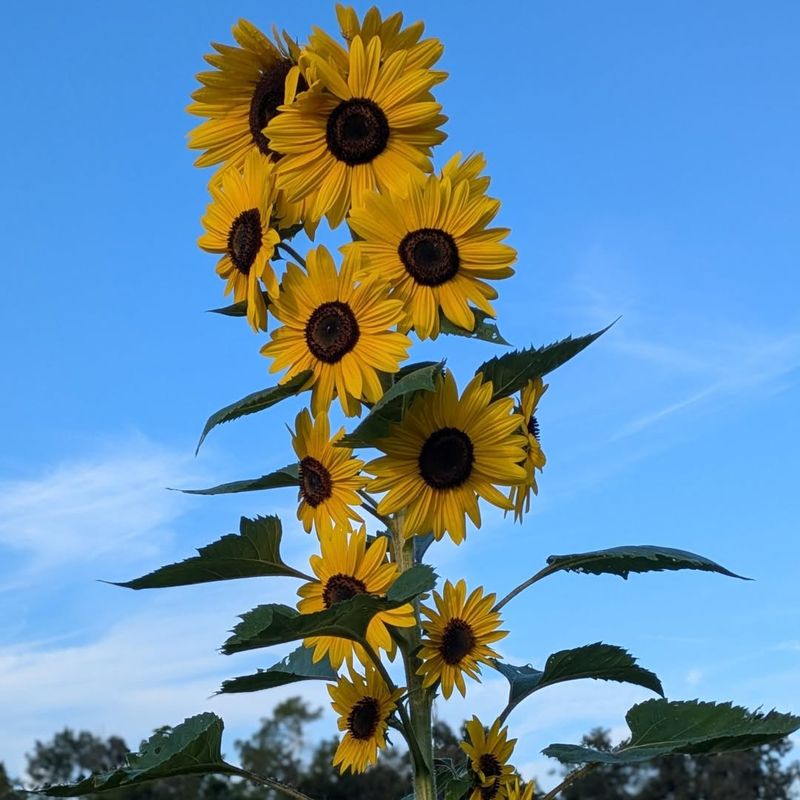
There is something instantly uplifting about a sunflower. Those giant golden heads turning toward the sun are a classic symbol of summer, and Florida’s warm April weather is the ideal time to get them in the ground.
Sunflowers grow surprisingly fast once planted, and you can expect blooms within 60 to 80 days depending on the variety you choose.
Florida gardeners have plenty of options when it comes to sunflower varieties. Classic tall types like Mammoth can grow over six feet high and make a dramatic backdrop in any garden bed.
If space is limited, dwarf varieties like Sunspot or Little Becka stay compact and work beautifully in containers on a sunny Florida porch or balcony.
Sunflowers need full sun and well-drained soil, both of which Florida has in abundance. Plant the seeds about an inch deep and a foot apart, water them in well, and then step back and watch them grow.
They are not heavy drinkers once established, but young seedlings appreciate consistent moisture. After the blooms fade, leave the seed heads on the plant for birds to enjoy.
Sunflowers truly bring joy to every corner of a Florida yard, from sprawling lawns to small urban gardens.
5. Vinca (Periwinkle) Powering Through Heat Without Fuss
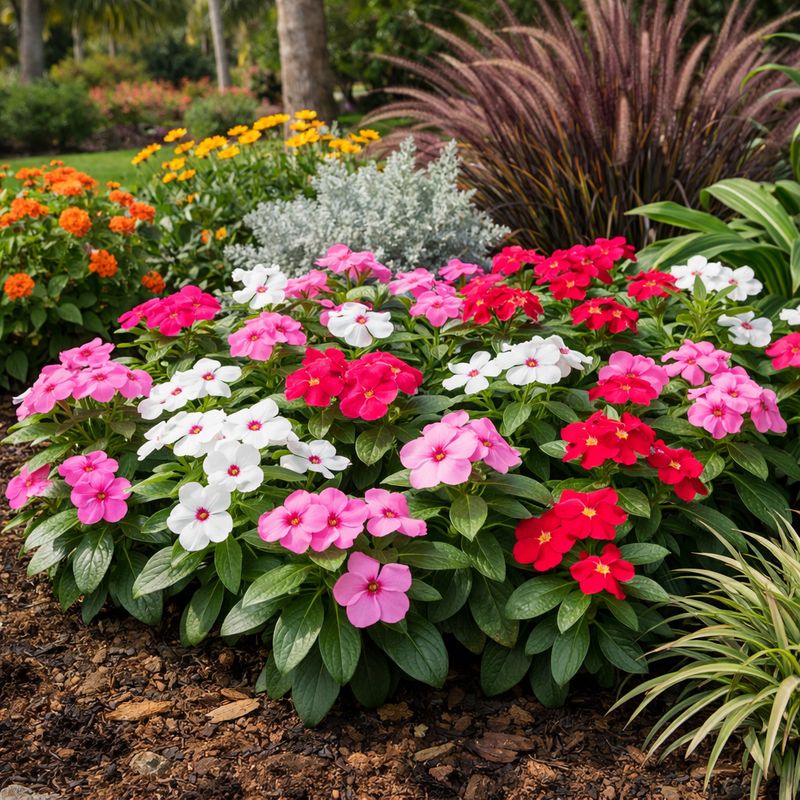
Also called periwinkle, vinca is one of the toughest and most reliable flowers you can plant in Florida. It handles heat and humidity very well, which makes it a strong performer in a state where summer conditions can be intense.
April is a great time to get vinca established so it can build strong roots before the intense Florida heat of June and July arrives.
The blooms come in a cheerful range of colors including white, pink, red, coral, and lavender, often with a contrasting center eye that makes each flower look extra bright. Vinca plants are low-growing and bushy, making them a fantastic choice for edging flower beds, filling containers, or creating a colorful ground cover under taller plants.
One of the best things about vinca is how little maintenance it requires. Once it is established in your Florida garden, it handles dry spells with ease and rarely needs deadheading to keep producing new blooms.
Plant it in full sun to partial shade, water it during dry stretches, and it will reward you with continuous color from spring all the way through fall. For beginner gardeners in Florida, vinca is considered one of the easier and more forgiving plants to grow.
6. Celosia Adding Fiery Texture And Unique Form
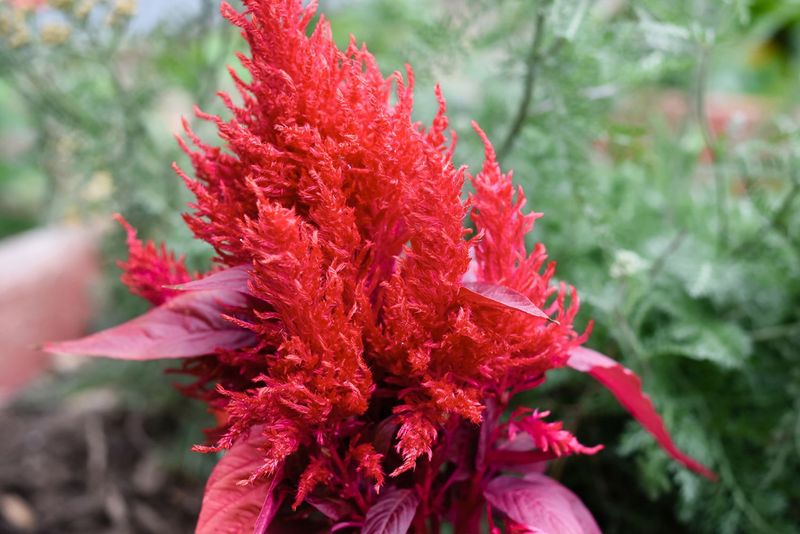
Whether it is the velvety, brain-shaped crested type or the tall, feathery plume variety, celosia has a look that is completely unlike anything else in the garden. Florida’s warm April soil is exactly what this tropical beauty needs to take off and start showing its spectacular colors.
Native to tropical regions, celosia absolutely loves the heat and humidity that Florida delivers in spades. Plant it in a sunny spot with well-draining soil, and it will reward you with weeks of bold color in shades of red, orange, yellow, pink, and purple.
The blooms are also long-lasting as cut flowers, so you can bring some of that garden color indoors.
Celosia is a low-maintenance flower that does not need much fertilizer or constant attention to look stunning. Water it consistently during dry periods, especially while it is young, and it will grow into a full, colorful plant.
A fun fact worth sharing: celosia’s name comes from the Greek word for burned, referring to the flame-like appearance of the plume varieties. Once you plant celosia in your Florida garden, it often becomes a favorite thanks to its bold color and unique texture.
7. Gomphrena Holding Strong With Long-Lasting Color
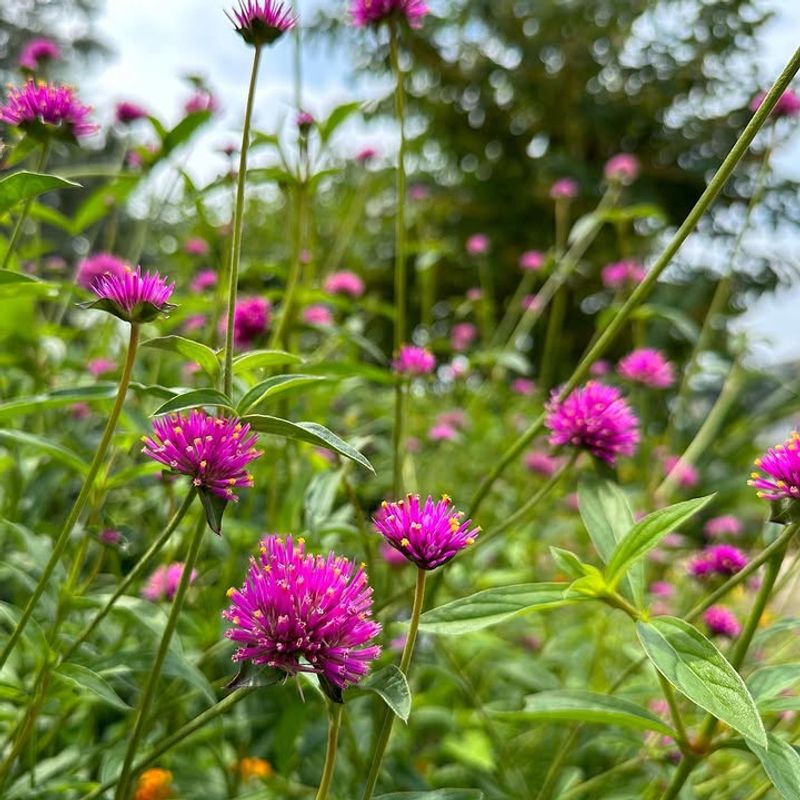
Gomphrena, sometimes called globe amaranth, is a powerhouse flower that thrives in Florida’s hot, sunny conditions. Its perfectly round, clover-like blooms in shades of purple, pink, magenta, orange, and white add a playful, textured look to garden beds and containers alike.
April planting gives gomphrena a head start before Florida’s peak summer heat arrives.
One of gomphrena’s greatest strengths is its incredible heat and drought tolerance. Once it gets established in your Florida garden, it can tolerate periods of dry, hot weather better than many other annuals.
That makes it a smart choice for gardeners who want color without the stress of constant watering or maintenance.
Gomphrena also earns bonus points as a cut flower and dried flower. The blooms hold their color beautifully when dried, making them a popular choice for wreaths, floral arrangements, and crafts.
Fresh or dried, the flowers last an impressively long time without wilting. Pollinators like bees and butterflies are huge fans of gomphrena too, so planting a clump or two brings extra life to your outdoor space.
For a reliable, long-blooming flower that looks great from spring through the first cool snaps of fall, gomphrena is a top pick for Florida gardens.
8. Pentas Pulling In Butterflies With Starry Blooms
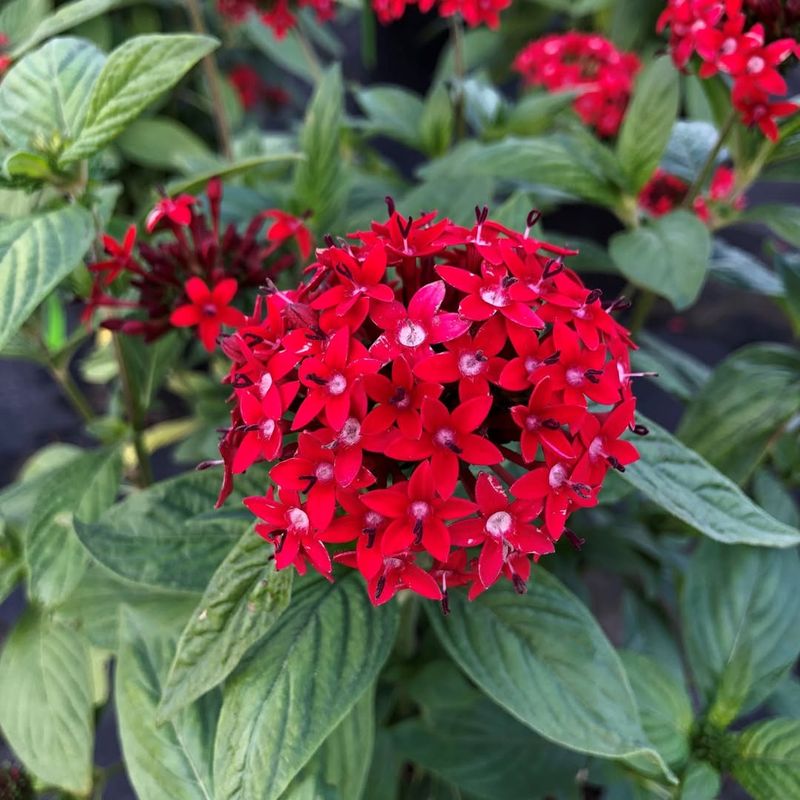
Ask any experienced Florida gardener for their top butterfly-attracting plant, and pentas will almost always make the list. These cheerful, star-shaped flower clusters come in shades of red, pink, white, and lavender, and they can bloom from spring through fall with proper care.
Planting pentas in April gives them a long, productive growing season to show off in your Florida yard.
Pentas are perfectly suited to Florida’s warm, sunny climate. They love full sun but can handle a little afternoon shade, especially in South Florida where summer sun can be intense.
Plant them in well-draining soil, water regularly while they get established, and then enjoy a nearly self-sufficient flowering plant that rarely needs deadheading or heavy fertilizing.
What really sets pentas apart is their magnetic appeal to wildlife. Monarch butterflies, swallowtails, hummingbirds, and bees are all regular visitors to pentas blooms, making your garden feel like a living nature documentary.
They work beautifully as border plants, container flowers, or mass plantings in larger beds. Pentas also pair well with other Florida favorites like vinca and gomphrena, creating a layered, colorful display that lasts for months.
If you are choosing a new flower to try in your Florida garden this April, pentas are often recommended for their reliability and pollinator appeal.
9. Coleus Showing Off With Bold, Colorful Foliage
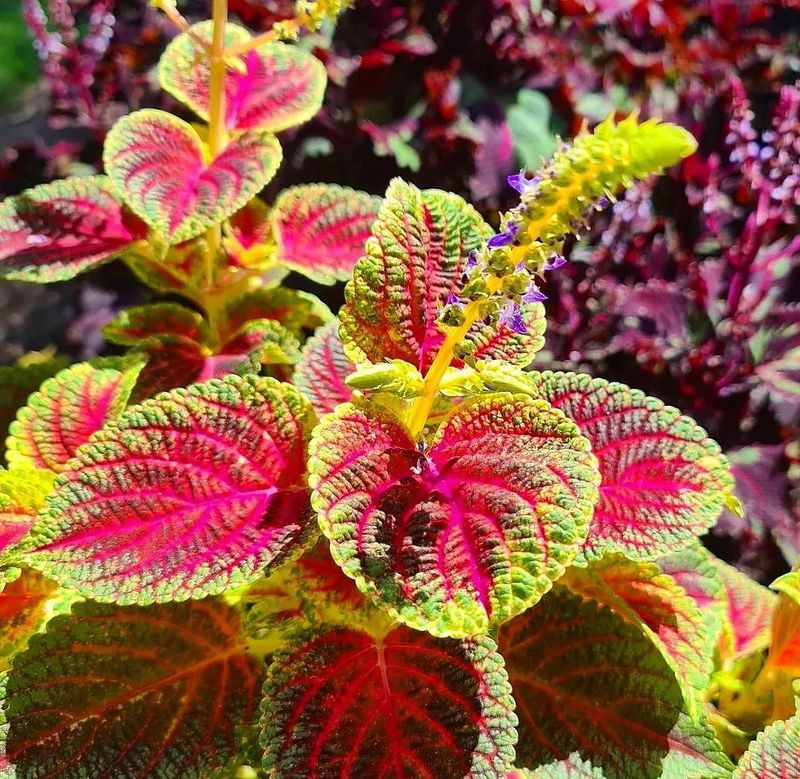
Not every garden spot gets full sun, and that is exactly where coleus shines. Known for its jaw-dropping foliage rather than its flowers, coleus brings color to shaded corners, covered porches, and partially shaded garden beds across Florida.
April is a fantastic time to plant coleus because the warm but not yet scorching temperatures help it establish quickly and spread into a full, lush display.
The leaf patterns on coleus are genuinely stunning. Swirls of deep burgundy, lime green, hot pink, copper, and cream appear on a single plant, making it look almost too colorful to be real.
Modern sun-tolerant varieties have expanded coleus options even further, allowing Florida gardeners to use them in brighter spots that traditional coleus could not handle.
Coleus grows quickly and fills in containers, hanging baskets, and garden borders with impressive speed. Pinch off any flower spikes that appear to keep the plant focused on producing those spectacular leaves rather than going to seed.
Regular watering and occasional light feeding keep coleus looking its best through Florida’s long growing season. Pair it with white impatiens or silver dusty miller for a contrast that really pops.
Coleus is proof that flowers are not the only way to add serious color to a Florida garden.
10. Impatiens Lighting Up Shady Spots With Ease
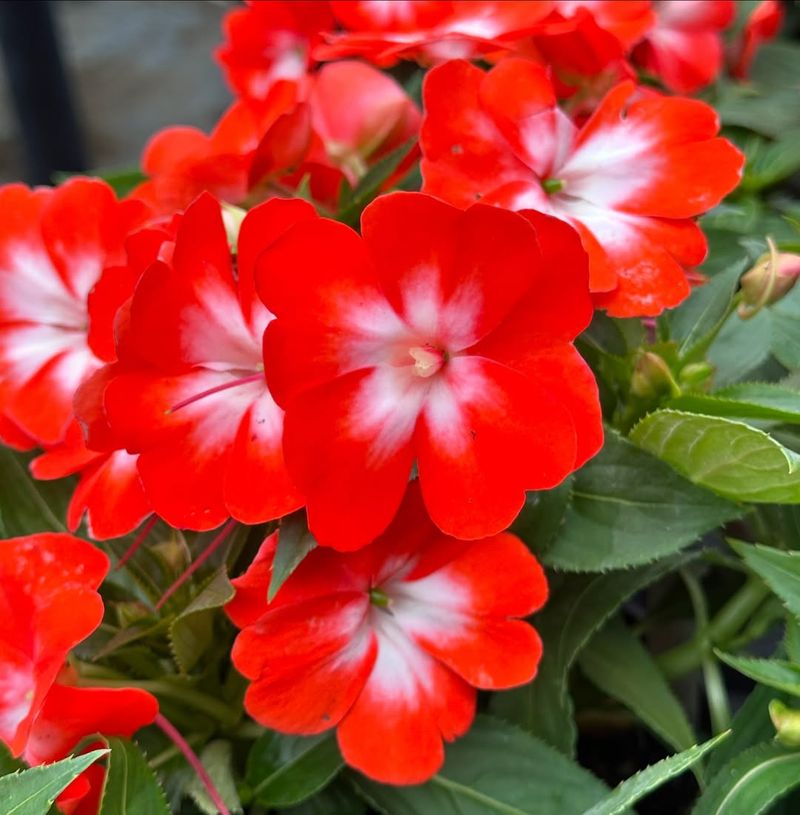
Among Florida gardeners dealing with shady spots that most flowers refuse to touch, impatiens have earned a legendary reputation. While the rest of the garden basks in full sun, impatiens light up those darker corners with a steady parade of blooms in pink, red, white, coral, orange, and lavender.
Planting them in April gives them time to settle in and fill out before the summer humidity really ramps up.
Classic impatiens prefer partial to full shade, making them the perfect companion for areas under large trees or along north-facing fences in Florida yards. New Guinea impatiens are a slightly different variety that can handle more sun and tend to have larger, showier blooms.
Both types bring reliable, low-fuss color to spots that might otherwise look bare and boring.
Keep impatiens consistently moist because they are not drought-tolerant and will droop quickly if they dry out. A layer of mulch around the base helps retain soil moisture between waterings, which is especially helpful during Florida’s occasional dry stretches in spring.
Feed them with a balanced, slow-release fertilizer at planting time, and they will reward you with non-stop blooms all the way through autumn. For shaded Florida gardens, impatiens are often considered one of the most reliable options for consistent color.