These Are The 8 Florida Shrubs You Should Prune In April
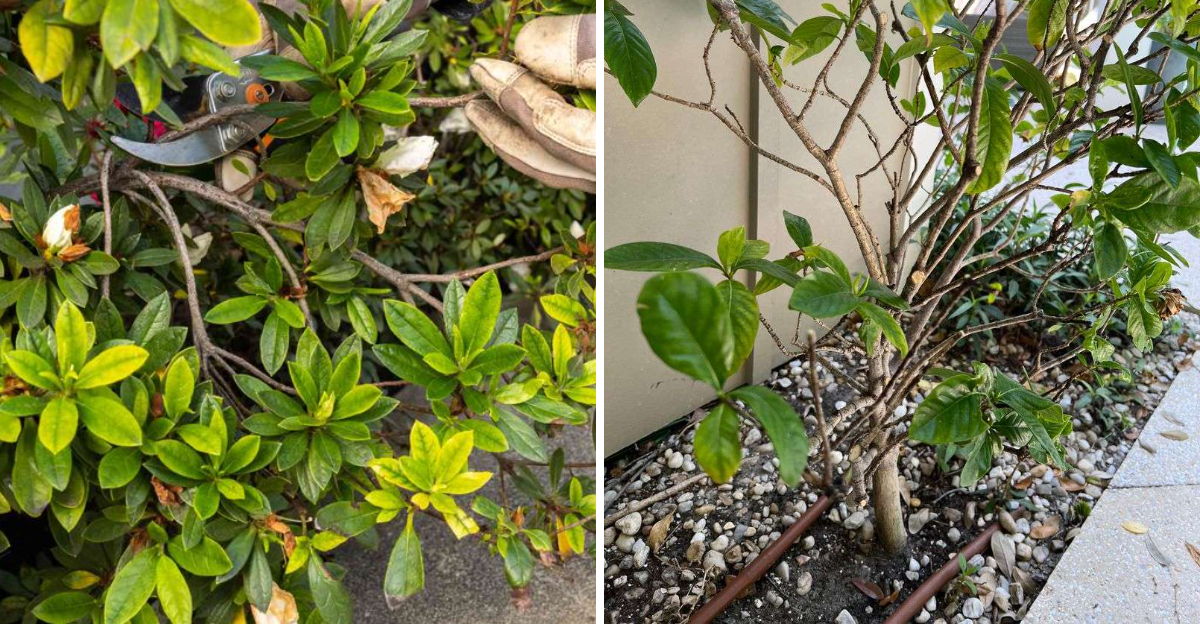
April in Florida can turn your yard from calm to overgrown almost overnight, and one weekend with pruners can either shape everything beautifully or leave shrubs struggling for months.
A few well-timed cuts right now can set up fuller growth and better blooms, while the wrong approach can quietly reduce flowering just as the season gets started.
This is the moment many Florida shrubs push fresh growth fast thanks to warm soil and longer days. That surge makes April one of the most important windows for selective pruning, especially for shrubs that bloom on new growth or benefit from a seasonal reset.
The goal is not heavy cutting or random shaping. It is knowing which shrubs actually respond well to pruning now and which ones need a lighter touch.
Once you get that timing right, your landscape stays balanced, healthier, and far more rewarding to look at through the long Florida summer.
1. Azaleas Finish Blooming And Are Ready For A Post Flowering Trim
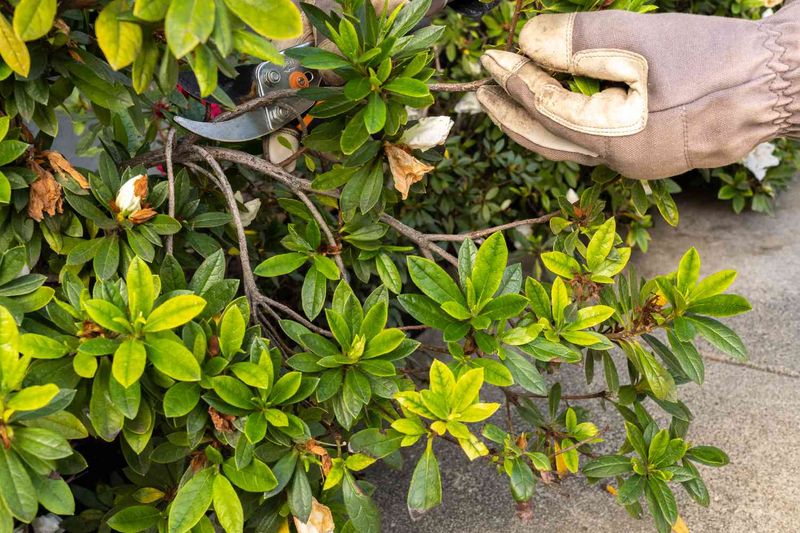
Few spring moments in a Florida yard are as satisfying as watching azaleas burst into color, but once those blooms start dropping, it is time to act quickly. Pruning azaleas right after flowering is one of the most important timing rules in Florida gardening.
Wait too long and you risk cutting into the buds that are already forming for next spring.
In North Florida, azaleas often finish blooming in late March through mid-April, making April the ideal window for a post-bloom trim. In Central Florida, the bloom period tends to wrap up a bit earlier, so some gardeners may need to prune in late March or very early April.
The key is to watch the plant, not the calendar.
Light to moderate pruning works best for azaleas at this time of year. You want to remove spent flower stems, trim any leggy or crossing branches, and lightly shape the overall form.
Avoid cutting back more than one-third of the plant at once. Heavy pruning in late spring or summer can significantly reduce next year’s flower display.
Clean, sharp hand pruners make the cleanest cuts and help prevent the spread of disease between plants.
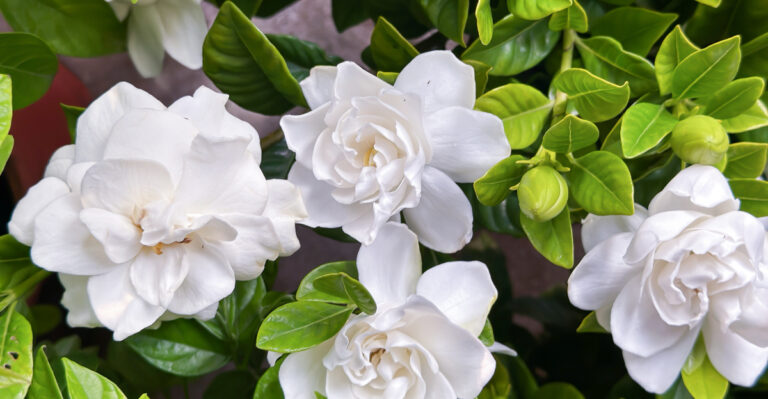
2. Gardenias Can Be Shaped Once Their First Flush Starts Fading
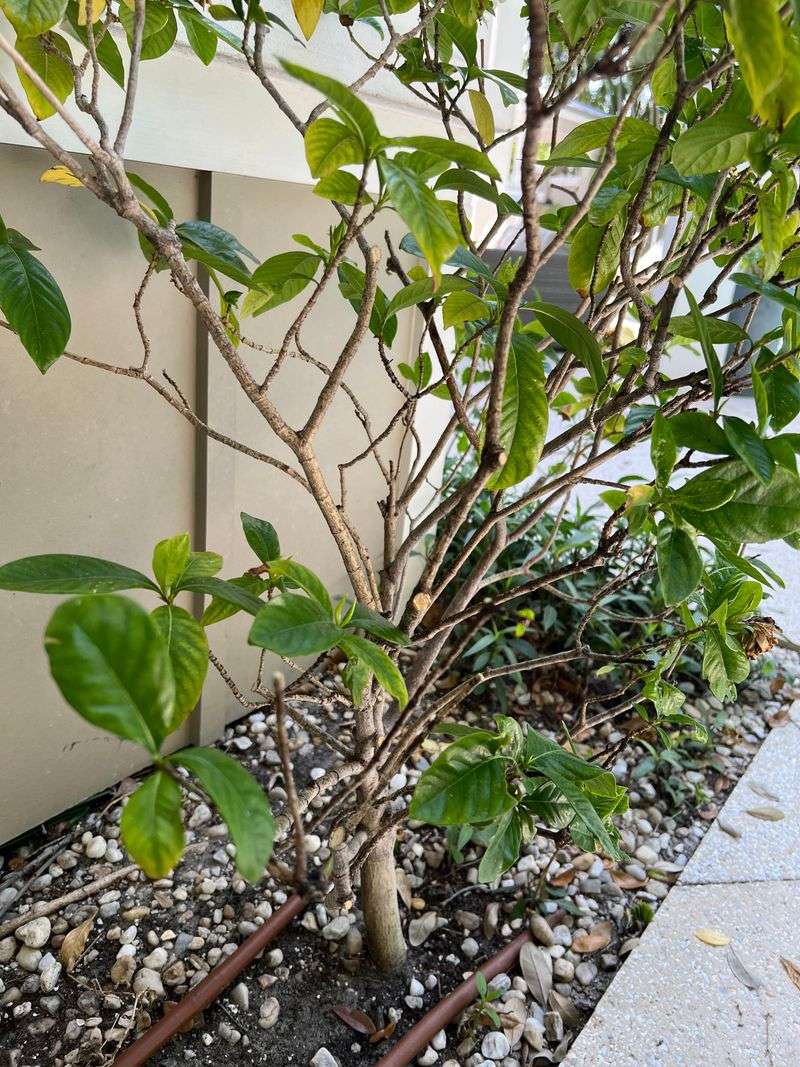
Gardenias are one of those shrubs that reward patience. Their creamy white flowers smell incredible, and the temptation to prune them before they finish blooming is real.
But holding off until that first flush of flowers begins to fade is absolutely worth it.
In South Florida, gardenias may begin their first bloom cycle as early as late February or March, meaning April could already be the right time for a light shaping.
In Central and North Florida, the first bloom flush often peaks in May or June, so April pruning may be premature for gardeners in those regions.
Always check your specific plant before cutting.
When the timing is right, focus on light shaping rather than heavy cutting. Trim back any branches that are extending beyond the natural form of the shrub, remove spent flower clusters, and clean up any withered or weak stems.
Your Florida Garden Changes Every Week. Your Plan Should Too.
Gardening in Florida changes quickly throughout the season. Every Friday you’ll receive a simple weekly plan showing exactly what to plant, prune, fertilize, harvest, and protect so you never miss the right timing.
Gardenias bloom on old wood, so cutting too aggressively in spring can reduce your summer flower count. A modest trim of no more than one-quarter to one-third of the plant is a smart approach.
Keeping your tools clean between cuts also helps protect gardenias from fungal issues they are sometimes prone to.
3. Loropetalum Handles Light Spring Pruning After Blooming Ends
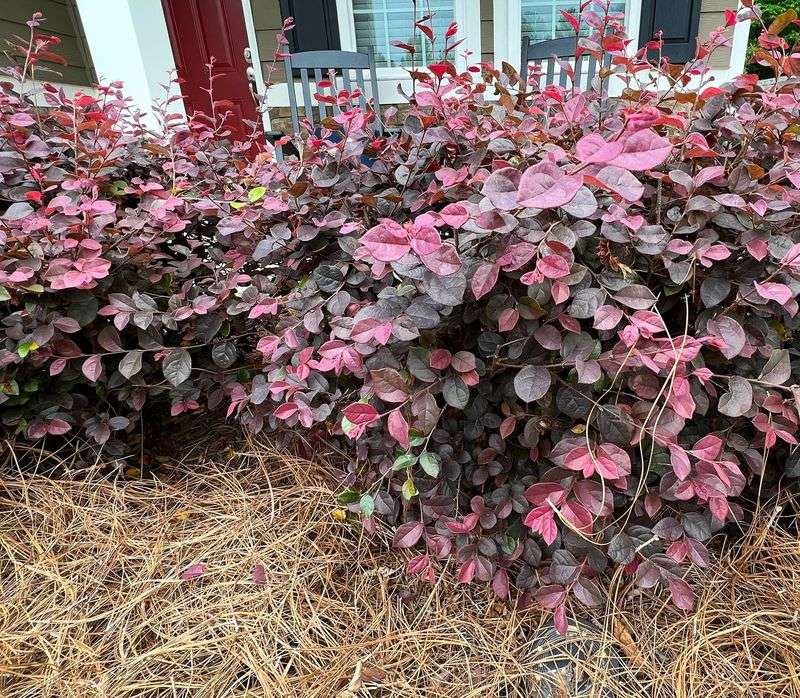
Loropetalum, sometimes called Chinese fringe flower, is one of the most eye-catching shrubs in Florida landscapes. Its deep burgundy leaves and wispy pink blooms make it a standout, and fortunately it is fairly forgiving when it comes to pruning.
That said, timing still matters.
This shrub typically blooms in late winter through early spring in Florida. By April, most loropetalum plants have finished their main bloom flush and are ready for a light shaping.
Pruning at this stage helps encourage a fuller, more compact form and keeps the shrub from becoming too woody and open in the center.
The important thing to remember with loropetalum is to avoid aggressive cutting in spring unless the plant has genuinely outgrown its space. Heavy pruning removes a large portion of the foliage and can stress the plant during a period when it is actively pushing new growth.
A light trim to remove spent bloom tips, clean up uneven branches, and refine the overall shape is usually all that is needed. If rejuvenation pruning is necessary, late winter before bloom is actually the better window.
For April, keep it gentle and focused on maintaining the shrub’s natural, layered form.
4. Virginia Sweetspire Responds Well To A Gentle Post Bloom Cutback
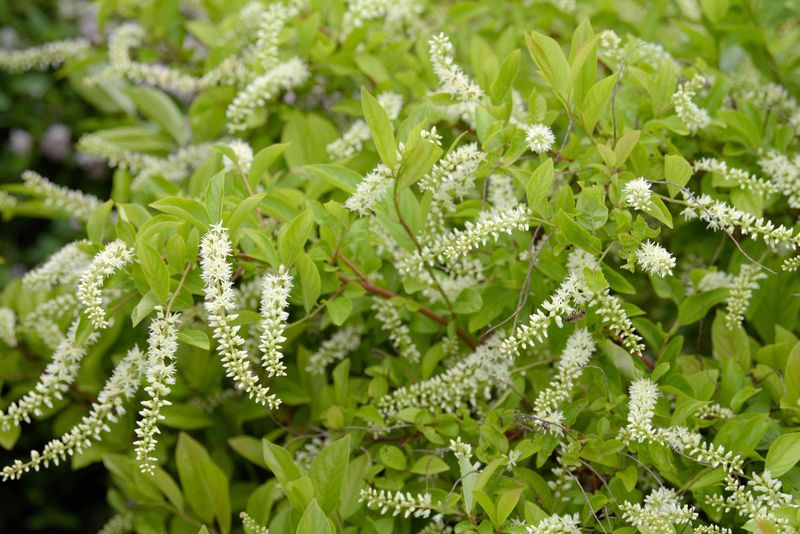
Virginia sweetspire is not the most talked-about shrub in Florida, but gardeners who grow it tend to be quietly devoted to it. This native shrub produces lovely white bottlebrush-style flowers in spring and puts on a beautiful show of fall color, which is somewhat rare in Florida landscapes.
It is also a solid choice for rain gardens and shaded spots.
Virginia sweetspire performs best in North Florida and parts of Central Florida where it gets a bit of a cool season. In those regions, it typically blooms in late spring, making late April or early May a natural time to consider a post-bloom trim.
Gardeners in South Florida may find this shrub less reliable due to the warmer winters.
After flowering wraps up, a gentle cutback helps keep the plant tidy and encourages fresh new growth. This is not a shrub that needs heavy pruning.
Focus on removing spent flower stems, trimming back any branches that have flopped outward, and lightly shaping the edges. Virginia sweetspire naturally spreads through suckers, so you may also want to remove any unwanted shoots coming up from the base.
Keeping the natural, somewhat arching form of the plant intact makes it look its best through the rest of the growing season.
5. Starburst Clerodendrum Can Be Cut Back After Its Showy Flowers Fade
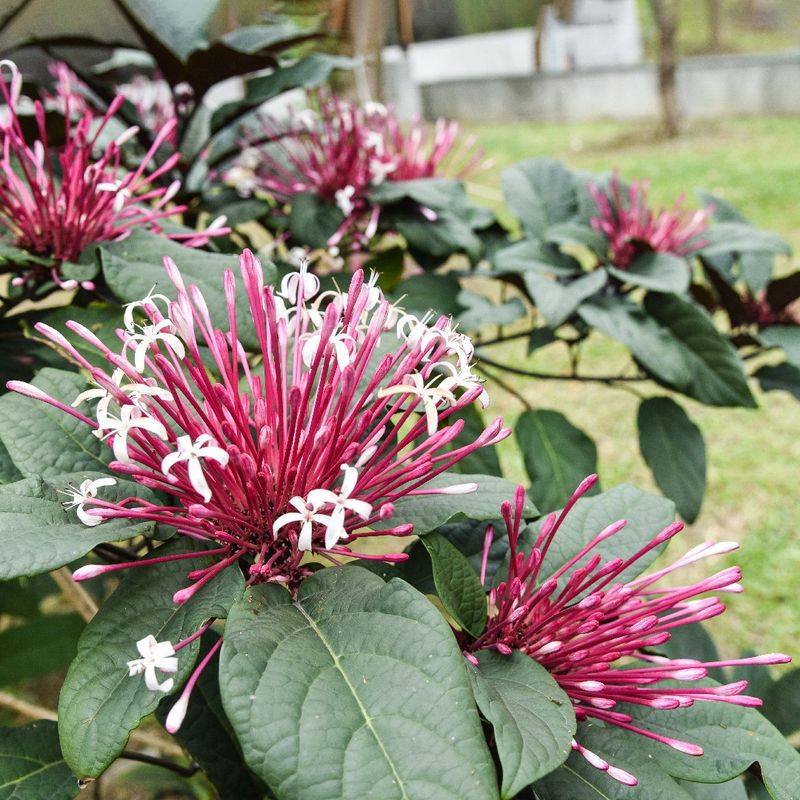
There is nothing subtle about starburst clerodendrum. Its clusters of white flowers with bright red stamens are genuinely striking, and in South Florida this shrub can bloom multiple times throughout the year.
That makes pruning timing a bit more flexible for southern gardeners, but it also means you need to pay attention to where the plant is in its bloom cycle before cutting.
In South Florida, starburst clerodendrum may have already completed an early bloom cycle by April. Once those showy flowers fade, that is your signal to prune.
In Central Florida, the plant may just be finishing its first major flush around this time. North Florida gardeners may see blooming start a little later, so April pruning there should be approached with more caution.
One advantage of starburst clerodendrum is that it can handle heavier pruning than many other flowering shrubs. If the plant has gotten large or leggy, April after blooming is a reasonable time to cut it back more significantly.
That said, a moderate trim is usually enough to maintain a manageable size and encourage fresh branching. Remove spent flower clusters, trim back any overly long stems, and open up the center of the plant slightly to improve air circulation.
New growth follows quickly in Florida’s warm spring conditions.
6. Thryallis Benefits From A Light Spring Cleanup Before Heavy Growth
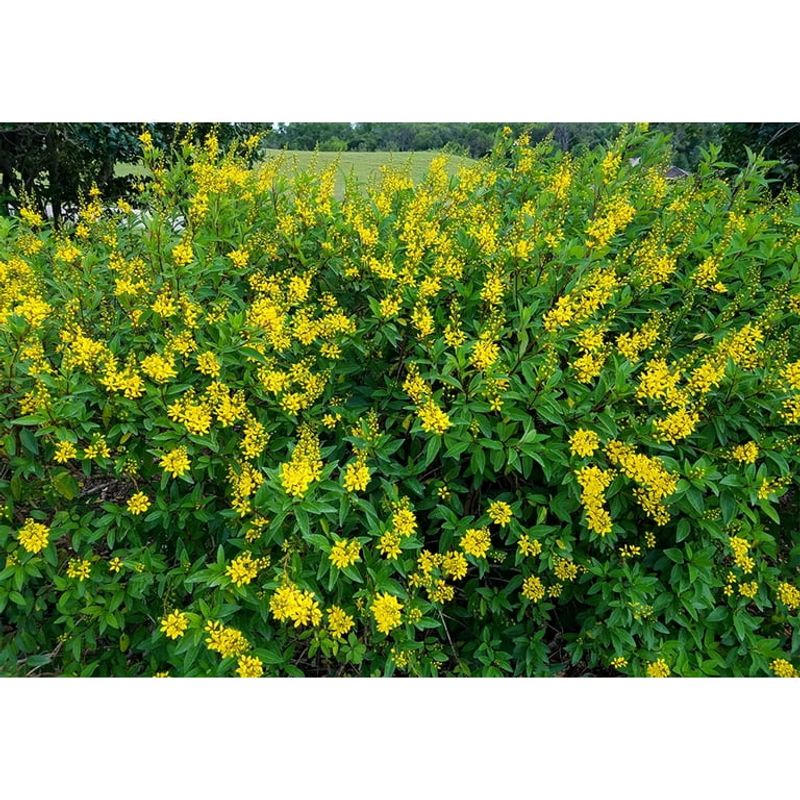
Walk past a thryallis in full bloom on a sunny Florida afternoon and it is hard not to stop and stare. Those cheerful yellow flowers appear in clusters almost continuously from spring through fall in warm parts of the state, making this shrub a landscape workhorse in Central and South Florida.
It thrives in the heat and handles dry spells better than many flowering shrubs.
April is a smart time to give thryallis a light cleanup before the heavy summer growing season really kicks in. At this point, the shrub is waking up after any cooler winter slowdown and beginning to push fresh growth.
A light trim now helps shape the plant, removes any winter-damaged or weak stems, and sets it up for a strong, full season of flowering ahead.
Keep the pruning conservative in April. Thryallis responds well to shaping but does not need aggressive cutting to perform well.
Removing about one-quarter of the plant’s overall size is typically plenty. Focus on evening out the silhouette, trimming back stems that are crossing or rubbing, and cleaning up the base.
Avoid cutting into thick, woody stems unless they are clearly damaged. Because this shrub blooms on new growth, a light April trim actually encourages more flower-producing stems to develop as the season progresses.
7. Walter’s Viburnum Can Be Shaped To Maintain A Dense Natural Form
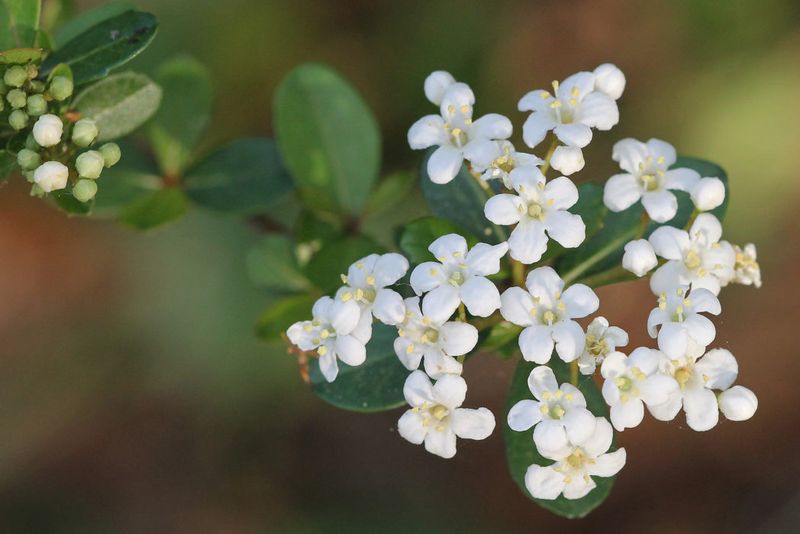
Walter’s viburnum is one of Florida’s most dependable native shrubs. It grows naturally in scrub and upland areas across much of the state, and it has earned a loyal following among Florida-friendly landscaping enthusiasts for good reason.
It handles drought, attracts wildlife, and stays relatively tidy without a lot of fuss. Birds especially love the small dark berries that follow the white spring flowers.
This shrub typically blooms in late winter to early spring, and by April it has usually finished flowering and is putting energy into new leaf and stem growth. That makes April a reasonable time for optional light shaping if the plant needs it.
Walter’s viburnum is not a shrub that demands annual pruning, but if it is growing into a walkway, crowding other plants, or simply looking uneven, April is a good window to tidy things up.
The goal with Walter’s viburnum is to preserve its naturally dense, rounded form. Avoid shearing it into a formal shape, which can actually reduce its wildlife value and long-term vigor.
Instead, use hand pruners to selectively remove branches that are extending too far or crossing awkwardly.
Light pruning at this stage will not interfere with berry production later in the season, and the shrub will fill back in quickly with Florida’s warm spring temperatures supporting steady growth.
8. Simpson’s Stopper Handles Careful Spring Pruning Without Losing Shape
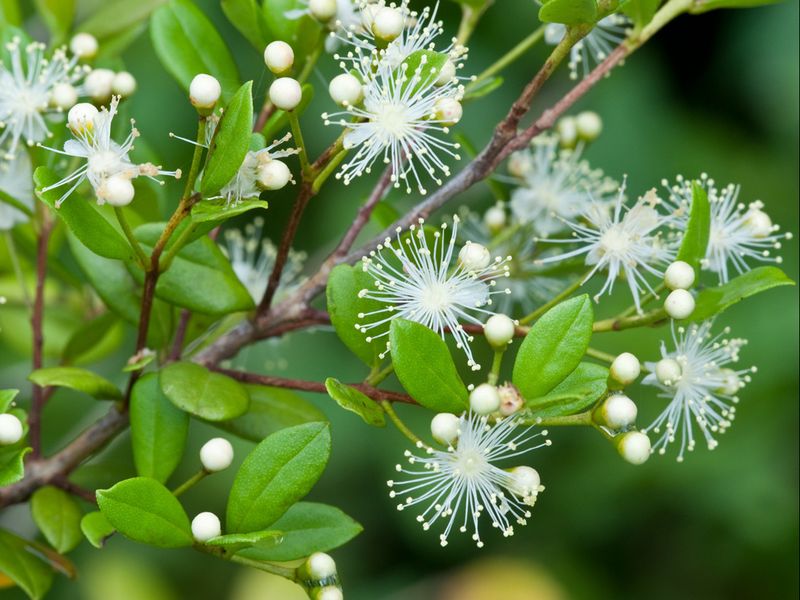
Simpson’s stopper is a Florida native that often flies under the radar, but it has a lot going for it. This evergreen shrub produces small, fragrant white flowers followed by bright orange-red berries that birds find irresistible.
It is well-suited to South and Central Florida landscapes, handling both sun and partial shade with ease, and it tolerates coastal conditions better than many other shrubs.
In South Florida, Simpson’s stopper can bloom multiple times throughout the year, with one of its main flushes occurring in spring. By April, some plants may be finishing a bloom cycle, making it a reasonable time for careful light pruning.
In Central Florida, the spring bloom may be just getting started in April, so gardeners there should observe the plant closely before trimming.
When pruning Simpson’s stopper, the emphasis should always be on maintaining its naturally dense, layered structure. This is not a shrub that benefits from heavy cutting or shearing into geometric forms.
Use hand pruners to selectively remove branches that are disrupting the overall shape, trim back any long outward shoots, and clean up the interior slightly to allow better light and air movement.
Removing no more than one-quarter of the plant at a time keeps stress low and helps the shrub bounce back quickly with healthy new growth throughout the summer months.