8 Florida Plants You Should Not Prune In April Until Bloom Ends
April can make Florida gardeners a little too confident with the pruners. Everything is growing, the yard looks busy, and it is tempting to start snipping plants back into shape before they get unruly.
That instinct makes sense, but it can also wreck a perfectly good bloom season. Some Florida plants set their flower buds early or bloom on older growth, which means an April trim can cut off the very show you have been waiting for.
One quick cleanup can leave a shrub looking neat but strangely flowerless just when it should be stealing the spotlight. That is the trap.
In a state where gardens wake up fast and bloom hard, timing matters more than many people realize. For these plants, patience pays off.
Hold off until the flowers fade, and you give them the chance to put on the full performance they were built for in a Florida spring yard.
1. Azaleas Need You To Wait Until The Flower Show Ends
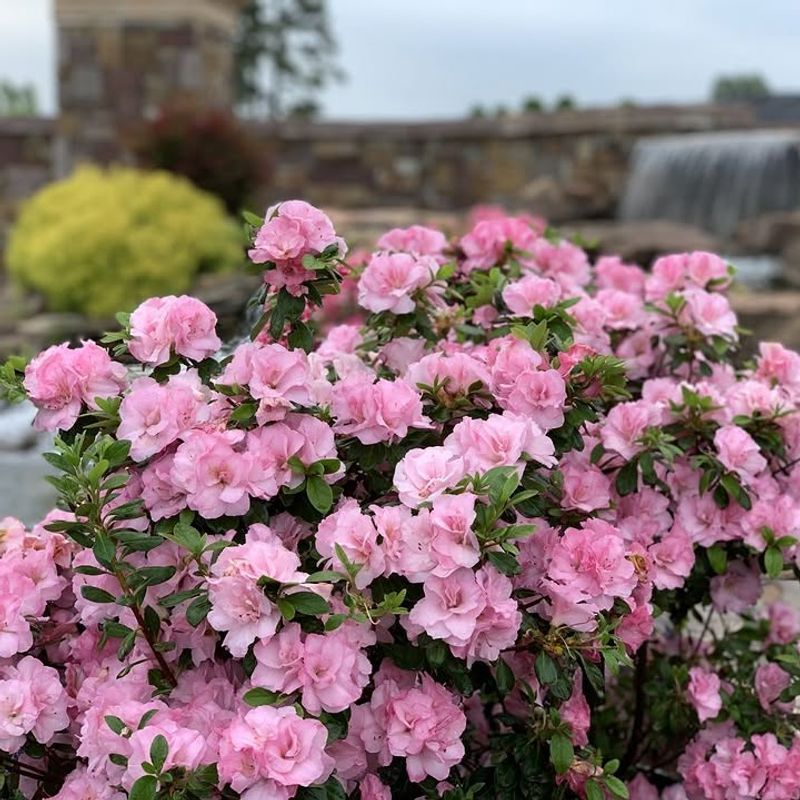
Walk through almost any Florida neighborhood in early spring and you will likely spot azaleas putting on their most dramatic display of the year.
Those clouds of pink, white, red, and coral blooms are the payoff for an entire year of quiet growth, and cutting into them too soon in April is one of the most common mistakes Florida gardeners make.
Azaleas bloom on old wood, meaning the flower buds developed on last season’s stems. Pruning while the plant is actively blooming removes those buds and shortens the display you have been waiting months to enjoy.
Worse, pruning too late in the season can clip off buds that are already forming for next year, leaving you with a sparse show the following spring.
According to UF/IFAS guidance, the best time to prune azaleas in Florida is right after flowering ends, typically by late April or early May depending on your region and the variety you are growing.
North Florida azaleas may finish earlier than those in Central Florida, so watch the plant rather than the calendar.
Once the last blooms fade, shape lightly rather than cutting hard, and your azalea will reward you with a full flush again next year.
2. Gardenias Bloom Better When Spring Pruning Waits A Little Longer
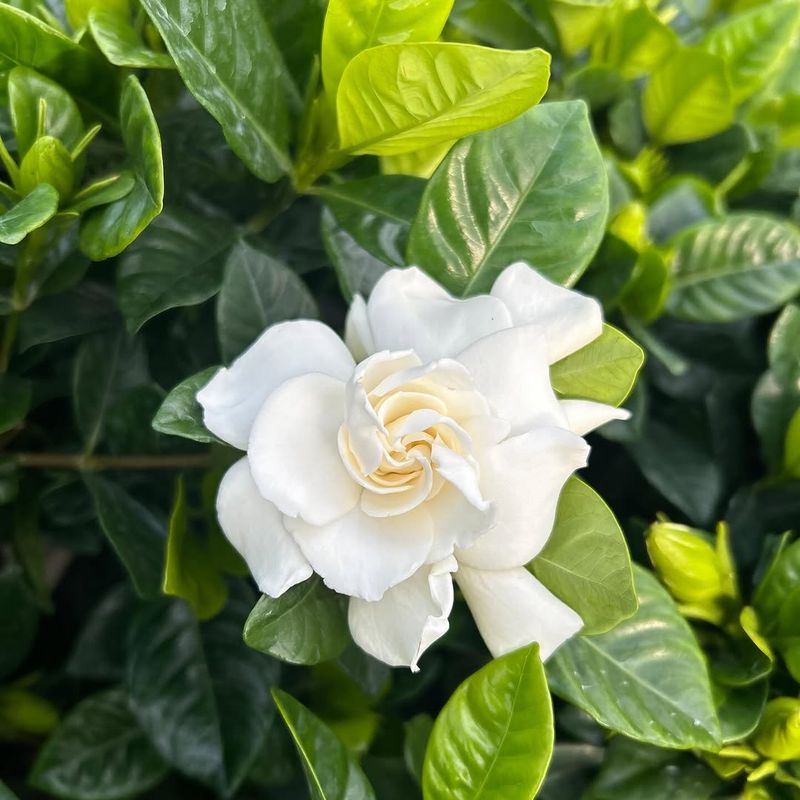
Few plants in the Florida landscape can stop a person in their tracks the way a gardenia in full bloom can. That heavy, sweet fragrance drifting across the yard on a warm April morning is something gardeners look forward to all year.
Cutting into the shrub before the show is over means trading that experience for a tidier plant that simply will not perform the way it should.
Gardenias set their flower buds early in the season, and by April many plants in Central and South Florida are either blooming or on the verge of opening their first flowers.
Pruning at this stage removes those developing buds and can significantly reduce the number of blooms the shrub produces.
The floral display and the fragrance that comes with it are exactly what makes gardenias worth growing, so protecting them through bloom season just makes sense.
Your Florida Garden Changes Every Week. Your Plan Should Too.
Gardening in Florida changes quickly throughout the season. Every Friday you’ll receive a simple weekly plan showing exactly what to plant, prune, fertilize, harvest, and protect so you never miss the right timing.
UF/IFAS recommends pruning gardenias after flowering ends, usually in late spring to early summer. A light trim to shape the plant and remove spent blooms is all that is needed.
Avoid heavy shearing, which can stress the plant and reduce future flowering. Patience through April pays off with a fuller, more fragrant spring performance.
3. Bigleaf Hydrangeas Can Lose Blooms After A Premature April Cut
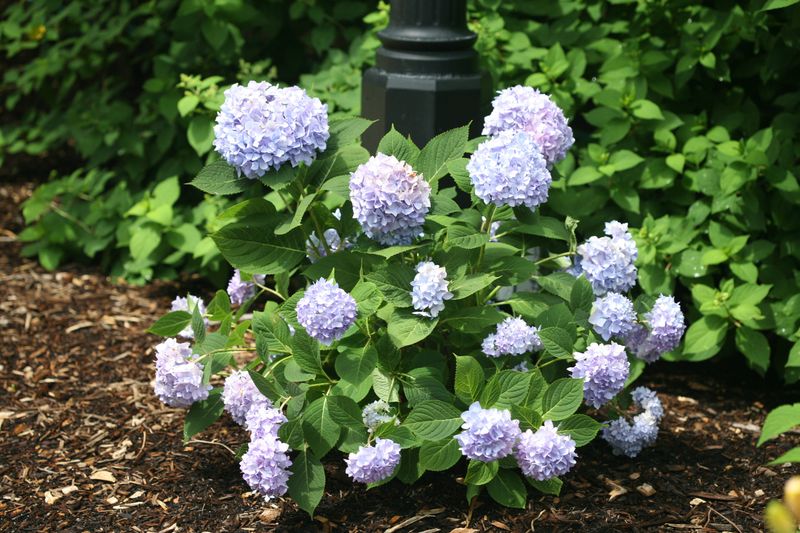
Not all hydrangeas follow the same rules, and that distinction matters a lot when April rolls around in Florida. Bigleaf hydrangeas, also called Hydrangea macrophylla, bloom on old wood, which means the flower buds you are hoping to see this season formed on stems that grew last year.
Any pruning that removes those older stems in April takes the blooms right along with them.
This is where many gardeners get tripped up. Panicle hydrangeas and smooth hydrangeas bloom on new wood and can handle spring pruning just fine.
Bigleaf types are completely different. Cutting them back in April, even with the best intentions of shaping the plant, can result in a shrub full of green leaves and zero flowers for the entire season.
That is a frustrating outcome that is easy to avoid once you understand which type you are working with.
If you are not sure what kind of hydrangea is growing in your yard, hold off on pruning until you can confirm the variety. For bigleaf hydrangeas, UF/IFAS advises pruning immediately after flowering ends.
Remove only the stems that have finished blooming, cutting just below the spent flower head, and leave the rest of the plant undisturbed so next season’s buds can develop properly.
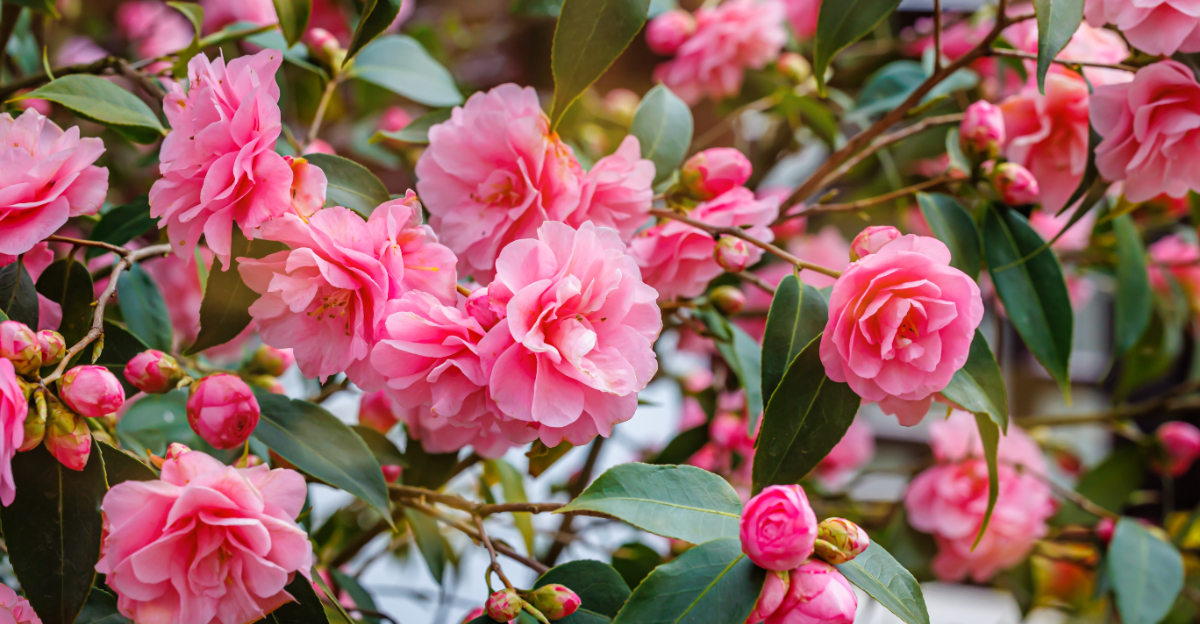
4. Camellias Deserve A Gentle Pause Before Any Shaping Starts
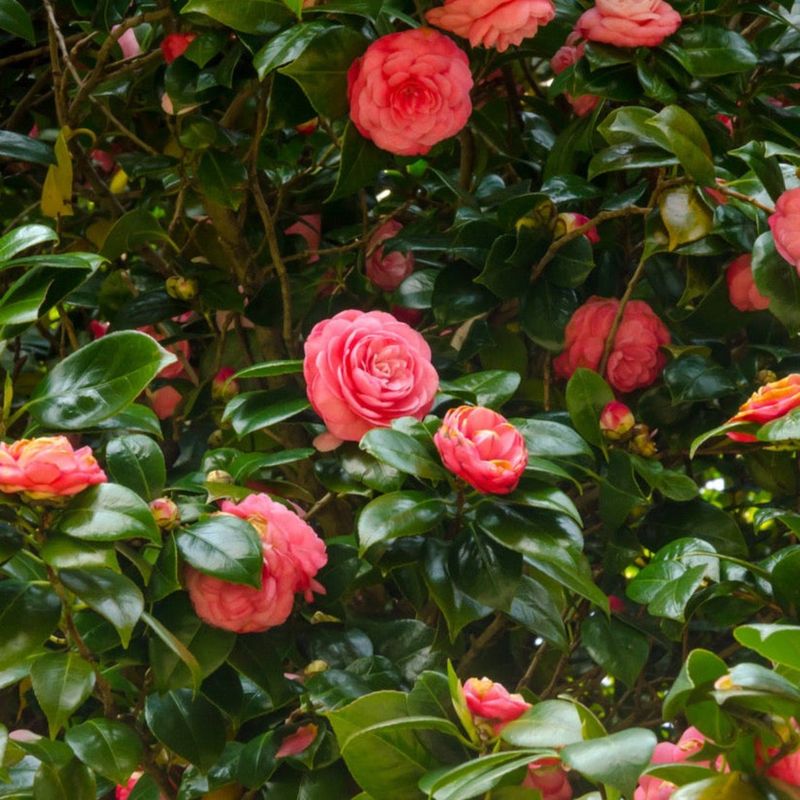
Camellias have a devoted following among Florida gardeners, and for good reason.
Depending on the variety and your location in the state, these shrubs can bloom anywhere from fall through early spring, giving the landscape color during months when not much else is performing.
Because of that wide bloom window, pruning timing for camellias requires a bit more attention than a one-size-fits-all rule.
The general guidance from UF/IFAS is to prune camellias right after flowering ends and before new growth begins in earnest. In North Florida, some varieties may still be wrapping up their bloom cycle in early April.
Cutting too soon can shorten the current floral display or remove buds that have not yet opened. Pruning too late in the season risks removing buds that are already forming for the following year.
A common mistake is shearing camellias into a tight formal shape on a set schedule without checking whether the plant has finished blooming. A light hand works best.
Remove crossing or crowded branches, trim for shape, and clean up spent blooms once they have dropped. Camellias do not need heavy pruning to stay healthy, and in Florida’s climate, a gentle approach after bloom ends is almost always the right call.
5. Ixora Gives Up Flowers Fast After An April Shearing
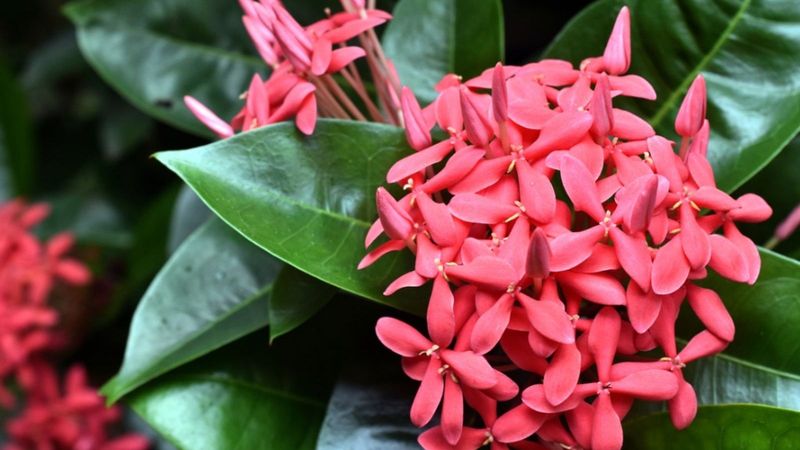
Ixora is one of the most recognizable flowering shrubs in South and Central Florida, with its tight clusters of small tubular flowers in shades of orange, red, yellow, and pink. It thrives in the heat and is a staple in many Florida landscapes.
The problem is that ixora is frequently sheared on a regular schedule the same way a hedge might be, and that habit can seriously reduce the number of blooms the plant produces.
Heavy shearing in April removes the branch tips where flower clusters form. Ixora blooms at the ends of new growth, and when those tips are constantly clipped back, the plant spends its energy pushing out new foliage instead of flowers.
The result is a dense, leafy shrub with far fewer blooms than it should be producing. Repeated hard shearing over time can also stress the plant and lead to dieback in the interior.
Light selective pruning is a very different approach. Instead of running a hedge trimmer across the entire shrub, you can remove individual stems that have become too long or are crowding other branches.
UF/IFAS recommends avoiding heavy shearing of ixora and allowing it to maintain a more natural form to support better flowering. Giving it room to bloom in April means more color for the whole season.
6. Sweetspire Sets Up Next Year’s Blooms On Older Growth
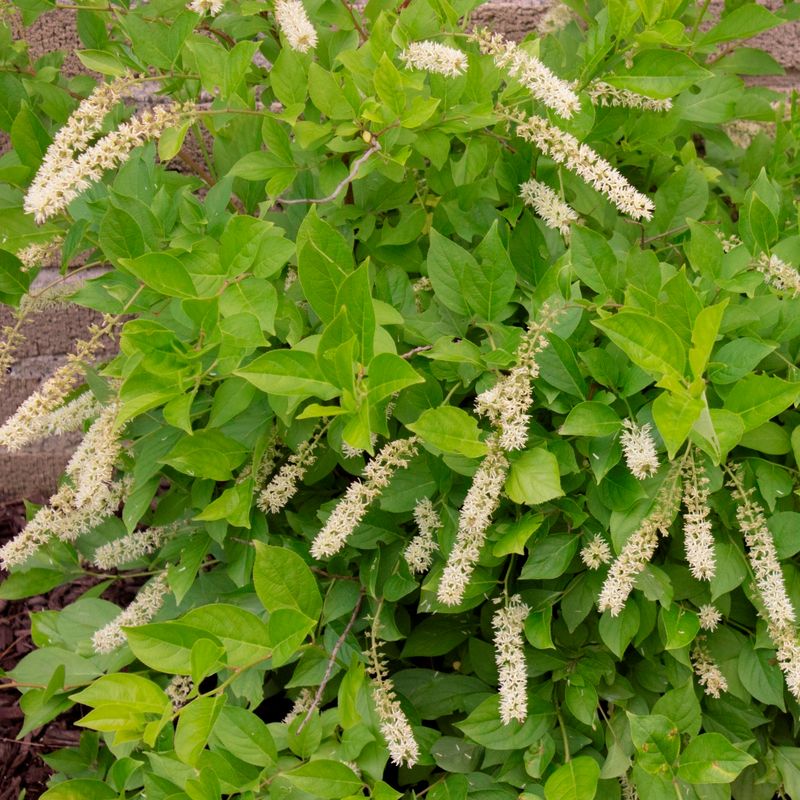
Sweetspire, particularly Virginia sweetspire or Itea virginica, is a native shrub that does not always get the attention it deserves in Florida gardens. It produces graceful, arching white flower spikes in spring, and in the right conditions it also delivers some attractive fall color.
What makes it relevant to this list is how and where it blooms.
Sweetspire blooms on the previous season’s wood, similar to azaleas. That means the flowering stems you see in spring grew during the prior year.
Pruning the shrub too early in spring, or cutting it back hard before the blooms have finished, removes those older stems and takes the flowers with them. You may end up with a tidy plant that does very little in the way of blooming for the rest of the season.
The better approach is to let sweetspire complete its flowering cycle before doing any significant pruning. Once the blooms have faded, you can shape the plant and remove any withered or crowded stems.
Avoid cutting it back to the ground in spring, as that removes the older wood where the blooms originate. Patience through the bloom period protects this season’s flowers and helps set up a stronger performance for next year as well.
7. Bottlebrush Looks Better When You Let The Red Spikes Finish First
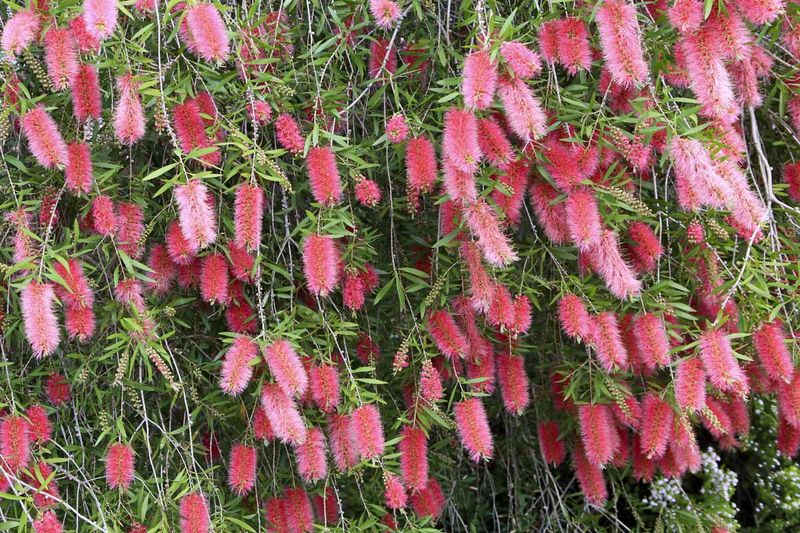
There is something genuinely eye-catching about a bottlebrush in full bloom.
Those bright red, cylindrical flower spikes covering the branches look almost like something you would find in a tropical painting, and they attract hummingbirds and butterflies in numbers that make the plant worth every inch of space it takes up in the yard.
Cutting into it while those spikes are still going strong in April is a missed opportunity.
Bottlebrush, known botanically as Callistemon or the reclassified Melaleuca, is best pruned after flowering rather than during it.
The red spikes are the whole point of growing the plant, and removing them before they have finished reduces the display and cuts short the wildlife activity that comes with it.
Pruning at the wrong time can also affect how the plant sets up flowering stems for later in the season.
According to UF/IFAS guidance on landscape shrubs, bottlebrush responds well to pruning after bloom cycles end. A light trim to shape the plant and remove spent flower spikes is the right move once flowering finishes.
Avoid hard cutting into thick older wood, as bottlebrush does not always recover well from severe pruning. Letting the red spikes run their course first is both the practical and the rewarding choice.
8. Star Jasmine Keeps More Flowers When Pruners Stay Put A Bit Longer
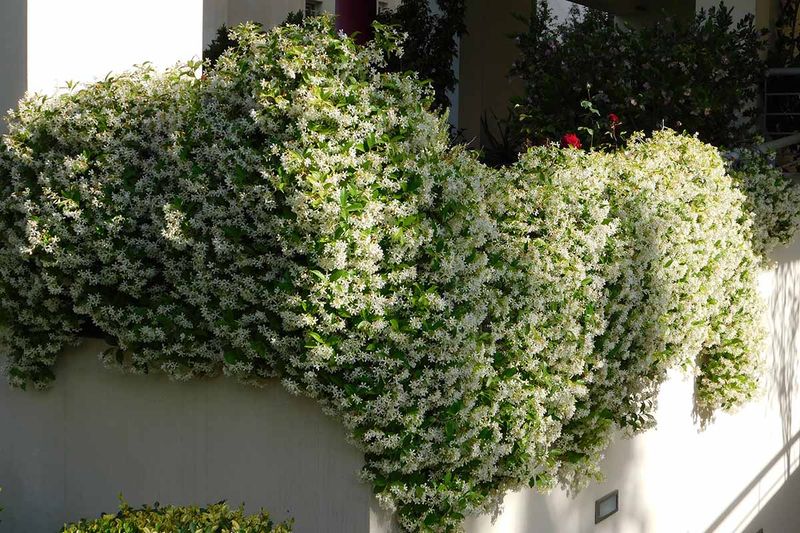
April is one of the best months to simply stand near a star jasmine vine and enjoy what it does.
Trachelospermum jasminoides produces masses of small, pinwheel-shaped white flowers with a fragrance that carries across the yard, and in Florida’s warm spring climate the bloom flush can be truly impressive.
This is not the time to start trimming.
Pruning star jasmine while it is actively blooming cuts off flowers that are already open and removes buds that are still developing along the stems.
The vine’s seasonal impact is largely built around this one major bloom flush in spring, and shortening it by even a few weeks with early pruning means losing a significant portion of what the plant offers.
Many Florida gardeners prune on a schedule rather than watching the plant, and that habit is what gets them into trouble.
The right time to prune star jasmine is after the spring bloom flush has clearly finished and the vine has started to put energy into new leafy growth. At that point, you can cut back long or unruly stems, thin out congested areas, and shape the plant to fit its space.
A light trim after flowering also encourages the vine to branch out and can improve future bloom coverage. Wait just a little longer in April and the fragrance alone will make the patience worthwhile.