This Is Why Every Florida Garden Needs Nasturtiums
Nasturtiums rarely get the respect they deserve. They sit quietly in the seed rack between flashier options, overlooked by gardeners chasing height, drama, or novelty.
Florida gardens in particular tend to pass them by, which is a genuine missed opportunity. Few plants pull as much weight for as little effort in this climate.
Nasturtiums bloom fast, sprawl generously, and bring color to spots where more temperamental plants give up entirely.
They attract pollinators, confuse pests, and every part of the plant is edible, which is not something many garden workhorses can claim.
Florida’s growing calendar also gives nasturtiums more room to shine than most places allow. They thrive in the cooler shoulder seasons when the garden needs color most and ask almost nothing from the soil to do it.
A packet of seeds and a patch of ground is genuinely all it takes to understand why experienced gardeners refuse to go a season without them.
1. Grow Nasturtiums During The Cooler Season
Timing makes the biggest difference when growing nasturtiums in warm states like ours. These plants are best treated as cool-season annuals here, meaning they perform at their peak when temperatures are mild rather than blazing hot.
Understanding when to plant them is the key to getting the most color and growth out of each season.
In northern regions of the state, fall planting often works well once daytime temperatures begin to drop and nights feel crisp. Gardeners in those areas may enjoy a longer cool stretch, which gives nasturtiums more time to settle in and bloom fully.
Central regions tend to get a wide mild window that can stretch from late fall into early spring, making timing a bit more flexible.
Southern regions require the most careful planning. Heat arrives earlier and lingers longer there.
Planting too late in the season can mean the plants spend their best energy just trying to cope with rising temperatures. Aiming for a planting window in late fall or early winter often gives southern gardeners the best results.
Nasturtiums generally prefer soil temperatures that are not too warm and air temperatures that stay below intense summer heat.
Seeds can be sown directly into garden beds or containers, and they tend to sprout fairly quickly under the right conditions.
Soaking seeds overnight before planting can sometimes help speed up germination.
According to UF/IFAS Extension guidance, cool-season annuals like nasturtiums are well suited to this state’s mild winters. They are a smart choice for gardeners looking to add color during the months when many other flowers are resting.
Planting at the right time sets the whole season up for success.
2. Use Them For Color In Beds And Containers
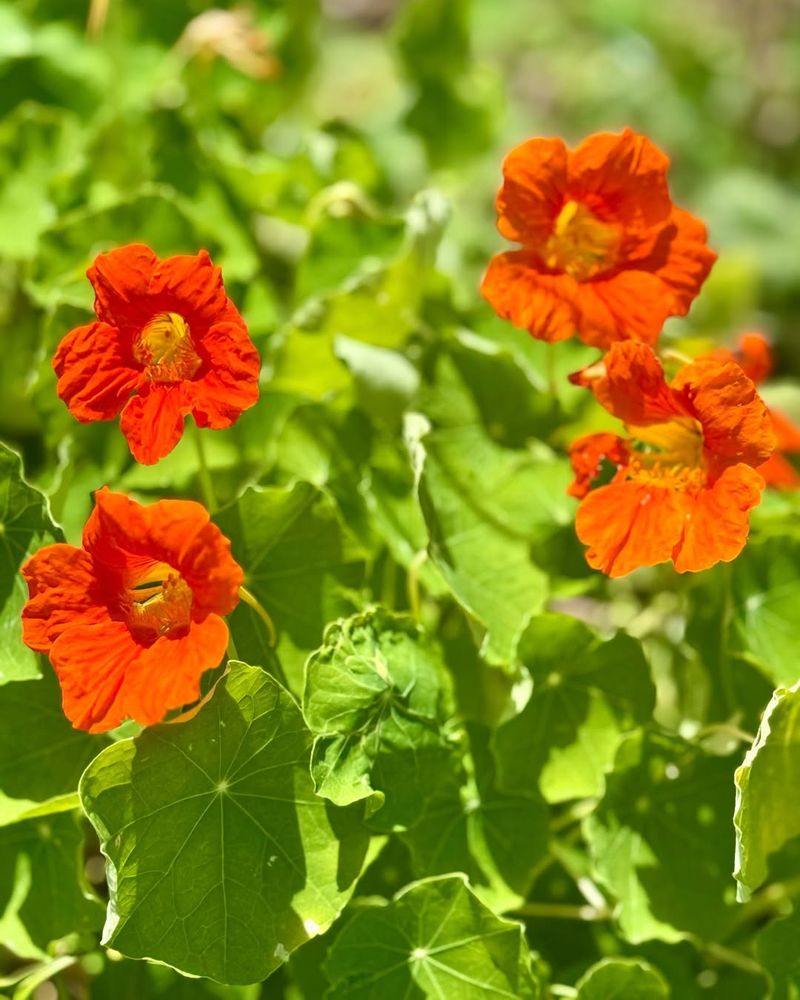
A splash of color can work in more places than expected, and nasturtiums are proof of that. These plants bring warm, vibrant blooms to a wide range of Florida garden spaces.
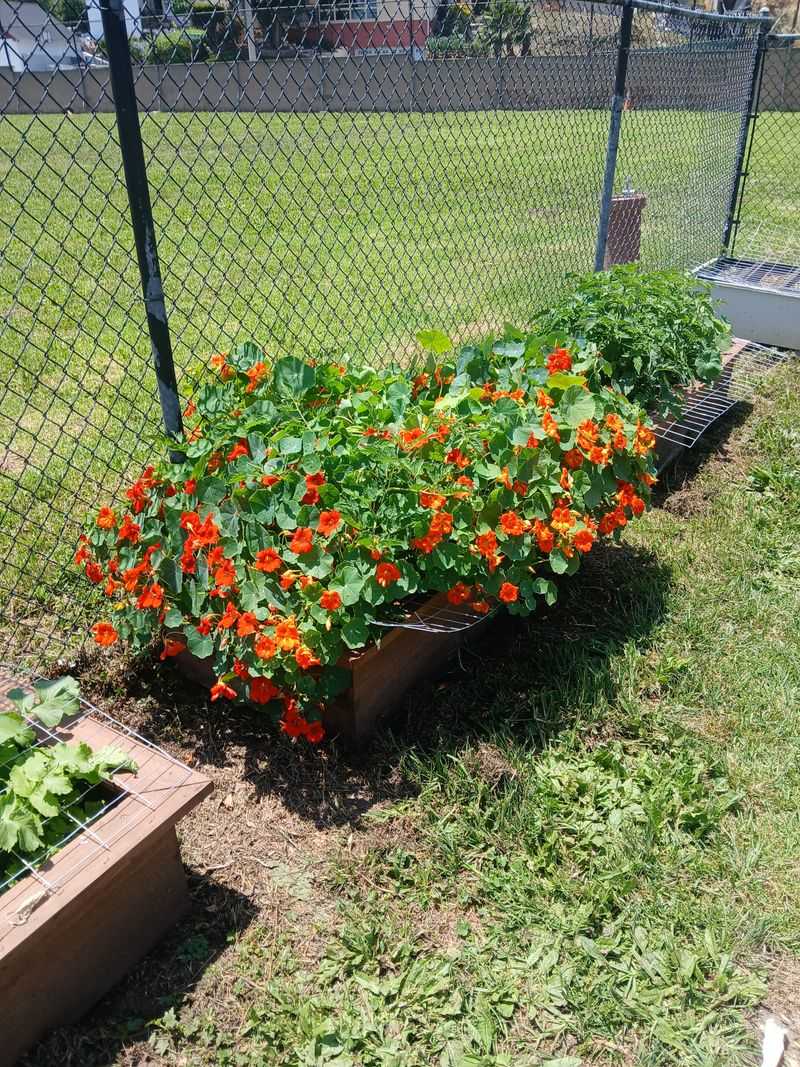
That includes traditional flower borders, raised vegetable beds, herb gardens, patio pots, and hanging baskets. Their versatility makes them a practical choice for gardeners with different setups and space limitations.
Your Florida Garden Changes Every Week. Your Plan Should Too.
Gardening in Florida changes quickly throughout the season. Every Friday you’ll receive a simple weekly plan showing exactly what to plant, prune, fertilize, harvest, and protect so you never miss the right timing.
Trailing varieties tend to spill over the edges of containers and raised beds in a relaxed, flowing way.
That trailing habit looks especially appealing in hanging baskets, where the stems can drape downward and show off their blooms from multiple angles.
Compact or bushy types, on the other hand, tend to stay more contained and work nicely as edging plants in borders or as fillers in smaller pots.
Mixing nasturtiums with herbs like basil, parsley, or chives in a container garden can create a practical and attractive planting combination. The flowers add visual interest while the herbs provide kitchen-ready harvests right outside the back door.
Keeping them together in one pot or raised bed can make watering and care easier too.
Container gardening is especially helpful here because pots can be moved to take advantage of shifting light or to protect plants from unexpected cold snaps.
A sunny spot on a patio or balcony can work well for nasturtiums as long as the plants get enough light and the soil does not dry out too quickly during warm stretches.
Nasturtiums do not need a large space to make an impact. Even a single pot near an entryway or along a walkway can brighten the area with their rounded leaves and cheerful blooms.
They are a low-effort, high-reward option for adding seasonal color wherever it is needed most.
3. Let The Leaves And Flowers Brighten The Garden
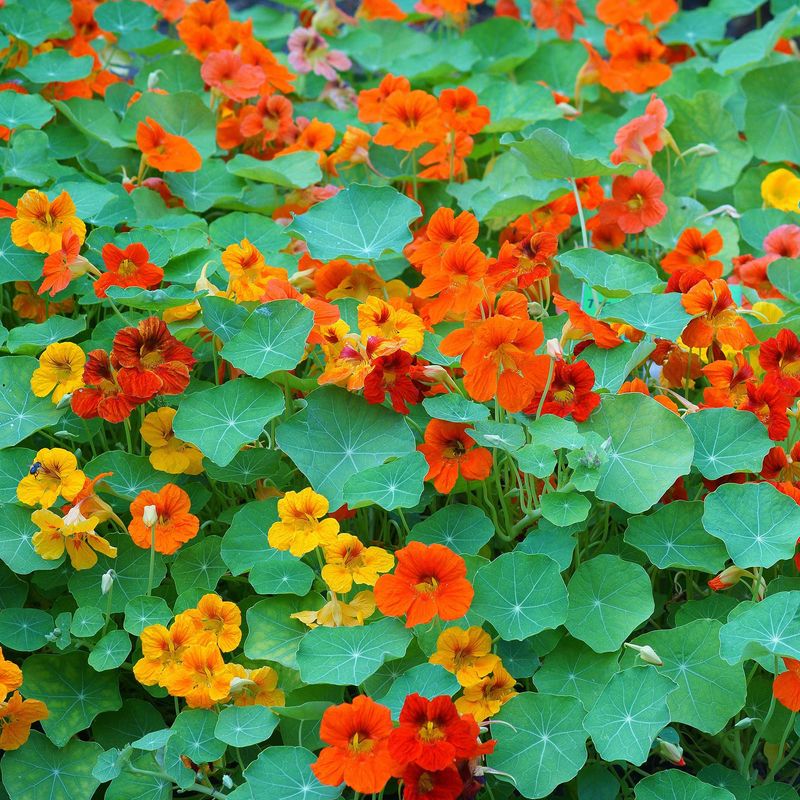
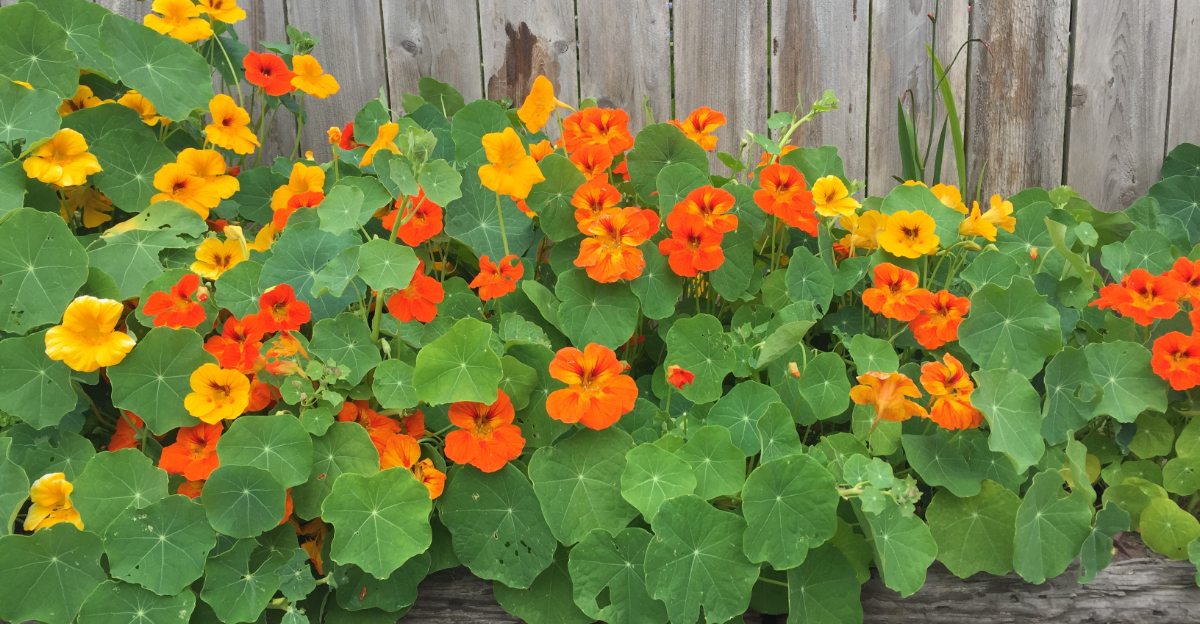
The round leaves are part of the charm that makes nasturtiums so appealing. Unlike many flowering plants where the blooms get all the attention, nasturtiums offer two distinct ornamental features at once.
The leaves are smooth, round, and a fresh shade of green. The flowers come in warm tones of orange, red, yellow, and cream that stand out beautifully in any garden setting.
Beyond their looks, both the leaves and flowers are edible, which adds another layer of appeal. They have a peppery, slightly spicy flavor that is often compared to watercress.
That bold taste makes them a fun and unexpected addition to salads, sandwiches, or simple garnishes on a plate.
Before eating any part of the plant, gardeners should make sure the nasturtiums were grown without pesticides or chemicals that are not labeled safe for edible crops.
This food-safety step is important, especially if the plants were purchased from a nursery rather than grown from seed at home.
Always check product labels and avoid using any sprays or treatments on edible plants unless the label specifically states they are safe for use on food crops.
Harvesting flowers and leaves when they are young tends to give the best flavor. Younger leaves are usually more tender and less intensely peppery, while older leaves can taste stronger.
Flowers are best picked in the morning when they are fresh and fully open.
Growing nasturtiums as both an ornamental and an edible plant is a satisfying combination that home gardeners often enjoy. They bring beauty to the garden while also offering something useful for the kitchen.
That dual purpose makes them especially worthwhile during the cooler months when they are at their best in this state.
4. Plant Them Where Pollinators Can Find The Blooms
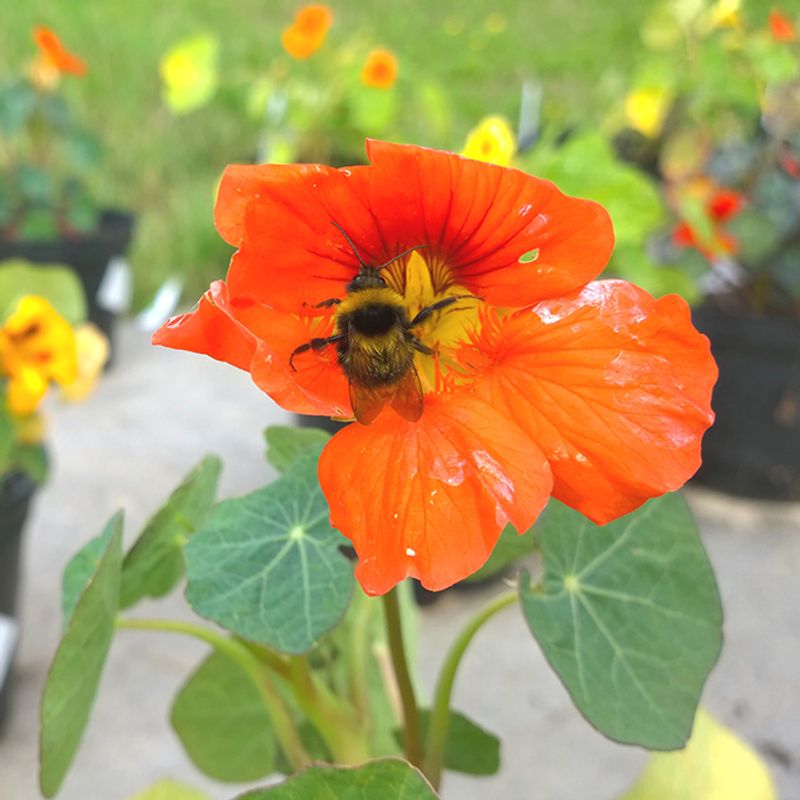
Flowers do more than decorate the bed, and nasturtiums are a good example of that idea in action. Their open, brightly colored blooms can attract a range of pollinators, including bees and butterflies, that are always looking for accessible nectar sources.
Placing nasturtiums where they are easy to spot and reach may help bring more movement and life to the garden during the cooler months.
The flower shape of nasturtiums is relatively open and accessible compared to some tubular or tightly structured blooms. That openness may make it easier for a variety of visiting insects to access the nectar inside.
Gardeners who want to support pollinator activity in their yard may find nasturtiums a worthwhile addition to a pollinator-friendly planting area.
Planting nasturtiums near vegetable beds or herb gardens where pollination matters can be a practical approach. Nasturtiums cannot guarantee improved pollination of nearby crops.
Still, having more pollinators visiting the area generally creates a more active and balanced garden environment. The key is to give pollinators a reason to visit and linger.
Choosing a spot with good sun exposure tends to help nasturtiums bloom more freely, which in turn may increase their appeal to pollinators. A sunny border, an open raised bed, or a container placed in a bright spot on a patio can all work well.
Avoid placing them in heavily shaded areas where bloom production may be reduced.
Nasturtiums pair naturally with other cool-season pollinator-friendly plants to create a more layered and inviting garden space.
Mixing them with herbs or other flowering annuals that bloom during the same season can extend the visual appeal.
It can also extend the potential pollinator interest throughout the mild-weather months. A small planting can make a noticeable difference.
5. Skip Rich Soil And Heavy Feeding
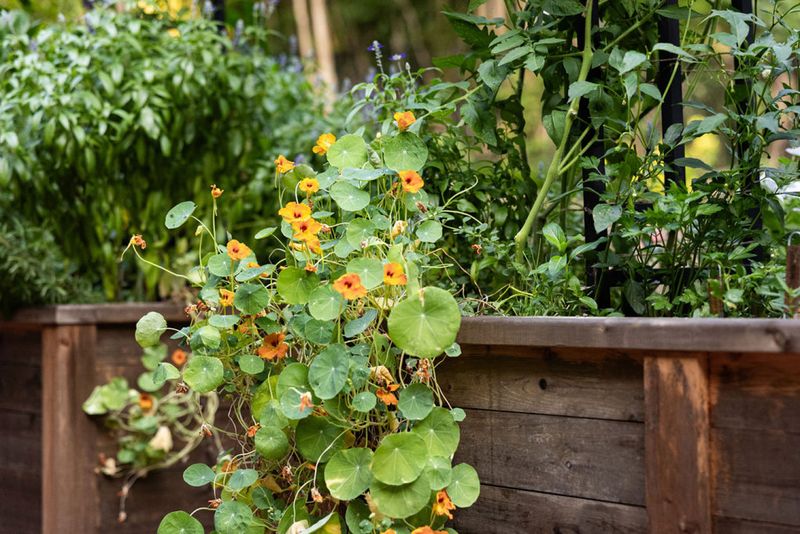
Too much kindness can backfire with nasturtiums, and soil richness is one of the clearest examples of that. These plants are known for doing well in average or even lean soil conditions.
When the soil is too rich in nutrients, especially nitrogen, nasturtiums often respond by producing lots of large, lush leaves while cutting back on flowers. That leafy response can turn a promising plant into a green mound with very little color to show for it.
Heavy fertilizing tends to have the same effect as overly rich soil. Gardeners who are used to feeding their plants regularly may need to hold back with nasturtiums.
In many cases, little to no supplemental fertilizer is needed, especially if the existing soil is already reasonably healthy. Watching the plant’s response is a smarter guide than following a fixed feeding schedule.
If the soil in your garden is particularly sandy or nutrient-poor, a light application of a balanced, low-nitrogen fertilizer may help get plants established. However, less is almost always more with this plant.
Starting with minimal feeding and adjusting only if the plant shows signs of struggling tends to produce better results than front-loading with nutrients.
Well-drained soil matters more than rich soil for nasturtiums. They do not like sitting in waterlogged conditions, and good drainage helps prevent root and stem problems.
Raised beds and containers with drainage holes are often ideal setups for this reason.
Amending your garden bed with heavy compost before planting nasturtiums is generally not necessary. If the soil is reasonably workable and drains well, they will usually perform just fine without extra amendments.
Keeping care simple is often the best strategy with these cheerful, low-maintenance bloomers.
6. Know When Heat Will Slow Them Down
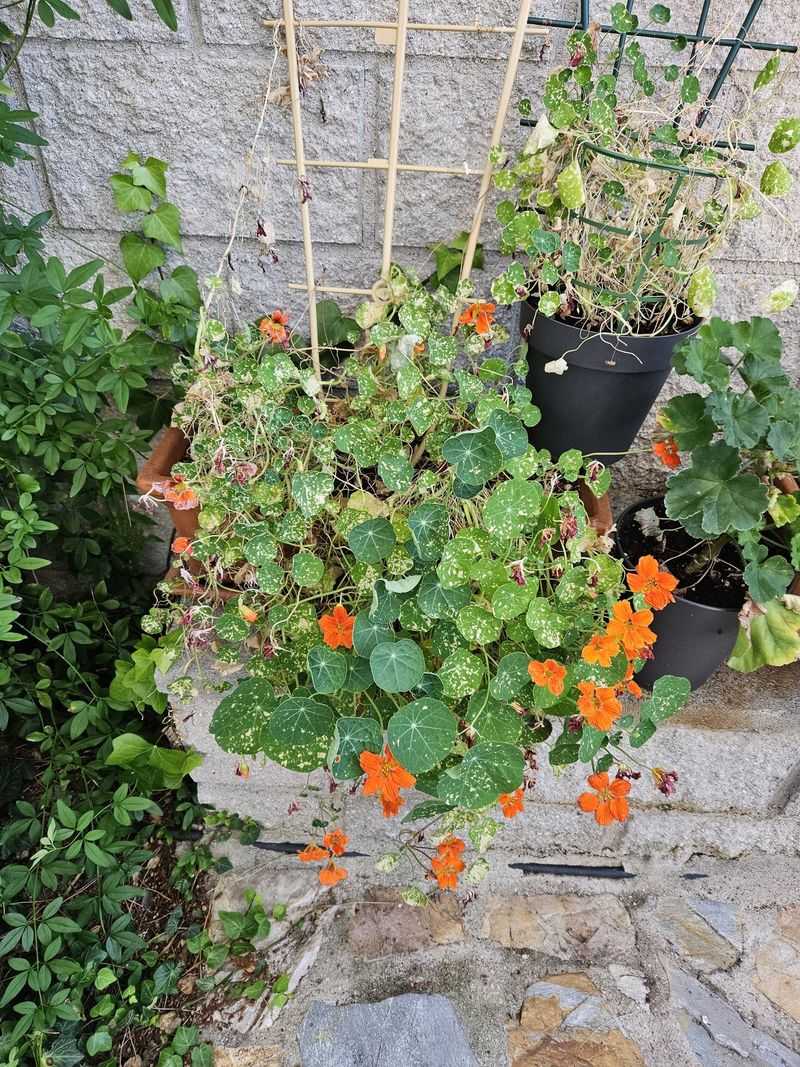
Warm weather eventually changes the plan for nasturtiums, and every gardener here should expect it. These plants thrive in mild conditions, but as temperatures climb into the upper ranges of late spring and early summer, their performance often starts to drop off.
Fewer flowers, stretched or leggy stems, and leaves that look stressed are common signs that the heat has become too much for them.
High humidity adds to the challenge. This state is well known for its sticky, humid summers.
That combination of heat and moisture can make it harder for cool-season plants like nasturtiums to stay healthy and productive. Fungal issues can also become more likely when airflow is poor and conditions stay warm and wet for extended periods.
Rather than pushing plants through a difficult season, enjoy nasturtiums fully during their peak cool-weather window. Then let them go when conditions shift.
Removing spent plants and replacing them with heat-tolerant summer annuals keeps the garden looking its best year-round. Planning ahead for that seasonal transition makes the whole process feel easy rather than frustrating.
Gardeners in central and southern regions may notice the heat arriving earlier than those in northern areas of the state. Keeping an eye on extended forecasts in late winter and early spring can help with timing.
When consistently warm nights start showing up in the forecast, it is a good signal to enjoy the remaining blooms and start thinking about what comes next.
Nasturtiums are not a year-round solution for this state, and that is perfectly fine. They fill a specific and valuable seasonal role, bringing color and life to the garden during the months when cooler weather makes them shine.
Appreciating them for that role makes every bloom feel worth the effort.
7. Start Seeds The Simple Way For Best Results
Getting nasturtiums started does not require fancy equipment or a complicated process. These plants are often recommended for beginner gardeners.
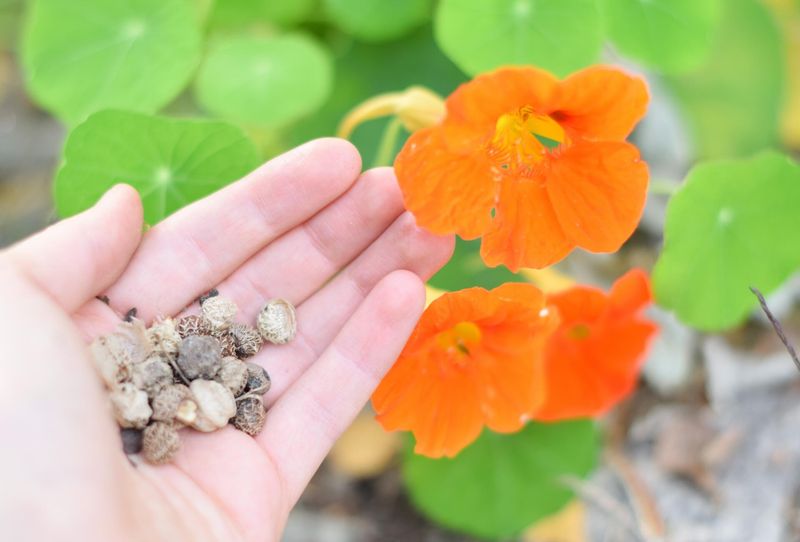
The seeds are large, easy to handle, and tend to germinate reliably under the right conditions. Sowing directly into the ground or into containers where the plants will grow is the most common and practical approach.
Nasturtium seeds have a hard outer coat. Soaking them in water for several hours or overnight before planting can help soften that coat and encourage faster sprouting.
Some gardeners skip this step and still get good results. The soak can give seeds a helpful head start, especially when soil temperatures are on the cooler side during early fall planting.
Plant seeds at a shallow depth, roughly half an inch to an inch deep, in a spot that gets a good amount of daily sunlight. Nasturtiums generally prefer full sun to partial shade, and more sunlight usually means more flowers.
Spacing seeds several inches apart gives each plant enough room to spread out as it grows.
Watering consistently after planting helps seeds stay moist enough to sprout, but avoid soaking the soil to the point of standing water. Once seedlings appear and begin to establish, nasturtiums become fairly tolerant of occasional dry spells.
Overwatering is a more common mistake than underwatering with these plants.
Thinning seedlings once they reach a few inches tall can help remaining plants grow stronger and fuller. Crowded plants compete for light and airflow, which can reduce blooming and increase the chance of problems.
A little space between plants goes a long way toward a healthier, more productive planting through the cool season ahead.