7 Must-Know Tips For Michigan Gardeners On How Many Plants To Put In One Container
Ever planted a container that looked full at first, only to see it struggle a few weeks later? Michigan conditions can turn small spacing mistakes into noticeable problems.
Short growing seasons, surprise late frosts, and summer heat that dries pots quickly all affect how plants settle in.
Some gardeners pack containers too tightly for an instant look, while others leave too much space and miss that full, balanced effect.
Finding the right number of plants is what brings everything together. With a few thoughtful adjustments, your containers can grow in evenly and look better as the season unfolds.
1. Start With The Mature Size Of Each Plant
Seedlings can be deceiving.
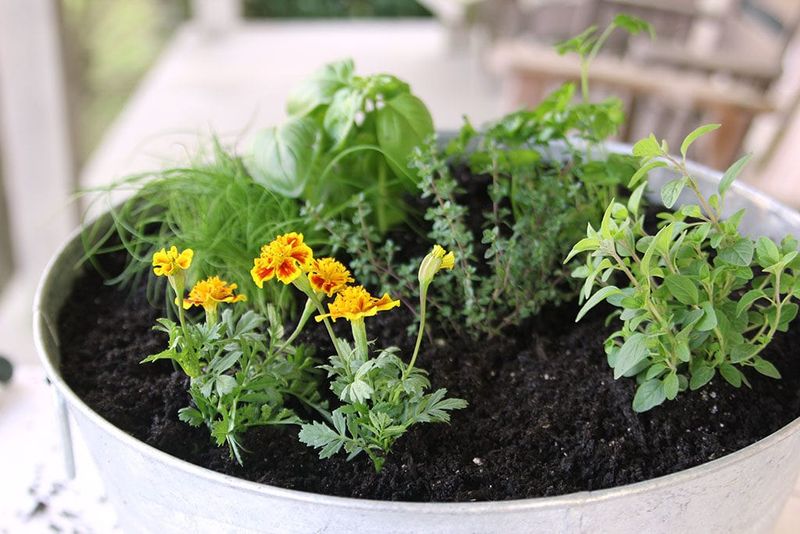
That tiny petunia or compact tomato transplant sitting in a four-inch nursery pot looks small enough to share space with five other plants, but fast forward six weeks into Michigan’s summer and you might have a tangled, overcrowded mess competing for every drop of water and nutrient in the soil.
Before you place a single plant into a container, read the tag carefully. Mature spread matters just as much as mature height.
A plant labeled as spreading 18 to 24 inches wide needs considerably more elbow room than one that stays upright and compact at 10 inches.
Ignoring mature size is one of the most common mistakes Michigan container gardeners make, especially when plants are purchased in May and look so small at the nursery.
Trailing plants like sweet potato vine can easily consume half a large container on their own by late July. Upright plants like tall salvia or ornamental grasses can shade out lower companions if placed without thinking about final dimensions.
Taking five minutes to research each plant’s mature size before planting saves you from having to thin containers mid-season, which stresses roots and disrupts the soil structure.
A well-planned container based on mature measurements will look intentional and thrive through Michigan’s warm months without constant intervention.
2. Follow Spacing Guidelines As A Baseline
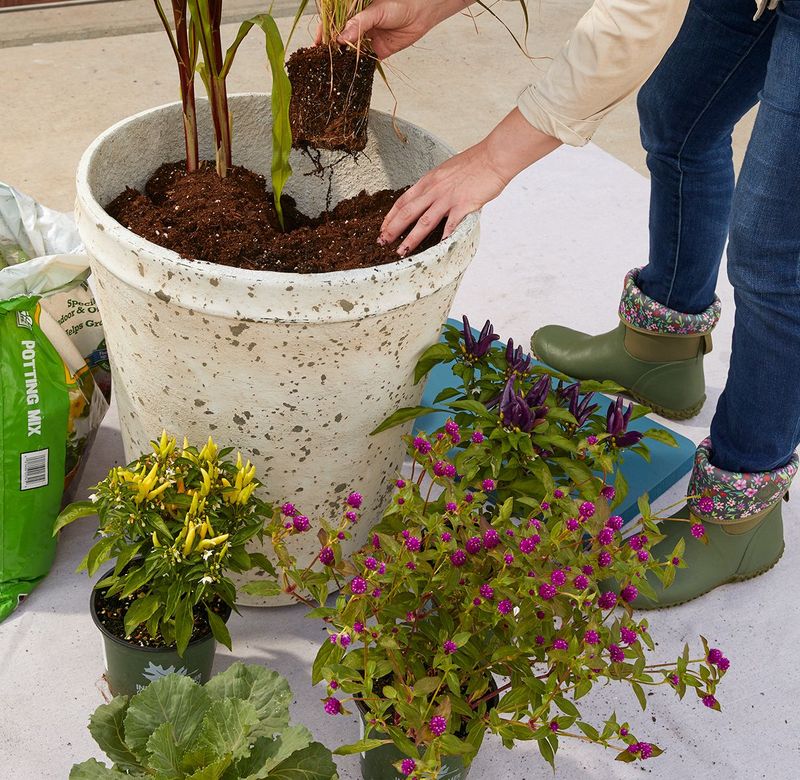
Spacing guidelines printed on plant tags exist for good reason – they reflect years of horticultural research about how much root space, water, and light a plant needs to grow well.
Using those numbers as a starting point gives Michigan gardeners a reliable framework rather than guessing.
A commonly used rule of thumb suggests roughly one plant for every six inches of container diameter. So a 12-inch pot could hold about two plants comfortably, while an 18-inch container might accommodate three.
These numbers are not rigid, but they provide a sensible baseline that prevents the most obvious overcrowding mistakes. Adjustments can be made based on plant type, growth habit, and how quickly you want the container to fill in.
Keep in mind that spacing guidelines are typically written for plants grown in the ground, where roots can spread outward freely.
In containers, root space is limited, which means plants may actually need slightly more breathing room than the tag suggests.
Michigan summers can be hot and humid, and crowded containers tend to hold moisture around foliage longer, which can encourage fungal issues.
Your Michigan Garden Changes Every Week. Your Plan Should Too.
Gardening in Michigan changes quickly throughout the season. Every Friday you’ll receive a simple weekly plan showing exactly what to plant, prune, fertilize, harvest, and protect so you never miss the right timing.
Giving plants just a little extra space beyond the minimum recommendation often leads to healthier growth, fewer disease problems, and a container that looks good from early June all the way through the first fall frost without needing major adjustments along the way.
3. Match Plant Numbers To Container Size
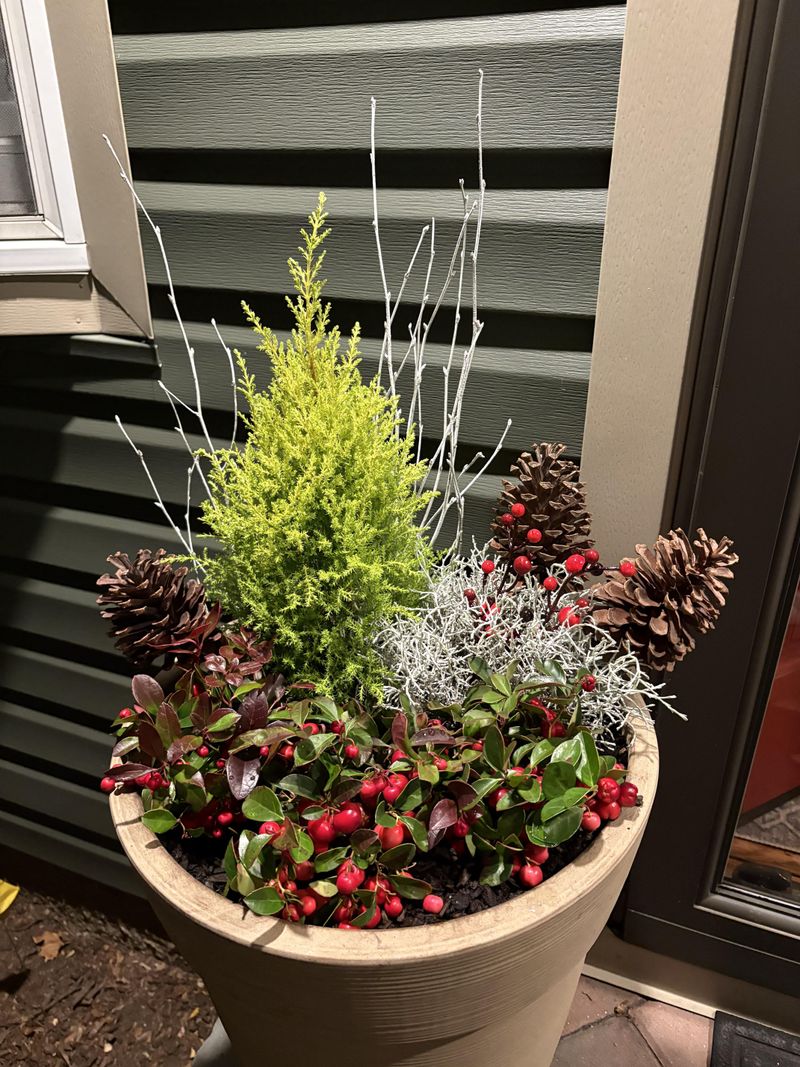
One of the most overlooked aspects of container gardening is the relationship between pot volume and plant count.
Bigger containers hold more soil, which means more root space, more moisture retention, and more nutrients available to support a greater number of plants.
Smaller pots simply cannot sustain the same plant load without suffering.
A six-inch pot is really a one-plant container in most cases. Trying to squeeze two or three small annuals into that space might look appealing at planting time, but within a few weeks the roots will be competing aggressively, the soil will dry out within hours on a hot Michigan afternoon, and the plants will start to show signs of stress.
Yellowing leaves, wilting between waterings, and stunted growth are all signs that a container is holding more plants than it can support.
Larger containers in the 14-inch to 20-inch range offer much more flexibility. They can support a thriller, a filler, and a spiller combination without overcrowding, provided the plants chosen are appropriate in scale.
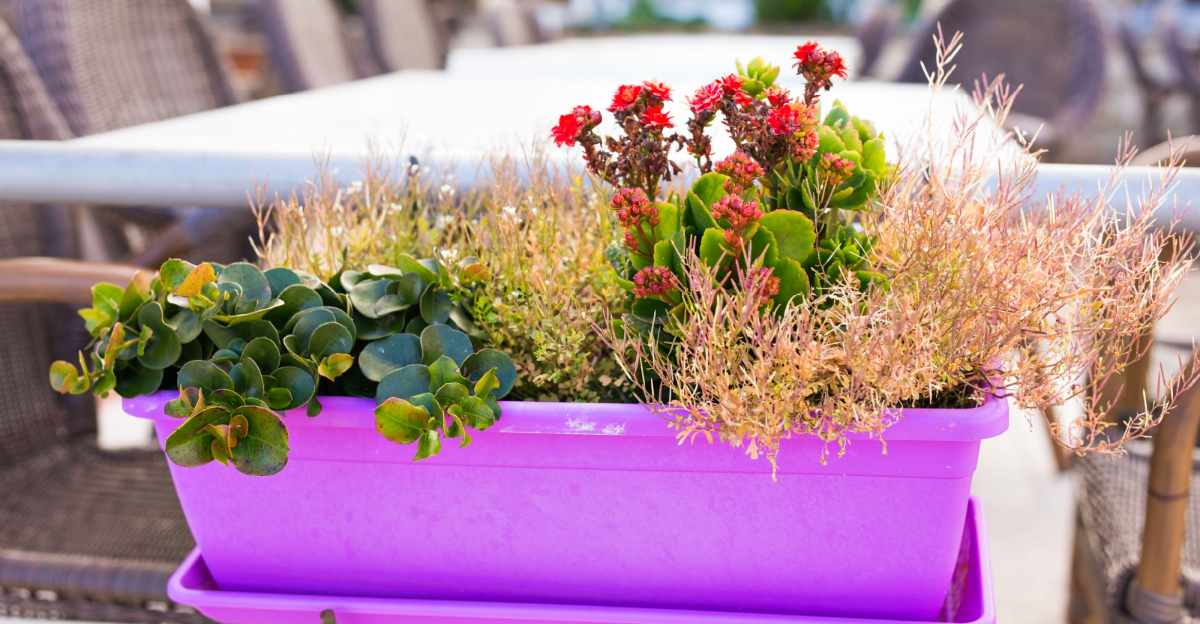
Window boxes, which are popular on Michigan porches and decks, are often underestimated in terms of volume – a 24-inch window box can typically support four to six smaller annual plants when filled with quality potting mix.
Matching your plant count to the actual soil volume of your container, rather than just the visual footprint, leads to stronger, more consistent results throughout the growing season.
4. Combine Plants With Similar Water Needs
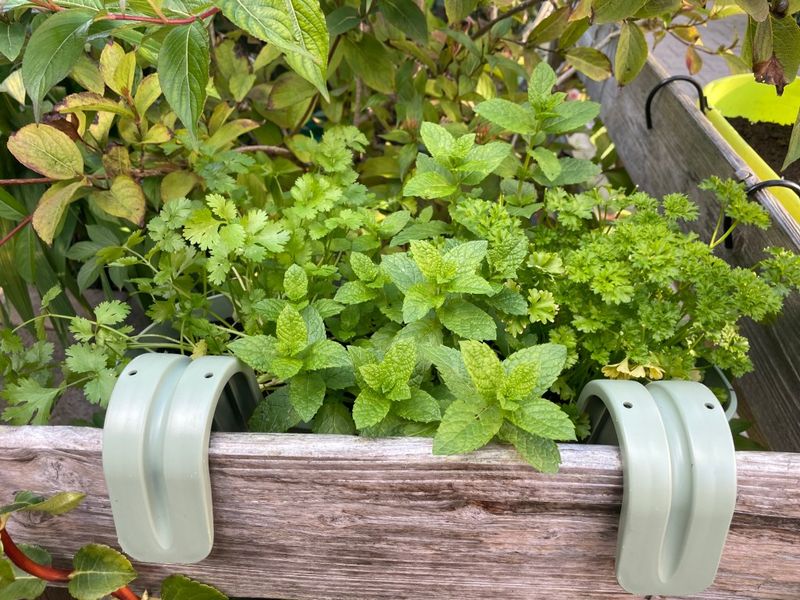
Watering compatibility is something many gardeners do not think about until it is too late.
Pairing a moisture-loving impatiens with a drought-tolerant succulent in the same pot creates an impossible situation – one plant will almost always suffer no matter how carefully you water.
Michigan summers can swing between cool, rainy stretches and dry heat waves that arrive with little warning. During those dry spells, containers can lose moisture remarkably fast, sometimes requiring water twice a day in smaller pots sitting in full sun.
If your container holds plants with conflicting water needs, you end up either overwatering the drought-tolerant ones or underwatering the thirsty ones. Neither outcome is good for long-term container health.
Grouping plants by water needs makes daily care much simpler and keeps every plant in the container performing at its best.
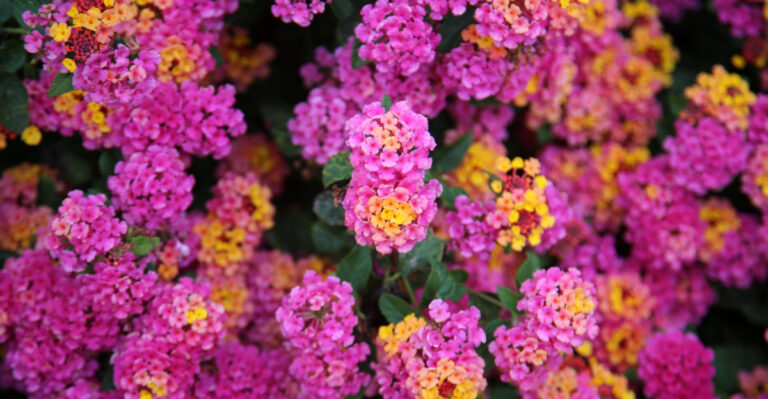
For sun-baked Michigan patios and decks, drought-tolerant combinations featuring lantana, portulaca, or ornamental grasses work well together and can handle the heat without demanding constant attention.
For shadier spots with more consistent moisture, grouping ferns, impatiens, and caladiums creates a lush look while keeping watering schedules manageable.
When water needs are well matched, the number of plants you include in a single container becomes easier to manage because all of them are responding to the same care routine.
Reducing the guesswork around watering also helps you avoid the root rot and fungal issues that show up in Michigan’s humid midsummer conditions.
5. Leave Room For Airflow
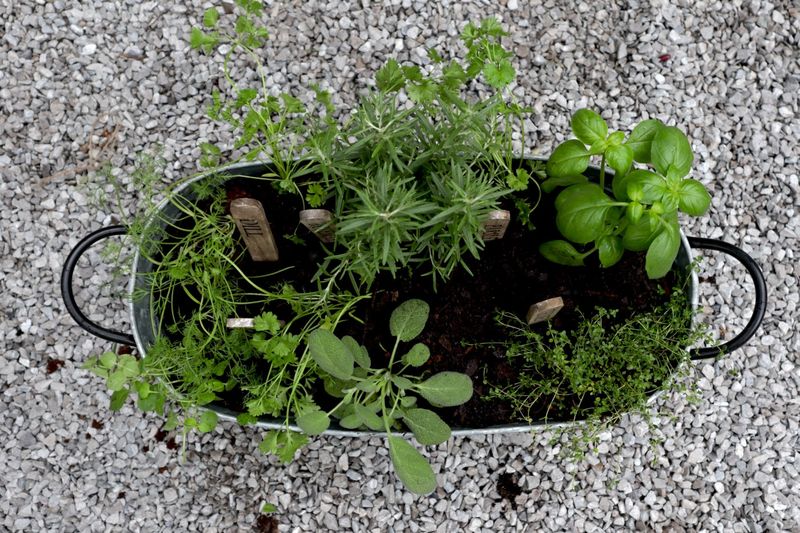
Crowded containers are breeding grounds for fungal problems, and Michigan’s warm, humid summers make the issue worse.
When foliage is packed tightly together with little space between plants, air circulation drops significantly, moisture lingers on leaves longer after rain or watering, and powdery mildew or botrytis can take hold quickly.
Leaving visible space between plants at the time of planting might feel counterintuitive, especially when the goal is a full, lush container.
But that space fills in naturally as the season progresses, and in the meantime it allows air to move through the foliage, keeping leaf surfaces drier and reducing the conditions that fungal pathogens need to spread.
Many experienced Michigan gardeners plant with the mid-season look in mind rather than the day-of-planting appearance.
Good airflow also supports stronger stem development. Plants that have room to sway slightly in the breeze tend to develop sturdier stems than those locked in tight with neighbors on all sides.
This matters particularly in Michigan, where summer thunderstorms can bring strong winds and heavy rain that flatten overcrowded containers.
As a practical guide, try to leave at least two to three inches of visible space between transplants at planting time for smaller annuals, and more for larger, bushier varieties.
That buffer may not look like much in May, but by July it will translate into healthier foliage, fewer disease issues, and a container that maintains its shape and vigor through the end of the season.
6. Consider Sunlight And Growth Habits
Sunlight is not evenly distributed in every yard, and how a plant responds to the light it receives directly affects how much space it needs in a container.
A sun-loving plant placed in partial shade may stretch and lean aggressively toward the light, throwing off the balance of your whole arrangement and crowding out neighboring plants in the process.
Growth habit matters too. Upright plants, mounding plants, and trailing plants each occupy space differently, both above and below the soil line.
Placing two aggressive spreaders together in a medium container, for example, almost guarantees that one will dominate and push the other out by late summer.
Thinking about how each plant grows – not just how it looks at the nursery – helps you choose combinations that stay balanced over time.
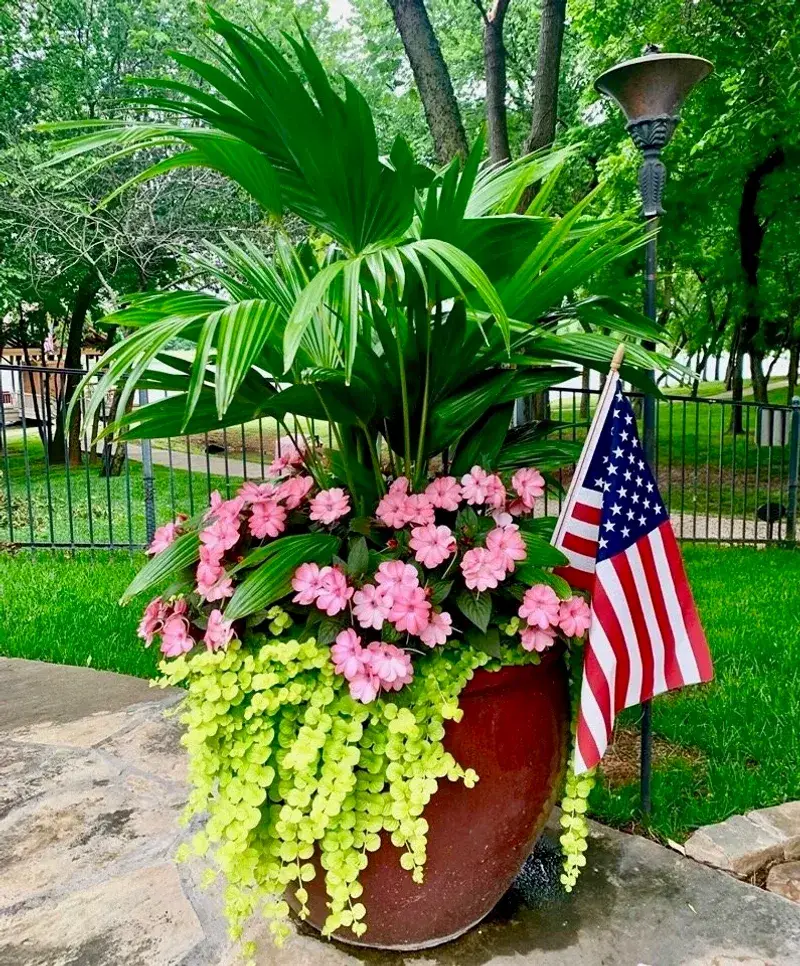
The classic thriller, filler, and spiller approach works well in Michigan containers because it accounts for different growth habits by design.
A tall, upright thriller in the center or back, surrounded by medium mounding fillers, with trailing spillers at the edges, creates a layered look that uses vertical and horizontal space efficiently without overcrowding the root zone.
Sun exposure should guide which plants you choose for each role. In Michigan, south-facing patios and decks get intense afternoon sun that can stress shade-preferring plants quickly.
Matching growth habit and light preference to the actual conditions of your space – and then choosing plant count accordingly – leads to containers that look intentional and grow well from planting day through fall.
7. Adjust Plant Count For Michigan’s Growing Season
Michigan’s growing season is shorter than gardeners in southern states enjoy, and that reality should influence how many plants you put in each container.
With last frost dates ranging from late April in southern Michigan to late May in the northern Lower Peninsula, the window for outdoor container gardening is meaningful but finite.
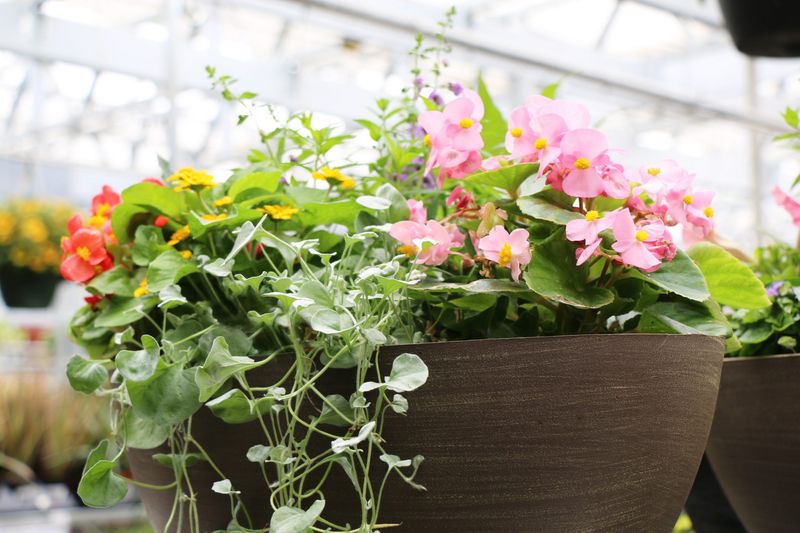
Because the season is compressed, some Michigan gardeners choose to plant containers slightly more densely than standard guidelines suggest, knowing that plants will not have as many weeks to spread and fill in on their own.
A container that might look perfectly full by August in Georgia could look sparse in Michigan if planted at minimum spacing with a June start date.
Bumping plant count up slightly – while still respecting root space and airflow needs – can help containers look lush and full during the peak summer weeks when outdoor living spaces get the most use.
On the other hand, fast-growing plants like sweet potato vine or trailing verbena can fill a container surprisingly quickly even in Michigan’s shorter season, so those varieties rarely need extra plants to achieve a full look.
Paying attention to how quickly each plant grows and adjusting your count based on that growth rate, combined with your local frost dates, gives you a more realistic picture of what your container will look like in peak season.
Reviewing notes from previous seasons is one of the most useful tools a Michigan gardener has when planning container plant counts each spring.