7 Companion Planting Tips For Healthier Desert Vegetables In Arizona
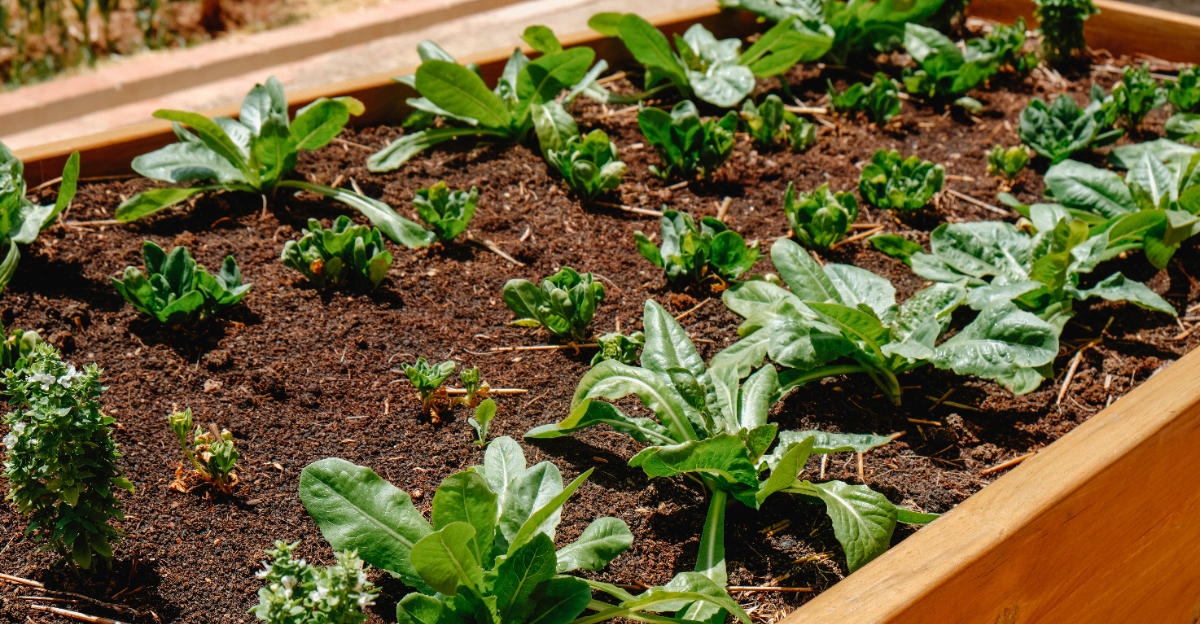
Desert vegetable beds in Arizona can look strong at first, then struggle once heat and dry air start to take over. Plants that sit too close or compete for the same resources often lose strength faster, and the results can feel uneven across the bed.
Placement plays a bigger role than most expect. Certain plants support each other when paired correctly, while others pull nutrients and moisture in ways that slow everything down.
A few smart combinations can change how vegetables handle stress, improve growth, and keep the bed more balanced as conditions become tougher.
With the right approach, the garden feels more stable, and plants hold their health without needing constant fixes through the season.
1. Pair Shade Providers With Heat Sensitive Vegetables
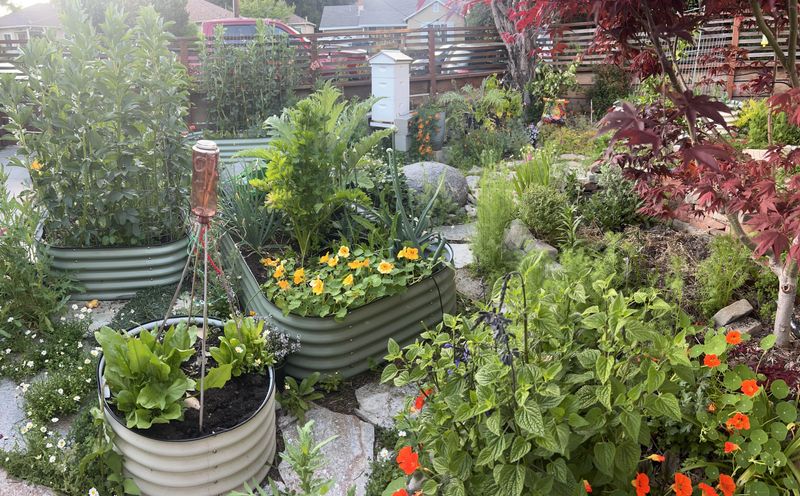
Cucumbers struggle hard when afternoon temperatures in Arizona push past 105 degrees Fahrenheit. Planting them on the east or north side of taller crops like sunflowers or corn can block the worst of that late-day sun without cutting off morning light entirely.
Sunflowers work especially well for this because they grow fast and tall without demanding much water. Position them so they cast a shadow over heat-sensitive crops during the hottest hours, roughly between noon and 5 PM.
You are not creating full shade, just enough filtered coverage to take the edge off.
Leafy greens like spinach and lettuce also benefit from this kind of shading during Arizona’s shoulder seasons in spring and fall. Without some protection, these crops bolt quickly, turning bitter and going to seed before you even get a full harvest.
Corn planted in a north-south row can do the same job as sunflowers in many low-desert gardens. Taller stalks on the west side naturally shield shorter crops to their east.
It takes a bit of planning at planting time, but the payoff in extended harvests is worth the effort.
Keep in mind that shade providers still need their own space and water. Crowding too many plants together in Arizona’s clay or sandy soils can create root competition that cancels out the benefits.
Space things thoughtfully, and adjust based on how your specific garden layout handles afternoon light throughout the season.
2. Use Herbs To Help Reduce Pest Pressure Naturally
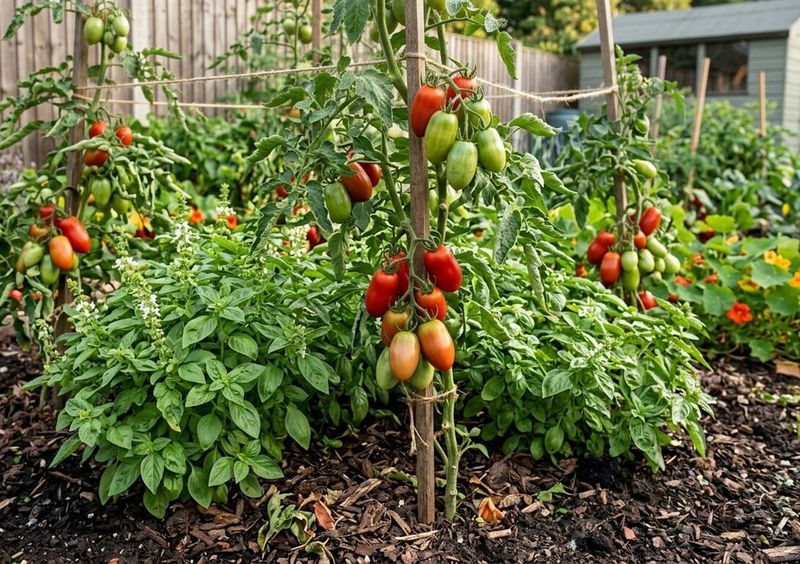
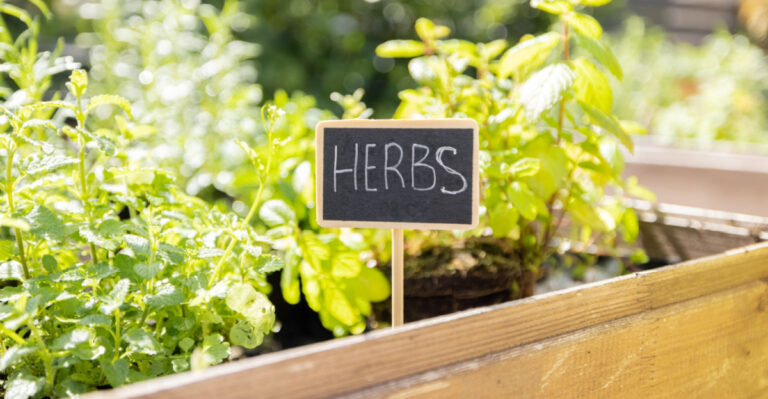
Basil planted near tomatoes is one of the most reliable combinations Arizona gardeners keep coming back to. Tomato hornworms and whiteflies tend to avoid areas where basil is present, likely due to the strong volatile oils the herb releases into the surrounding air.
Rosemary is another herb worth tucking into your vegetable beds. Its sharp scent appears to confuse or deter aphids and spider mites, both of which can spread fast during dry Arizona summers.
Planting rosemary near peppers or eggplant gives those crops a bit of natural buffer without taking up much space.
Cilantro is interesting because it works differently at different stages of its life. Young cilantro plants attract aphids away from nearby crops, acting almost like a trap.
Once it bolts and flowers, which happens quickly in Arizona heat, it draws in parasitic wasps that feed on common garden pests.
Your Arizona Garden Changes Every Week. Your Plan Should Too.
Gardening in Arizona changes quickly throughout the season. Every Friday you’ll receive a simple weekly plan showing exactly what to plant, prune, fertilize, harvest, and protect so you never miss the right timing.
Mint is effective too, though it spreads aggressively in irrigated soil. Keeping it in a container placed near your vegetable beds lets you get the pest-deterring benefits without letting it take over the whole garden.
Spearmint in particular has shown some effect against aphids and flea beetles in small-scale trials.
No herb is a guaranteed fix on its own. Pest pressure in Arizona varies by season, elevation, and how nearby neighbors manage their gardens.
Herbs are one useful layer in a broader approach, not a complete solution by themselves.
3. Plant Fast Growers Alongside Slower Crops For Better Space Use
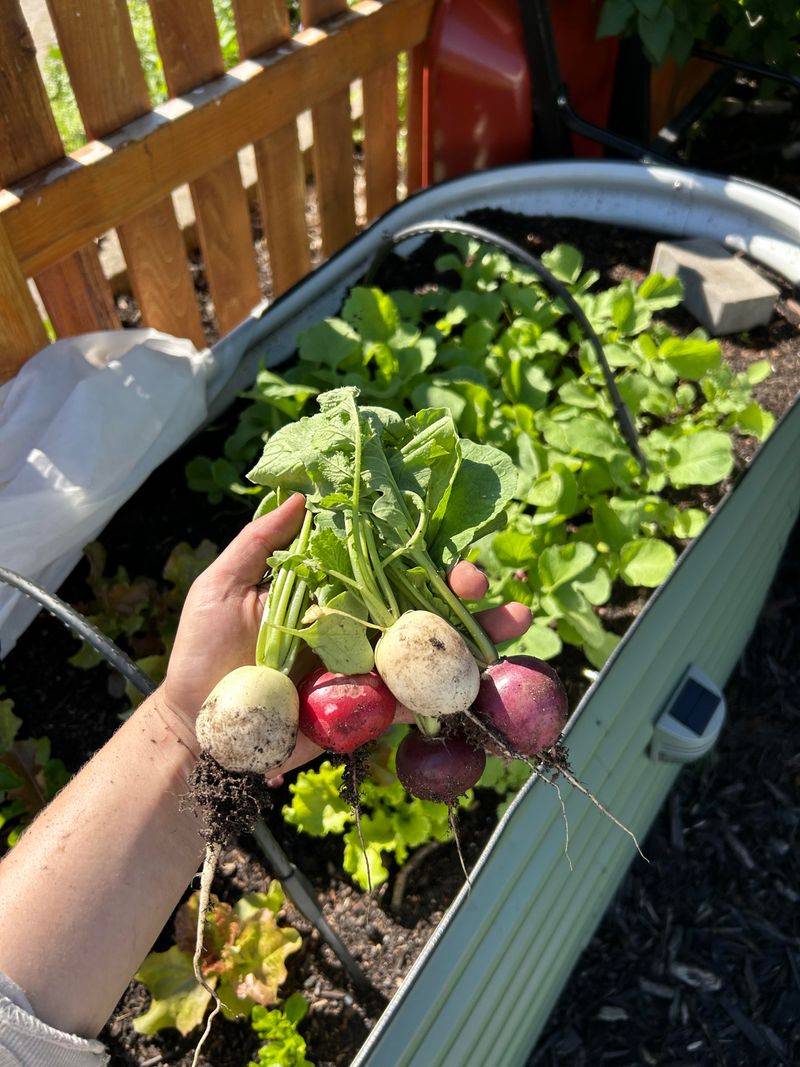
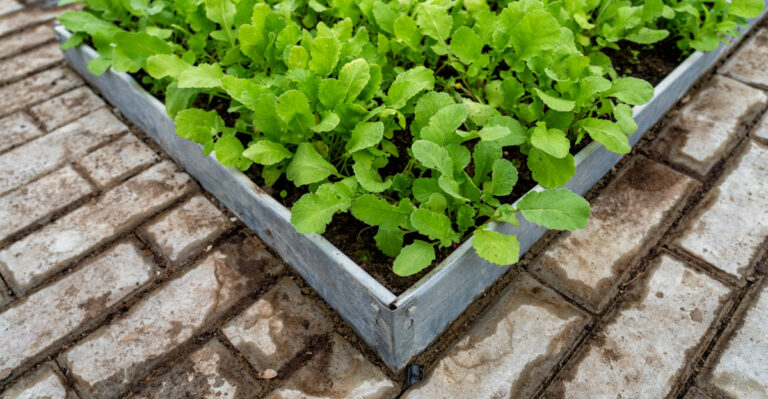
Radishes are ready to pull in about 25 days, which makes them one of the most useful fast-maturing crops in an Arizona garden.
Planting them between rows of slower vegetables like carrots or beets means the radishes are long gone before the other crops need that space.
Timing matters a lot in Arizona because the growing windows are shorter than people expect. Spring heats up fast in the low desert, and fall cools down quickly at higher elevations.
Squeezing in a quick crop between longer-season plants helps you get more out of every week of usable weather.
Leafy greens like arugula and spinach also mature fast enough to fill gaps between transplanted tomatoes or peppers in the early spring.
By the time the nightshades are spreading out and needing more room, the greens are usually finished and already harvested.
Green onions are another smart filler crop. They take up almost no horizontal space and can grow right at the edge of a bed where larger plants have not yet spread.
Pull them young as scallions or let a few go a bit longer depending on what you need in the kitchen.
The key is to map out your bed before you plant, not after. Knowing roughly when each crop will hit its peak size helps you avoid accidentally crowding something out before it is ready.
A rough sketch on paper before the season starts saves a lot of headaches later in the Arizona growing calendar.
4. Combine Deep And Shallow Roots To Reduce Competition
Root competition is a real problem in Arizona gardens, especially in compacted clay soils or shallow raised beds where roots hit a hard layer quickly.
Pairing crops that pull water and nutrients from different depths is one of the smarter ways to reduce that underground tension.
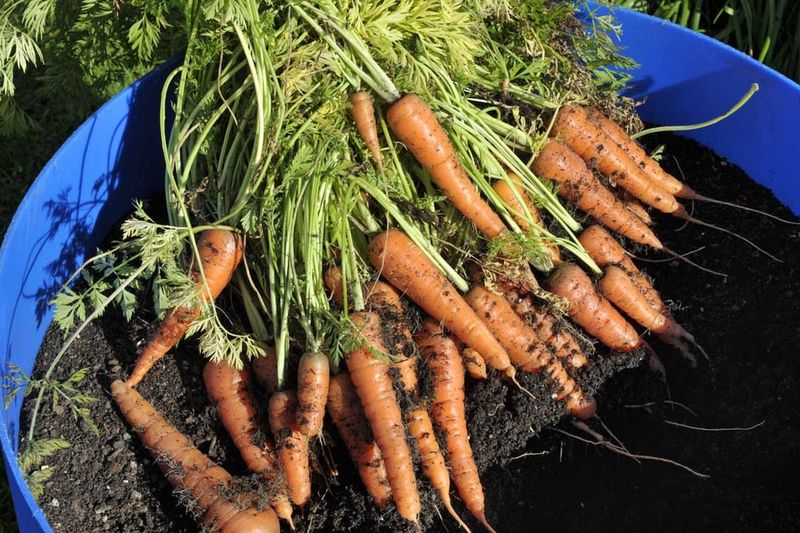
Carrots send roots down deep, sometimes 12 inches or more in loose soil. Onions, by contrast, stay relatively shallow.
Planting these two together means they are not really fighting over the same resources, and the carrot roots can actually help break up compacted soil layers that benefit both crops over time.
Corn and squash work on a similar principle. Corn anchors itself with a fairly deep root system, while squash spreads its roots wide but not particularly deep.
Grown together as part of the Three Sisters planting method, they coexist without much underground competition, especially in well-amended beds.
Tomatoes and lettuce also pair reasonably well in this way. Tomato roots go deep over time, while lettuce stays near the surface.
During Arizona’s spring season, lettuce can occupy the top layer of soil while tomatoes are still getting established below.
Soil preparation matters a lot here. In hard desert soils, even deep-rooted crops can struggle to reach their full depth without some amendment.
Adding compost before planting helps both root types establish more efficiently, which makes the whole companion pairing work better in the first place.
5. Group Plants With Similar Water Needs Together
Water management is probably the single most important factor in Arizona vegetable gardening, and grouping plants by water needs is one of the easiest changes you can make.
Putting a thirsty crop like cucumbers next to a drought-tolerant herb wastes water and stresses both plants in different ways.
Peppers and eggplant have similar irrigation needs and handle heat comparably well. Planting them together in the same bed zone makes it easier to dial in a consistent watering schedule without over or under-irrigating either one.
Basil shares a similar water preference and fits naturally into this grouping.
Tomatoes need more consistent moisture than most Arizona gardeners initially expect, especially during fruit set.
Pairing them with other moderate-water crops like beans or summer squash in a dedicated bed section helps keep irrigation scheduling straightforward and reduces the risk of uneven watering across the garden.
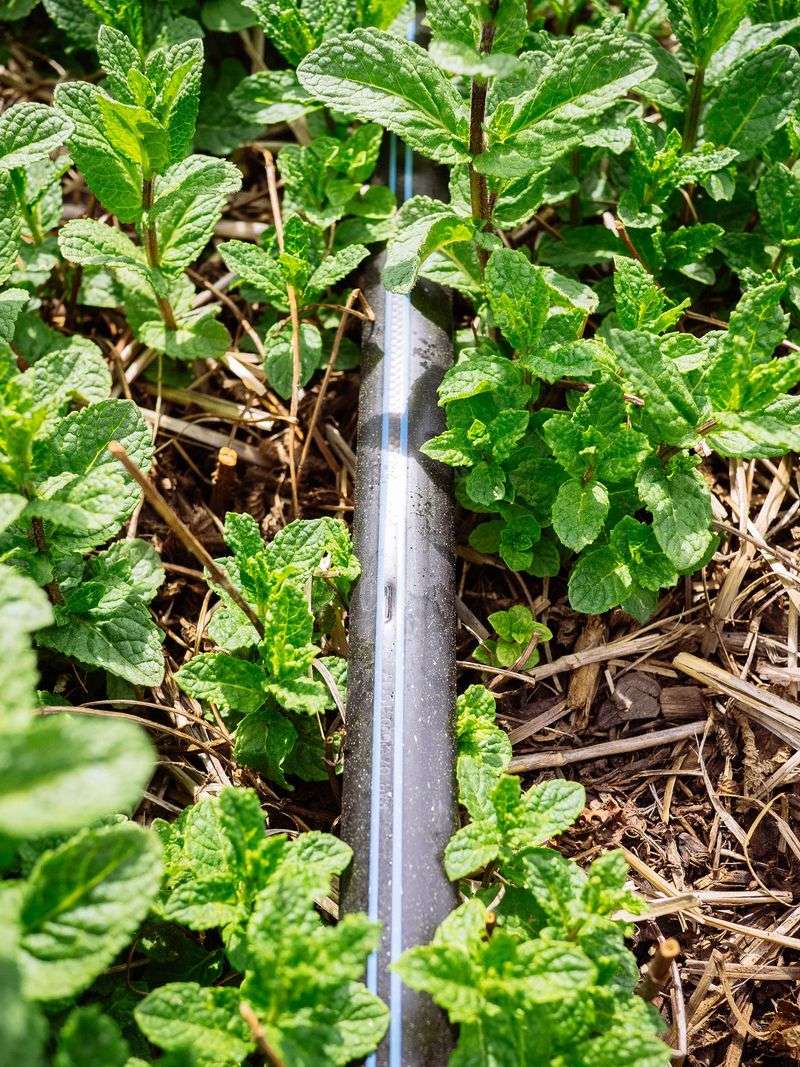
Drip irrigation makes this kind of zoning much more practical. Running separate drip lines to different water-use zones lets you adjust output without disrupting the whole system.
Hand watering a mixed bed with mismatched needs is genuinely difficult to get right in Arizona’s fast-evaporating heat.
Cool-season crops like spinach, chard, and beets generally need less water than summer vegetables, but they still need consistent moisture to avoid bolting early.
Grouping them together during Arizona’s fall and winter growing windows keeps things manageable and prevents the kind of irregular watering that leads to patchy harvests and stressed plants.
6. Add Flowering Companions To Support Pollinators
Pollination can be surprisingly inconsistent in some Arizona gardens, especially in urban areas where bee populations have been affected by development and pesticide use.
Adding flowering companions to your vegetable beds is a practical way to attract and keep pollinators around during critical bloom periods.
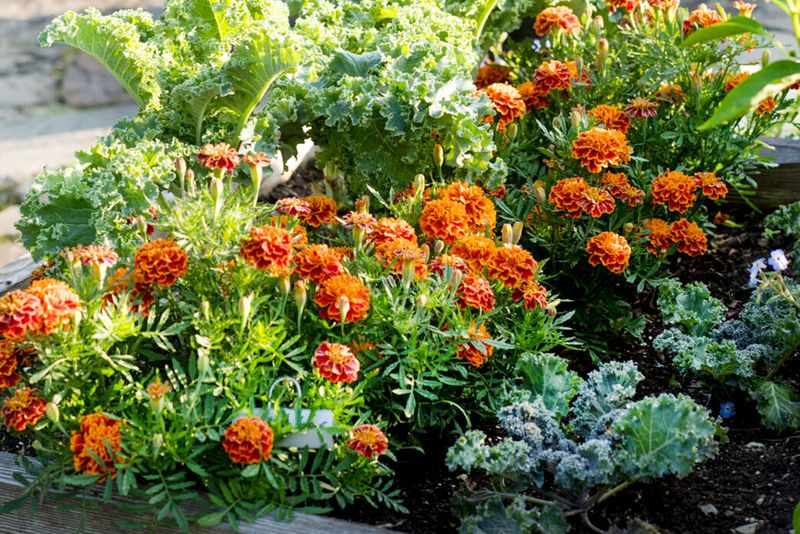
Marigolds are probably the most widely used flowering companion in Arizona vegetable gardens, and for good reason.
Beyond attracting pollinators, they appear to deter certain soil pests and whiteflies when planted in reasonably dense numbers near susceptible crops. French marigolds in particular have a strong scent that seems to confuse aphids.
Sweet alyssum is a low-growing flowering plant that produces clusters of tiny blooms nearly year-round in the low desert.
Bees and parasitic wasps visit it regularly, and the wasps are useful because they parasitize caterpillars and aphids that would otherwise damage your vegetables.
Zucchini and squash rely heavily on pollinator visits to set fruit.
Placing flowering companions nearby during their bloom window can increase the number of bee visits and improve fruit set, though results vary depending on local pollinator populations and seasonal conditions.
Planting a small strip of native Arizona wildflowers like desert marigold or globe mallow along the edge of your vegetable area can also bring in native bees that are often more heat-tolerant than honeybees.
Native bees tend to be active even during warmer parts of the day, which matters in a state where mornings cool down slowly and afternoons heat up fast.
7. Avoid Planting Crops That Compete For The Same Nutrients
Not every plant is a good neighbor. Some crops pull so heavily from the same nutrient pool that putting them together actually slows both of them down, and in Arizona’s already lean desert soils, that competition can show up faster than you might expect.
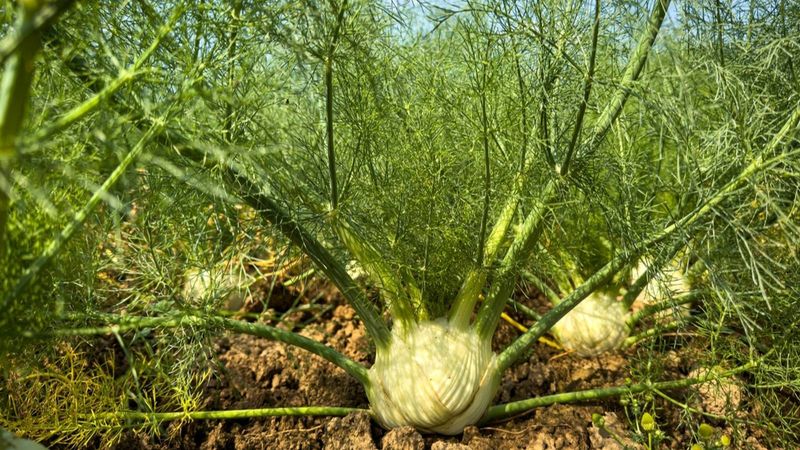
Fennel is one of the most commonly cited problem plants in companion planting, and it earns that reputation. Most vegetables including tomatoes, peppers, and beans grow noticeably worse when fennel is planted nearby.
Keep fennel in its own separate container or a completely isolated bed section away from your main vegetable area.
Heavy feeders like corn, tomatoes, and squash all demand significant nitrogen and phosphorus. Growing them together in the same tight space without adequate soil amendment usually means at least one of them underperforms.
If you want to combine them, the traditional Three Sisters method works partly because beans fix nitrogen back into the soil to compensate.
Brassicas like cabbage and broccoli are also heavy nitrogen users.
Planting them directly next to tomatoes or peppers in a small Arizona raised bed can create visible nutrient deficiencies within a few weeks, especially if the soil was not amended heavily before planting.
Soil testing before each growing season is genuinely useful in Arizona. Many desert soils are low in organic matter and certain micronutrients to begin with.
Knowing what you are starting with helps you make smarter decisions about which crops to group together and where to add compost or fertilizer before problems show up in your plants.