The Mistakes You’re Making That Are Attracting Moles To Your Yard In Florida
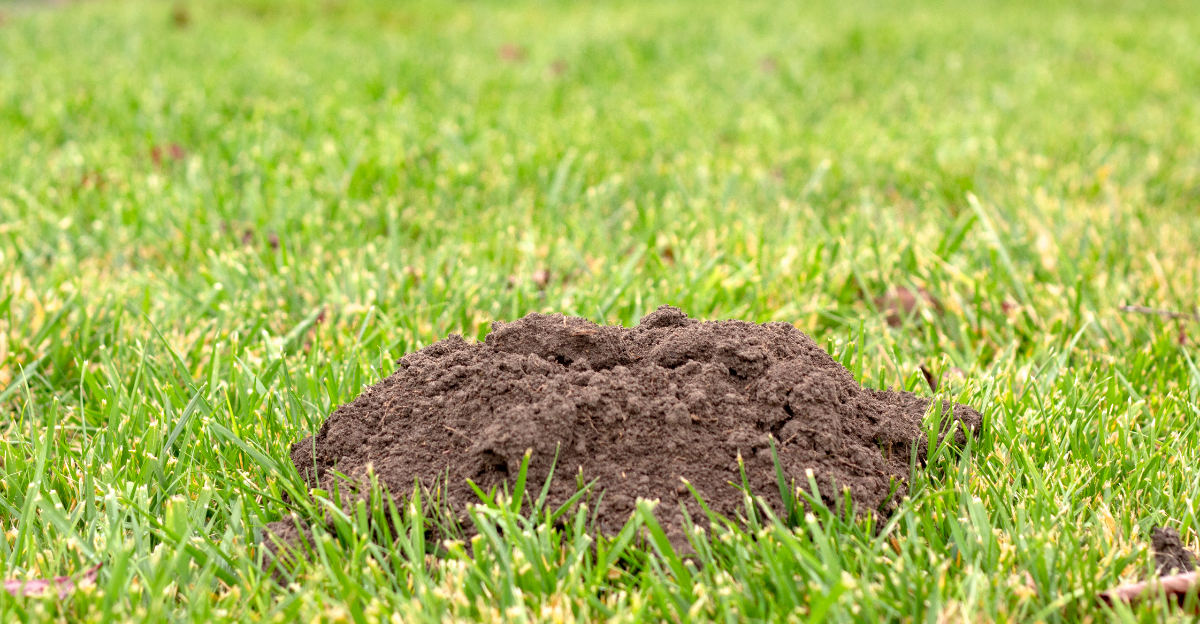
A Florida yard can look perfectly tidy on top while something sneaky is going on underneath. One day the grass seems fine, and the next you spot raised tunnels, loose soil, and odd ridges that make the lawn feel like a bad mattress.
That is when people start blaming moles, but the real surprise is that many homeowners may be creating the welcome mat without realizing it.
Everyday habits around watering, feeding, mulch, and general yard care can make a space much more appealing than it ought to be. It is a little like leaving your porch light on during bug season and acting shocked when the guests arrive.
The good news is that a few common mistakes can be spotted early and changed without turning your whole landscape upside down.
Some of the biggest clues are probably hiding in your regular routine, and they are easier to miss completely.
1. Overwatering Your Lawn And Soil
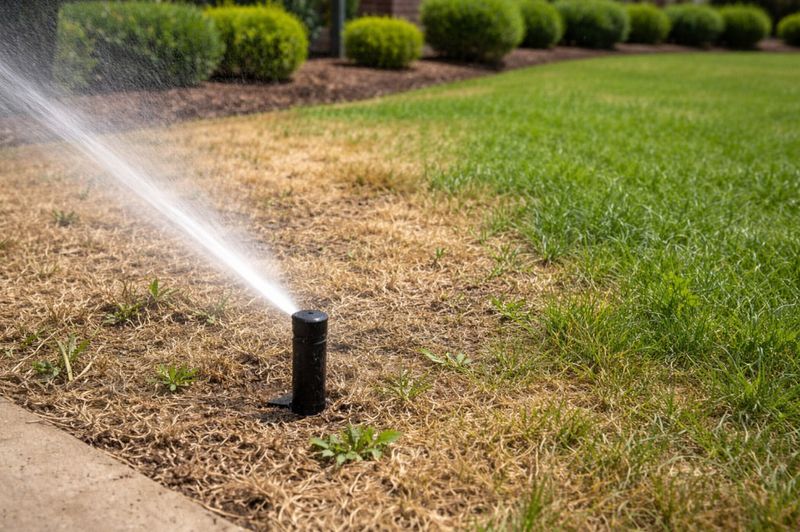
Soggy lawns are basically a welcome mat for moles, and Florida homeowners are especially guilty of this one. The warm climate often tricks people into thinking their grass needs constant water, but overwatering is one of the fastest ways to invite moles onto your property.
When soil stays consistently wet, it becomes soft and easy to tunnel through, which is exactly what moles are looking for.
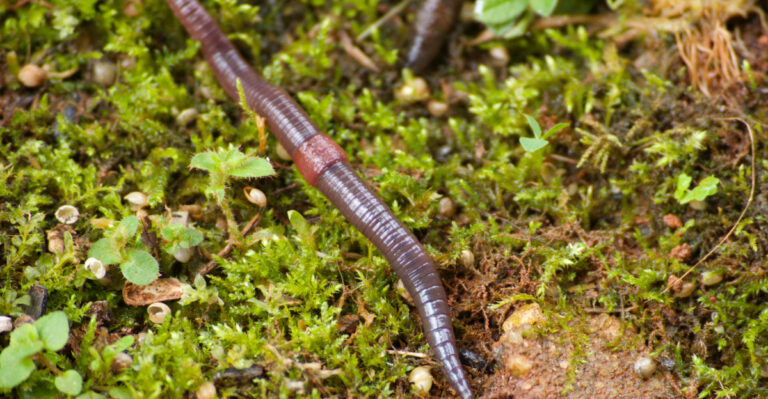
Moist soil also creates the perfect environment for earthworms and other small insects to thrive just below the surface. Since these creatures are a mole’s main food source, a wet lawn essentially sets up an all-you-can-eat buffet underground.
The more food available, the more likely moles are to stick around and expand their tunnel networks across your yard.
Florida’s sandy soil can actually drain fairly well when managed correctly, so there’s no excuse for constant soggy conditions. Water your lawn deeply but less frequently, allowing the top few inches of soil to dry out between sessions.
Most Florida grasses like St. Augustine or Bahia do well with about one inch of water per week, including rainfall. Investing in a smart sprinkler timer can help you avoid accidental overwatering.
Checking soil moisture with a simple probe before turning on the sprinklers is another easy habit that makes a big difference. Keeping your soil on the drier side won’t just deter moles, it’ll also improve your grass’s overall root health and reduce the risk of lawn fungus, which is a common issue in Florida’s humid climate.
Cutting back on water is one of the simplest and most effective changes you can make.
2. Encouraging Grubs And Soil Insects
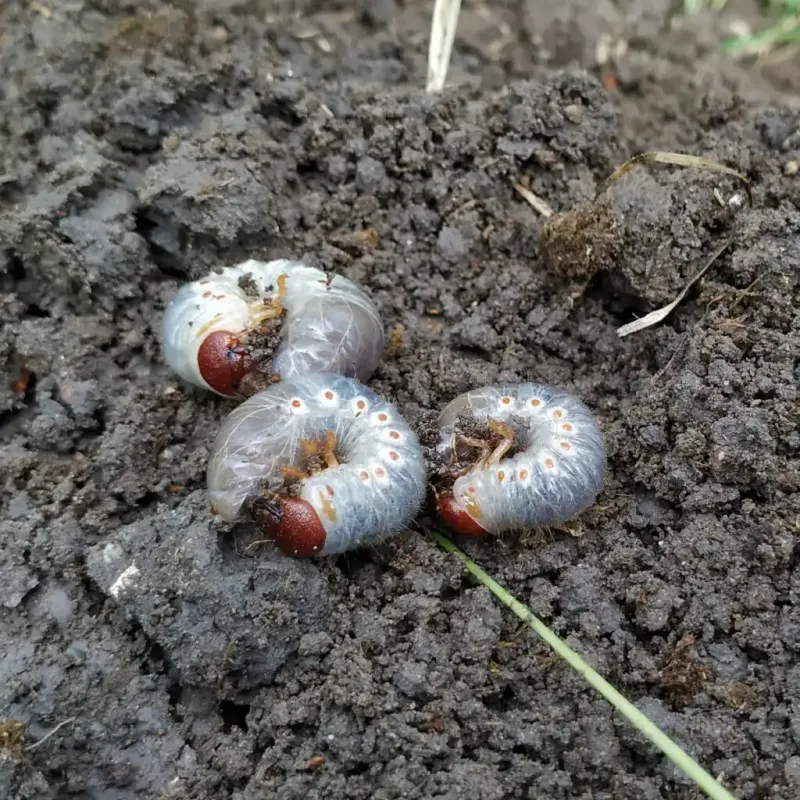
Grubs are basically a mole’s favorite meal, and if your Florida yard has a grub problem, you’re practically rolling out the red carpet for these tunneling pests. White grubs, the larvae of scarab beetles such as June beetles, live just beneath the surface of lawns and can attract moles searching for food.
A yard full of grubs is one of the top reasons moles keep coming back season after season.
Your Florida Garden Changes Every Week. Your Plan Should Too.
Gardening in Florida changes quickly throughout the season. Every Friday you’ll receive a simple weekly plan showing exactly what to plant, prune, fertilize, harvest, and protect so you never miss the right timing.
Many Florida homeowners don’t even realize they have a grub infestation until the moles show up. Signs of grubs include brown patches of grass that peel back easily like a rug, spongy turf underfoot, and an uptick in birds pecking at your lawn.
If you’re seeing any of these signs, there’s a good chance your soil is loaded with grubs that are drawing moles right to your doorstep.
Addressing a grub problem early is key to keeping moles away. Beneficial nematodes are a natural, eco-friendly option that works well in Florida’s warm soil.
These microscopic organisms attack and reduce grub populations without harming your lawn or other beneficial insects. Milky spore targets Japanese beetle grubs specifically, so it is not usually useful for most Florida lawn grub problems.
For more severe infestations, applying a targeted grub-control product in late spring or early summer, when grubs are young and close to the surface, gives you the best results. Reducing excess thatch, which harbors beetles that lay grub eggs, also helps break the cycle over time.
Keeping grub populations low means fewer moles will find your Florida lawn worth visiting, and that’s a win for your grass, your garden, and your peace of mind.
3. Using Excess Organic Matter In Turf

Piling on the compost and organic material might feel like great lawn care, but too much of a good thing can backfire fast. Excess organic matter in your turf creates a rich, decomposing layer near the soil surface that earthworms and other soil insects absolutely flock to.
Since moles follow their food supply, a yard loaded with organic matter essentially turns your Florida lawn into prime mole territory.
Thatch buildup is a related problem that many Florida homeowners overlook. When grass clippings, roots, and organic debris build up faster than they can break down, they form a spongy layer between the grass blades and the soil.
This layer traps moisture, feeds worm populations, and makes it much easier for moles to navigate underground. In Florida’s warm and humid conditions, thatch can build up surprisingly quickly, especially in lawns with St. Augustine grass.
Being more mindful about how much organic material you add to your yard goes a long way. Compost is great for garden beds, but applying it heavily across the entire lawn can create conditions that attract unwanted wildlife.
Stick to thin, even applications when top-dressing your turf. Dethatching your lawn once a year, typically in late spring after the grass starts actively growing, helps prevent that problematic buildup.
Using a rake or a power dethatcher removes the excess layer and improves airflow to the soil below. You can also mulch grass clippings in moderation rather than letting them pile up.
Keeping organic matter at healthy, balanced levels means your soil stays productive without becoming an underground dining hotspot for moles roaming through Florida neighborhoods looking for their next meal.
4. Ignoring Lawn Pest Infestations
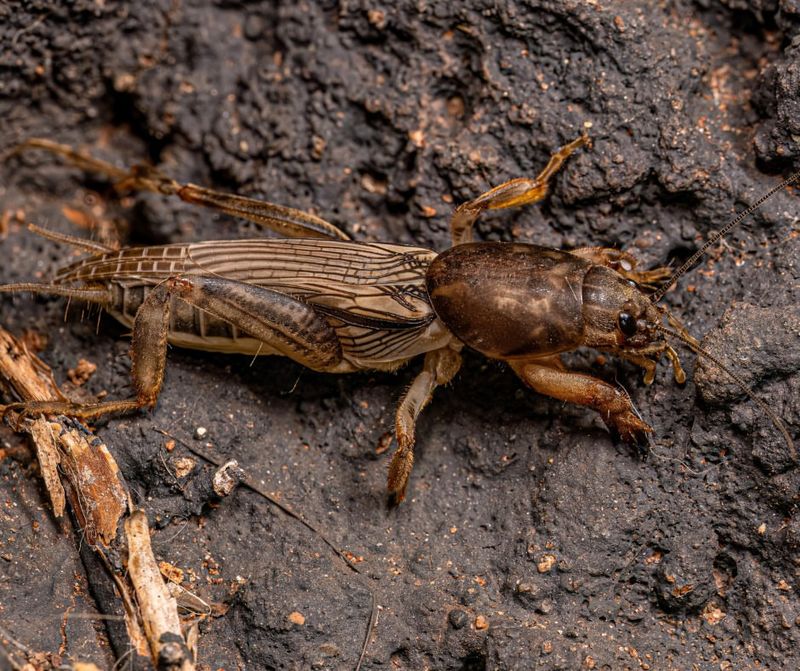
Letting lawn pest problems slide is one of the biggest mistakes Florida homeowners make, and it almost always leads to bigger headaches down the road. Mole crickets, white grubs, ants, slugs, and some caterpillars can attract moles to Florida lawns because they are part of a mole’s food supply.
When pest populations go unchecked, moles quickly pick up on the underground buffet and start tunneling toward it.
Mole crickets are a particularly serious problem in Florida. These large insects burrow through soil and turf, loosening the ground and making it even easier for moles to move through.
Mole cricket damage and mole tunneling often look similar, which causes homeowners to confuse the two issues. Treating only one problem while ignoring the other means the infestation cycle continues, and your lawn keeps suffering the consequences.
Staying on top of lawn pest management throughout the year is essential in Florida’s climate, where warm temperatures allow insects to stay active far longer than in other states. Walk your yard regularly and look for signs of pest activity, including chewed grass blades, irregular brown patches, and unusual soil disturbance.
Treating pest outbreaks promptly with appropriate products, whether biological or chemical, reduces the food supply that attracts moles. Consulting with a local Florida pest control professional can help you identify exactly what’s living in your soil and create a targeted treatment plan.
Keeping pest populations under control doesn’t just protect your grass from direct insect damage, it also removes one of the primary reasons moles find your yard so appealing in the first place. A pest-free lawn is a much less inviting place for moles to set up home.
5. Maintaining Thick, Constantly Moist Turf
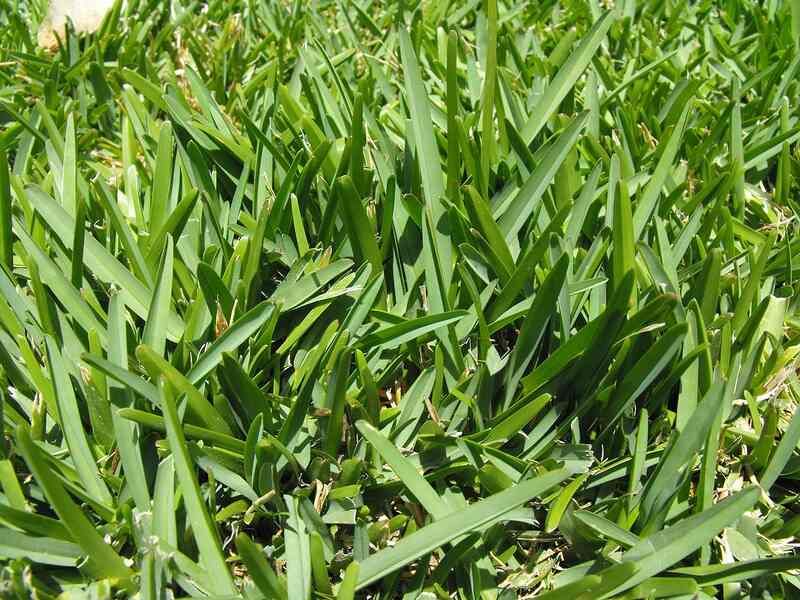
A thick, lush lawn is something most Florida homeowners dream about, but keeping it constantly moist is a recipe for mole trouble. Dense, perpetually damp turf creates conditions that are nearly perfect for moles to tunnel through.
The moisture keeps the soil soft, the thick grass cover provides shade that slows evaporation, and the overall environment supports the worm and insect populations that moles depend on for survival.
Florida’s naturally warm and humid climate already encourages moisture retention in lawns, especially during the rainy season from June through September. When homeowners add extra irrigation on top of heavy rainfall, the soil rarely gets a chance to firm up.
Moles prefer soft, workable soil because it takes less energy to dig through, so a yard that stays perpetually squishy is going to attract them far more than a lawn that cycles between moist and dry.
Balancing turf thickness and moisture levels takes some intentional effort but pays off significantly. Start by adjusting your irrigation schedule to account for natural rainfall, using a rain gauge or smart irrigation controller to avoid unnecessary watering.
Aerating your lawn at least once a year improves drainage and helps the soil firm up between watering cycles. Choosing grass varieties appropriate for Florida’s climate, like Bahia or Zoysia, can also help because they tend to tolerate drier conditions better than other types.
Mowing at the correct height for your grass type encourages deeper root growth and reduces surface moisture. Avoiding late-evening watering prevents moisture from sitting on the lawn overnight.
Making these small but consistent adjustments transforms your yard from a mole magnet into a much less hospitable environment for these persistent underground wanderers throughout Florida.
6. Skipping Soil Compaction Management
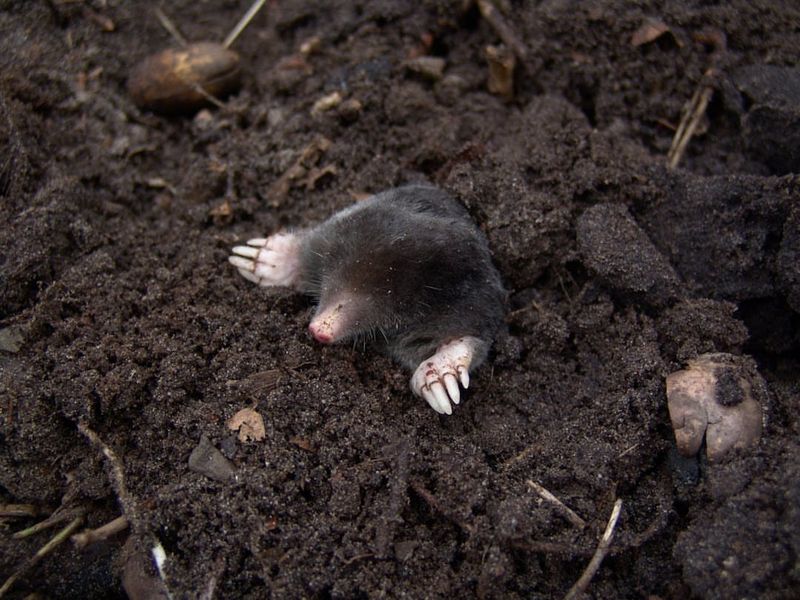
Here’s something most Florida homeowners don’t think about until problems show up: soil compaction plays a surprising role in whether or not moles find your yard attractive. You might assume that hard, compacted soil would actually stop moles from digging, but the reality is more complicated.
Compacted soil often leads to poor drainage, which causes water to pool near the surface, creating the exact moist, worm-friendly conditions that bring moles in.
When soil is compacted, grass roots struggle to grow deeply, which weakens the overall turf and makes it harder for your lawn to dry out properly between waterings. Shallow root systems also create more surface-level organic activity, which keeps earthworms and insects feeding near the top of the soil where moles can easily reach them.
It’s a cycle that starts with neglected soil health and ends with mole tunnels running across your Florida yard.
Core aeration is one of the best tools available for managing compaction and improving your lawn’s overall resilience. By pulling small plugs of soil from the ground, aeration opens up channels for water, air, and nutrients to move more freely through the root zone.
This encourages deeper root growth, improves drainage, and helps the soil firm up appropriately. In Florida, the best time to aerate warm-season grasses is during late spring or early summer, when the grass is actively growing and can recover quickly.
Pairing aeration with overseeding or top-dressing with a light layer of quality compost can further improve soil structure over time. Managing compaction isn’t just about keeping moles away, it’s about building a stronger, healthier lawn that’s better equipped to handle Florida’s intense heat, heavy rains, and the wide range of pests that come with living in the Sunshine State.
7. Creating Ideal Habitat With Dense Ground Cover
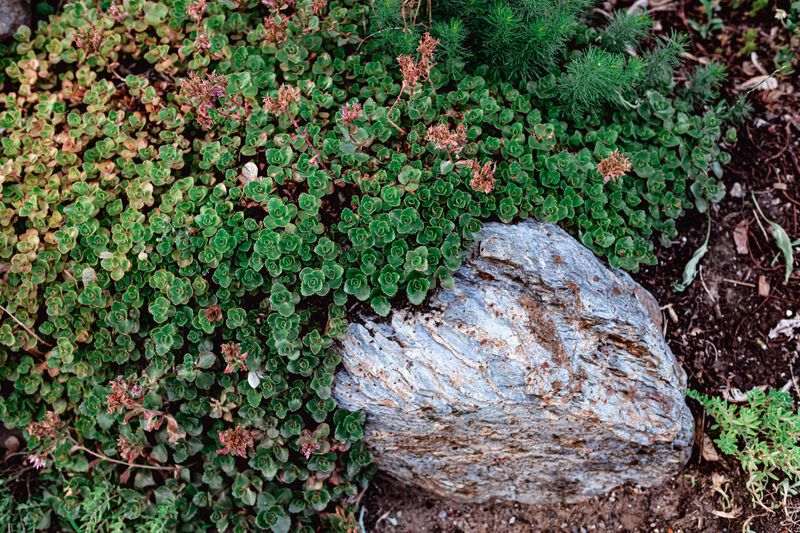
Dense ground cover might look beautiful in a Florida garden, but it can quietly become one of your biggest mole-attracting mistakes. Thick, low-growing plants can help soil stay cooler and moister, which may support more earthworms and soil insects that can draw moles into the area.
Ground cover plants also make it harder to spot early signs of mole activity. Raised tunnels and disturbed soil get hidden beneath the foliage, allowing moles to move freely through your yard for weeks before you even notice the damage.
By the time the tunnels become visible, the moles may have already established an extensive underground network beneath your carefully landscaped Florida garden beds.
Rethinking how you use ground cover in your yard can make a noticeable difference. Instead of blanket planting across large areas, try using ground cover in smaller, strategic sections with open space between plantings.
This reduces the continuous shaded canopy that keeps soil moist and sheltered. Choosing plants that don’t trap moisture or create thick leaf litter at the soil surface is also a smart move in Florida’s humid climate.
Regularly clearing debris from beneath ground cover plants removes the organic buildup that feeds worm populations. Installing a gravel or mulch border around dense plantings can help create a drier buffer zone that’s less appealing to moles.
Pairing these landscaping adjustments with consistent pest management and smart watering habits can make your Florida yard less attractive to moles. A little planning goes a long way when it comes to making your outdoor space less inviting to these relentless underground tunnelers.