A Newly Recognized Texas Bee Depends On This Native Shrub To Survive
Every so often, a discovery reminds us how much we still have to learn about the natural world right here in Texas.
In the dry landscapes of southwestern Texas, scientists recently confirmed a new bee species called Andrena cenizophila.
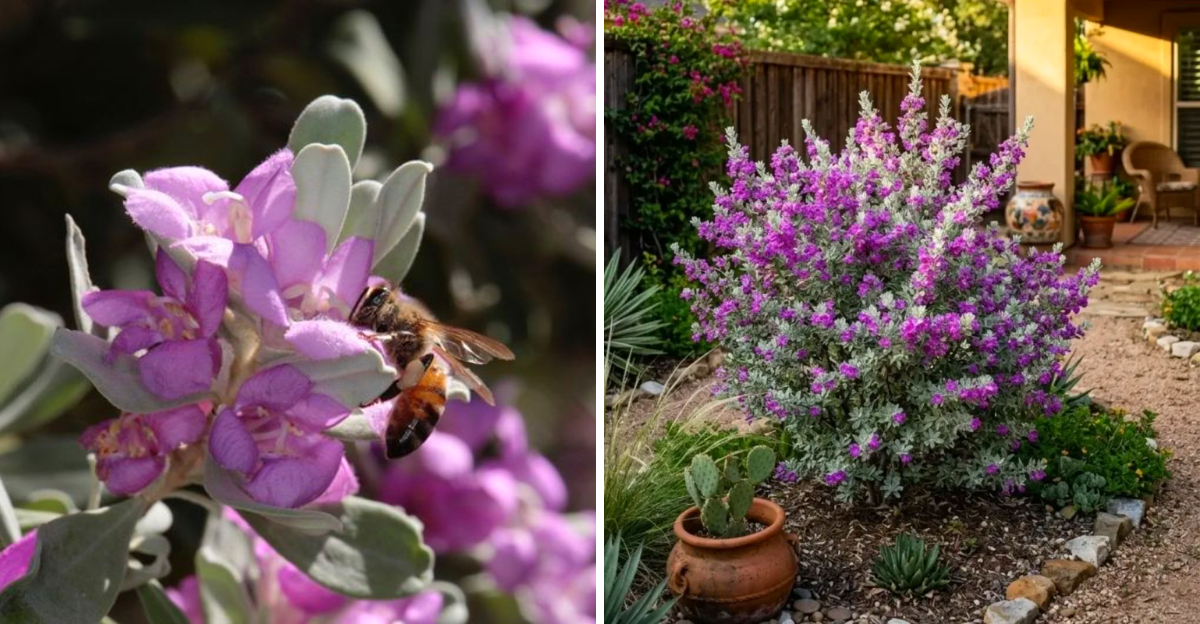
This small, ground-nesting bee shows a remarkably close connection to cenizo, the native shrub often called Texas purple sage.
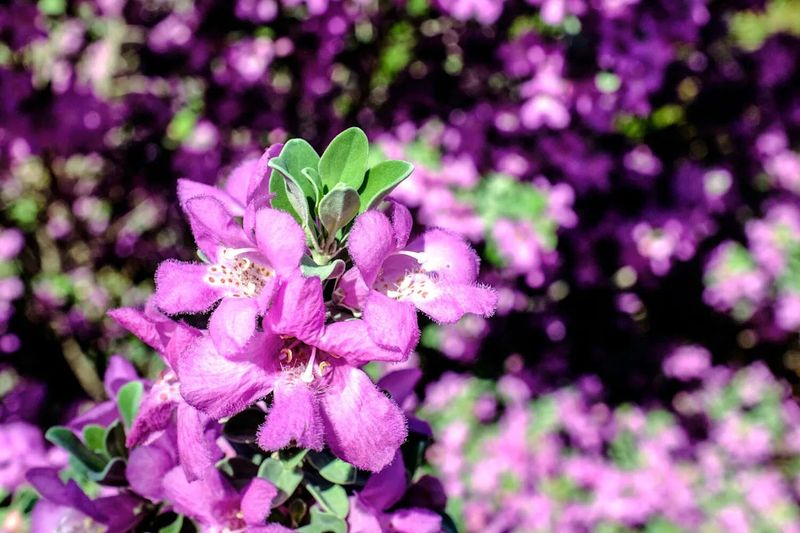
After rainfall, cenizo bursts into waves of purple blooms across hillsides, and that seasonal display turns out to be far more than a pretty sight.
The discovery highlights how tightly linked some native pollinators are to specific Texas plants, and why those relationships matter for both wild spaces and home landscapes.
1. Andrena Cenizophila Is Closely Tied To Cenizo In Texas
Across the rocky, sun-baked hillsides of southwestern Texas, a remarkable relationship has been quietly unfolding between a tiny bee and a familiar native shrub.
Scientists recently confirmed that Andrena cenizophila, a newly recognized mining bee, is one of the most specialized pollinators found anywhere in the Texas landscape.
Its name literally translates to “lover of cenizo,” which tells you just about everything you need to know about how closely this bee depends on a single plant.
Cenizo, known scientifically as Leucophyllum frutescens and commonly called Texas purple sage, is a drought-tolerant shrub that thrives across much of western and central Texas.
It grows naturally on limestone soils, rocky slopes, and open brushlands where rainfall is scarce and summer heat is intense.
For most Texans, cenizo is simply a reliable, low-maintenance landscape plant. For Andrena cenizophila, however, it represents something far more essential.
Field observations and pollen analysis have shown that this bee relies on cenizo flowers for nearly all of its nutritional needs.
Rather than visiting a wide variety of blooms the way many generalist bees do, Andrena cenizophila focuses almost exclusively on cenizo pollen to feed itself and provision its underground nests.
This tight bond between a single bee and a single plant species is called oligolecty, and it makes the survival of Andrena cenizophila inseparable from the health and availability of cenizo across the Texas region.
2. Cenizo Blooms Create A Key Food Source For Andrena Cenizophila
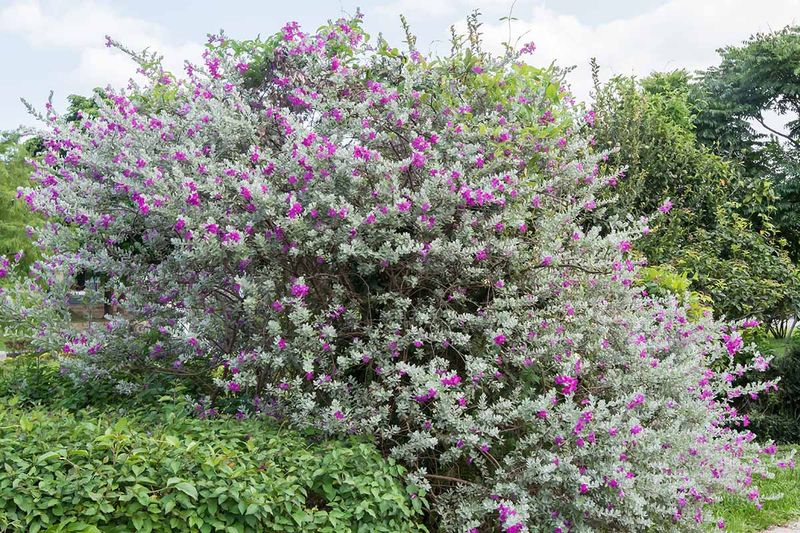
Few sights in Texas are quite as striking as a cenizo shrub erupting into full purple bloom after a summer rain.
This blooming pattern, triggered by increased humidity or rainfall rather than a fixed calendar date, makes cenizo somewhat unpredictable compared to many other flowering plants.
For most gardeners, those blooms are simply a visual treat. For Andrena cenizophila, they represent a brief but critically important window of food availability.
Cenizo blooms tend to last roughly a week before fading, and the timing of each bloom cycle is closely tied to Texas weather patterns.
In a region where rainfall can be sporadic and seasons are marked more by heat and drought than by consistent moisture, this kind of bloom timing creates real challenges for a bee that depends almost entirely on those flowers.
Andrena cenizophila must be ready to forage the moment cenizo blooms appear, gathering pollen quickly before the flowers fade.
Your Texas Garden Changes Every Week. Your Plan Should Too.
Gardening in Texas changes quickly throughout the season. Every Friday you’ll receive a simple weekly plan showing exactly what to plant, prune, fertilize, harvest, and protect so you never miss the right timing.
Pollen gathered from cenizo flowers serves as the primary food source for both adult bees and their developing larvae. Female bees pack collected pollen into underground cells where eggs are laid, giving each larva a nutritious food supply to grow on.
Without regular access to cenizo blooms, the bee has very limited options for alternative nutrition.
This dependency makes the flowering cycles of cenizo in Texas landscapes directly relevant to whether Andrena cenizophila populations can successfully reproduce and sustain themselves season after season.
3. Andrena Cenizophila Appears When Cenizo Comes Into Bloom
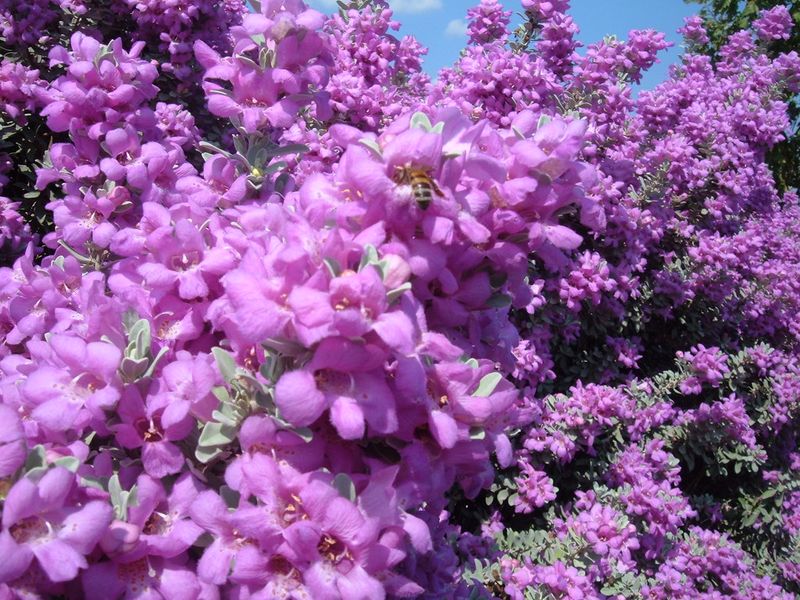
Timing is everything in the natural world, and Andrena cenizophila has developed a life cycle that lines up with one of the most weather-driven bloom events in the Texas plant calendar.
Rather than emerging on a predictable seasonal schedule the way some bees do, this species appears to synchronize its activity with the blooming of cenizo, which itself is triggered by rainfall or shifts in humidity.
This makes the bee’s active period somewhat variable from year to year, depending on when Texas receives enough moisture to prompt the shrub into flower.
Researchers studying the bee have noted that collections of Andrena cenizophila specimens align closely with documented cenizo bloom events in southwestern Texas and the neighboring Mexican state of Coahuila.
This geographic and temporal overlap is not coincidental.
The bee has evolved to be active precisely when its food source is available, which is a strategy that makes ecological sense but also leaves little room for flexibility.
When cenizo blooms are delayed by drought or when rainfall patterns shift, the window of opportunity for Andrena cenizophila narrows considerably.
A single bloom cycle may last only about a week, so bees must forage intensively during that short period to gather enough pollen for their nests.
This urgency shapes almost every aspect of the bee’s behavior during its active season. Watching a cenizo shrub in bloom in Texas means you may actually be witnessing one of the most time-sensitive pollinator events in the entire region.
4. This Texas Bee Is Found Where Cenizo Naturally Grows
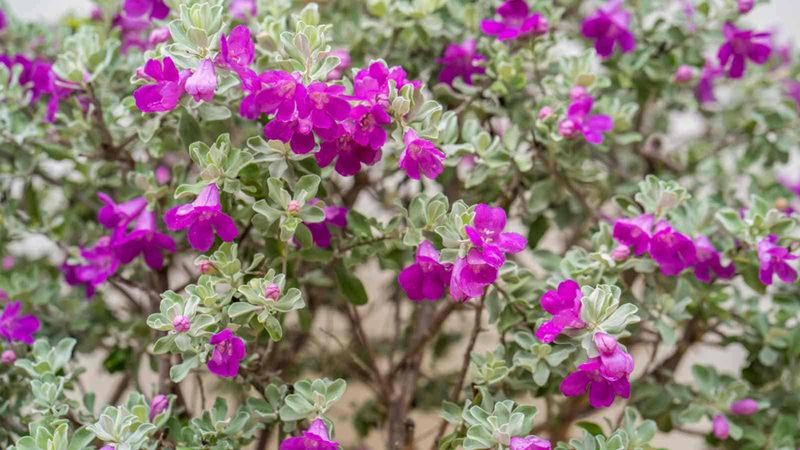
Geography plays a major role in the story of Andrena cenizophila. Unlike many bee species that range widely across different habitat types, this newly recognized species has been found only in areas where cenizo naturally occurs.
Its documented range covers southwestern Texas and extends into the neighboring Mexican state of Coahuila, a region characterized by arid conditions, rocky limestone terrain, and sparse but resilient native vegetation.
Cenizo thrives in these same conditions. The shrub is well adapted to thin, well-drained soils, intense sun exposure, and limited rainfall, which are exactly the conditions found across much of western Texas.
It often grows along rocky slopes, canyon edges, and open brushlands where few other flowering shrubs can compete.
In these environments, cenizo can be one of the most reliable nectar and pollen sources available during its brief bloom periods.
For Andrena cenizophila, habitat and food source are essentially the same thing. Where cenizo grows, the bee can potentially survive.
Where cenizo is absent, the bee has little reason to be present.
This tight geographic overlap between plant and pollinator means that land use changes, development, or the removal of native vegetation in southwestern Texas could directly affect where this bee is able to live.
Protecting cenizo habitat in Texas is not just about preserving a pretty landscape plant. It is about maintaining the conditions that allow specialized pollinators like Andrena cenizophila to continue existing in the region.
5. Cenizo Supports Specialized Bees Like Andrena Cenizophila
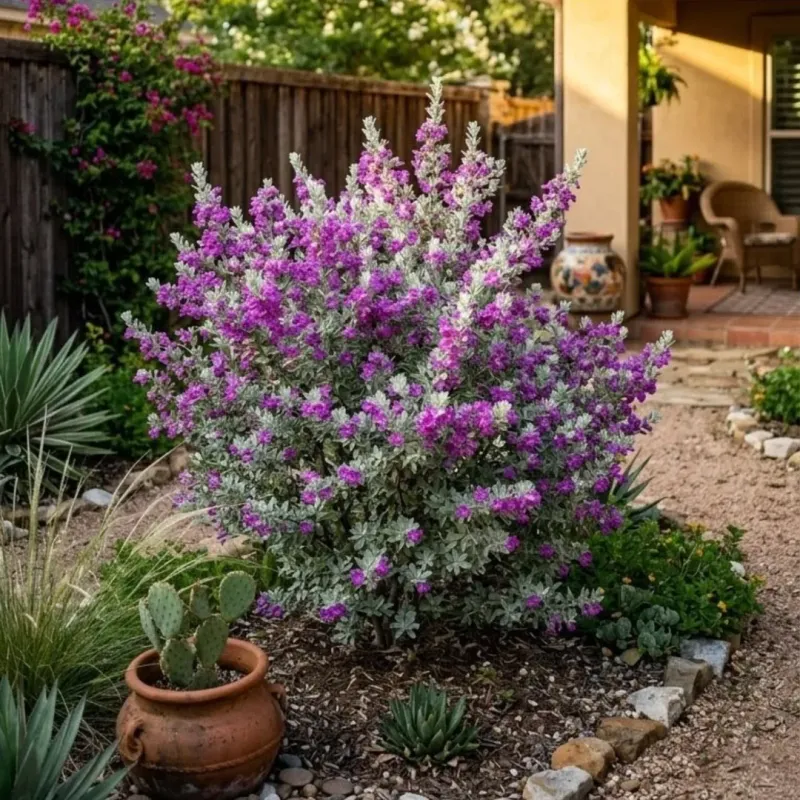
Not every flowering plant earns the loyalty of a dedicated pollinator, but cenizo has done exactly that. Among the many native shrubs growing across Texas, cenizo stands out as a host plant capable of supporting highly specialized bee relationships.
Its flowers produce pollen that certain bees have evolved to collect almost exclusively, and Andrena cenizophila represents one of the most striking examples of this kind of plant-pollinator partnership.
Specialist bees like Andrena cenizophila are sometimes called oligolectic bees, meaning they collect pollen from only one plant genus or a very narrow group of related plants.
This is different from the behavior of generalist bees, such as honeybees, that visit dozens of different flower species.
Specialist bees often have physical adaptations that make them particularly efficient at collecting pollen from their preferred plants, which can benefit those plants through more effective pollination.
Cenizo’s value as a support plant extends beyond Andrena cenizophila. The shrub’s flowers also attract a range of other native bees, butterflies, and insects during bloom periods, making it a genuinely productive addition to any Texas native plant garden.
However, its relationship with Andrena cenizophila is uniquely close. Supporting cenizo in Texas landscapes means actively creating conditions where this specialized bee can feed, nest, and reproduce.
Gardeners who plant cenizo in well-drained, sunny spots are contributing to the broader ecological web that keeps native pollinator communities healthy and functioning across the Texas region.
6. What Andrena Cenizophila Means For Texas Gardens
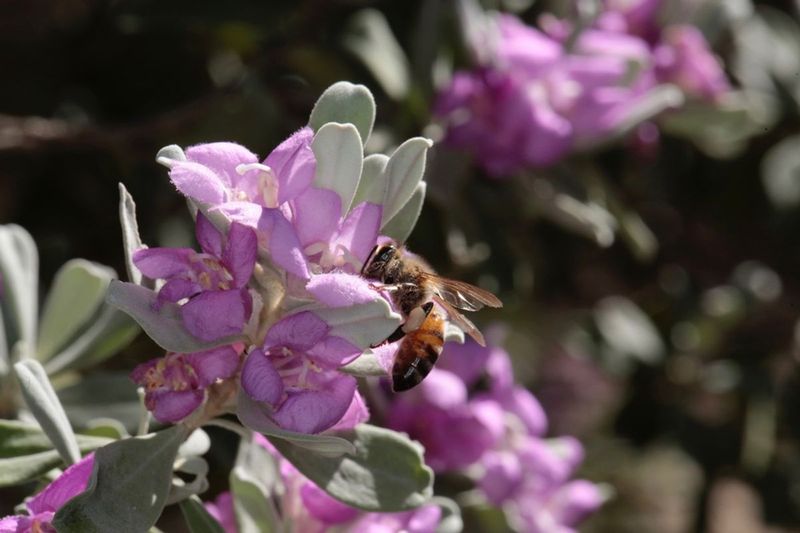
Learning about Andrena cenizophila changes the way you might think about choosing plants for a Texas garden. Most people select landscape plants based on appearance, water needs, or how well they handle the Texas heat.
Those are all reasonable considerations.
But knowing that a newly recognized bee species depends almost entirely on cenizo for its survival adds a compelling ecological reason to include this shrub in home gardens, public spaces, and restoration projects across the state.
Cenizo is genuinely one of the easier native shrubs to grow in Texas conditions. It prefers well-drained soils, tolerates drought well once established, and asks for very little maintenance beyond occasional pruning to maintain shape.
It grows best in full sun and tends to struggle in heavy clay soils that hold excess moisture.
Planted along a sunny fence line, rocky slope, or dry garden bed, cenizo can thrive for many years while providing seasonal blooms that attract a variety of pollinators.
The discovery of Andrena cenizophila is a reminder that native plants carry ecological value that goes well beyond their visual appeal.
Each time cenizo blooms in a Texas yard or public landscape, it may be supporting a bee species that has no other reliable food source.
Choosing cenizo for a garden is a small but meaningful way to participate in the conservation of native Texas pollinators.
Even a single well-placed shrub can make a real difference for the specialized bees and insects that depend on it throughout the growing season.