The Helpful And Harmful Bugs You’ll Find In Texas Gardens
Texas gardens are full of surprises, and some of the biggest ones come with six legs. One day, you spot butterflies floating over your flowers and ladybugs tucked into the leaves.
The next, you notice chewed-up plants, curling stems, or a swarm of tiny insects turning your hard work into lunch. That mix of good and bad is part of what makes gardening in Texas so interesting.
Bugs are always around, especially with the state’s long growing season and warm weather, and not all of them deserve the same reaction.
Some insects are quiet helpers that pollinate blooms, improve soil, or keep destructive pests under control. Others can spread fast and leave vegetables, herbs, and ornamentals struggling to survive.
Knowing the difference can save you time, money, and a lot of frustration. Instead of treating every bug like a problem, it helps to know which ones are working in your favor and which ones are clearly not.
Once you can tell the helpful insects from the harmful ones, your garden becomes a lot easier to protect and a lot more rewarding to grow.
1. Lady Beetles (Ladybugs)
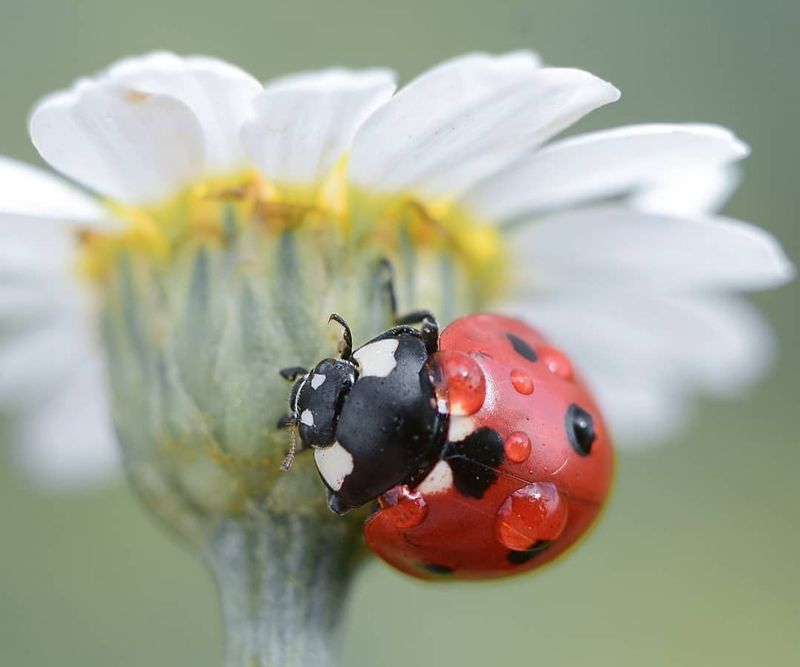
Spot a round, red bug with black dots crawling across your tomato plants, and chances are you have a ladybug on your side.
Lady beetles, commonly called ladybugs, are some of the most helpful insects you will ever find in a Texas garden. They are small but mighty, and they work around the clock to protect your plants.
What makes them so valuable is their appetite. Ladybugs feed heavily on aphids, whiteflies, and other soft-bodied pests that love to damage vegetables and flowering plants.
A single ladybug can consume hundreds of aphids in just one day. Over its lifetime, that number climbs into the thousands.
For Texas gardeners dealing with pest pressure during the long growing season, that kind of natural pest control is priceless.
You can attract more ladybugs to your garden by planting flowers like dill, fennel, and yarrow. These plants produce nectar and pollen that adult ladybugs love.
Avoiding broad-spectrum pesticides also helps, because those chemicals can harm ladybugs along with the pests you are trying to manage. If you see ladybug eggs, which look like small yellow clusters on the undersides of leaves, leave them alone.
Those eggs will hatch into hungry larvae that eat even more pests than the adults do. In Texas, ladybugs are truly a gardener’s best friend.
2. Native Bees
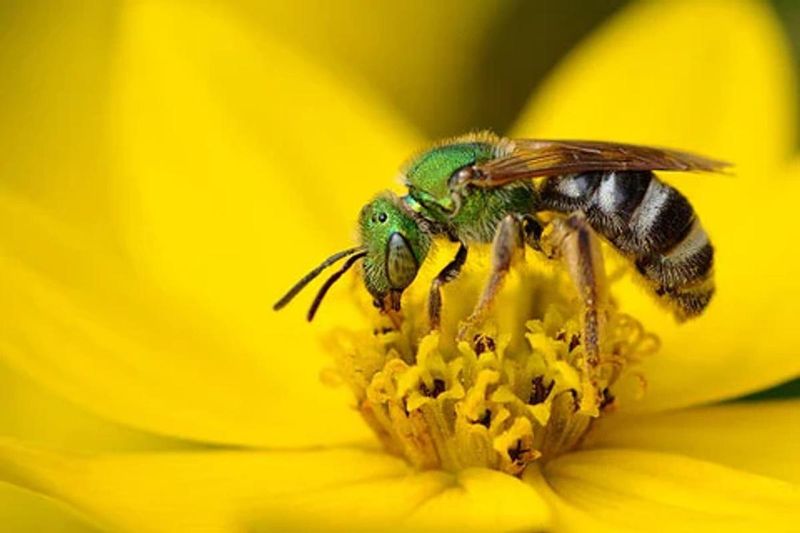
Without bees, many of your favorite Texas garden plants simply would not produce food. Native bees are pollinators that transfer pollen from flower to flower, which is how plants like tomatoes, peppers, squash, and melons are able to grow fruit.
Honeybees get most of the attention, but Texas is home to hundreds of native bee species that do incredible work right in your backyard.
Bumblebees, sweat bees, and mason bees are just a few of the native species you might spot in a Texas garden. Some of these bees use a special technique called buzz pollination, where they vibrate their bodies rapidly to shake pollen loose from flowers.
Your Texas Garden Changes Every Week. Your Plan Should Too.
Gardening in Texas changes quickly throughout the season. Every Friday you’ll receive a simple weekly plan showing exactly what to plant, prune, fertilize, harvest, and protect so you never miss the right timing.
Tomatoes respond really well to this method, which means native bees can actually be more effective than honeybees for certain crops.
Supporting native bees is easier than most people think. Plant a variety of flowering plants that bloom at different times throughout the season so bees always have a food source.
Leave small patches of bare soil in your garden, because many native bees nest in the ground. Avoid using pesticides during the early morning or evening when bees are most active.
Providing a shallow dish of water also helps bees stay hydrated during hot Texas summers. These small steps make a big difference for your garden and for local bee populations.
3. Ground Beetles
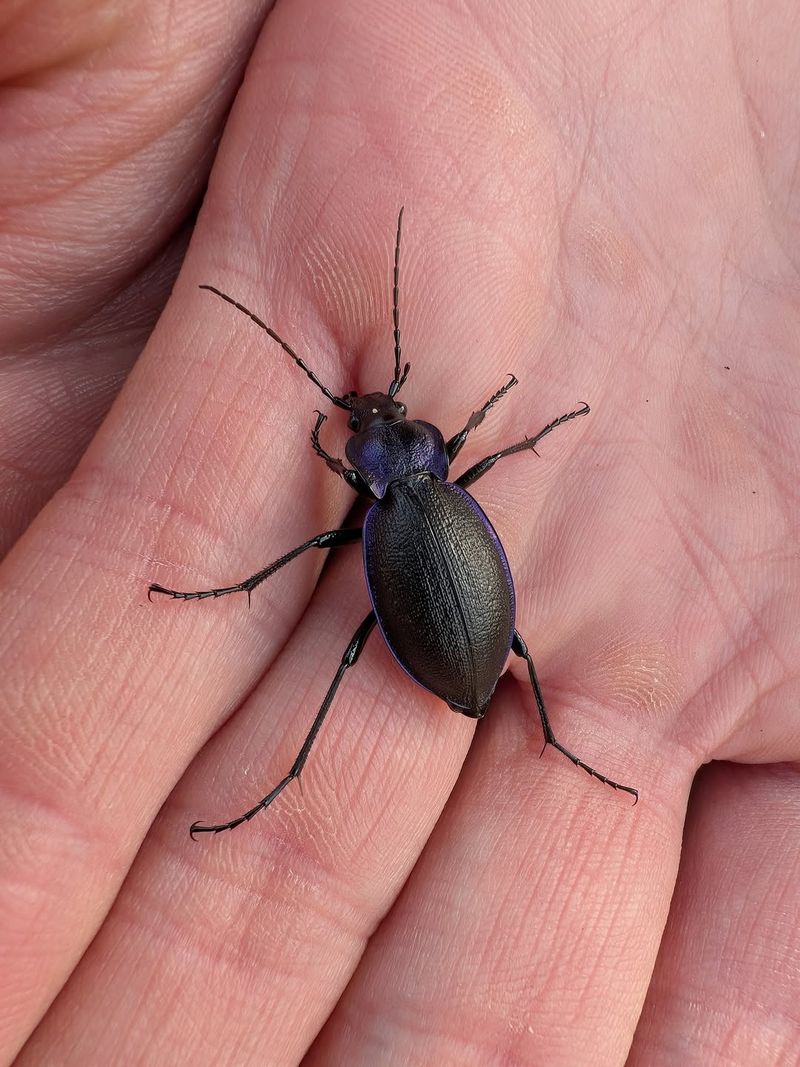
Most gardeners never think much about the bugs living beneath their feet, but ground beetles are quietly doing some of the most important pest control work in any Texas garden.
These dark, shiny insects spend most of their lives in the soil, hunting down pests that damage plants from underground. They are fast movers and aggressive hunters.
Ground beetles target some of the most destructive soil-dwelling pests around, including caterpillars, cutworms, and insect larvae that feed on plant roots.
Cutworms alone can wipe out young seedlings overnight, so having ground beetles patrolling the soil is a major advantage for Texas gardeners.
Both the adult beetles and their larvae are predators, which means they are working to protect your plants at every stage of their lives.
Creating a welcoming environment for ground beetles is simple. They love hiding under mulch, rocks, and leaf litter during the day, so adding a layer of organic mulch around your plants gives them great shelter.
Keeping some areas of your garden slightly undisturbed also helps, because ground beetles prefer stable soil where they can build their hunting territory. Reducing tillage whenever possible protects their habitat.
Since Texas gardens often deal with cutworm damage in spring, having a healthy ground beetle population can save your seedlings before the problem even starts.
4. Hoverflies
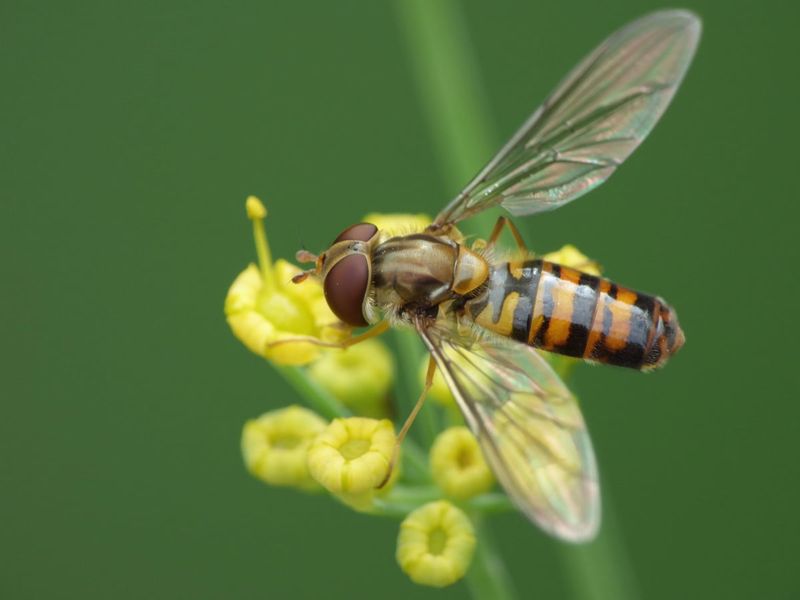
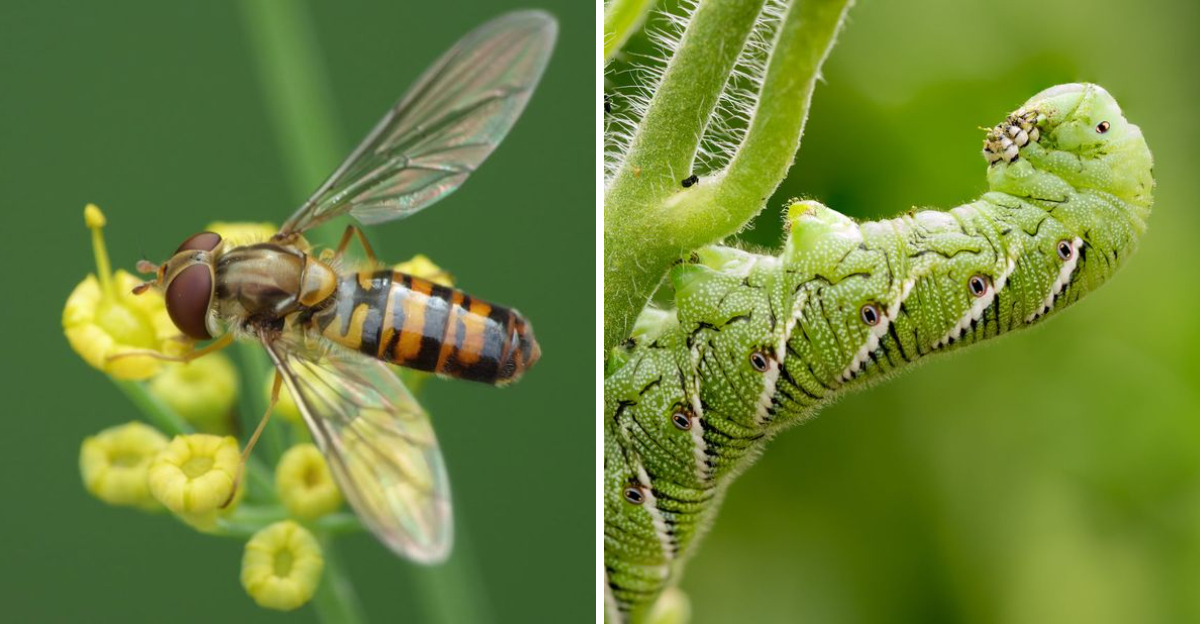
At first glance, hoverflies look a lot like bees or wasps, with their yellow and black striped bodies. But these insects do not sting, and they are actually one of the most underrated beneficial bugs in Texas gardens.
They play two important roles depending on their life stage, making them doubly useful for gardeners.
Adult hoverflies are pollinators. They visit flowers to feed on nectar and pollen, and in doing so, they help plants reproduce.
While adult hoverflies are busy pollinating, their larvae are doing something equally impressive. Hoverfly larvae are voracious predators of aphids and other small soft-bodied pests.
A single larva can consume dozens of aphids before it matures into an adult fly. Attracting hoverflies to your Texas garden is straightforward. They are especially drawn to small, flat-topped flowers like dill, cilantro, and sweet alyssum.
Planting these herbs and companion flowers near your vegetable beds creates a habitat that hoverflies love.
Since Texas gardens often struggle with aphid outbreaks on pepper and tomato plants, having hoverfly larvae working alongside ladybugs creates a powerful natural defense team.
Avoid spraying pesticides near flowering plants where hoverflies feed, because even mild sprays can reduce their numbers. Once you know what to look for, you will start noticing hoverflies everywhere in a healthy Texas garden.
5. Tomato Hornworms
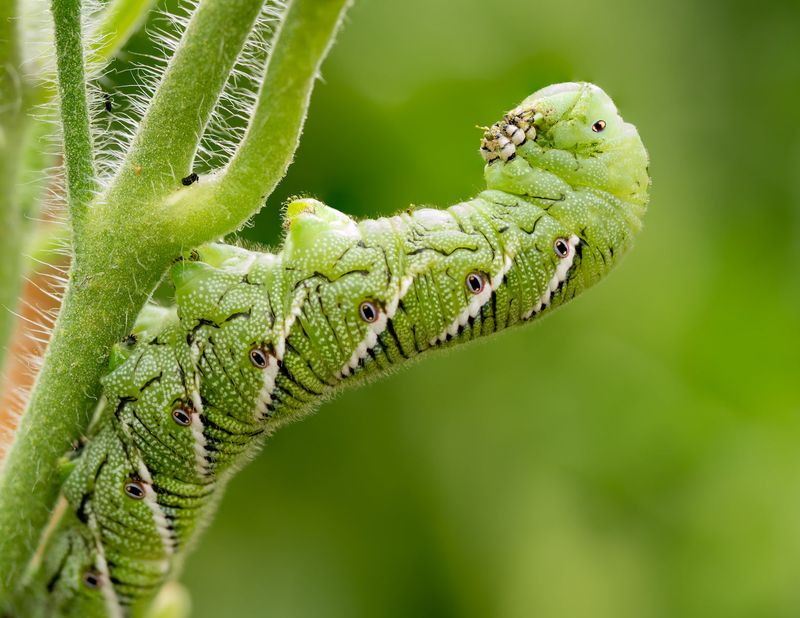
Few garden pests are as shocking to discover as the tomato hornworm. One day your tomato plants look perfectly healthy, and the next day the leaves are stripped bare.
These large green caterpillars are experts at blending into tomato plants, making them incredibly hard to spot until the damage is already done.
Tomato hornworms are the larvae of the five-spotted hawk moth, and they grow up to four inches long. In Texas, where tomato season runs long and warm, hornworms can cause serious problems very quickly.
They do not just eat leaves. They also chew through stems and even bite into the fruit itself, leaving behind large, irregular holes that ruin the harvest.
The best way to manage tomato hornworms in your Texas garden is to check your plants carefully every few days, especially during summer.
Look for chewed leaves, dark green droppings on the soil below plants, and the worms themselves hiding along stems and the undersides of leaves.
When you find one, remove it by hand and drop it into a bucket of soapy water. You can also look for hornworms covered in small white cocoons, which are actually parasitic wasp eggs.
Leave those worms alone, because the wasps will help control future generations naturally without any extra effort on your part.
6. Fire Ants
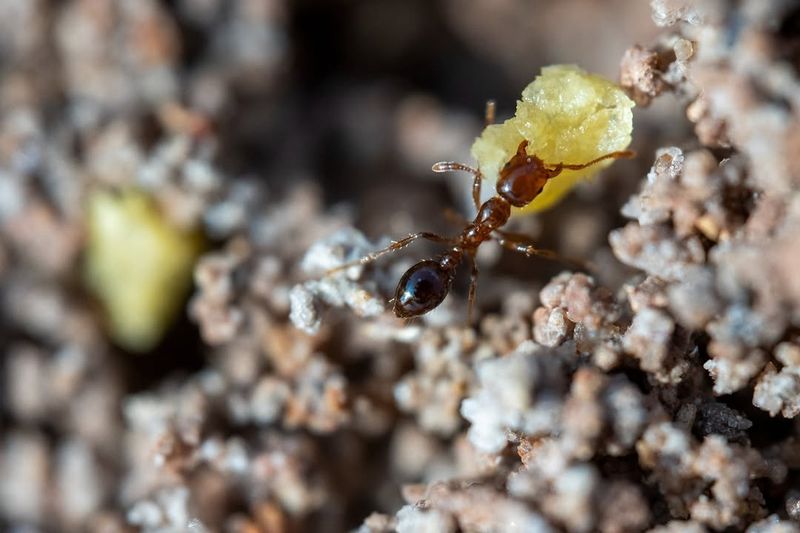
If you have ever accidentally stepped on a fire ant mound, you already know how unpleasant these insects can be. Fire ants are one of the most recognized and frustrating pests in Texas, and they cause problems in gardens in more ways than one.
Their painful stings make working in the garden uncomfortable, but the damage they cause goes beyond just stinging.
Fire ants build large mounds throughout garden beds, which can disrupt plant roots and make soil management difficult. They also have a sneaky habit of protecting aphids and other sap-sucking insects.
Fire ants feed on the sticky honeydew that aphids produce, so they actually guard aphid colonies from natural predators like ladybugs. This means a fire ant problem can make your aphid problem worse at the same time.
Managing fire ants in a Texas garden requires a consistent approach. Targeted bait treatments placed near mounds are effective and minimize harm to other insects.
Avoid disturbing mounds without protection, since fire ants swarm and sting rapidly when threatened. Keeping garden beds well-watered and mulched can make the environment less attractive to fire ants, since they prefer dry, sunny locations for nesting.
Some gardeners also use food-grade diatomaceous earth around plant bases as a deterrent. Staying on top of fire ant control early in the season makes the rest of your Texas gardening experience much more enjoyable and safe.
7. Aphids
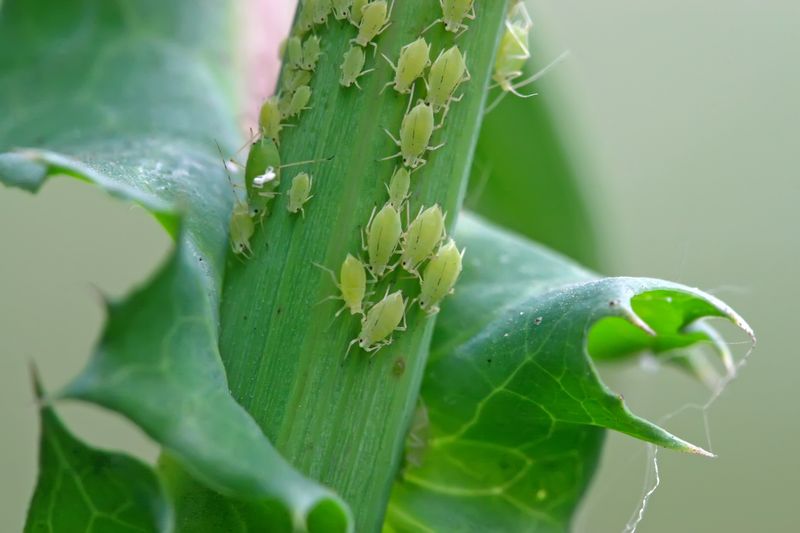
Tiny but destructive, aphids are one of the most common pest problems Texas gardeners face throughout the growing season.
These soft-bodied insects are usually green, yellow, black, or brown, and they gather in large numbers on the tender new growth of plants. Once an aphid colony gets established, it can grow fast.
Aphids feed by piercing plant tissue and sucking out the sap inside. Over time, this weakens the plant and causes leaves to curl, yellow, and look distorted.
As they feed, aphids also produce a sticky substance called honeydew, which coats leaves and encourages the growth of a black sooty mold. On top of that, aphids can spread plant viruses from one plant to another as they move through your garden.
Catching aphids early is the key to keeping them under control. Check the undersides of leaves regularly, especially on tomatoes, peppers, and roses, which are favorite targets in Texas gardens.
A strong blast of water from a garden hose can knock aphids off plants quickly and effectively. Insecticidal soap spray is another safe option that works well without harming beneficial insects too much when applied carefully.
Encouraging natural predators like ladybugs, hoverflies, and lacewings is the most sustainable long-term strategy. Planting nasturtiums nearby also works as a trap crop, drawing aphids away from your more valuable plants.
8. Squash Bugs
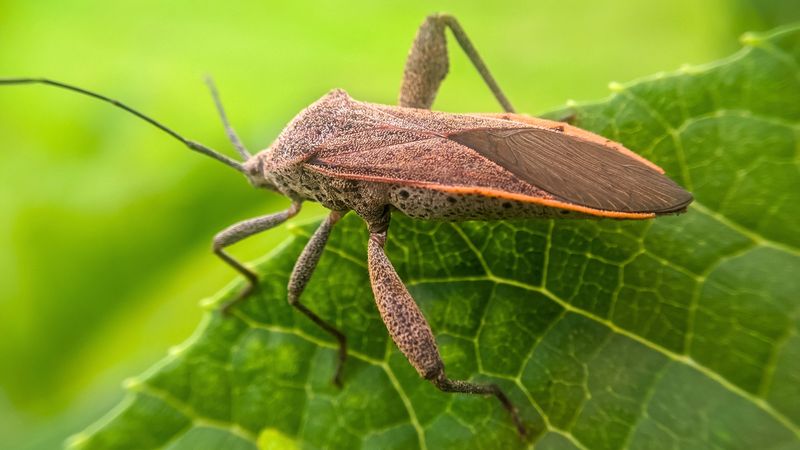
Squash bugs are one of the most stubborn and damaging pests that Texas gardeners growing cucurbits have to deal with. Zucchini, pumpkins, butternut squash, and cucumbers are all on their menu.
These flat, brownish-gray insects are sneaky, and by the time most gardeners notice them, the damage has already begun.
Squash bugs feed by piercing plant tissue and sucking out the juices inside. This causes leaves to wilt rapidly, turn yellow, and eventually dry out completely.
Young plants are especially vulnerable and can decline very quickly after a squash bug infestation takes hold. The bugs also release a toxic compound as they feed, which speeds up the wilting process and makes it harder for plants to recover.
Getting ahead of squash bugs early in the season is the most effective strategy. Check the undersides of leaves frequently for clusters of shiny bronze-colored eggs, which the bugs lay in neat rows.
Remove and crush any egg masses you find right away. Adult squash bugs are harder to manage, but hand-picking them during early morning when they are slower is a practical option for Texas home gardeners.
Row covers placed over young plants can prevent squash bugs from reaching them at all. Keeping garden beds clean and removing old plant debris at the end of the season also reduces the number of squash bugs that survive to the next year.