Spring Bulbs That Will Bloom All Season Long In California
California gardeners have a real advantage when it comes to spring blooms. The state’s mild winters and early warming temperatures give plants a head start, often bringing color weeks ahead of colder regions.
While no single plant blooms from late winter through early summer, combining early, mid, and late-season varieties can create a nearly continuous display.
With the right mix, a California garden can move from one wave of blooms to the next without much pause, keeping the landscape feeling vibrant and full throughout the entire spring season.
1. Crocus Adds Color At The Start Of Spring
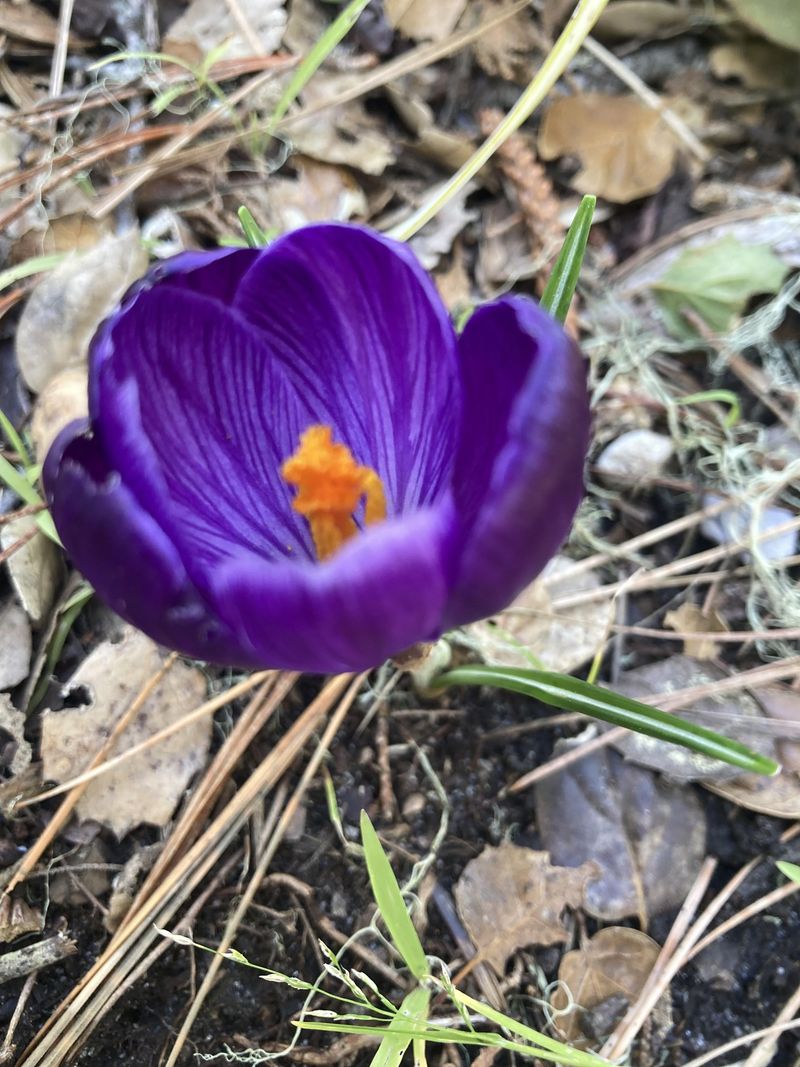
Few sights signal the arrival of spring quite like a cluster of crocus flowers pushing up through bare soil.
These cheerful little bloomers typically open in late January through early March across much of California, making them one of the earliest sources of garden color after snowdrops fade.
Crocuses come in a wide range of colors, from deep purple and lavender to white, yellow, and striped varieties. They grow from small corms planted about three to four inches deep in fall.
In California, they do best in areas with cool but not severely cold winters, thriving in spots with full sun to light shade and excellent soil drainage. Waterlogged soil is one of the main reasons corms struggle, so raised beds or sandy loam work especially well.
One interesting detail many gardeners overlook is that saffron, one of the world’s most prized spices, comes from a crocus species called Crocus sativus, which also grows well in parts of California.
For a season-long bloom strategy, crocuses serve as the energetic opening act, bridging the gap between snowdrops and the mid-spring wave of daffodils and hyacinths.
Planting them in groups of ten or more creates the most visual impact.
2. Daffodils Extend Bloom Time With Many Varieties
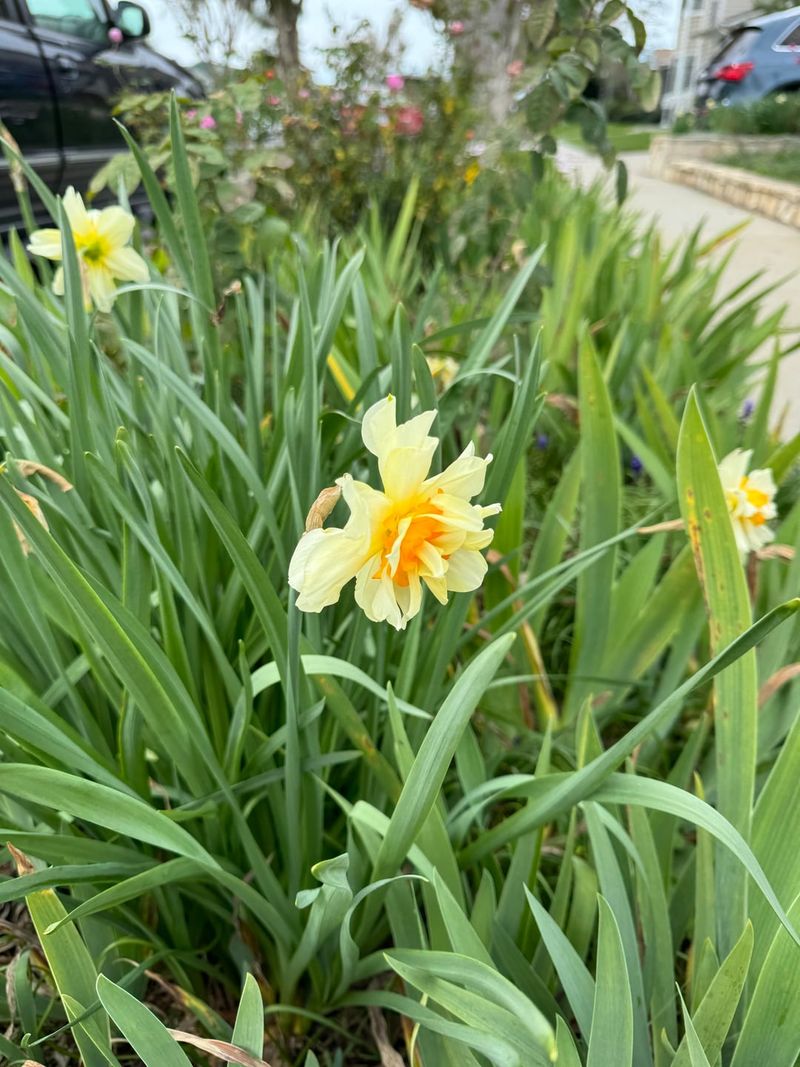
Gardeners who want reliable color through the heart of spring often turn to daffodils, and for good reason.
With hundreds of varieties available, daffodils can bloom anywhere from February through April depending on the cultivar, making them one of the most flexible tools for stretching a season-long bloom plan across California gardens.
Daffodils belong to the genus Narcissus and range from the classic large-cupped yellow types to delicate multi-headed jonquils and fragrant poeticus varieties.
In California, they perform particularly well in areas with cool winters, including coastal regions and inland valleys.
Plant bulbs in fall, about six inches deep, in a sunny spot with good drainage. Unlike tulips, many daffodil varieties naturalize reliably in California and return year after year with minimal care.
One practical tip for extending bloom time is to select early, mid-season, and late varieties and plant them together. This layering approach means your daffodil display can last six weeks or longer rather than fading after just two.
Deer and rodents tend to leave daffodils alone, which makes them especially appealing for California gardeners dealing with wildlife pressure.
Their cheerful, nodding blooms are a mid-spring staple worth planting generously throughout any California garden.
Your California Garden Changes Every Week. Your Plan Should Too.
Gardening in California changes quickly throughout the season. Every Friday you’ll receive a simple weekly plan showing exactly what to plant, prune, fertilize, harvest, and protect so you never miss the right timing.
3. Hyacinths Bring Fragrance And Mid Spring Color
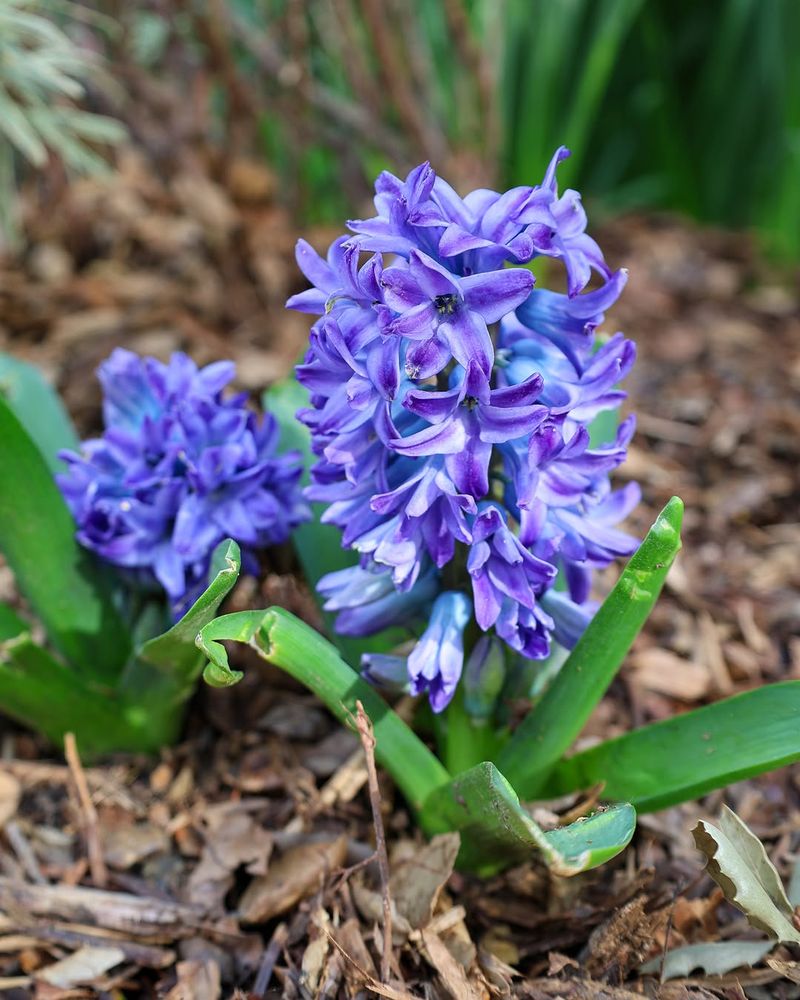
Walk past a hyacinth in full bloom and the fragrance alone is enough to stop you in your tracks.
These densely packed flower spikes are one of mid-spring’s most recognizable garden sights, and their scent carries impressively far on a warm California afternoon.
Hyacinths typically bloom from March into April across much of California, filling the gap between the early crocus and snowdrop season and the later tulip and ranunculus displays.
They come in shades of purple, pink, white, blue, and red, and each bulb produces a single upright spike crowded with small, star-shaped flowers.
Plant bulbs about four to six inches deep in fall in a sunny location with well-drained soil.
In warmer California regions, hyacinth bulbs may need pre-chilling in the refrigerator for four to six weeks before planting to simulate the cold period they need to bloom well.
Keep them away from apples and other ethylene-producing fruits during chilling.
After blooming, allow the foliage to fade naturally so the bulb can store energy. Hyacinths tend to produce their most impressive spikes in their first year, though they can continue blooming in subsequent seasons with gradually looser flower clusters.
Grouping several bulbs together amplifies both the visual and aromatic impact in any California garden.
4. Tulips Add Bold Color In Mid To Late Spring
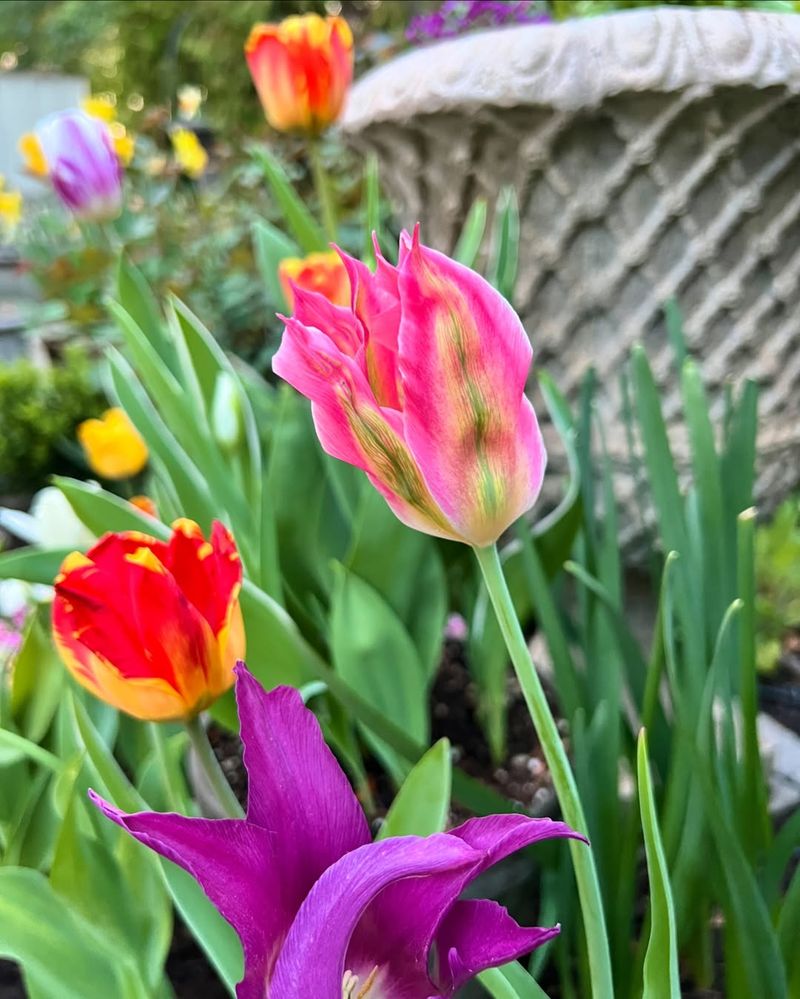
Bold, upright, and available in nearly every color imaginable, tulips are the showstoppers of the mid to late spring garden.
In California, growing tulips takes a little extra planning compared to cooler climates, but the results are absolutely worth the effort for gardeners willing to work with the state’s warmer conditions.
Most tulip varieties need a period of cold dormancy to bloom well, which California’s mild winters don’t naturally provide in many regions. The solution is pre-chilling bulbs in the refrigerator for eight to twelve weeks before planting in late fall or early winter.
Avoid storing them near fruits. Once chilled and planted six to eight inches deep in well-drained soil, they typically bloom from March through May depending on variety and location.
Species tulips, including Tulipa clusiana and Tulipa saxatilis, tend to naturalize better in California than the large hybrid varieties, which are often treated as annuals in warmer zones.
Planting a mix of early, mid, and late tulip types extends the display across several weeks.
In coastal California, where summers stay cooler, some varieties may return reliably for multiple seasons.
Pairing tulips with daffodils and hyacinths creates a layered mid-spring display that keeps the garden looking full and colorful for an extended stretch.
5. Ranunculus Blooms Strong Through California Spring
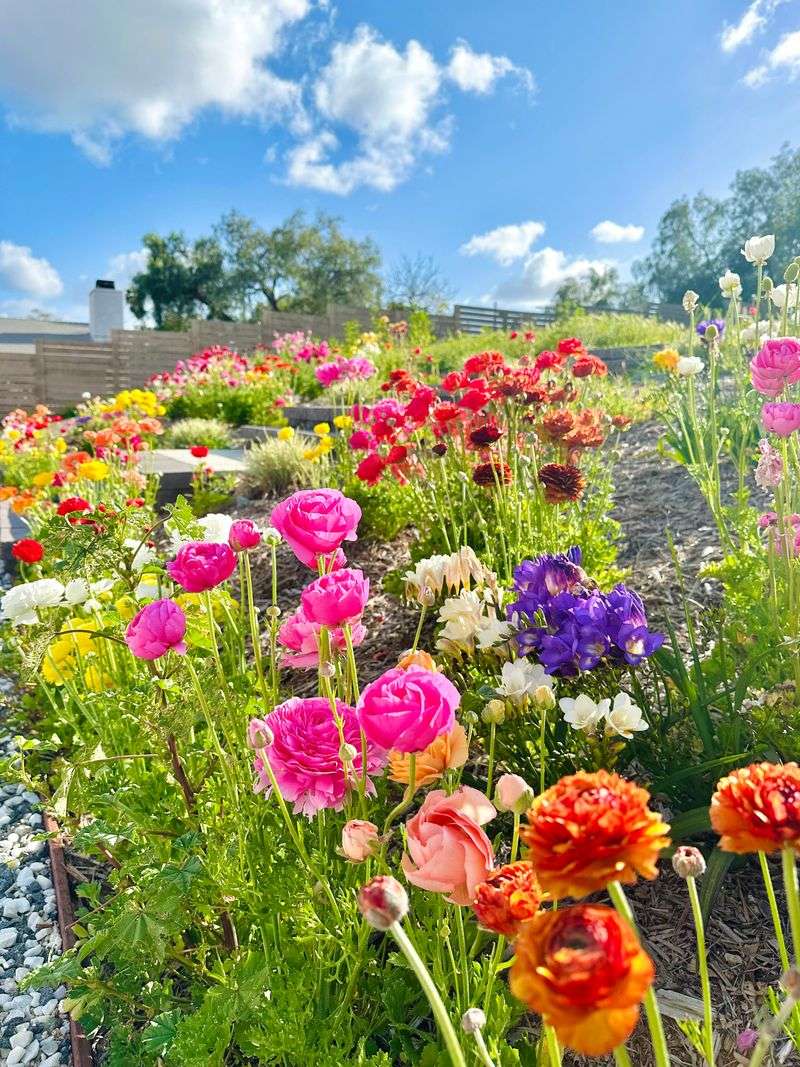
If there is one bulb that genuinely thrives in California’s spring climate, ranunculus has earned that reputation many times over.
Known botanically as Ranunculus asiaticus and commonly called Persian buttercups, these flowers produce layers upon layers of tissue-thin petals that look almost too beautiful to be real.
California’s cool, moist spring weather is close to ideal for ranunculus, which is why they are so widely grown throughout the state, from coastal gardens to inland valleys.
Plant the claw-shaped tubers in fall or early winter, about two inches deep with the claws pointing downward, in a sunny spot with excellent drainage.
They generally begin blooming in late winter or early spring and can continue producing flowers well into May or even June in cooler coastal areas.
One of ranunculus’s most appealing traits for home gardeners is how long each stem lasts as a cut flower, often a week or more in a vase.
Planting in succession, spacing out planting dates by two or three weeks, can extend the blooming period even further.
Colors range from white and cream to coral, red, yellow, and deep burgundy. For California gardeners building a season-long bloom plan, ranunculus fills a critical window in mid to late spring with extraordinary color and volume.
6. Anemones Keep Color Going Into Late Spring
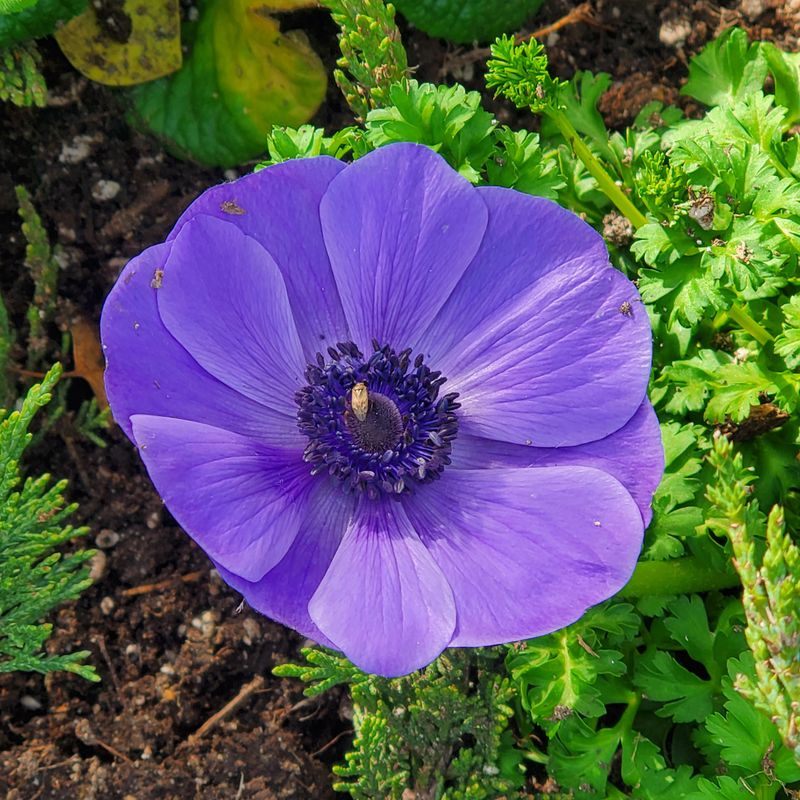
Just as some of the earlier spring bloomers begin to fade, anemones step in to keep the color going with their bold, poppy-like flowers and striking dark centers.
These cheerful blooms are a fantastic choice for California gardeners who want to bridge the gap between mid-spring and the later native bulbs that carry the season toward summer.
The most commonly grown species for spring gardens is Anemone coronaria, which produces flowers in vivid shades of red, purple, blue, pink, and white.
The small, knobby corms are planted in fall, about two inches deep, in a sunny to partially shaded spot with well-drained soil.
Soaking the corms in water for a few hours before planting can help jumpstart growth. In California, they typically bloom from late winter through late spring depending on planting time and location.
Anemones perform especially well in coastal California, where cool, mild conditions extend their bloom season considerably. Inland areas with warmer spring temperatures may see a shorter display, but the flowers are still striking while they last.
Planting in drifts of twenty or more corms creates a meadow-like effect that works beautifully in naturalistic garden styles.
As a cut flower, anemone stems last well in a vase, making them a useful addition to any California cutting garden.
7. Ithuriel’s Spear Adds Native Late Spring Interest
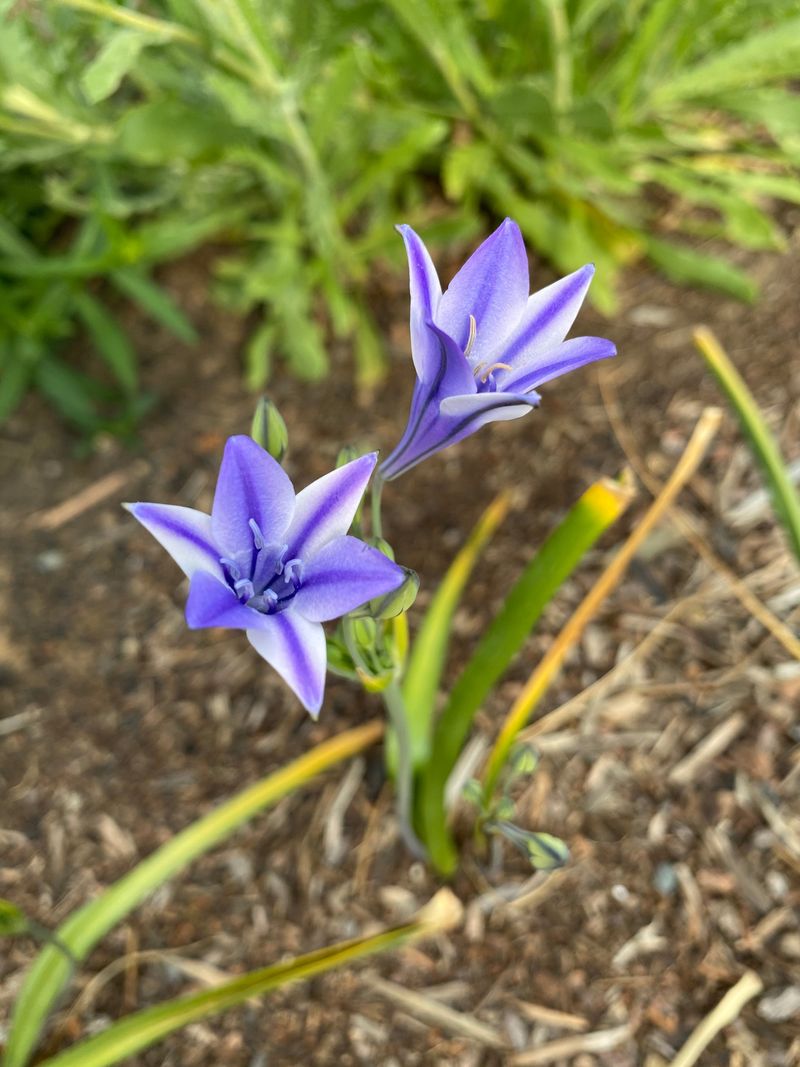
California has its own remarkable cast of native bulbs, and Ithuriel’s Spear is one of the most rewarding to grow.
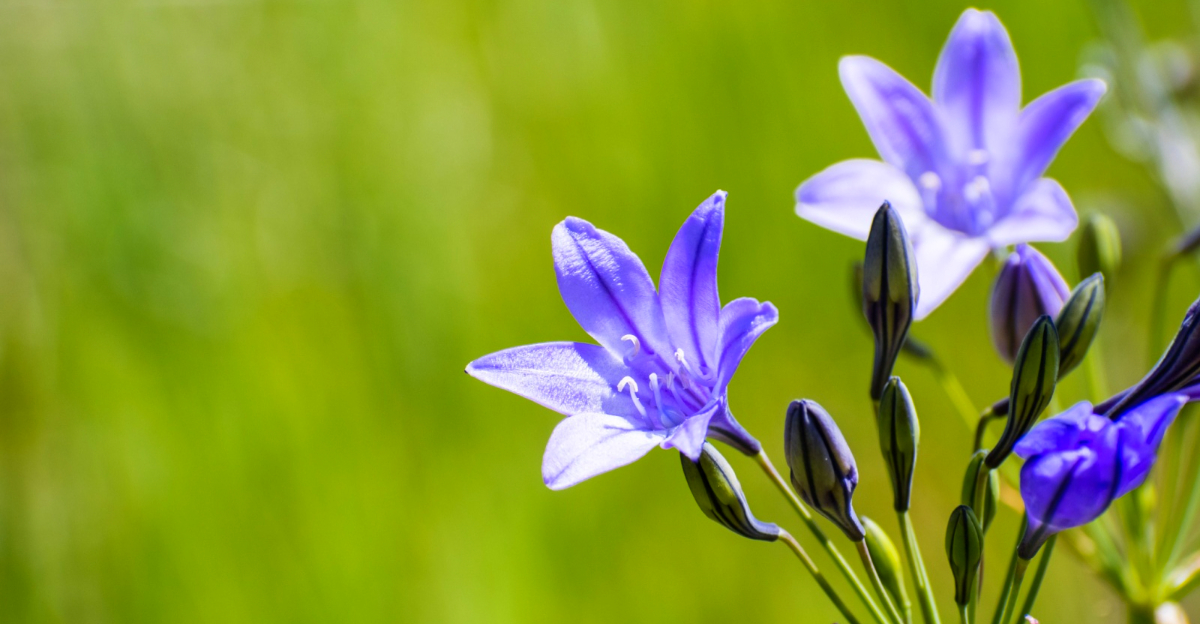
Botanically known as Triteleia laxa, this native corm produces loose clusters of funnel-shaped, blue to violet flowers on slender stems that can reach up to two feet tall, making it a graceful presence in the late spring garden.
Because it evolved in California’s Mediterranean climate, Ithuriel’s Spear is naturally adapted to the state’s dry summers and wet winters.
It thrives in full sun and well-drained, even rocky or clay soil, and it requires very little supplemental water once established.
Plant corms about three to four inches deep in fall. Blooms typically appear from May into June, precisely when many earlier spring bulbs have already finished their display.
This native bulb also supports local pollinators, attracting native bees and other beneficial insects to the garden.
Over time, established colonies naturalize and spread, filling in a planting area with increasing beauty each year.
Ithuriel’s Spear pairs especially well with other California natives and drought-tolerant plants, making it a natural fit for water-wise garden designs that are increasingly popular across the state.
For gardeners seeking an authentic California touch in their spring garden, this native gem is well worth including.
8. Alliums Extend The Season With Unique Blooms
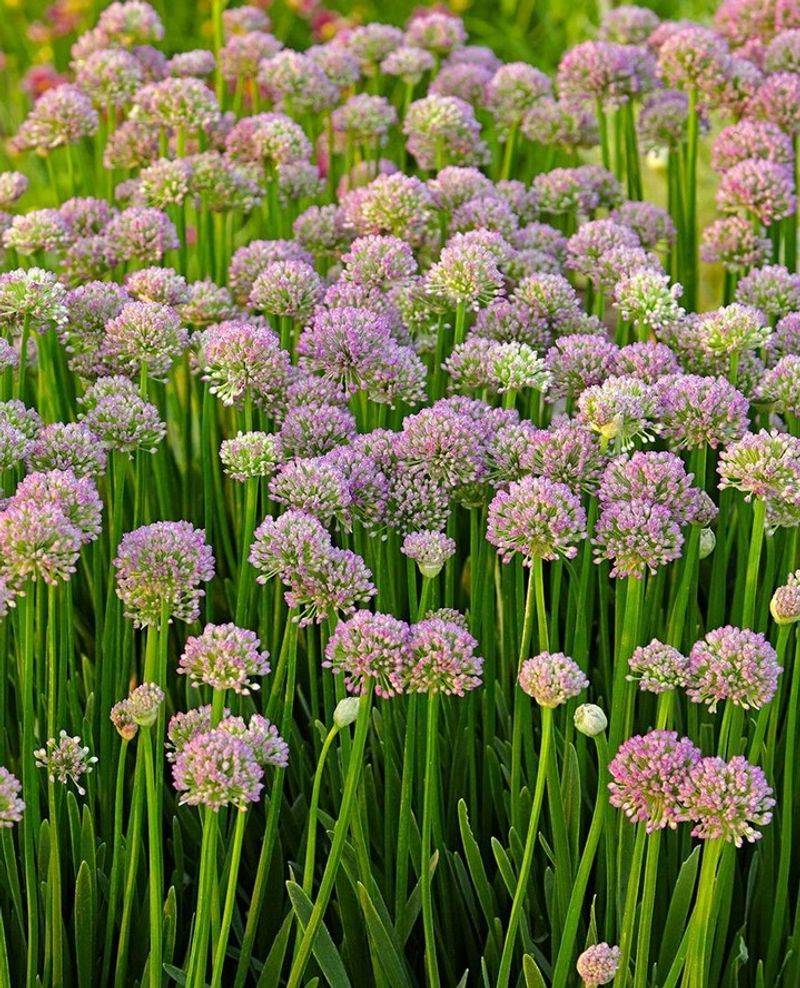
When the conversation turns to late spring bulbs with real visual drama, alliums deserve a spot at the top of the list.
These ornamental onions produce perfectly round clusters of tiny star-shaped flowers held high on stiff, upright stems, creating a look that is both architectural and whimsical at the same time.
Most allium varieties bloom from late April through June in California, which makes them excellent for extending color as tulips and daffodils fade.
Popular varieties include Allium giganteum, with its large purple globes reaching four feet or more, and Allium ‘Purple Sensation,’ which is a bit shorter but equally eye-catching.
Plant bulbs in fall, four to six inches deep depending on bulb size, in a sunny spot with good drainage. Like most bulbs, they strongly dislike sitting in wet soil.
One of the more surprising things about alliums is how long the dried seed heads remain attractive in the garden, providing structural interest well into summer even after the flowers are gone.
They also tend to be left alone by deer and rodents, likely due to their mild onion scent.
Alliums work beautifully in both formal and cottage-style California gardens and pair well with ornamental grasses and perennials that fill in as the allium foliage fades after flowering.
9. Calochortus Carries Color Into Early Summer
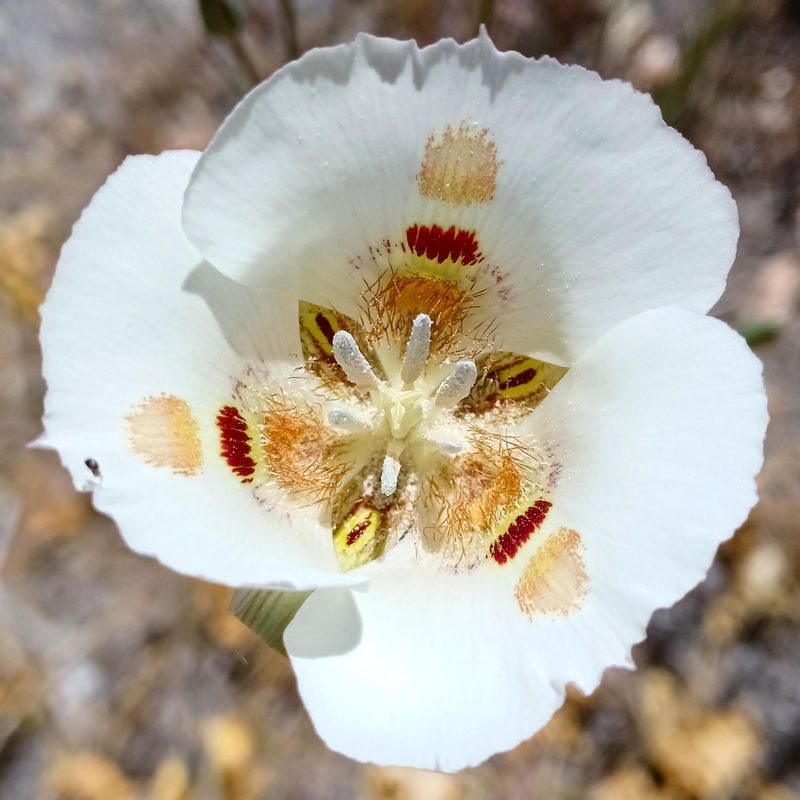
By the time late spring shades into early summer, most spring bulbs have already taken their bow, but Calochortus is just hitting its stride.
Commonly known as mariposa lilies or globe lilies, these stunning California natives bloom from May into July depending on the species and location, carrying the season forward when little else in the bulb world is still performing.
Calochortus is a large and diverse genus with dozens of species native to California, ranging from delicate white globe lilies to intricate mariposa lilies with elaborate petal markings in shades of lilac, yellow, and deep red.
They grow from small bulbs planted about two to three inches deep in fall in well-drained soil, ideally in a sunny spot that stays relatively dry in summer, mimicking their natural habitat on open hillsides and woodland edges.
Growing Calochortus does require some patience, as they can be slow to establish and are sensitive to overwatering, especially during summer dormancy.
Raised beds or slopes with excellent drainage give them the best chance to thrive.
For California gardeners committed to a season-long native planting, Calochortus is a genuinely rewarding finale, offering flowers of extraordinary beauty and an unmistakably California character that no imported bulb can quite replicate.