7 Vegetables To Plant In Nevada, Texas Before April Ends
In Nevada, Texas, late April is one of those moments in the garden when timing can really work in your favor. The days are warmer, the soil is waking up, and summer crops are ready to get moving.
Wait too long, though, and that comfortable spring window starts to close fast. For gardeners who want a productive backyard patch, this is a great time to make smart choices about what goes into the ground before the heat settles in for real.
The good thing about planting vegetables this time of year is that many popular warm-season crops are just getting started. With enough sunlight and the right care, they can grow quickly and set the stage for weeks of fresh harvests.
Whether you have raised beds, a few rows in the yard, or even large containers on a patio, picking the right vegetables before April ends can make your garden feel a lot more rewarding. A little planning now can lead to baskets of homegrown food before you know it.
1. Southern Peas (Black-Eyed Peas / Cowpeas)
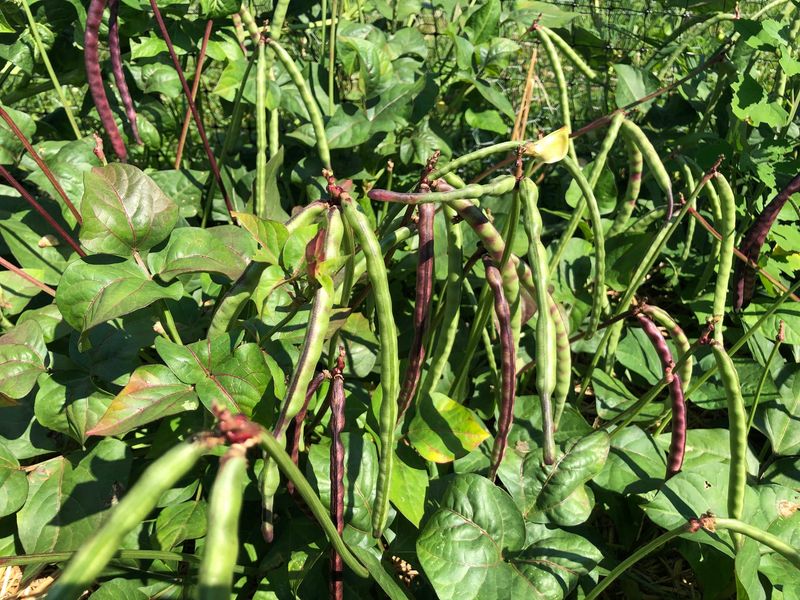
Southern peas have been a staple of Texas gardens for generations, and for good reason. Black-eyed peas and cowpeas are incredibly heat-tolerant, which makes them a perfect fit for Nevada, Texas conditions.
Late April is the sweet spot for getting these plants in the ground, right as temperatures start to climb steadily.
These plants are surprisingly easy to grow. Direct sow the seeds about an inch deep in well-drained soil with full sun exposure.
Spacing them about four to six inches apart gives each plant enough room to spread out comfortably. Southern peas are also known for fixing nitrogen in the soil, which means they actually improve your garden bed for future crops.
Did you know that cowpeas have been grown in the American South for over 300 years? They were brought over from Africa and quickly became a garden and farm staple across the region.
Today, gardeners in Nevada, Texas continue that long tradition every spring. One of the biggest advantages of Southern peas is how little fuss they require once they get going.
They handle dry spells better than most vegetables and do not need much fertilizer, especially if your soil already has some organic matter.
Water them regularly during the first few weeks after planting, then ease back once they are established. Harvest the pods when they are plump and green for fresh eating, or let them dry on the vine for dried peas that store beautifully through the winter months.
2. Okra
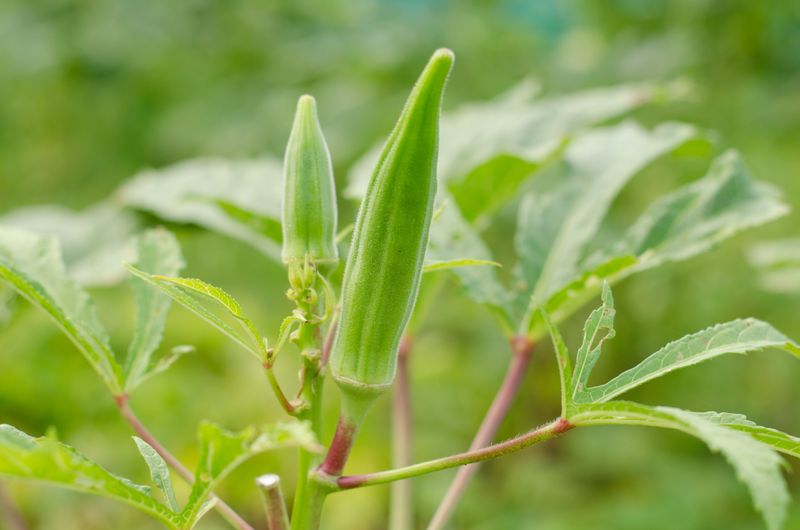
Few vegetables are as perfectly matched to Texas heat as okra. This tall, productive plant practically thrives when temperatures climb, making it a natural choice for Nevada, Texas gardeners who want a reliable summer crop.
The key is waiting until the soil is consistently warm before you plant, which usually happens in mid to late April in this area.
Okra seeds need soil temperatures of at least 65 degrees Fahrenheit to germinate well. If the ground is too cool, seeds can rot before they even sprout.
Your Texas Garden Changes Every Week. Your Plan Should Too.
Gardening in Texas changes quickly throughout the season. Every Friday you’ll receive a simple weekly plan showing exactly what to plant, prune, fertilize, harvest, and protect so you never miss the right timing.
A simple soil thermometer from any garden center will tell you exactly when conditions are right. Once the soil hits that sweet spot, direct sow your seeds about an inch deep and a foot apart in a sunny spot.
One of the best things about okra is how long it keeps producing. Once the plants start fruiting, they just keep going through the hottest months of summer.
Harvest the pods when they are two to four inches long for the best texture and flavor. If you leave them on the plant too long, they get tough and woody.
Okra loves full sun and well-drained soil. Adding a layer of compost before planting gives the plants a great nutritional boost. Water deeply but not too often, since okra is somewhat drought-tolerant once established.
In Nevada, Texas, this crop can easily produce fresh pods all the way through August and beyond, rewarding gardeners with a steady supply of one of the South’s most beloved vegetables.
3. Peppers (Hot And Sweet)
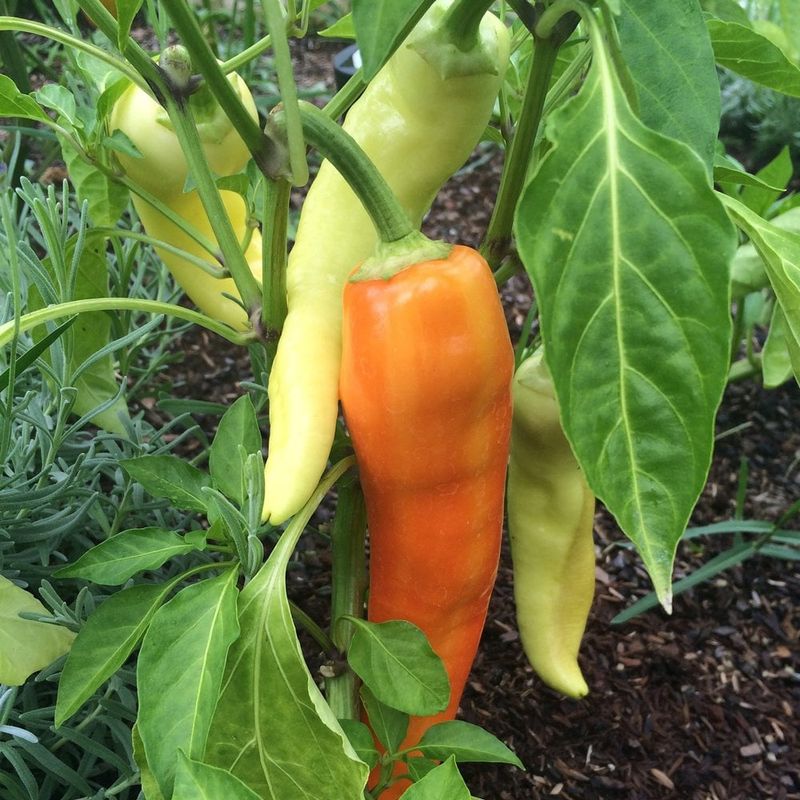
Walk through any Nevada, Texas neighborhood in late summer and you are likely to spot pepper plants loaded with colorful fruit. Getting that abundant harvest starts with transplanting peppers in April, before the extreme summer heat fully sets in.
Peppers need time to establish their root systems and start flowering before temperatures push past 95 degrees Fahrenheit consistently.
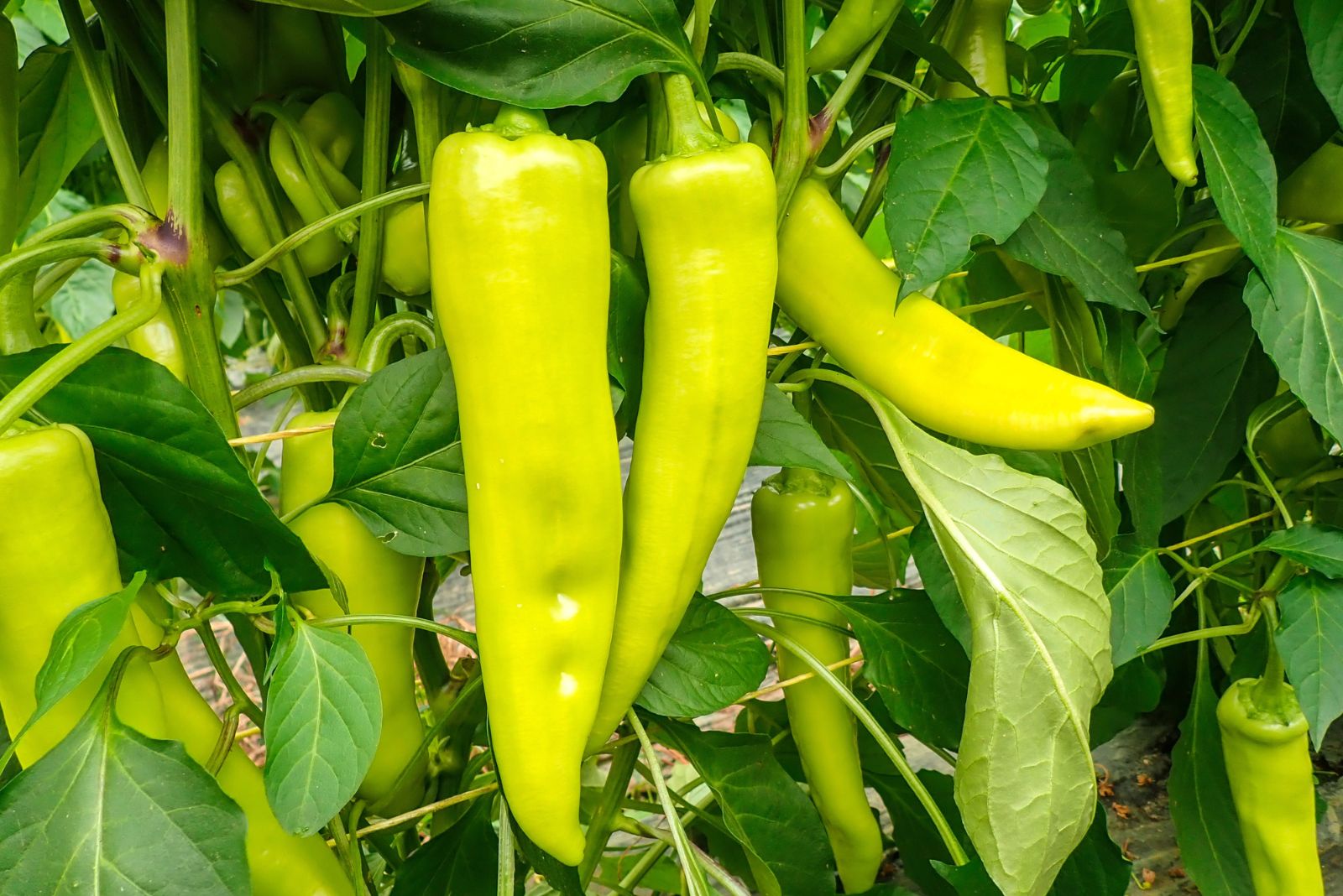
Both hot and sweet pepper varieties perform beautifully in this part of Texas. Jalapenos, serranos, bell peppers, and banana peppers are all excellent choices for Nevada, Texas gardens.
Starting with transplants rather than seeds at this point in the season gives you a significant head start and increases your chances of a productive summer harvest.
Peppers love full sun, at least six to eight hours of direct sunlight each day. Plant them in well-amended soil with good drainage, spacing transplants about 18 inches apart.
A light layer of mulch around the base of each plant helps keep the soil moist and regulates soil temperature during hot spells, which are very common in this region.
One thing many gardeners do not realize is that peppers can actually drop their flowers when temperatures get too high. That is why April planting is so smart.
It gives plants time to flower and set fruit before the worst of summer arrives. Water deeply and consistently, and avoid wetting the leaves to reduce the risk of fungal issues.
Feed plants with a balanced fertilizer every few weeks for steady, healthy growth all season long.
4. Sweet Potatoes (Slips)
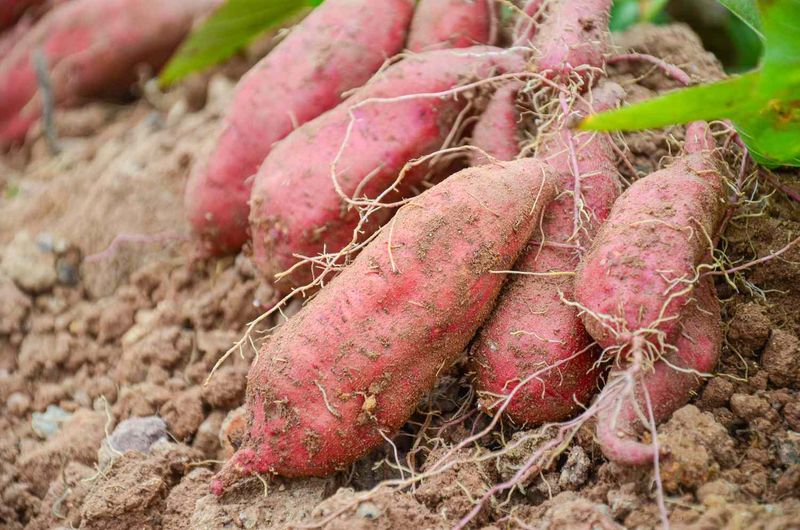
Sweet potatoes are a long-season crop, which is exactly why late April planting in Nevada, Texas makes so much sense. These plants need a full growing season of around 90 to 120 days to develop big, flavorful roots.
Getting slips in the ground before April ends gives them the head start they need to produce a generous harvest by fall.
Unlike most vegetables, sweet potatoes are not grown from seeds. Instead, you plant slips, which are small rooted sprouts that come from a mature sweet potato.
You can buy slips from a local nursery or garden center, or even start your own at home by placing a sweet potato in a jar of water near a sunny window several weeks before planting time.
Soil temperature is the most important factor when planting sweet potato slips. The ground should be at least 60 degrees Fahrenheit, and warmer is even better.
Nevada, Texas typically reaches these temperatures by mid to late April. Plant slips about 12 to 18 inches apart in loose, well-drained soil with plenty of sun.
Sweet potatoes spread out as they grow, so give them room to vine across the ground. They are fairly drought-tolerant once established but appreciate consistent moisture during the first few weeks after planting.
Avoid heavy fertilization with nitrogen, as that tends to encourage leafy growth at the expense of root development. Come fall, you will be rewarded with a beautiful crop of sweet, nutritious roots perfect for roasting, baking, or making pies.
5. Eggplant
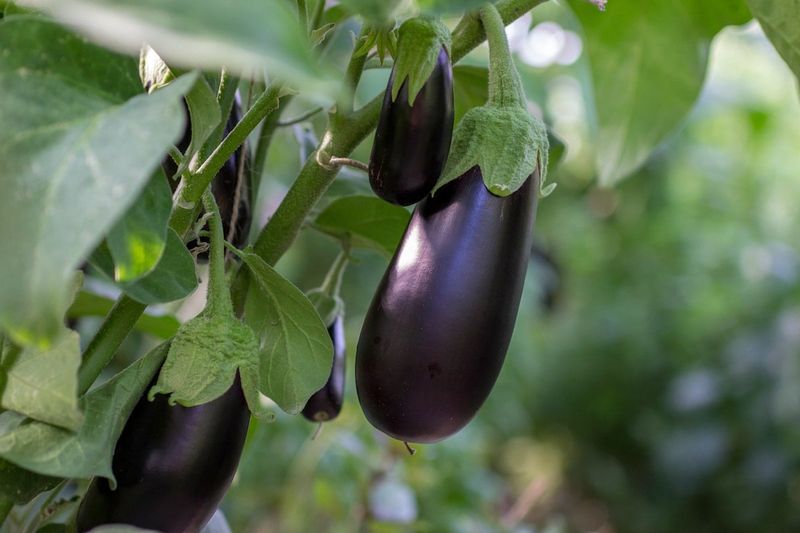
Eggplant is one of those vegetables that seems almost custom-built for the Nevada, Texas climate. It is a true warm-season crop that absolutely needs heat to thrive, and this part of Texas delivers heat in abundance.
Planting eggplant in April gives it time to settle in and start producing before the height of summer.
Start with transplants rather than direct-seeded plants at this stage of the season. Look for healthy, compact starts at your local garden center.
Space them about 24 inches apart in a sunny bed with rich, well-drained soil. Eggplant benefits greatly from soil that has been amended with compost before planting, as it is a heavy feeder that rewards good nutrition with generous fruit production.
Consistent watering is key with eggplant. The plants prefer deep, regular watering rather than frequent shallow drinks.
Mulching around the base helps retain soil moisture and keeps roots cool during the hottest parts of the day. In Nevada, Texas, where summer temperatures can be intense, that moisture retention can make a real difference in plant health and productivity.
Eggplant varieties like Black Beauty, Ichiban, and Rosa Bianca all do well in Texas gardens. Harvest the fruit when the skin is shiny and firm, before it starts to look dull or wrinkled.
Regular harvesting actually encourages the plant to keep producing, so do not let the fruit sit too long. Roasted, grilled, or stuffed, fresh homegrown eggplant from your Nevada, Texas garden is a true summer treat worth the effort.
6. Cucumbers
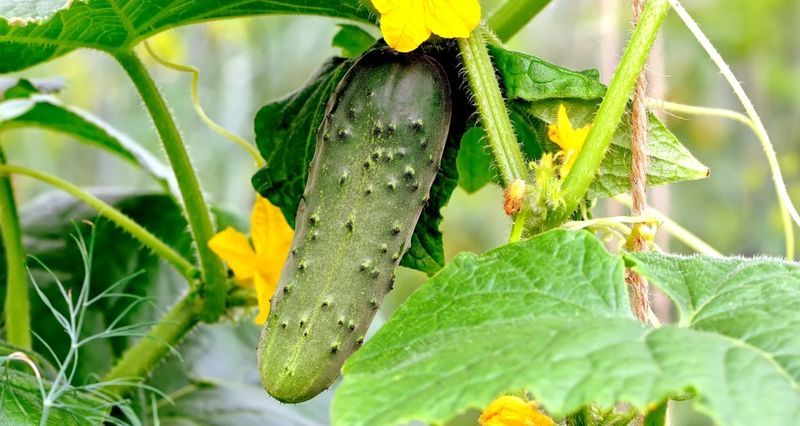
Cucumbers are fast growers, and that is one of the biggest reasons they are so popular with Nevada, Texas gardeners.
Plant them in April and you can expect to be harvesting crisp, refreshing cucumbers within 50 to 70 days, well before the peak summer heat puts stress on the plants. Speed is definitely one of this vegetable’s greatest strengths.
You can either direct sow cucumber seeds or use transplants in April. If starting from seed, plant them about half an inch deep and keep the soil moist until germination, which usually happens within a week.
Cucumbers love warmth, and the April soil temperatures in Nevada, Texas are usually just right for quick, healthy sprouting.
Growing cucumbers on a trellis is a great strategy for small garden spaces. It keeps the fruit off the ground, improves air circulation, and makes harvesting much easier.
Bush varieties like Bush Pickle or Spacemaster work well in raised beds or containers, while vining types like Straight Eight or Marketmore are excellent for larger garden plots.
Cucumbers are thirsty plants. They need consistent, deep watering, especially once they start flowering and setting fruit.
Uneven watering can lead to bitter-tasting cucumbers, so try to keep moisture levels steady throughout the season. Harvest cucumbers when they are firm and bright green, before they turn yellow.
Once a plant starts producing, check it every day or two because cucumbers can go from perfect to overripe surprisingly fast in the Nevada, Texas summer heat.
7. Bush Beans
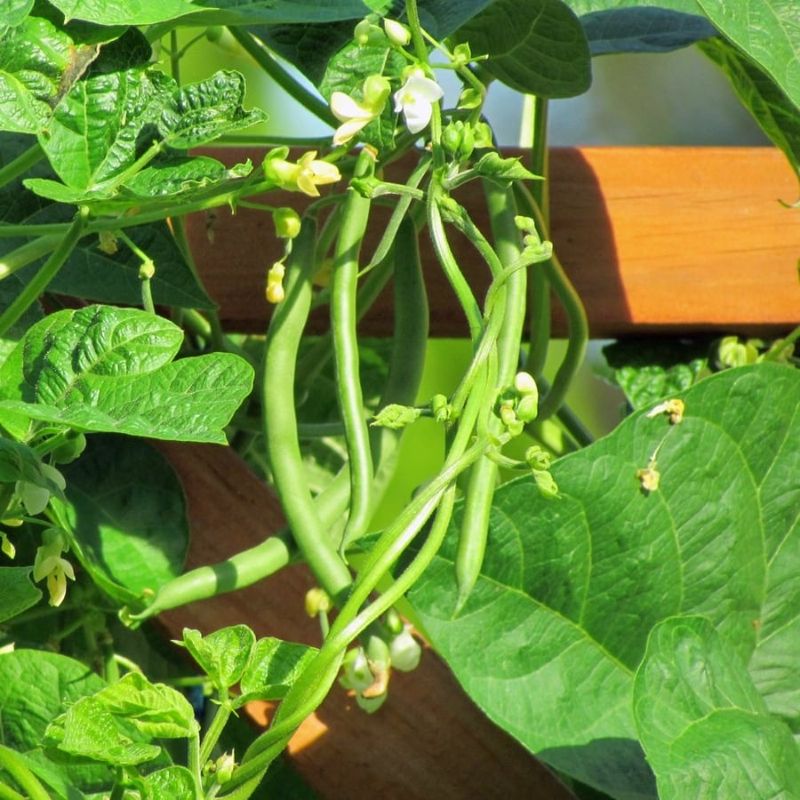
There is something deeply satisfying about a row of bush beans loaded with bright green pods, and in Nevada, Texas, late April is the ideal time to get that picture started.
Bush beans are fast-growing, low-maintenance, and perfect for gardeners who want results without a lot of fuss. From planting to first harvest typically takes only 50 to 60 days.
Unlike pole beans, bush beans do not need a trellis or support structure. They grow in compact, upright plants that stay under two feet tall, making them easy to manage in almost any garden space.
Direct sow seeds about an inch deep and two to three inches apart in rows spaced about 18 inches apart. Bush beans prefer full sun and well-drained soil, both of which are easy to find in a Nevada, Texas garden.
One smart strategy is succession planting. Instead of planting all your seeds at once, sow a new row every two to three weeks.
This keeps a steady stream of fresh beans coming rather than having one giant harvest all at once. Late April is the perfect time to plant your first round, with follow-up plantings continuing into early May.
Bush beans are not heavy feeders, so a light application of balanced fertilizer at planting time is usually enough. Water consistently but avoid soaking the leaves, as wet foliage can encourage disease.
Harvest pods when they are firm and snap cleanly, before the seeds inside start to bulge. Regular picking encourages the plants to keep producing, giving your Nevada, Texas garden a bountiful bean harvest all spring long.