The Common Planting Mistake Oregon Gardeners Make Every Spring
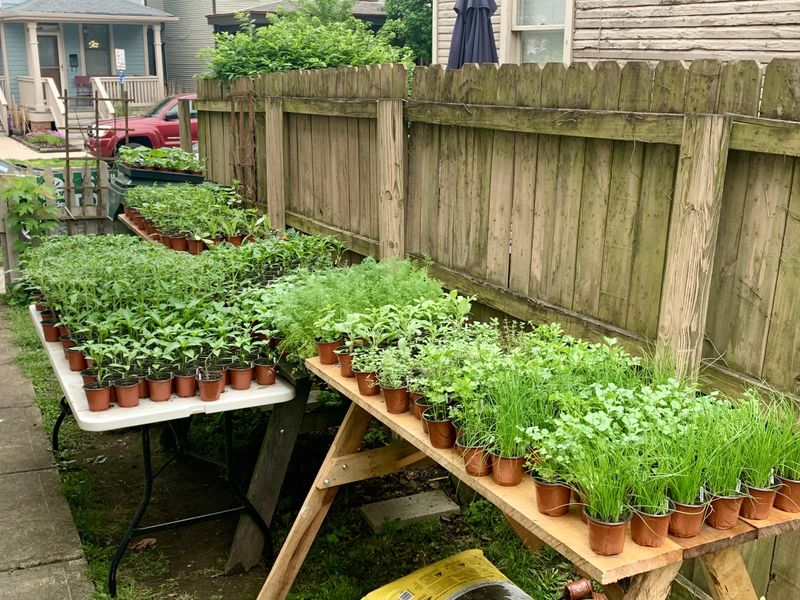
Every spring, Oregon gardeners get hit with the same temptation: one stretch of nice weather and suddenly it feels like everything should go in the ground right now. Pots get filled, beds get planted, and the whole yard starts to look like it is ready for the season.
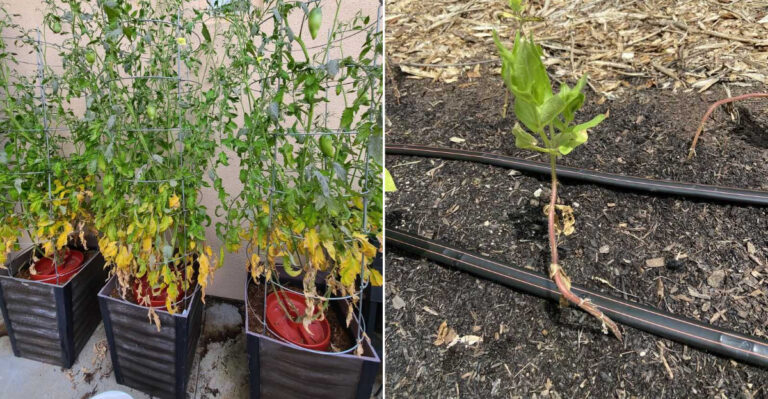
Then Oregon does what Oregon does best and throws in a cold snap, heavy rain, or a run of chilly nights that leaves those eager new plants struggling to catch up.
Planting too early is one of the most common ways a promising spring garden gets off to a rough start. Soil can stay colder and wetter than it looks, even when the air feels mild and sunny.
That matters more than many people realize, because a lot of popular flowers, vegetables, and bedding plants need warmth around their roots before they can really settle in.
Waiting a little longer can be the difference between plants that simply survive and plants that actually take off.
A Few Warm Days Can Fool You
Sunny skies and warm afternoons in Oregon can make any gardener feel like spring has fully arrived. A few nice days in a row feel like a green light to grab your seeds and get planting.
But here is the thing: a short warm stretch does not mean winter is done with you.
Oregon’s Willamette Valley and coastal regions are famous for their unpredictable weather patterns. Temperatures can drop sharply overnight even after a beautiful afternoon.
That sudden chill can stress seedlings that were just getting comfortable in their new home.
Warm days also trick gardeners into thinking the soil has warmed up enough for planting. Soil holds cold much longer than the air above it.
Even when it feels warm on top, just a few inches down it may still be too cold for roots to grow properly.
A simple soil thermometer can save you a lot of heartache. Check the temperature a few inches below the surface before you plant anything.
Most warm-season vegetables need soil that stays above 50 degrees Fahrenheit consistently. Do not let a pretty day in March or April fool you into rushing the season before your garden is truly ready.
Cold Soil Changes Everything
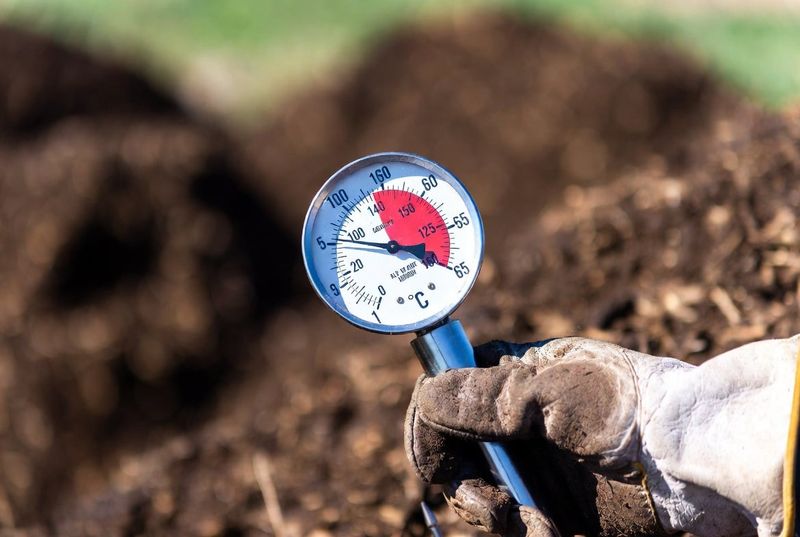
Most people think about air temperature when they plan their garden, but soil temperature is actually what matters most. Cold soil slows down root development and makes it hard for plants to absorb nutrients.
Even a healthy seedling can struggle when the ground beneath it is too cold to support growth.
In Oregon, soil temperatures in early spring can stay surprisingly low, especially in shaded garden beds or areas with heavy clay soil. Clay holds moisture and cold longer than sandy or loamy soil.
If you are gardening in the Portland metro area, the coast, or even the high desert regions of Central Oregon, your soil may need more time to warm up than you expect.
Planting in cold soil can also lead to root rot because wet and cold conditions together create the perfect environment for fungal problems. Seeds may sit in the ground without sprouting, and transplants may look healthy at first but fail to establish strong roots.
Your Oregon Garden Changes Every Week. Your Plan Should Too.
Gardening in Oregon changes quickly throughout the season. Every Friday you’ll receive a simple weekly plan showing exactly what to plant, prune, fertilize, harvest, and protect so you never miss the right timing.
You can speed up soil warming by covering your beds with black plastic or a row cover a few weeks before planting. This simple trick traps heat and gives your soil a head start.
Checking soil temperature regularly helps you plant at exactly the right time.
Wet Ground Slows Plants Down
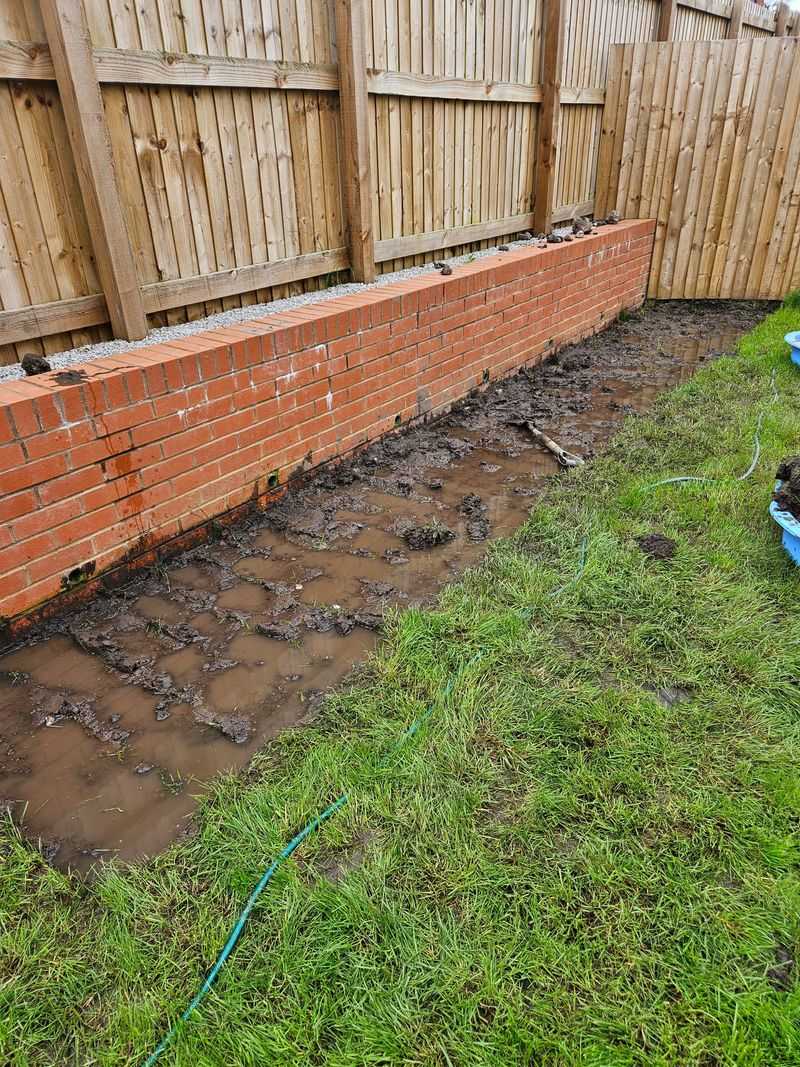
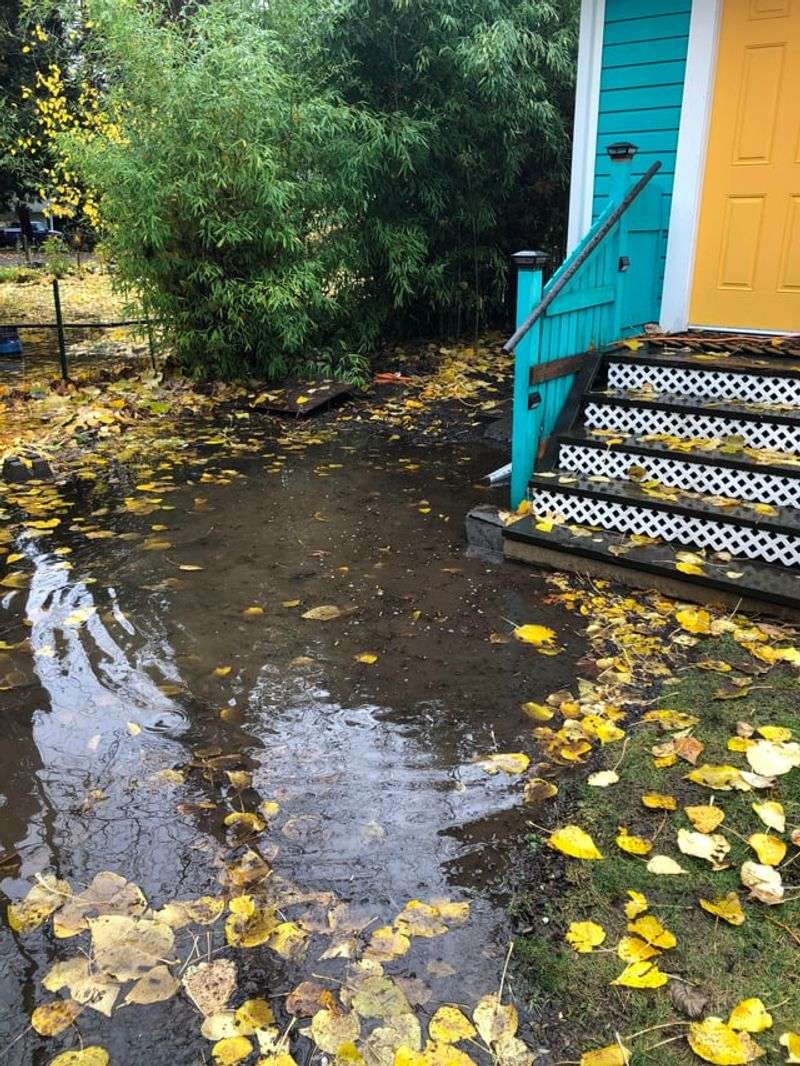
Oregon springs are wet. That is just a fact of life in the Pacific Northwest.
But working in or planting into soggy soil is one of the biggest mistakes a gardener can make, and it is incredibly easy to do when you are excited to get started.
When soil is waterlogged, it lacks the air pockets that roots need to breathe. Planting into wet ground compacts the soil further, squeezing out oxygen and making it even harder for roots to spread.
This leads to weak, struggling plants that never quite get going the way they should.
Wet soil also washes away seeds before they can germinate and can cause transplants to rot at the base. In Oregon’s rainy spring season, this is a real and common problem for both beginner and experienced gardeners alike.
A good rule of thumb is the squeeze test. Grab a handful of soil and squeeze it into a ball.
If it crumbles apart easily when you poke it, the soil is ready. If it stays packed together in a wet lump, wait a few more days before planting.
Raised beds with good drainage can also help Oregon gardeners get a head start without fighting muddy conditions.
Early Planting Can Backfire Fast
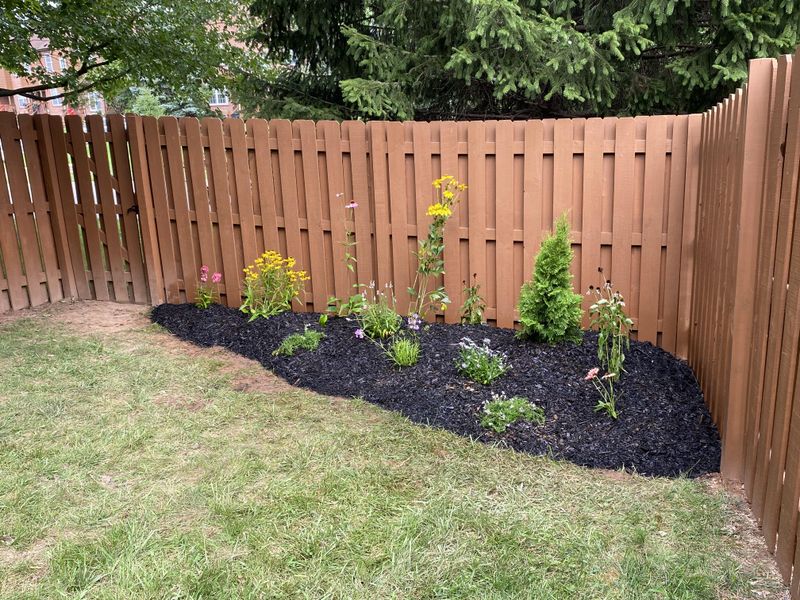
Getting an early start feels smart. You want more growing time, bigger harvests, and a head start on the season.
But in Oregon, planting too early almost always backfires in ways that cost you both time and money.
Late frosts are common across Oregon well into April and sometimes even May, depending on where you live. The Cascade foothills, Southern Oregon valleys, and higher elevation areas near Bend or Sisters can see freezing temperatures long after the calendar says spring.
A single frosty night can wipe out tender seedlings that took weeks to grow.
Even without a hard frost, cool nights below 50 degrees Fahrenheit can stunt the growth of warm-season crops like tomatoes, peppers, and squash. These plants do not just slow down in the cold; they can actually go into a kind of shock that sets them back further than if you had waited to plant them later.
Waiting just two or three extra weeks often means your plants catch up to and even pass the ones planted too early. A plant that goes in the ground at the right time grows fast and strong.
One that goes in too soon spends its energy just trying to survive. Patience really does pay off in Oregon gardens.
Timing Matters More Than Sunshine
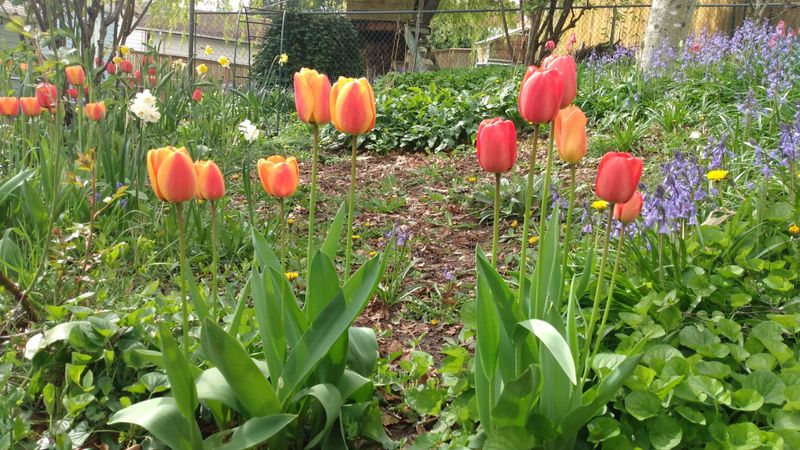
Sunshine feels like the most important thing for a garden, and it definitely matters. But experienced Oregon gardeners will tell you that timing your planting correctly is even more important than waiting for a sunny day.
Getting the timing right sets the foundation for everything else in your garden season.
Each vegetable and flower has a specific temperature range where it grows best. Cool-season crops like lettuce, kale, and peas actually prefer the cooler temperatures of early spring.
Warm-season crops like cucumbers, beans, and corn need warmer conditions before they will thrive. Mixing up these timing windows is a mistake that many gardeners in the Willamette Valley and beyond make every year.
Oregon State University Extension Service publishes planting guides specific to different regions of the state. These guides take into account local frost dates, average soil temperatures, and rainfall patterns.
Using these resources is one of the smartest things an Oregon gardener can do.
Keeping a simple garden journal also helps you track what worked and what did not in your specific yard. Every garden is a little different.
A spot that gets afternoon shade might stay cooler longer than an open, south-facing bed. Paying attention to your own space over time makes you a much better gardener season after season.
Oregon Spring Weather Loves To Tease
Ask any longtime Oregon gardener and they will laugh knowingly when you mention spring weather. One morning you are planting in a t-shirt, and by afternoon you are pulling on a rain jacket and watching hail bounce off your raised beds.
Oregon spring weather is genuinely unpredictable, and that unpredictability is the biggest challenge for anyone trying to time their planting season right.
The Pacific Northwest weather patterns are influenced by ocean currents, mountain ranges, and shifting pressure systems that can change conditions quickly and dramatically. Portland, Eugene, Medford, and Bend all experience spring differently, and even within a single city, weather can vary by neighborhood or elevation.
This weather variability is exactly why so many Oregon gardeners get burned by planting too soon. A stretch of warm, dry weather in late March feels permanent, but it rarely is.
A week of cold rain almost always follows, and tender young plants often pay the price.
Watching a local weather forecast is helpful, but looking at a 10-day trend is even better. If temperatures are expected to stay above 50 degrees Fahrenheit overnight for at least two weeks straight, that is a much safer window to start planting warm-season crops.
Building flexibility into your planting schedule helps you work with Oregon’s moody spring rather than against it.
Waiting A Bit Can Pay Off Big
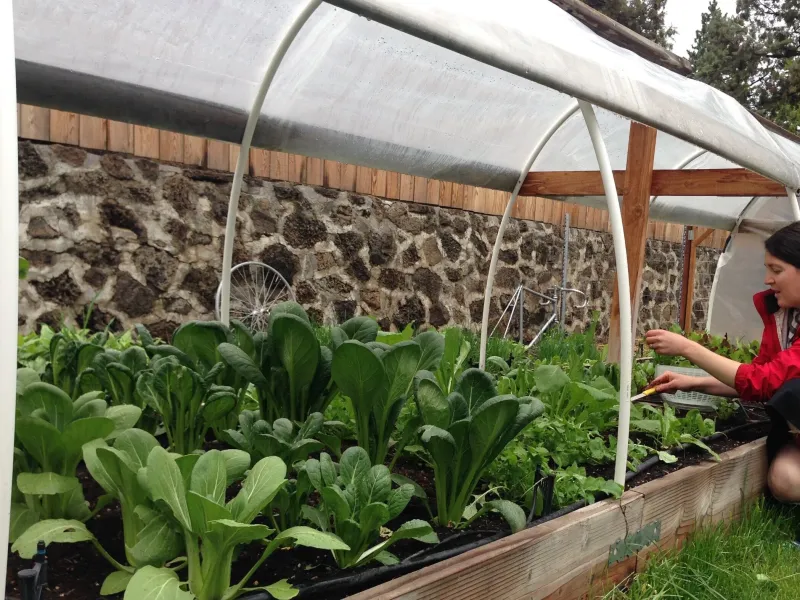
Waiting is hard, especially when the garden center is full of beautiful plants and your neighbors seem to already have things in the ground. But holding off just a little longer before planting is one of the best decisions an Oregon gardener can make each spring.
Plants that go into warm, well-drained soil at the right time establish roots quickly and grow with real energy. They do not spend their first weeks just trying to stay alive in cold or wet conditions.
A tomato plant put in the ground in mid-May in the Willamette Valley will often outperform one planted in early April within just a few weeks.
Using the waiting time wisely makes a big difference too. Prepare your beds by adding compost, pulling early weeds, and checking drainage.
Start seeds indoors under grow lights so transplants are strong and ready when the soil is right. Plan your layout and order any supplies you need.
By the time late May or early June arrives, Oregon’s soil has usually warmed up, the worst of the rain has passed, and your plants will have the best possible start. Gardens planted at the right time tend to need less maintenance, produce more food, and stay healthier all season long.
A little patience in spring leads to a lot of reward come summer harvest.