8 Plants You Should Plant In Pennsylvania Before April Ends
If you garden in Pennsylvania, you know spring can feel a little unpredictable. One day the sun is out, the soil starts warming up, and everything seems ready to grow.
Then a chilly stretch rolls in and reminds you not to get too comfortable. Even with that back-and-forth weather, late April is an important time in the garden.
It is when many plants are ready to get settled in, take advantage of the season ahead, and build strength before summer arrives.
Getting the right plants in the ground before April ends can give you a real head start. This is a great time for adding flowers, vegetables, herbs, and other garden favorites that enjoy cool spring conditions or need extra time to establish.
Waiting too long can mean missing the best window for strong growth, especially for plants that do their best before the heat of summer or the rush of late spring takes over.
For anyone hoping to fill a Pennsylvania yard or garden with color, flavor, and healthy growth, this stretch of the season is worth taking seriously.
1. Peas
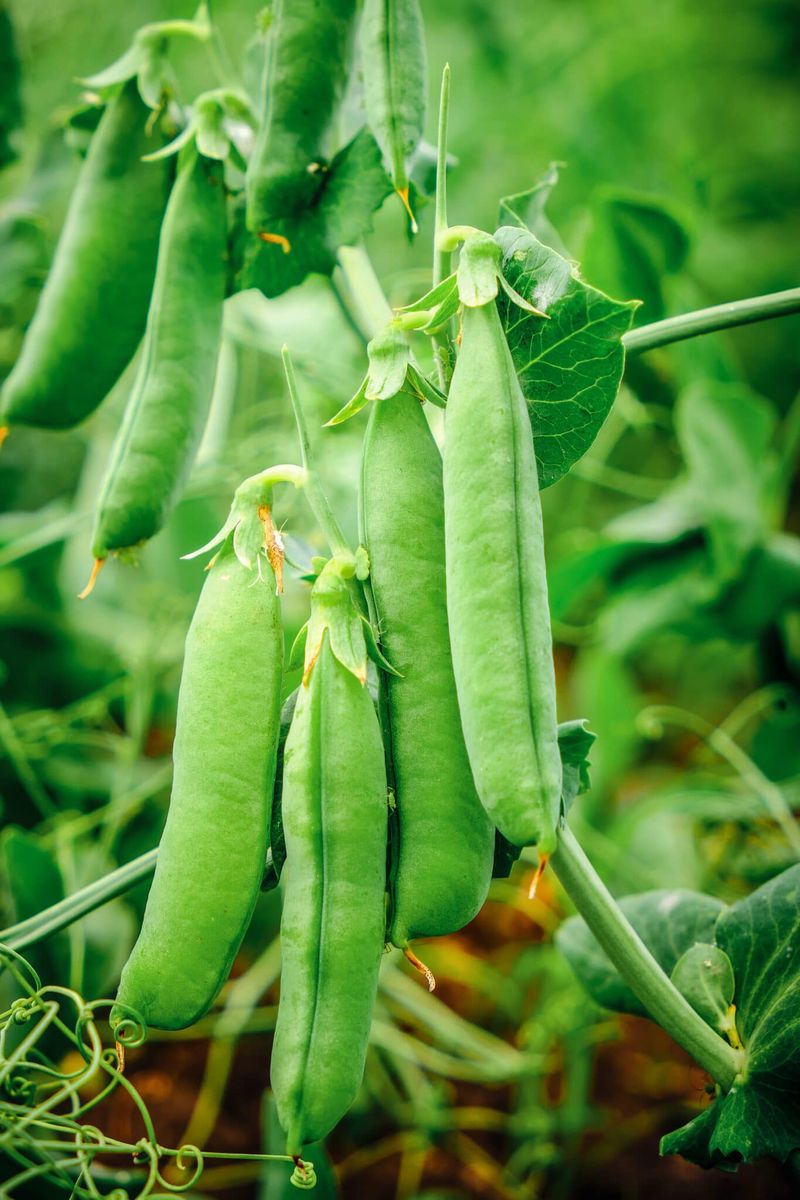
Few things feel as rewarding as pulling your first handful of fresh peas straight from the vine. Peas are a classic cool-season crop, and Pennsylvania’s early spring weather is practically made for them.
They can handle light frosts without a problem, which makes April the ideal time to get them in the ground.
Sow your pea seeds about one inch deep and two inches apart. Space your rows about 18 to 24 inches apart so each plant has enough room to grow and breathe.
Peas love to climb, so setting up a simple trellis or fence will help them grow upward and make harvesting much easier.
One of the best things about growing peas in Pennsylvania is how quickly they respond to the cool, moist spring soil. You will start to see sprouts within just a week or two.
Once summer heat arrives, pea plants tend to slow down, so getting them planted before April ends is really important.
Try varieties like Sugar Snap or Little Marvel for a great first harvest. Keep the soil evenly moist but not waterlogged.
With a little attention, your pea plants will reward you with a sweet, crunchy harvest that store-bought peas simply cannot match. Fresh garden peas are a true springtime treat.
2. Spinach
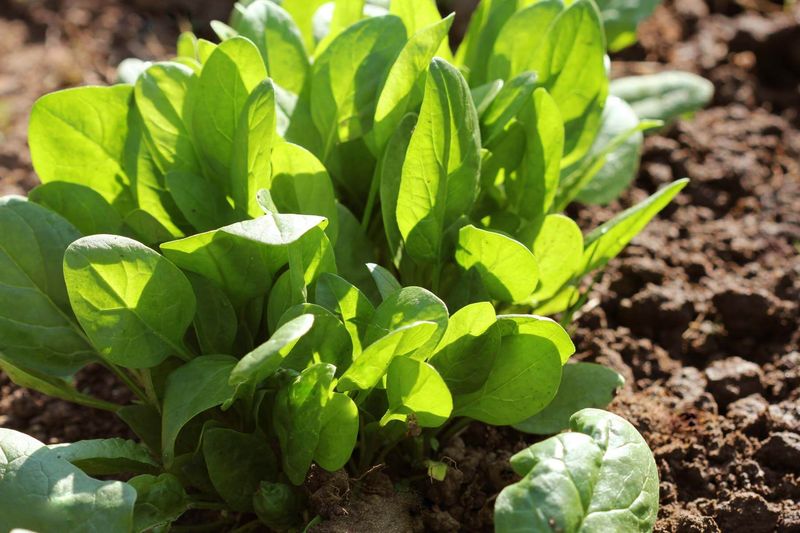
Spinach might just be the most low-maintenance vegetable you can grow in a Pennsylvania spring garden. It loves cool temperatures, grows fast, and can be harvested multiple times using the cut-and-come-again method.
That means one planting gives you several rounds of fresh greens throughout the season. Sow spinach seeds about half an inch deep and two to three inches apart. Space your rows about 12 inches apart.
The soil in Pennsylvania tends to be workable by late March or early April, which gives spinach a great environment to germinate quickly and grow tender, flavorful leaves.
What makes spinach especially great for beginner gardeners is how forgiving it is. A little too much shade? No problem. A surprise late frost?
Your Pennsylvania Garden Changes Every Week. Your Plan Should Too.
Gardening in Pennsylvania changes quickly throughout the season. Every Friday you’ll receive a simple weekly plan showing exactly what to plant, prune, fertilize, harvest, and protect so you never miss the right timing.
Spinach can handle it. As long as the soil stays moist and temperatures stay cool, this plant practically takes care of itself during the spring months.
Look for varieties like Bloomsdale Long Standing or Tyee for reliable results. Harvest outer leaves first to keep the plant producing longer.
Once the weather warms up in late May or June, spinach may start to bolt, meaning it sends up a flower stalk.
Planting in April gives you plenty of time to enjoy multiple harvests before that happens. Fresh spinach from your own yard tastes worlds better than anything from a bag.
3. Lettuce
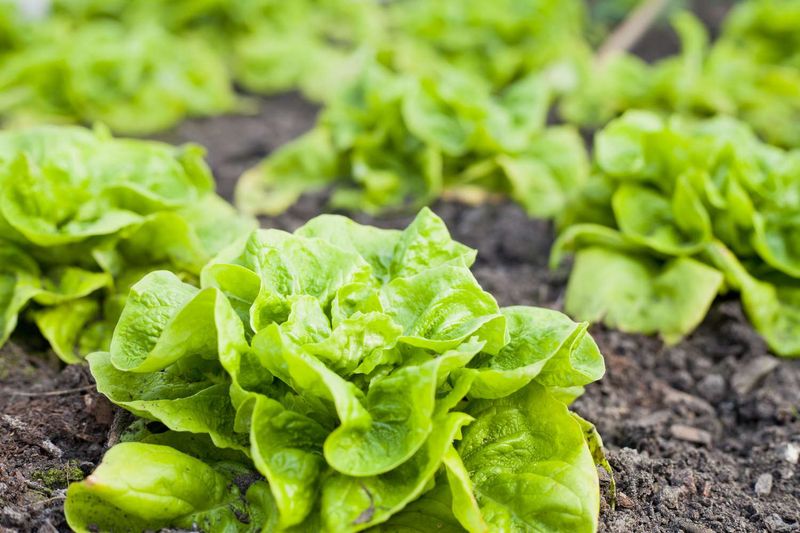
If you have never grown your own salad greens, lettuce is the perfect place to start. It is one of the easiest vegetables to grow in Pennsylvania during spring, and it grows so fast that you can be eating homegrown salads within a month of planting.
That kind of quick reward keeps gardeners coming back year after year. You can sow lettuce seeds directly in the garden or start them indoors a few weeks before transplanting. Either way works well in Pennsylvania’s April climate.
Space your rows about eight inches apart and thin plants to roughly six inches once they are established. Lettuce prefers loose, well-drained soil with plenty of organic matter mixed in.
One fun trick many Pennsylvania gardeners use is succession planting. Instead of sowing all your seeds at once, plant a small batch every two weeks.
This keeps a steady supply of fresh lettuce coming in rather than having everything mature at the same time.
Varieties like Buttercrunch, Red Sails, and Romaine all do wonderfully in cool spring weather. Lettuce needs consistent moisture, so water regularly and consider a light layer of mulch to keep the soil from drying out too fast.
As temperatures climb in late spring, lettuce can turn bitter and bolt. Getting it in the ground before April ends ensures you enjoy the best, sweetest leaves of the season.
4. Radishes
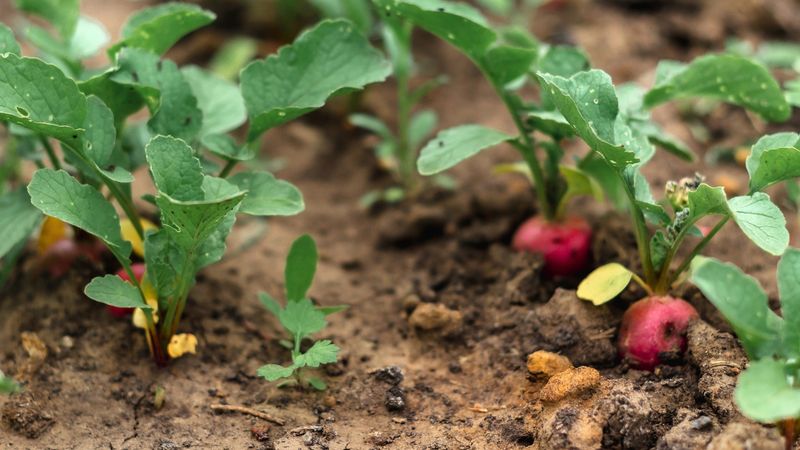
Want a win in the garden fast? Radishes are the answer. Some varieties go from seed to harvest in as little as 22 to 30 days, making them one of the quickest vegetables you can grow anywhere in Pennsylvania.
They are a fantastic choice for impatient gardeners or kids who want to see results right away.
Sow radish seeds about half an inch deep and one inch apart in rows spaced six inches apart. April is a sweet spot for planting because the cool soil encourages quick, even germination.
Radishes actually prefer cooler temperatures, and hot weather can cause them to become woody and overly spicy, so early planting is key.
Another great thing about radishes is that they work as a natural row marker. Since they sprout so quickly, many Pennsylvania gardeners plant them alongside slower-growing crops like carrots.
The radishes pop up fast and mark the row while the carrots take their time developing underground.
Try classic varieties like Cherry Belle or French Breakfast for a mild, crisp flavor. Thin your seedlings to about two inches apart once they sprout to give each root enough space to grow round and full.
Keep the soil consistently moist for the best texture. Radishes are also a great way to use up small spaces in a garden bed, making every square inch count during Pennsylvania’s short but productive spring season.
5. Carrots
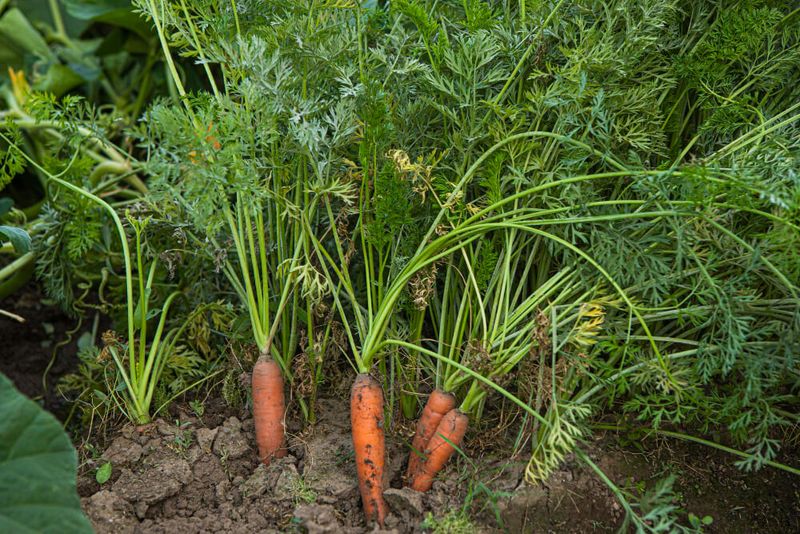
Carrots are one of those vegetables that feel extra special when you grow them yourself. Pulling a perfectly shaped, sweet carrot out of your own Pennsylvania garden is genuinely satisfying.
The secret to great carrots starts with timing, and April is exactly the right month to get your seeds in the ground.
Sow carrot seeds about a quarter inch deep and two inches apart in loose, well-worked soil. Pennsylvania’s cool April temperatures are ideal for carrot germination.
Once your seedlings reach about two inches tall, thin them to three or four inches apart. Crowded carrots end up small and misshapen, so thinning is a step worth taking seriously.
Carrots grow best in loose, sandy, or deeply tilled soil. Rocky or compacted ground can cause them to fork or twist in odd directions.
If your garden soil is heavy with clay, consider growing carrots in a raised bed filled with a lighter soil mix. This small adjustment can make a huge difference in the final shape and size of your harvest.
Varieties like Danvers 126 or Nantes are popular choices among Pennsylvania gardeners because they grow well in a range of soil types.
Carrots are slow to mature, usually taking 70 to 80 days, so planting in April gives them plenty of cool growing time before the summer heat arrives. Water consistently and keep the top inch of soil moist for best results.
6. Broccoli (Transplants)
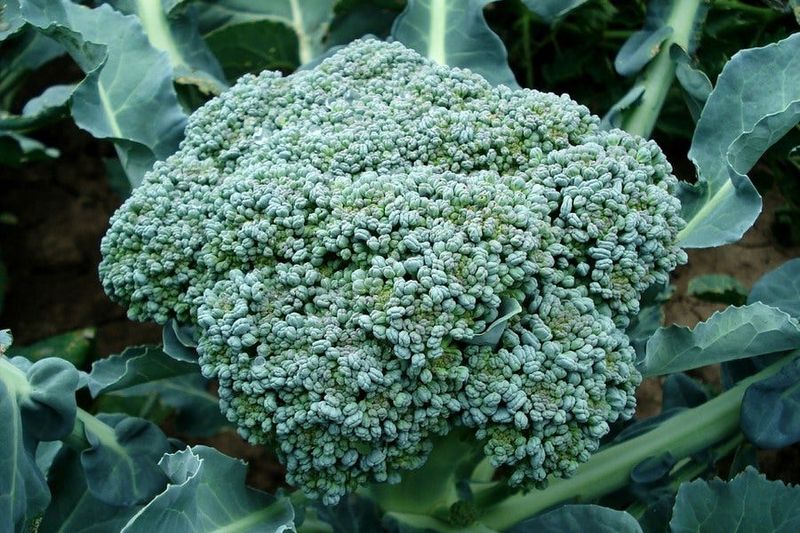
Broccoli is one of those vegetables that truly earns its spot in a Pennsylvania spring garden. It is packed with nutrition, tastes great roasted or steamed, and grows beautifully in the cool temperatures that April brings.
The trick with broccoli is to start with transplants rather than seeds if you want the best results this time of year.
Starting transplants indoors about six weeks before your outdoor planting date gives broccoli a head start. By the time April rolls around in Pennsylvania, your transplants should be sturdy and ready to go in the ground.
Space them about 18 inches apart in rows that are 24 inches apart. Broccoli needs room to spread out as it grows.
One thing many gardeners do not realize is that broccoli actually tastes sweeter when it matures in cool weather. The cold temperatures help develop its flavor in a way that warm-season growing simply cannot replicate.
That is exactly why getting transplants in the ground before April ends is so important for Pennsylvania gardeners.
Feed your broccoli plants with a balanced fertilizer a few weeks after transplanting to support strong head development. Watch for cabbage worms, which are common pests in Pennsylvania gardens.
A floating row cover can help protect your plants without the need for any chemicals. Harvest the main head before it flowers for the best taste, and side shoots will continue to produce smaller heads for weeks after.
7. Cabbage (Transplants)
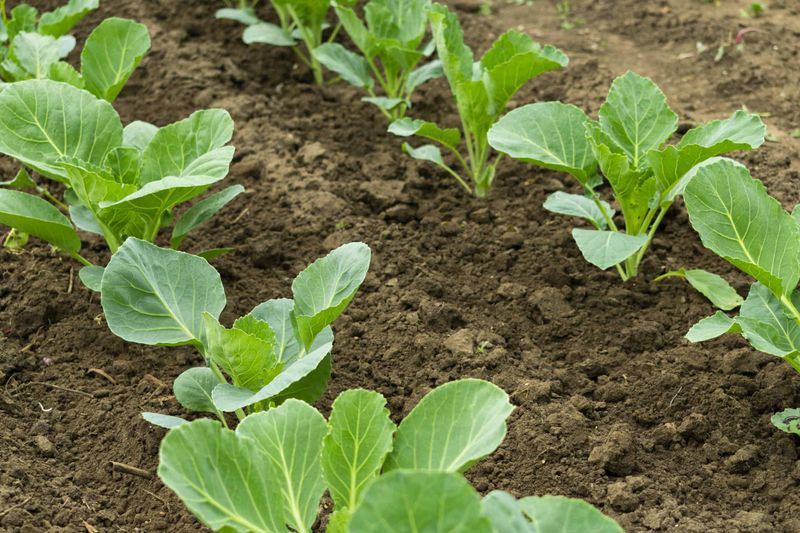
Cabbage has been a garden staple for centuries, and for good reason. It is tough, reliable, and incredibly versatile in the kitchen.
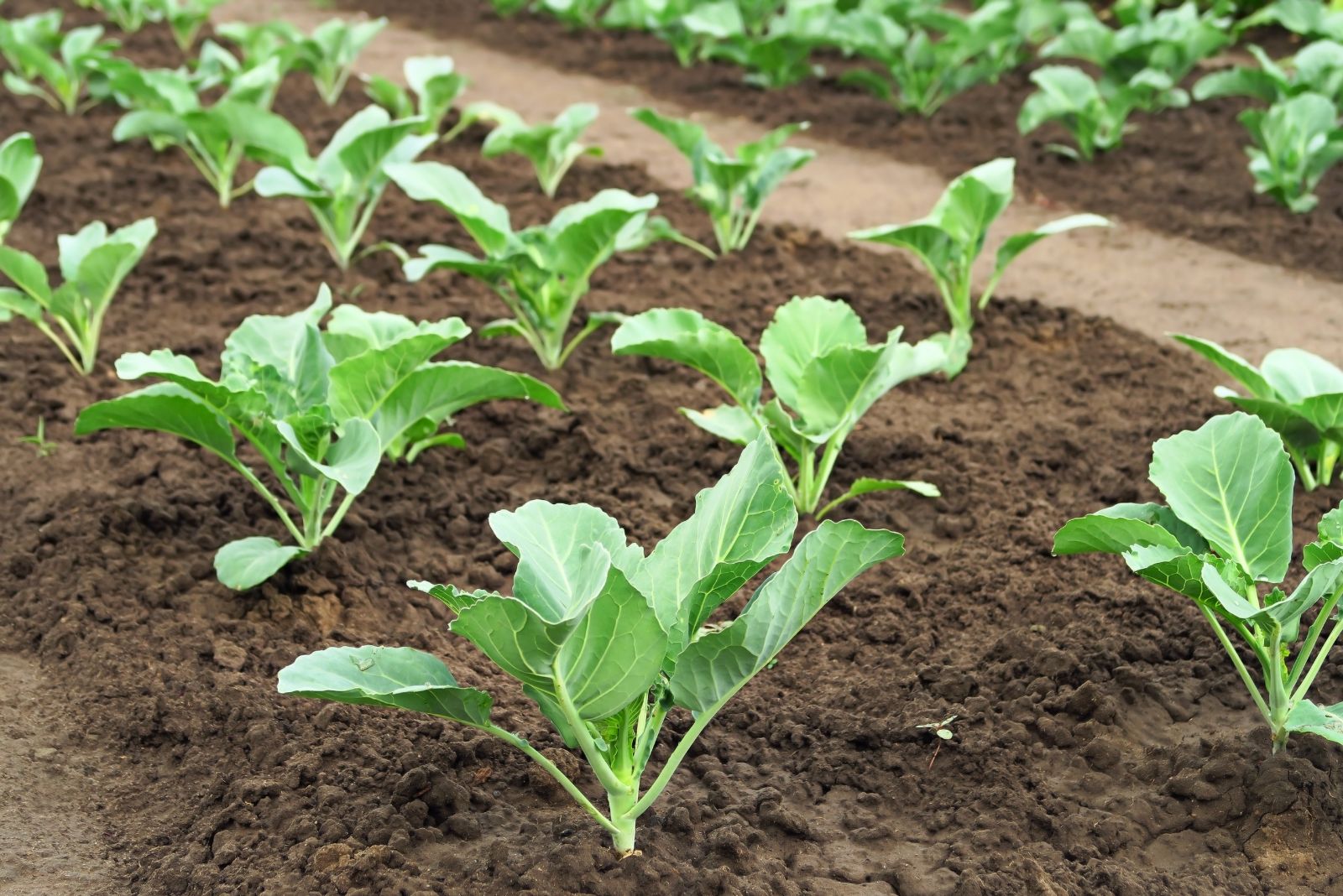
In Pennsylvania, April is prime time for getting cabbage transplants into the ground. This cold-tolerant crop actually benefits from a bit of cool weather, which helps the heads form tightly and develop great flavor.
Like broccoli, cabbage does best when started as transplants rather than direct-seeded in spring. Set your transplants about 12 to 18 inches apart in rows spaced 24 inches apart.
Cabbage plants can get surprisingly large, so giving them adequate space prevents overcrowding and improves air circulation around the leaves.
Pennsylvania gardeners often find that cabbage planted in April is ready to harvest by late June or early July, right before the hottest part of summer.
Timing it this way means you get a full, mature head without the heat stress that can split or damage cabbage during the dog days of summer.
Green varieties like Golden Acre and Earliana are popular choices across Pennsylvania because they mature relatively quickly and hold up well in variable spring weather.
Keep the soil evenly moist and watch for slugs, which tend to be active during cool, wet Pennsylvania springs.
A ring of diatomaceous earth around each plant can help deter these pests. Cabbage is also a wonderful crop to preserve by making sauerkraut or coleslaw for months of enjoyment.
8. Potatoes
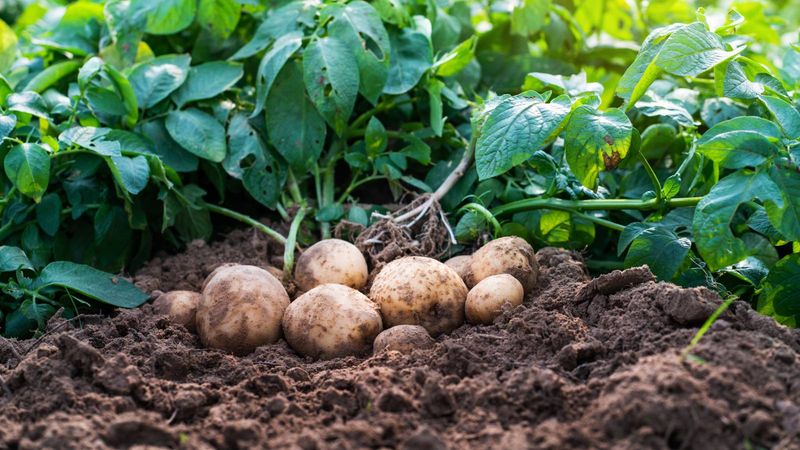
Planting potatoes in Pennsylvania in April feels like a rite of spring. There is something deeply satisfying about tucking seed potatoes into the earth and knowing that in a few months, you will dig up a treasure trove of homegrown spuds.
Potatoes are one of the most rewarding crops you can grow, and April is the ideal time to get them started.
Wait until the soil temperature reaches at least 45 degrees Fahrenheit before planting. Pennsylvania’s April weather usually hits that mark reliably.
Cut your seed potatoes into pieces, making sure each piece has at least one or two eyes. Let the cut pieces dry for a day or two before planting to reduce the chance of rot in the ground.
Plant seed potato pieces about three to four inches deep and 12 inches apart in rows spaced about 30 inches apart. As the plants grow and reach about eight inches tall, hill up the soil around the base of the plants.
This encourages more tuber development underground and protects forming potatoes from sunlight, which can turn them green.
Popular varieties for Pennsylvania gardens include Yukon Gold, Red Norland, and Kennebec. Each one has its own texture and flavor profile, so many gardeners plant a mix.
Water consistently throughout the growing season and watch for potato beetles, which are common in Pennsylvania. Potatoes planted in April are typically ready to harvest by midsummer, giving you a fantastic yield before the season ends.