These 8 Heat-Tolerant Plants Bloom Longer Than Geraniums In Florida
Florida heat has a way of exposing the quitters. A plant can look gorgeous at the garden center, then throw in the towel the second the real sun and humidity roll in.
Geraniums still get plenty of love, but in many Florida yards, they are not the ones stealing the show for long. Some bloomers keep pushing out color long after the usual favorites start to fade, sulk, or call it a season.
That is where this list gets interesting. These plants know how to hold their own when the days turn sticky, the sun gets fierce, and the whole garden feels like it is sweating by breakfast.
For Florida gardeners who want bold color that sticks around, this is where the smart money goes. A longer bloom season, less disappointment, and a yard that still looks full of life when other flowers have already run out of steam sounds like a pretty good deal.
1. Angelonia Keeps The Flower Show Going
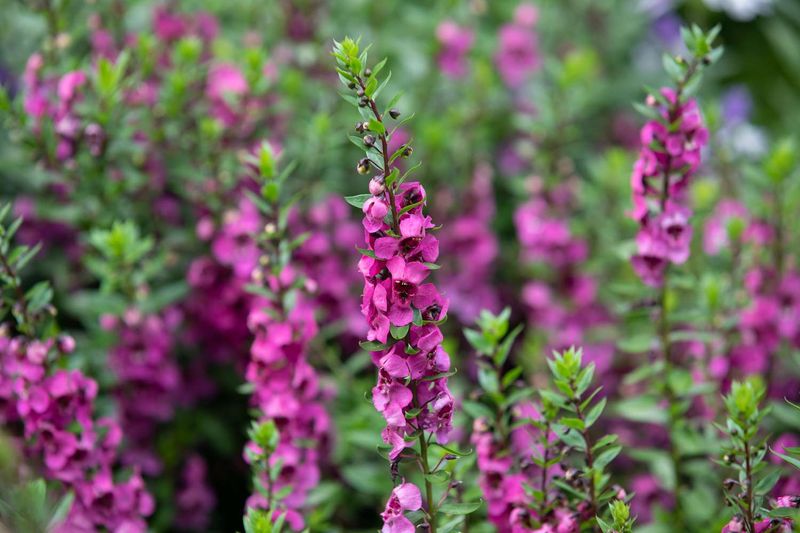
Sometimes called summer snapdragon, angelonia is one of those plants that seems to get more energetic as the thermometer climbs. While geraniums start struggling once temperatures push past the mid-80s, angelonia hits its stride.
UF/IFAS lists it as an outstanding performer in Florida landscapes, and for good reason.
The upright flower spikes rise anywhere from one to two feet tall and come in purple, pink, white, and bicolor shades. They produce a faint, sweet scent that makes them pleasant near walkways and entry beds.
Unlike geraniums, which need deadheading to keep going, angelonia blooms reliably without much fussing.
Full sun is where angelonia truly shines. It handles Florida’s intense summer sun without wilting, and it tolerates both the humidity and the afternoon downpours that come with rainy season.
Plant it in well-drained soil and give it regular moisture when it is getting established, and it will take care of itself from there.
In beds, borders, and large containers, angelonia provides consistent vertical color from late spring through fall.
That extended bloom window, combined with its no-fuss personality in the heat, makes it a far more reliable warm-season choice for Florida gardens than geraniums.
2. Pentas Bring Heatproof Color For The Warm Months
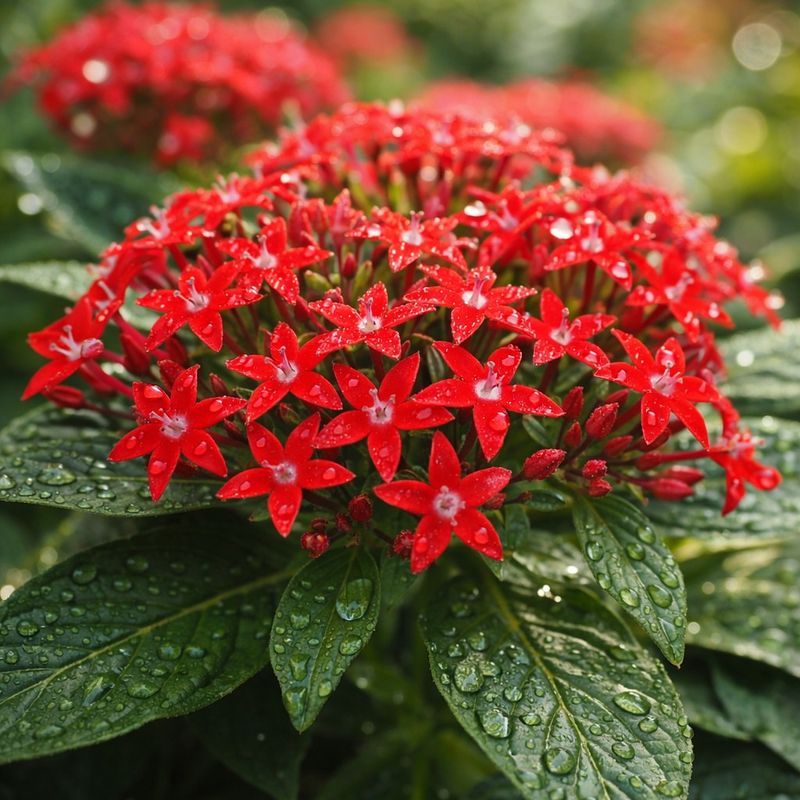
Walk through any Florida nursery in June and you will almost certainly spot pentas front and center. There is a reason it earns that prime real estate.
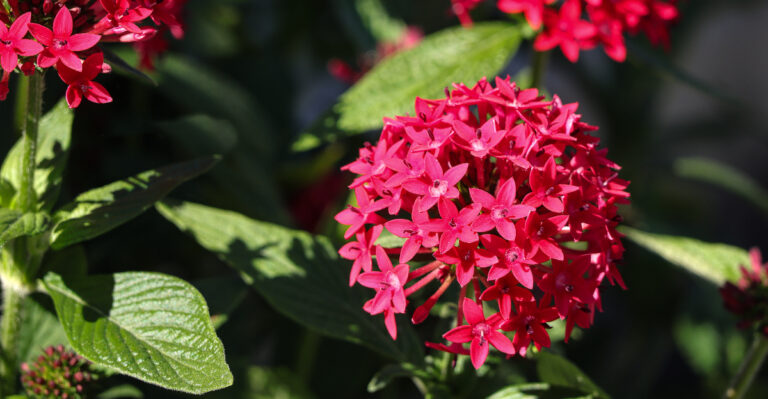
Pentas lanceolata thrives in the kind of heat and humidity that sends geraniums into early retirement, and it does it while producing dense, rounded clusters of star-shaped blooms in red, pink, white, and lavender.
UF/IFAS recommends pentas as one of the most dependable warm-season annuals for Florida landscapes. It blooms heavily from late spring through the first cool snap of fall, which in South Florida might mean blooming nearly year-round.
The flowers are a magnet for butterflies and hummingbirds, adding wildlife value on top of the color.
Pentas performs best in full sun, though it tolerates light afternoon shade in the hottest parts of the state. It does well in garden beds, raised planters, and containers alike.
Your Florida Garden Changes Every Week. Your Plan Should Too.
Gardening in Florida changes quickly throughout the season. Every Friday you’ll receive a simple weekly plan showing exactly what to plant, prune, fertilize, harvest, and protect so you never miss the right timing.
Good drainage matters, but pentas is not overly demanding about soil quality once it gets going.
One practical tip from Florida growers is to cut pentas back lightly mid-season if it starts looking leggy. It bounces back fast and often blooms even more heavily after a trim.
That kind of resilience puts it well ahead of geraniums in Florida’s long, hot growing season.
3. Firebush Turns Up The Bloom Power Fast
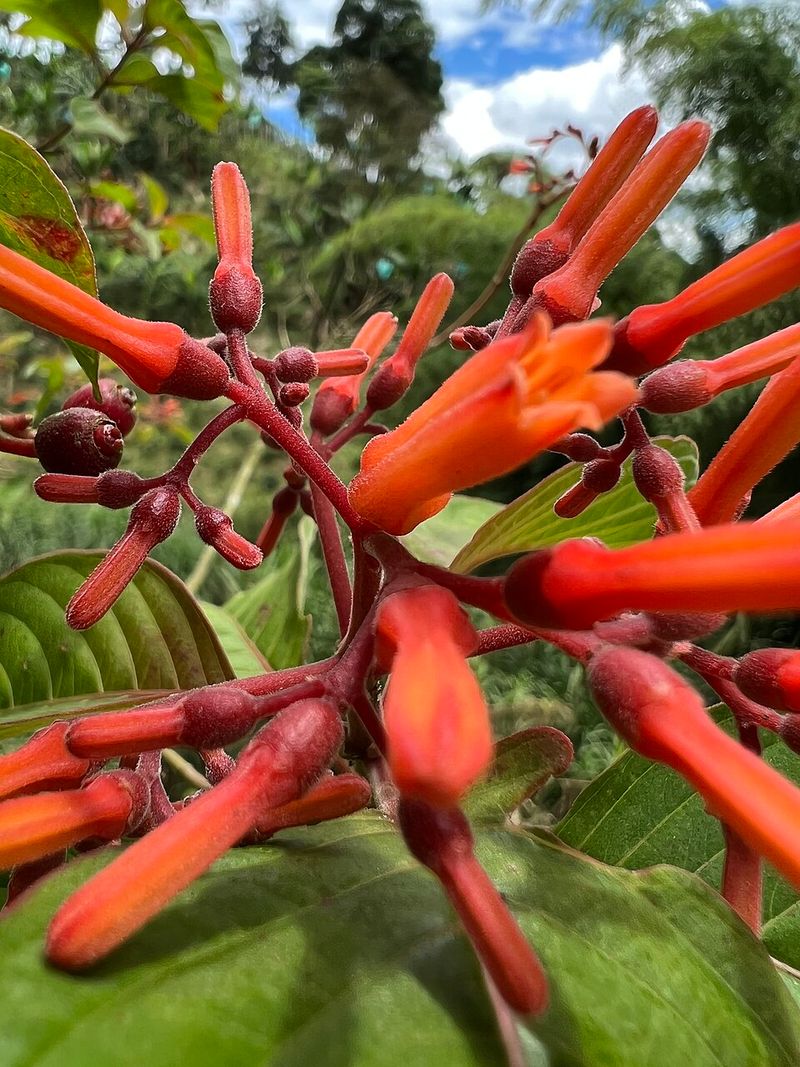
Native plants have a built-in advantage in Florida, and firebush proves that point season after season.
Hamelia patens is indigenous to Florida and much of the Caribbean, which means it evolved to handle exactly the kind of heat, humidity, and sandy soils that challenge imported ornamentals like geraniums.
Firebush produces clusters of tubular orange-red flowers almost continuously from late spring through fall. In South Florida, it often blooms even longer.
The flowers are irresistible to hummingbirds and butterflies, and the plant follows up blooms with small dark berries that attract birds as well. UF/IFAS highlights firebush as a top native landscape plant with strong wildlife value.
Growth habit varies depending on your location in the state. In North and Central Florida, firebush typically behaves as a large shrub or a returning perennial that gets cut back by frost.
In South Florida, it can grow into a multi-stemmed shrub reaching six feet or more. Either way, it fills space with color quickly and reliably.
Full sun brings out the best blooming, though firebush tolerates partial shade reasonably well. Once established, it handles dry spells without complaint.
The combination of native toughness, long bloom season, and wildlife appeal makes firebush a strong performer in any Florida landscape where geraniums would struggle to last through summer.
4. Bulbine Keeps Pushing Out Blooms In Tough Spots
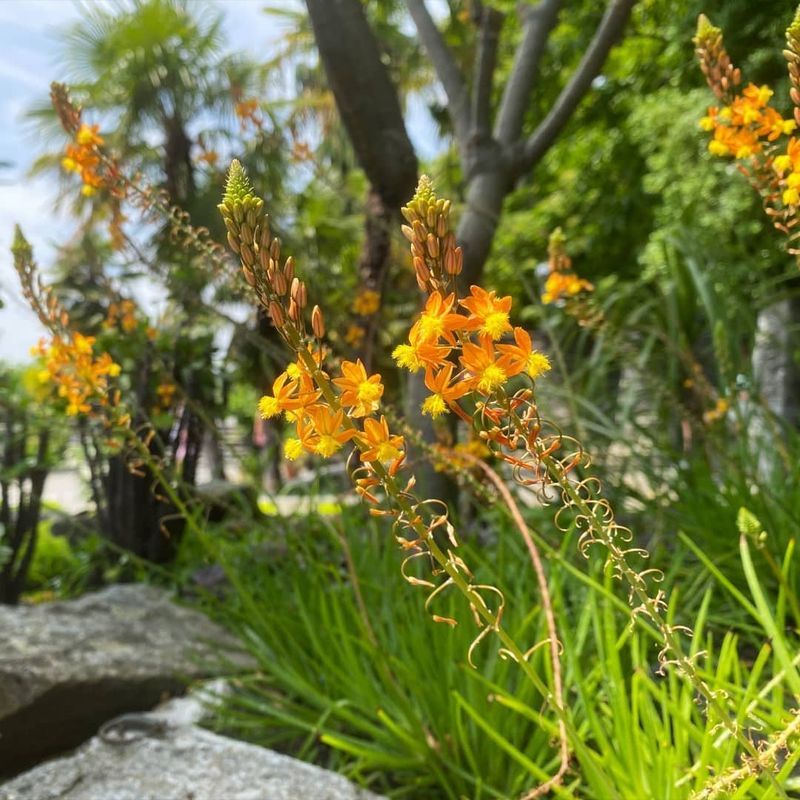
Not every corner of a Florida yard gets regular irrigation or rich soil, and that is exactly where bulbine earns its reputation. Bulbine frutescens is a South African succulent that has adapted beautifully to Florida’s sandy, dry, and sun-baked conditions.
It blooms in those tough spots where most flowering plants would simply give up.
The flower spikes rise above the grassy, succulent foliage and carry small star-shaped blooms in yellow or orange. What makes bulbine especially useful is its persistence.
It does not bloom in one big flush and then fade. Instead, it produces flower spikes over a very long season, often from late winter through summer in Central and South Florida.
UF/IFAS recommends bulbine for low-water landscapes and notes its strong performance in well-drained soils. It is an excellent choice for rock gardens, slopes, dry borders, and spots near driveways or sidewalks that tend to get hot and dry fast.
Overwatering is actually the main thing to avoid.
Compared to geraniums, which need consistent moisture and struggle in Florida’s summer heat, bulbine asks for almost nothing and keeps delivering color. It works well as a groundcover-style edging plant or in mass plantings.
For low-input Florida gardeners who want reliable blooms without the babysitting, bulbine is hard to beat.
5. Blanket Flower Stays Bright Deep Into The Season
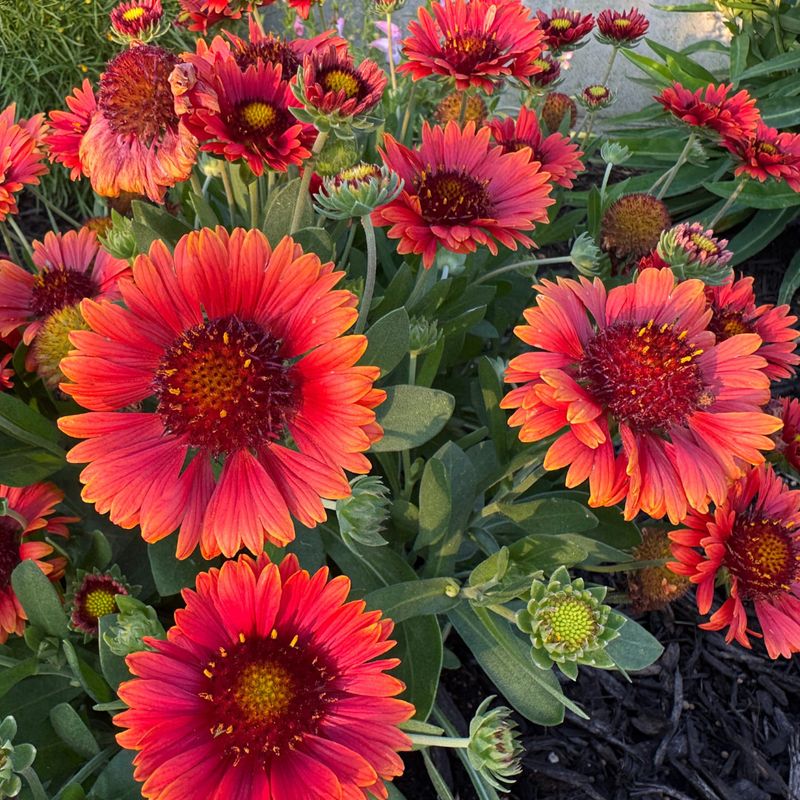
There is something almost cheerful about the way blanket flower holds its ground in the Florida sun.
Gaillardia pulchella, the native annual species, and its perennial relatives produce bold, daisy-like blooms in fiery combinations of red, orange, and yellow that seem to glow in the summer heat.
While geraniums are fading fast, blanket flower is still going strong.
Florida gardeners benefit from the fact that the annual species is native to the state and well adapted to its sandy, nutrient-poor soils.
UF/IFAS notes that blanket flower thrives in full sun and well-drained soils, including the sandy conditions common across much of Florida.
It actually performs better in lean soil than in rich, heavily amended beds.
Blooming typically begins in spring and continues through the heat of summer and into fall. The flowers attract bees and butterflies, adding pollinator activity to the garden.
Deadheading spent blooms encourages more flowers, though the plants often self-seed and return on their own in suitable spots.
Blanket flower does not tolerate soggy or poorly drained soil, so raised beds or sloped areas work well. For sunny Florida spots that bake all day, this is a plant that genuinely thrives rather than just survives.
That natural toughness and long color display make it a smarter warm-season choice than geraniums for most Florida landscapes.
6. Tropical Sage Brings Color Without The Fuss
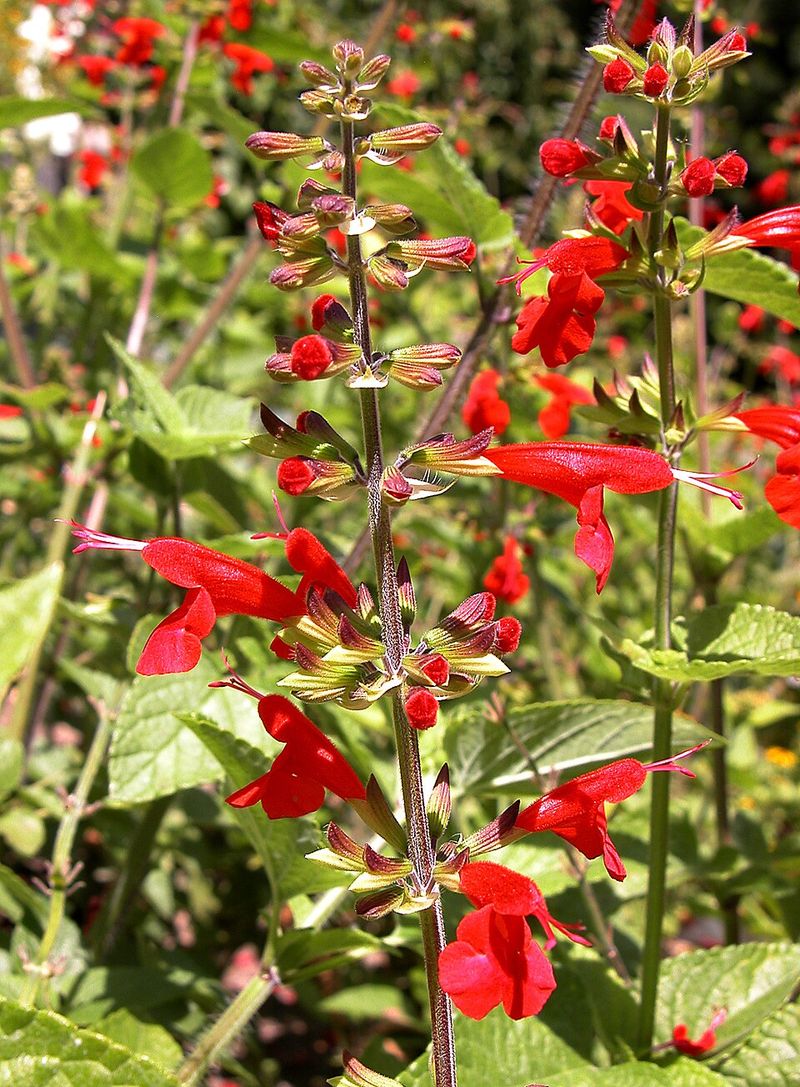
Tropical sage, known botanically as Salvia coccinea, is one of those plants that rewards Florida gardeners for doing almost nothing.
It is native to Florida, which means it already knows how to handle the heat, the sandy soils, and the afternoon thunderstorms that define summer in the Sunshine State.
The flower spikes are slender and upright, carrying tubular red, pink, or white blooms that hummingbirds and butterflies actively seek out. Blooming can begin in late spring and continue well into fall, and in South Florida the plant sometimes persists and blooms even longer.
UF/IFAS recognizes tropical sage as a Florida-friendly native with strong ornamental and wildlife value.
One of the most appealing things about tropical sage is how little it demands. It tolerates poor soils, handles drought once established, and reseeds itself freely so you often get new plants coming up without any effort on your part.
Full sun to light shade both work well, giving it flexibility that geraniums simply do not have.
In mixed beds, cottage-style borders, or naturalistic plantings, tropical sage adds vertical color and movement. The upright form contrasts nicely with lower, mounding plants.
For Florida gardeners who want a long-blooming, pollinator-friendly option that takes care of itself through the hottest months, tropical sage is a genuinely low-effort reward.
7. Perennial Peanut Covers Ground And Keeps Blooming
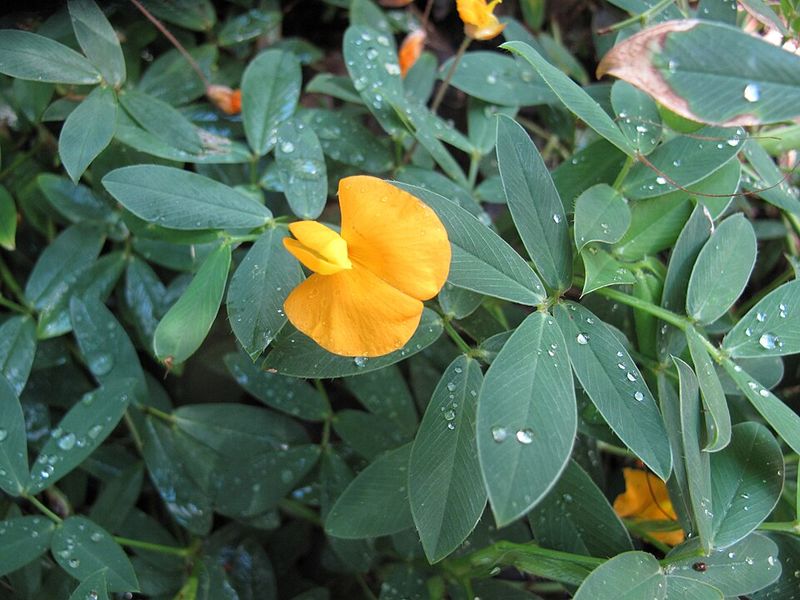
Ground-level color is one of the hardest things to maintain in a Florida landscape through the heat of summer, and that is exactly the gap perennial peanut fills.
Arachis glabrata is a low-growing, spreading groundcover that produces cheerful bright yellow flowers consistently across a very long bloom season.
It is not showy in a dramatic way, but it is dependable in a way that matters.
UF/IFAS has studied perennial peanut extensively and recommends it as a tough, low-input groundcover for Florida landscapes.
It tolerates heat and drought well once established, fixes nitrogen in the soil, and spreads to cover bare ground without becoming invasive in most managed settings.
The blooms appear from spring through fall, providing months of color at ground level.
Full sun is where perennial peanut performs best. It handles sandy soils and does not need fertilizer to thrive, which makes it especially practical for Florida homeowners looking to reduce lawn care inputs.
It stays low, typically under a foot tall, making it a neat and tidy option for slopes, medians, and open sunny areas.
Compared to geraniums, which need regular watering, feeding, and replacement in Florida heat, perennial peanut asks for very little and keeps delivering.
For anyone wanting a ground-level bloomer that holds up through Florida’s long, punishing warm season, this plant is a genuinely practical and attractive solution.
8. Firecracker Plant Steals The Show With Nonstop Red
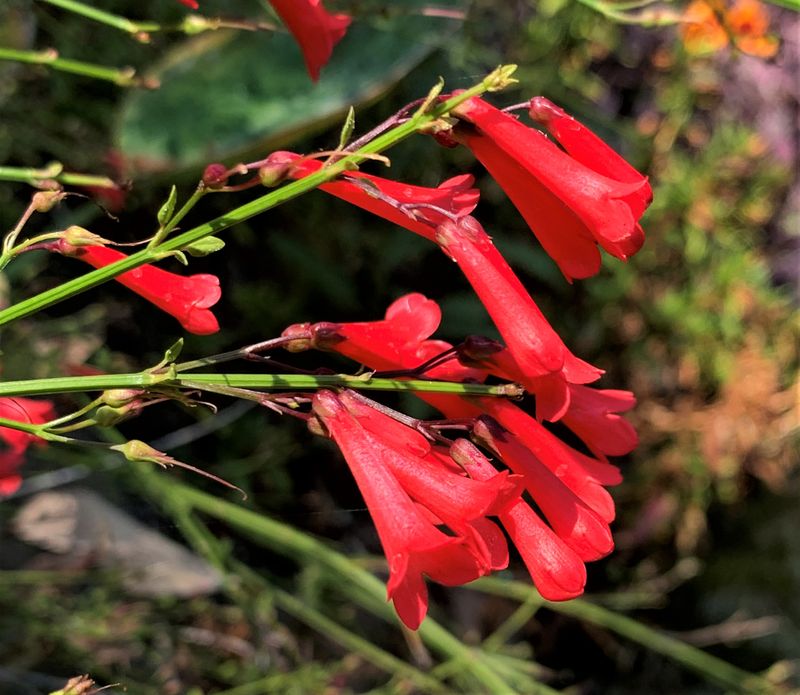
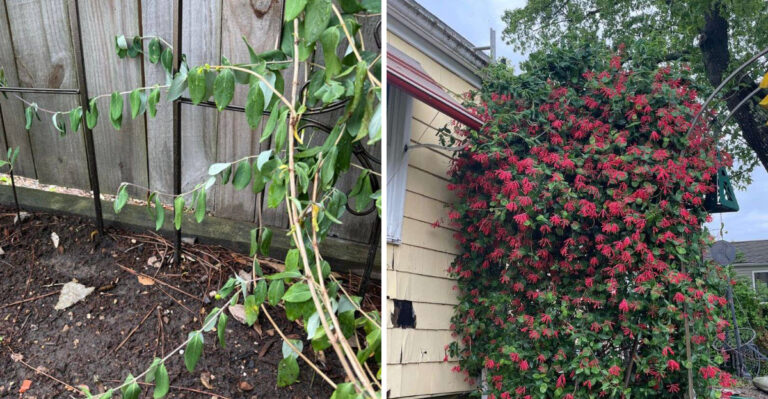
Few plants put on a more theatrical display in a Florida summer garden than firecracker plant. Russelia equisetiformis produces a cascade of thin, arching stems covered in small tubular red flowers that seem to glow against the green foliage.
The whole plant has an almost fountain-like shape that draws the eye from across the yard.
Hummingbirds are particularly drawn to the long, narrow blooms, and butterflies visit them regularly as well. The plant blooms heavily from spring through fall, and in South Florida it often continues flowering year-round in frost-free conditions.
That kind of endurance puts it far ahead of geraniums, which typically fade out well before summer is over.
UF/IFAS notes that firecracker plant performs well across much of Florida in full sun to partial shade. It tolerates heat, humidity, and brief dry spells once it is established.
Well-drained soil is important, but the plant is not fussy about soil quality beyond that. It works well in containers, raised beds, slopes, and as a cascading accent over walls or planters.
Pruning it back occasionally keeps the plant tidy and encourages fresh growth and more blooms. It rarely needs much else in the way of care.
For Florida gardeners who want a bold, long-blooming focal point that attracts wildlife and holds up through the worst of summer heat, firecracker plant delivers consistently and colorfully.