The April Care Move Florida Palms Actually Need
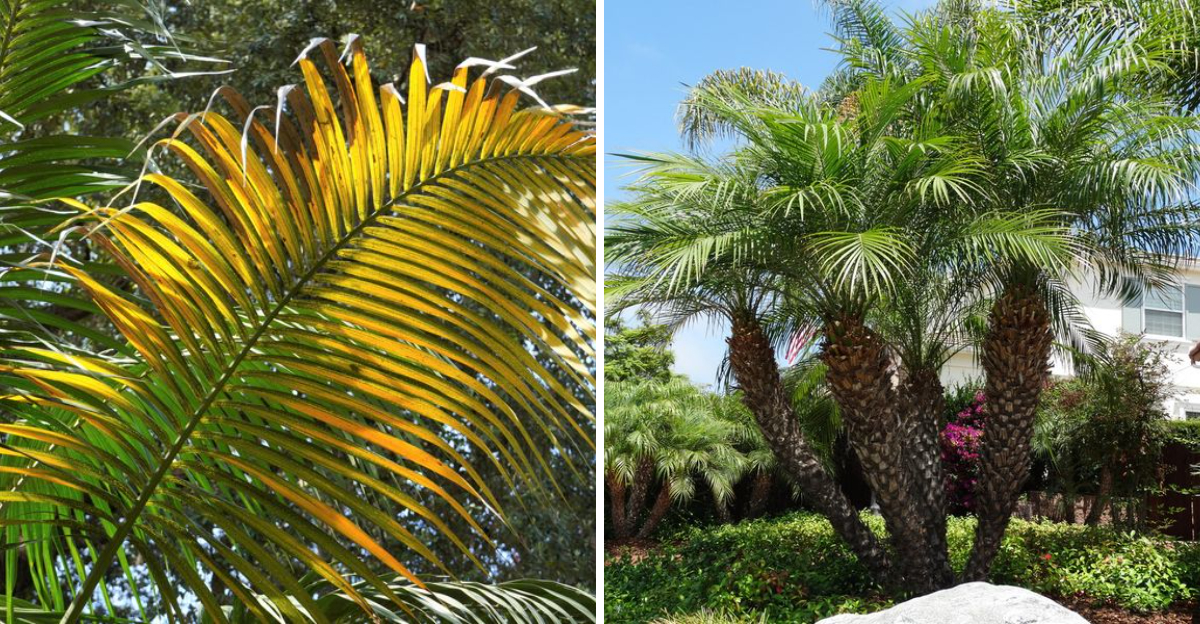
April hits, and Florida palms start sending signals most people miss. Fronds lose that deep green punch, growth slows, and something just feels off.
You water, you fertilize, you wait. Still no wow. Sound familiar? Here’s the twist.
The fix isn’t what most guides push, and it takes less effort than you think. One simple move can flip the switch, wake up your palms, and bring back that lush, postcard look.
Yet many homeowners skip it or get it wrong at the worst time. That mistake costs color, strength, and curb appeal.
Want palms that look like they belong at a resort, not an afterthought? There’s a timing trick and a method that makes all the difference.
Miss it, and your palms coast. Nail it, and they thrive.
Ready to see what your palms have been waiting for this April?
1. Start April With A Palm Health Check
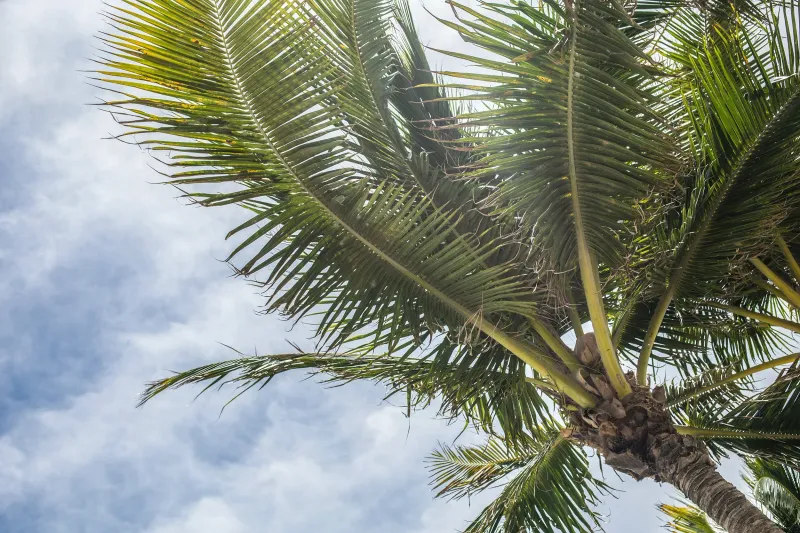
Before you do anything else with your palms this spring, take a slow walk around each tree and look at it honestly.
April is one of the best times in Florida to catch problems early because the harshest summer stress has not arrived yet, and any issues developing now will only get worse once temperatures and humidity climb.
A few minutes of careful observation can save you a lot of trouble later in the season.
Start at the base of the trunk and work your way up. Look for discoloration, unusual spotting, fronds that seem weak or droopy, or any areas where the color looks uneven.
Pay attention to the newest growth coming out of the center of the canopy, sometimes called the spear. If that area looks pale, stunted, or distorted, it can signal a serious nutrient issue that needs prompt attention.
Florida palms face some unique challenges that palms in other states simply do not deal with. The state’s sandy, fast-draining soils tend to be low in nutrients like potassium, magnesium, and manganese, all of which palms need to stay healthy.
The University of Florida IFAS Extension notes that many common palm problems in Florida trace back to nutrient deficiencies rather than pests or diseases.
Getting a clear picture of your palm’s current condition in April gives you a head start on addressing those deficiencies before summer growth demands peak.
Think of it as a wellness visit for your tree.
2. Skip The Common Pruning Mistake
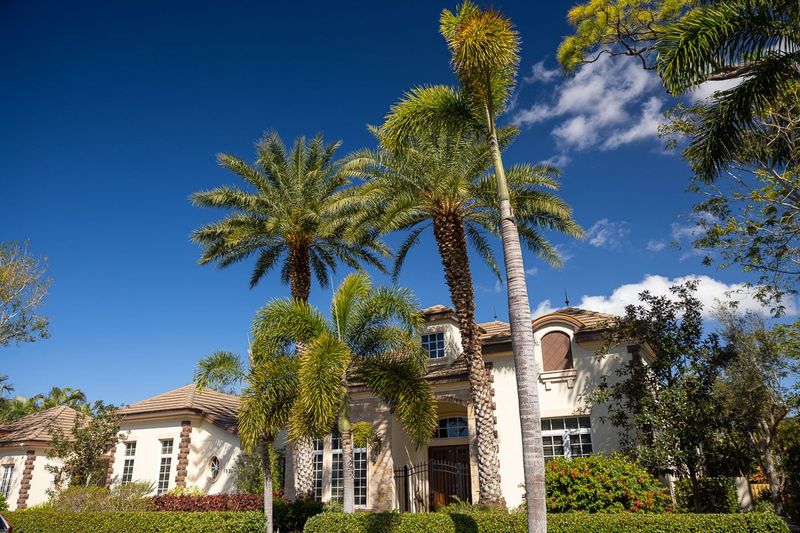
Every spring, neighborhoods across Florida see the same scene play out: someone grabs a chainsaw or a machete and cuts their palm back aggressively, thinking they are helping the tree get ready for the season. It feels productive.
It looks tidy in the moment. But according to University of Florida IFAS Extension research, this kind of heavy pruning is actually one of the most harmful things you can do to a palm.
The so-called hurricane cut, where nearly all fronds are removed leaving only a small cluster at the top, does not protect palms from storm damage. Research has shown it actually weakens them.
Your Florida Garden Changes Every Week. Your Plan Should Too.
Gardening in Florida changes quickly throughout the season. Every Friday you’ll receive a simple weekly plan showing exactly what to plant, prune, fertilize, harvest, and protect so you never miss the right timing.
Palms store energy and nutrients in their fronds, and stripping those away forces the tree to pull from its own reserves just to survive. The result over time is a thinner canopy, slower growth, and a palm that is more vulnerable to stress and pests.
Aggressive pruning can also create openings where the Fusarium fungus enters the trunk, which is especially dangerous for Canary Island date palms. Florida-Friendly Landscaping guidelines consistently caution against removing more fronds than necessary.
Pruning should never be the centerpiece of your April palm care routine. If a neighbor or a lawn service suggests cutting your palm back hard as a spring ritual, that advice is not grounded in Florida palm science.
The smarter move is to put the pruning tools down and focus on what your palm actually needs, which is almost always nutrition and careful observation.
3. Leave Green Fronds In Place
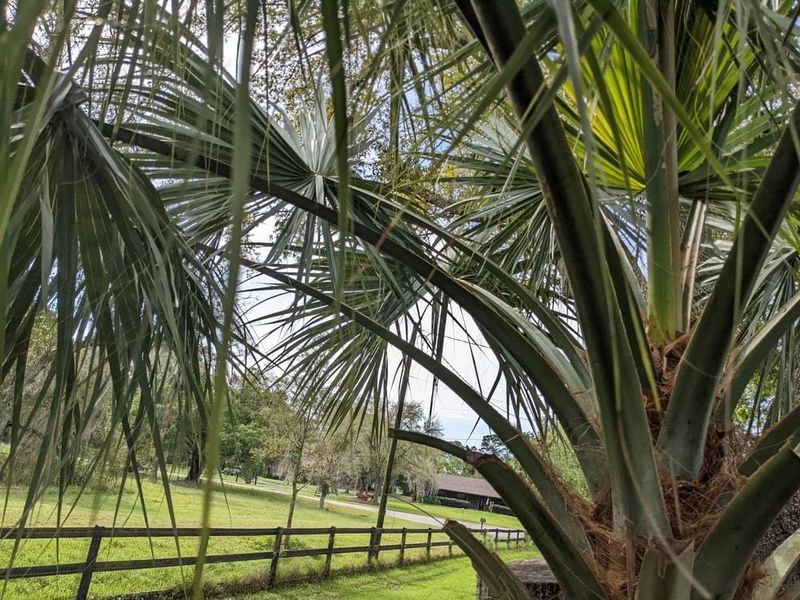
Green fronds are not decoration. They are working parts of the tree, and understanding that changes how you approach spring cleanup.
Palms are what botanists call monocots, which means they cannot grow new vascular tissue the way broadleaf trees can. Once a frond is removed, the palm cannot replace the nutrient pathways that frond was supporting.
That is why pulling off healthy green growth is more damaging than most homeowners realize.
One of the most important functions of older green fronds is nutrient recycling. Palms move potassium and other mobile nutrients from older leaves into newer growth as the tree matures.
When you remove a green frond before that process is complete, you are essentially throwing away nutrients the palm was still using. Over time, this pattern contributes to the very deficiencies that make palms look yellow and weak in the first place.
University of Florida IFAS Extension palm specialists are clear on this point: only fronds that hang below a horizontal line from the trunk, meaning they are pointing downward and are fully brown, should be considered for removal.
Green fronds pointing outward or slightly downward are still functional and should stay.
If your palm has a full, healthy canopy of green fronds, that is a sign the tree is doing well. Resist the urge to thin it out for the sake of a neater look.
A full canopy is not a problem to solve. It is evidence of a palm that is thriving and doing exactly what it should be doing.
4. Watch For Yellowing And Other Stress Signs
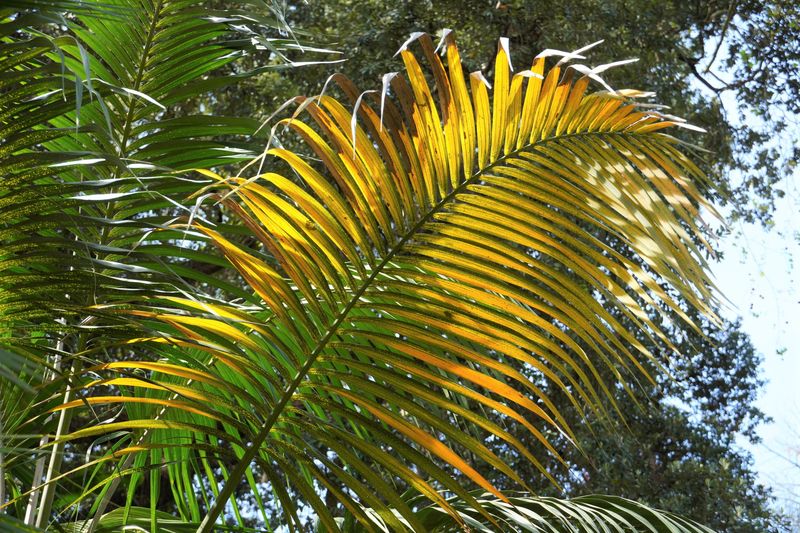
Yellowing fronds on a Florida palm are one of the most misread signals in home landscaping. Many people assume yellow means the tree needs water or that it is simply time to prune those fronds away.
But in Florida, yellowing is almost always a nutrient story.
The University of Florida IFAS Extension has documented that potassium deficiency is the most widespread nutritional problem affecting Florida palms, and it shows up first as yellowing and spotting on older fronds.
Magnesium deficiency is another common issue, and it produces a distinctive pattern where the edges of older fronds turn yellow while the center stays green.
Manganese deficiency tends to show up in newer growth, causing what researchers call frizzle top, where the emerging spear leaves look pale, streaked, or crinkled rather than firm and green.
Each of these conditions has a different appearance and a different correction, which is why identifying the specific symptom matters more than just assuming the palm needs more of everything.
Other stress signs worth watching in April include brown leaf tips, dark or water-soaked spots on fronds, a leaning trunk, or any soft or discolored areas near the base.
Lethal bronzing disease, which has spread through parts of Florida and affects many palm species, also begins with yellowing fronds before moving upward through the canopy.
Catching symptoms early gives you the best chance of responding effectively. When you notice something off, take a photo and reach out to your local UF IFAS Extension office for a reliable identification before taking action.
5. Feed Palms The Right Way In Spring
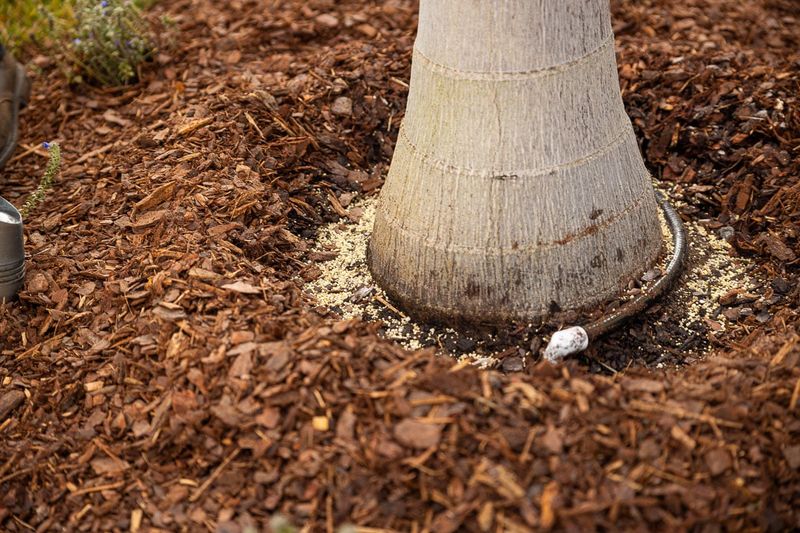
April marks the beginning of active growth for Florida palms, which makes it an ideal time to fertilize. But not just any fertilizer will do.
Generic lawn fertilizers and high-nitrogen products can actually make nutrient problems worse by pushing fast, weak growth without addressing the specific deficiencies Florida palms are prone to. The right choice for Florida palms is a slow-release fertilizer specifically formulated for palms.
University of Florida IFAS Extension recommends a palm fertilizer with an approximate ratio of 8-2-12-4, meaning 8 percent nitrogen, 2 percent phosphorus, 12 percent potassium, and 4 percent magnesium.
The potassium and magnesium should be in slow-release or sulfate form to prevent leaching through Florida’s sandy soils.
Applying a fast-release potassium source can actually cause a deficiency to worsen because it washes away before the palm can absorb it properly.
Spread the fertilizer evenly under the entire canopy and slightly beyond the drip line, not piled up against the trunk. Palms absorb nutrients through their root zone, which extends outward, not just straight down.
Water the fertilizer in after application if rain is not expected within a day or two. Keep in mind that fixing an existing deficiency takes time.
Palms are slow to show improvement because they cannot move nutrients back into already-damaged fronds. New growth is where you will see the results of better nutrition, so patience is part of the process.
Consistent, correct feeding over multiple seasons is what truly builds a healthier palm.
6. Remove Only Fully Brown Fronds
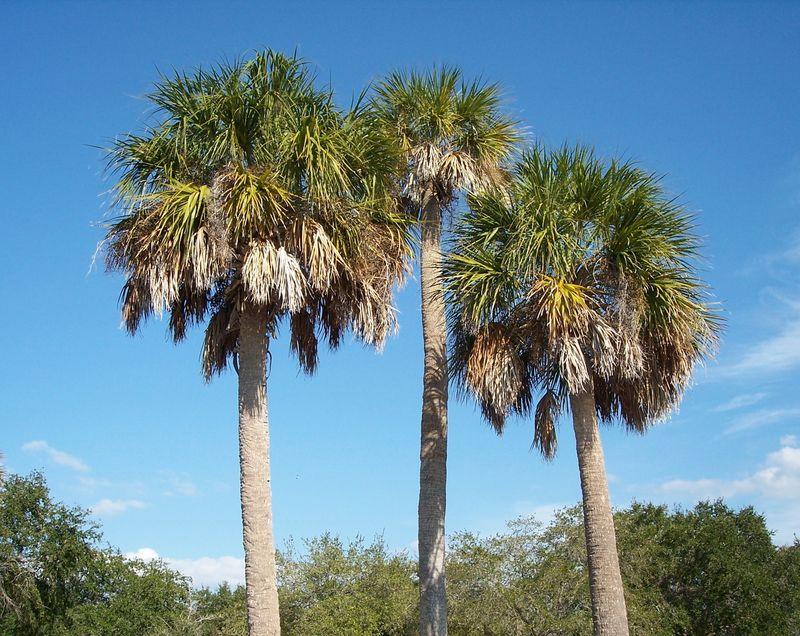
When cleanup is genuinely needed, the rule is simple and worth repeating: only fully brown fronds should come off. A frond is not ready to remove just because part of it looks tired or has a few brown tips.
Partial browning often means the frond is still transferring nutrients into the palm, and cutting it away early interrupts that process. Wait until a frond is completely brown and dry before considering removal.
From a safety standpoint, fully withered fronds that hang below the horizontal line of the canopy can become a hazard, especially in storms. Removing them is reasonable and appropriate.
But the goal should be a clean, natural-looking canopy, not a stripped-down trunk with a tiny pom-pom of growth at the top.
Florida-Friendly Landscaping principles emphasize that less intervention is often better for palm health, and that over-management creates more problems than it solves.
When you do remove fronds, use clean, sharp tools and make smooth cuts close to the trunk without cutting into the trunk tissue itself. Leaving a small stub is fine and actually preferable to a flush cut that can damage the trunk.
If you are hiring a tree service, ask specifically about their approach to palm pruning before they start work. A reputable professional will not suggest removing green fronds or performing a heavy cut as a spring routine.
The fronds you leave in place are doing important work, and every unnecessary cut is a small setback for the tree’s long-term health and appearance.
7. Keep Florida Palms Looking Strong Through Summer
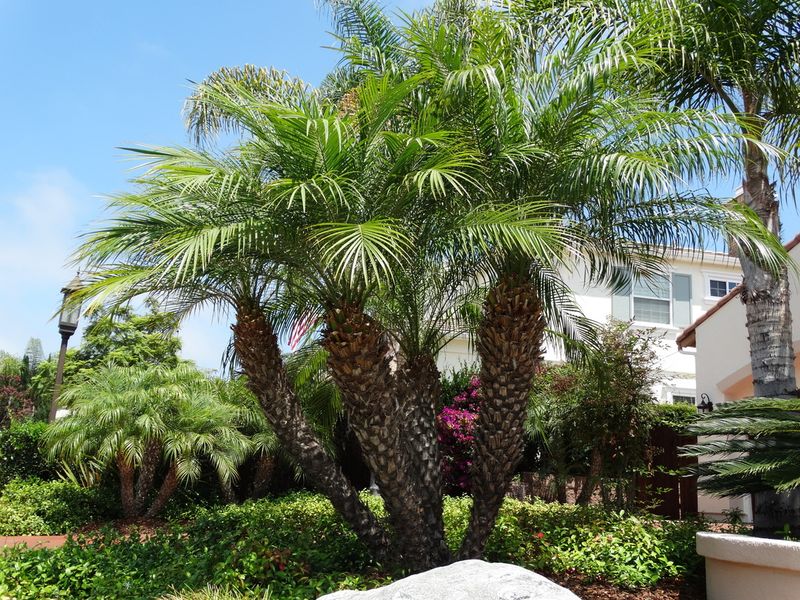
Smart April care pays off visibly by the time summer arrives in full force.
Palms that were properly fed, carefully observed, and thoughtfully managed in spring tend to hold their color better, push out stronger new growth, and handle heat and storm stress with more resilience than trees that were over-pruned or neglected.
The connection between April preparation and summer performance is real and worth taking seriously.
Beyond fertilizing and limited cleanup, a few additional habits support long-term palm health in Florida.
Applying a two to three inch layer of organic mulch around the base of the palm, keeping it several inches away from the trunk, helps retain soil moisture and moderate root zone temperature as summer heat builds.
Deep, infrequent watering encourages roots to grow downward toward more stable moisture rather than staying shallow and vulnerable to drought stress. Both practices align with UF IFAS Extension guidance for Florida palms.
Checking in on your palms monthly through the summer is also worthwhile. New growth should look firm, green, and well-formed.
If the emerging spear looks pale or distorted even after spring fertilization, a supplemental application of manganese sulfate may be needed for certain deficiency conditions.
Keep records of what you applied and when, because building a consistent care history helps you spot patterns over time.
Florida palms are remarkably tough trees when their basic needs are met. Give them proper nutrition, leave their healthy fronds alone, and they will reward you with years of striking, low-maintenance beauty through every Florida season.