These Vegetables Can Survive South Texas Heat
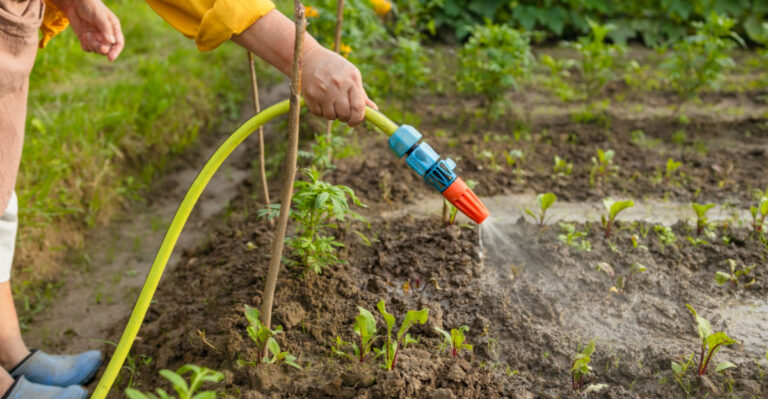
Growing vegetables in South Texas can feel like a challenge the moment summer starts turning up the heat. What looks healthy in spring can wilt fast once the sun gets stronger, the days get longer, and the soil starts drying out almost as soon as you water it.
That is why planting the right crops matters so much in this part of the state. Some vegetables simply are not built for that kind of pressure. Others seem to take it in stride and keep producing even when the weather gets tough.
That difference can save a lot of frustration. Instead of fighting to keep cool-season crops alive long past their comfort zone, smart gardeners focus on vegetables that can handle heat, bright sun, and long growing seasons.
South Texas actually offers a big advantage when you lean into those conditions instead of working against them. With the right picks, a garden can stay productive when many people assume the season is already lost.
For anyone hoping to keep harvesting through the hottest stretch of the year, choosing vegetables that can survive South Texas heat is one of the best moves you can make.
1. Okra
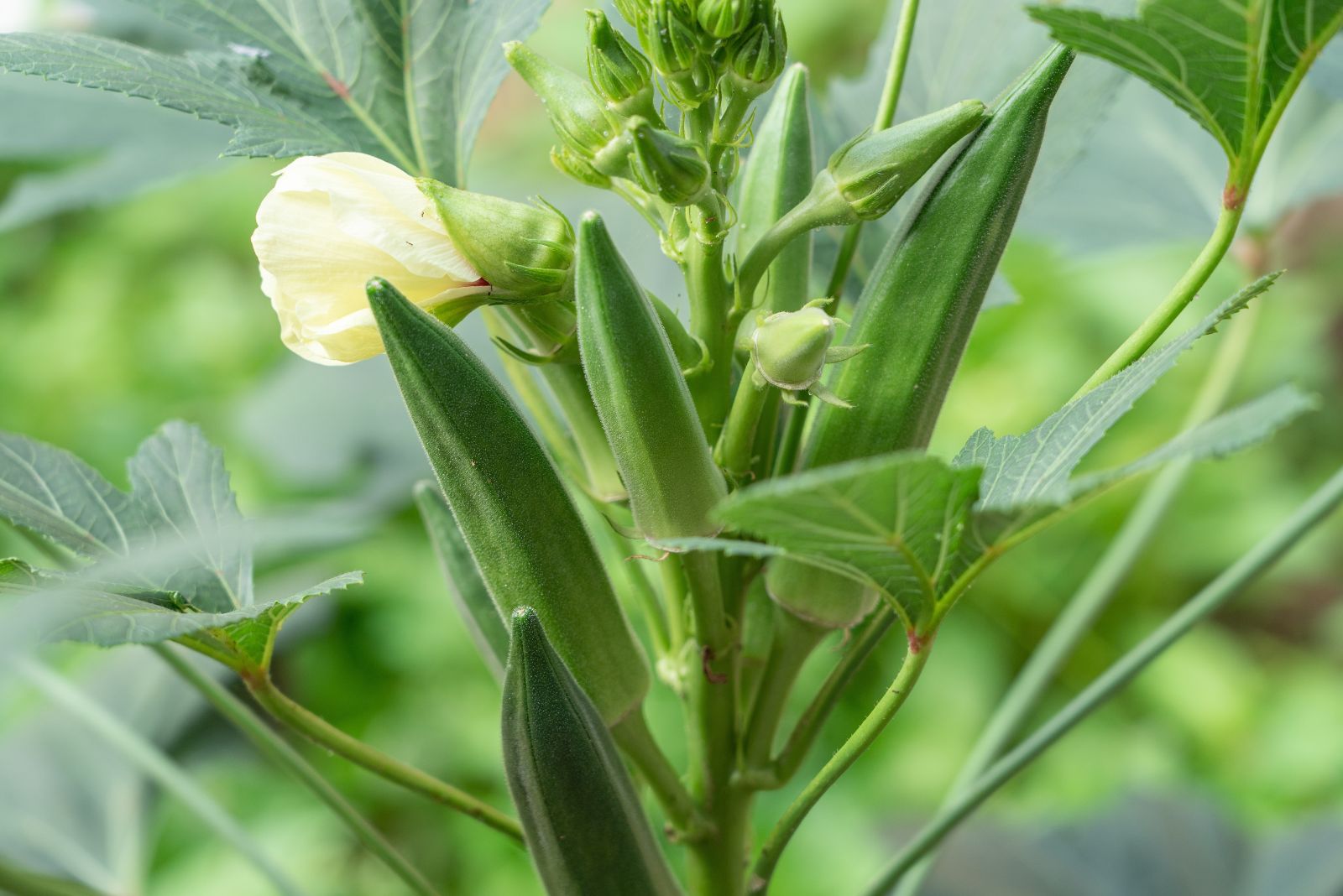
If there is one vegetable that was practically born for South Texas summers, it is okra. Few plants handle extreme heat the way okra does.
When most other vegetables slow down or stop producing once temperatures climb past 90 degrees, okra just keeps going. It almost seems to enjoy the punishment that South Texas summers deliver.
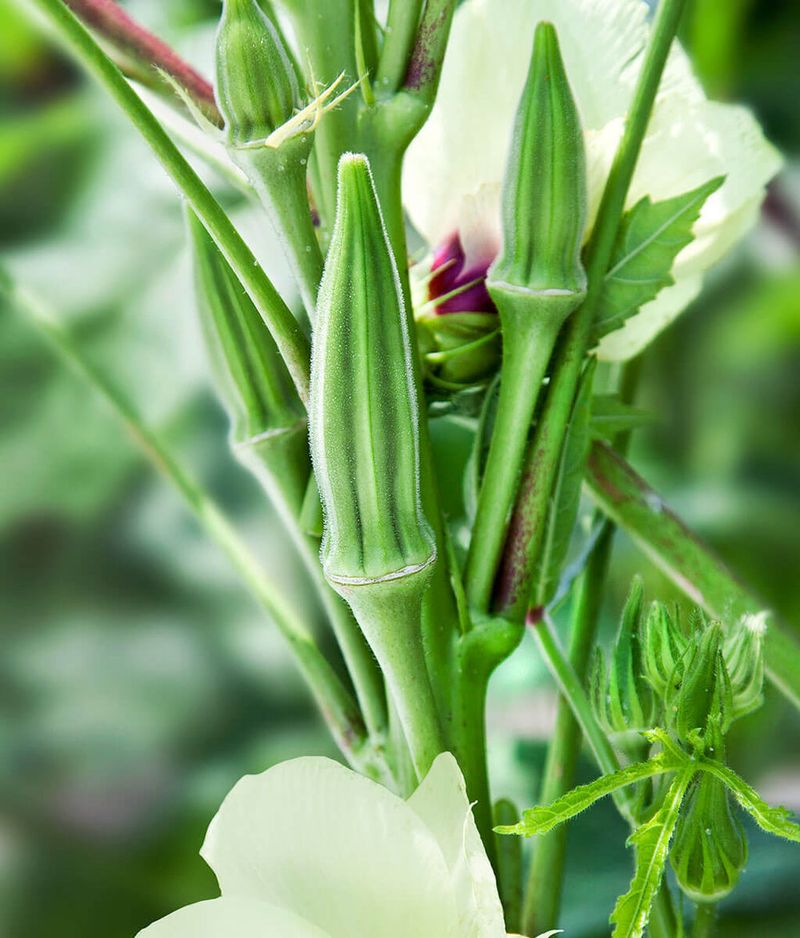
Okra belongs to the same family as hibiscus, and its flowers are just as beautiful. The plant grows tall, sometimes reaching six feet or more, and produces tender pods that are ready to harvest just a few days after the flowers appear.
If you miss a harvest, the pods get tough and woody quickly, so check your plants every day or two during peak season.
In South Texas, okra grows best when planted after the last frost, usually between March and May. It loves full sun and well-drained soil.
Water it deeply but not too frequently, since okra is surprisingly drought-tolerant once it gets established. Adding a layer of mulch around the base of each plant helps keep the soil cooler and holds in moisture during the hottest weeks.
One of the biggest advantages of growing okra in South Texas is its long production window. A single planting can keep you in fresh pods from early summer all the way through fall.
Roast it, fry it, toss it in gumbo, or pickle it. Okra is one of the most versatile vegetables you can grow, and in South Texas, it is also one of the most dependable.
2. Southern Peas (Black-Eyed Peas / Cowpeas)
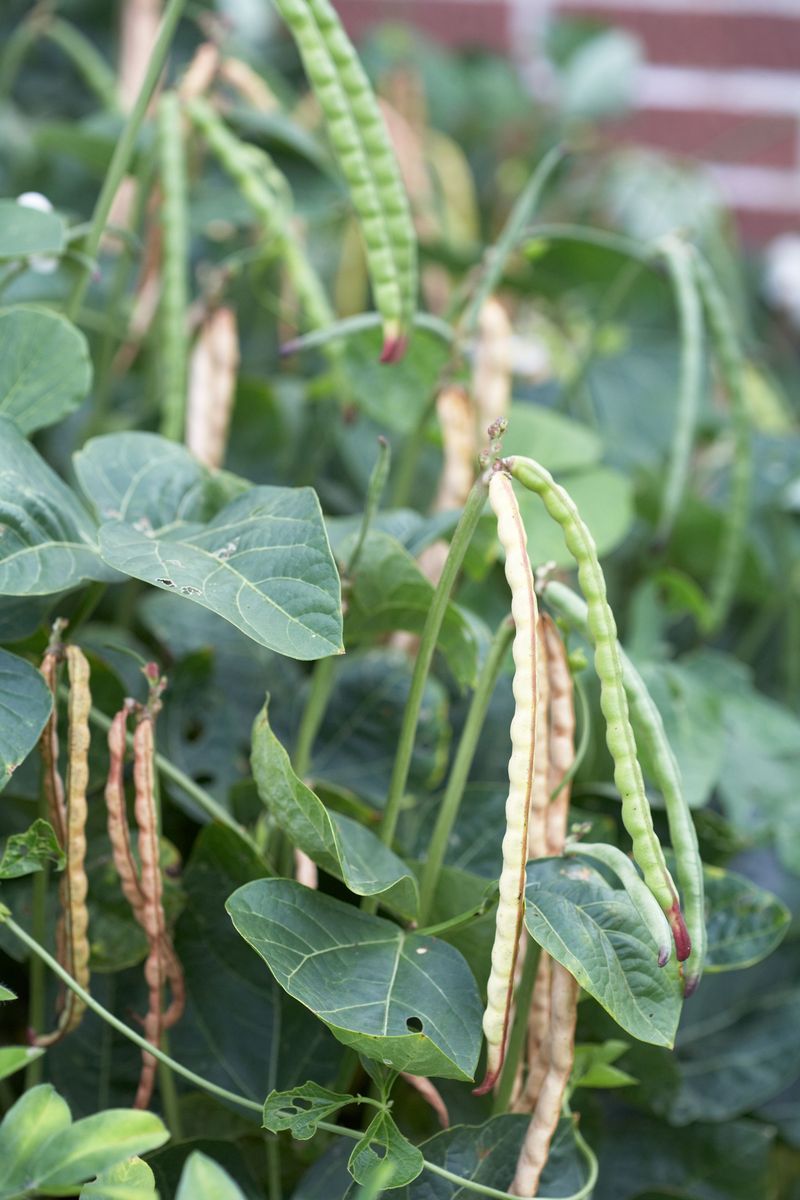
Southern peas have been feeding families across the South for generations, and there is a very good reason why. These tough little legumes were built for hot, dry conditions.
Black-eyed peas and other cowpea varieties actually prefer temperatures between 80 and 95 degrees, which makes them a perfect match for South Texas summers. While other vegetables struggle, Southern peas thrive.
Your Texas Garden Changes Every Week. Your Plan Should Too.
Gardening in Texas changes quickly throughout the season. Every Friday you’ll receive a simple weekly plan showing exactly what to plant, prune, fertilize, harvest, and protect so you never miss the right timing.
What makes them even more impressive is what they do for your soil. Southern peas fix nitrogen from the air and store it in the ground, which naturally fertilizes your garden without you having to spend a dime on extra products.
That means growing them this season actually helps your soil perform better next season too. It is a win-win that smart South Texas gardeners have counted on for years.
Plant Southern peas directly in the ground after the last frost, spacing seeds about four to six inches apart in rows. They do not need rich soil to perform well.
In fact, overly fertile soil can cause them to grow more leaves than pods. Give them full sun, occasional deep watering, and minimal fuss, and they will reward you generously.
Harvest the pods when they are plump but still tender for the best flavor. You can also let them dry on the vine for dried peas that store well for months.
Whether fresh, frozen, or dried, Southern peas are one of the most reliable and nutritious crops a South Texas gardener can grow all summer long.
3. Sweet Potatoes
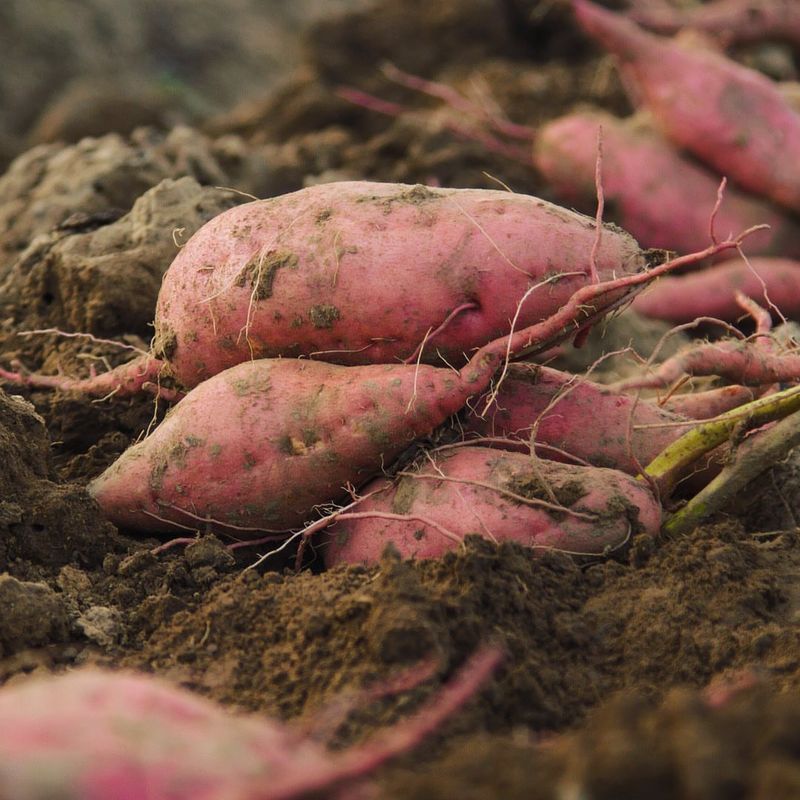
Sweet potatoes and South Texas summers are a natural match. These warm-weather roots love long, hot growing seasons, and South Texas delivers exactly that.
Once sweet potato slips get established in the ground, they spread quickly, sending out long vines that cover the soil and help keep moisture from evaporating too fast. That ground cover is a huge advantage when summer temperatures soar.
Did you know that sweet potatoes are not actually related to regular potatoes? They belong to the morning glory family, and their vines produce pretty flowers that make them almost ornamental.
But the real treasure is underground. After about 90 to 120 days of growing, you can dig up a generous harvest of sweet, nutritious roots that store well for months in a cool, dry place.
In South Texas, plant sweet potato slips after the soil has warmed up in spring, usually between April and June. They need full sun and loose, well-drained soil so the roots have room to expand.
Raised beds work especially well for sweet potatoes because the soil drains faster and warms up more evenly. Water regularly when the plants are young, then back off a bit once the vines start spreading.
Sweet potatoes are packed with vitamins and fiber, making them one of the most nutritious crops you can grow. Bake them, mash them, roast them with spices, or turn them into a sweet potato pie.
Growing your own in South Texas means you get fresher, tastier results than anything you will find at the store.
4. Malabar Spinach
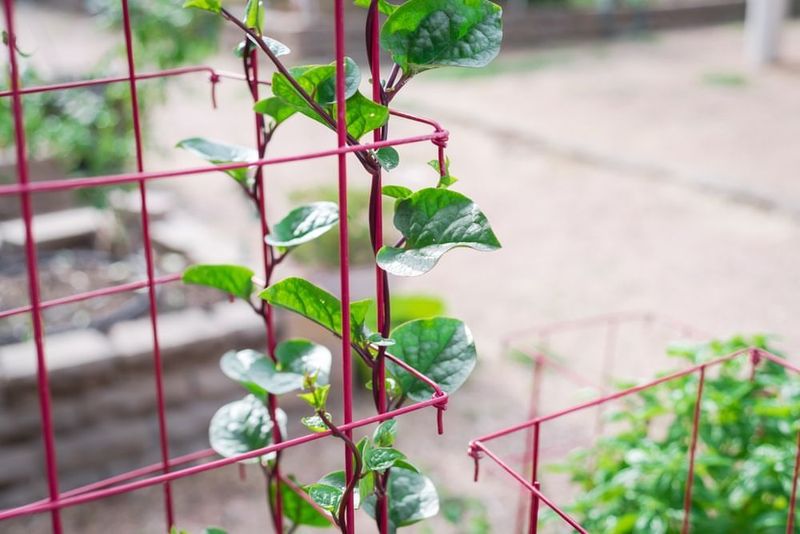
Regular spinach gives up the moment South Texas temperatures start climbing, but Malabar spinach plays by completely different rules.
Technically not a true spinach, Malabar spinach is a fast-growing vine that produces thick, glossy leaves all through the hottest months of the year.
It actually performs better in heat than in cool weather, which makes it a standout choice for South Texas gardeners who want leafy greens in summer.
The leaves have a mild, slightly earthy flavor that works well in salads, stir-fries, soups, and smoothies. They are packed with vitamins A and C, calcium, and iron, so you are getting serious nutrition with every harvest.
The more you pick, the more the plant produces, which means one or two plants can keep your kitchen stocked with fresh greens for months without much effort.
Malabar spinach grows as a climbing vine, so giving it a trellis, fence, or stake helps it thrive and makes harvesting easier. Plant seeds or transplants after the last frost in a spot that gets full sun.
It handles drought reasonably well once established, but it grows fastest with consistent moisture. In South Texas, a thick layer of mulch around the base of the plant makes a noticeable difference in how well it holds up during dry spells.
If you have been searching for a leafy green that refuses to quit during a South Texas summer, Malabar spinach is your answer. It is low-maintenance, highly productive, and genuinely built for the heat that defines the region every single year.
5. Eggplant
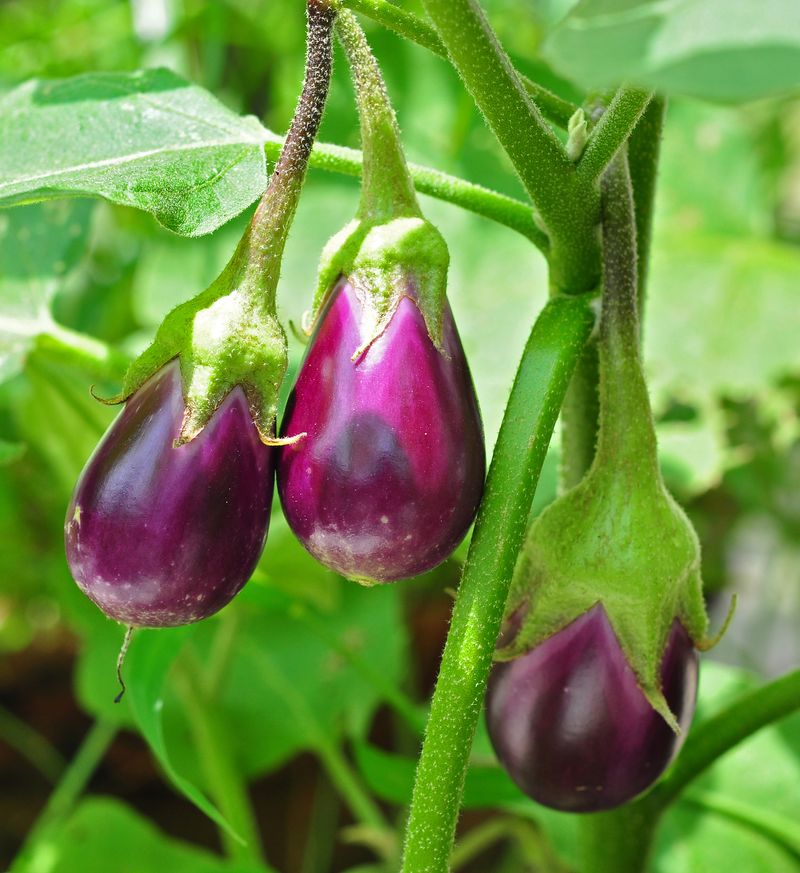
Eggplant is one of those vegetables that actually gets better as temperatures rise. While tomatoes and squash tend to struggle once the heat really sets in across South Texas, eggplant hits its stride.
It loves warmth, it loves sun, and it keeps producing steady harvests of beautiful, glossy fruits even during the most brutal weeks of a South Texas summer.
Originally from South Asia, eggplant has thousands of years of growing history in hot climates. That heritage shows up every time a South Texas gardener plants one.
The plants are vigorous, the fruits are striking, and the flavor is rich and satisfying. Varieties like Black Beauty, Ichiban, and Rosa Bianca all perform well in the region. Smaller varieties tend to be especially productive in high heat.
Start eggplant from transplants rather than seeds for the best results in South Texas. Set them out after the last frost when soil temperatures are consistently above 60 degrees.
Give each plant about two feet of space so air can circulate freely. Eggplant needs full sun and consistent watering, but it handles short dry periods better than many other vegetables.
A drip irrigation system is a great investment if you grow eggplant regularly. Harvest eggplants when the skin is still shiny and firm. If the skin looks dull or feels soft, the fruit is past its best.
Roast it, grill it, layer it in a casserole, or use it as the star of a vegetable curry. In South Texas gardens, eggplant is a reliable, flavorful, and heat-tough performer you can count on all summer long.
6. Peppers (Hot Varieties Especially)
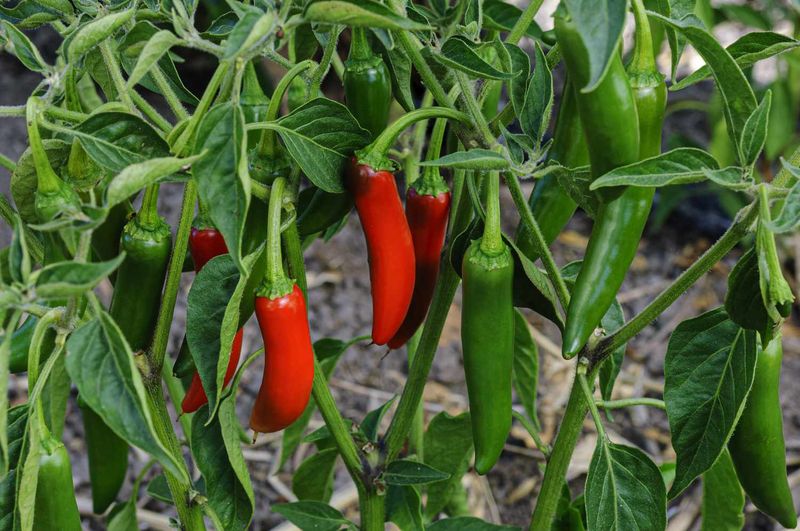
Walk through any South Texas neighborhood in July, and chances are good you will spot pepper plants loaded with colorful fruits. Hot peppers and South Texas are practically synonymous.
Jalapeños, serranos, habaneros, and cayennes all handle the region’s extreme heat with ease. In fact, many pepper growers will tell you that the hotter the weather, the hotter the peppers get.
Heat stress actually increases capsaicin levels, which is the compound that gives peppers their fire.
Peppers are perennial plants in frost-free climates, which means a South Texas gardener can sometimes keep the same plant going for several years. With proper pruning and care after summer winds down, a pepper plant can come back stronger the following season.
That kind of longevity makes peppers one of the most cost-effective vegetables you can grow in the region.
Plant pepper transplants after the last frost in a sunny spot with well-drained soil. Space them about 18 inches apart and water deeply but infrequently to encourage strong root growth.
During the peak of a South Texas summer, peppers may temporarily drop their flowers when temperatures stay above 95 degrees during the day and above 75 degrees at night. Do not panic.
Once temperatures ease slightly, the plants will start flowering and fruiting again. Harvest peppers regularly to keep the plants producing. The more you pick, the more they grow.
Whether you like your food mildly spicy or blazing hot, growing your own peppers in South Texas guarantees you a fresh, flavorful supply from summer straight through to the first cool days of fall.
7. Armenian Cucumbers
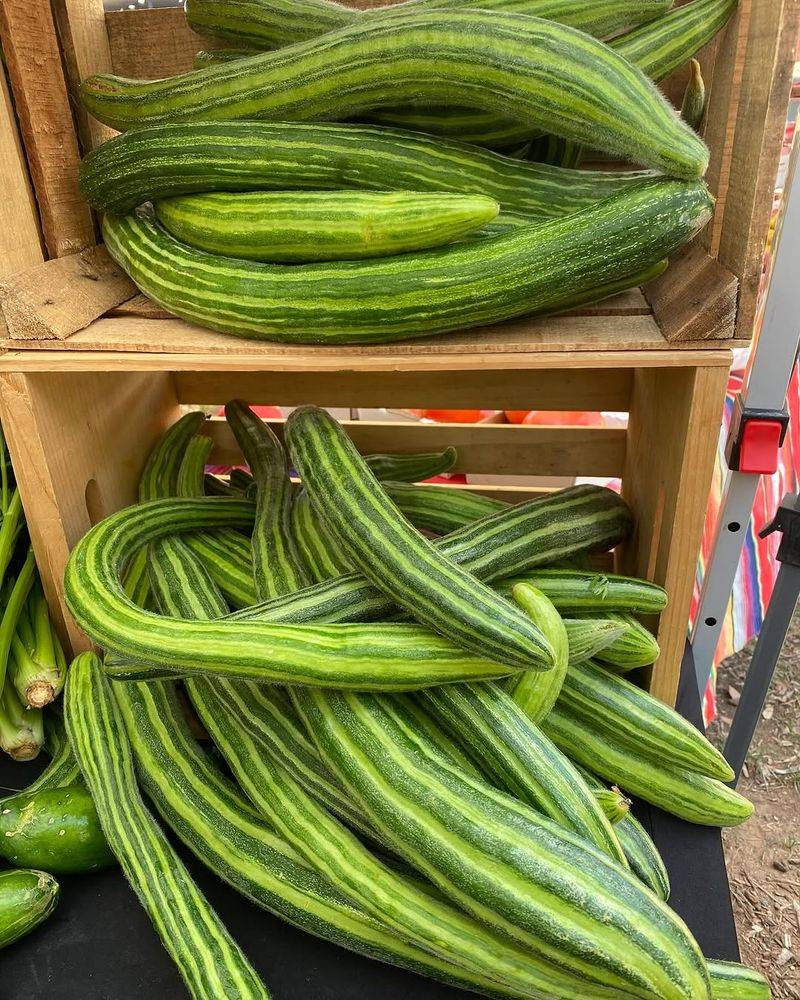
Standard cucumbers can be finicky in South Texas heat. They get bitter, they stop producing, and they often give up entirely once summer really gets going.
Armenian cucumbers are a whole different story. Despite being called a cucumber, this vegetable is technically a type of muskmelon, and that heritage gives it a remarkable ability to handle extreme heat without turning bitter or slowing down production.
Armenian cucumbers grow long and slender, sometimes reaching two feet in length, with pale green, lightly ribbed skin. The flesh is mild, crisp, and refreshing.
They taste similar to a regular cucumber but with a slightly sweeter, more delicate flavor. Sliced thin in a salad, pickled, or eaten fresh with a sprinkle of salt, they are a cool and satisfying treat during a scorching South Texas summer.
Plant Armenian cucumber seeds directly in the ground after the last frost, in full sun and well-drained soil. They grow fast and vine aggressively, so giving them a sturdy trellis saves space and makes harvesting much easier.
Water consistently, especially during the hottest stretches of summer. Mulching around the base of the vines helps hold in soil moisture and keeps roots from overheating.
Harvest Armenian cucumbers when they are between 12 and 18 inches long for the best texture and flavor. If you let them grow too large, the seeds become more prominent and the texture gets spongier.
For South Texas gardeners who want a reliable, heat-tough cucumber alternative that keeps producing all summer, Armenian cucumbers are absolutely worth growing every single season.