How To Grow Zucchini Vertically In Arizona Gardens
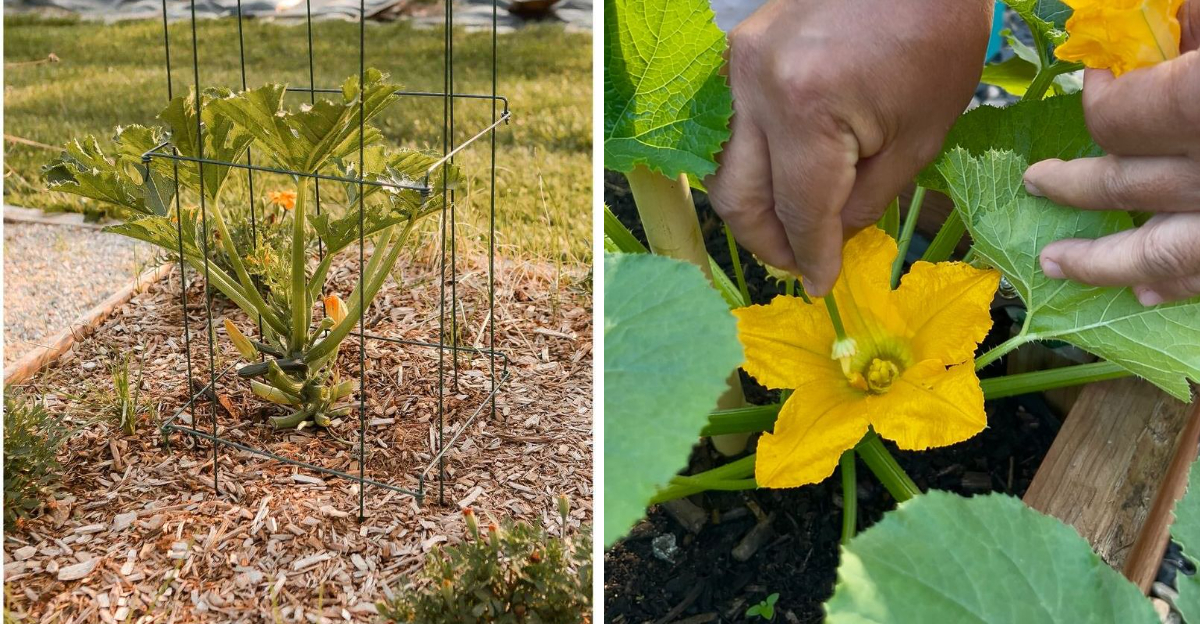
Zucchini in Arizona can start strong, then turn into a mess once the plant spreads in every direction and takes over more space than expected. It looks fine at first, then suddenly leaves cover everything and fruit gets harder to find and manage.
That kind of growth can make a simple plant feel harder to deal with than it should be, especially when space is already limited.
Beds get crowded, air stops moving freely, and the whole setup feels less organized as the season moves forward.
There is a cleaner way to handle it that changes how the plant grows from the start. It keeps everything more open, easier to manage, and far less overwhelming once the plant reaches full size.
That shift can make zucchini feel like one of the easiest crops to deal with instead of one that takes over the garden.
1. Choose Compact Or Suitable Zucchini Varieties
Not every zucchini plant will cooperate with a trellis. Bush-type varieties tend to grow wide and low, which makes them tough to train upward without a fight.
Before you even buy seeds, it helps to know which types actually work well in a vertical setup.
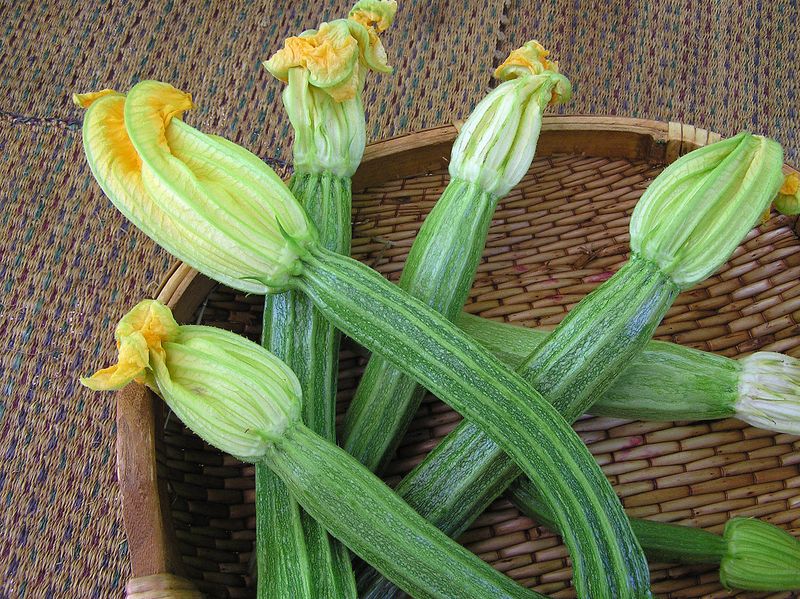
Vining or semi-vining varieties are your best bet here. Costata Romanesco is an Italian heirloom that produces ribbed, flavorful fruit and sends out longer stems that respond well to vertical training.
Black Forest is a hybrid bred specifically for upward growth, and it handles Arizona’s warm conditions reasonably well during spring and fall planting windows.
Courgette Shooting Star is another option worth trying. It produces golden fruit with firmer flesh and tends to vine more than typical bush types.
Keep in mind that no variety is fully immune to Arizona’s summer heat, so planting during the right window matters just as much as variety selection.
In the Phoenix and Tucson areas, most gardeners find success planting zucchini in late January through March, or again in late August through September. Trying to grow through peak summer is generally not worth the effort, regardless of the variety.
Choosing the right plant for vertical growth is only half the equation.
2. Install Strong Vertical Support From Planting Stage
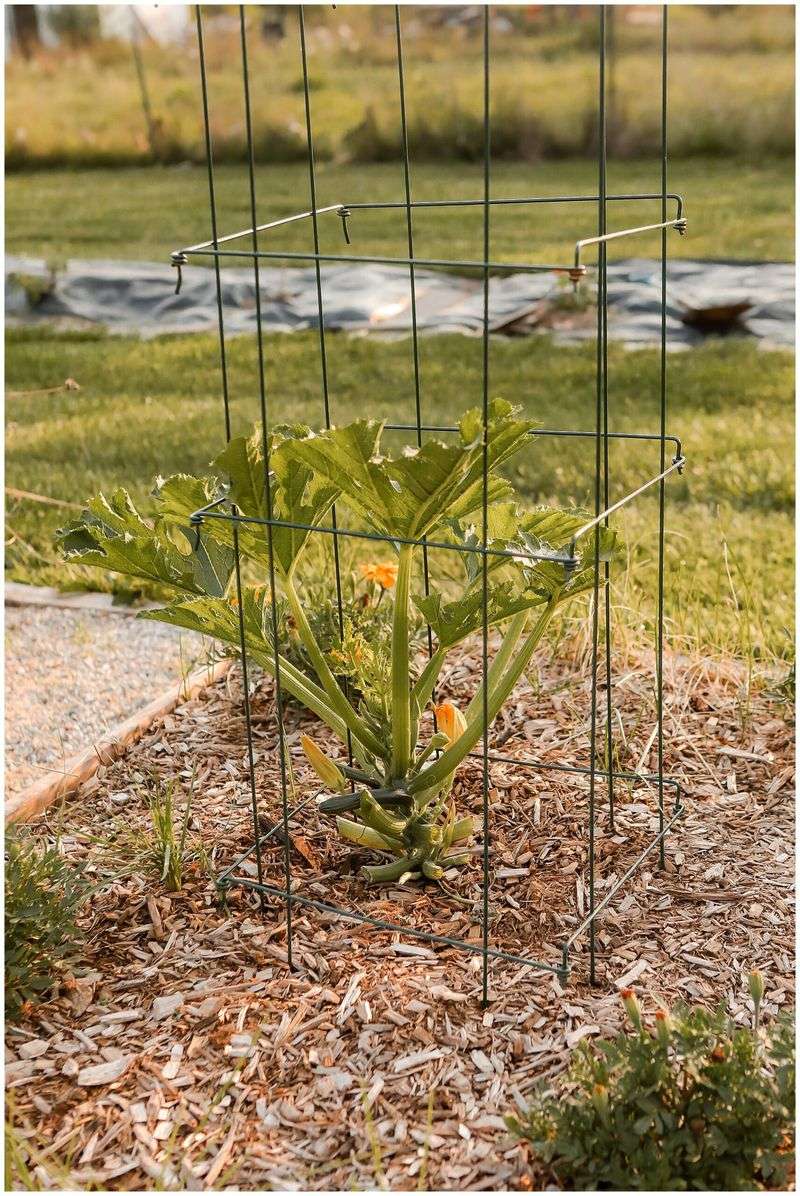
Zucchini plants get heavy fast. A mature plant loaded with fruit and large leaves can put serious strain on a flimsy support, and watching a trellis tip over mid-season is a frustrating experience no gardener wants to repeat twice.
Setting up your support structure before or right at planting time is the smarter move. Driving stakes or anchoring a trellis after the plant has already grown risks disturbing roots and stressing the plant.
In Arizona’s hard caliche soil, getting stakes deep enough can be a challenge, so loosening the soil or using a raised bed makes installation much easier.
A 6-foot wooden or metal stake works well for a single plant. Drive it at least 12 inches into the ground so it holds firm when the plant fills out and winds pick up.
Your Arizona Garden Changes Every Week. Your Plan Should Too.
Gardening in Arizona changes quickly throughout the season. Every Friday you’ll receive a simple weekly plan showing exactly what to plant, prune, fertilize, harvest, and protect so you never miss the right timing.
Cattle panels and A-frame trellises made from rebar or conduit are popular options among Arizona gardeners who grow multiple plants in a row.
Whatever structure you choose, make sure it can handle consistent wind, which is common in desert regions during spring. Lightweight bamboo poles can work in calm conditions but may struggle when gusts roll through.
Spacing plants about 18 to 24 inches apart along a shared trellis gives each one enough room to climb without crowding.
3. Train And Tie Vines As They Grow
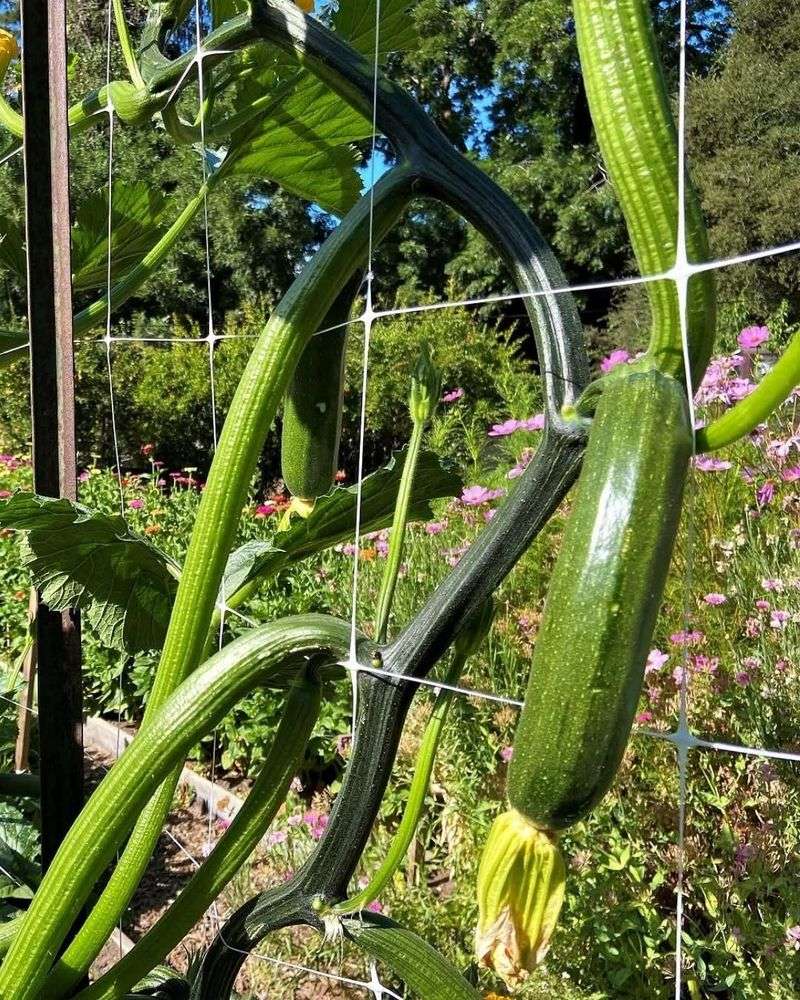
Zucchini vines do not automatically climb a trellis the way some other plants do. They need a little guidance, especially in the early weeks when stems are still flexible and the plant is figuring out where to go.
Start checking your plants every two to three days once they reach about a foot tall. Gently redirect any stems that are flopping sideways and secure them to your support using soft garden twine, fabric strips, or stretchy plant ties.
Avoid anything that cuts into the stem, like wire or tight string, since that can cause real damage as the plant thickens.
Tie loosely in a figure-eight pattern so there is some give between the stem and the support. As the plant grows taller, keep adding ties every six to eight inches up the main stem.
Pruning off lower leaves once the plant climbs past 18 inches helps reduce humidity near the soil and keeps air moving through the base of the plant.
In Arizona’s dry heat, good airflow is especially valuable because it helps slow the spread of powdery mildew, which tends to show up when temperatures fluctuate in early spring or fall.
Removing side shoots that grow toward the ground also encourages the plant to put more energy into upward growth and fruit production.
4. Provide Full Sun And Warm Growing Conditions
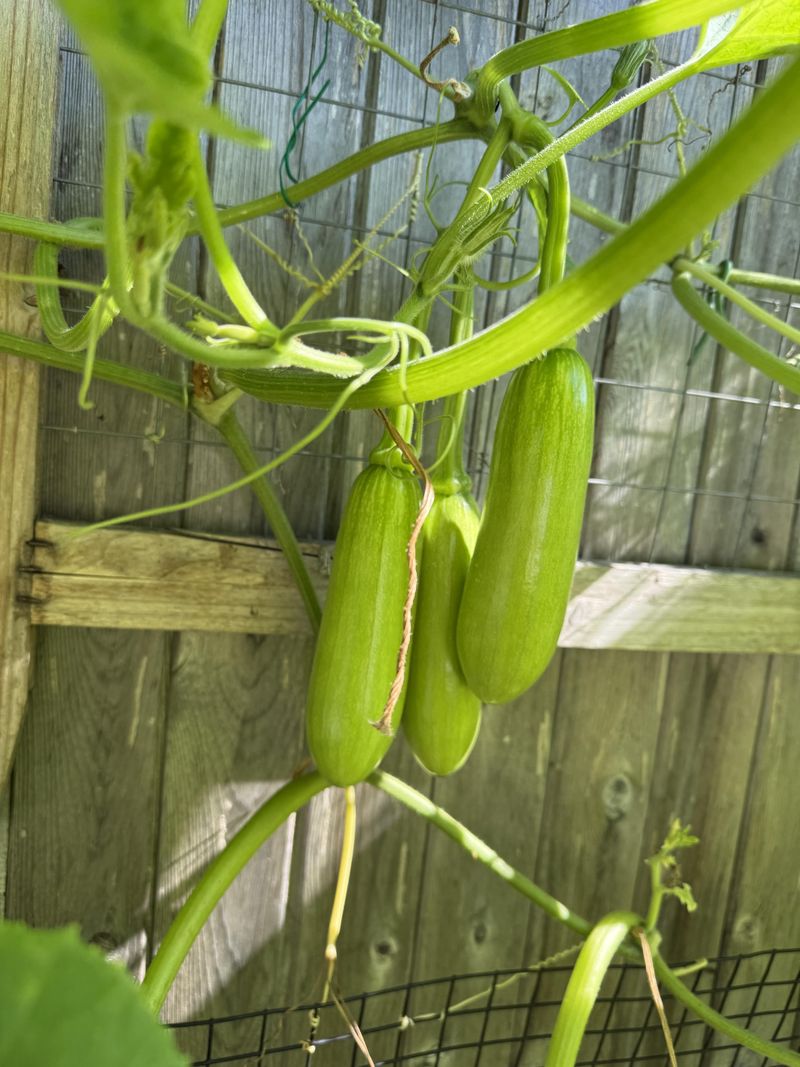
Zucchini is a sun-hungry crop, and Arizona has no shortage of that. A minimum of six to eight hours of direct sunlight each day keeps plants producing steadily, and most Arizona garden spots deliver that without much planning.
East or south-facing garden spaces tend to work best. Morning sun warms the plants up quickly and afternoon shade, if available, can actually be helpful during the hottest stretches of spring.
Full all-day sun is fine during cooler planting windows, but during warm spells in late spring, a little afternoon shade can reduce stress on both the plant and the fruit.
Soil temperature matters more than most gardeners realize. Zucchini seeds germinate best when soil is between 60 and 95 degrees Fahrenheit.
Arizona soil warms up quickly in late winter, which is part of why the spring planting window from late January through March works so well in the lower desert regions like the Phoenix metro area.
Raised beds warm up even faster than in-ground plots and tend to drain better, which suits zucchini nicely. Amending native Arizona soil with compost before planting makes a real difference in how well roots establish.
Sandy desert soil drains fast but holds little nutrition, while clay-heavy caliche patches drain poorly and can suffocate roots.
5. Water Deeply And Maintain Even Moisture Levels
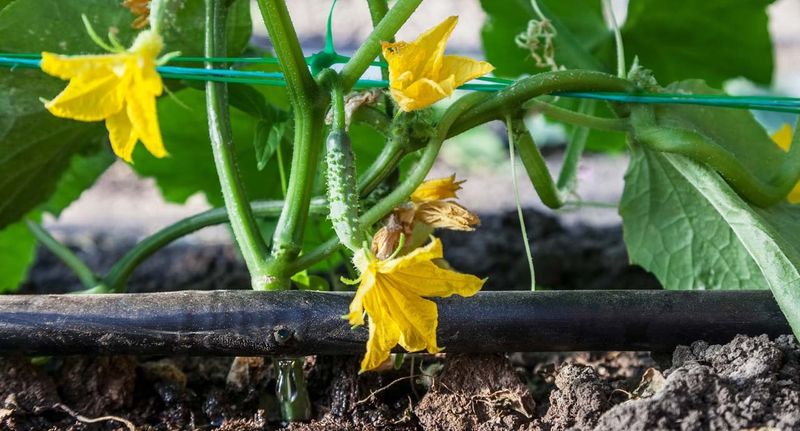
Watering zucchini in Arizona is one area where consistency really pays off. Uneven moisture, where the soil swings from bone dry to soaking wet, leads to blossom end rot and misshapen fruit.
Getting into a steady rhythm matters more than any single watering session.
Drip irrigation is the most practical approach for Arizona gardens. It delivers water directly to the root zone, keeps foliage dry, and significantly reduces evaporation compared to overhead sprinklers.
Wet leaves in Arizona’s warm conditions can encourage fungal problems, so keeping water at the base of the plant is a smart habit from the start.
Zucchini generally needs about one to two inches of water per week, though that number goes up during hot spells. During spring planting season in Phoenix or Tucson, check soil moisture two to three inches below the surface every couple of days.
If it feels dry at that depth, it is time to water. Sandy soil may need watering more frequently, while amended beds with added compost hold moisture longer.
Mulching around the base of plants with straw or shredded wood chips helps retain soil moisture and keeps roots cooler during warm afternoons.
Apply two to three inches of mulch, keeping it a few inches away from the main stem to avoid creating a damp environment right at the base.
6. Support Pollination To Ensure Healthy Fruit Set
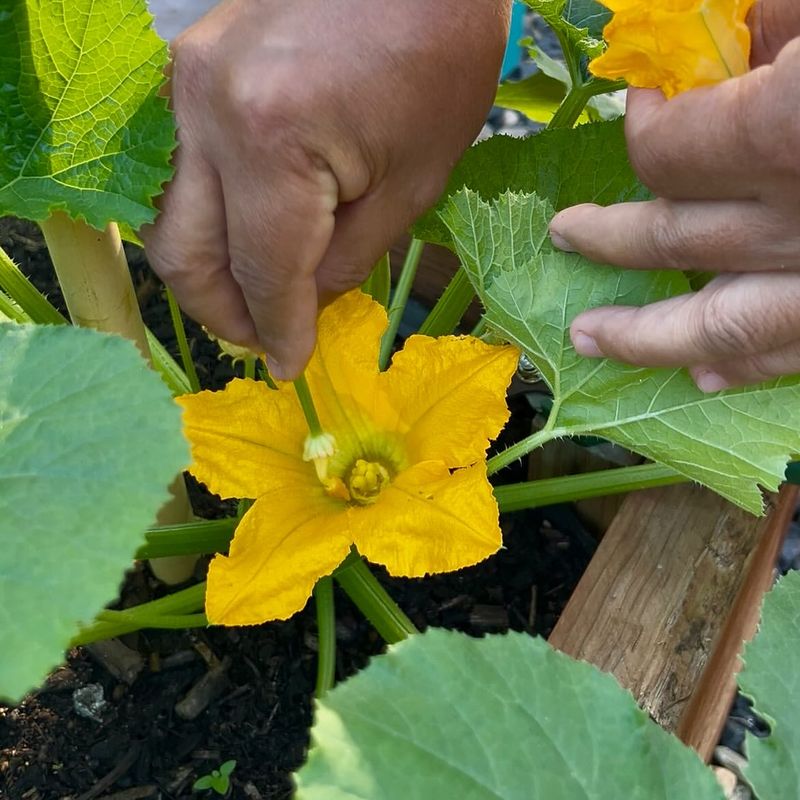
Zucchini flowers are dramatic and bright, but getting fruit to actually set requires more than just pretty blooms. Pollination is the step most gardeners overlook, and in Arizona, a few local conditions can make it trickier than expected.
Zucchini plants produce separate male and female flowers on the same plant. Male flowers show up first, usually a week or two before female flowers appear.
Female flowers are easy to identify because they have a tiny immature fruit at the base of the bloom. Without pollen from a male flower reaching that female flower, the small fruit shrivels and drops without developing further.
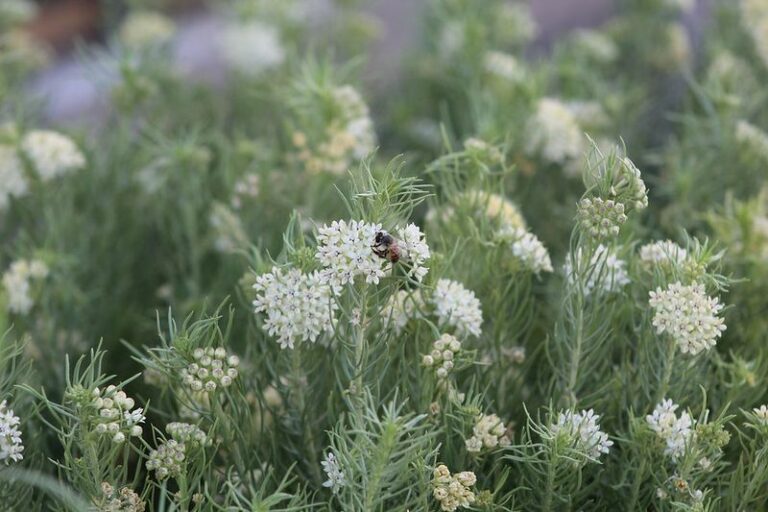
Bees and other pollinators do most of this work naturally. Planting a few flowering herbs or native plants nearby, like basil or desert marigold, can attract more pollinators to your garden space.
Avoid using broad-spectrum pesticides during flowering since those products can reduce the bee activity your zucchini depends on.
If pollinator traffic seems low in your yard, hand pollination is a straightforward solution. Use a small paintbrush or cotton swab to collect pollen from the center of a male flower, then gently transfer it to the center of a female flower.
Early morning is the best time to do this, while flowers are fully open and receptive.
7. Harvest Frequently To Encourage Continuous Production
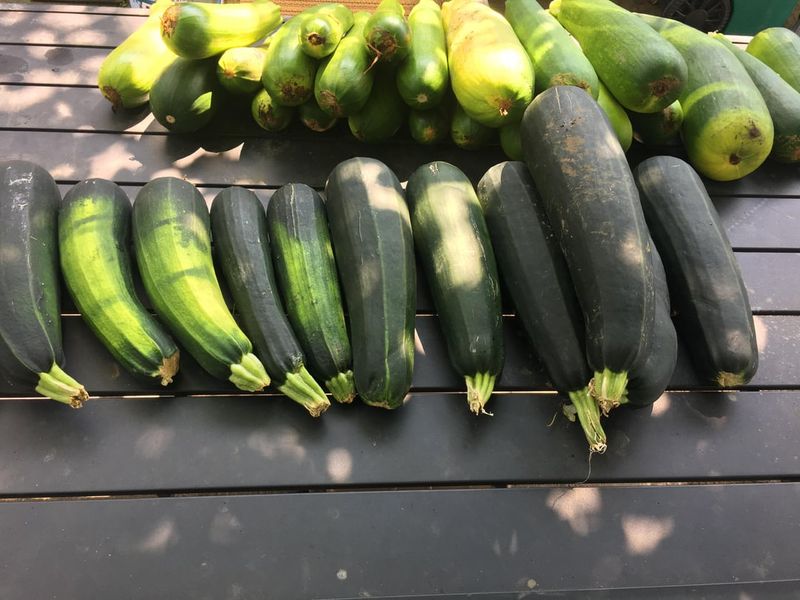
Leaving zucchini on the plant too long is one of the most common mistakes new gardeners make. A fruit that grows unchecked can balloon to the size of a baseball bat within just a few days, and at that point, the texture and flavor are well past their best.
Picking zucchini when it reaches six to eight inches long gives you the best eating quality. Younger fruit tends to be more tender, with thinner skin and better flavor.
Larger fruit, while still edible, tends to be seedy and watery. In Arizona’s warm growing conditions, zucchini can grow surprisingly fast, especially during mild spring weather when temperatures are favorable.
Checking plants every day or every other day during peak production is worth the habit. Fruit that hides under large leaves can go from perfectly sized to oversized almost overnight.
Regular harvesting also signals the plant to keep producing rather than putting all its energy into maturing seeds inside a single large fruit.
Use a sharp knife or garden scissors to cut the stem cleanly rather than twisting or pulling, which can stress the vine and damage nearby growth.
Arizona zucchini planted in the spring window typically starts producing around 50 to 65 days after planting, depending on the variety and growing conditions.
Fall-planted crops in Tucson or Phoenix can produce well into November if temperatures stay mild.