Fast-Growing Vegetables Arizona Beginners Should Grow
Nothing boosts gardening confidence like seeing real progress fast. You sow seeds, check the soil every morning like it is your new part-time job, and then finally something green pushes through and makes the whole thing feel worth it.
That is why fast-growing vegetables are such a good match for beginners in Arizona. They keep the momentum going, give you something to enjoy sooner, and make the learning curve feel a lot less steep.
When the weather shifts quickly, that kind of payoff matters.
Arizona can be generous to gardeners who pick the right crops at the right time. Some vegetables get moving quickly, handle beginner mistakes better than others, and make the whole experience feel less intimidating.
The best ones are not just fast on paper either. They are the ones that make you want to keep planting.
1. Radishes Bring Quick Wins
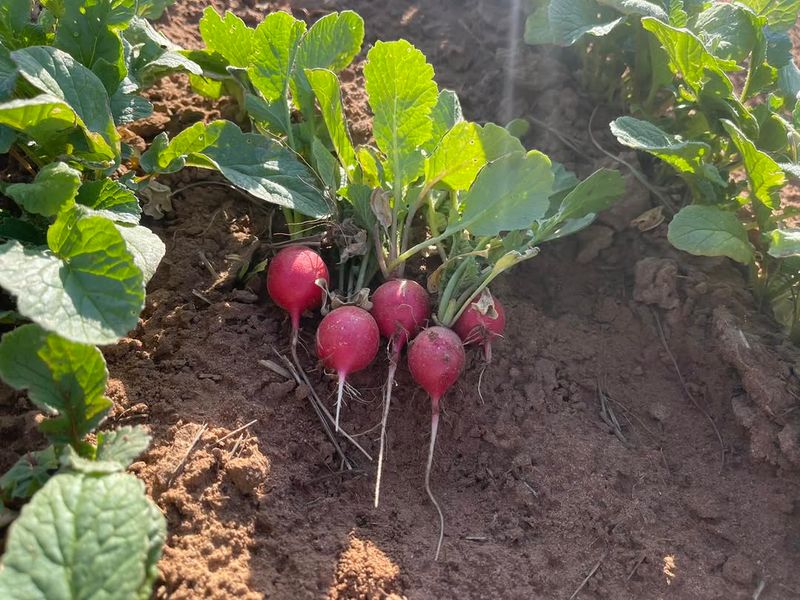
If you have ever wanted to see results fast, radishes are your best friend in the Arizona garden. Few vegetables can match their speed, going from seed to harvest in as little as 25 to 30 days.
That quick turnaround makes them incredibly satisfying for beginners who want proof that their garden is actually working.
Radishes love cooler temperatures, which means Arizona gardeners should plan to plant them in early spring or fall. During the hot summer months, the intense Arizona heat can cause radishes to bolt, meaning they shoot up flower stalks and lose their crisp texture.
Timing your planting right is the key to getting that perfect, crunchy bite.
Sow seeds about half an inch deep and one inch apart in loose, well-draining soil. Arizona’s native soil can be dense and clay-heavy, so mixing in some compost before planting will make a noticeable difference.
Water consistently but avoid overwatering since soggy soil can cause the roots to crack.
One fun fact about radishes is that they were one of the first vegetables brought to the Americas by European explorers. There are dozens of varieties to try, from small cherry belle types to longer daikon styles.
Beginners in Arizona often start with cherry belle because it matures the fastest and fits perfectly in containers or raised beds.
Radishes also work as companion plants, helping to repel certain pests from neighboring vegetables. Once harvested, the leafy tops are actually edible too and can be tossed into salads or stir-fries.
Growing radishes in Arizona is a simple, low-cost way to kick off your gardening journey with a win right from the start.
2. Lettuce Grows Fast And Feels Easy
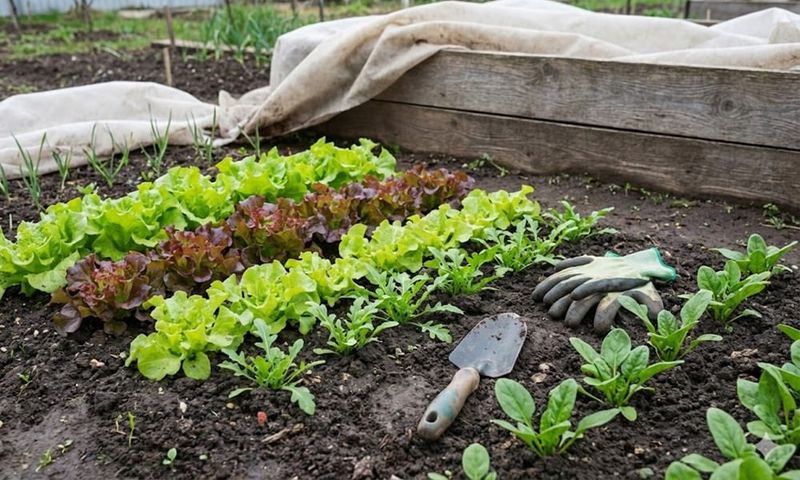
Crisp, colorful, and incredibly easy to grow, lettuce is one of those vegetables that makes Arizona beginners feel like pros. Leaf lettuce varieties like Black Seeded Simpson or Red Sails are especially well-suited to the Arizona climate because they grow quickly and handle mild temperature swings without much fuss.
You can expect to start harvesting in just 35 to 45 days after planting.
Planting timing matters a lot in Arizona. Late winter to early spring is the sweet spot for getting a great lettuce crop before the desert heat cranks up.
Your Arizona Garden Changes Every Week. Your Plan Should Too.
Gardening in Arizona changes quickly throughout the season. Every Friday you’ll receive a simple weekly plan showing exactly what to plant, prune, fertilize, harvest, and protect so you never miss the right timing.
Once temperatures push past 80 degrees Fahrenheit consistently, lettuce tends to turn bitter and bolt. Smart Arizona gardeners take advantage of that cooler window and squeeze in a full harvest before summer arrives.
Lettuce grows beautifully in containers, raised beds, or directly in the ground. A shallow container works just fine since lettuce roots do not go very deep.
Make sure your soil is rich in organic matter and drains well, because waterlogged roots will quickly cause problems in Arizona’s heavier soils.
One of the best tricks for lettuce is called “cut and come again” harvesting. Instead of pulling the whole plant, just snip the outer leaves and let the center keep growing.
This method gives you a steady supply of fresh greens over several weeks rather than one big harvest all at once.
Did you know lettuce is about 95 percent water? That makes it a refreshing snack on a warm Arizona afternoon.
With so many colors and textures available, growing a mix of lettuce varieties turns your garden bed into something that looks almost as good as it tastes.
3. Spinach Gives Fast Cool-Season Rewards
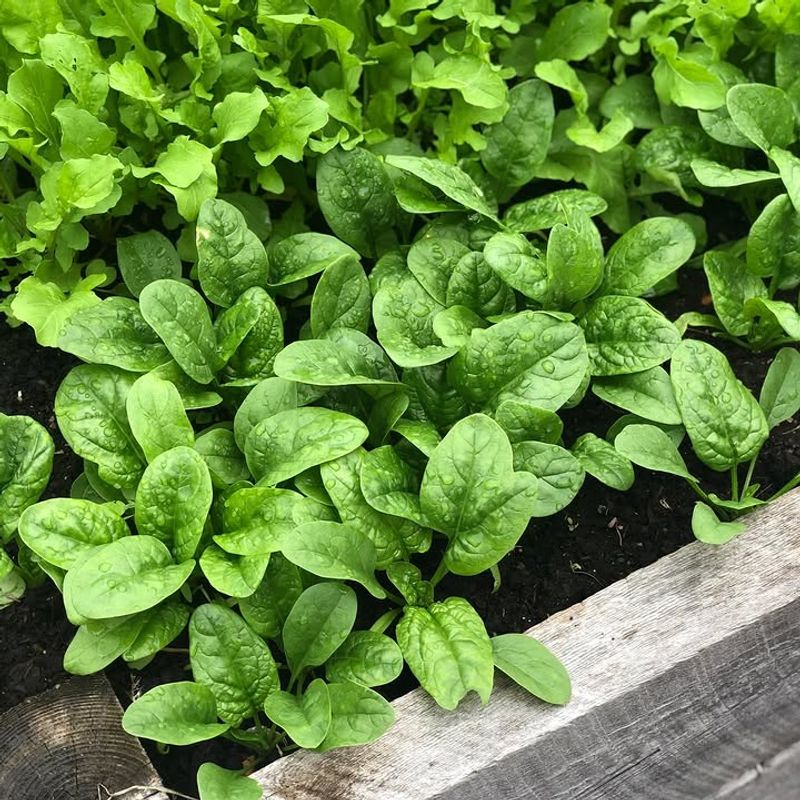
Spinach might be small, but it packs a serious punch when it comes to nutrition and growing speed in Arizona. Rich in iron, vitamins, and antioxidants, this leafy green can be ready for harvest in about 40 to 50 days.
For beginner gardeners in Arizona, spinach is a fantastic choice because it does not demand a lot of space or complicated care routines.
Like lettuce, spinach is a cool-season crop that prefers growing during Arizona’s milder months. Early spring and fall are the ideal planting windows.
The desert sun can get intense quickly, and prolonged heat will cause spinach to bolt and develop a bitter flavor. Planting in a spot that gets some afternoon shade during spring can extend your harvest window significantly.
Prepare your soil by working in compost to boost nutrients before sowing seeds. Plant seeds about half an inch deep and thin seedlings to about four inches apart as they grow.
Consistent moisture is important for spinach, but Arizona’s dry air means you will need to water more frequently than gardeners in other states might.
Spinach is wonderfully versatile in the kitchen. Fresh leaves go straight into salads, smoothies, sandwiches, and pasta dishes without much prep work at all.
Kids who are skeptical about vegetables sometimes warm up to spinach when it is blended into a smoothie with fruit, because the sweetness masks the green flavor completely.
A fun fact worth knowing is that spinach originated in ancient Persia before spreading across the world through trade routes. Growing it in your Arizona garden connects you to thousands of years of agricultural history.
Plus, nothing beats stepping outside and picking your own fresh greens for dinner.
4. Bush Beans Take Off In A Hurry
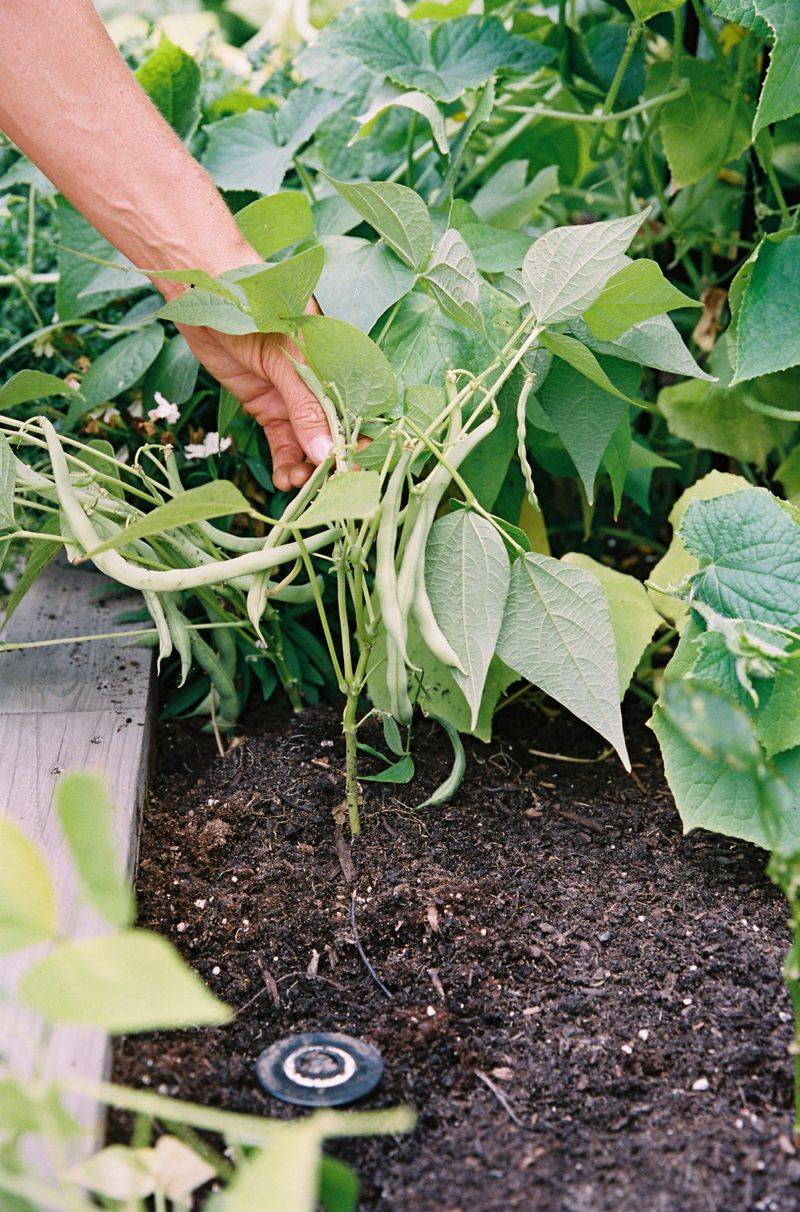
Compact, productive, and surprisingly low-maintenance, bush beans are a dream crop for Arizona beginners with limited space. Unlike pole beans, bush beans do not need a trellis or any kind of support structure to grow, which makes them much simpler to manage.
They typically produce a full harvest in just 50 to 60 days, giving you a satisfying return on very little effort.
Wait until after the last frost date to plant bush beans in Arizona, which in most low-desert areas falls around February. Soil temperature should be at least 60 degrees Fahrenheit for seeds to germinate well.
Planting too early in cold soil will cause seeds to sit dormant or rot before they even sprout.
Bush beans prefer well-draining soil and full sun, both of which Arizona has in abundance. Sow seeds about one inch deep and three to four inches apart.
One helpful tip is to avoid planting beans near onions or fennel, as these plants can actually slow down bean growth. Pairing beans with carrots or squash, on the other hand, tends to produce much better results.
Once your bush beans start producing, they go fast. Harvest pods when they are firm and about four to six inches long for the best flavor and texture.
If you leave pods on the plant too long, the plant will slow down production, so regular picking actually encourages more beans to grow.
Bush beans are also nitrogen-fixing plants, meaning their roots naturally add nutrients back into Arizona’s often nutrient-poor soil. That is a bonus for the next crop you plant in the same spot.
Fresh green beans sauteed with garlic and olive oil are a simple, delicious reward for your hard work in the garden.
5. Cucumbers Grow Fast And Keep Coming
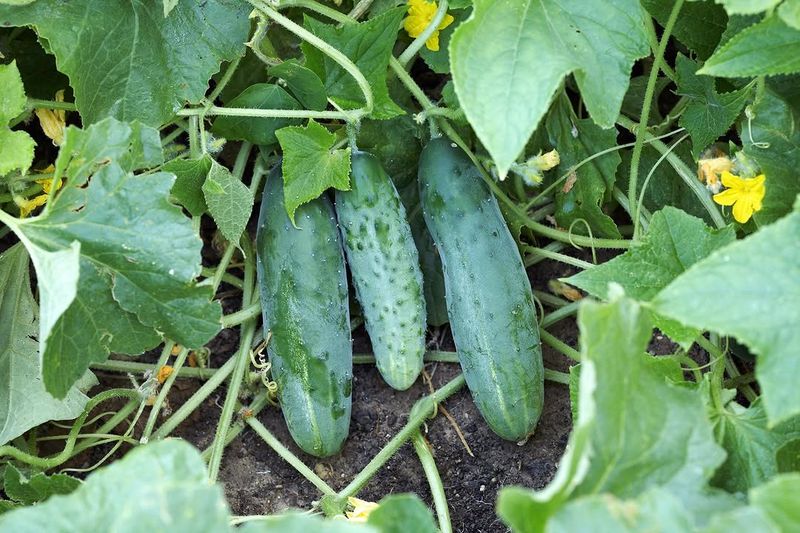
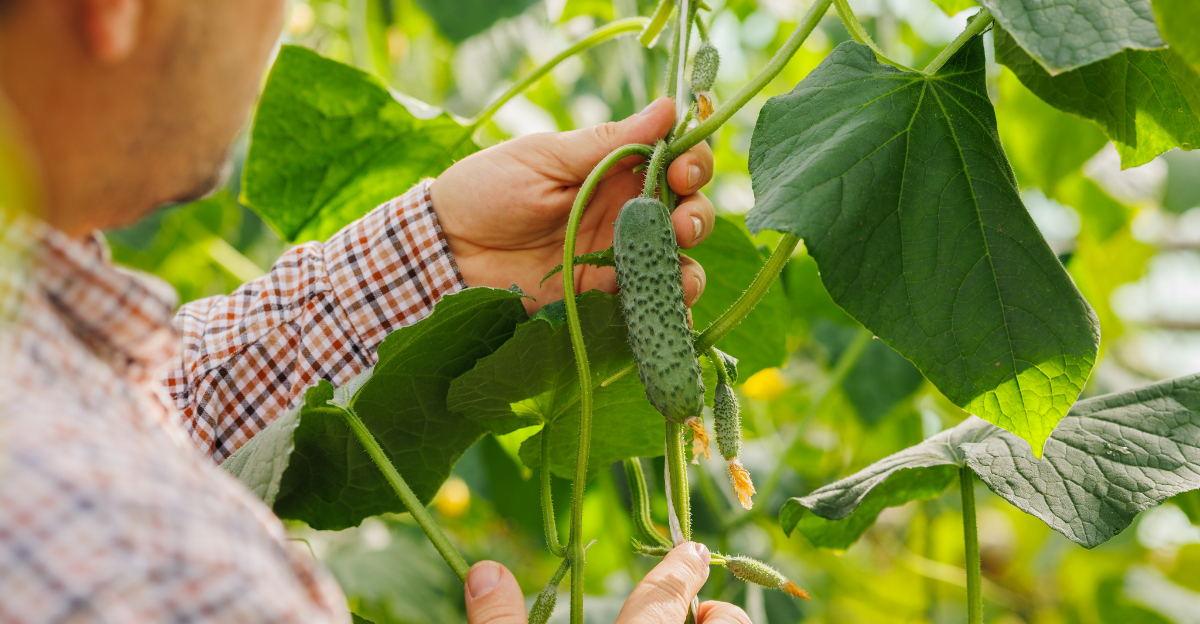
These fast-growing vines love heat, plenty of sunshine, and warm soil, all things that Arizona delivers in generous amounts. From seed to harvest, cucumbers can produce fruit in as little as 55 days, making them one of the most exciting crops for beginner gardeners in the state.
Plant cucumber seeds outdoors after all frost danger has passed, which in most Arizona regions happens in late winter or early spring. Warm soil, ideally between 70 and 85 degrees Fahrenheit, will give seeds the best start possible.
Arizona gardeners in the low desert can often squeeze in a second planting in late summer for a fall harvest as well, doubling the fun.
Cucumbers grow as vines and benefit greatly from a trellis or simple fence to climb. Growing vertically saves garden space, improves air circulation around the leaves, and makes harvesting much easier.
Consistent watering is critical because uneven moisture can lead to bitter-tasting cucumbers, a common frustration for beginners who do not realize how important steady hydration is.
Mulching around the base of your cucumber plants will help Arizona soil retain moisture and keep roots cooler during the hottest parts of the day. Straw, wood chips, or shredded leaves all work well as mulch options.
A layer just two to three inches thick makes a noticeable difference in how well your plants hold up through the summer heat.
Cucumbers are about 96 percent water, making them one of the most hydrating foods you can grow. Sliced fresh from the garden and tossed into a salad or chilled in a glass of water, they are a refreshing reminder of why growing your own food in Arizona is so worthwhile.
6. Summer Squash Moves Surprisingly Fast
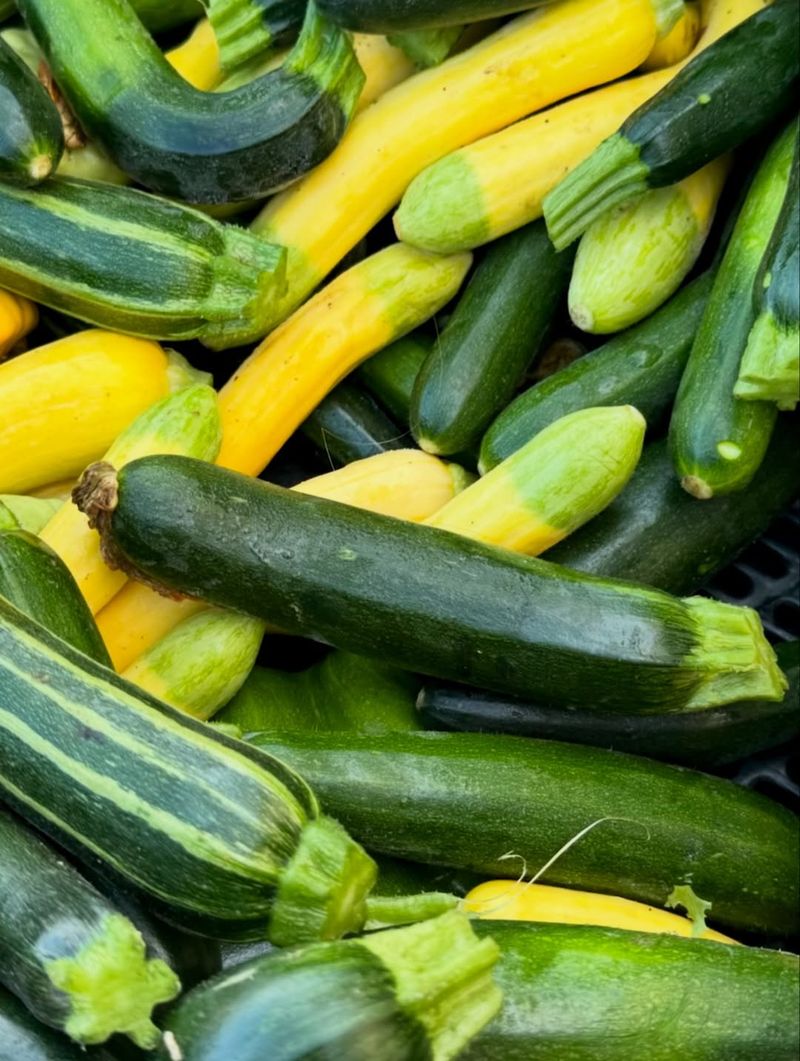
Walk past a summer squash plant in an Arizona garden and you might be surprised by just how much it produces. Zucchini and yellow squash are legendary for their generous harvests, sometimes producing more vegetables than a family can eat in a week.
That abundance is exactly what makes summer squash such a popular pick for beginners who want to feel the thrill of a productive garden.
Summer squash thrives in Arizona’s warm climate and can go from seed to harvest in about 50 days. Plant seeds directly in the ground after the last frost, choosing a spot with full sun and well-amended soil.
Arizona’s desert soil often needs a boost of compost before planting to help squash plants reach their full potential.
Give each plant plenty of room to spread out since squash leaves can grow quite large. Spacing plants three to four feet apart allows for good air circulation, which helps prevent powdery mildew, a common fungal issue in warm climates.
Watering at the base of the plant rather than overhead also keeps the leaves drier and healthier throughout the season.
One quirky thing about squash is that plants produce both male and female flowers. Bees and other pollinators carry pollen from male flowers to female ones, which is what eventually creates the fruit.
Arizona gardeners who notice flowers but no fruit forming might simply need to be patient and let pollinators do their job, or gently hand-pollinate using a small brush.
Harvest summer squash when fruits are six to eight inches long for the best flavor and tenderness. Leaving them on the plant too long results in oversized, seedy squash with a tougher texture.
Grilled, roasted, or spiralized into noodles, freshly picked summer squash from your Arizona garden is a true seasonal treat.
7. Tomatoes Reward Beginners With Big Results
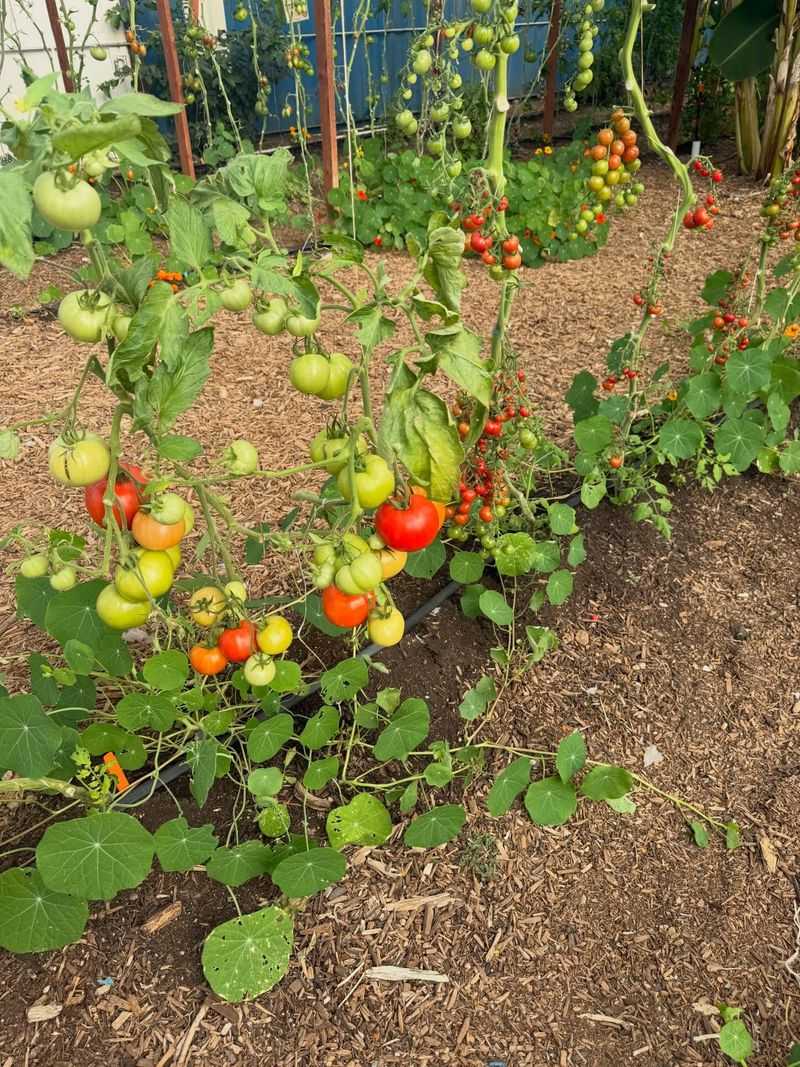
Ask almost any home gardener why they started growing their own food, and chances are tomatoes had something to do with it. There is simply nothing like biting into a tomato you grew yourself, warm from the Arizona sun and bursting with flavor that store-bought versions can never quite match.
Tomatoes are a beloved staple in home gardens across the state, and for good reason.
In Arizona, timing is everything with tomatoes. The low desert region has two main planting windows: late winter to early spring, and again in late summer for a fall crop.
Summer heat in Arizona can actually be too intense for tomatoes to set fruit when temperatures consistently top 95 degrees Fahrenheit. Planting early enough to harvest before peak summer heat is the smartest strategy for beginners.
Choose heat-tolerant varieties like Celebrity, Heatmaster, or Sweet 100 cherry tomatoes, which are specifically bred to handle Arizona’s warm conditions. Start seeds indoors six to eight weeks before your planned transplant date, or purchase young transplants from a local nursery.
Transplants should go into the ground when nighttime temperatures stay reliably above 50 degrees Fahrenheit.
Tomatoes need consistent watering, rich soil, and full sun to thrive. In Arizona, deep watering every two to three days is often more effective than light daily watering because it encourages roots to grow deeper into the soil.
Mulching around the base helps the soil hold moisture and keeps the roots from overheating during hot afternoons.
Stake or cage your tomato plants early so they have support as they grow tall and heavy with fruit. Pruning suckers, the small shoots that grow in the joint between the stem and a branch, helps the plant focus its energy on producing bigger, better tomatoes rather than extra foliage.
Fresh Arizona-grown tomatoes are worth every bit of the effort.