Spring Lawn Care Tips For North Texas Homeowners
Spring has a way of putting every lawn flaw on display. In North Texas, grass starts waking up, weeds waste no time joining the party, and homeowners suddenly notice every thin patch, pale stretch, and uneven spot in the yard.
That is usually when the urge to fix everything at once kicks in. Fertilize, mow, water, seed, edge, spray.
It is tempting to treat spring lawn care like a race, especially after looking at a winter-worn yard for months. But lawns here respond better to timing than panic.
North Texas conditions move quickly, and what helps in one week can backfire in another if the order is off. A healthier lawn usually comes from reading the season correctly, not from doing more.
The real difference starts with what you tackle first, what you leave alone, and what your grass is already trying to tell you.
1. Start With A Soil Test
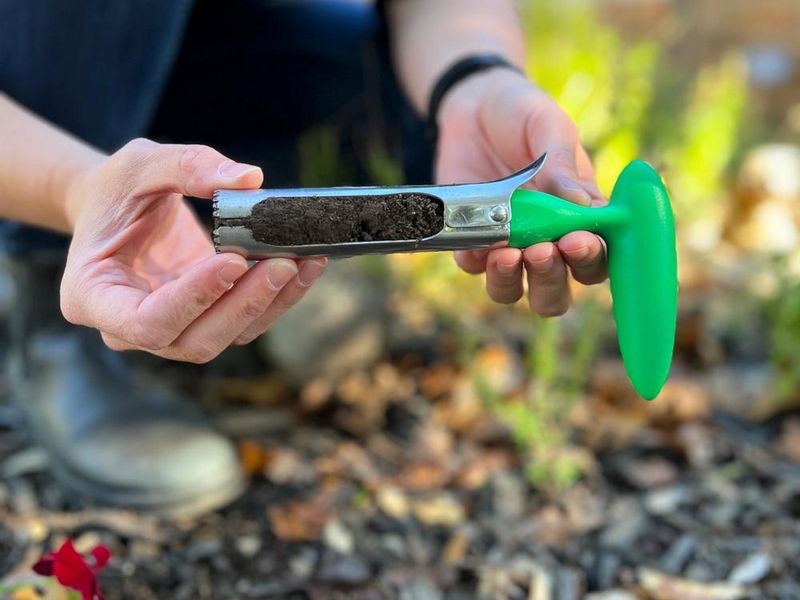
Most lawn problems start underground, and a soil test is the fastest way to figure out what is going on beneath your grass. North Texas soils tend to be alkaline, which means nutrients like iron and manganese can get locked out even when you are fertilizing regularly.
A simple test kit from your local extension office or garden center can tell you your soil pH and nutrient levels in just a few days.
Once you have your results, you can make smart decisions instead of guessing. If your pH is too high, adding sulfur can help bring it down over time.
If iron is low, a chelated iron supplement can green up your lawn quickly without burning the grass.
Skipping this step means you might spend money on fertilizer that never actually reaches your grass roots. Testing costs very little and saves a lot of frustration later.
Many North Texas county extension offices offer free or low-cost testing, so there is no reason to skip it. Think of a soil test as a checkup for your yard before the busy growing season begins.
It also helps you avoid overcorrecting problems and keeps your lawn on a steadier, more predictable growth path.
2. Wait Before Applying Nitrogen
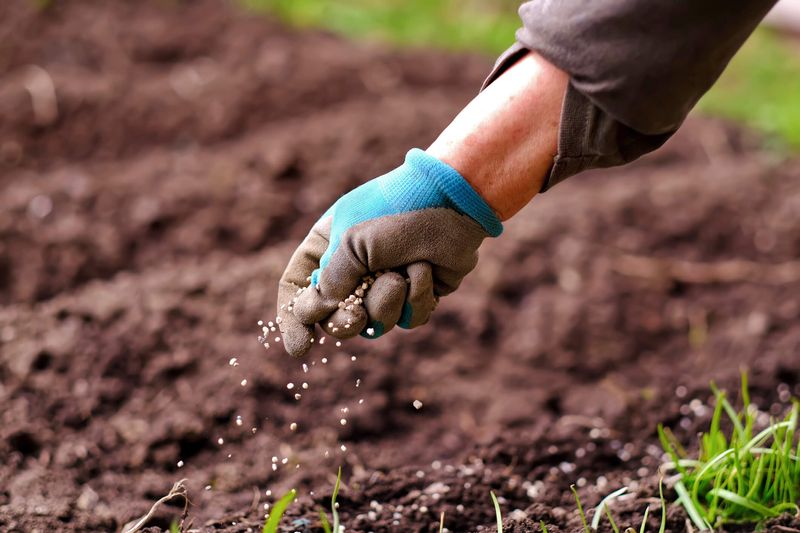
Timing really does matter when it comes to nitrogen fertilizer, and going too early can actually set your lawn back instead of pushing it forward. In North Texas, warm-season grasses like Bermuda, St. Augustine, and Zoysia need soil temperatures to reach at least 65 degrees Fahrenheit before they are ready to absorb nitrogen effectively.
Apply it too soon and you risk feeding weeds while your grass is still dormant.
A soil thermometer is a cheap and reliable tool that takes the guesswork out of the process. Check the temperature a few inches below the surface for several days in a row to confirm it is consistently warm enough.
In most parts of North Texas, this window falls somewhere between mid-March and early April depending on the year.
Patience pays off here. Grass that breaks dormancy naturally and then receives nitrogen at the right moment tends to green up faster and stay healthier through the summer heat.
Your Texas Garden Changes Every Week. Your Plan Should Too.
Gardening in Texas changes quickly throughout the season. Every Friday you’ll receive a simple weekly plan showing exactly what to plant, prune, fertilize, harvest, and protect so you never miss the right timing.
Watch your lawn closely for signs of active growth, like new green shoots emerging from the base of the grass blades. That visual cue, combined with your thermometer reading, is your green light to fertilize, helping you avoid setbacks and uneven growth later on.
3. Match Fertilizer To Soil Needs
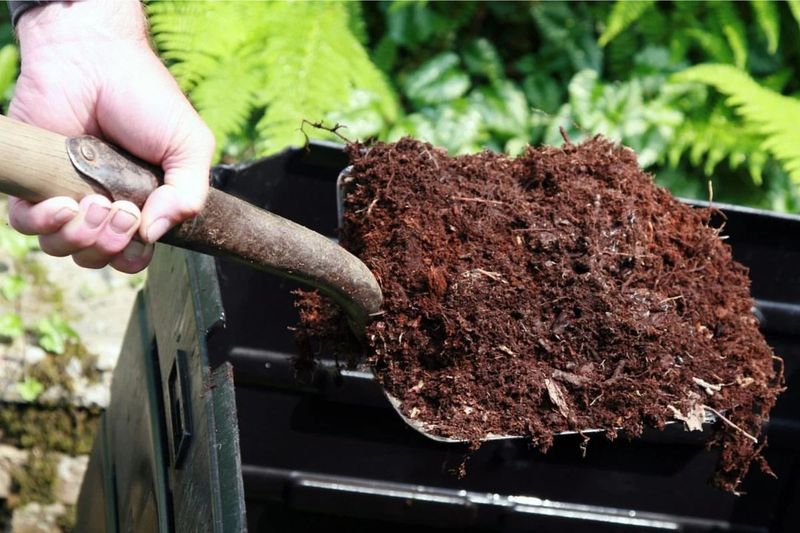
Not all fertilizers are created equal, and using the wrong one can leave your lawn worse off than before. Once you have your soil test results in hand, you can choose a fertilizer that addresses your lawn’s actual deficiencies rather than applying a generic blend and hoping for the best.
North Texas soils frequently need iron and phosphorus adjustments because of the region’s naturally alkaline conditions.
Slow-release nitrogen fertilizers are a smart pick for this area because they feed the grass gradually over several weeks rather than causing a sudden growth surge. That steady feeding approach means less mowing stress and a more uniform green color across your yard.
Look for fertilizers labeled with a balanced NPK ratio that fits your soil test recommendations.
Avoid the temptation to over-apply, thinking more product means better results. Too much fertilizer can burn grass blades and push runoff into nearby waterways, which is bad for the local environment.
Always follow the label directions carefully and use a spreader calibrated for your specific product. A well-matched fertilizer applied at the right rate is one of the most rewarding steps you can take for a lush North Texas lawn this spring.
4. Mow At The Right Height
One of the most common mistakes North Texas homeowners make in spring is mowing too short too soon. Each grass type has an ideal height range, and cutting below it stresses the plant and opens the door for weeds to move in.
Bermuda grass does well at one to two inches, St. Augustine prefers two and a half to three and a half inches, and Zoysia sits comfortably between one and a half and two and a half inches.
Always follow the one-third rule: never remove more than one-third of the grass blade in a single mow. Cutting more than that at once shocks the grass and slows recovery, especially during the unpredictable temperature swings that North Texas springs are known for.
If your lawn has gotten tall over winter, gradually bring it down to the target height over several mowing sessions.
Mowing at the right height also shades the soil beneath the grass, which helps keep moisture in the ground and makes it harder for weed seeds to germinate. Proper mowing height is one of the simplest and most effective tools in your spring lawn care routine, and it costs nothing extra to get it right every single time you mow.
5. Sharpen Your Mower Blade
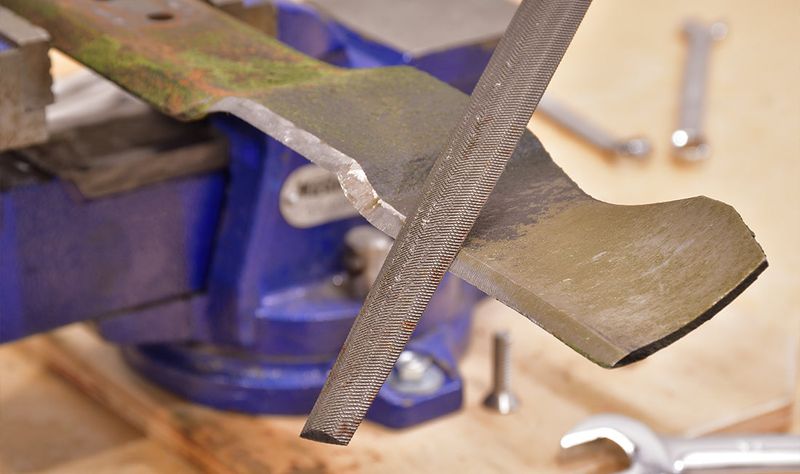
A dull mower blade does more damage than most people realize. Instead of cutting cleanly through grass blades, a dull edge tears and shreds them, leaving ragged tips that turn brown and create entry points for fungal diseases.
That brown haze you sometimes see across a lawn after mowing is often a sign that the blade needs sharpening, not that the grass is struggling.
Sharpening your blade at the start of each spring season is a quick job that makes a noticeable difference in how your lawn looks and recovers after each mow. You can sharpen most blades at home with a metal file or a bench grinder, or take it to a small engine shop for a professional edge.
A sharp blade cuts cleanly, and clean cuts heal faster, keeping your North Texas lawn looking tidy and healthy all season long.
Check your blade for balance after sharpening to prevent vibration that can wear out your mower over time. If the blade is nicked, bent, or worn thin, replacement is the smarter move.
Spending a few dollars on a new blade each season is far cheaper than dealing with a sick-looking lawn or an expensive mower repair down the road.
6. Cut Back Winter Weeds Early
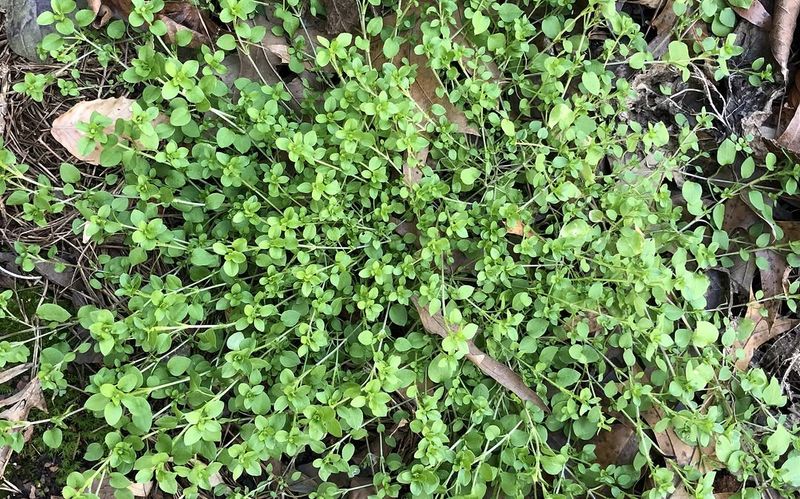
Winter annual weeds like henbit, chickweed, and annual bluegrass love the mild North Texas winters and pop up all over lawns before warm-season grasses even wake up. Catching them early in spring, before they flower and set seed, is the best strategy for keeping their numbers manageable year after year.
Once they drop seeds, you are fighting a much bigger battle next winter.
Hand-pulling works well for small patches, especially when the soil is moist and roots come out easily. For larger infestations, a post-emergent broadleaf herbicide labeled for your grass type can knock them back quickly without harming your lawn.
Always read the product label carefully and avoid applying on windy days when drift can damage nearby plants or gardens.
Keeping your lawn thick and healthy through proper mowing and fertilizing is actually your best long-term defense against winter weeds. Weeds struggle to establish in dense, vigorous turf because there is simply no open soil for seeds to land and sprout.
Early spring cleanup of winter weeds in North Texas sets you up for a cleaner, more attractive lawn as the warm season ramps up and your grass starts growing aggressively again.
7. Bag Clippings In Weedy Spots
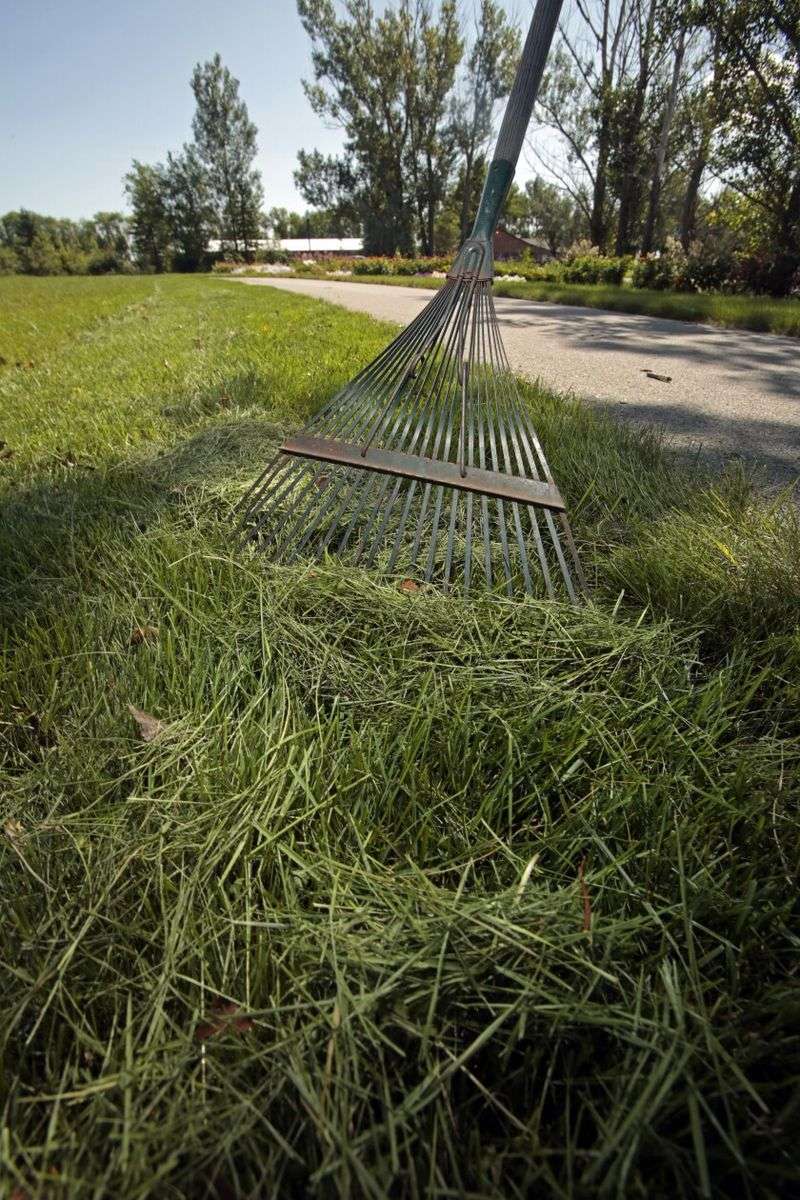
Leaving grass clippings on the lawn is usually a great practice because they return nutrients to the soil as they break down. However, when weeds are actively producing seed heads, those clippings become a seed-spreading machine that works against everything you are trying to accomplish.
Bagging clippings in weedy areas during early spring is a simple habit that can significantly reduce weed pressure throughout the rest of the season.
Pay close attention to areas where you notice winter annual weeds with fluffy or clustered tops, because those are the spots most likely to spread seeds when mowed over. Use a mower bag or follow up with a rake to collect loose material from problem zones.
Dispose of bagged clippings in your yard waste bin rather than composting them, since backyard compost piles rarely get hot enough to destroy weed seeds reliably.
Once the weed situation is under control and your warm-season grass in North Texas is growing thick and strong, you can go back to mulching clippings freely. The short-term effort of bagging during the weedy transition period pays off in a noticeably cleaner lawn by midsummer.
Small adjustments like this one can have a surprisingly big impact on how your yard looks and performs.
8. Aerate Compacted Clay Soil
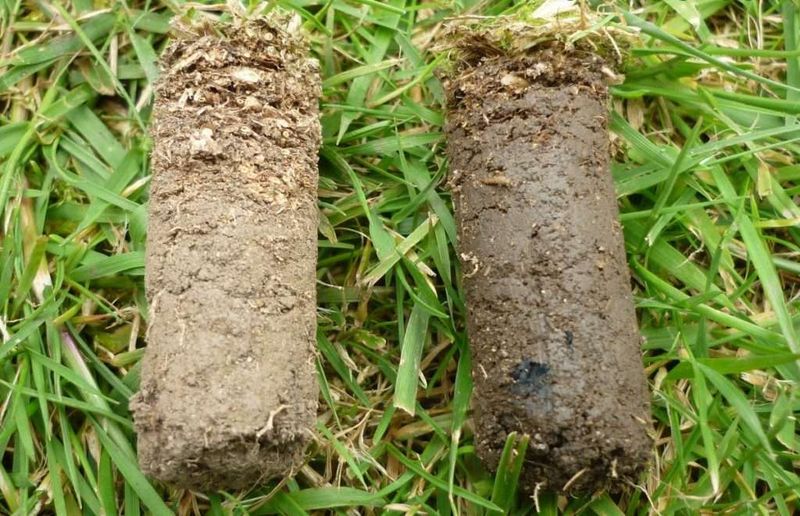
Clay soil is one of the most common challenges for North Texas homeowners, and it gets more compacted over time from foot traffic, rain, and the weight of lawn equipment. When soil is too dense, water and nutrients cannot reach grass roots effectively, which leads to shallow roots that struggle during the intense summer heat that follows spring in this region.
Core aeration is the most effective solution, and late March to early April is an ideal window for North Texas lawns. A core aerator pulls small plugs of soil out of the ground, creating channels for air, water, and fertilizer to move deeper into the root zone.
You can rent an aerator from most equipment rental shops, or hire a lawn service to handle it for you.
Leave the soil plugs on the lawn after aerating. They will break down naturally within a week or two and actually help improve the soil structure over time.
Aeration pairs beautifully with overseeding bare patches and applying a top dressing of compost, making it one of the most productive spring tasks you can tackle. Your grass roots will have an easier time going deep before the brutal North Texas summer arrives, giving the whole lawn better drought resistance.
9. Check Irrigation Before Summer
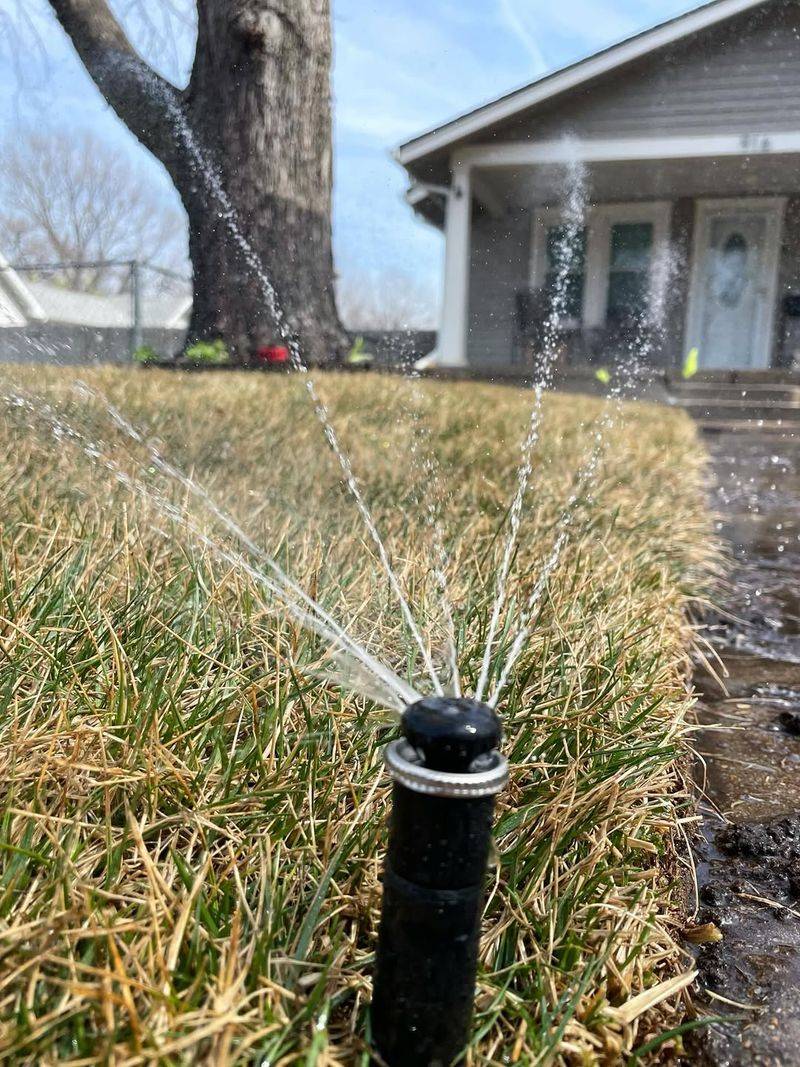
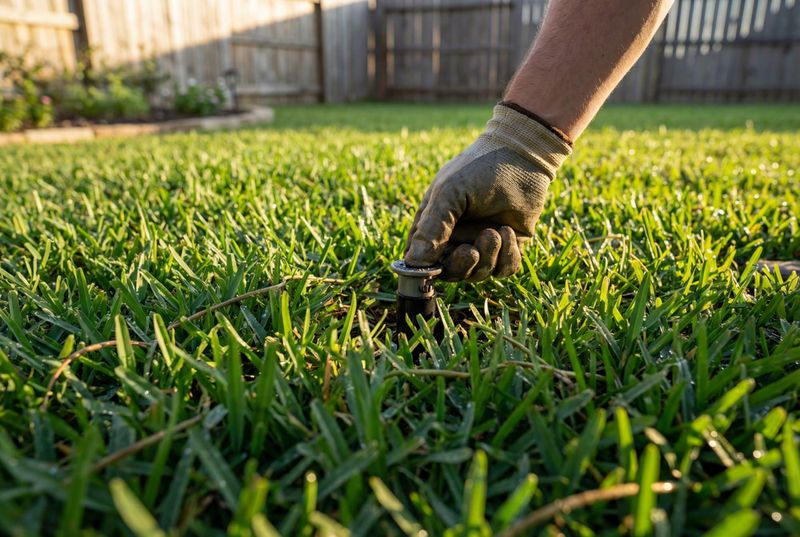
Spring is the perfect time to walk your irrigation system before the heat of summer forces you to rely on it every day. A system that sat idle through winter can develop cracked heads, clogged nozzles, and misaligned sprinklers that water the sidewalk instead of your grass.
Catching these issues now saves water and prevents dry spots from appearing in your North Texas lawn when temperatures climb into the triple digits.
Turn on each zone manually and watch the heads carefully as they run. Look for heads that are not popping up fully, spraying in the wrong direction, or producing an uneven pattern.
Check for any leaks at the valve boxes or along the supply lines, and make sure the coverage overlaps slightly so every inch of your lawn gets moisture.
Also take a moment to update your irrigation controller schedule for the spring season. North Texas lawns generally need about one inch of water per week, including rainfall.
Early morning watering between 4 and 8 a.m. reduces evaporation and lowers the risk of fungal issues. A well-tuned irrigation system is one of the most valuable assets a homeowner can have when summer arrives and the ground starts cracking from the heat.