The Reasons Why You Should Grow Spicebush Along Your Fence In Texas
A fence line can be one of the most overlooked parts of a Texas yard. It often starts out with good intentions, then turns into a strip of dry soil, patchy plants, and empty space that never quite looks finished.
That is exactly why choosing the right shrub makes such a difference. You want something that does more than just sit there.
You want color, texture, privacy, and a plant that can actually handle Texas conditions without becoming a constant project.
Spicebush brings a lot more to the table than many people expect. It has a soft, natural beauty that helps a fence line feel fuller and more inviting, but it is not just about looks.
This shrub can also support local wildlife, add seasonal interest, and create a more layered, lived-in landscape. Instead of a plain backdrop, your fence starts to feel like part of the garden itself.
For Texas homeowners who want something useful, attractive, and a little different from the usual choices, spicebush has plenty of reasons to earn a spot along the border.
1. Great For Partial Shade Areas
Not every fence in Texas gets blasted with full sun all day long, and that is actually great news for spicebush.
Most shrubs struggle without plenty of direct sunlight, but spicebush is built differently. It naturally grows under the canopy of trees in forests, so partial shade feels like home to it.
Along a fence that sits under a large oak or near a building that blocks afternoon sun, spicebush will settle right in and thrive. Many Texas gardeners have trouble filling those shadier spots in their yards.
Turf grass thins out, flowers refuse to bloom, and most ornamental shrubs look sad and scraggly. Spicebush solves that problem with ease.
It handles a range of light conditions, from fairly deep shade to spots that get a few hours of direct morning sun.
That kind of flexibility makes it incredibly useful along fence lines that run through mixed-light areas of your yard. You do not have to worry about rotating or repositioning it once planted.
In Texas, summers get brutally hot, and full afternoon sun can scorch even tough plants. A fence that creates some shade actually protects spicebush and keeps it looking full and healthy all season long.
The leaves stay a rich, deep green through the warmer months. Gardeners in East Texas especially appreciate this quality because tree cover is common there. But even in Central Texas, where live oaks provide filtered light, spicebush fits perfectly.
Planting it along a shaded fence section gives you a lush, green backdrop that requires almost no extra effort to maintain year after year.
2. Early Spring Color
Long before most plants in your Texas yard even think about waking up, spicebush is already putting on a show.
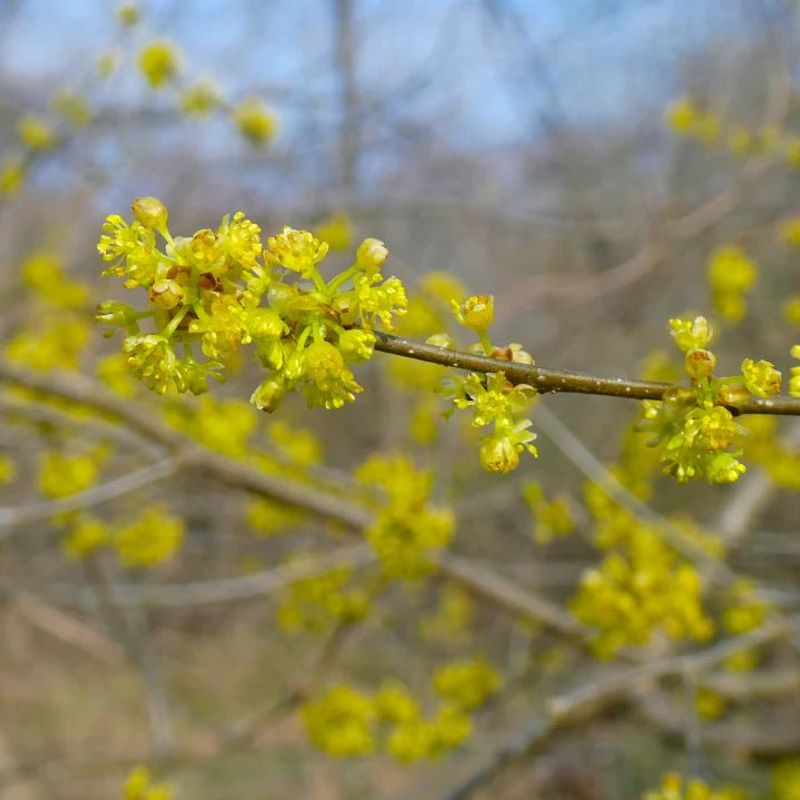
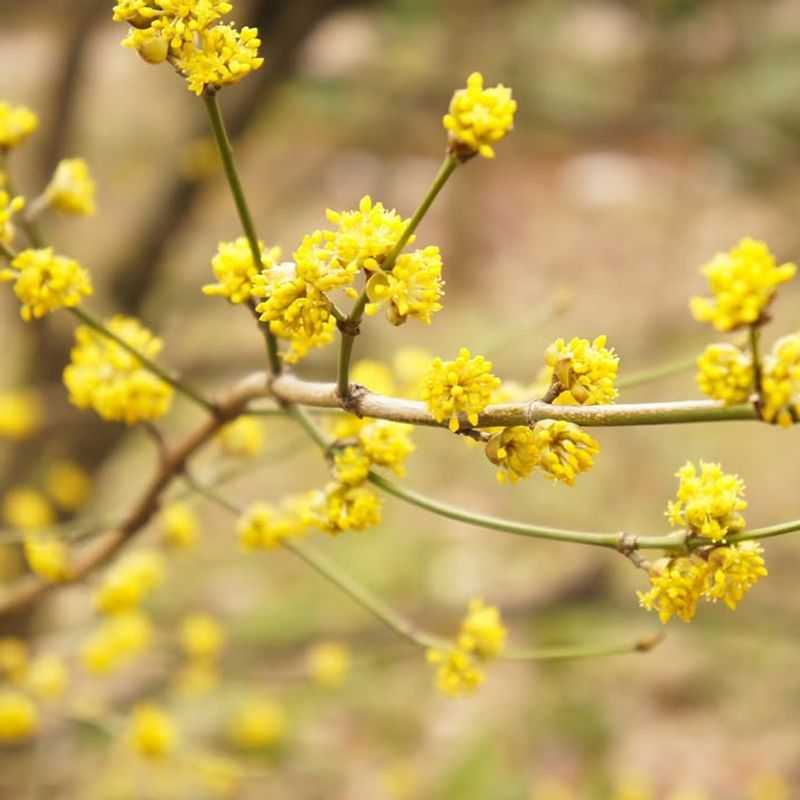
Tiny clusters of bright yellow flowers appear along its bare branches in late winter to early spring, sometimes as early as February in warmer parts of Texas. It is one of the first signs of life in the garden after a long, dull winter.
Your Texas Garden Changes Every Week. Your Plan Should Too.
Gardening in Texas changes quickly throughout the season. Every Friday you’ll receive a simple weekly plan showing exactly what to plant, prune, fertilize, harvest, and protect so you never miss the right timing.
The flowers are small but cheerful, dotting every branch with little bursts of golden yellow. Standing back and looking at a spicebush in full bloom against a plain wooden or metal fence is genuinely pretty.
It adds color to your yard at a time when almost nothing else is blooming. For Texas gardeners who love early-season interest, this plant is a real treasure. You do not have to wait until April or May for your fence line to look alive and inviting.
Spicebush handles that job weeks ahead of schedule without any extra prompting from you.
The flowers also carry a light, sweet fragrance that you might catch on a warm late-winter morning. Bees and other early pollinators notice it too, which makes spicebush a helpful plant for supporting insects when food sources are still scarce across the Texas landscape.
After the flowers fade, the leaves emerge and take over, keeping the shrub looking full and attractive through spring and summer. Then in fall, those leaves turn a warm golden yellow before dropping.
You basically get two separate seasons of color from one plant, which is a pretty amazing deal for any Texas yard.
3. Attracts Wildlife And Pollinators
Few native shrubs in Texas can match spicebush when it comes to supporting local wildlife. It serves as the primary host plant for the spicebush swallowtail butterfly, a stunning black and blue butterfly that is a joy to spot in any Texas garden.
Female swallowtails specifically seek out spicebush to lay their eggs, and the caterpillars feed on its leaves as they grow.
Watching the full life cycle of a butterfly happen right along your own fence line is something pretty special.
Kids especially love spotting the caterpillars, which are bright green with yellow eyespots and look almost cartoon-like. Planting spicebush basically turns your fence into a butterfly nursery.
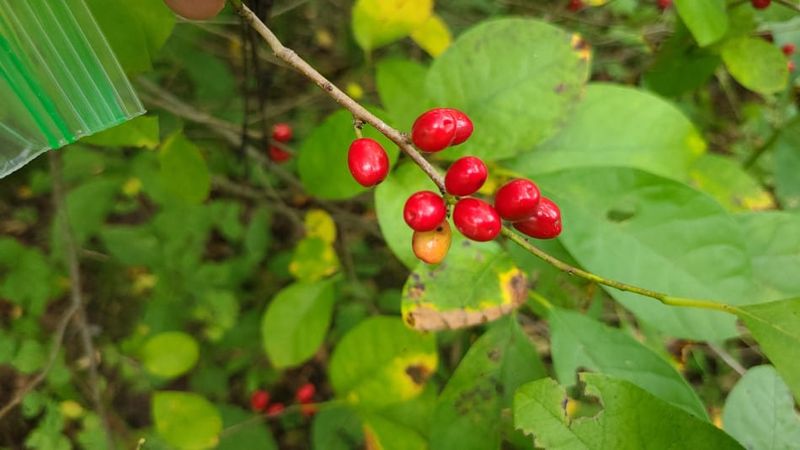
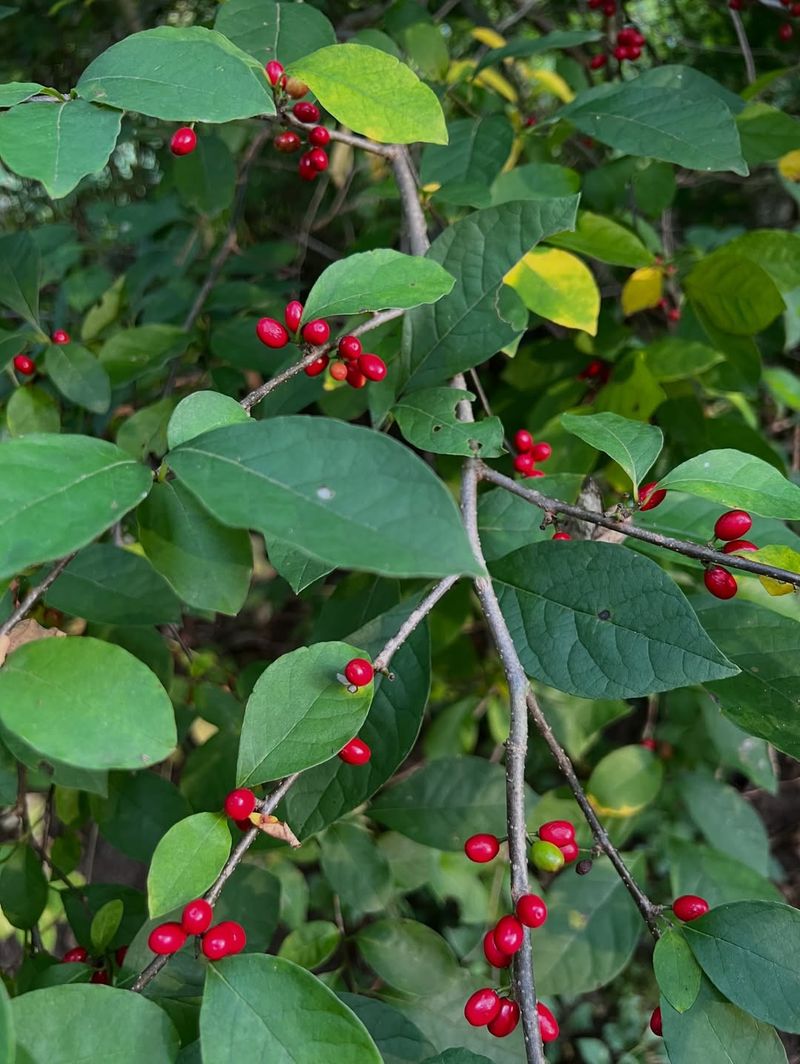
Birds are equally drawn to spicebush, particularly in fall when the shrub produces clusters of small, shiny red berries.
More than 20 bird species are known to eat these berries, including wood thrushes, great crested flycatchers, and various migrating songbirds passing through Texas.
Having a reliable food source along your fence can attract birds you might never see otherwise.
Bees and other early pollinators visit the flowers in late winter and early spring when nectar sources across Texas are extremely limited. Supporting these insects at that critical time of year helps strengthen the local pollinator population as a whole.
You are not just planting a shrub when you choose spicebush. You are creating a small ecosystem along your fence that buzzes, flutters, and chirps with life throughout the seasons.
For anyone who loves spending time outdoors in their Texas yard, that kind of wildlife activity makes every morning feel like a nature walk.
4. Natural Privacy Screen
Privacy is something most Texas homeowners think about, especially in neighborhoods where houses sit close together. Fences help, but a bare fence does not block much of the view.
Growing spicebush along your fence line adds a thick, leafy layer that gives you real privacy without the expense of a taller fence or a solid wall.
Spicebush grows in a multi-stem form, meaning it sends up several sturdy branches from the base rather than a single trunk. That growth habit creates a dense, bushy shape that fills in beautifully over time.
When planted in a row along a fence, the shrubs knit together into a solid green hedge that is hard to see through.
In Texas, where neighborhoods can feel quite open and exposed, having that natural screen makes a big difference in how comfortable your outdoor space feels.
You can sit on your patio, let your dog run in the yard, or host a backyard gathering without feeling like the whole neighborhood is watching.
Spicebush can reach anywhere from six to twelve feet tall at maturity, depending on conditions. That height is enough to block sightlines from neighboring yards and even from the street in some cases.
It grows at a moderate pace, so you will start seeing real coverage within a couple of seasons.
Unlike artificial privacy screens or fast-growing invasive plants, spicebush looks completely natural and fits right into a Texas landscape.
It changes beautifully with the seasons, so your privacy screen doubles as a year-round ornamental feature that adds genuine character and warmth to your fence line.
5. Low-Maintenance Once Established
Gardening in Texas can feel like a full-time job sometimes. Between the heat, the unpredictable rainfall, and the wide range of pests that show up uninvited, keeping a yard looking good takes real effort.
That is exactly why spicebush is such a welcome addition along a Texas fence line, because once it gets settled in, it basically takes care of itself.
During the first growing season, you will want to water it regularly to help it establish a strong root system.
After that, spicebush becomes quite drought-tolerant and handles Texas summers with very little help from you. It does not demand fertilizer, fancy soil amendments, or constant attention.
Pruning is rarely necessary, and when you do trim it, the timing is simple: wait until after it finishes flowering in spring.
That way you never accidentally remove the buds for next year’s blooms. A light shaping once a year is usually all it ever needs to stay tidy along your fence.
Pest problems are minimal with spicebush. Because it is a native Texas plant, local insects and wildlife have evolved alongside it, creating a natural balance that keeps serious infestations from taking hold.
You are unlikely to reach for a spray bottle very often. For busy homeowners, families juggling packed schedules, or gardeners who simply want a beautiful yard without constant upkeep, spicebush delivers exactly that.
You plant it, give it a little early attention, and then step back and enjoy it. In a state where so many plants demand constant babying just to survive, finding one this easygoing feels like a genuine gift.
6. Fragrant Foliage And Stems
Walk past a spicebush on a warm Texas afternoon and brush against one of its branches. You will immediately notice something surprising: a sharp, spicy, citrus-like scent that smells almost like a blend of allspice and lemon.
That fragrance comes from the leaves, stems, and even the berries of the plant, and it is genuinely one of the most pleasant smells in any garden.
The scent is released when the foliage or stems are lightly crushed or bruised. You do not need to do much to trigger it.
A gentle brush from a passing hand or a pet running through the shrubs is enough to fill the air with that wonderful aroma. It adds a sensory layer to your yard that most ornamental plants simply cannot offer.
Historically, spicebush was used by Native Americans and early settlers for cooking and herbal remedies. The dried berries were even used as a spice substitute during times when imported spices were hard to come by.
Knowing that history makes growing it along your Texas fence feel like a small connection to something much older and more meaningful.
For families with children, the fragrant foliage turns a simple walk through the backyard into a little sensory adventure. Kids love crushing a leaf and sniffing their fingers.
It sparks curiosity about plants and nature in a way that a plain ornamental shrub never could.
In a Texas garden that is already full of visual beauty, adding something that also smells wonderful gives your outdoor space a richer, more immersive quality. Spicebush earns its place along the fence with every single season it grows there.